ClassroomIO
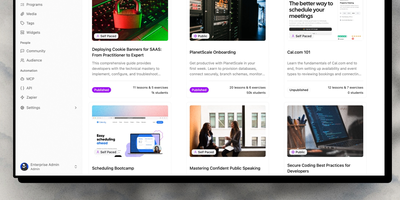
Turn company knowledge into structured courses in minutes: ClassroomIO's AI course builder takes your documents, policies, or topic outlines and generates complete lessons with exercises using Gemini, GPT-4o, or Claude — then an in-lesson AI tutor helps employees study the material at their own pace. The SvelteKit 5 and Hono API architecture backs a platform purpose-built for employee compliance training, customer education, and partner certification programs. Programs group courses into cohorts with team management, progress tracking, and goal setting. Live Kahoot-style quizzes drive real-time engagement during training sessions with automatic scoring and leaderboards. Exercises support multiple question types with automatic grading for multiple choice and AI-assisted evaluation for open-ended responses — teachers review and override all AI decisions. Branded certificates with custom IDs reward course completion. Custom domain mapping through Cloudflare lets organizations serve their learning portal under their own brand. MinIO provides S3-compatible storage for documents and video uploads. The REST API and signed webhooks enable programmatic enrollment and completion tracking, while an MCP server on npm supports AI-native authoring workflows. An embeddable widget drops the course catalog onto any website. Better Auth handles sessions and OAuth with optional SSO. Running on a dedicated VPS on RepoCloud with guaranteed CPU, RAM, and SSD, full root SSH access, and a browser serial console. AGPL-3.0 licensed.
Aureus ERP
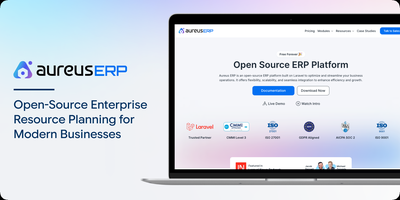
With over 11,500 GitHub stars, 20 contributors, and nine releases through version 1.4.0 in May 2026, Aureus ERP has established itself as the modern Laravel-powered alternative to legacy ERP systems like Odoo and ERPNext by packaging accounting, inventory, manufacturing, HR, sales, procurement, and project management into a modular MIT-licensed platform where you install only the plugins your business actually needs. Built on Laravel 13 with FilamentPHP 5 admin panels and TailwindCSS, each module installs via a single Artisan command that automatically resolves dependencies, runs migrations, seeds default data, and generates role-based permissions through Filament Shield integration. The Accounts module defines chart of accounts, journals, ledgers, currencies, and fiscal structures while the Accounting module handles journal entries, financial reports, period closing, and reconciliation workflows. Inventory management provides warehouse operations with stock tracking, transfers, and adjustments while Manufacturing handles bills of materials, manufacturing orders, work orders, and work center scheduling. The Sales module manages pipeline stages and opportunity tracking while Purchases handles procurement workflows and vendor management. HR capabilities span employee management, recruitment with applicant tracking, leave management through Timeoffs, and employee hour tracking via Timesheets. The Projects module provides planning and task management with the Maintenance module covering preventive and corrective equipment maintenance with calendar views. Docker deployment pulls a single image bundling PHP, MySQL, Apache, and Node.js for immediate browser access. Running on a dedicated VPS on RepoCloud with guaranteed CPU, RAM, and SSD, full root SSH access, and a browser serial console. MIT licensed.
Lyftr
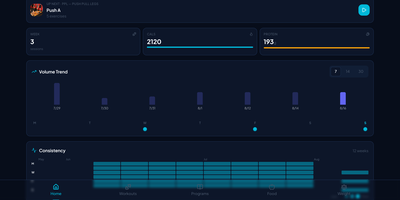
Lyftr delivers a self-hosted workout and nutrition tracker that runs on a small VPS — no subscriptions, no vendor lock-in, no "export is a Pro feature" paywalls. The Go backend with Gin framework provides JWT authentication and a REST API while storing everything in a single SQLite database file you can back up with one copy command. The exercise library ships with 800+ movements auto-seeded on first run, letting you build reusable workout programs with target sets, reps, and weights from day one. Active workout mode provides a guided set-by-set flow through your session while Gym Mode offers a full-screen card layout showing one exercise at a time with an integrated rest timer for focused training. The React frontend built with TypeScript and Tailwind delivers a mobile-first interface featuring a dashboard with weekly session KPIs, daily calorie and protein tracking, 12-week consistency heatmap, volume trend charts, and muscle balance visualization with sparklines. Nutrition tracking connects to Open Food Facts for food search with camera-based barcode scanning, logging calories and macros across customizable meal sections. Bodyweight logging with trend graphs supports both lbs and kg units across all data. An Android APK connects to your self-hosted instance for native mobile access. Running on a dedicated VPS on RepoCloud with guaranteed CPU, RAM, and SSD, full root SSH access, and a browser serial console. MIT licensed.
Frappe Helpdesk
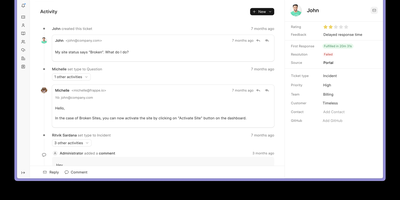
With over 3,200 GitHub stars, 900 forks, and backing from the team behind ERPNext, Frappe Helpdesk delivers a modern, streamlined alternative to Zendesk and Freshdesk with unlimited agents, no per-seat pricing, and full source code access under the AGPL-3.0 license. Built on the Frappe Framework with a Python backend and Vue 3 frontend using Frappe UI, the application collects customer inquiries from email, web forms, and the customer portal into a centralized ticketing queue with complete conversation history and threaded replies. Customizable SLA rules define response and resolution timelines by ticket type or team, triggering automatic alerts and escalations when deadlines approach or are missed. Assignment rules route incoming tickets to the appropriate agents based on priority, issue type, or workload balancing, while manual reassignment and transfer between teams remains available at any time. The customer self-service portal lets users submit tickets, track status, and search a knowledge base of published help articles that reduce repetitive support requests. Agents access saved reply templates for consistent, rapid responses to common queries. Custom fields, configurable workflows, and saved views adapt the interface to match each organization's support process. Real-time updates via WebSocket push ticket changes instantly to all connected agents. The PWA-compatible interface provides mobile access without a native app. Frappe Framework compatibility spans versions 15 and 16. Running on a dedicated VPS on RepoCloud with guaranteed CPU, RAM, and SSD, full root SSH access, and a browser serial console. AGPL-3.0 licensed.
Grocy
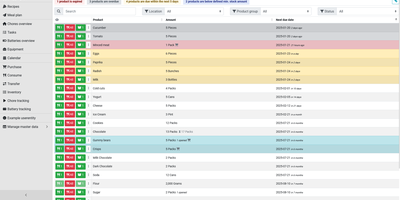
Grocy is a household management system, bringing ERP-grade inventory tracking to kitchens, pantries, and homes worldwide. The stock management system tracks products with expiration dates, best-before dates, and opened tracking, while barcode scanning via USB readers or device cameras with Open Food Facts product lookup enables rapid item entry. Minimum stock amounts trigger automatic shopping list entries so frequently used products never run out, and multiple shopping lists can be maintained and shared across household members. Recipe management links ingredients directly to stock inventory, showing at-a-glance fulfillment status and a Due Score that highlights recipes best suited for consuming items approaching expiration. The meal planner organizes daily meals across customizable time periods and adds all missing ingredients to shopping lists with one click. Chore tracking schedules recurring household tasks with assignment to specific members, due date tracking, and completion history logging. Battery management monitors charge cycles for household devices with configurable reminder intervals. Custom fields and userfields extend any entity with additional data, while feature flags disable unused modules to simplify the interface. The RESTful API with integrated Swagger UI at the /api endpoint exposes every operation the web frontend uses, enabling third-party integrations with home automation systems. Running on a dedicated VPS on RepoCloud with guaranteed CPU, RAM, and SSD, full root SSH access, and a browser serial console. MIT licensed.
Wallabag
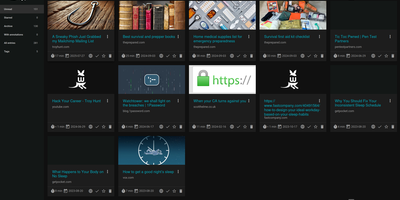
With 12,800+ GitHub stars and over a decade of active development since 2013, wallabag is the most established open-source read-it-later application — built for readers who want complete ownership of their article archive without depending on services that shut down (RIP Pocket). The Symfony-based PHP application extracts clean article content using Graby and php-readability, stripping advertisements, pop-ups, and tracking scripts to deliver a distraction-free reading experience optimized for both desktop and mobile screens. Save articles via Chrome, Firefox, or Safari browser extensions, Android and iOS native apps, REST API, or the built-in bookmarklet — all syncing to your self-hosted instance. Organize your library with tags, automated tagging rules that classify articles by content patterns, starred favorites, and archived collections. The annotation system enables highlighting extracts and attaching notes directly within articles for research and reference workflows. Import your existing reading lists from Pocket, Omnivore, Instapaper, Pinboard, Readability, and browser bookmarks. Export articles in PDF, ePUB, MOBI, JSON, CSV, TXT, or HTML for offline reading on Kindle, Kobo, and other e-readers. Full-text search with filters by reading time, domain, language, and creation date makes retrieval instant across thousands of saved articles. RSS feed output integrates with feed readers and automation services. Docker deployment with SQLite, MySQL, or PostgreSQL persistence backends takes under five minutes. Running on a dedicated VPS on RepoCloud with guaranteed CPU, RAM, and SSD, full root SSH access, and a browser serial console. MIT licensed.
Radicale
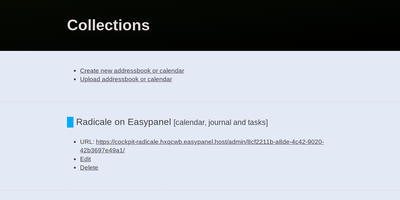
Calendars, to-do lists, journal entries, and contacts, synced over the open CalDAV and CardDAV standards nearly every client already speaks: Radicale is a small pure-Python server that works with Thunderbird, DAVx5 on Android, Apple Calendar and Contacts, GNOME, and many more. Its defining design choice is radical simplicity: there is no database. Events live as plain .ics files and contacts as .vcf files in an ordinary folder structure, which makes backup a copy command, migration a move, and disaster recovery a matter of reading text files. The server works out of the box with no complicated setup, then grows as needed: flexible authentication (htpasswd files among other methods), per-collection authorization rules, TLS-secured connections, and a plugin system for extending storage, auth, and rights handling. Built-in limits on parallel connections, file sizes, and failed authentication attempts harden it for network exposure behind a reverse proxy. A bundled web interface handles creating and managing calendars and address books - useful since many clients cannot create collections themselves. Maintained since 2011 with 140+ contributors, GPLv3-licensed, and light enough to run on the smallest VPS or a Raspberry Pi.
Infisical
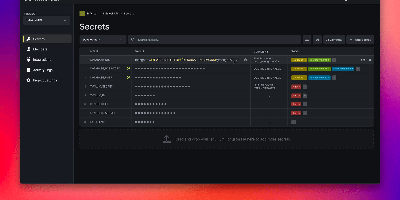
API keys hardcoded in repos, database passwords pasted into CI variables, .env files emailed between developers - Infisical, the open-source platform for secrets, certificates, and privileged access management, is the answer to all three. Secrets live in versioned stores scoped by project, environment, and path, with fine-grained identity-aware access control and full audit logging on every read and change. Delivery covers every consumption pattern: CLI injection into local dev, SDKs for Go, Node.js, and Python, an HTTP API, agents, a Kubernetes Operator, and secret syncs that push to GitHub, GitLab, AWS Secrets Manager, and Vercel. Automatic rotation replaces credentials for PostgreSQL, MySQL, MSSQL, LDAP, AWS IAM, and Azure on a rolling schedule - new credentials issue while old ones stay temporarily valid, so nothing breaks mid-rotation. Dynamic secrets go further, generating ephemeral, time-bound database credentials on demand, and SSH access replaces static keys with short-lived CA-signed certificates that expire automatically. Secrets scanning catches hardcoded credentials in code and pipelines, certificate management automates X.509 issuance and renewal, and a built-in KMS handles encrypt/decrypt with central key control. Self-hosting keeps the keys to everything else on your own infrastructure.
Docmost
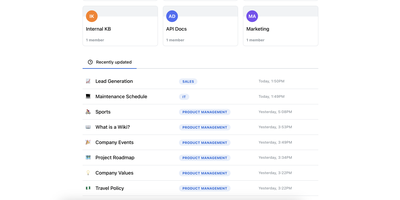
Confluence and Notion both want your team's documentation in their cloud; Docmost, an open-source collaborative wiki platform, keeps it on your server. The centerpiece is a Notion-style block editor with CRDT-based real-time collaboration: multiple people edit the same page simultaneously and changes merge without conflicts or overwrites. Content lives in spaces - per team, project, or department - with nested page trees, role-based permissions, groups, inline comments, page history with restore, and full-text search across everything. The editor covers tables, code blocks, callouts, KaTeX math, and file attachments, and diagramming is built in rather than bolted on: Mermaid, Draw.io, and Excalidraw all render inside pages, alongside embeds for Airtable, Loom, Miro, and more. Migration paths include Notion, Markdown, HTML, and ZIP archive imports (Confluence, PDF, and DOCX importers ship in the Enterprise edition, along with SSO via SAML/OIDC/LDAP and MFA). The stack is TypeScript with PostgreSQL and Redis, deploys via Docker Compose, runs in air-gapped environments with no external dependencies, and is translated into 10+ languages. The AGPL-3.0 community edition carries no per-seat fees; the project has passed 20,000 GitHub stars since its 2024 launch.
Navidrome
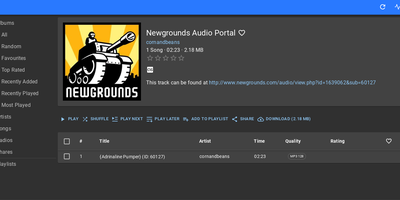
Spotify economics without the subscription or catalog gaps: Navidrome, the reference self-hosted music server, streams your own FLAC, MP3, and ALAC collection from a single Go binary with a React/Material UI web player. Its Subsonic/OpenSubsonic API compatibility is the superpower: 50+ existing clients work out of the box, from Symfonium and DSub on Android to Feishin and Sonixd on desktop, plus Android Auto, CarPlay, and Android TV apps. Transcoding is server-managed and FFmpeg-backed - FLAC direct-plays at home and downsamples to MP3, AAC, or Opus over mobile bandwidth, with the OpenSubsonic transcoding extension letting clients declare capabilities and receive per-track direct-play or transcode decisions automatically. Multi-user support gives every account its own play counts, favorites, ratings, and playlists, and multi-library support scopes different collections to different users. The feature list covers serious listening: Last.fm and ListenBrainz scrobbling, artist bios and images, embedded and external lyrics, audiobook bookmarks, saved play queues that resume on another device, internet radio, jukebox mode, and M3U playlist auto-import kept in sync with your folder. Resource usage is famously low - it runs happily on a Raspberry Pi and scales to six-figure track counts.
Firecrawl
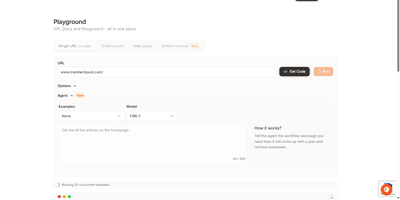
With over 164,000 GitHub stars and one of the fastest-growing open-source projects in the AI tooling ecosystem, Firecrawl is the web context API that turns any website into clean markdown, structured JSON, or screenshots optimized for large language models. The Scrape endpoint converts a single URL into LLM-ready output with approximately 67% fewer tokens than raw HTML, handling JavaScript rendering, rotating proxies, anti-bot bypasses, and dynamic content extraction with zero configuration. The Crawl endpoint recursively scrapes entire websites from a single request with configurable depth, URL filters, and concurrent page limits. The Map endpoint discovers all URLs on a domain instantly for sitemap generation. The Search endpoint performs web searches and returns full page content from results. The Interact endpoint scrapes a page then continues working with it — clicking buttons, filling forms, and extracting dynamic content using AI prompts or code. The Agent endpoint provides autonomous web data gathering where users describe what they need in plain English. SDKs are available for Python, Node.js, Go, Rust, Ruby, PHP, Java, C#/.NET, and Elixir, with an MCP server for connecting to any AI agent or MCP client. Self-hosting deploys via Docker Compose and requires Redis and a Playwright-based browser service for JavaScript rendering. Running on a dedicated VPS on RepoCloud with guaranteed CPU, RAM, and SSD, full root SSH access, and a browser serial console. AGPL-3.0 licensed.
dbx
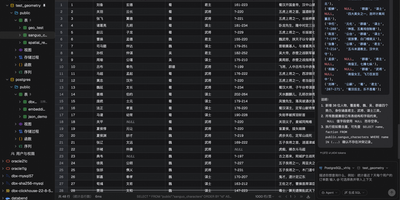
Universal database administration across modern enterprise infrastructure is simplified through dbx, a lightweight web client and SQL studio supporting over ninety database engines. Database administrators connect to MySQL, PostgreSQL, SQLite, Redis, MongoDB, ClickHouse, DuckDB, Oracle, and Microsoft SQL Server through authenticated network connections and encrypted SSH tunnels. The interactive query editor provides real-time multi-schema autocomplete, syntax linting, execution plan analysis, and natural language SQL query synthesis powered by configurable large language model backends. Teams visualize complex relational database architectures using interactive entity-relationship diagrams that map table foreign key constraints, primary indexes, and table partition layouts automatically. Operators inspect live Redis memory usage breakdowns, monitor real-time server command throughput, and manage key expirations without opening raw terminal sessions. The editable data grid supports multi-row modifications, foreign key reference lookups, CSV and JSON exports, and binary blob data inspection directly inside the browser viewport. Software developers expose connected databases directly to external AI coding assistants through native Model Context Protocol server endpoints. Running on a dedicated VPS on RepoCloud with guaranteed CPU, RAM, and SSD, full root SSH access, and a browser serial console. Apache-2.0 licensed.
Restreamer
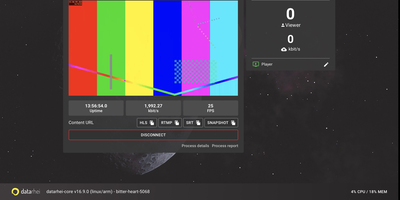
Point OBS or a hardware encoder at Restreamer's built-in RTMP or SRT ingest and it serves your website while rebroadcasting to YouTube Live, Twitch, Facebook, Vimeo, TikTok, LinkedIn, PeerTube, and anything else that accepts RTMP, SRT, or HLS - a complete self-hosted live-streaming server from datarhei. That multistreaming normally costs a monthly Restream.io subscription; here it's one FFmpeg process per destination on your own hardware. The web UI is genuinely approachable, with a wizard that walks beginners through camera setup, while professionals get the full surface: multiple audio/video inputs (USB, RTSP network cameras, virtual devices), codec and processing settings, separate audio muxing, and hardware acceleration via Nvidia CUDA, Intel VAAPI, or Raspberry Pi. Serving your own audience is first-class - a built-in Video.js player embeds in your site, a ready-made publication website streams without any embedding work, HLS chunk sizes are tunable, and automatic Let's Encrypt handles HTTPS. Viewer and bandwidth monitoring with limits keeps traffic costs predictable, and it's GDPR-friendly: no third-party provider, no audience data stored. A fully Swagger-documented REST API drives automation. SRT support keeps latency under a second.
Open Code Review
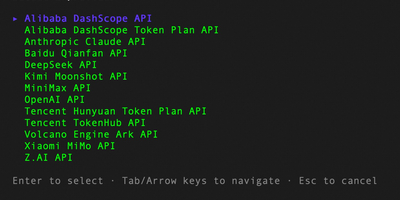
Originated as Alibaba Group's official internal AI code review assistant serving tens of thousands of developers and identifying millions of code defects over two years before open-sourcing in May 2026 — now at 21,000+ GitHub stars — Open Code Review is the production-hardened platform that proves enterprise-grade code review can be fully open-source under Apache 2.0. The hybrid architecture separates deterministic engineering pipelines (file selection, diff parsing, rule matching for NPE, thread-safety, XSS, and SQL injection across 10+ languages) from LLM-powered agent reasoning with tool-use capabilities including FileRead, CodeSearch, and cross-file context inspection, consuming approximately one-ninth the tokens of general-purpose coding agents while delivering line-level precise comments with severity and confidence scoring. The bundled web dashboard (port 4173) provides review management, findings triage, result browsing, and direct GitHub posting without external dependencies, while the session viewer (port 5483) renders full LLM request/response traces for debugging and auditing. Integration spans GitHub Actions, GitLab CI, GitFlic CI, and Gerrit with delegation mode enabling Claude Code, Cursor, and other AI agents to leverage OCR's engineering logic alongside their own LLM reasoning. Supports OpenAI, Anthropic, Google Gemini, DeepSeek via built-in providers plus Ollama and vLLM for air-gapped deployments. Running on a dedicated VPS on RepoCloud with guaranteed CPU, RAM, and SSD, full root SSH access, and a browser serial console. Apache 2.0 licensed.
PrivateBin
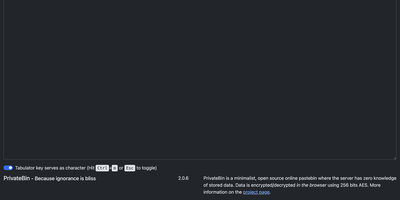
PrivateBin shares text and files with true zero-knowledge encryption: the server stores only ciphertext it cannot decrypt because the key exists exclusively in the URL fragment that never reaches the server. With over 8,400 GitHub stars and 500,000+ Docker pulls, it has become the standard for privacy-respecting paste sharing where not even the hosting operator can read stored content. All encryption uses 256-bit AES in Galois Counter mode performed entirely client-side in the browser. Burn-after-reading mode destroys pastes on first view, while configurable expiration timers automatically purge content after periods ranging from five minutes to forever. Optional password protection adds a second encryption layer requiring recipients to enter a passphrase before decryption occurs. Discussion threads enable anonymous or nickname-based commenting on pastes with IP-based identicon avatars for visual identity. Markdown rendering with live preview formats pastes as styled HTML, and syntax highlighting through prettify.js supports dozens of programming languages across four color themes. File upload support enables sharing images, PDFs, and media files with in-browser preview. QR code generation converts paste URLs for mobile device transfer. Customizable templates include Bootstrap 5, classic Bootstrap CSS, and Darkstrap themes. Storage backends support filesystem, MySQL, PostgreSQL, SQLite, Amazon S3, and Google Cloud Storage. Deploy via Docker with the privatebin/nginx-fpm-alpine image on port 8080. Running on a dedicated VPS on RepoCloud with guaranteed CPU, RAM, and SSD, full root SSH access, and a browser serial console. zlib licensed.
Motor Admin
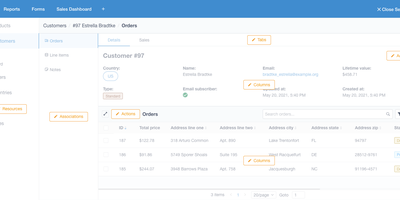
Stop building internal tools and ship your actual product - Motor Admin exists for exactly that. Point this Ruby/Vue application at a PostgreSQL, MySQL, MariaDB, or SQL Server database and it generates a complete CRUD admin panel from your schema in under a minute - search, filters, create, update, delete, all through a polished UI, with every customization done through in-app settings rather than a DSL or boilerplate code. What elevates it beyond CRUD generators is the business-intelligence half: write SQL queries (with variables) and render results as tables, numbers, line/bar/ pie charts, funnels, or markdown; organize reports into shared dashboards; and attach queries and dashboards directly to resource pages as tabs, so an order record shows its revenue history in place. Operations beyond CRUD are covered by custom actions and a WYSIWYG forms builder that posts to your existing REST or GraphQL APIs - send a refund, trigger an email, whatever your backend exposes. Email alerts deliver scheduled reports, Slack sends personalized report alerts, and intelligence search spans all resources. Governance is included: role-based permissions with row- and column-level control (CanCanCan), an audit log of admin activity, multiple database connections, and configuration sync between staging and production. Mobile-optimized, AGPL-licensed, also available as a Rails engine.
Wiki.js
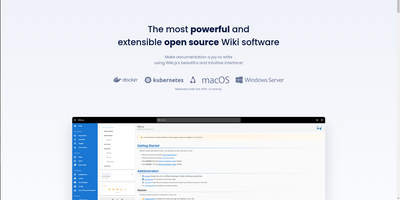
Team and product documentation on a fast Vue frontend with PostgreSQL storage: Wiki.js is a Node.js wiki engine. Its distinguishing trait is per-page editor choice: authors pick Markdown with live preview, a WYSIWYG visual builder for non-technical writers, or raw HTML, page by page. Native Git synchronization commits every page change to GitHub, GitLab, Bitbucket, Azure DevOps, or any Git remote - bi-directionally, so edits made in the repository flow back into the wiki - giving documentation version-controlled backup for free. Authentication coverage is among the broadest of any self-hosted wiki: local accounts with self-registration, social login via Google, GitHub, Discord, and Slack, and enterprise SSO through LDAP/Active Directory, SAML, CAS, Auth0, Okta, Azure AD, Keycloak, and generic OAuth2/OIDC, with optional MFA. Built-in full-text search runs on PostgreSQL with zero setup, and external engines like Algolia or Solr can substitute. Page history with visual version comparison, granular group-based permissions per path, nested navigation menus, 50+ integration modules, and full localization round it out. AGPLv3-licensed with a 28k-star community.
DumbAssets
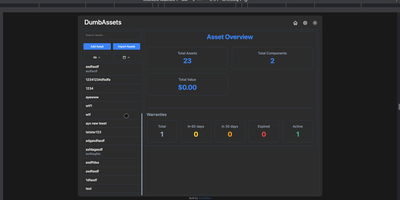
DumbAssets delivers a deliberately simple physical asset tracker that does exactly one thing well — keeping tabs on everything you own, from server racks down to individual HDDs, with hierarchical component nesting that mirrors real-world organization. The Node.js backend stores all data in JSON files within a single /data directory, making backups trivial with one folder copy while the PWA-enabled frontend provides responsive access from any device with light and dark theme persistence. Assets track model numbers, serial numbers, purchase dates, warranty expiration dates, and custom descriptions while sub-components nest infinitely — attach a Dell R730 to your server rack, then attach individual drives, CPUs, and NICs to that server with separate warranty and maintenance schedules for each. The Apprise notification engine fires configurable alerts for warranty expirations and maintenance events with direct links back to the specific asset in the web interface. Photo uploads attach visual records to any asset, receipt storage keeps purchase documentation alongside the item it covers, and a flexible tagging system enables cross-cutting organization beyond the hierarchy. PIN authentication with brute-force protection secures the interface, while search covers names, models, serials, and descriptions with sorting by warranty status, tags, components, or alphabetical order. Deploy with a single Docker command mapping port 3000 and one data volume. Running on a dedicated VPS on RepoCloud with guaranteed CPU, RAM, and SSD, full root SSH access, and a browser serial console. GPL v3 licensed.