Wealthfolio
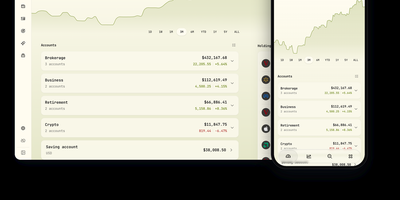
Wealthfolio is a portfolio tracker offering a complete wealth management platform where financial data never leaves your infrastructure. Built on Rust with an Axum HTTP server, Diesel ORM, and SQLite storage, paired with a React 19 and Vite frontend, version 3.6 tracks stocks, ETFs, mutual funds, crypto, and cash savings across unlimited accounts with unified holdings. The performance engine calculates time-weighted returns (TWR), internal rate of return (IRR), volatility, maximum drawdown, and benchmark comparisons against the S&P 500 and custom indices, scoped per-account or across the entire portfolio. Net worth tracking monitors assets including real estate, vehicles, collectibles, and precious metals alongside liabilities, with stale-valuation warnings for items not updated in 90+ days. The spending module categorizes transactions automatically, supports multi-currency credit cards, builds budgets with monthly targets and rollovers, and generates narrative insights. A built-in AI assistant answers portfolio questions, suggests asset classifications, and imports transactions conversationally — bring your own API key from OpenAI, Anthropic, or use local LLMs. The addon system provides sandboxed extensions with granular permission declarations across 16 capability domains. CSV import maps broker exports with per-broker recipes for Interactive Brokers, Schwab, Fidelity, and dozens more. Market data streams from Yahoo Finance with automatic currency conversion. Running on a dedicated VPS on RepoCloud with guaranteed CPU, RAM, and SSD, full root SSH access, and a browser serial console. AGPL-3.0 licensed.
ezBookkeeping
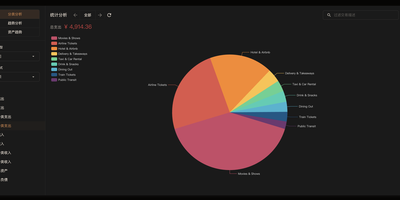
Managing household finances and personal investments becomes completely private with ezBookkeeping, a self-hosted accounting platform that combines multi-currency ledger tracking, automated bank imports, and AI-assisted receipt analysis into a responsive financial dashboard. Users can record daily income, expenses, and asset transfers using hierarchical two-level accounts and customizable tags, attaching photographic receipts and geographic location coordinates to individual entries. The automated data ingestion engine processes bank statements across standardized CSV, OFX, QIF, CAMT, and MT940 files, applying user-defined column mappings and custom conversion scripts to eliminate manual bookkeeping. Financial planners can schedule recurring bills, configure monthly category spending limits, and track asset distribution with interactive charts, trend graphs, and activity heatmaps in the Insight Explorer. Integrated artificial intelligence tools scan uploaded invoice photos to extract line items automatically while a native Model Context Protocol server lets external desktop assistants query balances and audit budgets safely. Security features include time-based two-factor authentication, single sign-on via standard identity providers, and biometric passkey screen locks that secure private monetary ledgers on shared computers. Account owners can export full audit histories to portable spreadsheets, manage multi-currency exchange rate tables, and access clean web interfaces on both desktop monitors and mobile devices. Running on a dedicated VPS on RepoCloud with guaranteed CPU, RAM, and SSD, full root SSH access, and a browser serial console. MIT licensed.
Maybe Finance
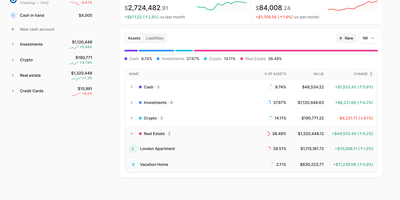
Roughly $1M of development work, open-sourced: Maybe Finance began as a $249/year commercial personal finance product before the company released it all. It aggregates bank accounts, credit cards, loans, investments, crypto, and real estate into a single net worth dashboard with historical trend charts - replacing the spreadsheet that usually glues a whole portfolio together. Transactions are categorized and tagged with rules, with merchant tracking and search across imported or synced activity; budgets track spending by category against plan; and the investment view follows holdings, cost basis, and returns across brokerage accounts. Multi-currency support converts accounts held in different currencies into a single reporting currency, bank synchronization works through Plaid where supported, and manual CSV import covers any institution. An optional AI assistant answers questions grounded in your own financial data. Because the app was built as a paid product with professional design before being open-sourced, its interface quality exceeds most community finance tools - and self-hosting means your balances and transactions are not monetized by a free app or gated behind an annual subscription. The stack is Ruby on Rails with Hotwire on PostgreSQL, licensed AGPL-3.0 and deployed via Docker. The original repository is archived; development continues in the community fork Sure, compatible with the same self-hosted setup.
TREK
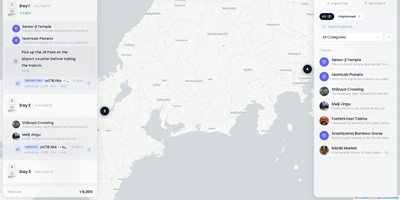
TREK coordinates group expeditions and vacations through a collaborative travel planning workspace that unifies daily itineraries, interactive route maps, shared expense budgets, and packing lists. Travel groups can build day-by-day timelines by dragging activities between dates, attaching transit bookings with flight numbers, and estimating driving intervals directly on OpenStreetMap and Mapbox canvases. Instant WebSocket synchronization mirrors itinerary edits, group chat messages, and decision poll votes across all traveling companions simultaneously without page refreshes. The integrated multi-currency expense manager tracks shared expenditures across lodging, dining, and transit categories, automatically calculating per-person debts and generating simplified debt settlement summaries. An interactive world atlas highlights visited nations and tracks lifetime travel statistics, enabling globe-trotters to manage personal bucket lists and review past journeys. Travelers can organize shared packing checklists from reusable equipment templates, monitor real-time weather forecasts powered by Open-Meteo, and export comprehensive travel schedules to printable PDF guides and calendar feeds. Role-based permission controls safeguard sensitive travel documents and boarding pass uploads while allowing guests to contribute notes and vote on activities. Running on a dedicated VPS on RepoCloud with guaranteed CPU, RAM, and SSD, full root SSH access, and a browser serial console. AGPL-3.0 licensed.
Actual Budget
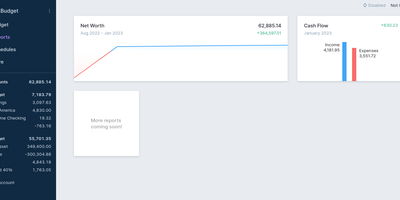
Every unit of income gets a job in Actual Budget - a local-first personal finance app built on envelope (zero-sum) budgeting, where you can only budget cash you actually have, which keeps the plan honest by construction. The data model is a SQLite file that lives on your device and works fully offline; the self-hosted Node.js sync server adds background multi-device synchronization using CRDT-based distributed-systems machinery, browser and mobile access as an installable web app, and automated backups. Optional end-to-end encryption makes the synced data unreadable even to the server hosting it. Transactions enter three ways: manual entry, file import (CSV, QIF, OFX, QFX, CAMT.053), or automatic bank syncing through GoCardless for EU/UK banks and SimpleFIN for US/Canada. Built-in YNAB4 and nYNAB importers migrate complete budget histories, and reports, schedules for recurring transactions, and rule-based transaction cleanup handle the day-to-day. A fully featured local API lets developers script custom importers and automation against their own data. 100% free, open source, and 26k stars strong.
FireFlyIII
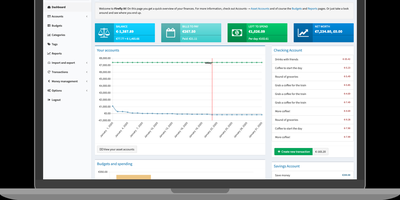
With over 24,000 GitHub stars and active development since 2014, Firefly III is the self-hosted personal finance manager that gives you complete control over your financial data without ever contacting external servers. The double-entry bookkeeping system tracks every transaction with source and destination accounts, ensuring accurate balance calculations and audit trails across checking, savings, credit card, cash, and asset accounts. Budget management sets monthly spending limits by category with visual progress tracking and rollover support for unused allocations. Rule-based transaction automation applies categorization, tags, and budget assignments automatically based on configurable conditions matching description, amount, source, and destination patterns. Recurring transactions schedule regular bills, subscriptions, and income entries with automatic creation on configured dates. Piggy banks divide savings accounts into virtual sub-accounts for goal tracking with target amounts and deadlines. Financial reports include income versus expense summaries, budget performance charts, category breakdowns, tag reports, and net worth tracking with weekly, monthly, and yearly time ranges. Multi-currency support handles any currency with configurable exchange rates for international finance tracking. The REST JSON API covers nearly every feature for integration with external tools, import utilities, and the companion Firefly III Data Importer for bank statement processing. Two-factor authentication provides account security. Self-hosting deploys via Docker containers or directly on PHP 8.5+ with MySQL or PostgreSQL. Running on a dedicated VPS on RepoCloud with guaranteed CPU, RAM, and SSD, full root SSH access, and a browser serial console. AGPL-3.0 licensed.
DumbBudget
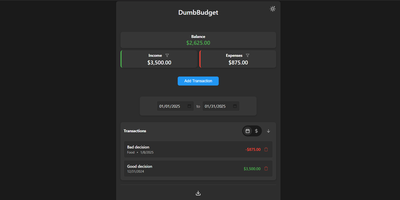
"Stupid simple software" is the entire philosophy at DumbWare.io, and DumbBudget delivers it: no over-engineering, no complexity, no accounts, no bank connections - just a clean, modern ledger for money in and money out. Log income and expenses, assign categories, and watch real-time balance calculations update as you type. Finding transactions is quick: filter by type, narrow by date range, sort by date or amount. When tax season or spreadsheet analysis calls, everything exports to CSV. Access control matches the philosophy - a single PIN (set via one environment variable) gates the app, backed by real security engineering: rate limiting on PIN attempts, temporary lockout after failures, secure session handling, and no sensitive data in browser storage. Multi-currency support covers the ISO codes, and a SITE_TITLE variable names each instance - deliberately useful, because running separate instances per account or family member is the intended pattern for multi-user needs. The responsive UI ships light and dark themes and installs as a PWA on phones, where expense logging actually happens. Configuration is five environment variables; data persists in one folder. If Actual Budget and Firefly III feel like accounting software, this is the notepad that gets used. GPL-licensed.
Monetr
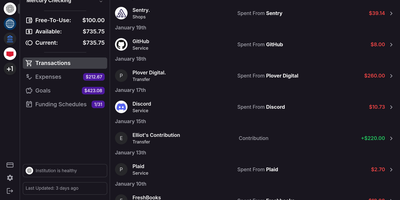
After the bills are covered, how much is actually safe to spend? monetr organizes an entire budgeting application around that one question. Inspired by the defunct Simple bank, it budgets paycheck by paycheck rather than month by month. Funding schedules encode when you get paid - including multiple schedules per account and a weekend-exclusion option for deposits that land early - and every expense or savings goal is tied to one. monetr then calculates how much of each recurring obligation (rent, car payment, subscriptions, on any repeat interval) to set aside from each paycheck, so a large bill never has to come out of a single check. What remains after allocations is surfaced as Free-To-Use, and a forecasting timeline projects contributions, due dates, and leftover funds forward so low-balance periods are visible before they happen. Transactions arrive either as OFX uploads from your bank or automatically through a Plaid connection using your own API credentials, keeping balances and transactions synced without manual entry. The app is mobile-friendly and installable as a PWA on desktop or phone. Self-hosting via Docker Compose is completely free, with all source code public and your financial data on your own hardware.
Wally
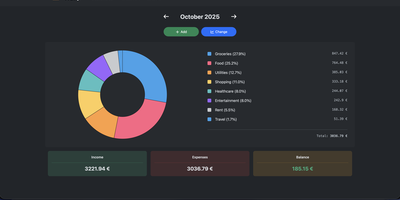
Started as an ExpenseOwl-inspired project, Wally grew into a lightweight, self-hosted expense tracker more capable in every direction its author touched. The backend is Python FastAPI over SQLite, which means every deployment ships a full REST API with interactive documentation at /api/docs - automating imports or wiring in external tools requires no reverse engineering, and when the optional login page is enabled you can mint scoped API keys from the Settings page for token-based integrations. The transactions view is built on AG Grid, bringing real search, column sorting, and per-column filtering to your ledger, with a footer totaling rows, income, and expenses for whatever slice you have filtered. Dashboards go beyond the usual monthly doughnut: a Change button swaps in year-scale line graphs so you can track a single category - restaurants, say - across time. Recurring transactions edit intelligently, letting you apply changes to all instances or only future ones. CSV import and export use a simple six-column format handled from Settings, the refined dark theme is genuinely easy on the eyes, and the interface is translated into more than ten languages. The whole thing runs from one small container with a single data volume.