Categories
Self-Hosted Metadata Management Digital Preservation Data Publishing Open Science Academic Research Data Data RepositoryStars
Forks
Watchers
Developer links
Dataverse
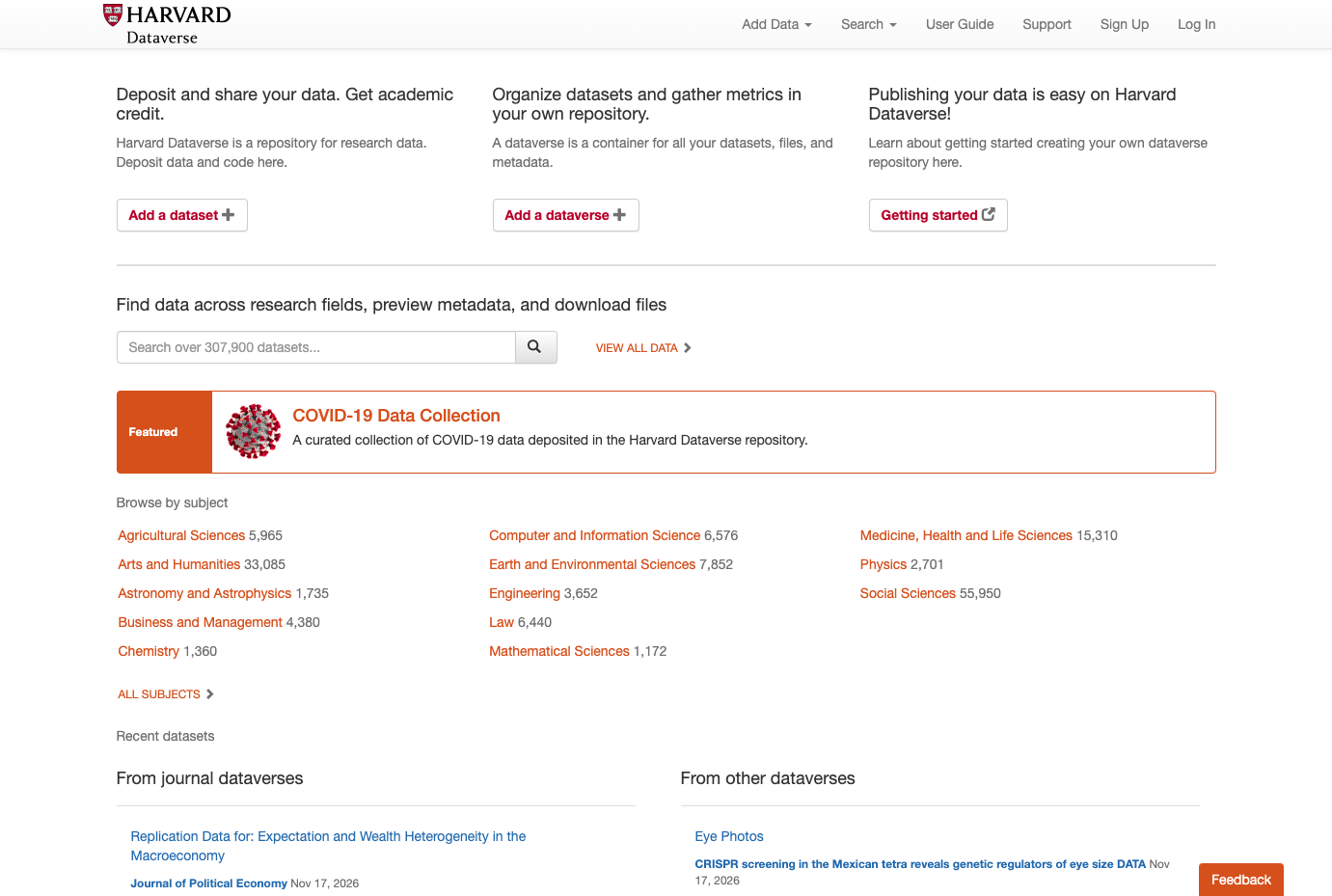
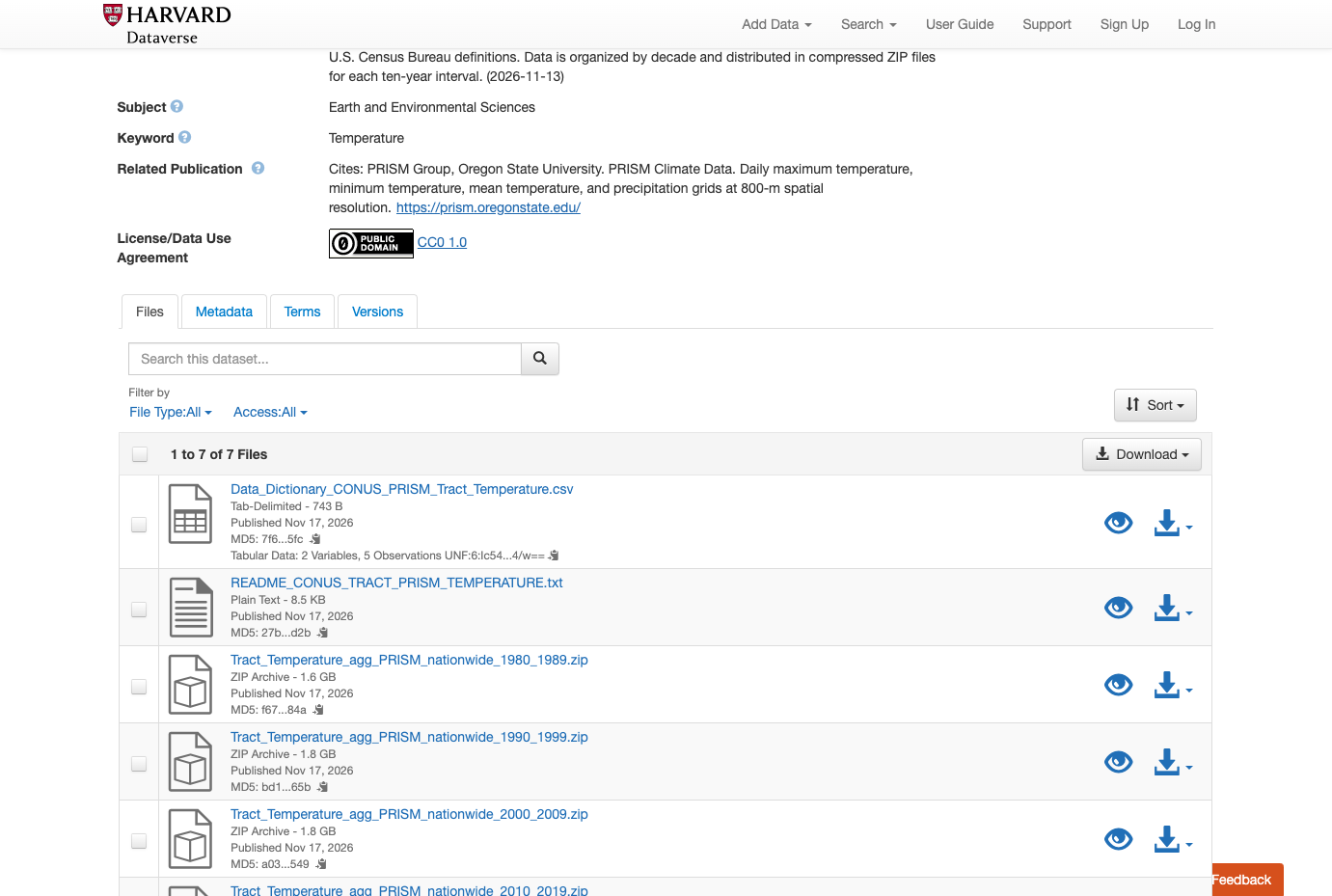
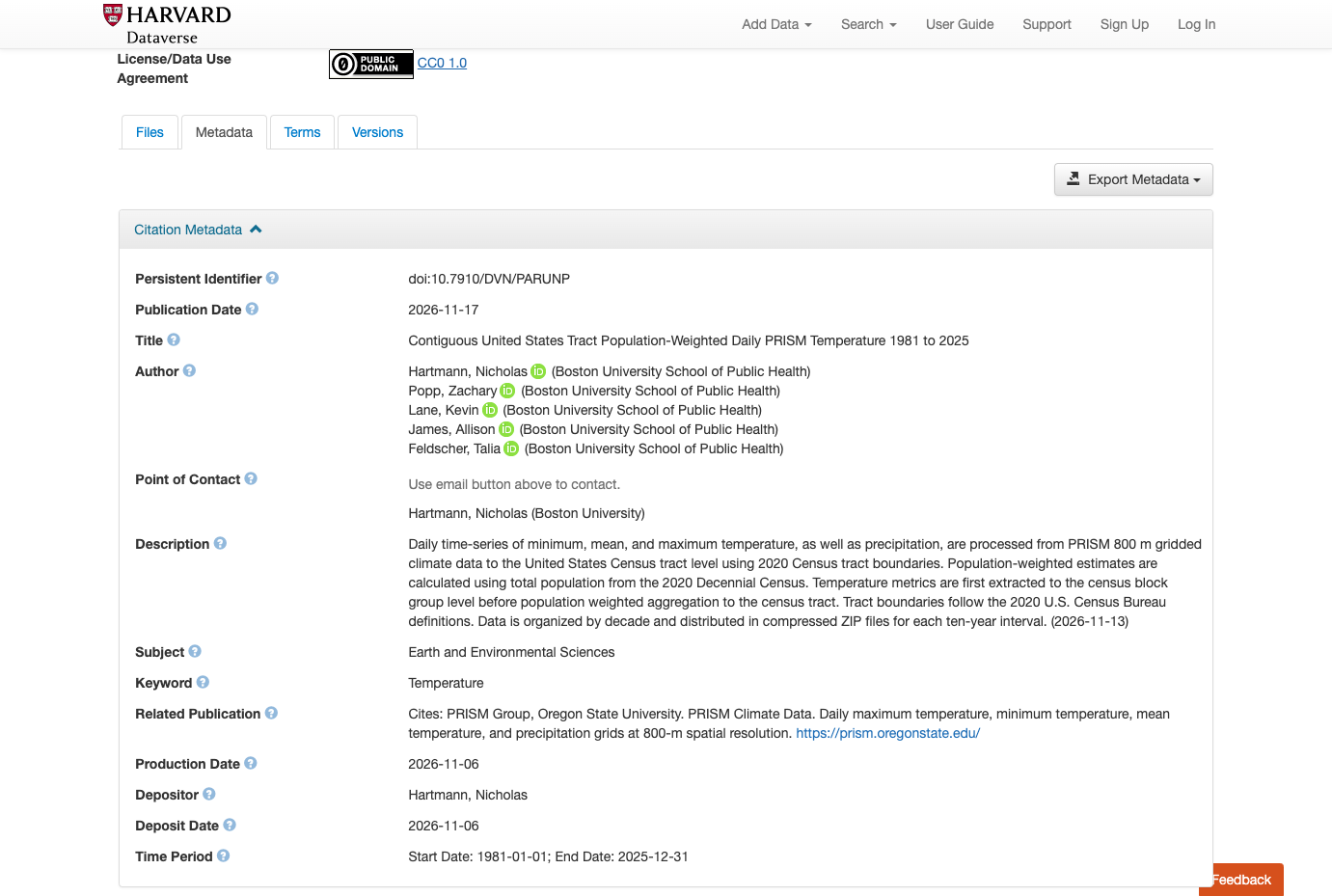
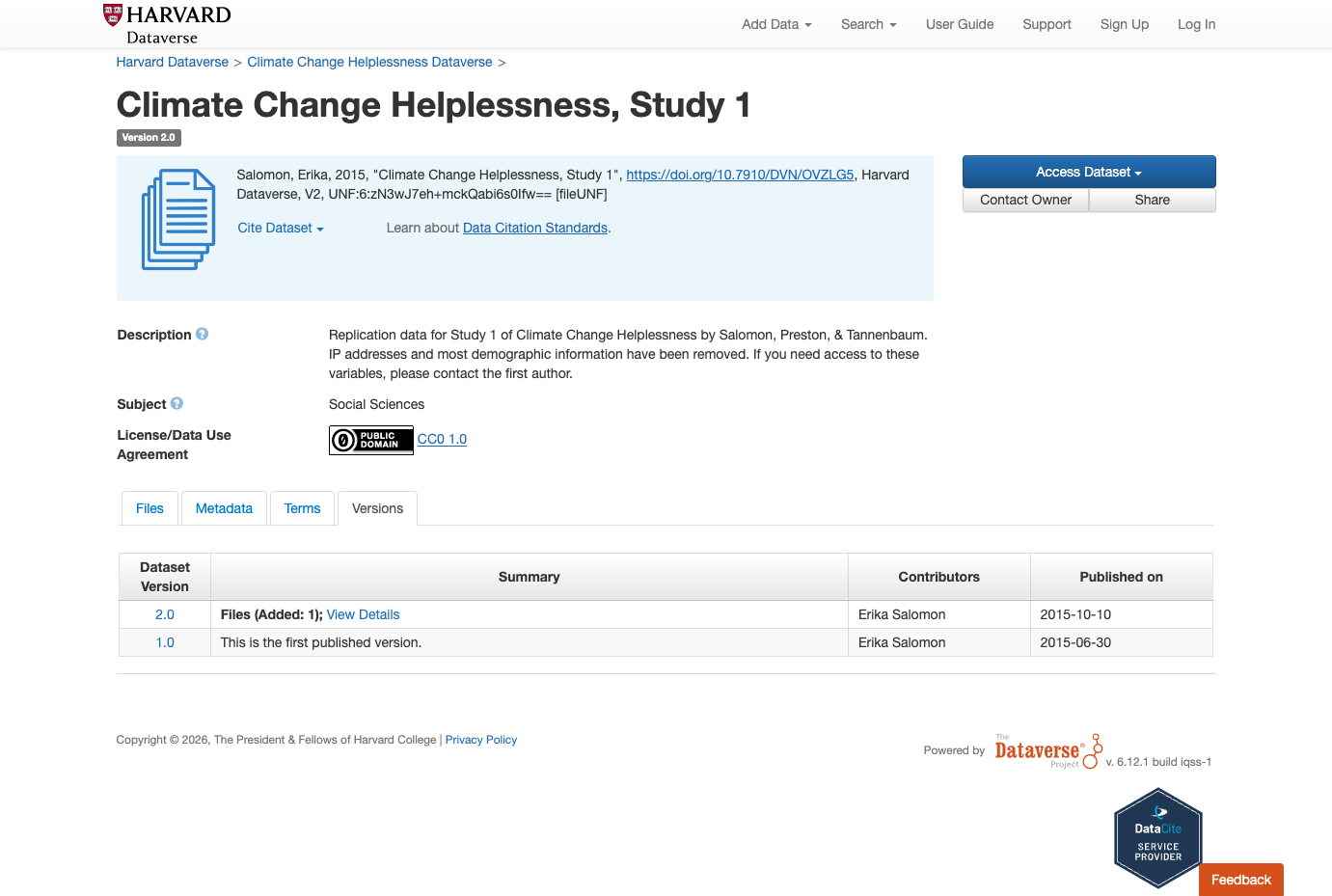
A shared drive full of spreadsheets is not a research data archive; Dataverse is repository software that gives each dataset a citable page, metadata, versions, and a permanent identifier. Universities, libraries, and research groups arrange holdings in nested collections, each with its own branding, featured subcollections, and search facets. Metadata comes from citation, geospatial, social science, astronomy, and life sciences blocks, and administrators add custom fields and controlled vocabularies without writing code. Publishing assigns a DOI through DataCite or Crossref, or a Handle or PermaLink, and each dataset shows a formatted citation with download counts and Make Data Count statistics. Tabular files in CSV, Excel, SPSS, Stata, R, and SAS formats are ingested with variable-level metadata. Previewers show images, text, spreadsheets, maps, and notebooks on the page. Every published change creates a new version, and a versions table lets readers move between them. Roles reach down to individual files, with restricted files and access requests, embargoes, guestbooks, terms of use, and anonymous preview links for peer reviewers. Records export as DDI, Dublin Core, DataCite, schema.org JSON-LD, and Croissant, and OAI-PMH lets installations harvest one another. Deposits can be automated through a REST API, SWORD, and client libraries for Python, R, and Java. Integrations reach Jupyter, Globus, DataLad, and OJS. Running on a dedicated VPS on RepoCloud with guaranteed CPU, RAM, and SSD, full root SSH access, and a browser serial console. Apache-2.0 licensed.
Benefits
- Give Every Dataset a Permanent Citation
- Published datasets receive a persistent identifier through DataCite, Crossref, Handles, or PermaLinks, plus a formatted citation and usage counts, so other researchers can reference and credit the work reliably.
- Share Openly, Protect What Is Sensitive
- Roles apply to collections, datasets, and individual files, while restricted files with access requests, embargoes, guestbooks, and anonymous preview links keep confidential material controlled during review and after publication.
- Exchange Records With Other Repositories
- Datasets export as DDI, Dublin Core, DataCite, schema.org JSON-LD, and Croissant, and OAI-PMH harvesting lets installations share records so datasets surface in wider discovery networks.
- Handle Tabular and Very Large Data
- Tabular files from CSV, Excel, SPSS, Stata, R, and SAS gain variable-level metadata, and big datasets can use direct S3 upload, Globus transfer, or remote file references.
Features
- Nested Dataverse Collections
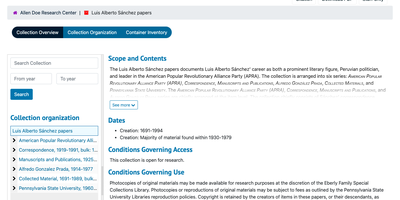
- Organize holdings into themed collections and subcollections, each with its own logo and colors, search facets, and permissions, so departments and projects get their own corner of one installation.
- Dataset Versioning and Provenance
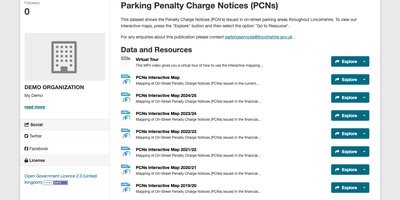
- Each published change creates a new dataset version listed in a versions table, with file replacement history and file-level provenance that can be captured and displayed.
- Faceted Solr Search
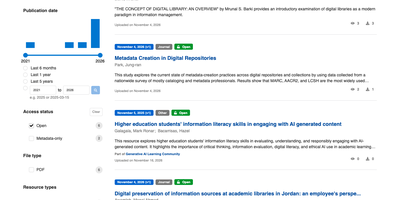
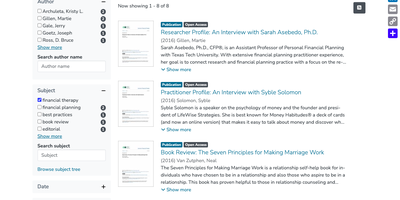
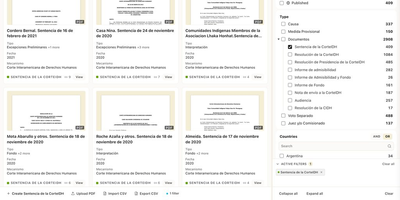
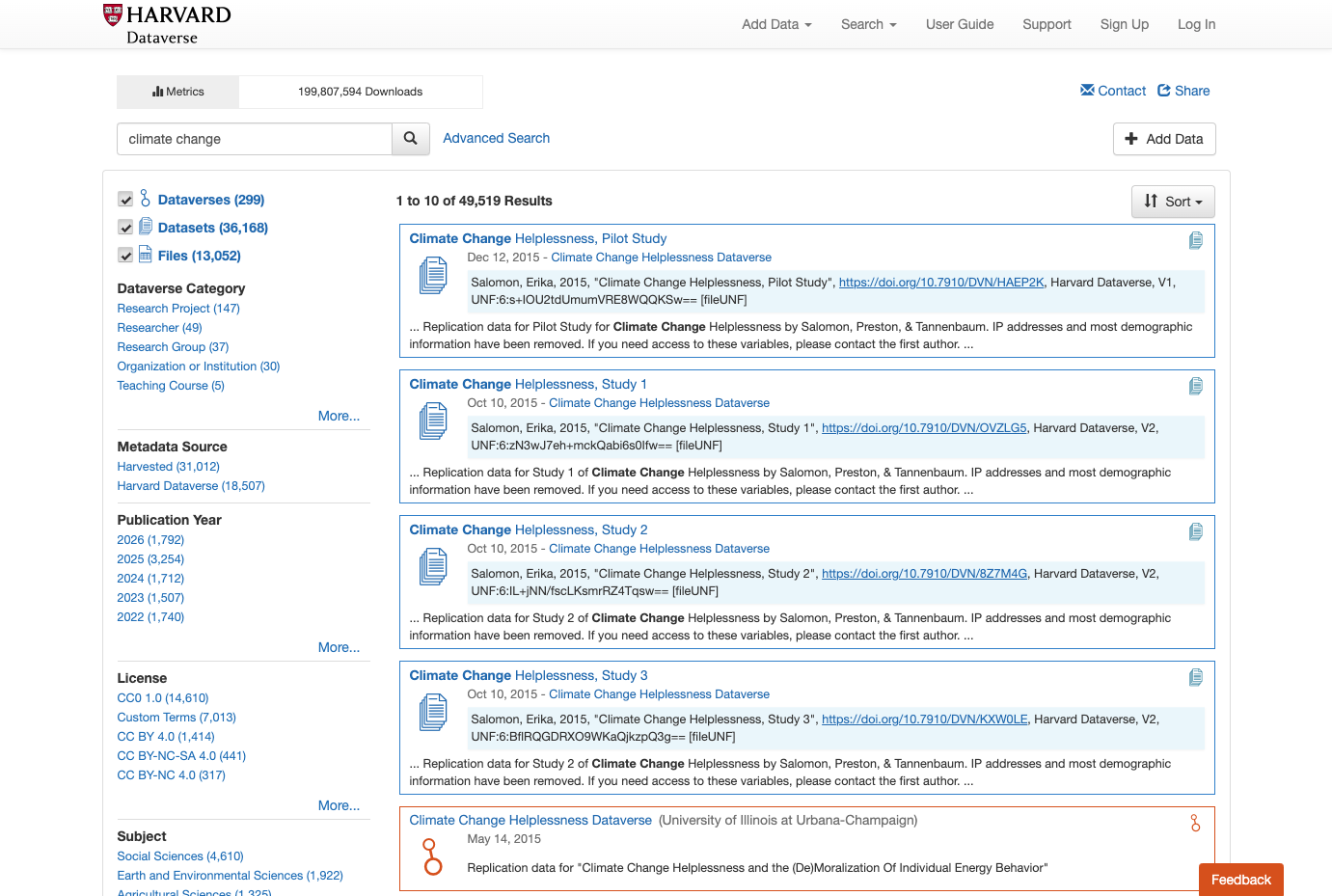
- Apache Solr indexes collections, datasets, and files for faceted, permission-aware search, and previewers show images, text, spreadsheets, maps, and notebooks directly on the dataset page.
- Flexible Authentication Options
- Built-in accounts, Shibboleth and SAML federations, OpenID Connect providers including ORCID and GitHub, and API tokens cover campus single sign-on and scripted access.
- REST, SWORD, and Search APIs
- A native REST API covers everything the interface does, alongside SWORD, Search, Metrics, and Data Access APIs and client libraries such as pyDataverse for Python and dataverse-client-r for R.
- Pluggable File Storage
- Choose local filesystem, Amazon S3 and compatible object stores, Swift, or Globus-managed storage, and mix several stores in one installation, with remote stores for files that stay put.