Categories
Self-Hosted Open Source Inventory Management Electronic Lab Notebook Laboratory Management Research Data Management Equipment Booking TimestampingStars
Forks
Watchers
Developer links
eLabFTW
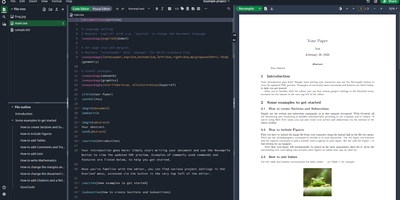
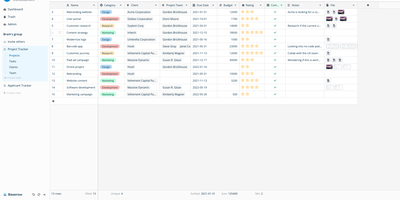
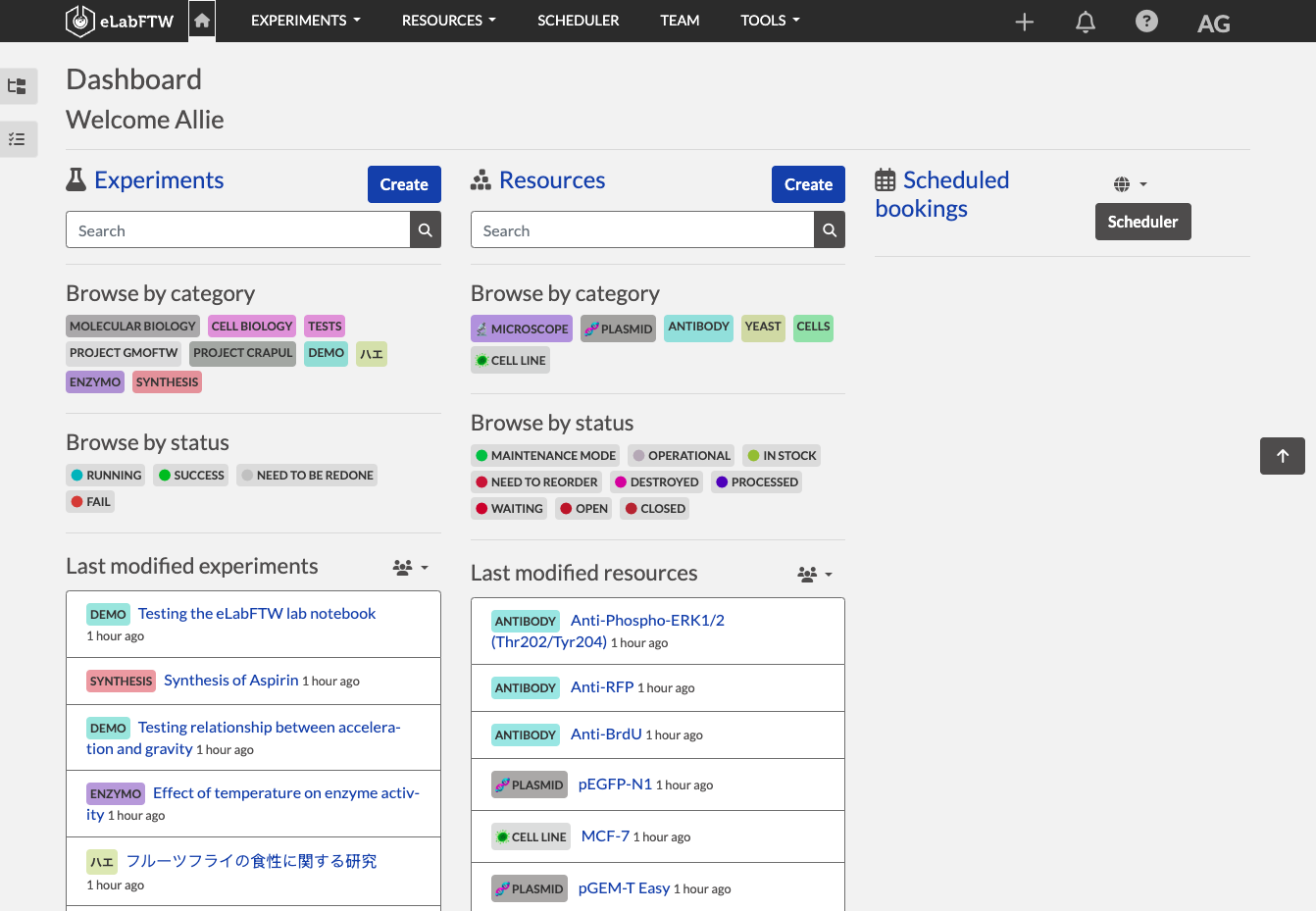
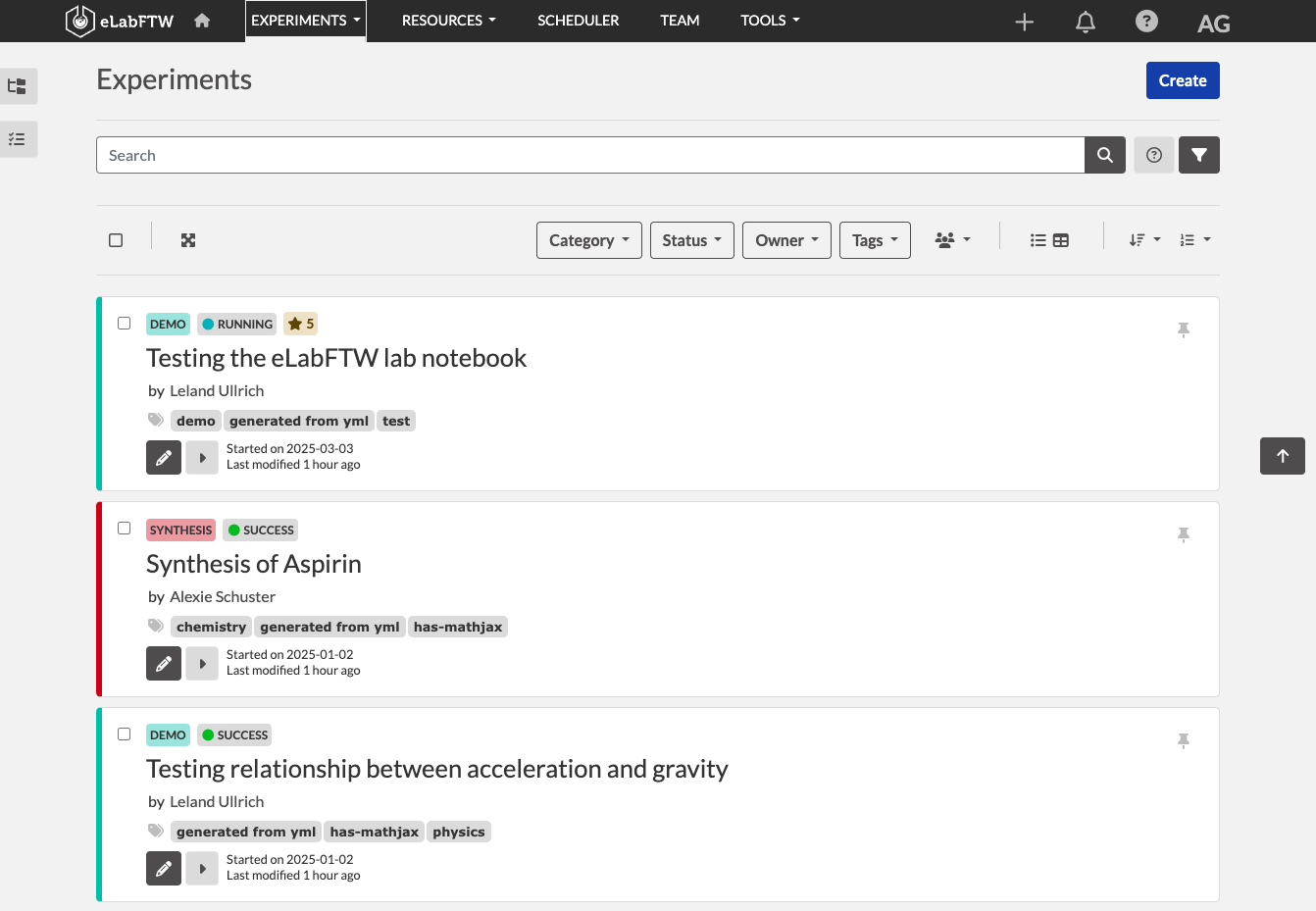
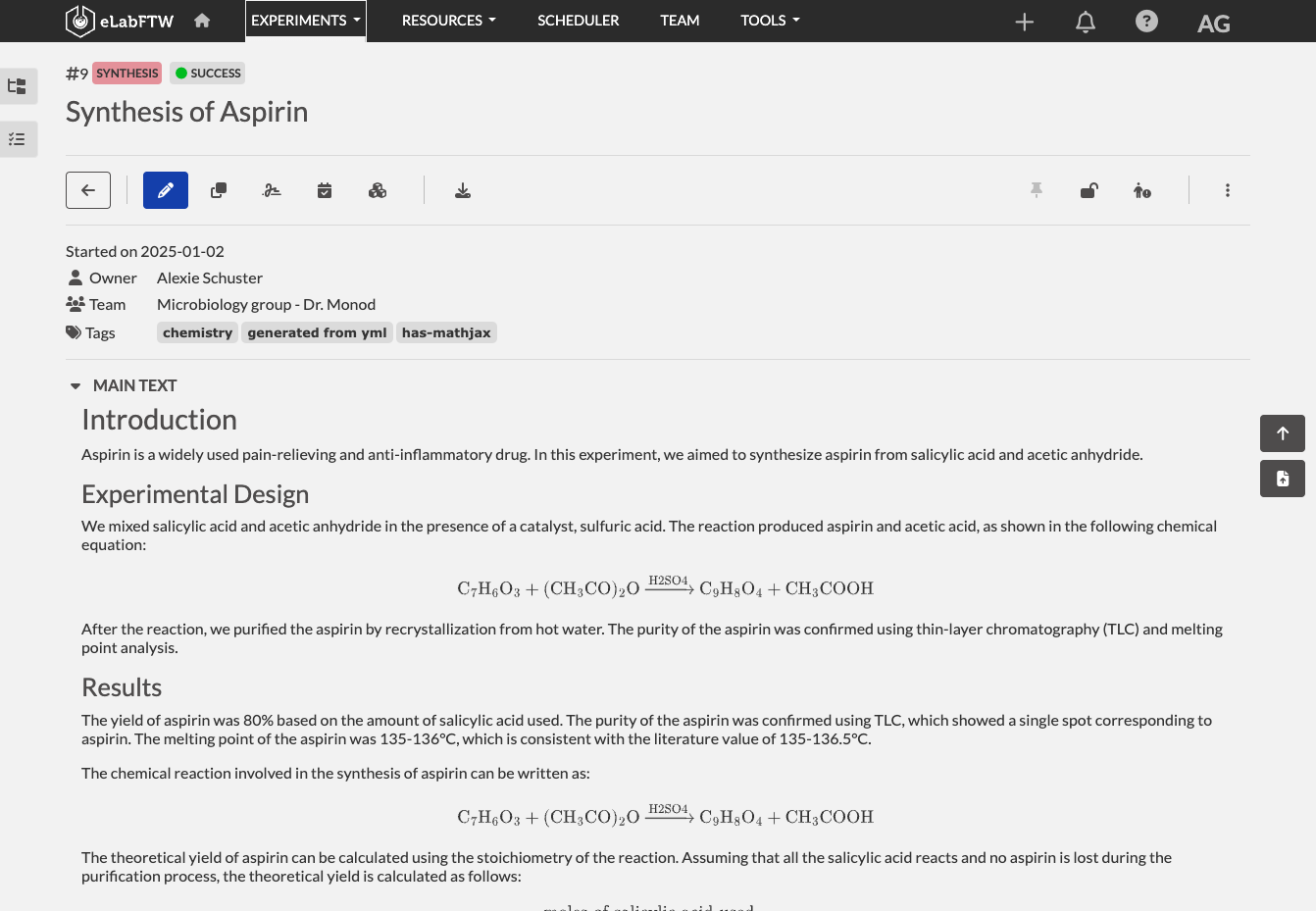
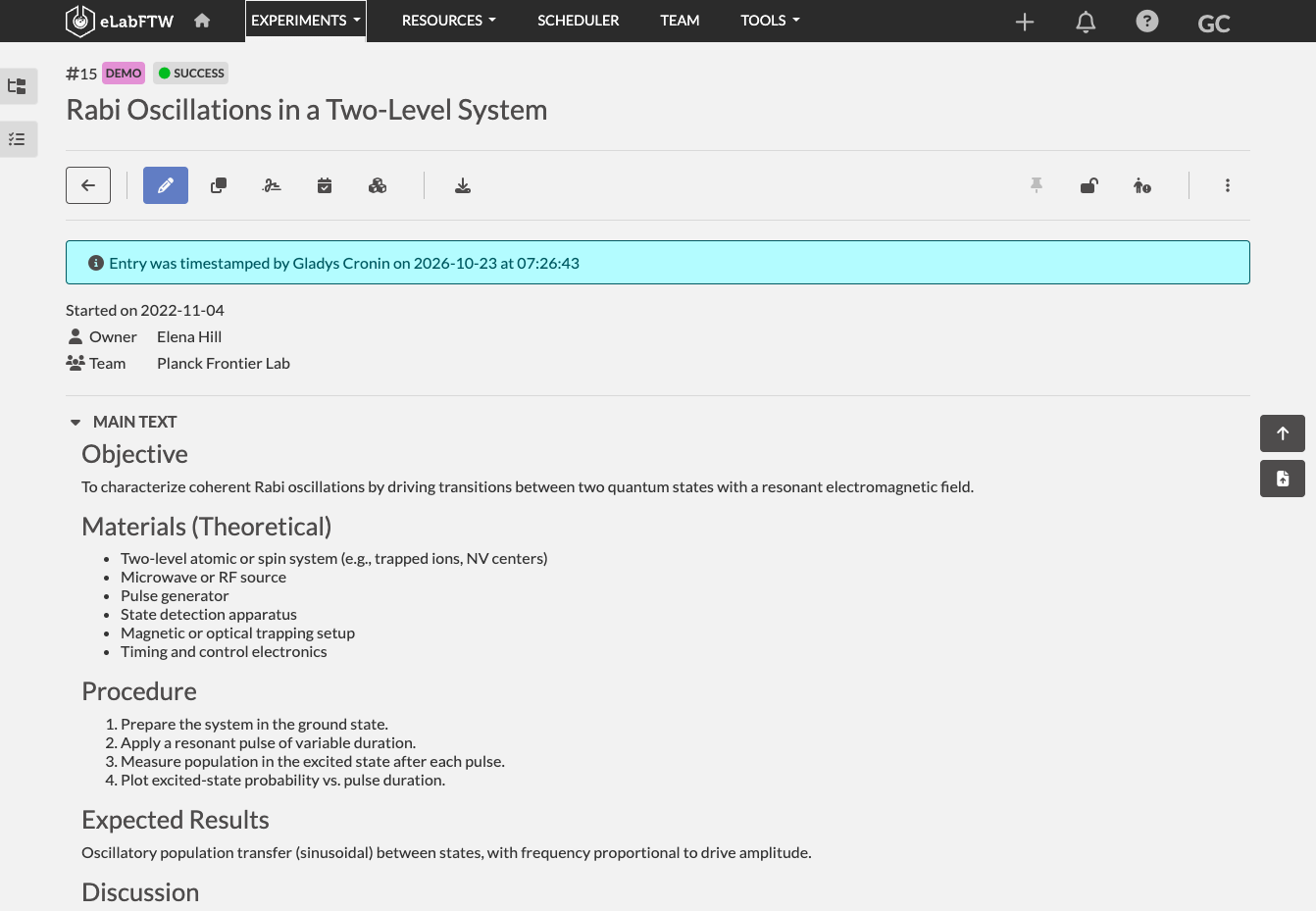
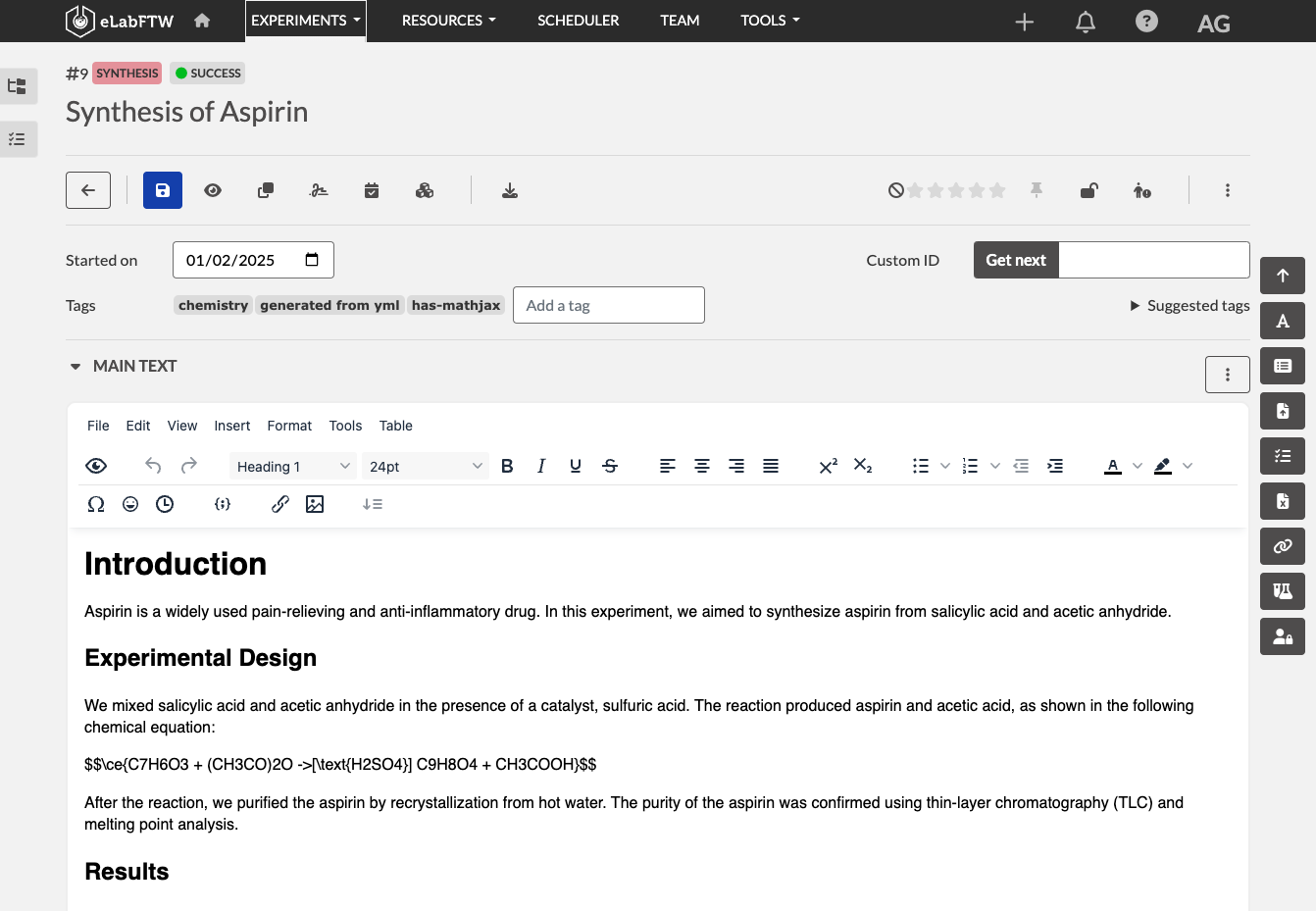
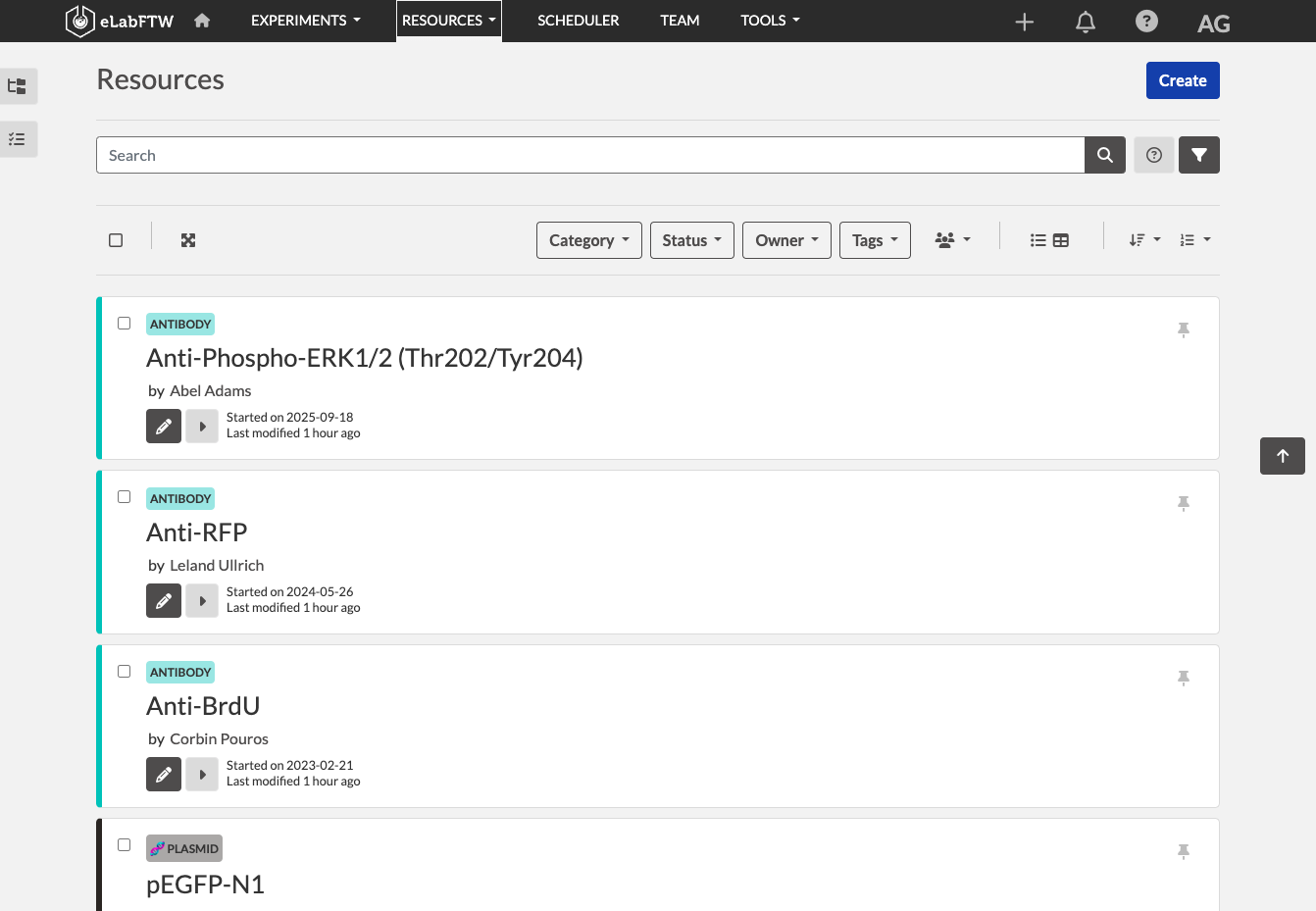
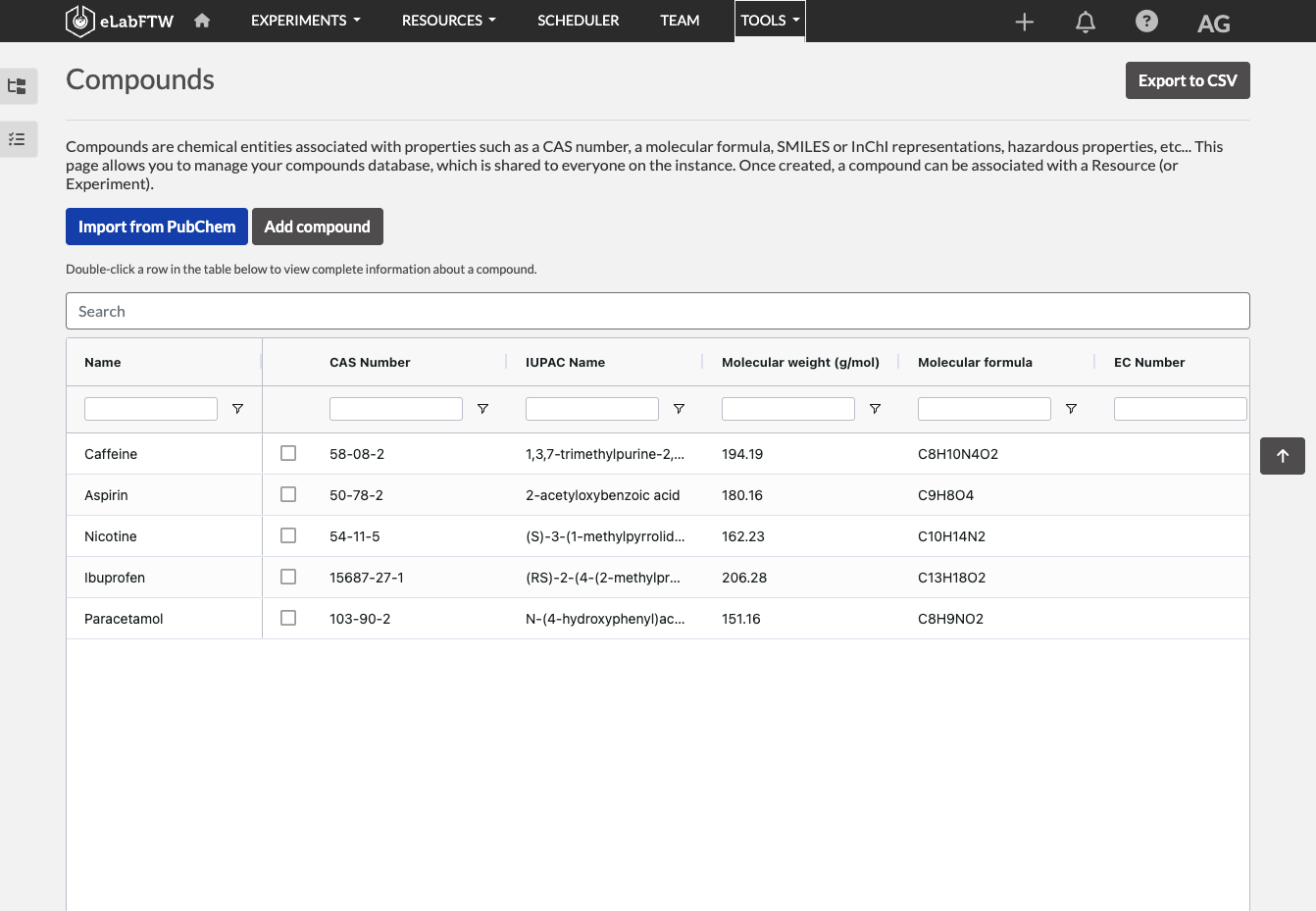
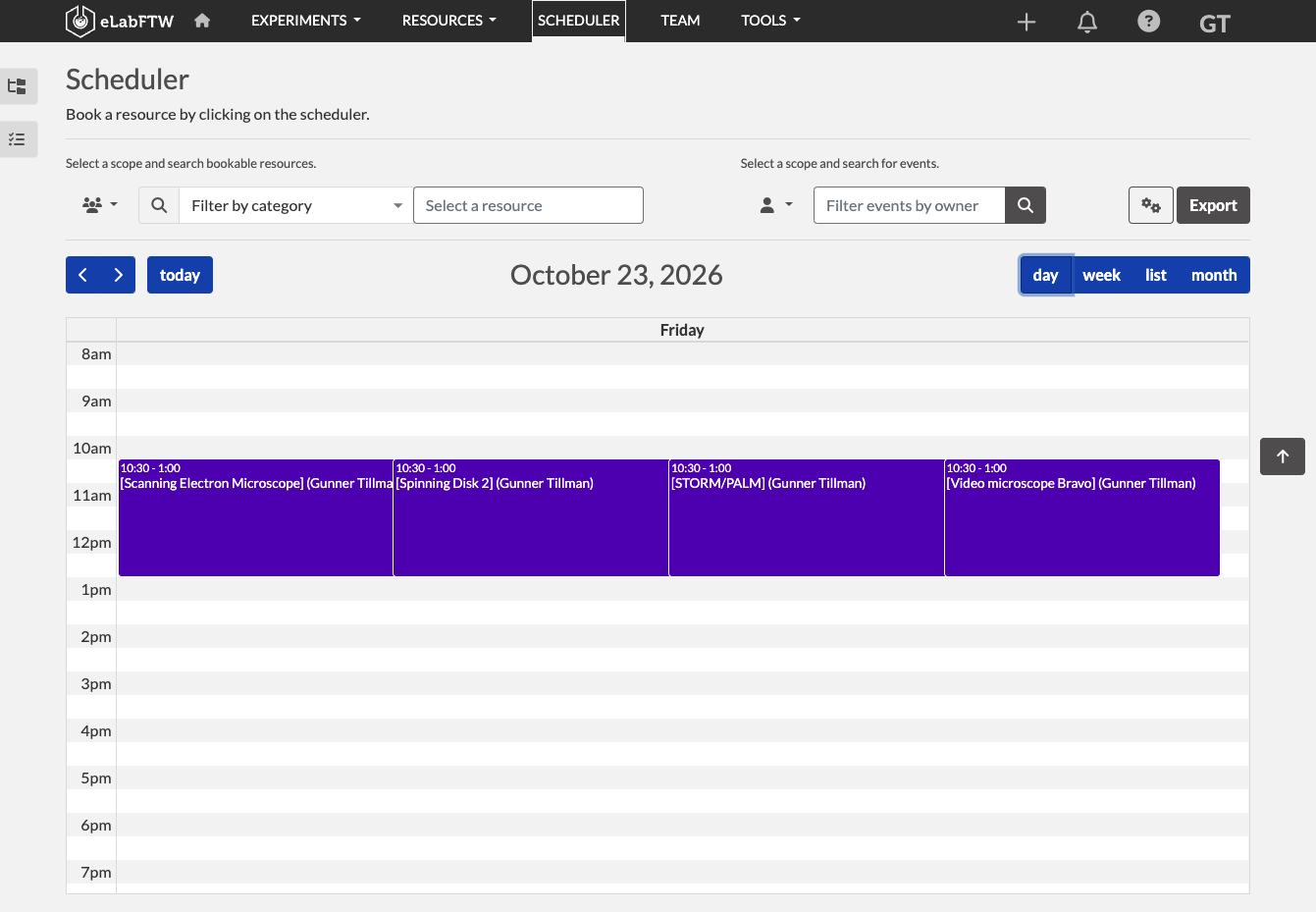
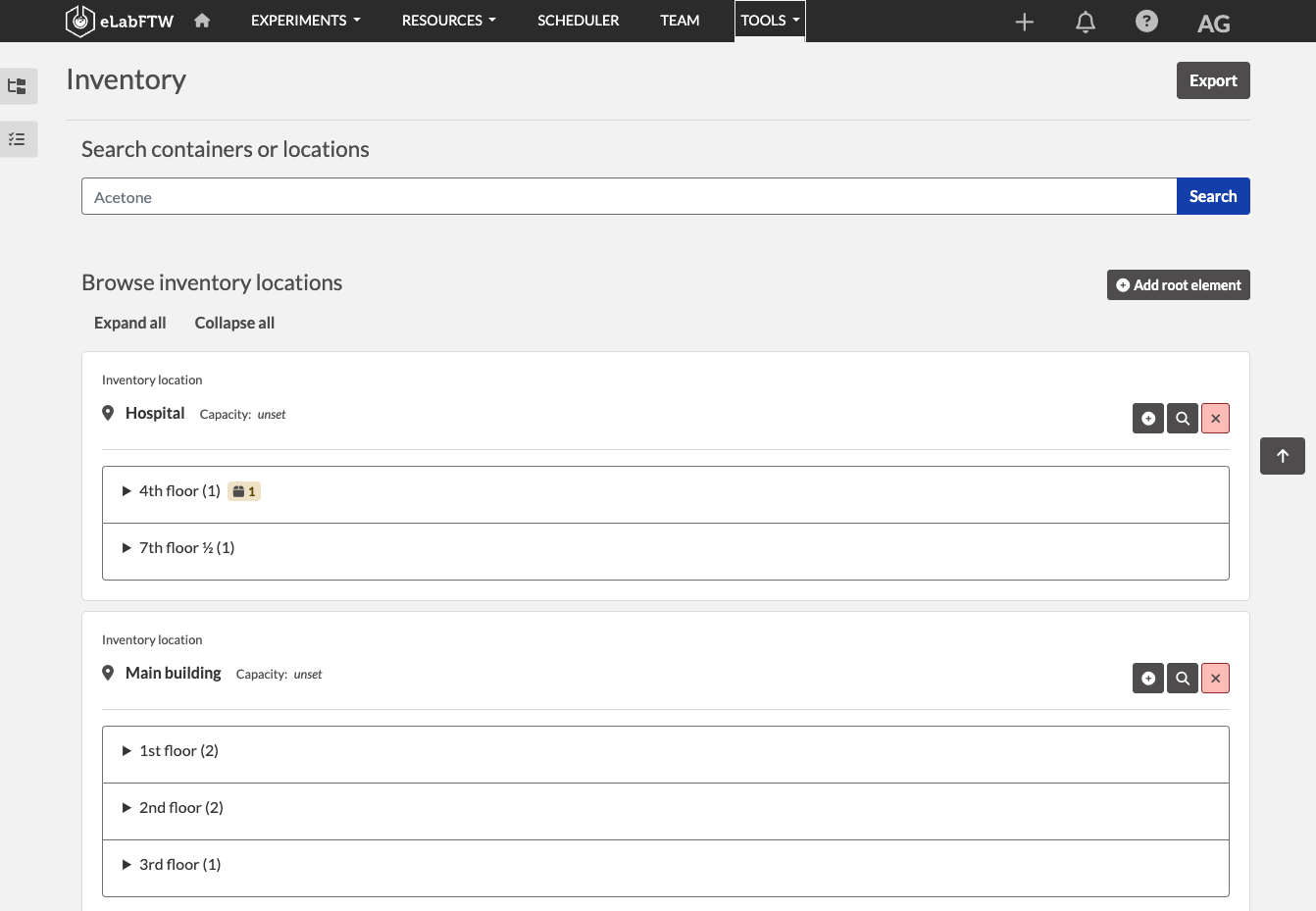
For research teams that need to show what was recorded and when, eLabFTW® is an electronic lab notebook that keeps experiments, lab inventory, and equipment bookings in one shared, searchable system. Each experiment holds rich-text notes, tables, images, checkable steps, custom metadata fields, tags, statuses, and attached files. Templates turn a protocol you repeat into a one-click starting point. A separate resource database catalogs antibodies, plasmids, cell lines, chemicals, and instruments, and typing # in an experiment links straight to any of them. Compounds import from PubChem by CID or CAS number, arriving with formulas, identifiers, and hazard data. The inventory tree maps buildings and their sub-locations, records where each container is stored, and tracks quantity and unit. Book a microscope by dragging a slot on the scheduler, and permissions decide who may reserve what. Entries can be signed with Ed25519 keys and timestamped through RFC 3161 authorities such as DFN, Digicert, and GlobalSign, or anchored on the Bloxberg blockchain; a timestamp archive can never be edited or deleted. Export to PDF, ZIP, CSV, JSON, or .eln archives, and import .eln or CSV files when moving from spreadsheets or another notebook. Users sign in locally or through SAML2 or LDAP, and an API with per-user keys lets instruments and scripts read and write entries. Running on a dedicated VPS on RepoCloud with guaranteed CPU, RAM, and SSD, full root SSH access, and a browser serial console. AGPL-3.0 licensed.
Benefits
- Proof of what was recorded when
- RFC 3161 timestamps from DFN, Digicert, Sectigo, or GlobalSign and optional Bloxberg blockchain anchoring seal a timestamped entry in an immutable archive that anyone can verify independently with openssl.
- Light enough for a small VPS
- The project lists 512 MB of RAM as the minimum and 1 GB as recommended, and the default setup bundles a MySQL container, so one modest server can host many teams.
- Your lab data stays yours
- Records, attachments, and user accounts live in your own database and file storage; the README describes a self-contained service that does not leak data to third parties.
- Exports that avoid lock-in
- Entries leave as PDF, ZIP, CSV, JSON, or .eln archives, and .eln files import into another instance, so a group changing institutions can move its whole team history.
Features
- Experiment notebook entries
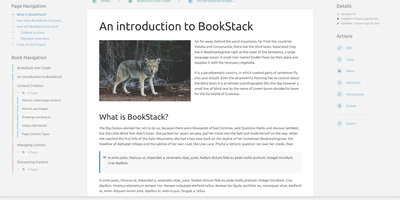
- Rich-text entries with tables, images, steps, custom metadata fields, tags, statuses, and attachments; autosave fires seven seconds after typing stops, and templates start recurring protocols.
- Resources and compounds database
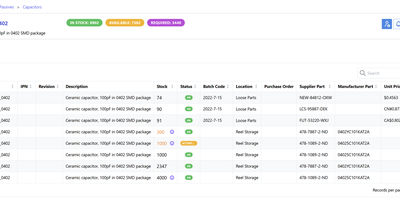
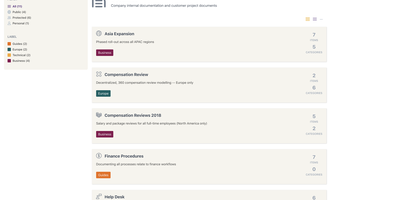
- Catalog antibodies, plasmids, cell lines, and equipment with categories, then import compounds from PubChem by CID or CAS number with InChI, SMILES, and hazard data.
- Inventory and equipment booking
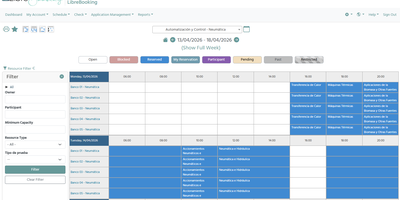
- A location tree tracks where containers are stored with quantity and unit and exports stock to CSV; the drag-and-drop scheduler books equipment under a Can book permission.
- Timestamps and signatures
- RFC 3161 trusted timestamps, Bloxberg blockchain certificates, and Ed25519 signatures compatible with minisign, with timestamp archives stored as immutable ZIP files.
- Import, export, and API
- Import .eln and CSV files from the web UI or console, export PDF, ZIP, CSV, JSON, or .eln, and automate with the REST API v2 using per-user keys.
- Flexible sign-in options
- Local accounts, SAML2 (including Microsoft Entra ID), LDAP, and header-based external authentication such as Apache auth_mellon, with two-factor authentication available.