Categories
Self-Hosted Digital Library Metadata Management Collection Management Archives Management Cultural Heritage Library Software Finding AidsStars
Forks
Watchers
Developer links
ArchivesSpace
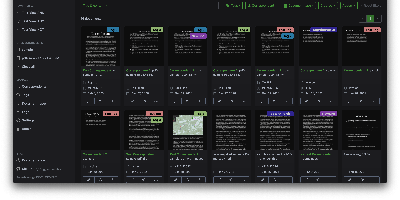
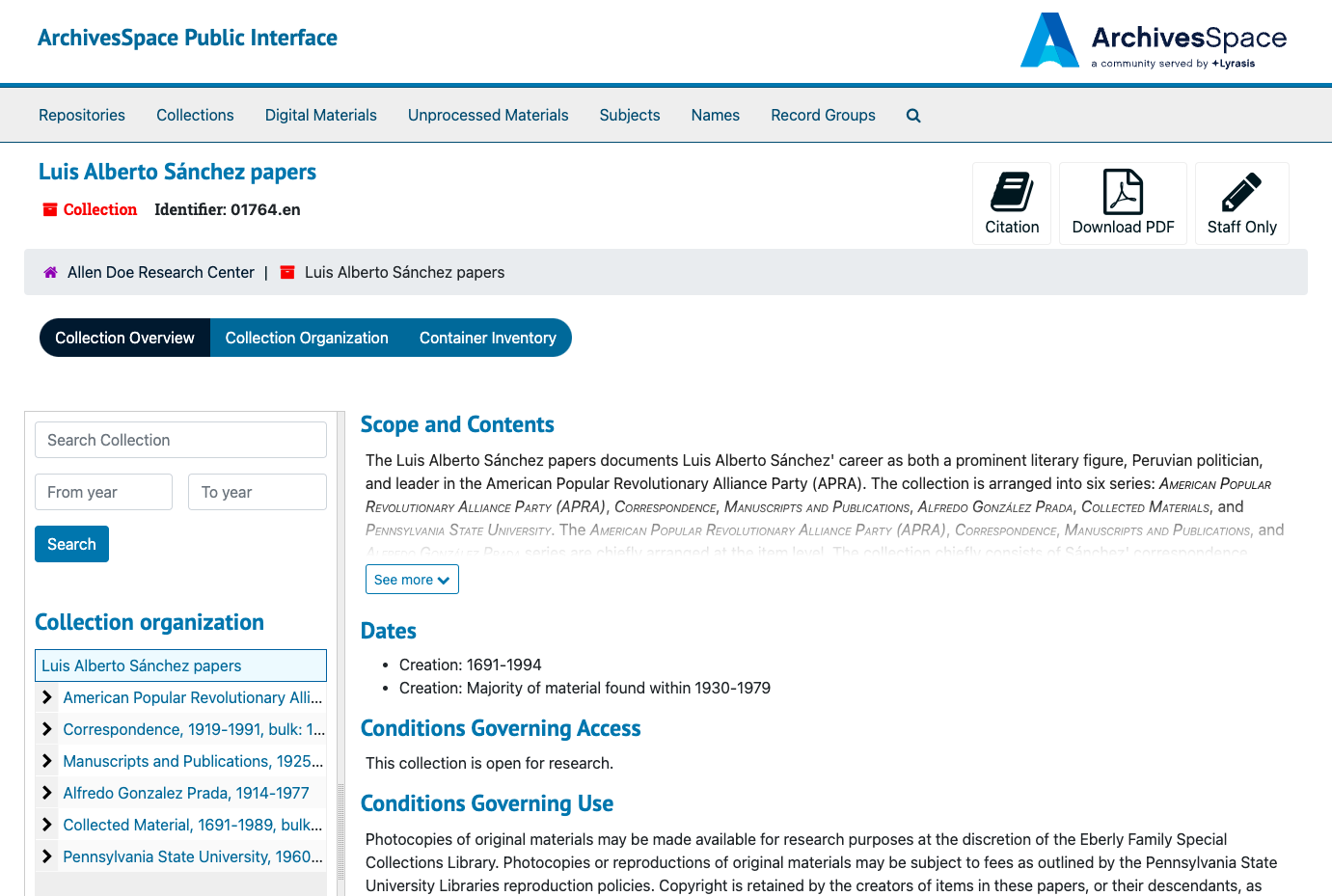
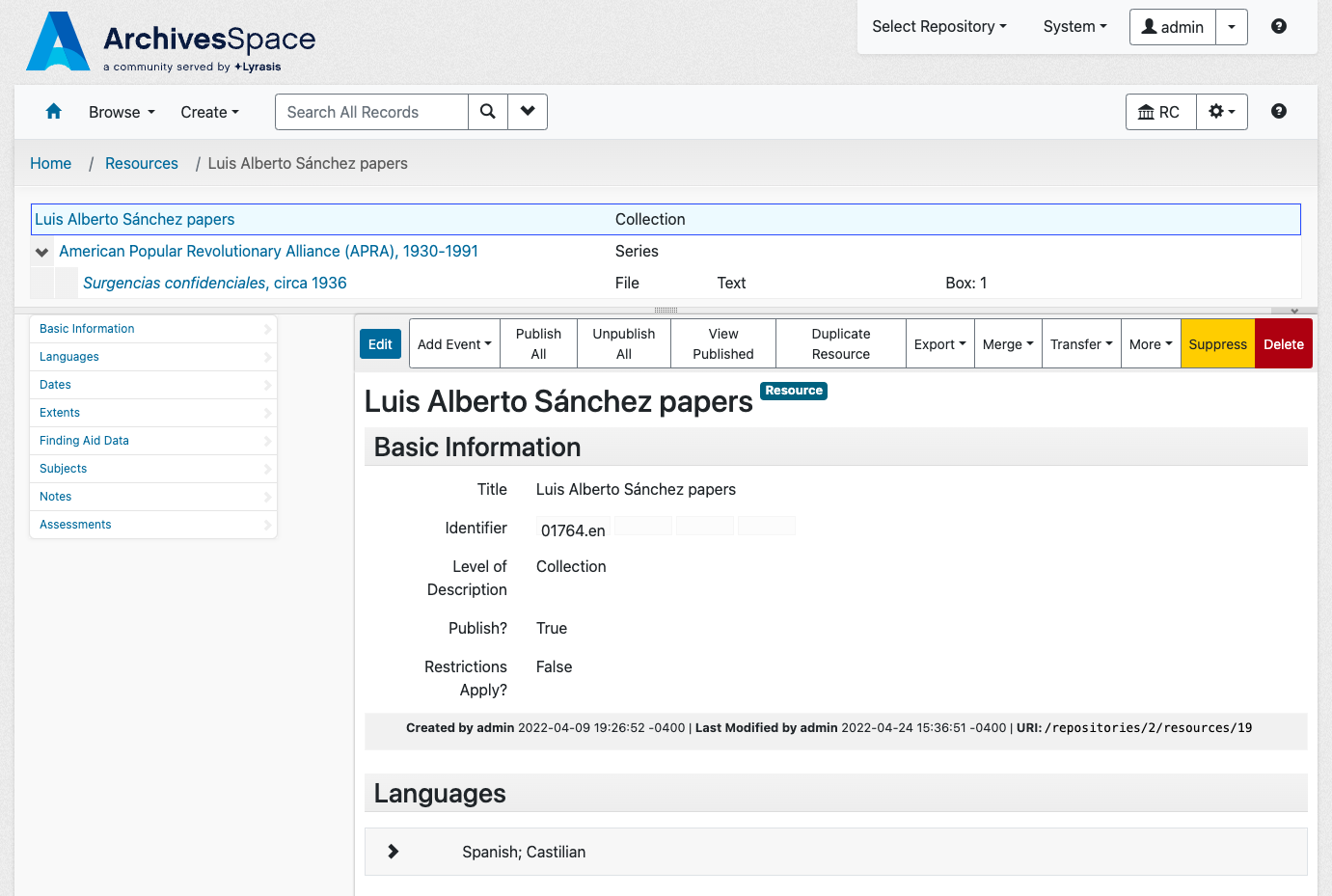
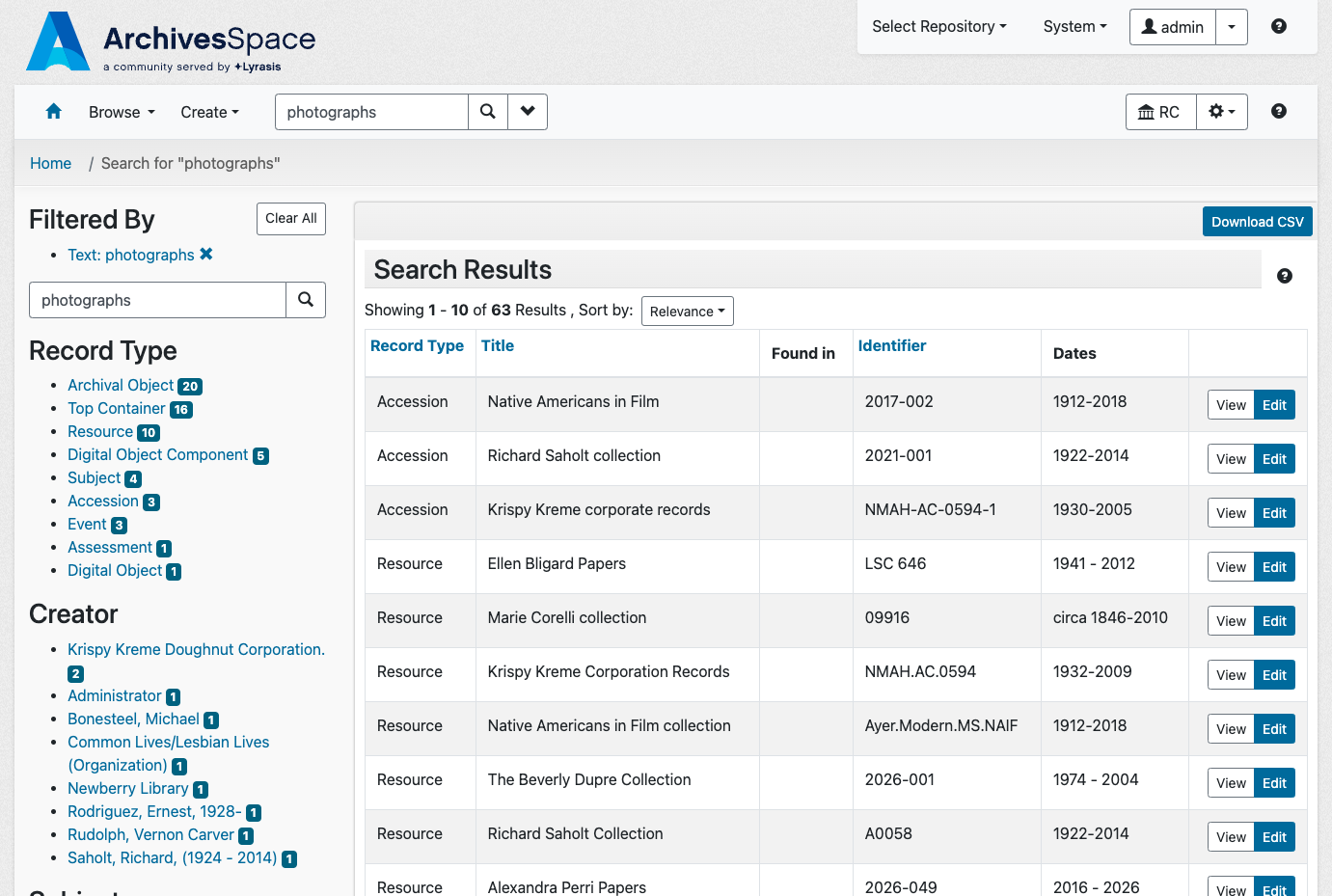
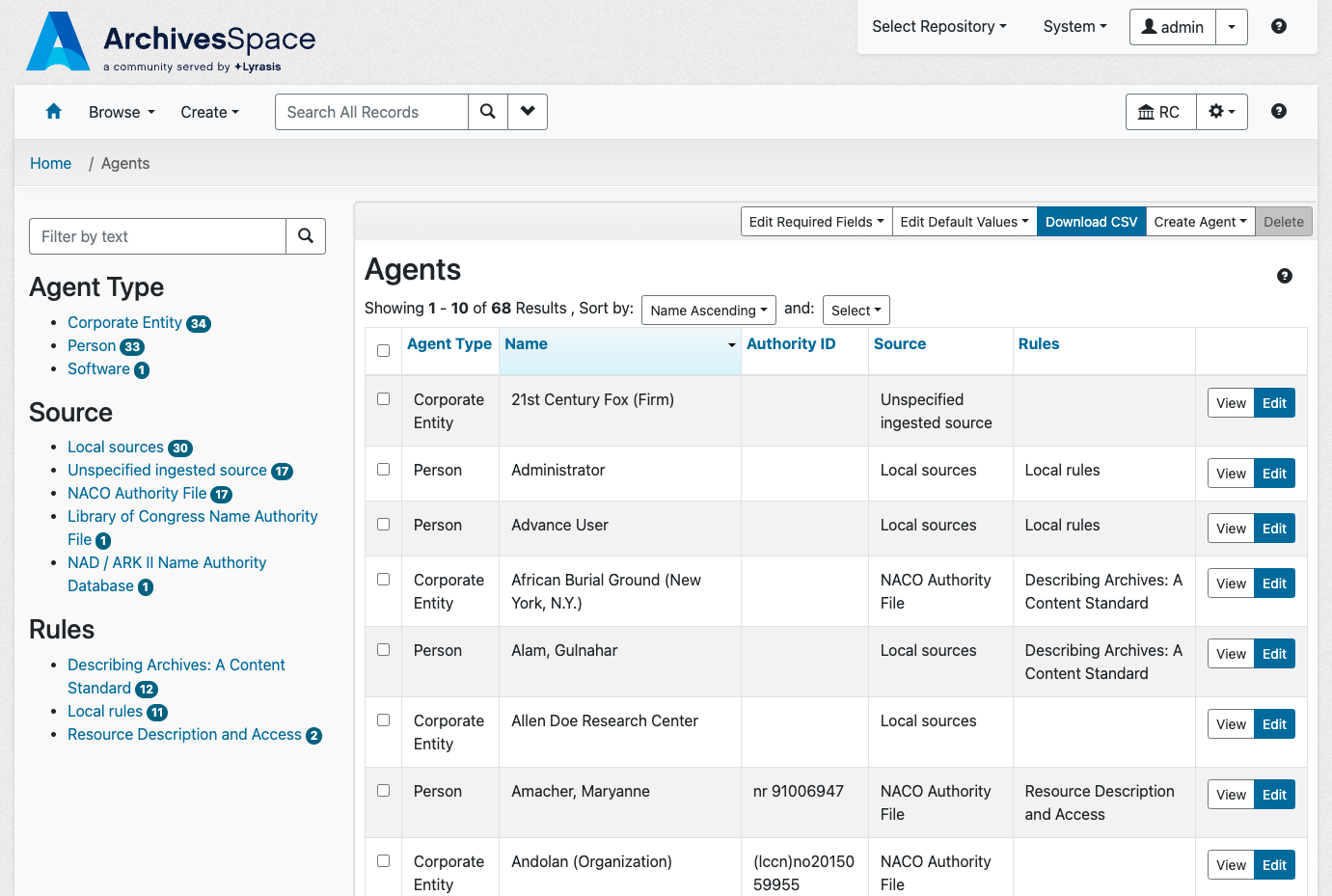
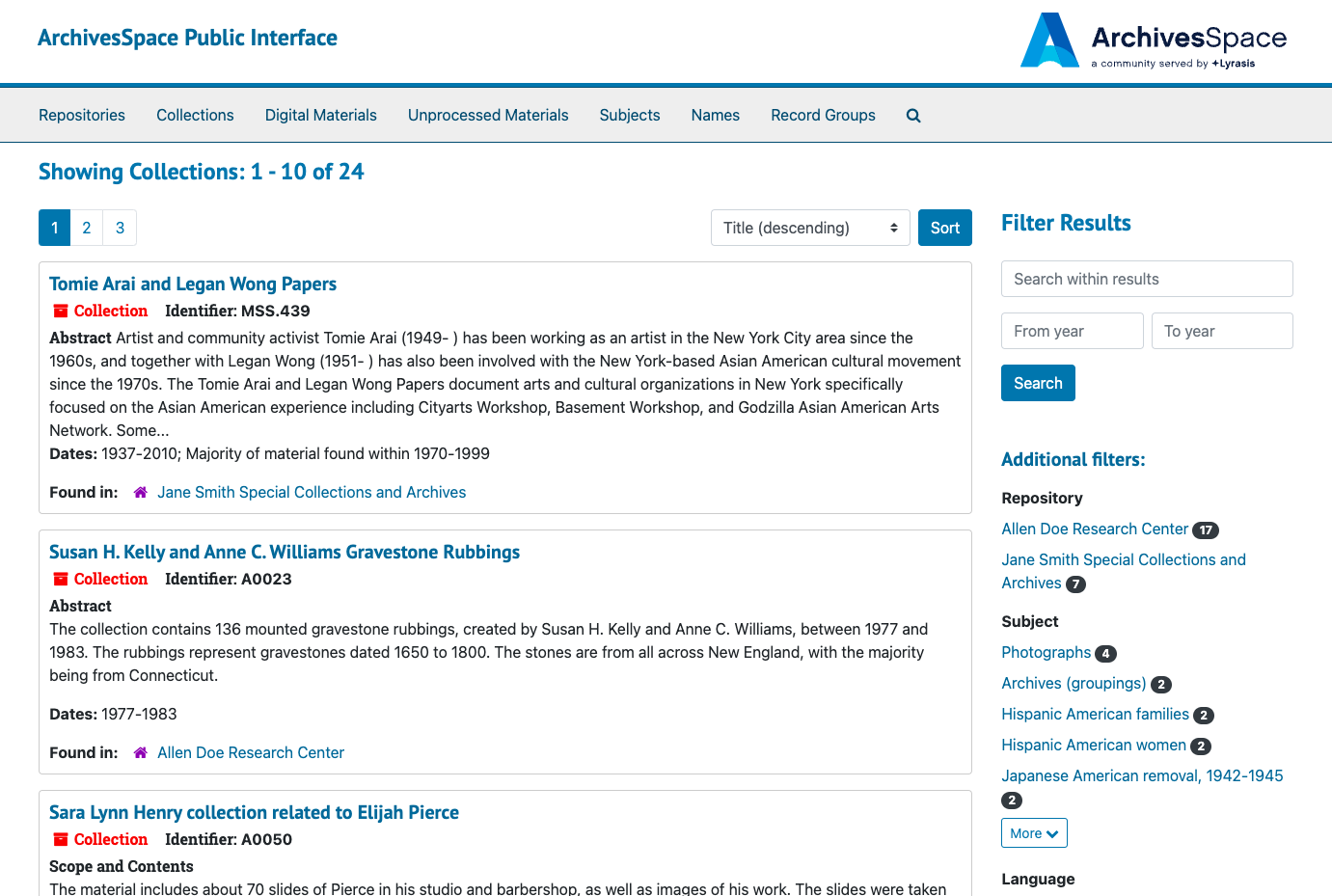
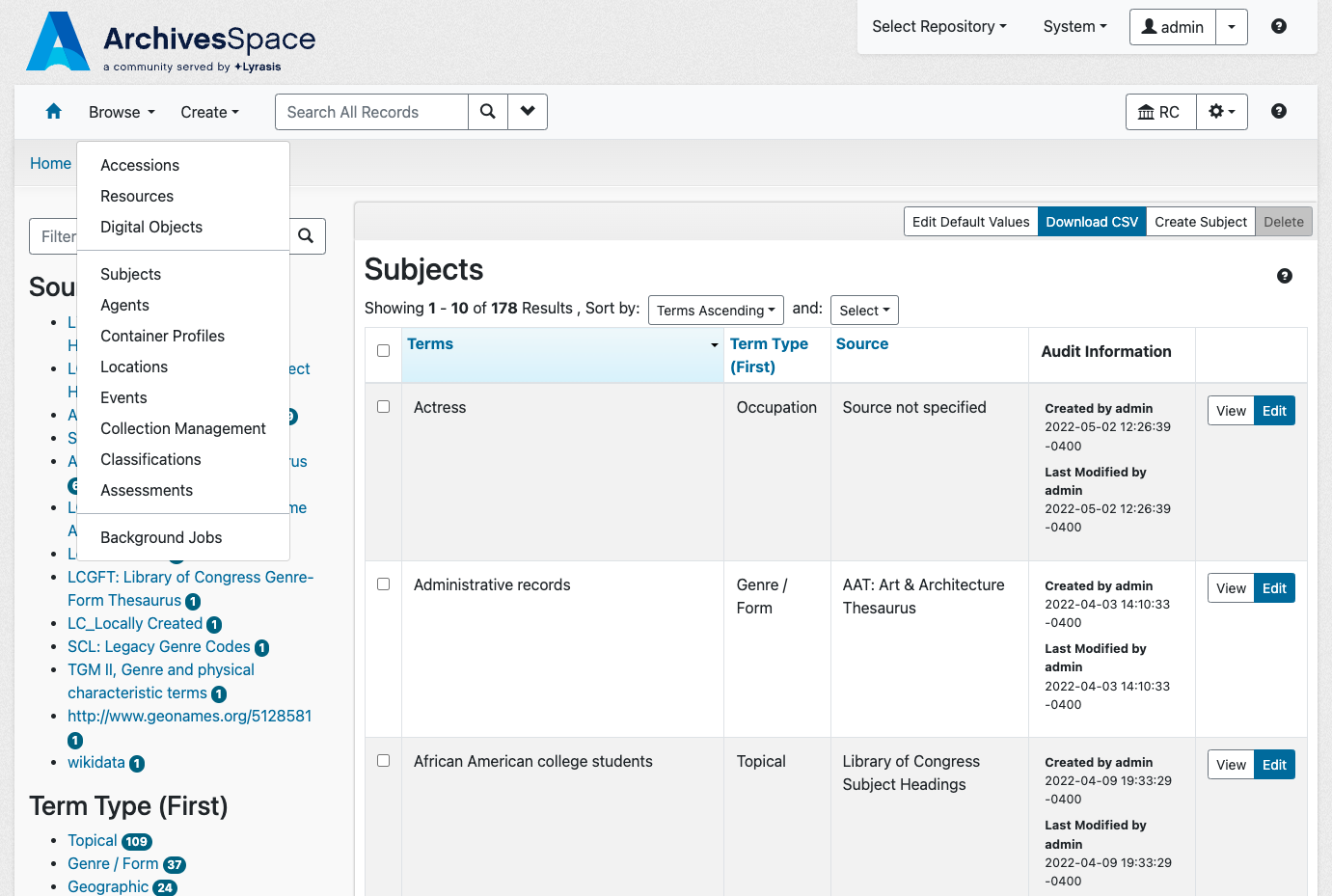
ArchivesSpace manages an archive from the moment a donation arrives to the day a researcher finds it online. Accession records capture what was received, whether a single item or a large aggregation, and can be spawned into other record types so details are never retyped. Resource records describe a collection as a tree of series, files, and items with dates, extents, notes, and rights statements, while digital object records point to born-digital files and digitized surrogates held elsewhere. Shared subject and agent records give persons, families, organizations, and software one set of authority terms linked across accessions, resources, and digital objects. Assessment records rank condition and research value, and location records track the shelves, drawers, and bins where boxes sit. Staff move data with spreadsheet importers and with EAD, EAC-CPF, MARCXML, METS, MODS, and Dublin Core, and an OAI-PMH responder lets aggregators harvest published records. The optional public interface offers keyword search, year ranges, and filters, plus browsing by collection, subject, and name, with a switcher for six languages, and shows only records a staff member has deliberately published. Several repositories can share one installation, each user receives granular permissions, and the REST API, plugins, and LDAP sign-in connect it to the rest of an institution. Running on a dedicated VPS on RepoCloud with guaranteed CPU, RAM, and SSD, full root SSH access, and a browser serial console. ECL-2.0 licensed.
Benefits
- One System From Donation To Discovery
- Accessions, resource descriptions, digital object metadata, and public finding aids live in one application, so staff stop reconciling spreadsheets and every collection has a single system of record.
- Standards Based Import And Export
- EAD, EAC-CPF, MARCXML, METS, MODS, and Dublin Core move data in and out, and documented migration paths exist from Archivists' Toolkit and Archon.
- Staff Control What Researchers See
- Only records a staff member deliberately publishes appear in the public interface, while granular permissions on each staff account control what that person is allowed to do in the system.
- Docker Package With Automatic Backups
- The official Docker Compose package starts the application, MySQL, Solr, an nginx proxy, and scheduled database backups together, and recommends 2 GB of RAM for comfortable performance.
Features
- Hierarchical Collection Description
- Resource records form a navigable tree of collections, series, files, and items, each carrying dates, extents, notes, rights statements, and linked agents and subjects.
- Accessioning And Assessment
- Accession records log receipts and spawn other record types, while assessment records rate condition and research value, and location records track shelves, drawers, and bins.
- Subject And Agent Authority
- Shared subject and agent records identify persons, families, organizations, and software, with variant names and relationships, and link to accessions, resources, and digital objects.
- Public Interface For Researchers
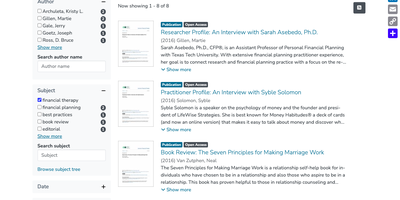
- An optional public interface provides keyword search with year ranges, filters, and browsing by collection, subject, name, and repository, with a language selector for six languages.
- OAI-PMH And REST API
- The REST API exposes the major workflows, and the OAI-PMH responder serves EAD, Dublin Core, DCMI Terms, MARC, and MODS to harvesters with persistent deletes.