LoopTroop
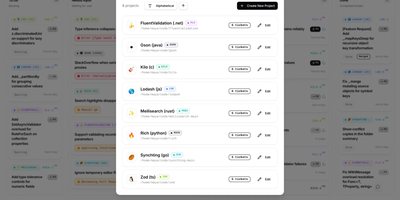
Big coding tickets fall apart inside one endless AI chat, so LoopTroop splits each into stages with fresh, minimal context and ends in a pull request. A council of two to ten models drafts, scores, and votes on each plan, beginning with interview questions that reach you in adaptive batches. The winner refines its draft into a PRD of epics and user stories. That PRD is cut into beads, small tasks with acceptance criteria, target files, and validation steps. Each bead runs in OpenCode inside an isolated Git worktree, so your checked-out branch stays clean. During a bead the agent sees only that task, its target file, and the test file. When a bead fails, the Ralph Loop keeps a compact error trace, resets the worktree, and retries in a fresh session, so tickets can run unattended overnight. You approve specs, blueprints, and the final changes at human gates. Optional Manual QA hands you a checklist for the running app and turns failures into fix beads. A dashboard shows council progress, generated artifacts, live logs, and bead changes. Free-tier models from OpenRouter, NVIDIA NIM, or OpenCode let you start without paid API keys. LoopTroop collects no telemetry, and the project recommends a disposable VM because the agent runs with your permissions. Running on a dedicated VPS on RepoCloud with guaranteed CPU, RAM, and SSD, full root SSH access, and a browser serial console. MIT licensed.
CompozyOS
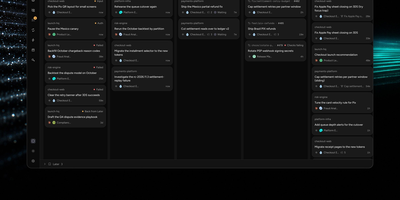
CompozyOS keeps your Claude Code, Codex, and Cursor agent sessions alive after the terminal closes and sorts them on one board by who owns the next step. Sessions land in Needs you, Working, Waiting, In review, or Done. Parallel agents each get their own worktree. The branch, the pull request, and its checks sit on the session. Fork a session, rewind it to a checkpoint, steer it mid-turn, or hand it to another agent CLI. Approvals hold a tool call until a person allows it. Always-on agents check in on a schedule, and a quiet check costs no model call. They watch sources such as new GitHub issues and propose actions. Approve each proposal, or let the agent act alone up to a daily limit. Loops pair a goal with a verifier and an iteration cap. Every Loop ends in one of seven named outcomes. Schedules, runtime triggers, and signed webhooks start agents on their own, and every run is recorded. Fifteen built-in integrations cover ten agent CLIs and five providers, on your own keys. A Marketplace adds extensions, plugins, and MCP servers in one step. The daemon starts reachable only from the machine itself, and remote access stays off until you turn it on. Running on a dedicated VPS on RepoCloud with guaranteed CPU, RAM, and SSD, full root SSH access, and a browser serial console. MIT licensed.