Categories
Self-Hosted Infrastructure Automation IPAM DCIM Network Management Network Automation Network Inventory Source of TruthStars
Forks
Watchers
Developer links
Nautobot
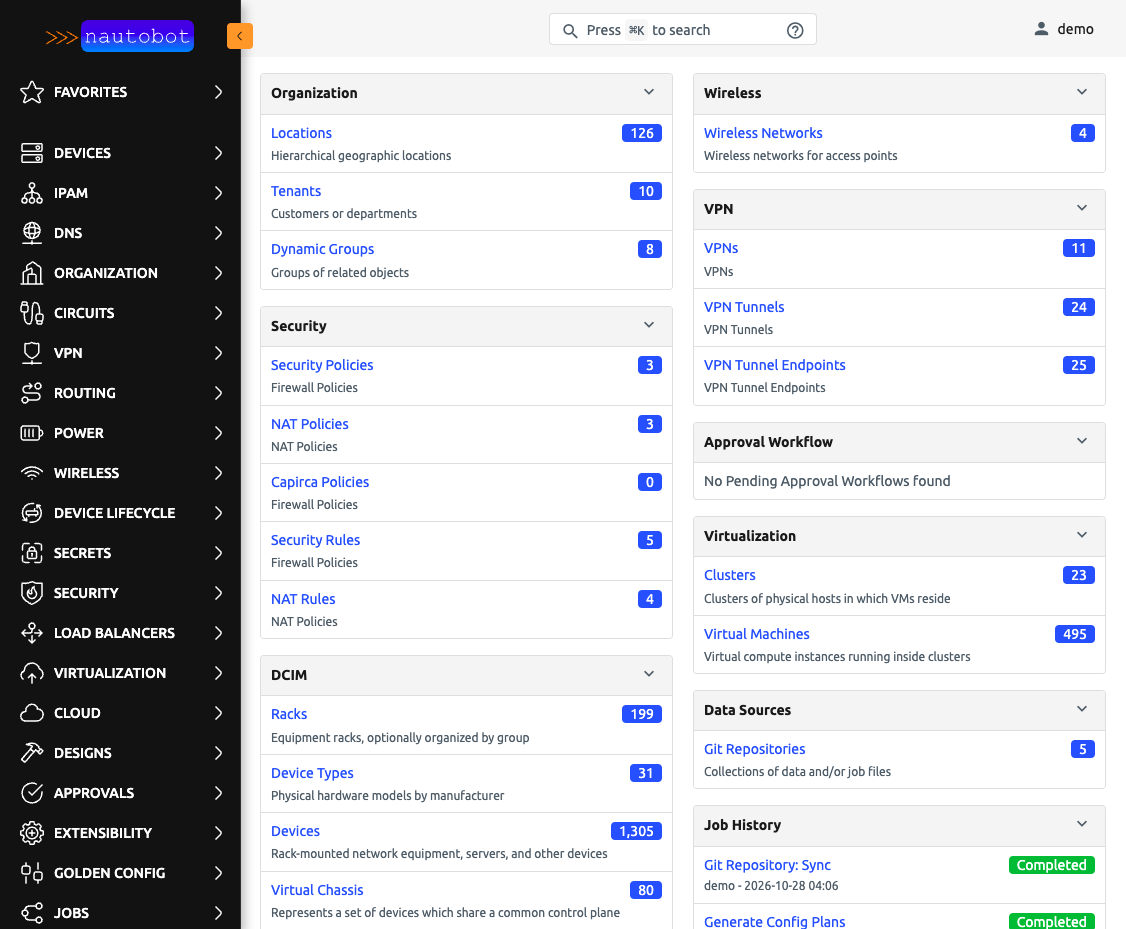
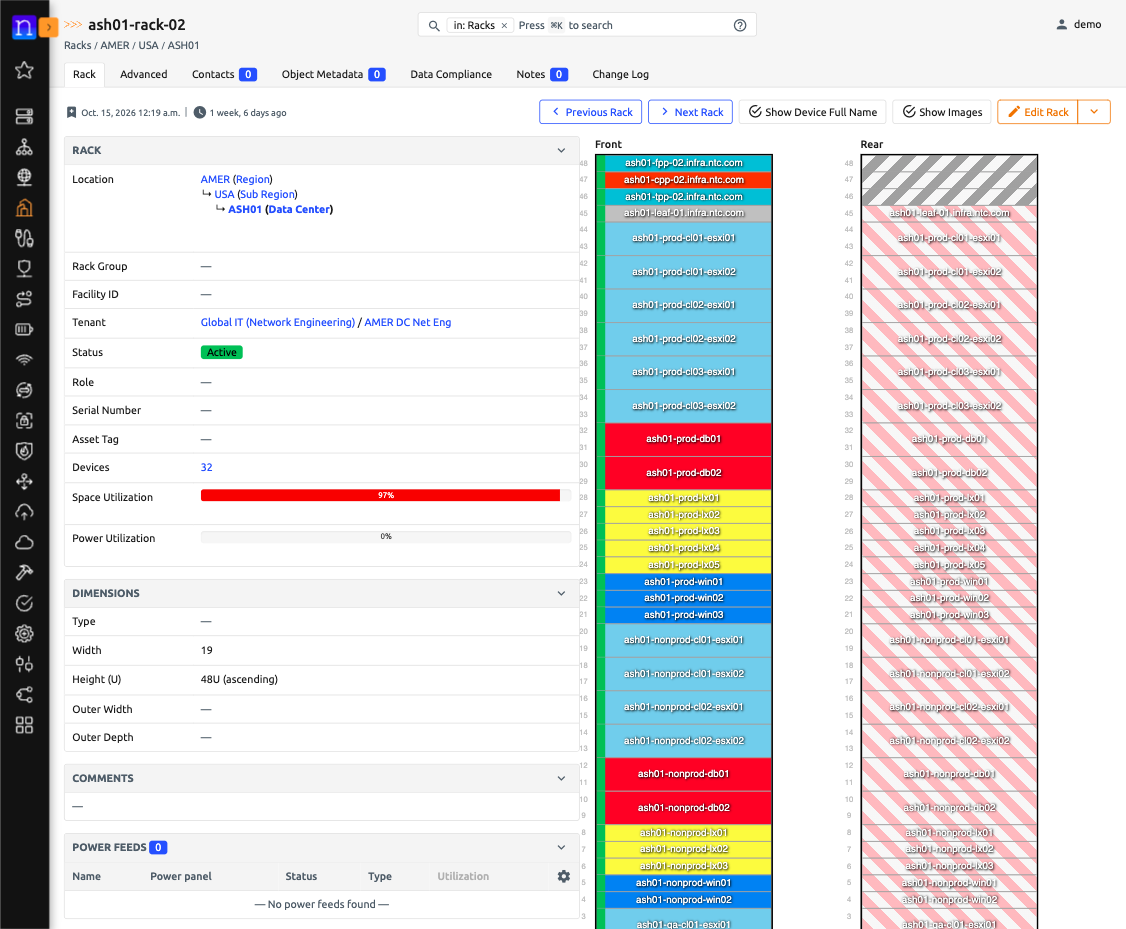
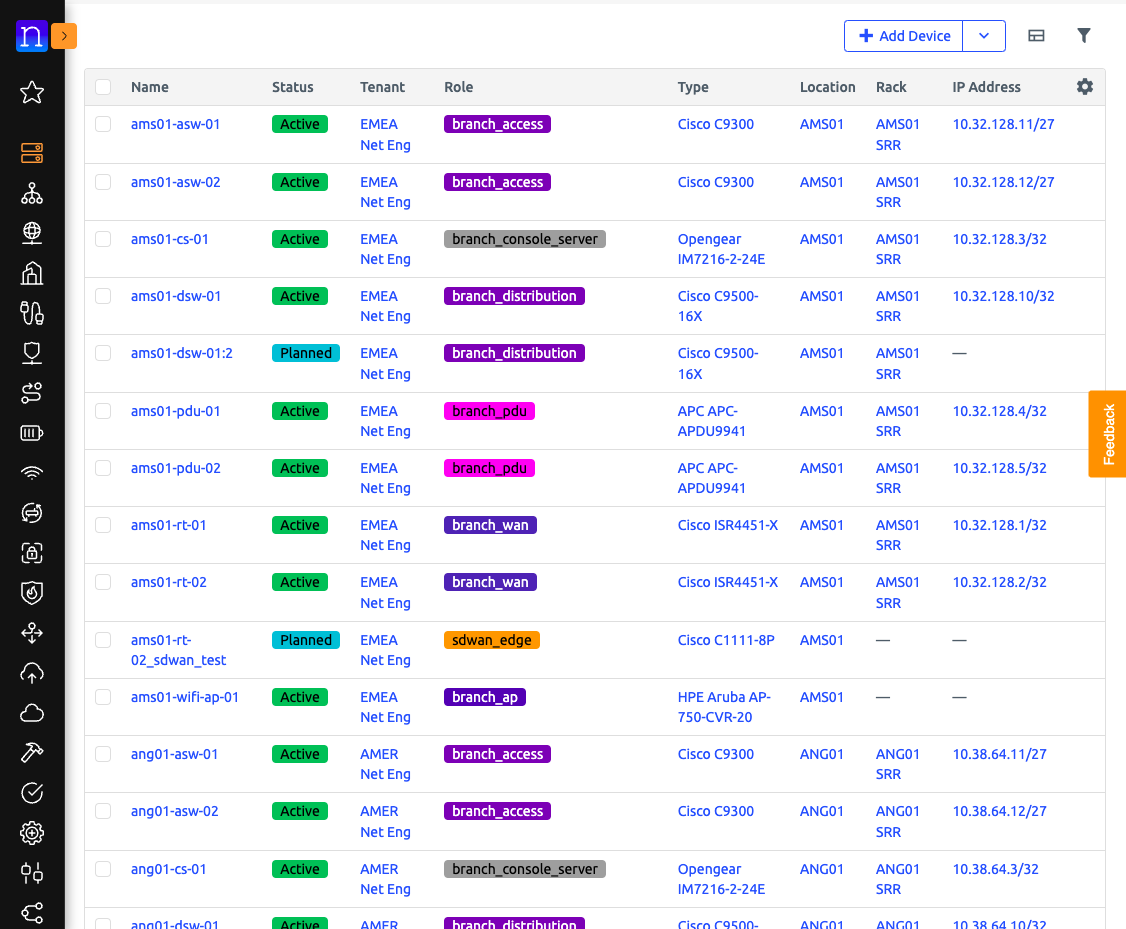
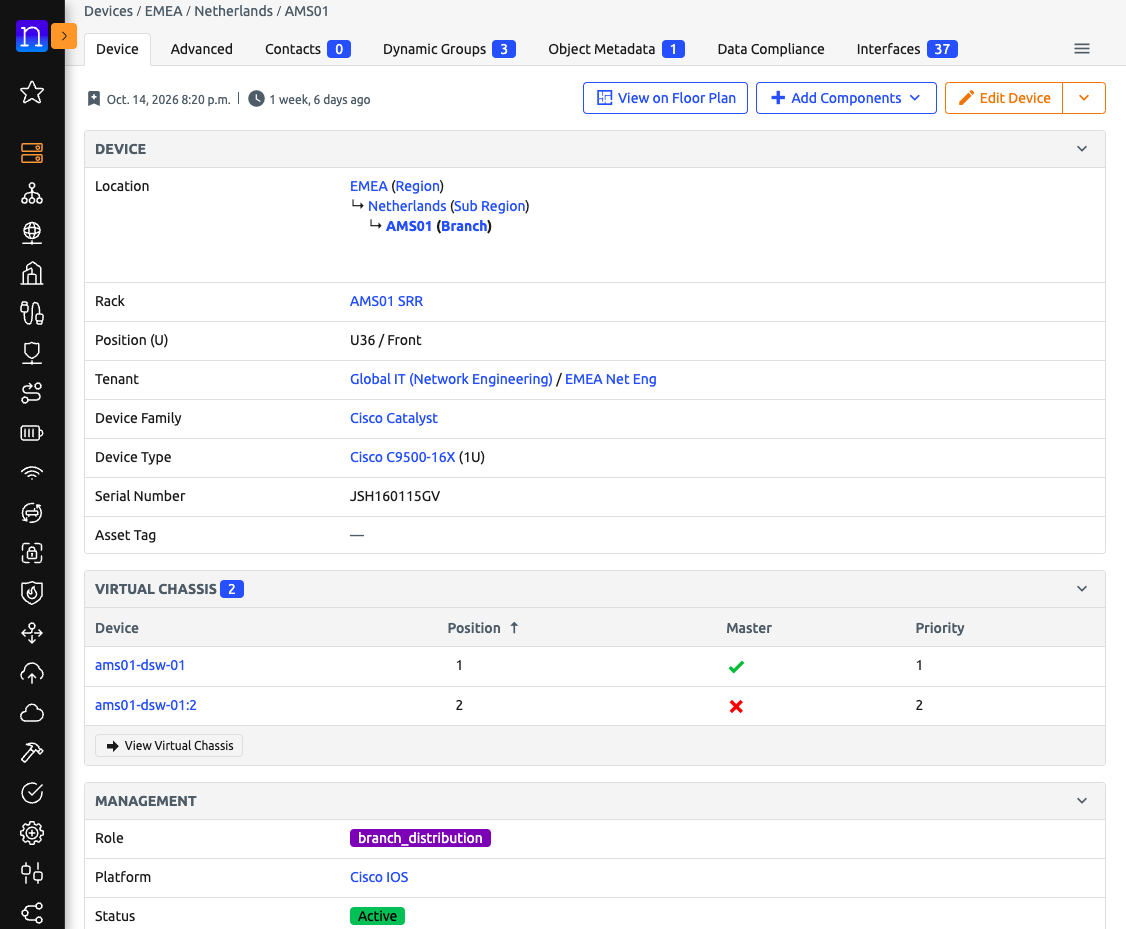
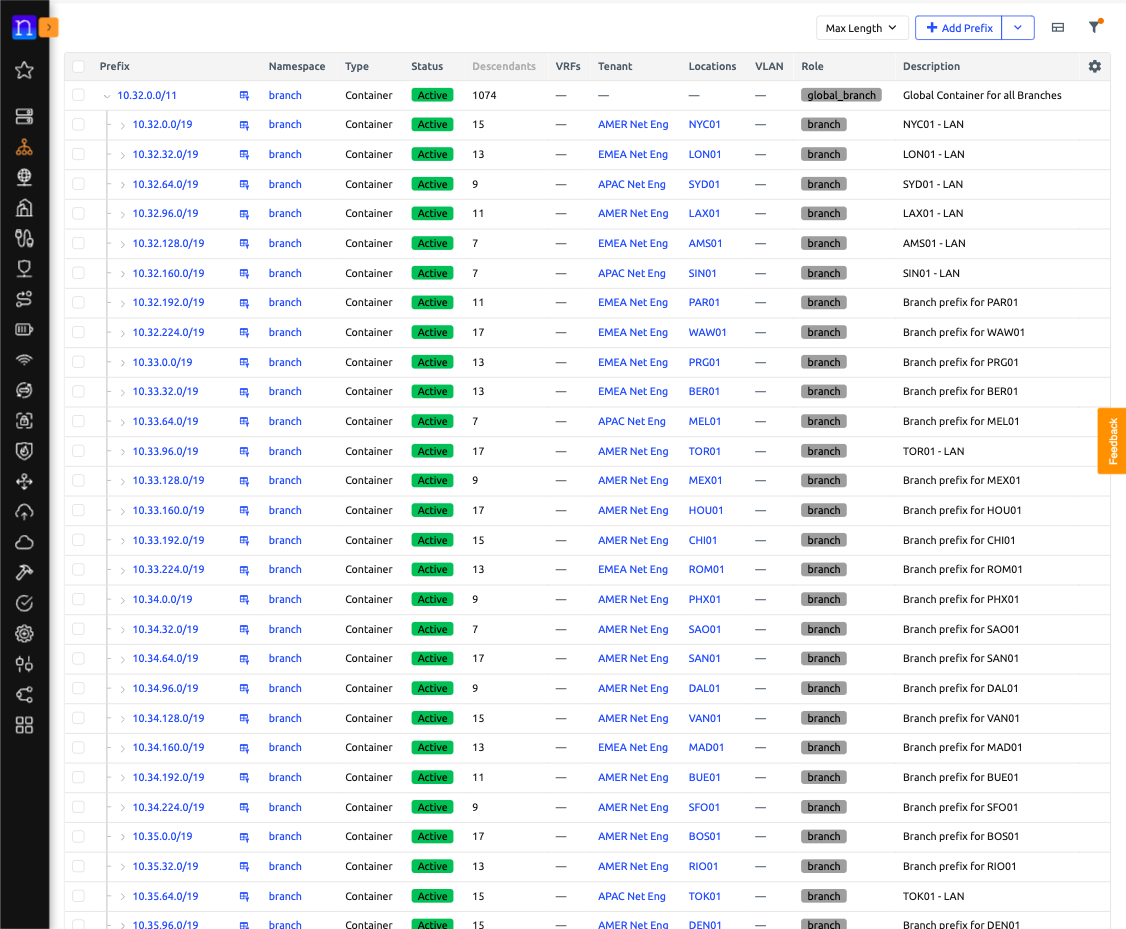
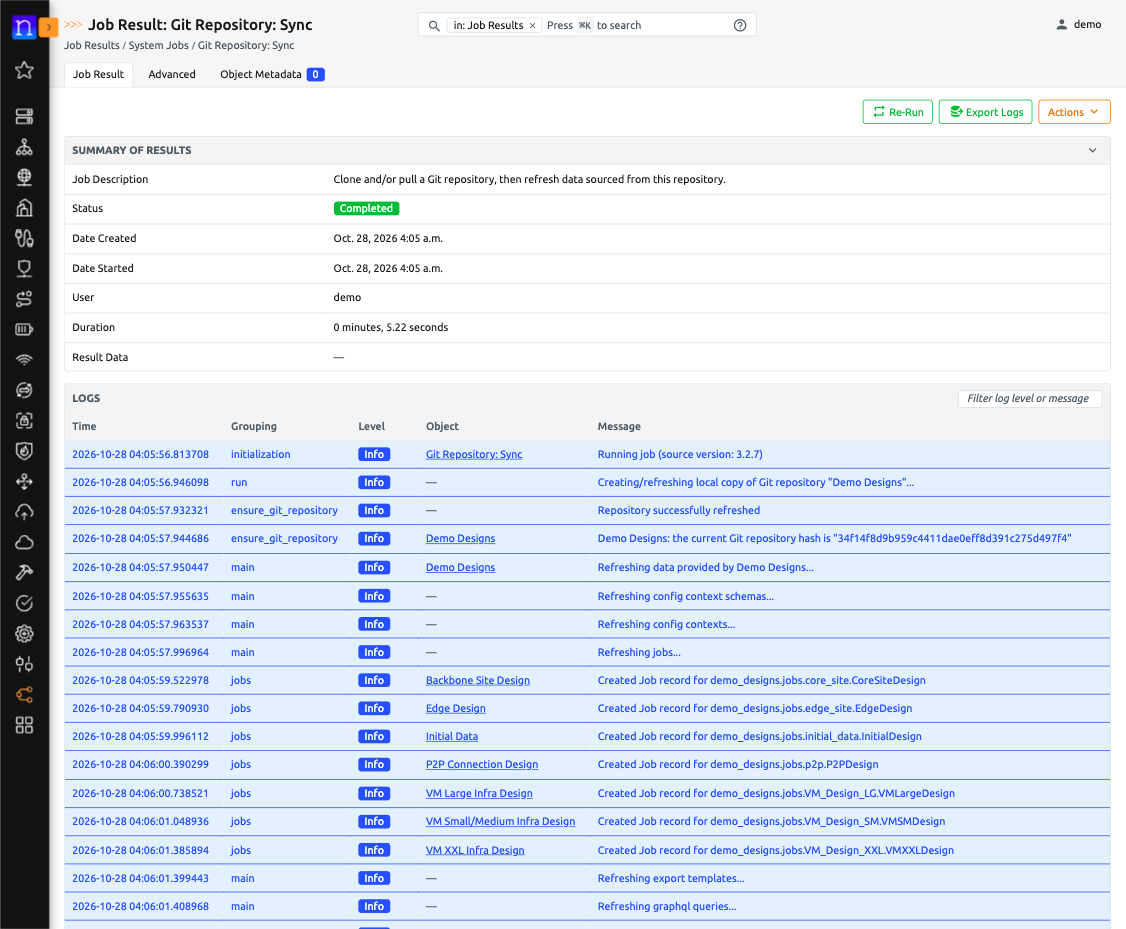
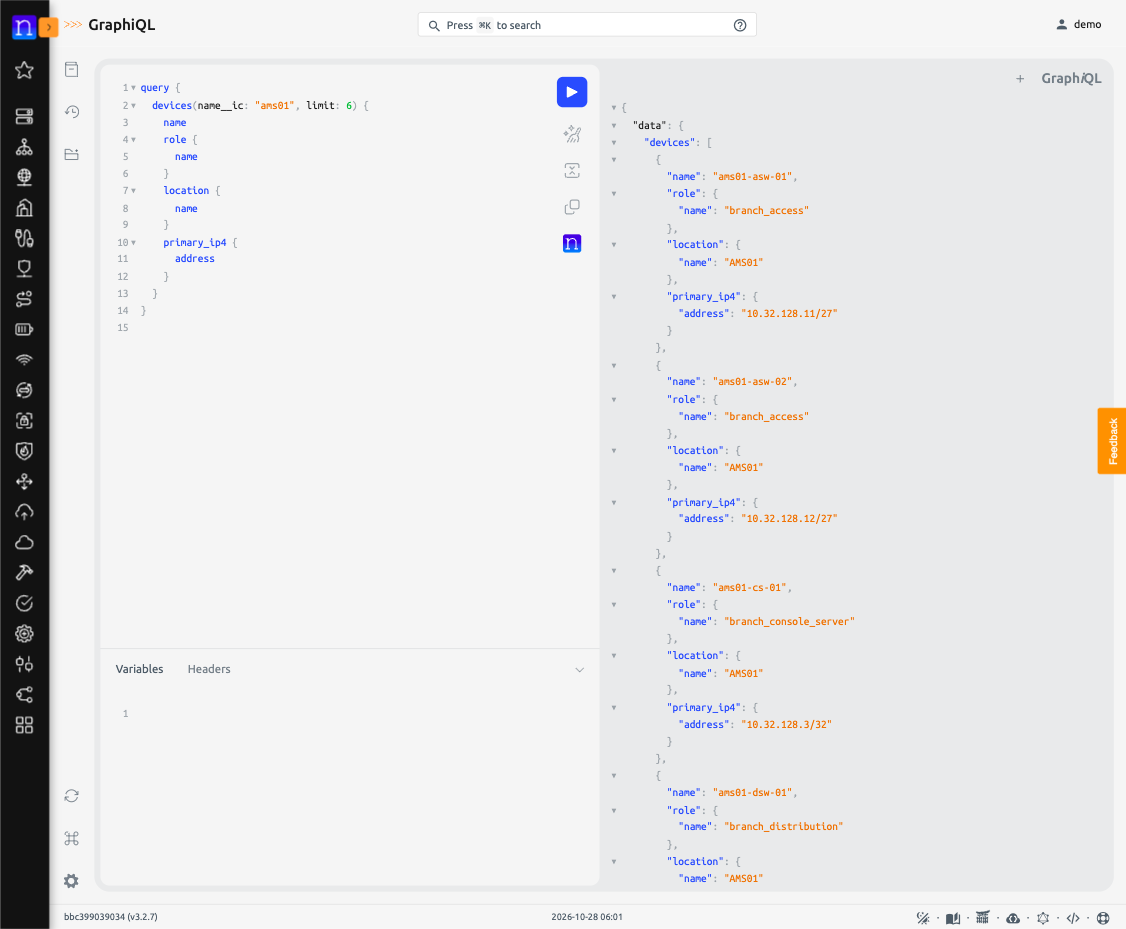
From the first rack to the last circuit, Nautobot is the open-source network source of truth that records what your network should look like and runs automation against it. Built-in models cover locations, racks, devices, interfaces, cables, VLANs, VRFs, IP prefixes, circuits, and contacts, so one searchable record replaces the spreadsheet and the wiki. Teams encode their own standards with custom fields, user-defined relationships, computed fields, and validation rules. Config contexts attach JSON or YAML data, such as syslog servers, to devices by location, role, platform, or tag. Jobs run your own automation code from the web UI, REST API, or command line, on a schedule, or through hooks when an object changes, with approvals and logs built in. Query the data over REST or GraphQL, and let the GraphiQL editor autocomplete a device and interface query you can save inside Nautobot. When an object is created, updated, or deleted, webhooks notify outside systems, with Jinja2-templated bodies and HMAC SHA-512 signatures. Git repositories can carry export templates, Jobs, and config contexts too, so YAML data and Jinja2 templates get pull request review before Nautobot syncs them. Open-source Apps add Golden Configuration for config backup, compliance, and remediation, Device Lifecycle for hardware tracking, SSoT for syncing other systems, and ChatOps. Object permissions and change logging keep a shared instance auditable. Running on a dedicated VPS on RepoCloud with guaranteed CPU, RAM, and SSD, full root SSH access, and a browser serial console. Apache-2.0 licensed.
Benefits
- Replace Spreadsheets With One Source
- Locations, racks, devices, interfaces, cables, VLANs, IP prefixes, and circuits live in one relational model, so engineers search a single record instead of reconciling exports, wiki pages, and tickets.
- Automate Changes With Reviewed Jobs
- Python Jobs run from the web UI, REST API, or command line, on a schedule or after object changes, and approvals let a second engineer review a run before it executes.
- Model Your Own Network Standards
- Custom fields, relationships, computed fields, and validation rules let you enforce naming and design standards, while config contexts hand each device its NTP, syslog, or ACL data by location, role, or tag.
- Connect Tools Through Open APIs
- REST and GraphQL APIs, signed webhooks, the pynautobot Python SDK, and Ansible modules let playbooks, monitoring tools, and scripts read and update the source of truth.
Features
- Network Data Models
- Built-in models for locations, racks, devices, interfaces, cables, VLANs, VRFs, IP prefixes and addresses, circuits, tenants, and contacts give network teams a ready relational schema.
- Jobs And Automation
- Python Jobs run on demand from the web UI, REST API, or nautobot-server runjob, with scheduling, approvals, Job Buttons, Job Hooks, and Celery or Kubernetes queues.
- REST And GraphQL APIs
- REST API with Swagger documentation, plus a GraphQL endpoint with a GraphiQL editor offering autocomplete, a documentation explorer, and saved queries that can also run through REST.
- Git As Data Source
- Sync config contexts, config context schemas, export templates, Jobs, and GraphQL queries from Git repositories, so GitHub or GitLab review gates changes before they land.
- Config Contexts And Groups
- Config contexts attach JSON or YAML data to devices by location, role, platform, tenant, tag, or dynamic group; dynamic groups match by filter, set logic, or static membership.
- Apps And Access Control
- Installable Apps add Golden Configuration, Device Lifecycle, SSoT, and ChatOps, while object permissions, change logging, and SSO through SAML, OAuth2, or LDAP govern shared access.