Categories
DevOps Automation Infrastructure Orchestration Configuration Management IT Operations AnsibleStars
Forks
Watchers
Developer links
AWX
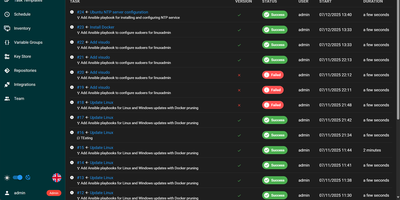
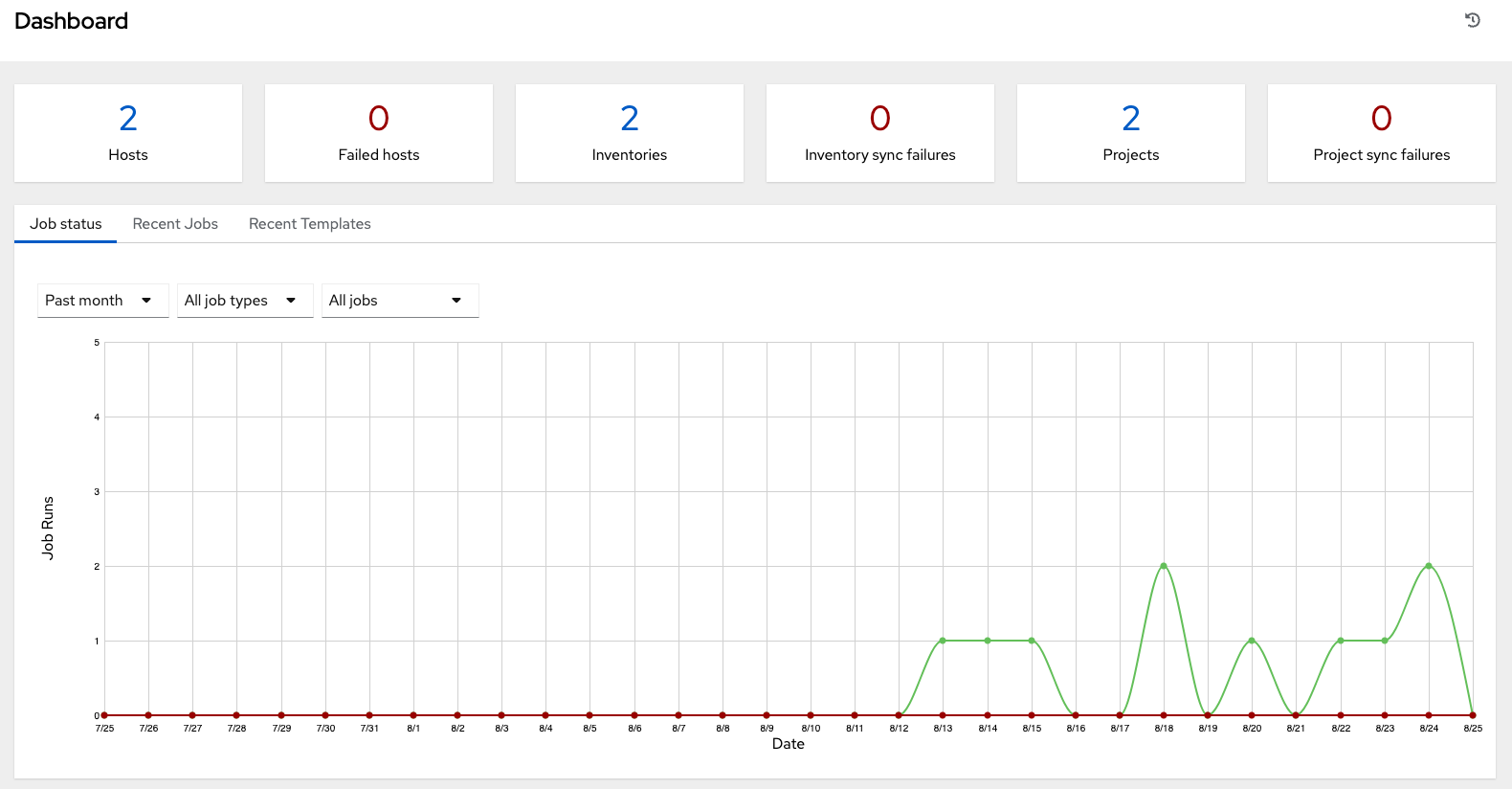
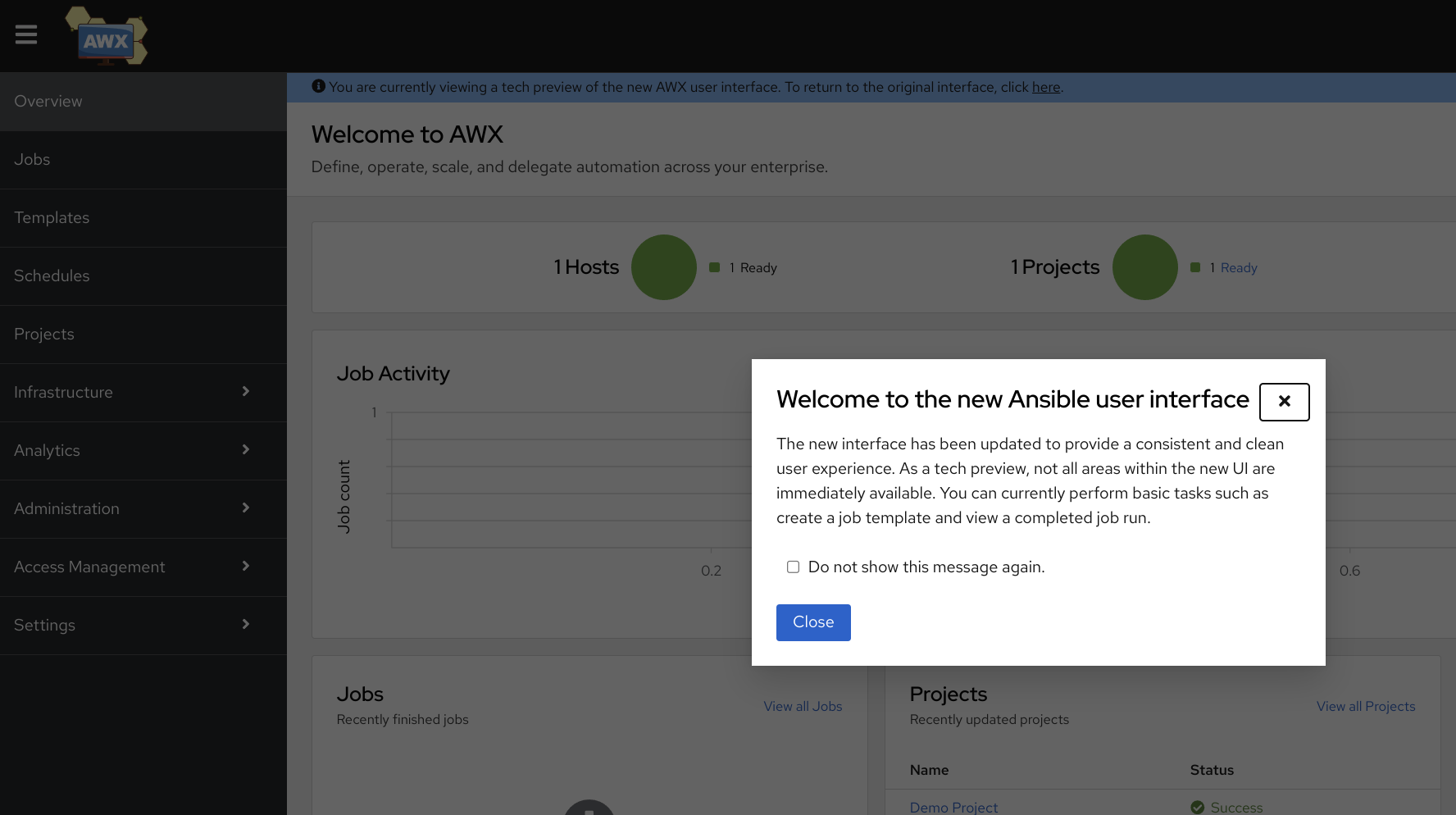
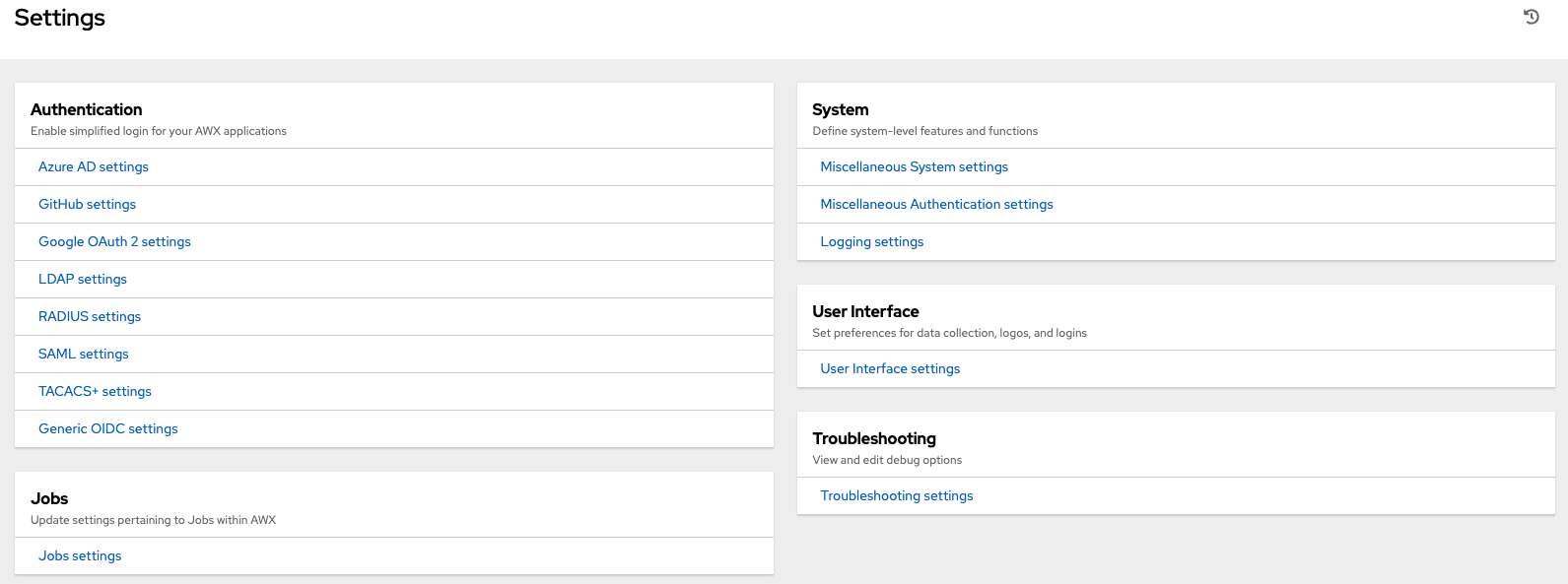
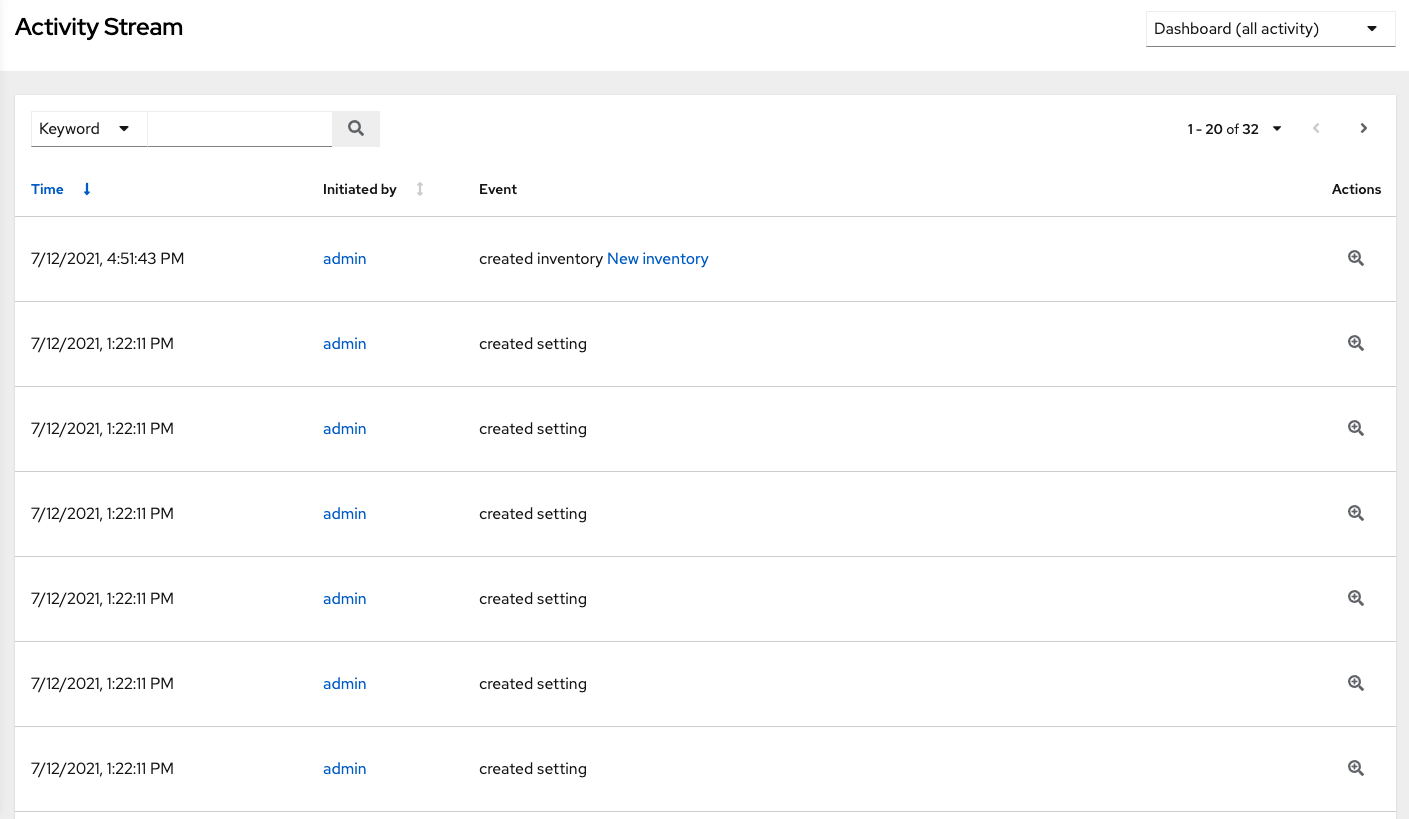
AWX transforms Ansible from a command-line tool into a centralized automation hub with a web UI, REST API, and distributed task engine for managing playbooks, inventories, and credentials at enterprise scale. The React-based dashboard provides real-time visibility into job status, inventory health, and execution history while Django REST Framework powers programmatic control over every automation resource. Job templates combine Ansible playbooks, inventories, and credentials into reusable units that chain together in workflow templates using directed acyclic graph orchestration with conditional branching on success, failure, or always-run logic and configurable convergence gates. The RBAC system built on django-ansible-base provides granular permission control over organizations, teams, projects, inventories, and credentials at object-level granularity. Dynamic inventory sources pull host data from AWS EC2, Google Cloud, Microsoft Azure, VMware vCenter, and Red Hat Satellite, while credential management securely stores SSH keys, cloud tokens, and vault passwords with HashiCorp Vault and CyberArk integration for external secret retrieval. Notifications deliver alerts via Slack, email, PagerDuty, Mattermost, IRC, and webhooks, while activity streams log every action for compliance auditing. The Receptor mesh network distributes job execution across isolated container-based execution environments with capacity-aware scheduling and hop-node routing for network-segmented infrastructures. Upstream of Red Hat Ansible Automation Platform. Deploys via Docker Compose with PostgreSQL and Redis or via the AWX Operator on Kubernetes. Running on a dedicated VPS on RepoCloud with guaranteed CPU, RAM, and SSD, full root SSH access, and a browser serial console. Apache 2.0 licensed.
Benefits
- Visual Workflow Orchestration
- Chain job templates, project updates, and inventory syncs into directed acyclic graph workflows with conditional success, failure, and always-run branching plus configurable convergence gates.
- Enterprise Role-Based Access Control
- django-ansible-base RBAC provides granular object-level permissions across organizations, teams, projects, inventories, and credentials with role definitions, user assignments, and cached permission evaluations.
- Dynamic Multi-Cloud Inventory
- Automatically discover and sync host inventories from AWS EC2, Google Cloud, Microsoft Azure, VMware vCenter, and Red Hat Satellite with scheduled refresh and smart host filtering.
- Distributed Execution via Receptor
- Receptor mesh network routes jobs through hop nodes to isolated execution environments running in containers, enabling capacity-aware scheduling across network-segmented infrastructures.
Features
- Job Templates
- Combine playbooks, inventories, credentials, and variables into reusable automation units with launch-time prompting, survey forms, and concurrent job limits.
- Credential Management
- Securely stores SSH keys, cloud provider tokens, and vault passwords with external integration for HashiCorp Vault, CyberArk, and custom credential plugins.
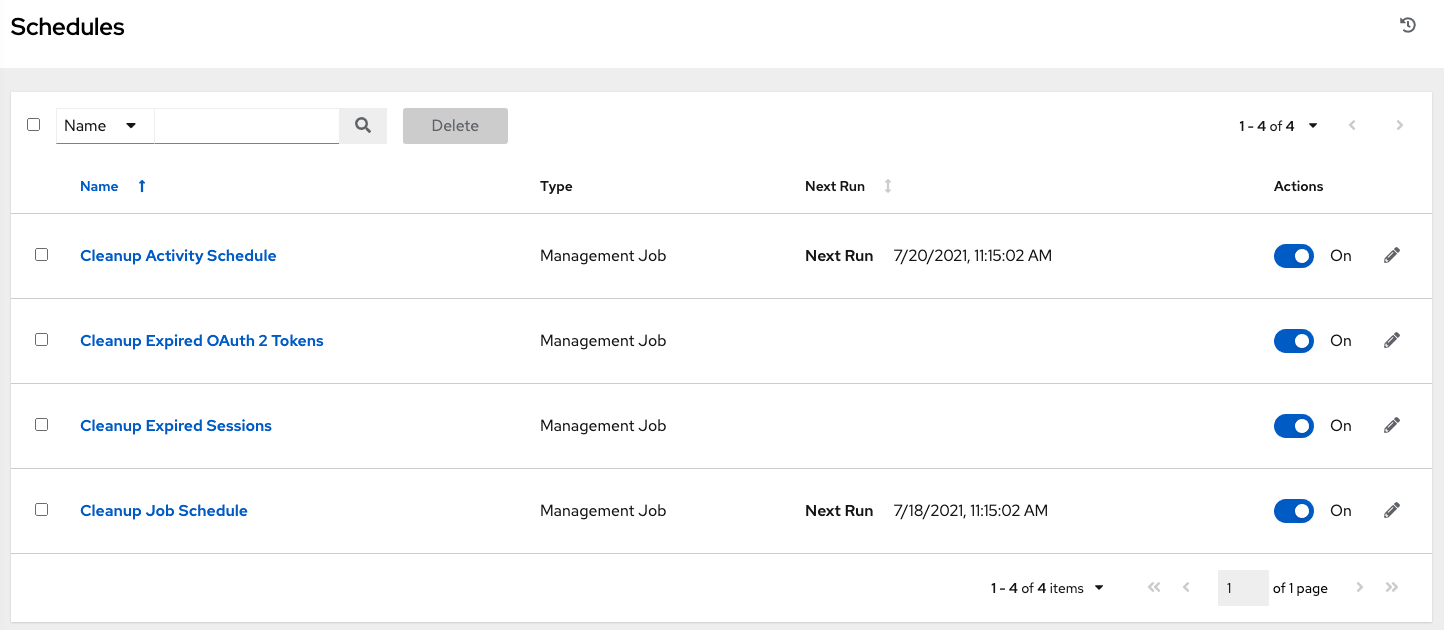
- Job Scheduling
- Schedule playbook runs at specific times or recurring intervals using cron-like patterns with timezone support and multiple schedule stacking per template.
- Notification Framework
- Delivers job status alerts via Slack, email, PagerDuty, Mattermost, Grafana, IRC, Twilio, and custom webhooks with per-template notification profiles.
- Activity Stream Auditing
- Logs every platform action with user attribution, resource details, and timestamps for compliance auditing, troubleshooting, and organizational change tracking.