Categories
Self-Hosted DevOps Monitoring Alerting Incident Management Status Page On-Call Site ReliabilityStars
Forks
Watchers
Developer links
OpsKnight
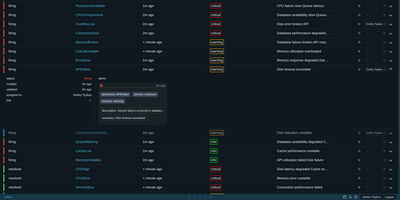
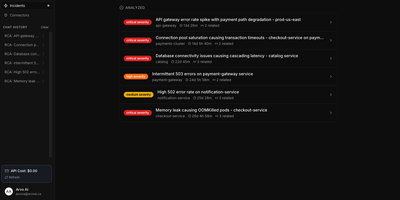
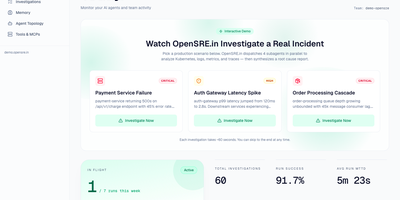
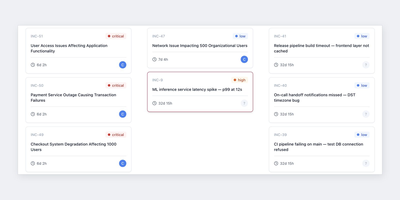
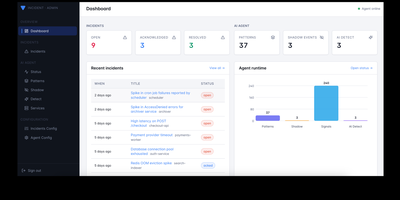
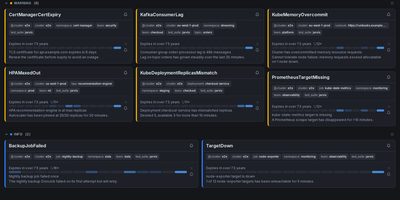
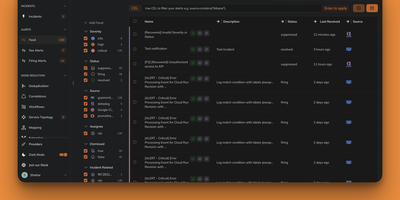
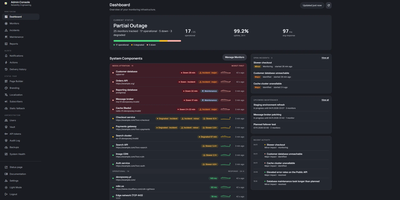
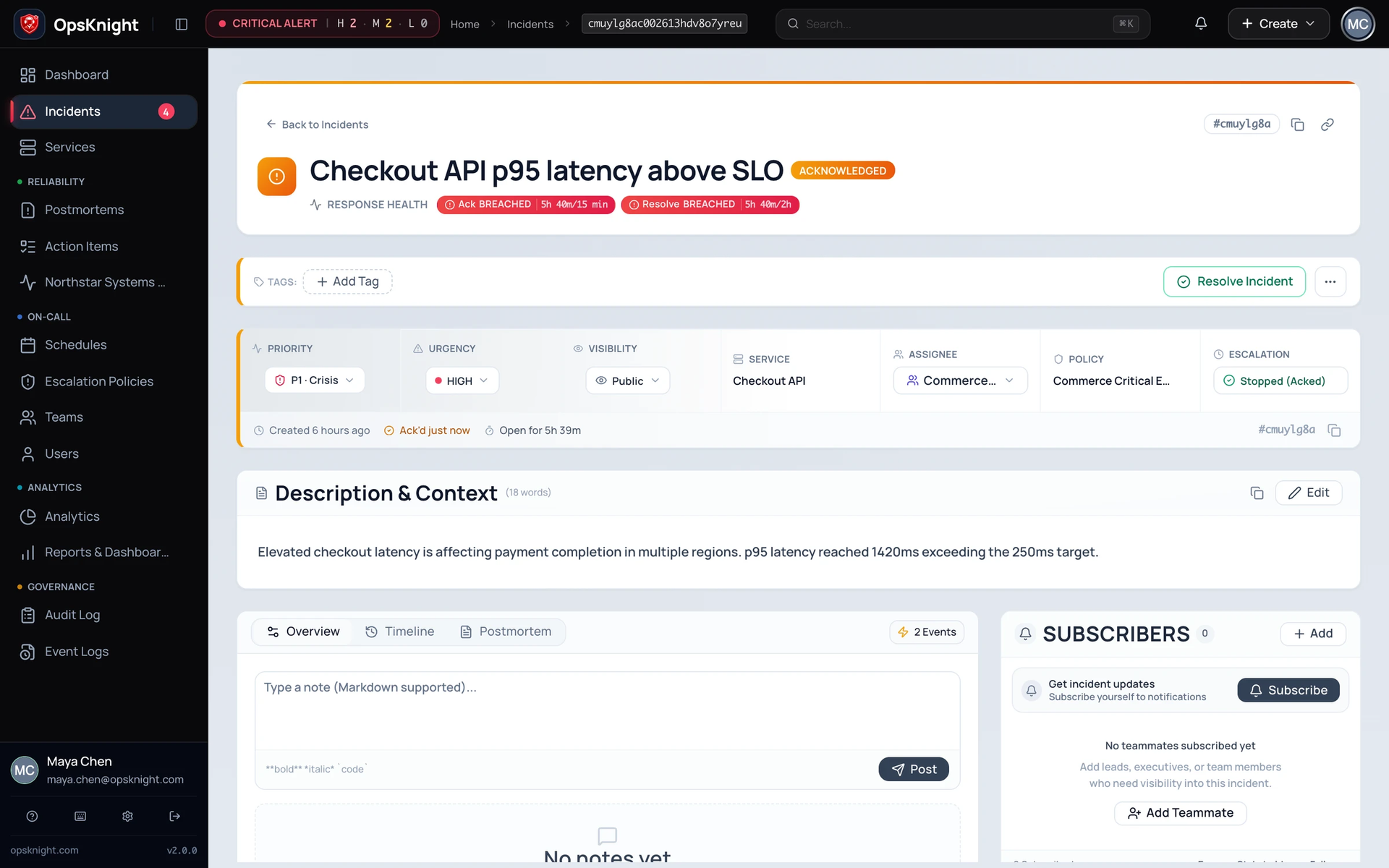
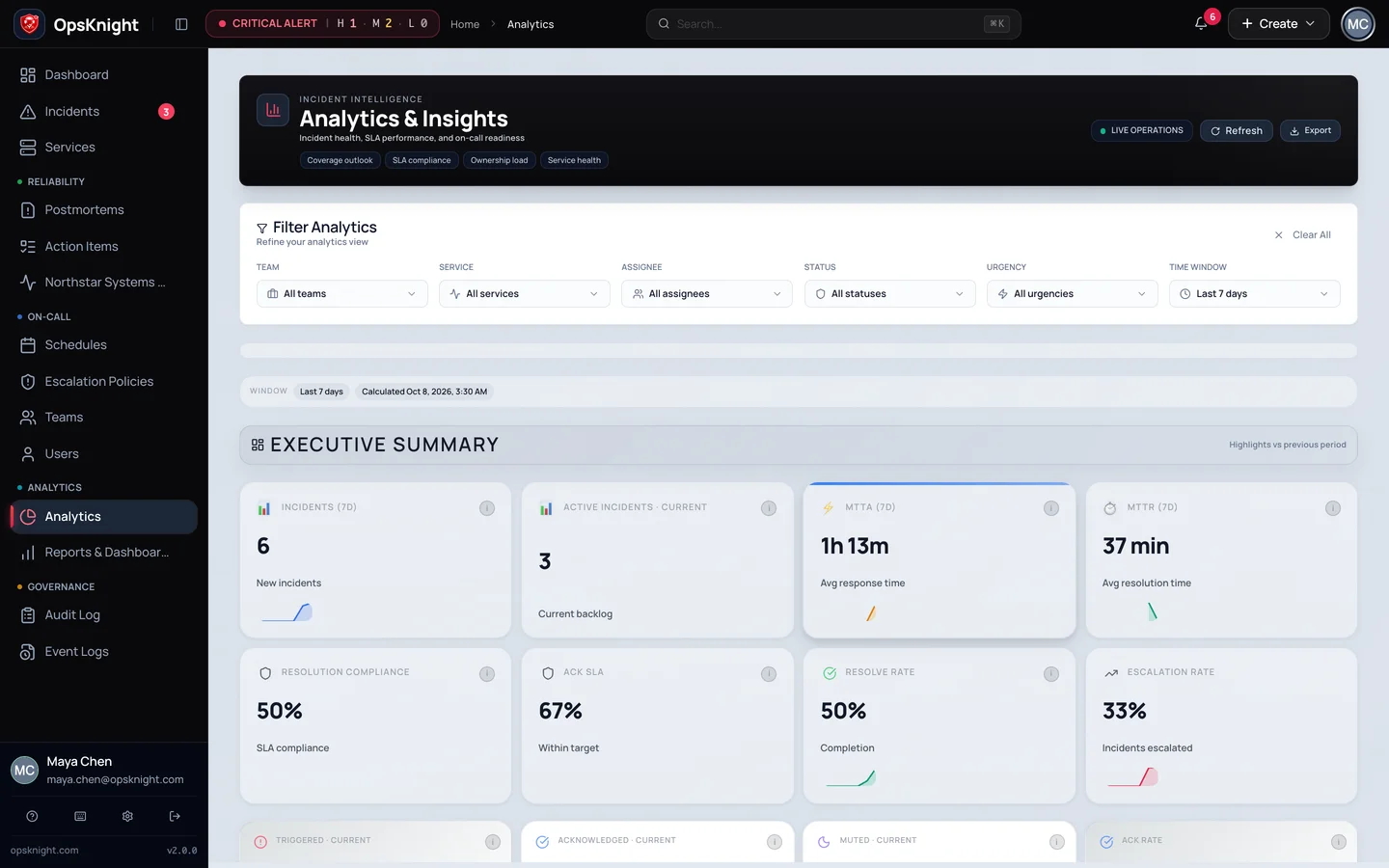
When production breaks at 3 a.m., somebody has to know it is their turn, and OpsKnight keeps that answer on your own server instead of a per-seat subscription. Alerts from Prometheus, Grafana, Datadog, Sentry, CloudWatch, and generic webhooks arrive at authenticated endpoints, get deduplicated, and are routed to the right service. On-call schedules support rotation layers, daylight saving safe handoffs, and temporary overrides, and escalation policies page users, schedules, or whole teams in timed steps. Responders get push, email, SMS, WhatsApp, and Twilio voice calls where the keypad acknowledges the page. Each incident has an ownership panel, a timeline, notes, subscribers, action items, and SLA timers, and Slack or Teams war rooms keep chat in step. The Command Center shows active, muted, and unassigned incidents at a glance, analytics report MTTA, MTTR, and SLA compliance, and a System Health Center runs live diagnostics. A public status page with uptime history, maintenance notices, and subscribers keeps customers informed, and postmortems capture what the team learned. Sign-in supports OIDC and SCIM provisioning, and an installable mobile web app brings pages to your phone. Running on a dedicated VPS on RepoCloud with guaranteed CPU, RAM, and SSD, full root SSH access, and a browser serial console. AGPL-3.0 licensed.
Benefits
- No Per-Seat Incident Bill
- Add every engineer and responder without a seat meter or software fee, and keep incident data, schedules, and delivery records inside your own PostgreSQL database.
- Reach The Right Responder
- Rotations, overrides, and multi-step escalation policies decide who is paged, then push, SMS, WhatsApp, chat, or a voice call keeps trying until someone acknowledges.
- Keep Customers In The Loop
- Publish a status page with service health, uptime history, maintenance windows, and subscriber notifications, separate from the internal incident timeline responders use.
- See Reliability Trends Clearly
- Analytics for MTTA, MTTR, SLA compliance, and escalation rate, plus postmortems and action items, help the team learn from each incident and fix repeat causes.
Features
- Alert Routing And Dedupe
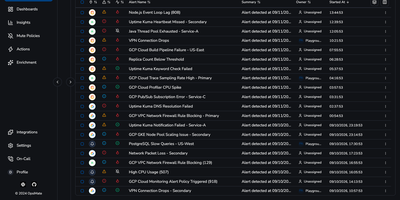
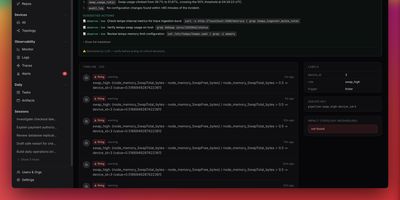
- Authenticated inbound integrations map monitoring alerts to services, set urgency, remove duplicates, and resolve incidents automatically when a recovery signal arrives.
- On-Call Schedules
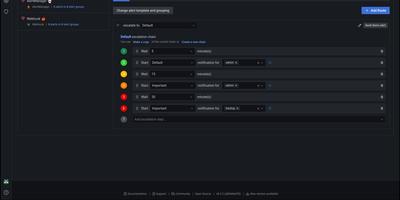
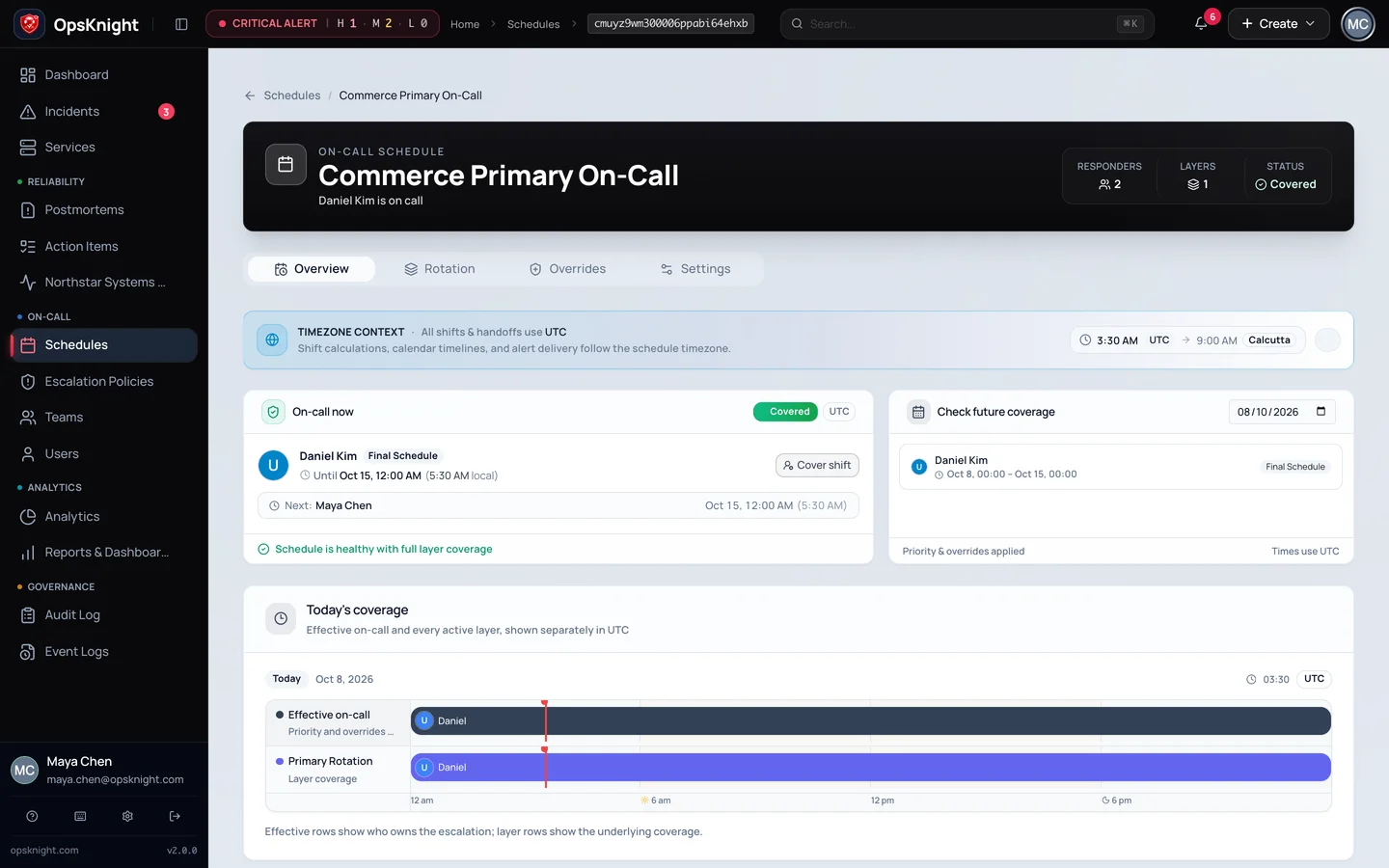
- Build rotation layers with safe daylight saving handoffs, temporary overrides, live coverage views, and a future coverage check for any date.
- Escalation Policies
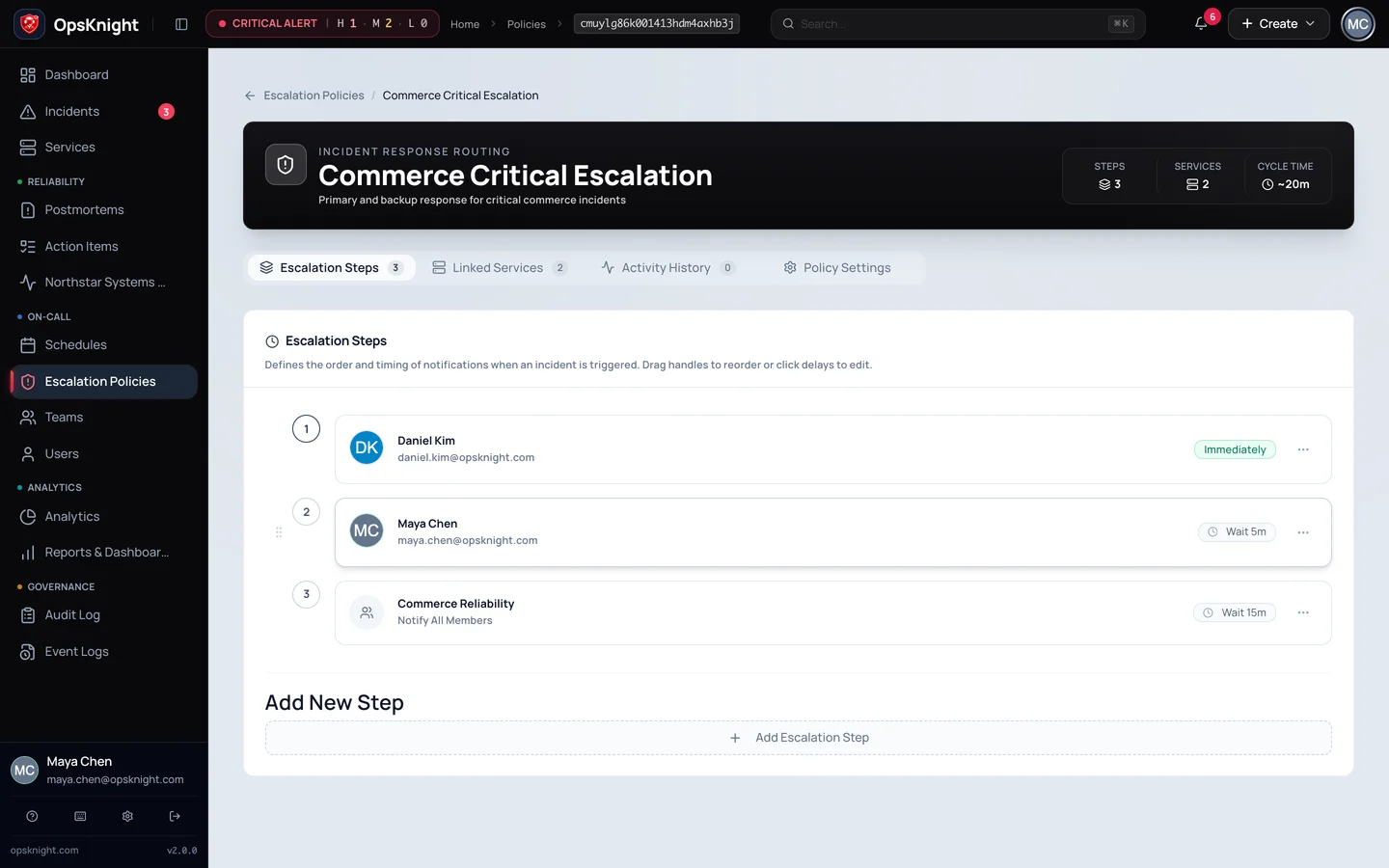
- Order timed steps that page users, schedules, or teams, link a policy to services, and watch the activity history of each escalation.
- Incident Workspace
- Track priority, urgency, assignee, SLA timers, notes, subscribers, and a timeline for every incident, with acknowledge and resolve actions in one click.
- Public Status Pages
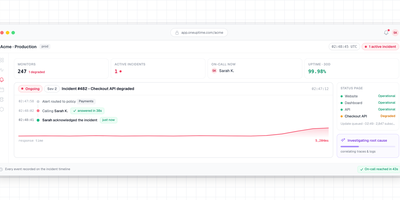
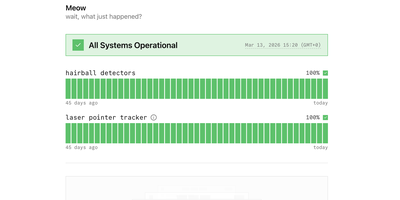
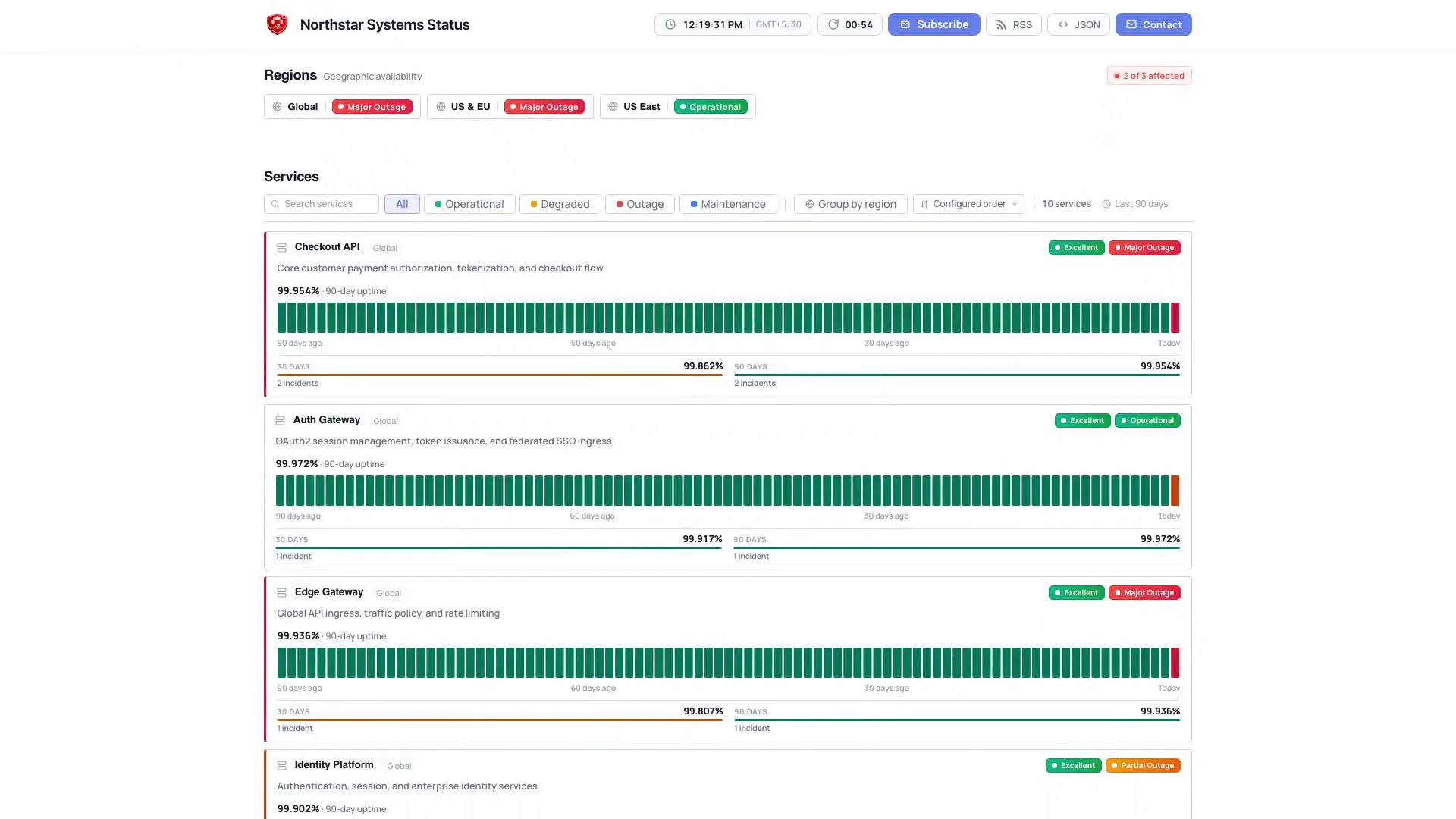
- Show service health by region, 90 day uptime bars, incidents, maintenance, and RSS or JSON feeds, with email subscribers for updates.
- System Health Center
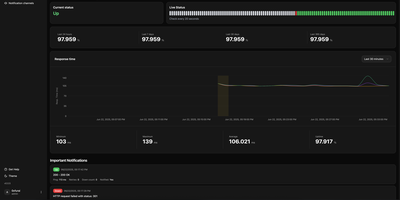
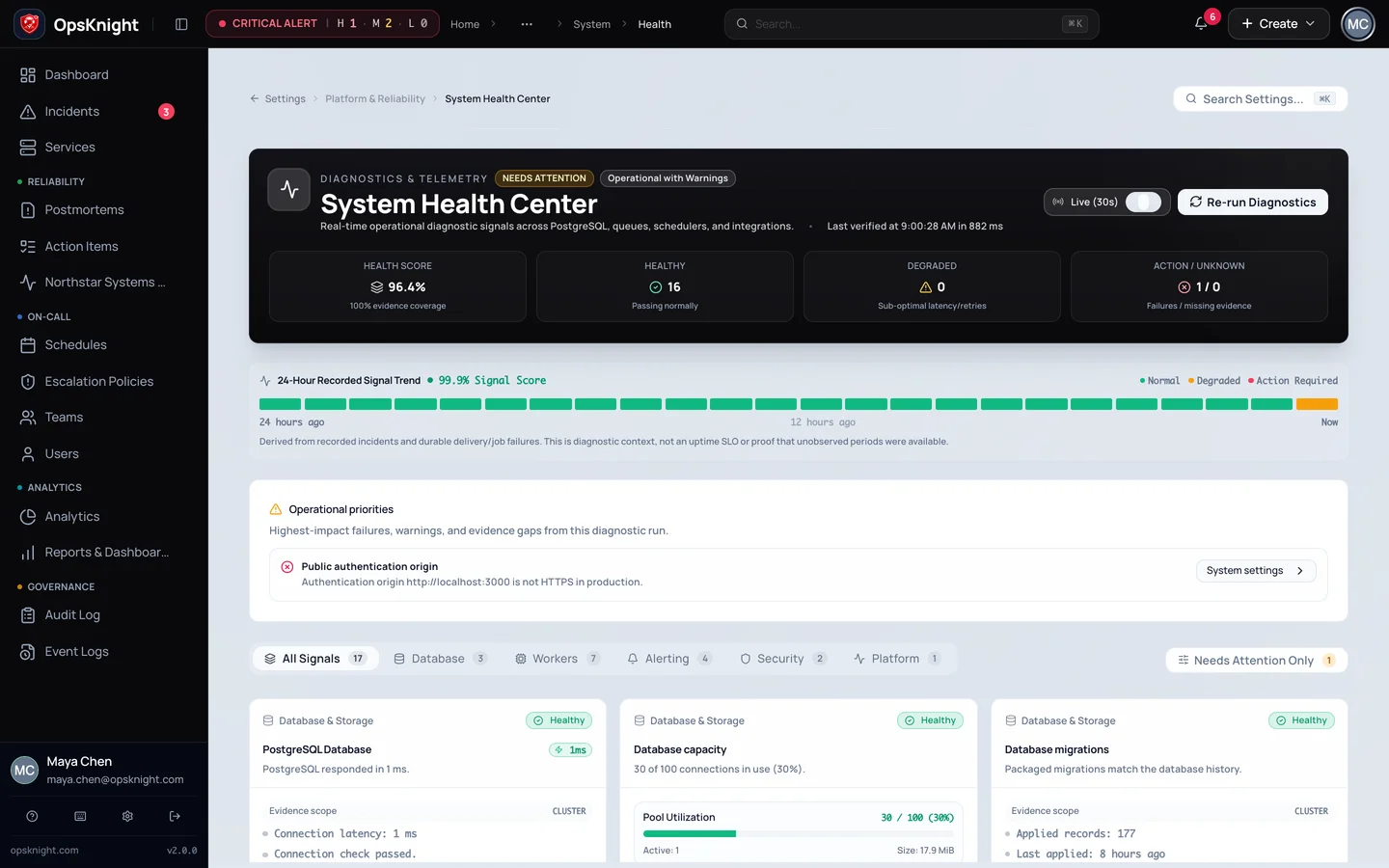
- Run diagnostics on the database, queues, workers, alerting, and security settings, with a health score and a list of operational priorities.