Stars
Forks
Watchers
Developer links
IMPulse
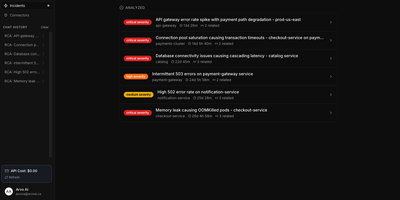
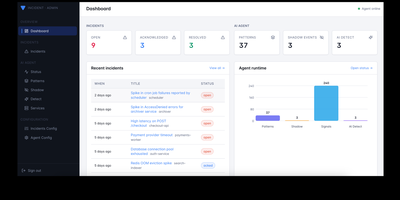
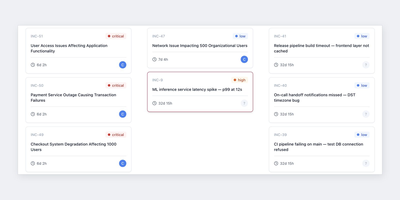
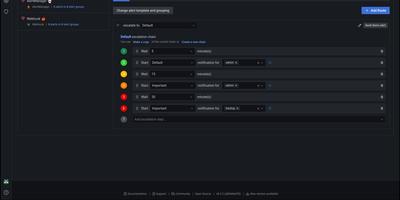
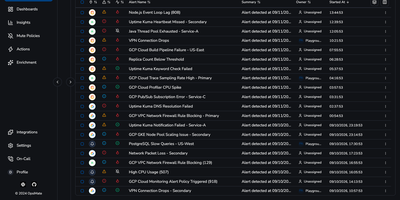
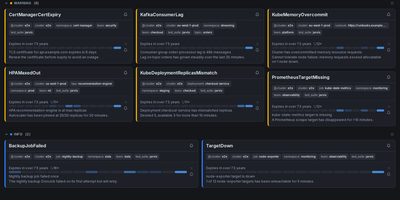
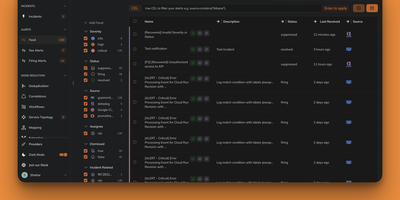
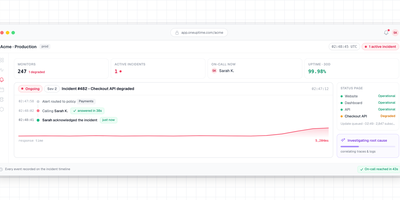
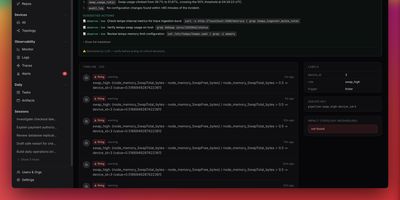
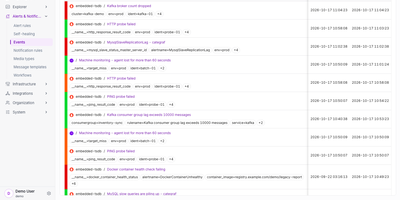
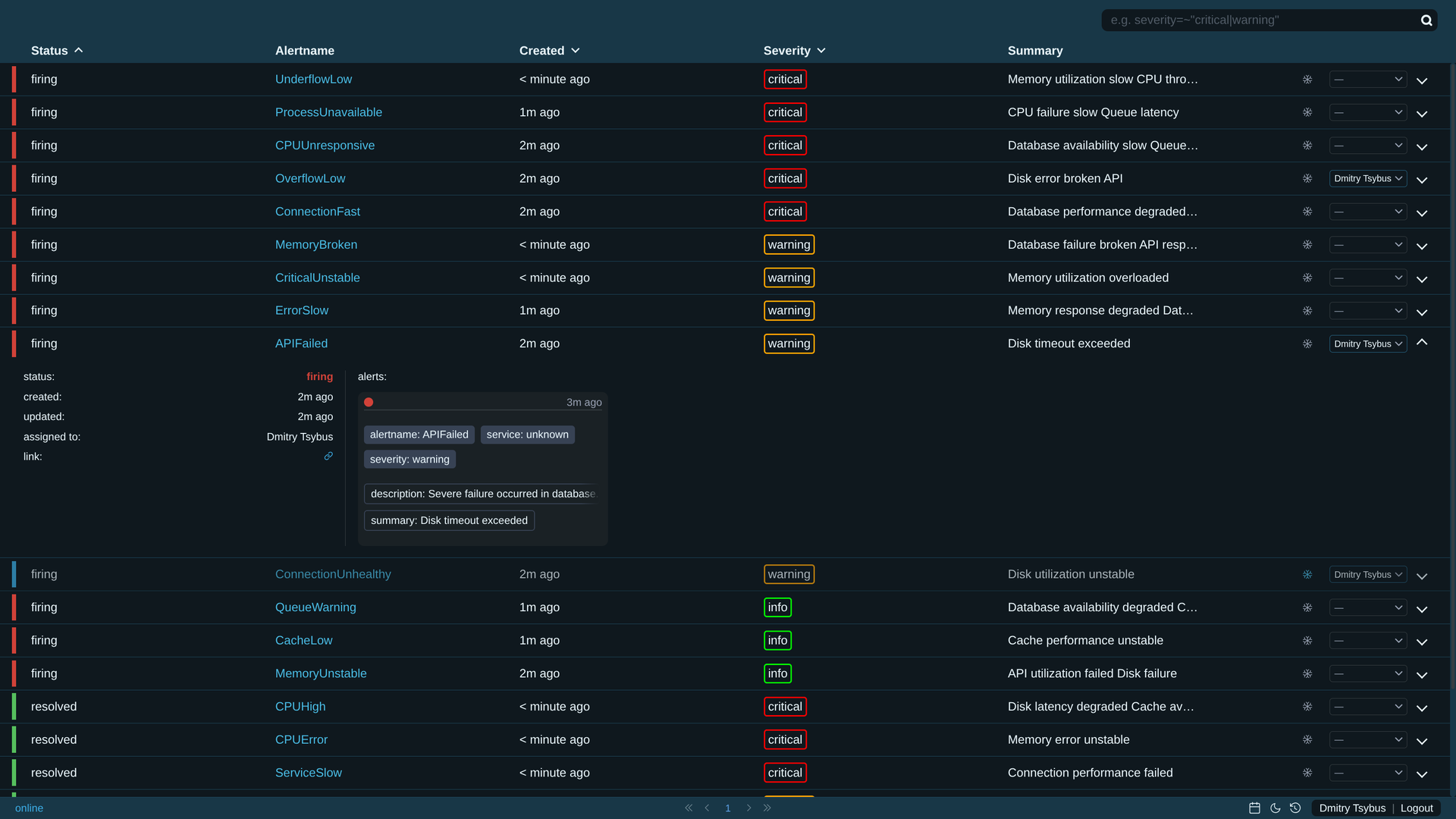
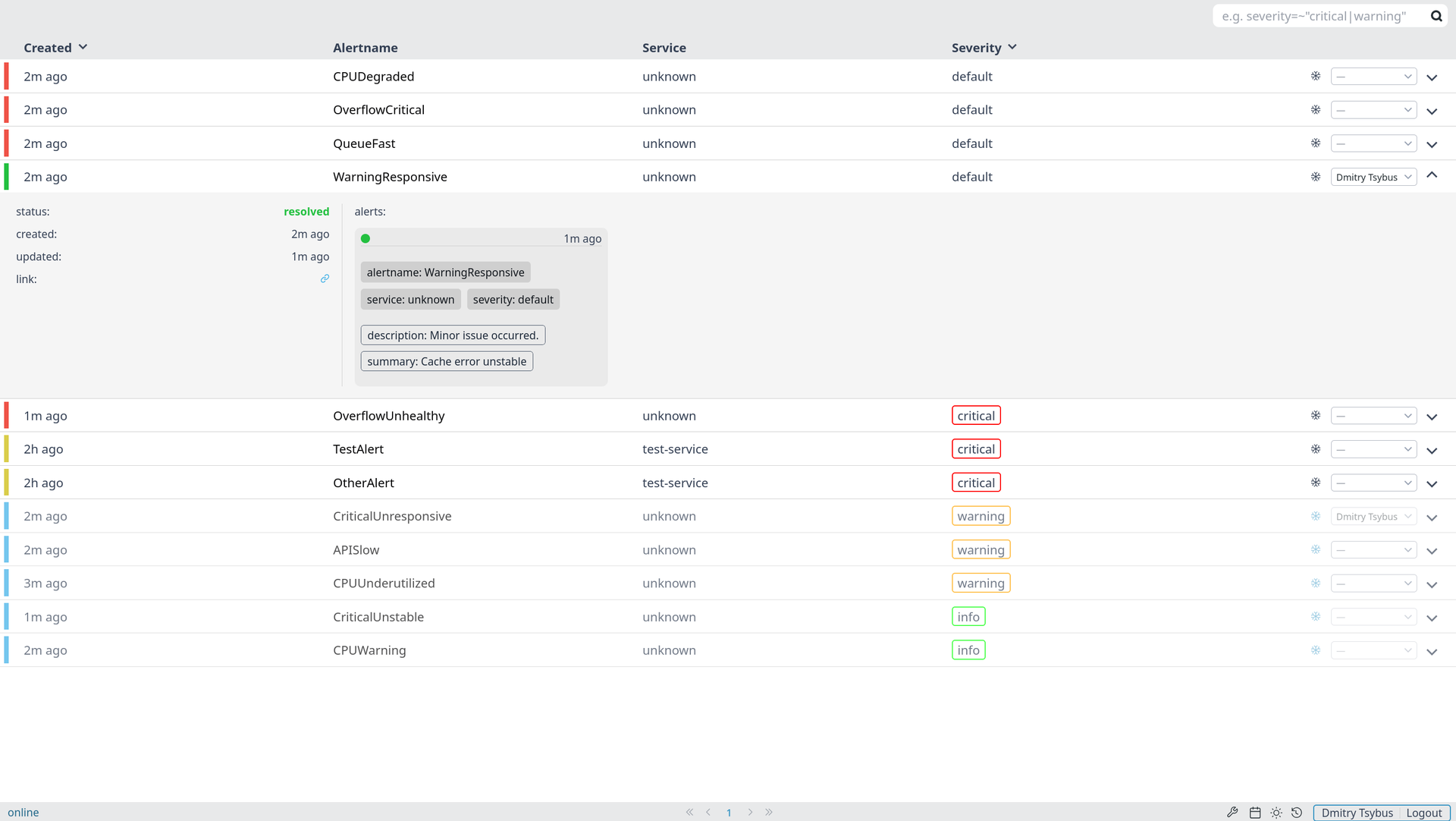
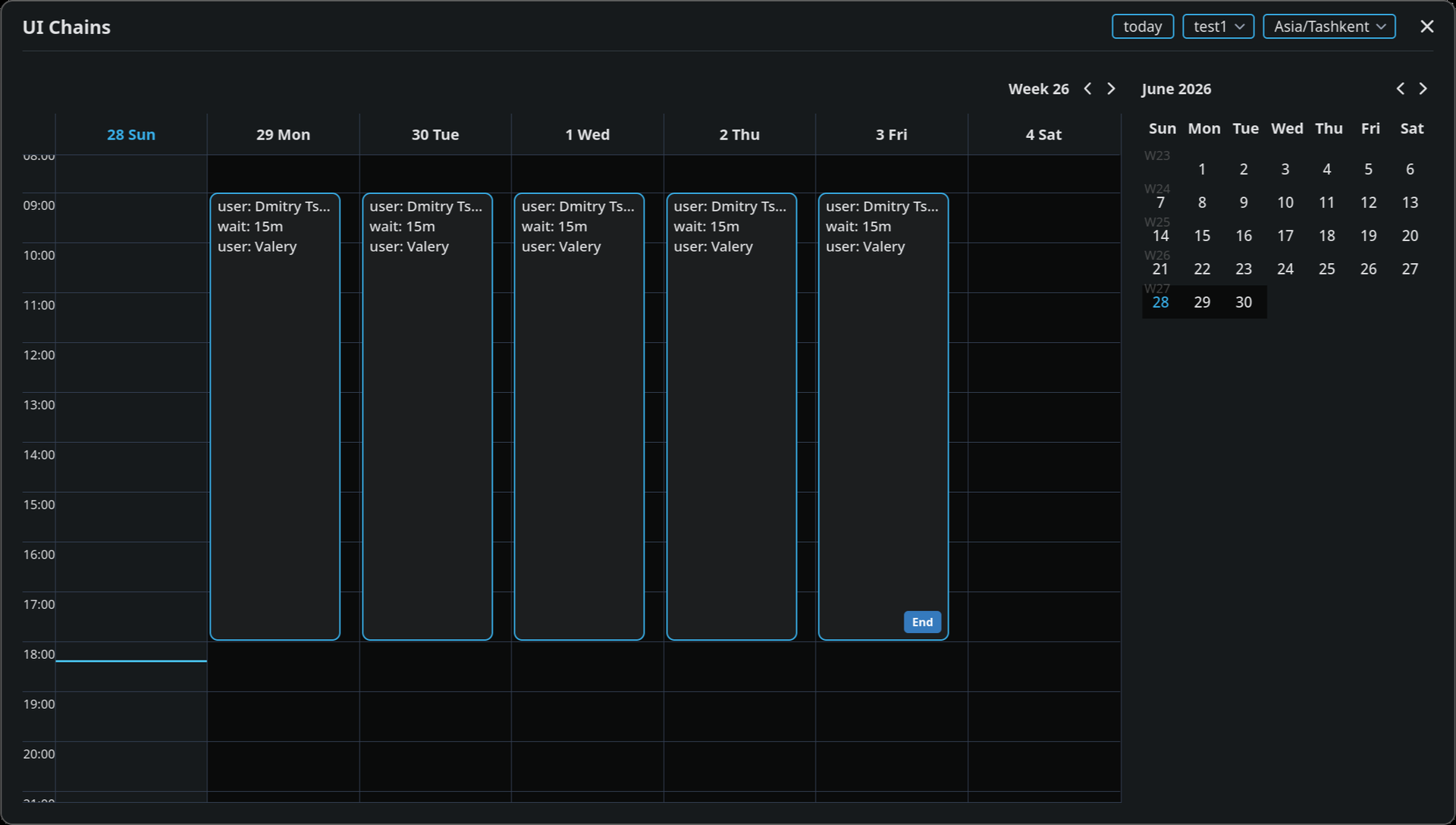
Incident response moves into the chat tool your team already lives in, with every alert landing as a Slack, Mattermost, or Telegram thread that carries a Take It button and a running escalation clock. IMPulse gives each incident a lifecycle that prevents duplicates and reduces noise. Responders take an incident, assign it, or freeze it until tomorrow, next Monday, or later, from the thread or from the web table. Escalation chains, nested as deeply as needed, wait and then notify the next person, and schedules can be edited in the UI or read from Google Calendar. Inhibition rules suppress child incidents when a parent is active, and maintenance windows mute matching alerts during planned work. The web table offers multi-column sorting, Alertmanager-style filters with regex, custom colors, an archive of closed incidents, and a light or dark theme. Sign-in goes through your chat platform, so nobody needs a separate account. Jinja2 templates reshape incident messages, thread replies, and Jira tasks, and webhooks reach Twilio, Zvonok, Instatus, and other outside services. Several instances can run together for high availability, and a REST API with Swagger documentation exposes incidents to scripts. Running on a dedicated VPS on RepoCloud with guaranteed CPU, RAM, and SSD, full root SSH access, and a browser serial console. GPL-3.0 licensed.
Benefits
- Incidents Live Where You Chat
- Alerts become threads in Slack, Mattermost, or Telegram with buttons to take, freeze, or assign them, so responders work without leaving the chat tool.
- Escalation Reaches The Right Person
- Nested escalation chains wait, notify, and move on to the next responder, with schedules built in the UI or read from Google Calendar.
- Noise Stays Out Of Sight
- Lifecycle rules prevent duplicate incidents, inhibition suppresses child incidents under an active parent, and maintenance windows mute matching alerts during planned work.
- No Extra Infrastructure Needed
- IMPulse runs as a single component with no database, queue, or cache, and its YAML configuration can live in your infrastructure repository.
Features
- Chat Integrations
- Slack, Mattermost, and Telegram bots create incident threads, and chat sign-in unlocks maintenance and schedule editing in the web interface.
- Alert Source Support
- Alertmanager and Grafana send alerts in, with route and inhibition rules that closely mirror Alertmanager configuration for an easier migration.
- Incident Web Table
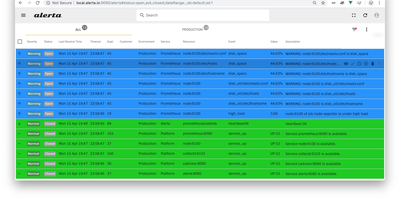
- Sort by several columns, filter with Alertmanager-style expressions, color rows by value, expand alert details, and browse an archive of closed incidents.
- Jinja2 Templates
- Template incident messages, thread replies, and Jira tasks, and send external notifications through webhooks to services like Twilio.
- High Availability
- Run several instances with one active and the others in standby, and use the REST API with Swagger docs to integrate scripts.