Stars
Forks
Watchers
Developer links
OpenSRE
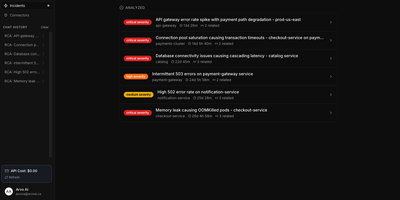
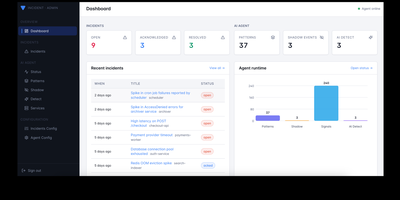
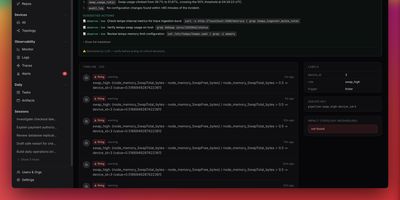
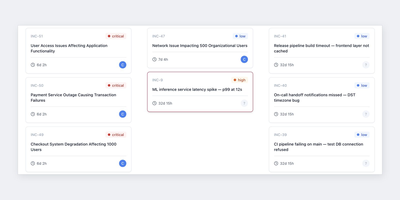
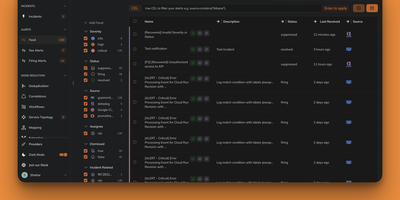
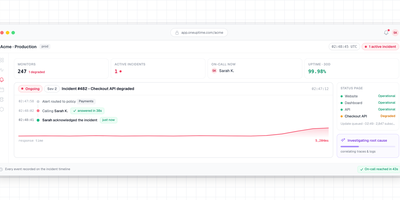
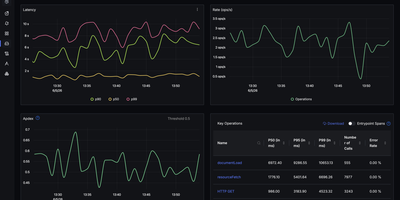
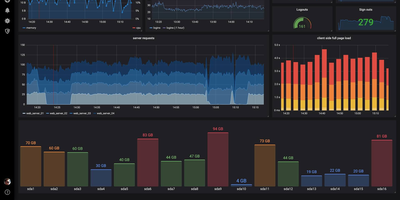
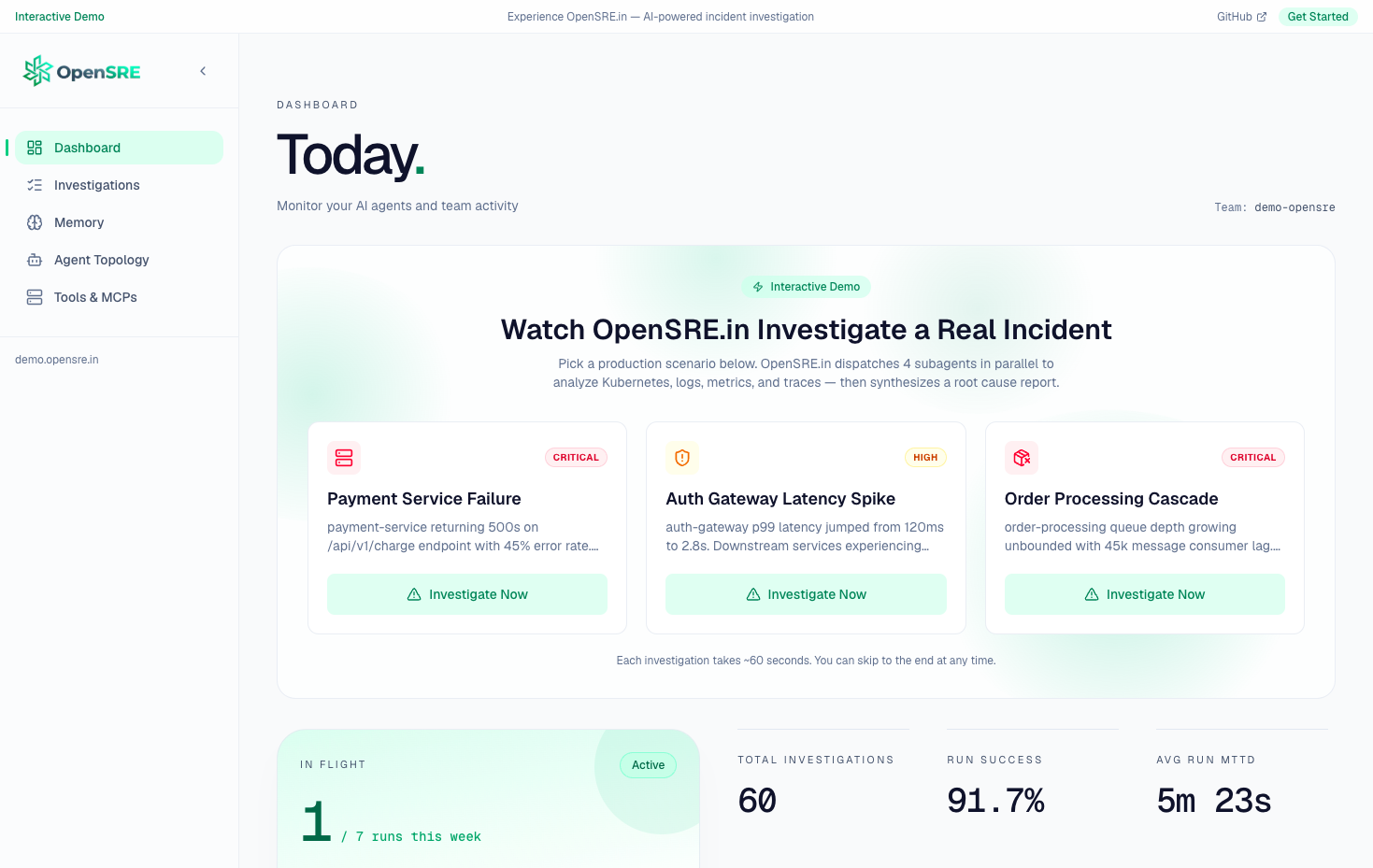
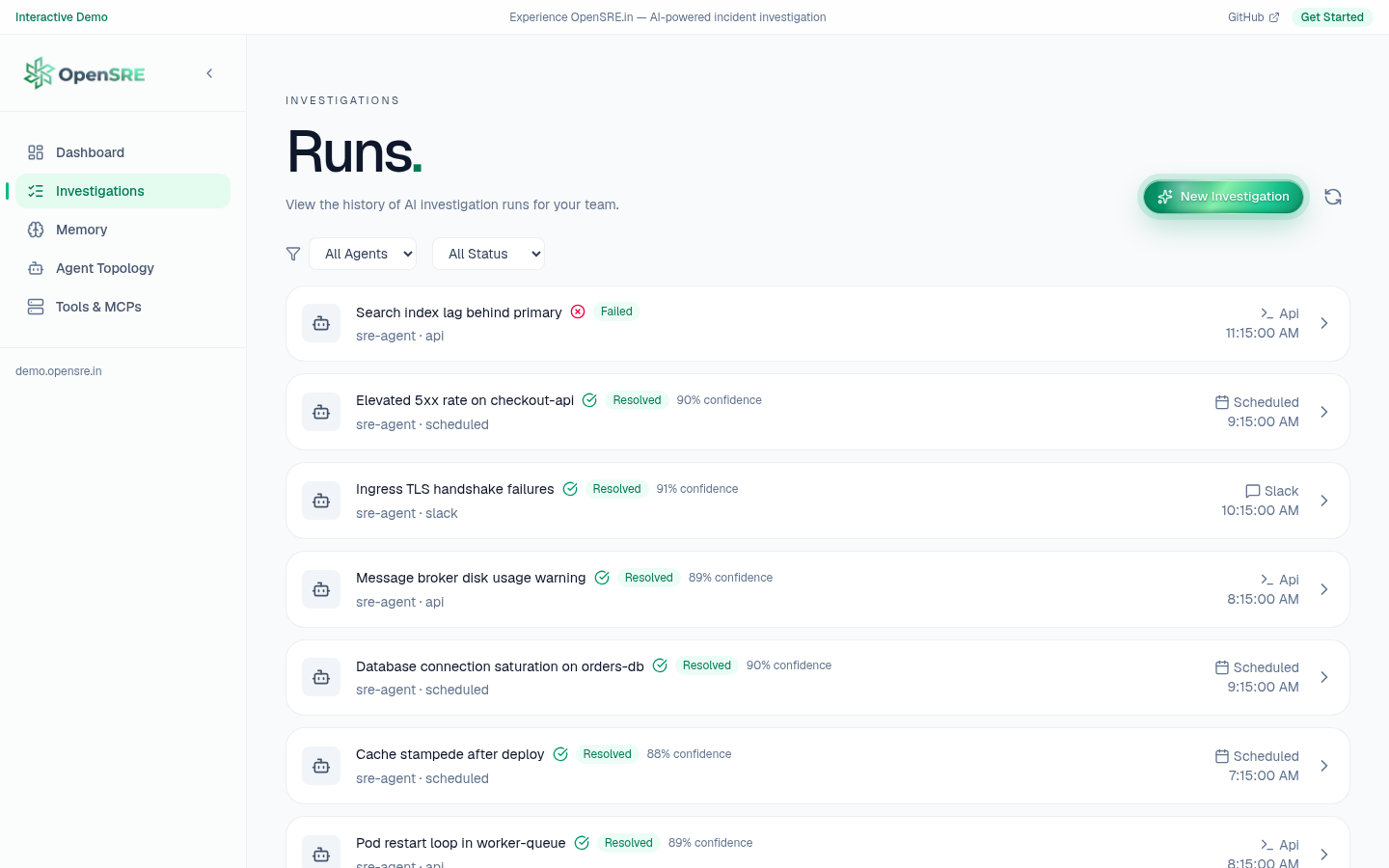
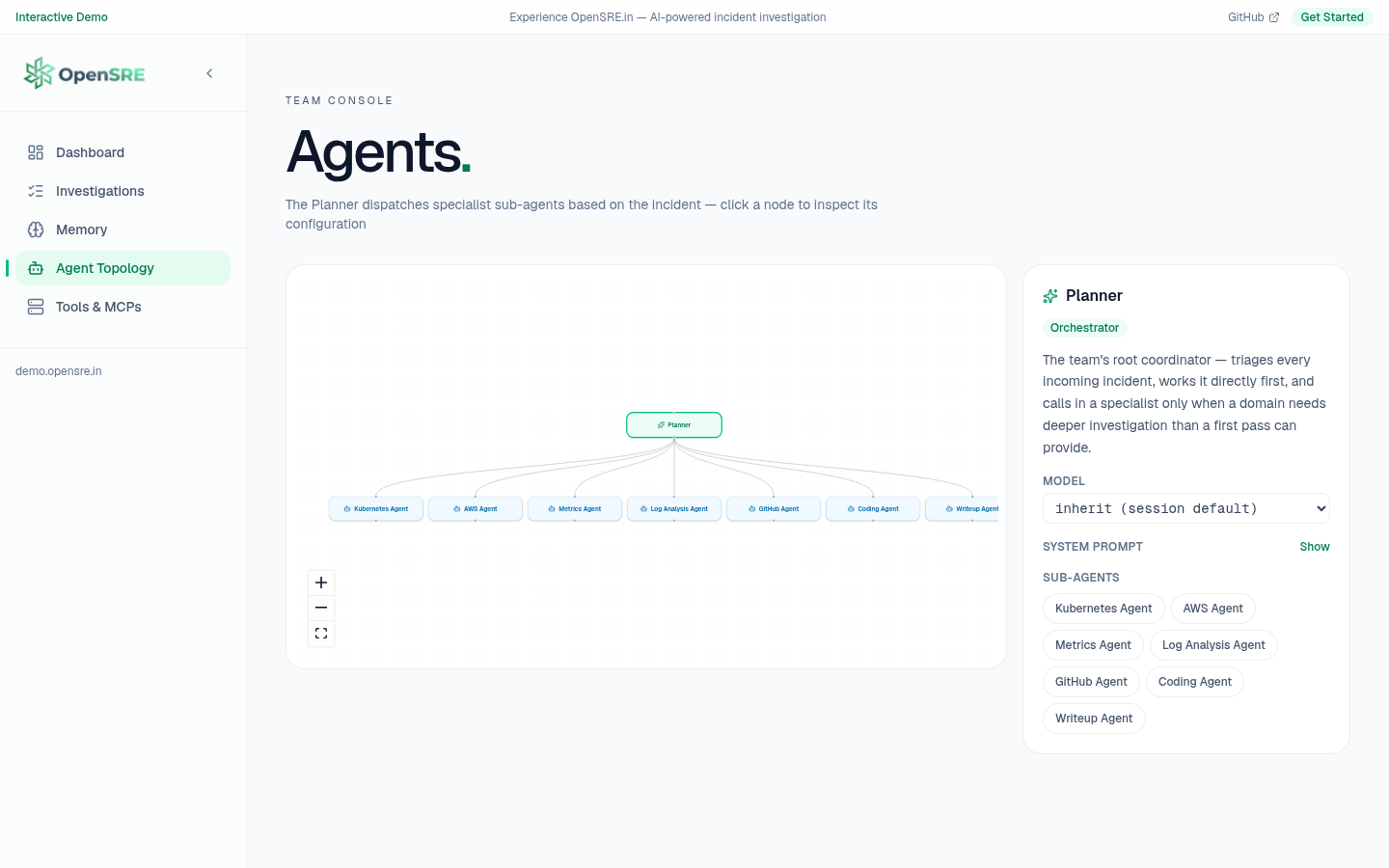
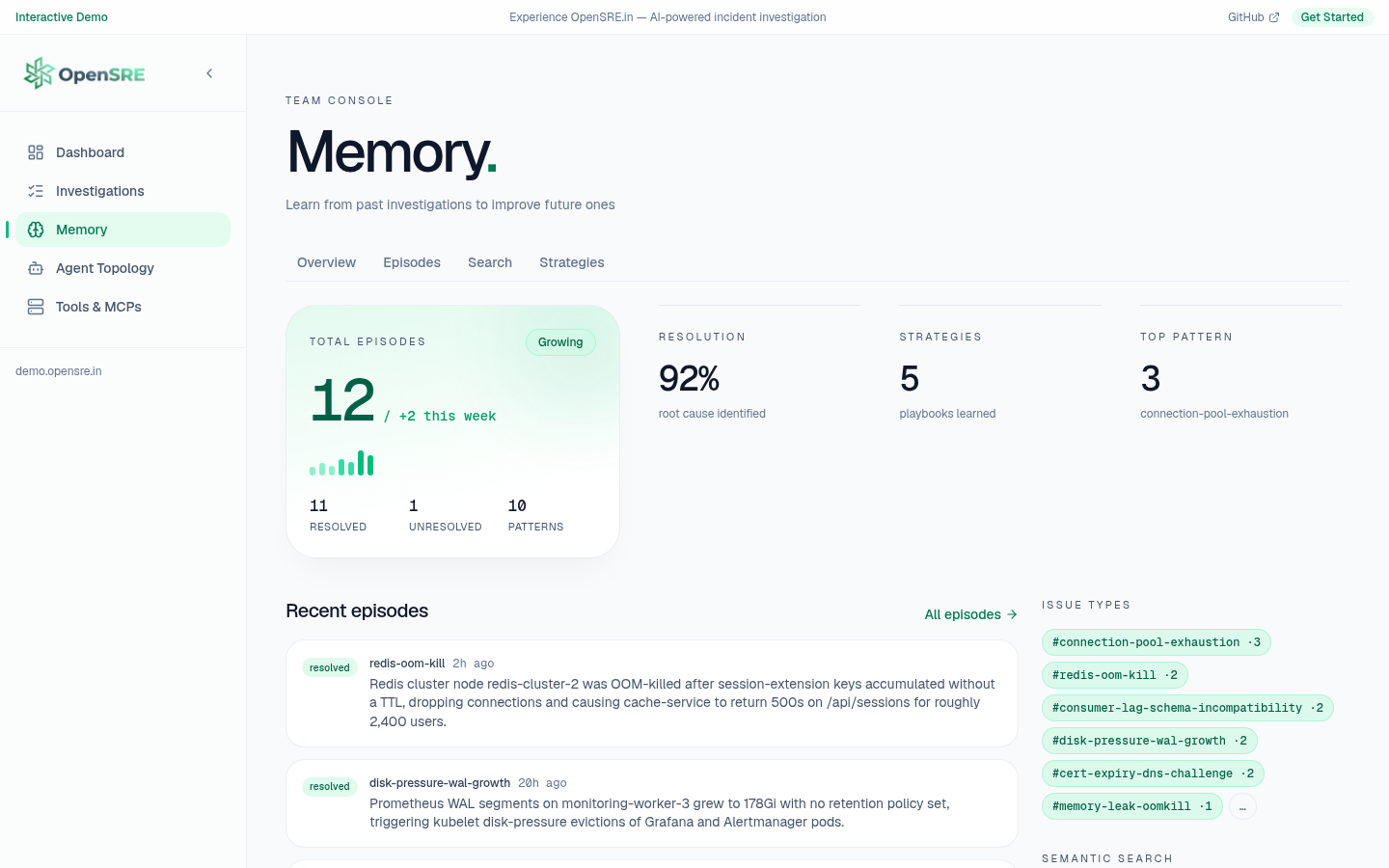
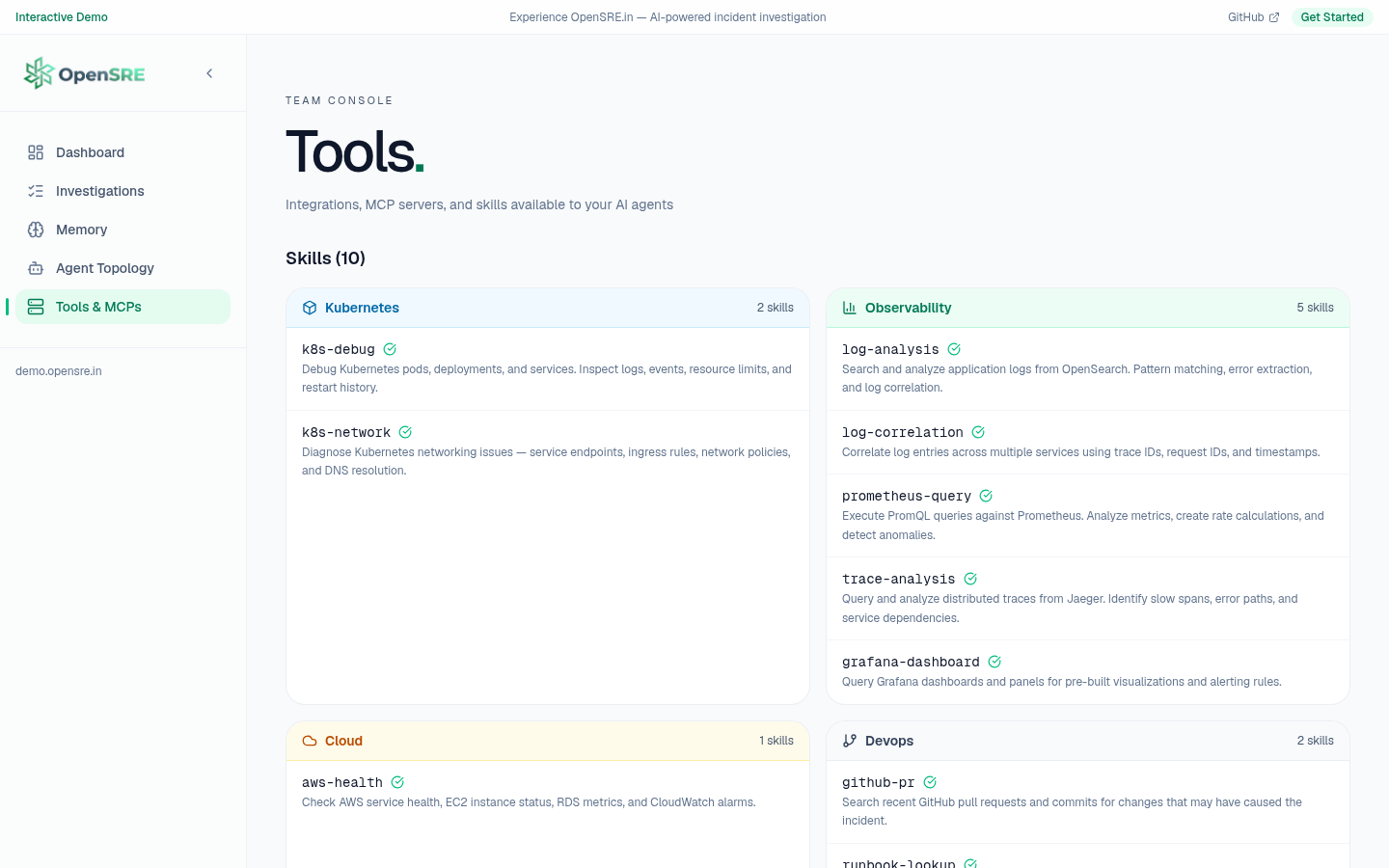
The pager fires at 3am, and OpenSRE starts the investigation before a human has found the dashboard password. It queries the connected observability and infrastructure tools, works toward a root cause, and records what the evidence supports. Past incidents stay useful because episodic memory stores root causes, alert types, affected services, and fixes, then surfaces the matching playbook during a similar failure. A Neo4j knowledge graph maps service dependencies and ownership, so the agent can traverse dependencies, estimate blast radius, and check recent changes with structural context. Fifty-one production skills cover Elasticsearch, Datadog, Grafana, PagerDuty, Kubernetes, AWS, Jenkins, Argo CD, and more, so teams keep the stack they already operate. Start investigations from the web console, Slack, or Microsoft Teams, and follow progress from the same places. The console holds the investigation list, a memory hub for browsing episodes, and a config editor for the deployment. Direct Anthropic access is the default path, and the optional LiteLLM proxy adds OpenAI, Gemini, and other providers. Microsoft Entra single sign-on signs users into the console, with token login kept as break-glass access. Fault-injection tests against a demo application exercise cart, product, recommendation, and advertising failures end to end. Running on a dedicated VPS on RepoCloud with guaranteed CPU, RAM, and SSD, full root SSH access, and a browser serial console. Apache-2.0 licensed.
Benefits
- Investigations Start Automatically
- The agent queries logs, metrics, traces, and infrastructure tools after an alert, builds a root-cause case from evidence, and keeps a record responders can review.
- Memory Compounds Across Incidents
- Every investigation stores root cause, alert type, affected services, and outcome, then memory search surfaces the relevant episode when a similar failure appears.
- Topology Guides The Search
- A Neo4j graph of services, dependencies, and ownership supports dependency traversal and blast-radius analysis before the agent commits to a diagnosis path.
- Your Stack Stays Plugged In
- Fifty-one skills connect Datadog, Grafana, PagerDuty, Elasticsearch, Kubernetes, AWS, Jenkins, and Argo CD, and Slack and Teams start investigations in place.
Features
- Episodic Memory
- Neo4j stores structured episodes with root cause, alert type, services, and fixes, retrieved mid-investigation through the memory-search skill.
- Knowledge Graph
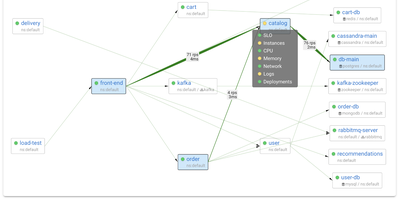
- The infrastructure-neo4j skill traverses service dependencies, ownership, blast radius, and recent changes after an affected service is identified.
- Incident Skills
- Fifty-one production skills investigate through Elasticsearch, Datadog, Grafana, PagerDuty, Kubernetes, AWS, Jenkins, Argo CD, and related tooling.
- Web Console
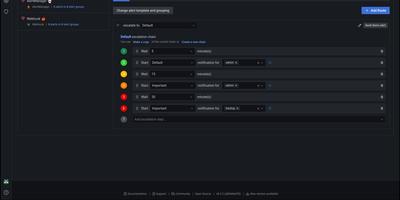
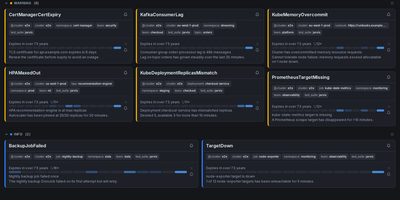
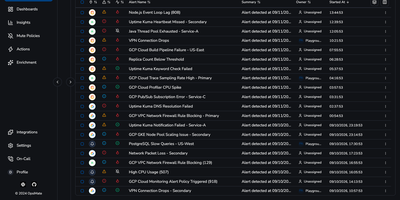
- The Next.js console lists investigations, browses the memory hub, and edits configuration, with Entra SSO and break-glass token login.
- Chat Entry Points
- Slack and Microsoft Teams bots start and follow investigations from the channels responders already watch during an incident.