Categories
Self-Hosted Knowledge Base Observability Documentation Runbooks API Documentation Technical Wiki Real-Time CollaborationStars
Forks
Watchers
Developer links
Oxynote
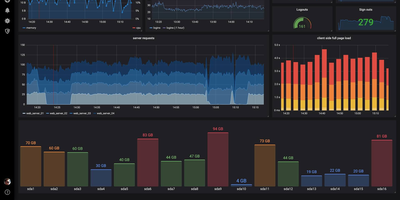
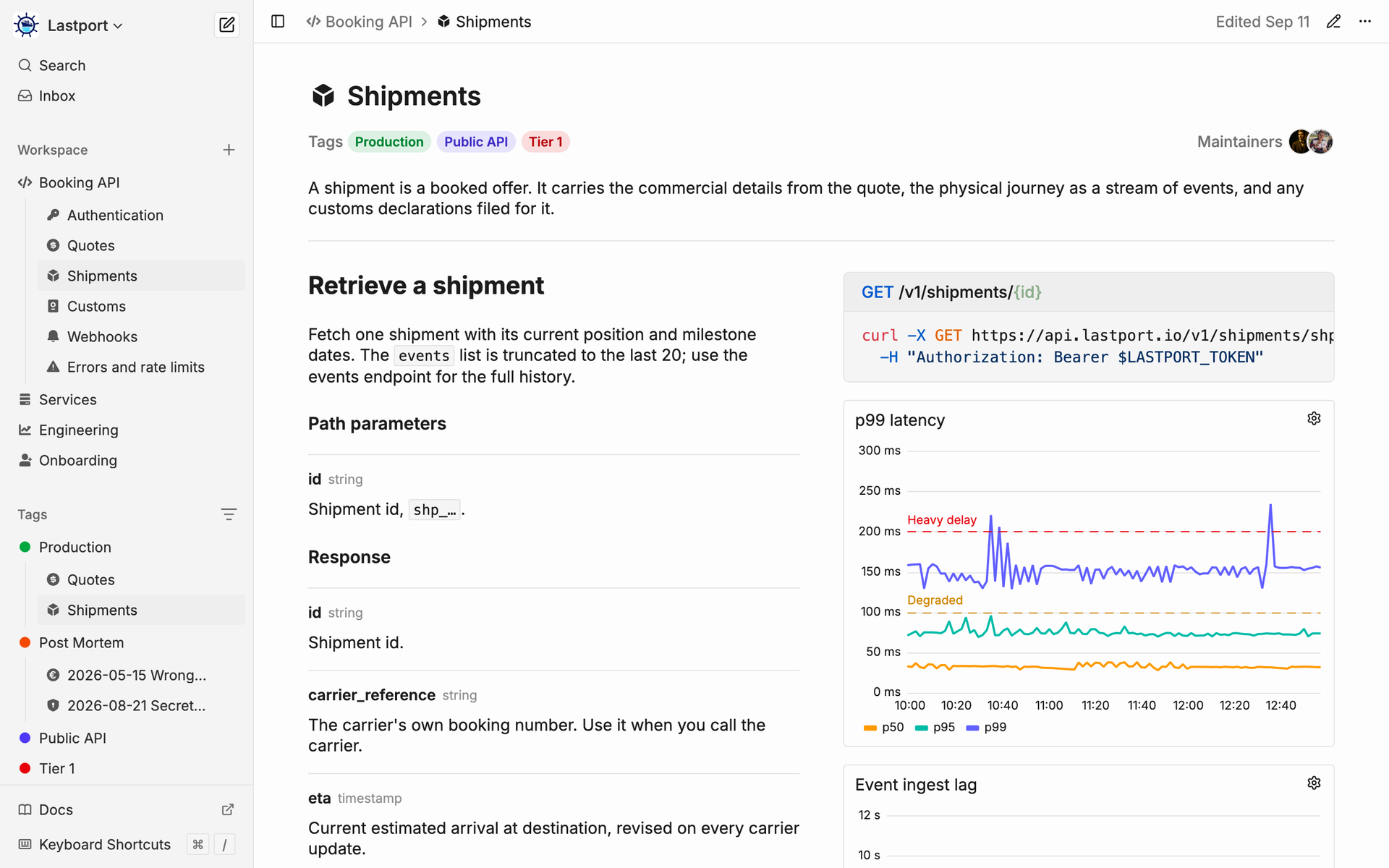
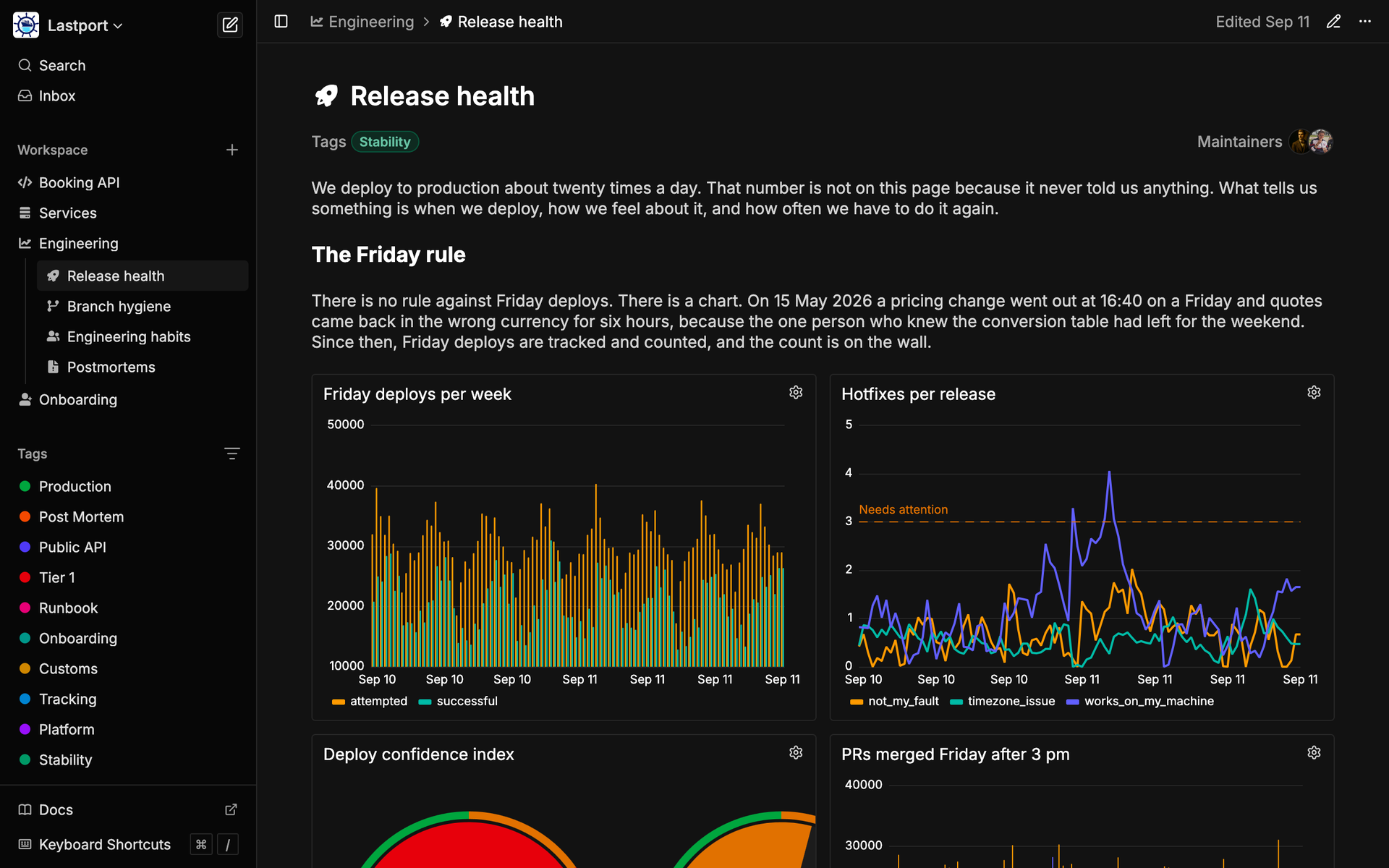
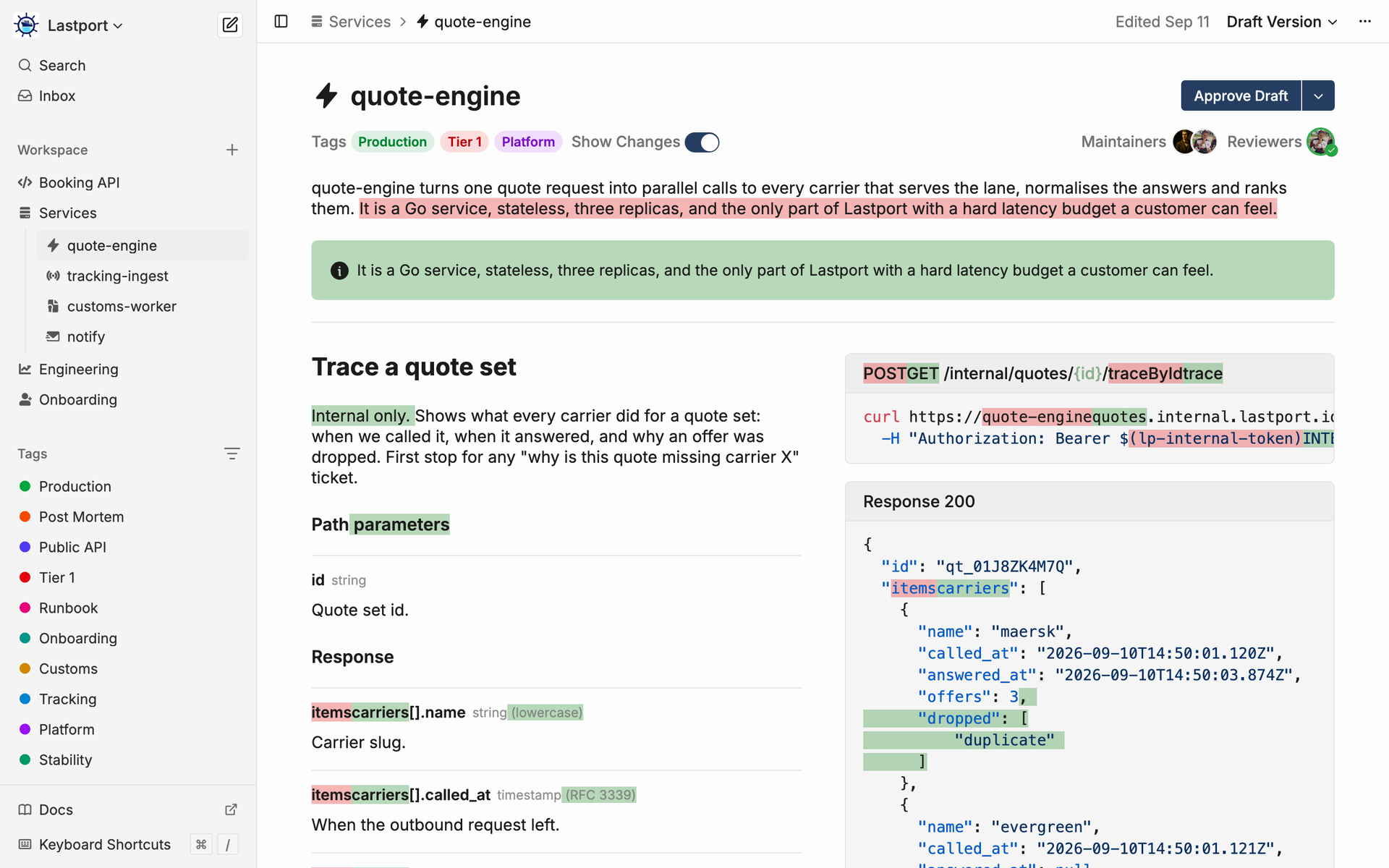
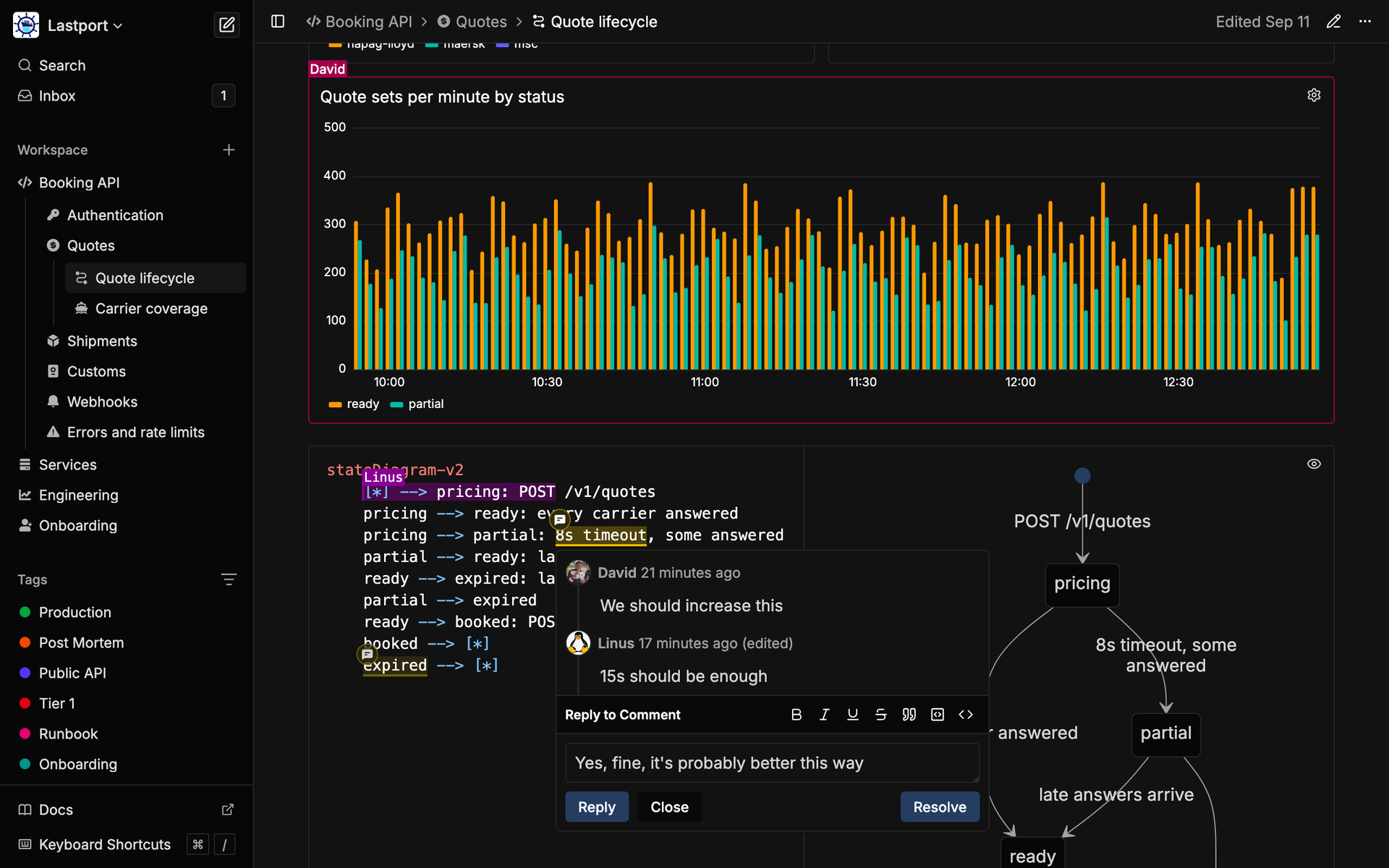
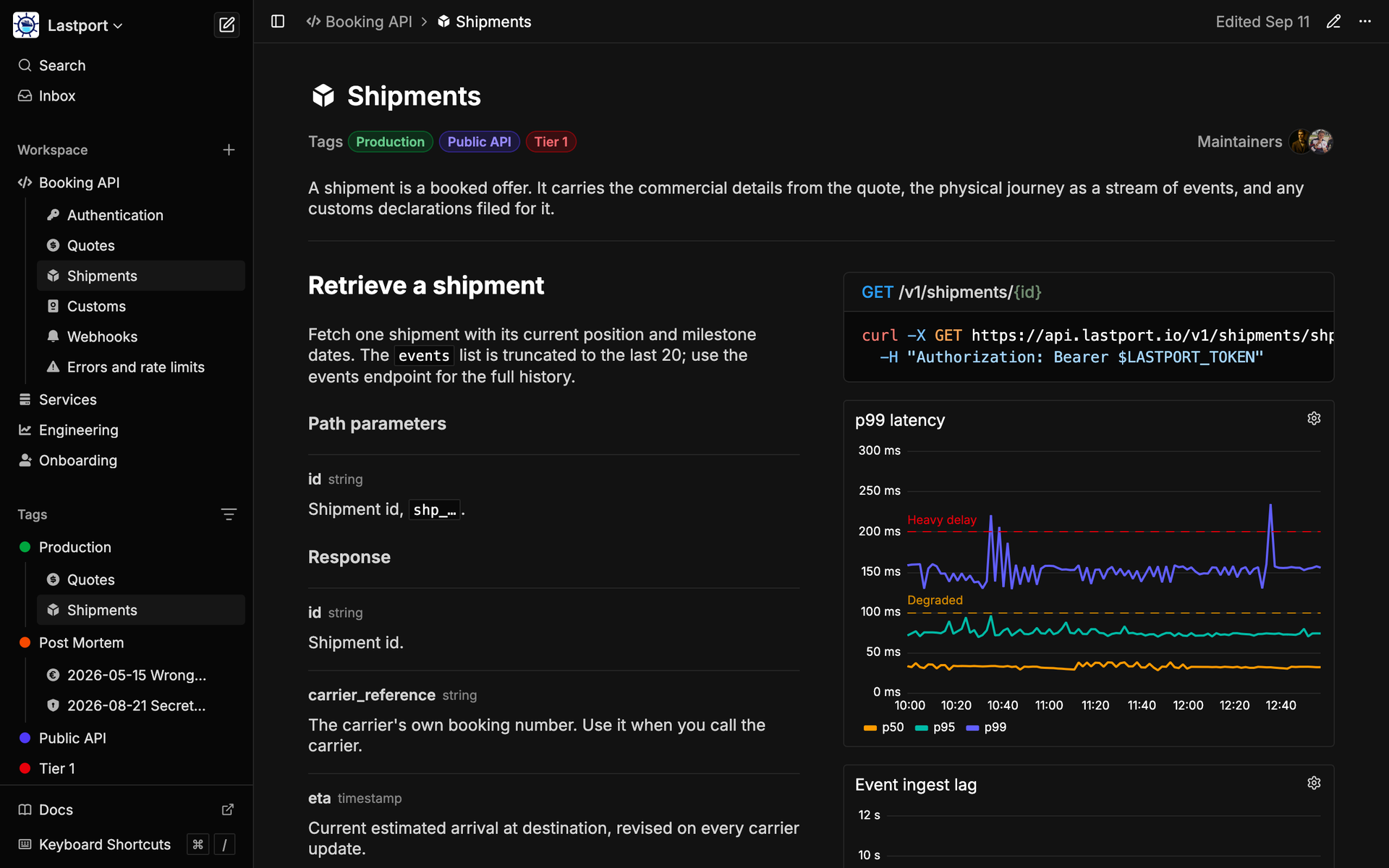
When an alert fires at 3 a.m., the live chart, the runbook, and the fix are already on one page of Oxynote, a self-hosted technical wiki. The chart is a Live Metrics block that runs its own Prometheus or SQL query and draws a time series, bar chart, or gauge. Several such blocks side by side make a dashboard inside the page. Around it, the editor works like Notion, with checklists, callouts, titled code blocks, Mermaid diagrams, Figma embeds, images, and files. Internal APIs get Stripe-style reference pages with the endpoint, a curl example, and a sample response beside the explanation. Mark a page reviewable and every edit lands in a draft. A block-aware diff shows renamed endpoints, fields, and reworded sentences in one red and green view until a reviewer approves. Freshness hooks watch GitHub files, container images, web pages, or dates, and remind maintainers when something a page depends on changes. Teammates edit together live and see who holds which block. Comments attach to a word, a diagram line, or a whole chart, with replies and an inbox for mentions. The Rubber Duck assistant edits pages and runs block queries with Anthropic, OpenAI, Google, OpenRouter, or a local Ollama model, and MCP lets Claude Code and Codex read and write the docs. Running on a dedicated VPS on RepoCloud with guaranteed CPU, RAM, and SSD, full root SSH access, and a browser serial console. Apache-2.0 licensed.
Benefits
- Charts that explain themselves
- Each Live Metrics block runs its own Prometheus or SQL query inside the page, so the chart, the reason for its threshold, and the response steps are edited together and never drift apart.
- Docs reviewed like pull requests
- Reviewable pages send every change to a draft with a block-aware diff, and protected pages accept edits only after a reviewer approves, keeping runbooks and API references trustworthy.
- One page for people and agents
- The built-in Rubber Duck assistant and an OAuth-protected MCP server give Claude Code, Codex, and teammates the same pages, tools, and queries, so humans and agents read identical documentation.
- One container, nothing else required
- The production image bundles the web app, API, real-time service, and PostgreSQL 18, so a single volume holds documents, uploads, and secrets; external PostgreSQL, S3-compatible storage, or SMTP can replace built-in pieces.
Features
- Live Metrics Blocks
- Time series, bar charts, and gauges built from one or more Prometheus or SQL queries, with PostgreSQL, MySQL, and MariaDB data sources, arranged side by side as metric grids.
- Stripe-Style API Docs
- Split-layout reference pages place prose beside the endpoint, curl example, and sample response, giving internal services documentation without a separate generator.
- Draft, Diff, Approve
- Block-aware diffs show renamed endpoints, renamed response fields, and reworded text in one red and green view; reviewers approve drafts into main, which can be protected.
- Real-Time Collaboration
- Hocuspocus and Yjs sync edits live, showing who is on the page and which block they hold, with comments on words, diagram lines, or whole charts.
- Freshness Hooks
- Blocks and pages track GitHub files through a read-only GitHub App, container images, web pages via changedetection.io, or dates, and remind maintainers when a dependency changes.
- Rubber Duck and MCP
- The built-in assistant edits pages and runs block queries with Anthropic, OpenAI, Google, OpenRouter, or Ollama models, and a streamable-HTTP MCP server with OAuth 2.1 serves Claude Code.