Stars
Forks
Watchers
Developer links
Airbroke
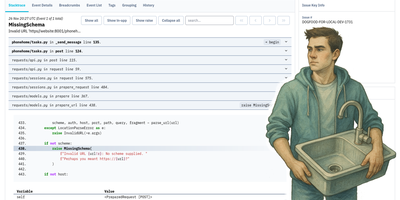
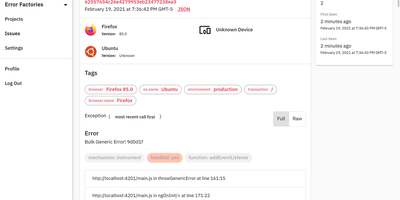
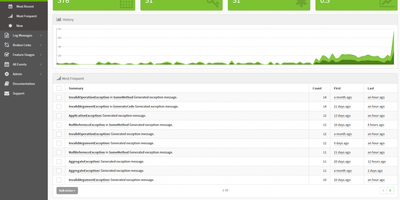
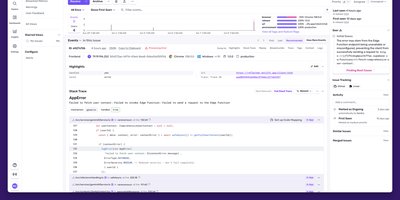
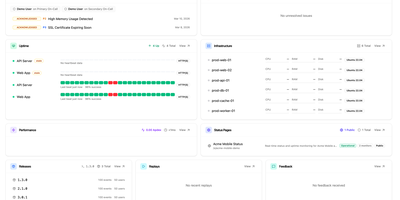
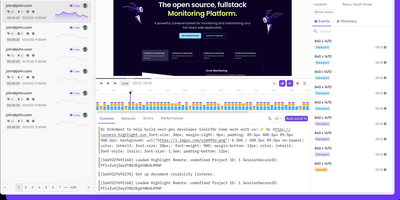
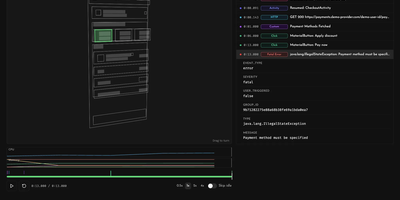
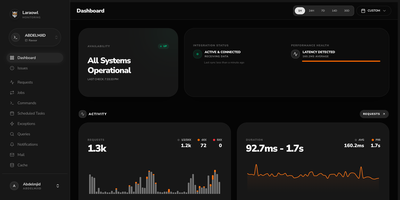
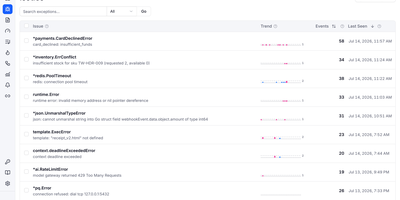
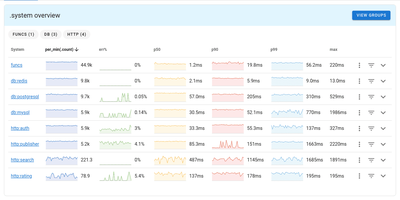
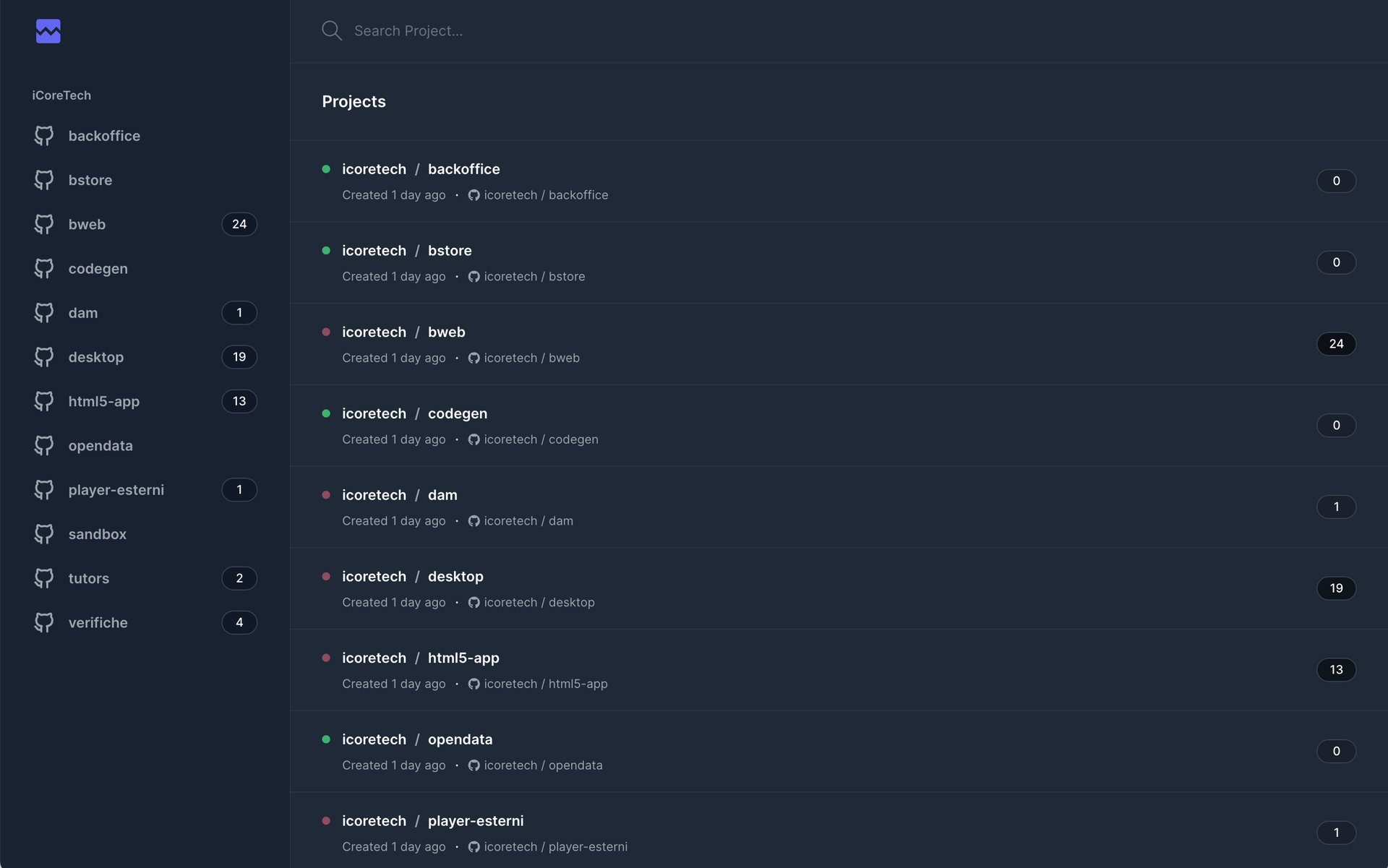
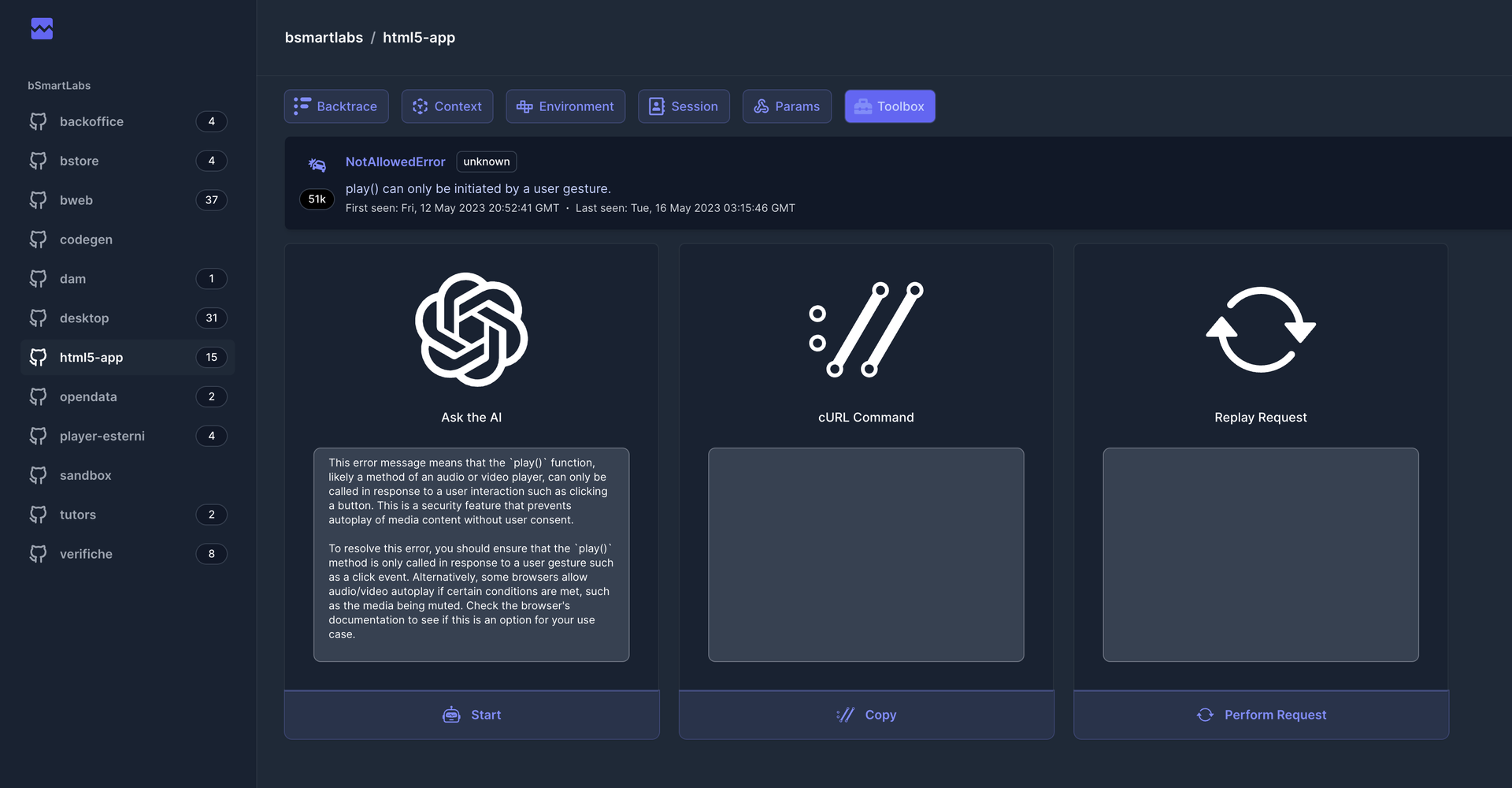
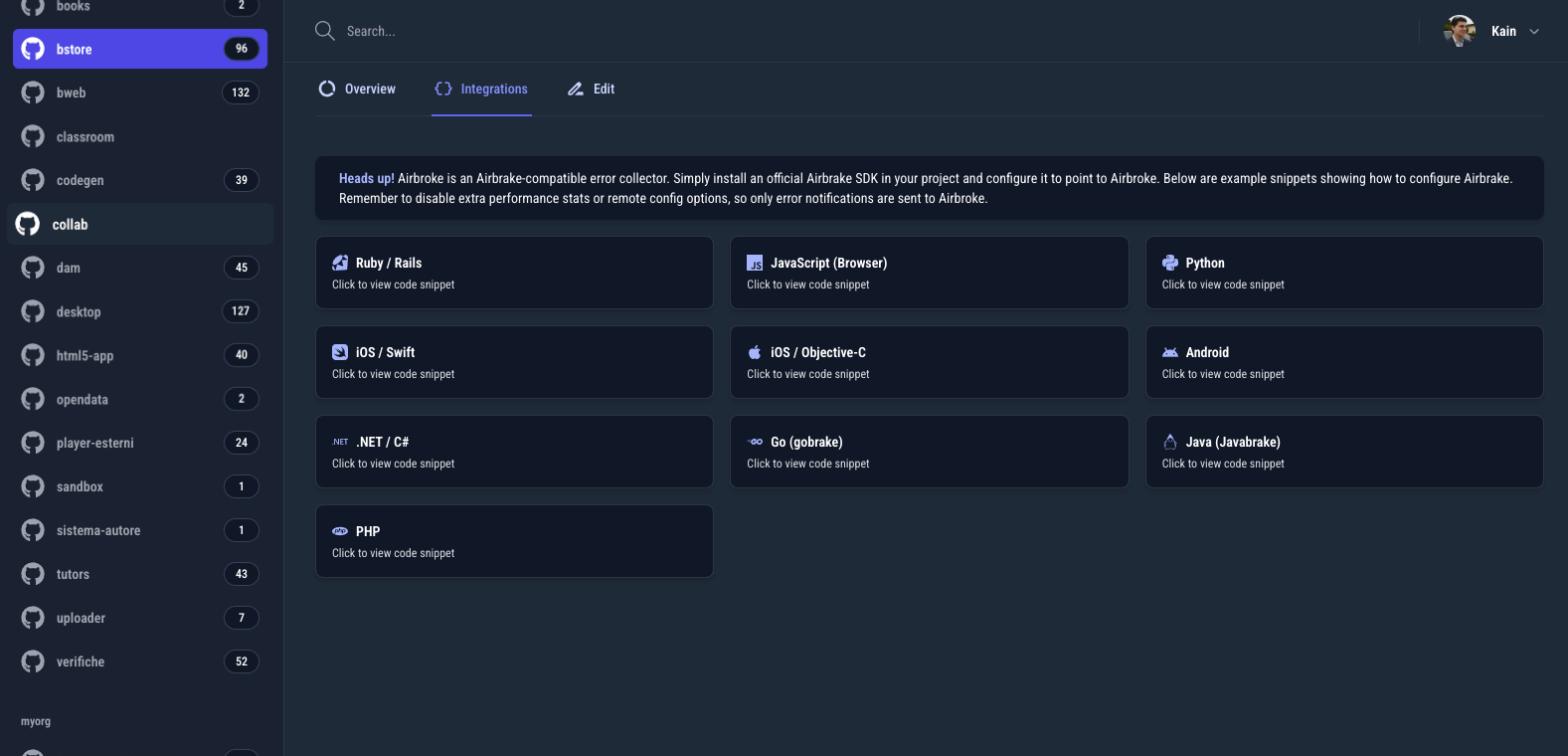
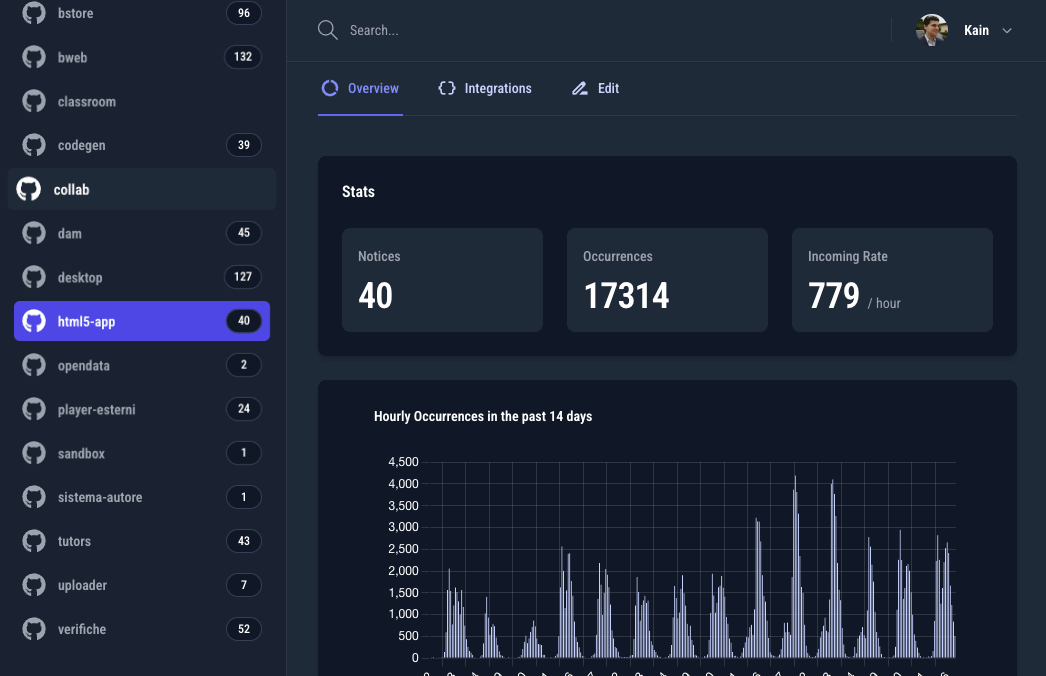
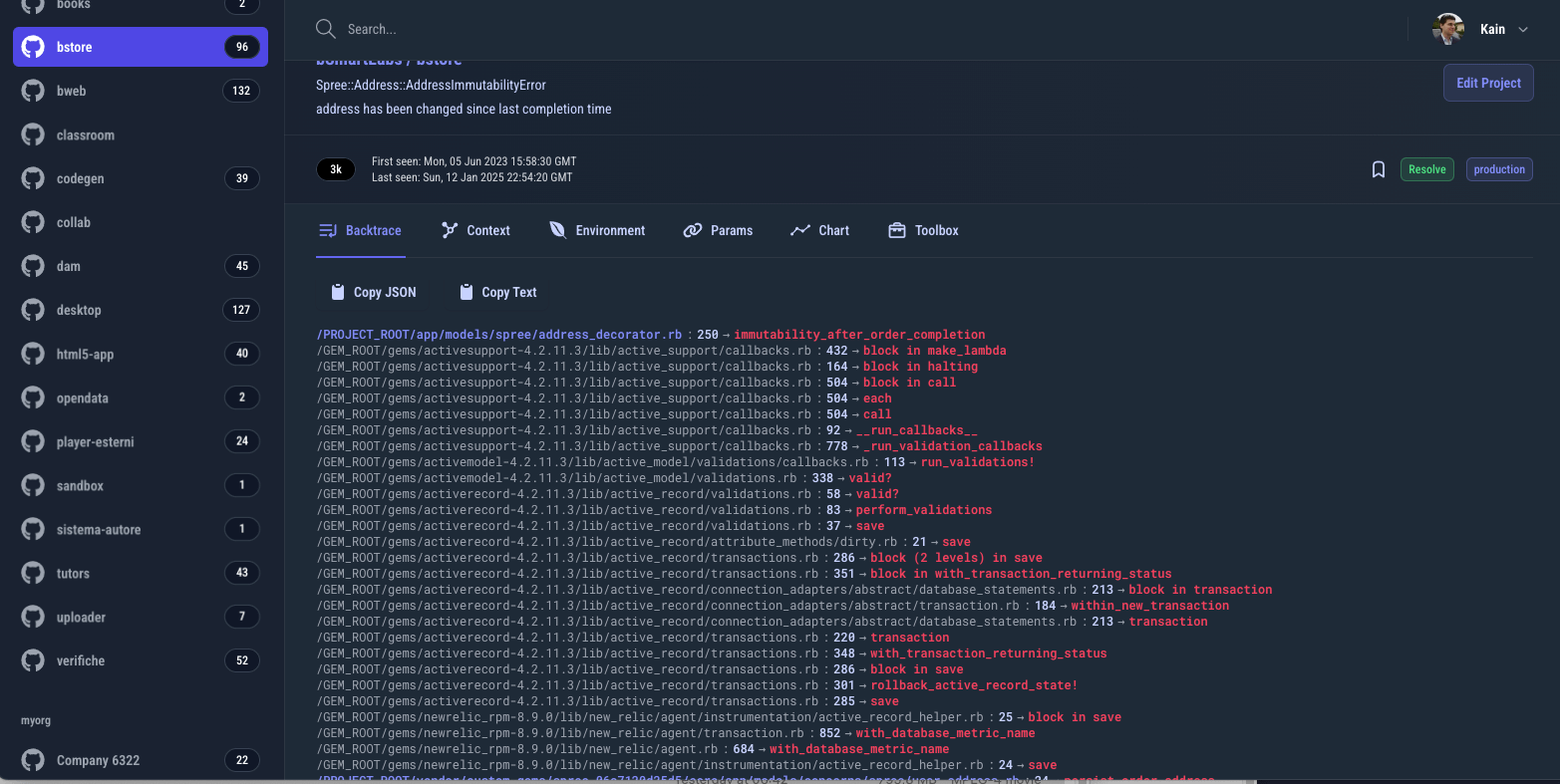
Engineering teams use Airbroke to catch application exceptions in one self-hosted error tracker where they can triage issues, replay failing requests, and debug without a per-event bill. Your existing Airbrake or Sentry clients point at its compatible HTTP collector endpoints, so instrumented applications keep reporting with no new SDK to adopt, and every occurrence lands in storage where the footprint stays small even under heavy ingestion. The web interface groups errors into issues you can triage, bookmark important occurrences for follow-up, and read occurrence charts that show whether a bug is a one-off or a slow-building wave. When an HTTP exception looks suspicious, you can replay the original request directly or copy a generated cURL command that reproduces it exactly, turning vague log complaints into debuggable cases. An AI assistant answers questions about issues in context, an MCP API lets LLM agents query your error data programmatically, and multiple OAuth providers secure sign-in for the team. It runs as a small service needing only a database, a single core, and a few hundred megabytes of memory. Running on a dedicated VPS on RepoCloud with guaranteed CPU, RAM, and SSD, full root SSH access, and a browser serial console. MIT licensed.
Benefits
- Drop-In Collector Compatibility
- Airbrake and Sentry compatible HTTP endpoints accept reports from clients you already run, so adopting self-hosted error tracking requires changing an endpoint URL, not re-instrumenting applications.
- Small Footprint, Heavy Ingestion
- A PostgreSQL-backed design with a deliberately small database footprint runs on one core and 300MB of RAM, keeping error history affordable even when applications report aggressively.
- Replay What Actually Failed
- HTTP exceptions can be replayed in place or reproduced with a generated cURL command, converting reported errors into repeatable requests your team can debug against real inputs.
- AI And Agent Access Built In
- Ask AI about issues directly in the interface, and expose error data to LLM agents through the MCP API, so triage help comes from your own data, not exports.
Features
- Compatible Error Collectors
- HTTP collector endpoints accept Airbrake and Sentry protocol reports, storing notices in PostgreSQL 15 or newer with Prisma-managed schema and migrations.
- Issue Management Interface
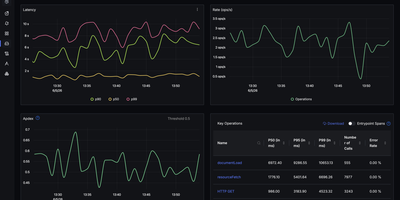
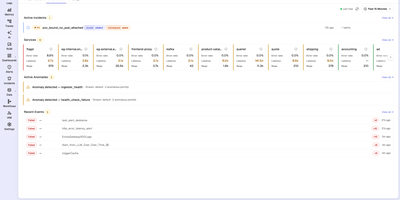
- React frontend organizes errors into issues with occurrence charts, bookmarks for important occurrences, and filtering, giving small teams a focused triage workspace.
- Exception Replay And cURL
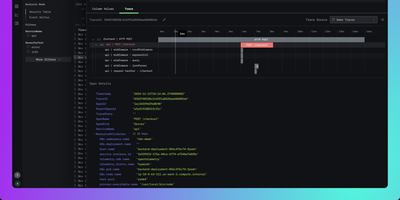
- Stored HTTP exceptions generate ready-to-run cURL commands and can be replayed against the target, shortening the path from error report to reproduced bug.
- MCP API For Agents
- Model Context Protocol API exposes issues and occurrences to LLM agents, while the built-in Ask AI feature answers questions about specific errors in context.
- OAuth Provider Sign-In
- Multiple OAuth providers handle authentication for the web interface, so teams sign in with existing identity providers instead of another local password database.