Categories
Configuration Management Infrastructure Automation Patch Management Linux Administration Systems Management Security ComplianceStars
Forks
Watchers
Developer links
Uyuni
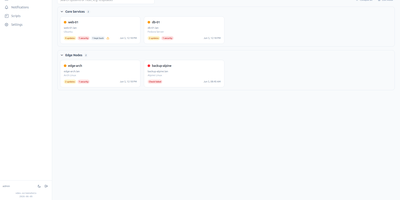
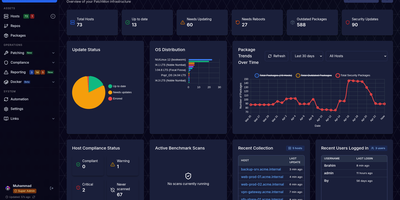
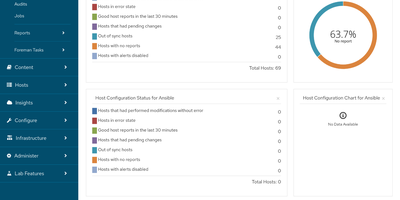
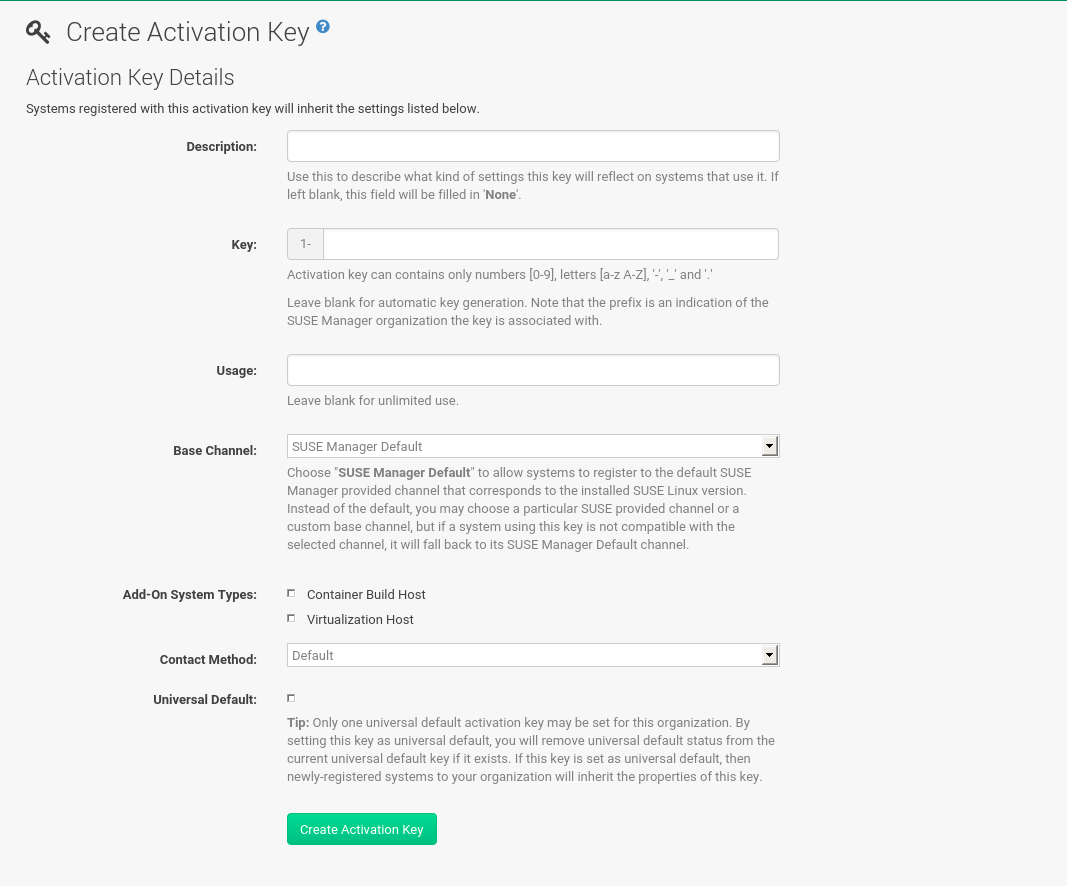
Four hundred servers need a security patch, they run five different Linux distributions, and a spreadsheet says which ones were done. Uyuni replaces that spreadsheet: one server inventories your fleet, mirrors the software channels each machine subscribes to, and shows exactly which patches and errata apply where. Administrators register clients manually, by bootstrap script, or automatically through activation keys, then group them into systems sets so an action aimed at a group lands on staging first and production on schedule. Patch management creates and applies errata with CVE context, and CVE audits check systems against vulnerability data so you can prove a fix landed instead of believing it did. Configuration channels push files, directories, and symbolic links rendered with Jinja templates through the built-in Salt master, which also runs remote commands and orchestration across tens of thousands of clients. The Content Lifecycle Manager promotes package sets from development through testing to production channels, so every environment consumes tested content in order. Provisioning reinstalls or network-boots machines through PXE with AutoYaST, Kickstart, or cloud-init profiles, proxies cache content for branch offices, and built-in Prometheus and Grafana monitoring watches the management server itself. Running on a dedicated VPS on RepoCloud with guaranteed CPU, RAM, and SSD, full root SSH access, and a browser serial console. GPL-2.0 licensed.
Benefits
- Every Distribution, One Inventory
- Uyuni manages SUSE, Red Hat, CentOS, Oracle Linux, Ubuntu, Debian, Amazon Linux, AlmaLinux, and Raspberry Pi OS clients together, so estates built from mixed distributions still patch and report through one console.
- Proof, Not Patch Beliefs
- Errata views and CVE audits match systems against vulnerability data, showing which machines still need a fix and recording when patches were applied, which turns security reporting into a query.
- Tested Content, Promoted In Order
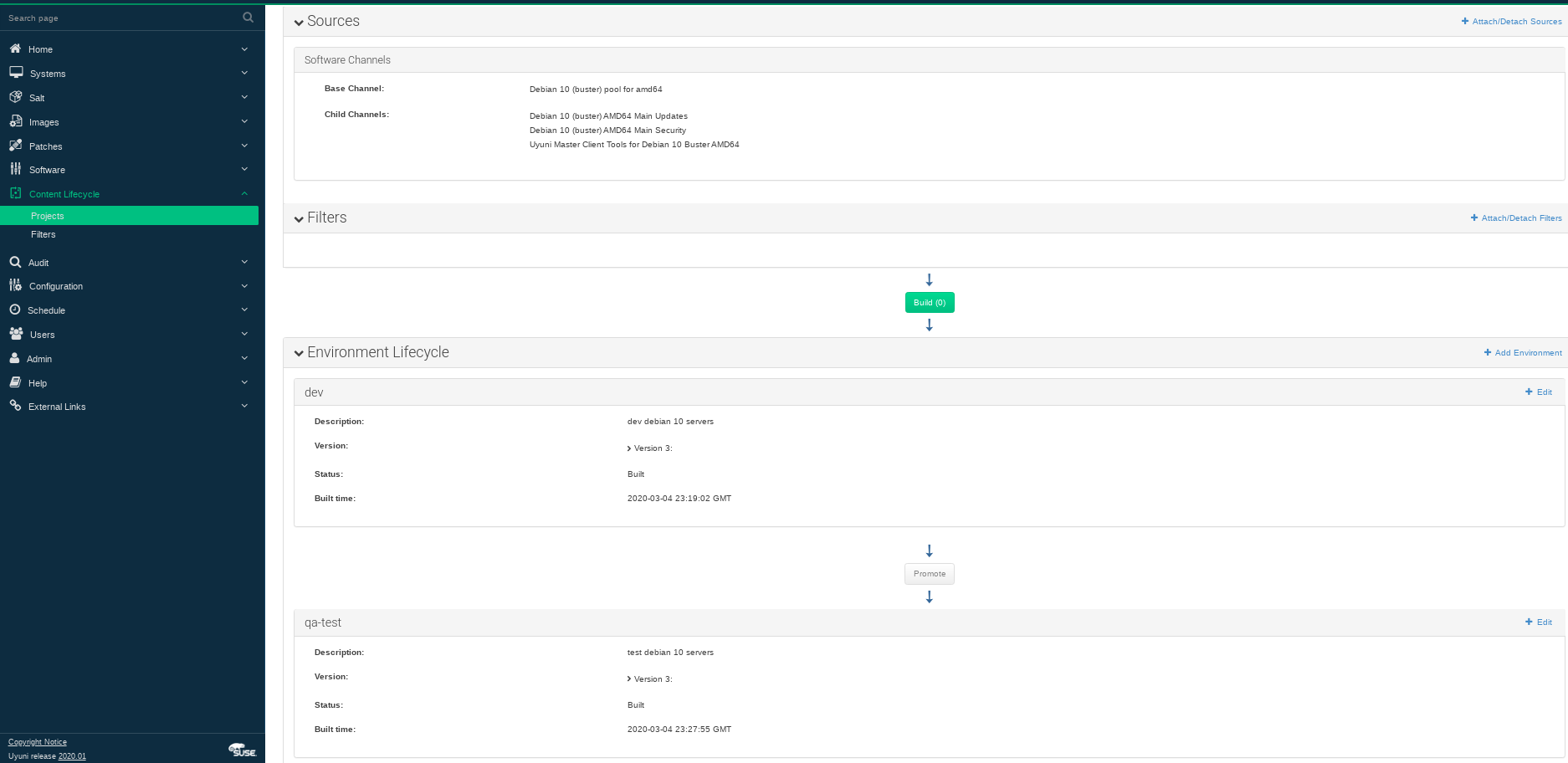
- Content Lifecycle Manager filters and promotes package sets through development, testing, and production channels, preventing untested updates from reaching production simply because a vendor published them.
- Salt Muscle Underneath
- The server runs as a Salt master with remote execution, configuration channels using Jinja templating, and orchestration, so the same console that patches a fleet can also enforce its configuration.
Features
- Software Channel Management
- Mirror vendor and custom repositories into channels, attach activation keys and GPG keys, and control exactly which packages each client group can install or update.
- Patch And Errata Workflow
- Create patches, schedule their application, lock systems or packages against changes, and compare installed package profiles between machines to spot drift.
- Automated Provisioning Paths
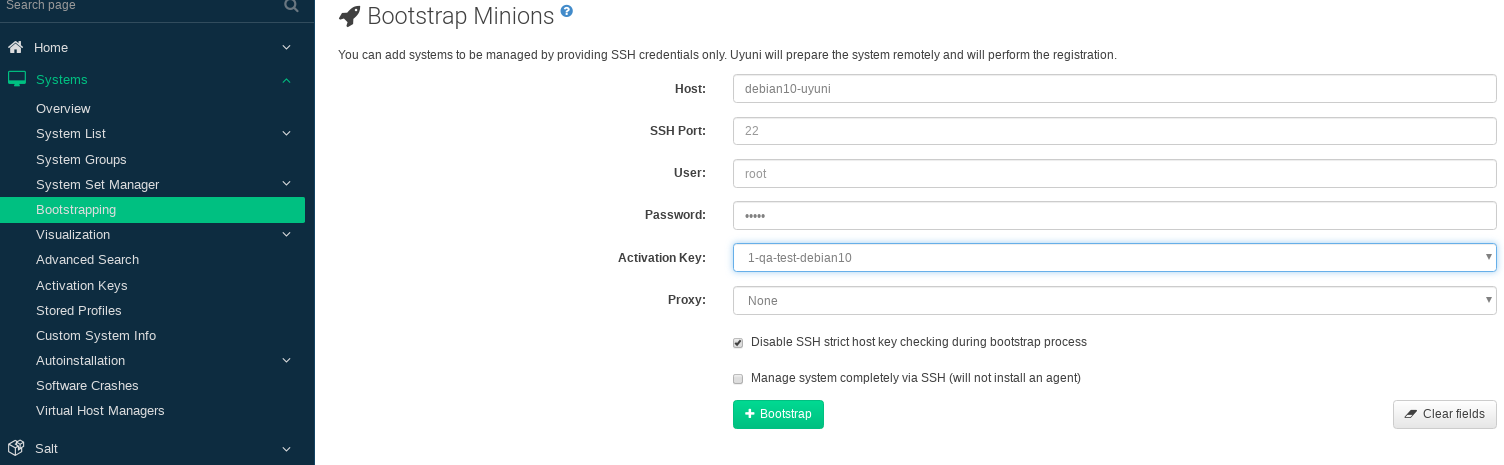
- PXE network installs, AutoYaST and Kickstart profiles, distribution migrators, and Terraform-triggered registration provision bare metal, virtual machines, and cloud instances consistently.
- Proxy And Retail Topologies
- Uyuni Proxies cache software content near branch sites and retail deployments, reducing bandwidth while the central server keeps inventory, patching, and audit control.
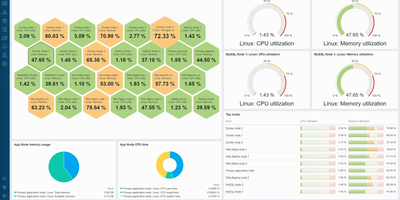
- Integrated Server Monitoring
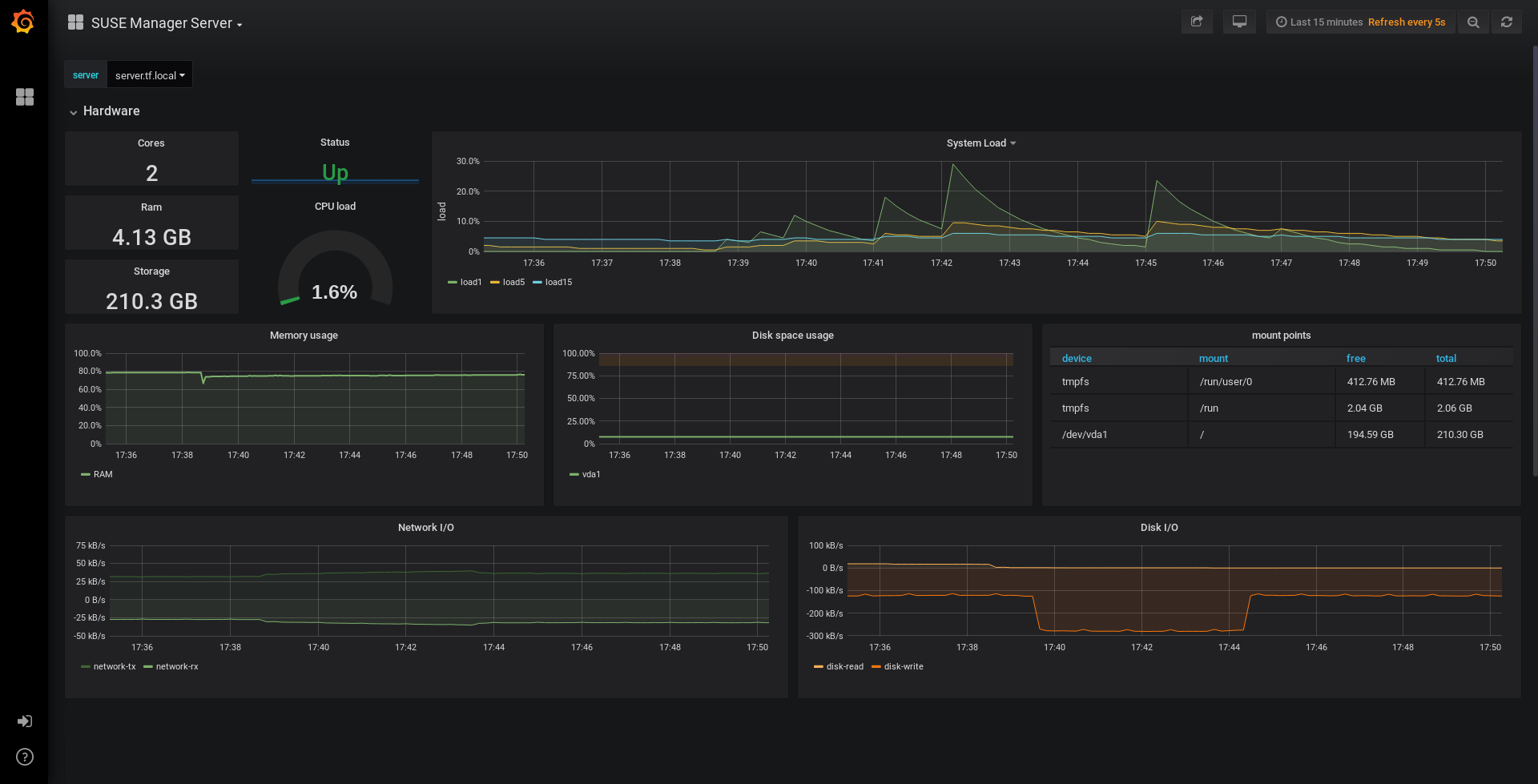
- Built-in Prometheus metrics and Grafana dashboards watch the Uyuni server and its components, with formulas and exporters extending monitoring to managed client services.