Stars
Forks
Watchers
Developer links
Semaphore
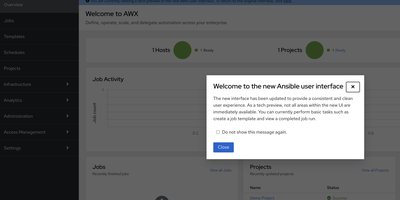
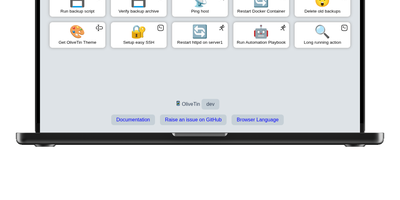
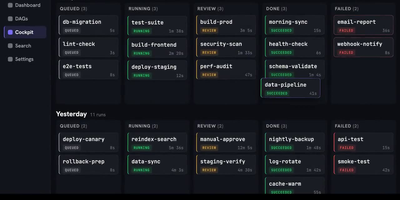
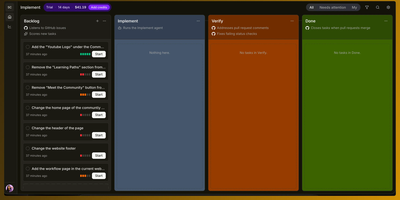
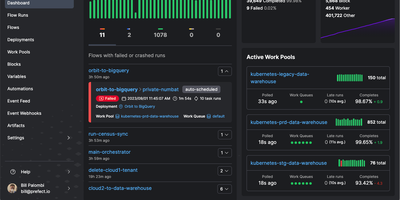
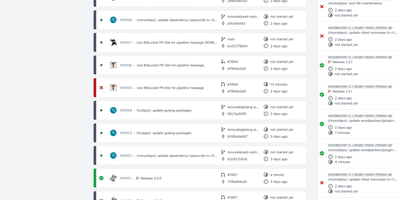
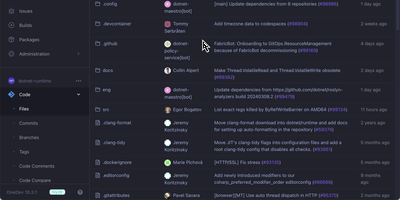
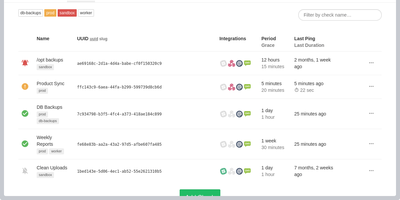
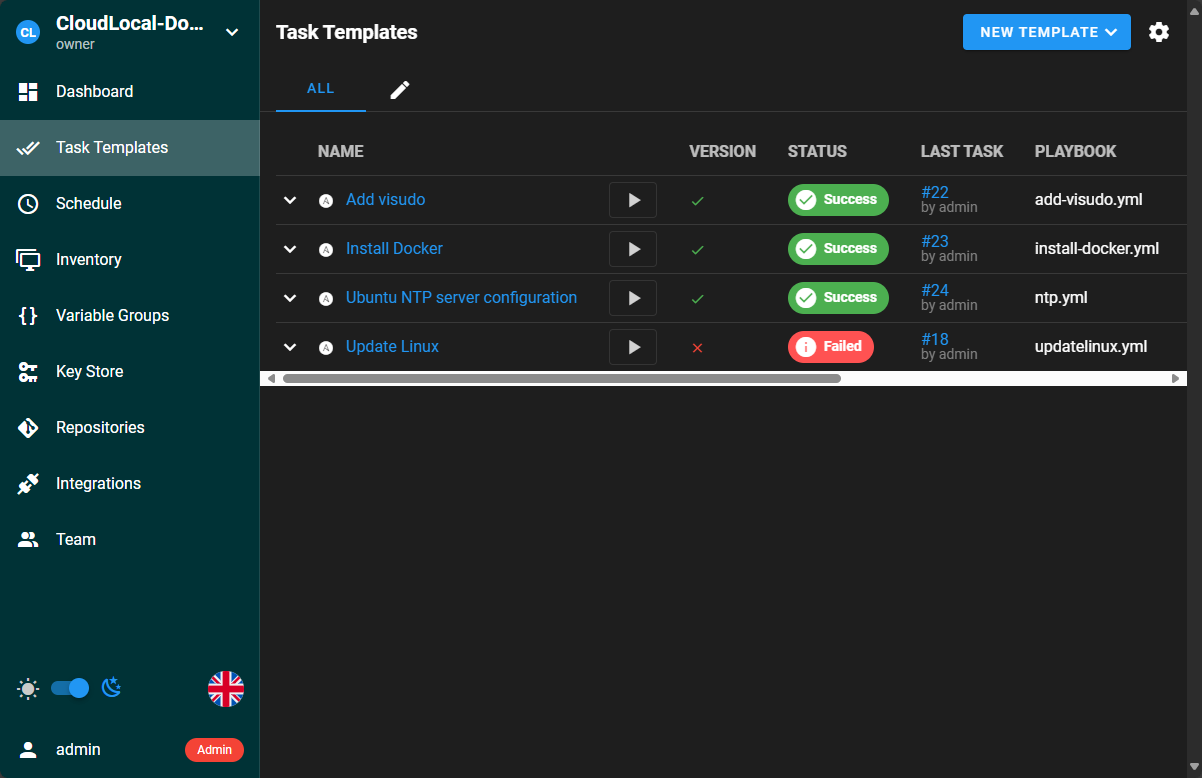
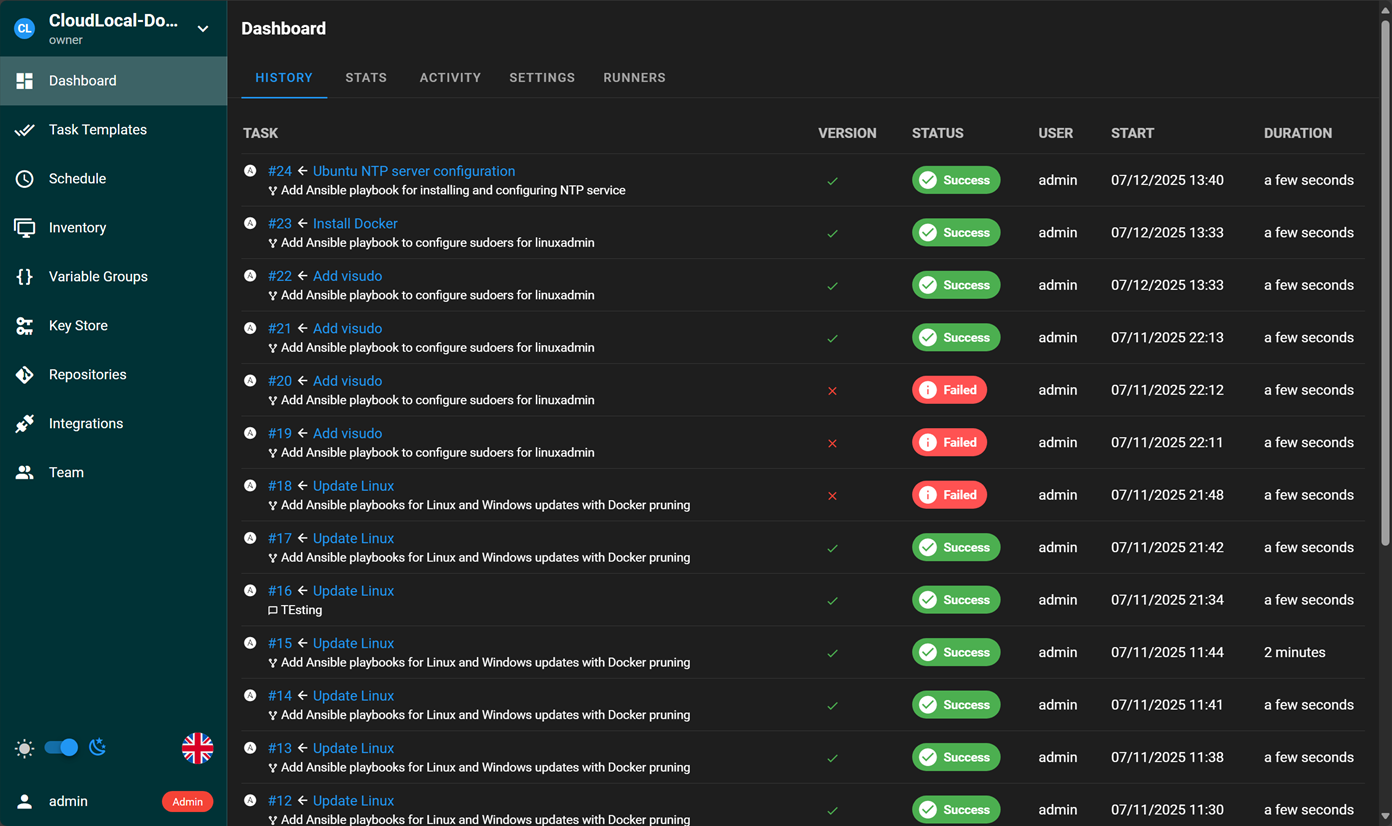
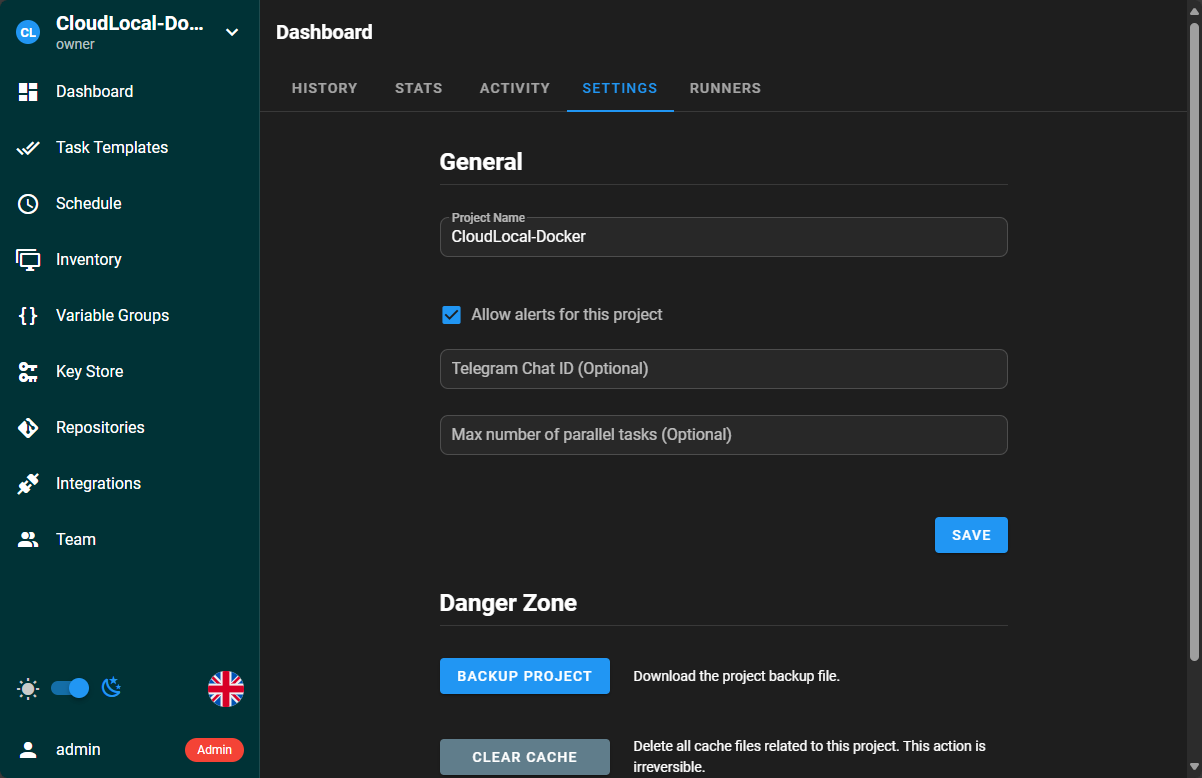
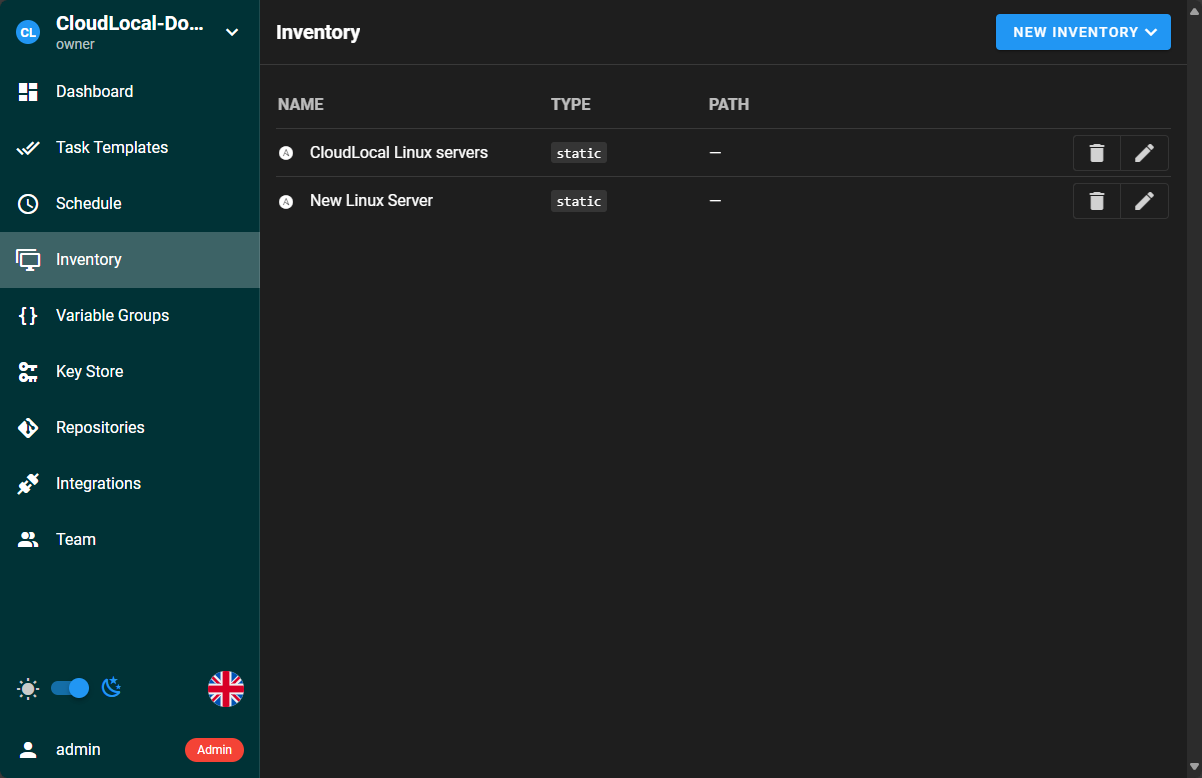
With nearly 14,000 GitHub stars and over 200 releases, Semaphore UI has established itself as the lightweight yet powerful alternative to enterprise automation platforms like Ansible AWX and Jenkins. Unlike AWX's heavyweight Kubernetes-dependent architecture, Semaphore ships as a single Go binary with zero external runtime dependencies — install it, run setup, and you have a production-ready automation server in minutes. The platform natively orchestrates Ansible playbooks, Terraform and OpenTofu infrastructure code, Terragrunt configurations, PowerShell scripts, Bash commands, and Python automation, all from a clean Vue.js web interface that displays task history, execution logs, and scheduling status at a glance. Semaphore supports concurrent task execution across multiple servers using distributed project runners, enabling horizontal scaling of automation workloads without complex clustering. The built-in inventory management system handles both static and dynamic inventory sources, while four-level RBAC (Owner, Manager, Task Runner, Guest) provides granular access control for team environments. Notifications flow to Slack, Microsoft Teams, Telegram, email, Rocket.Chat, and Gotify, keeping operators informed of failed tasks and deployment status. Integration with HashiCorp Vault secures sensitive credentials, and the comprehensive REST API with built-in Swagger documentation enables programmatic automation. Deploy via Docker Compose, Helm chart for Kubernetes, or native packages for Debian, Ubuntu, and RHEL-based distributions. Running on a dedicated VPS on RepoCloud with guaranteed CPU, RAM, and SSD, full root SSH access, and a browser serial console. MIT licensed.
Benefits
- Single Binary Zero Dependency Deployment
- Ships as one compiled Go binary requiring no Python runtime, Java, or container orchestrator to operate, dramatically reducing server resource consumption and installation complexity compared to AWX.
- Multi-Tool Automation Orchestration Platform
- Natively manages Ansible, Terraform, OpenTofu, Terragrunt, PowerShell, Bash, and Python automation from a unified interface, eliminating the need for separate tools per technology stack.
- Distributed Runner Architecture Scaling
- Supports global and project-scoped runners for horizontal task distribution across multiple servers, enabling parallel execution of automation workloads without centralized bottlenecks.
- Enterprise Access Control System
- Four-level role-based access control with Owner, Manager, Task Runner, and Guest roles provides granular permission management, with optional LDAP and SSO integration for enterprise environments.
Features
- Task Scheduling Engine
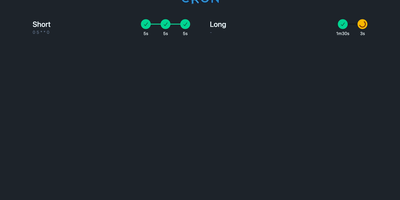
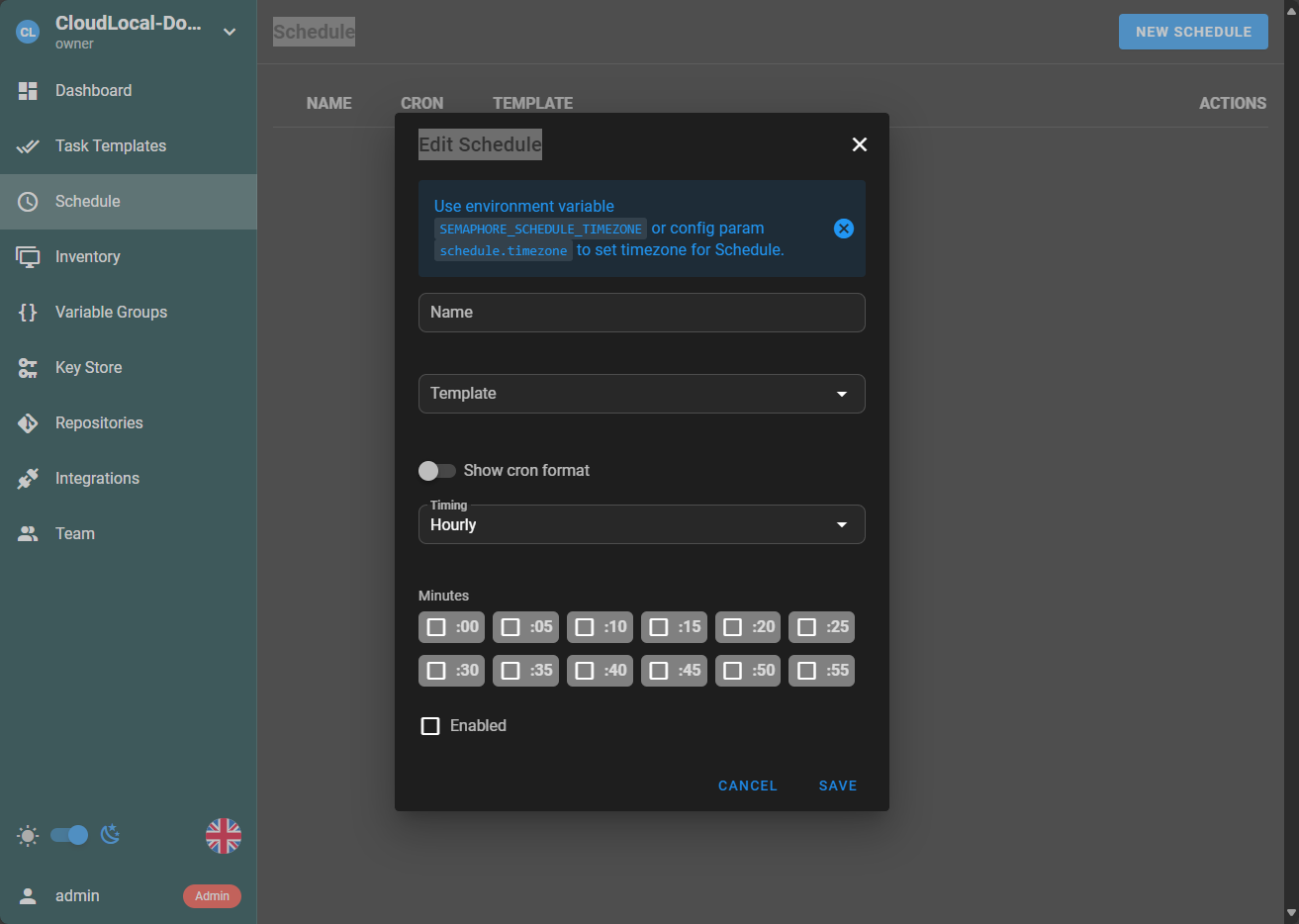
- Built-in cron-style job scheduler triggers Ansible playbooks, Terraform plans, and scripts on configurable intervals with automatic retry and failure notification via Slack, Teams, and Telegram.
- Inventory Management
- Manages static and dynamic inventory sources for Ansible with support for grouping, variables, and integration with external inventory plugins for cloud provider resource discovery.
- Vault Secrets Integration
- Native HashiCorp Vault integration secures credentials, API keys, and sensitive configuration values with encrypted storage and runtime secret injection during task execution.
- REST API with Swagger
- Comprehensive REST API with built-in Swagger UI documentation enables programmatic task triggering, inventory management, and integration with CI/CD pipelines and external automation tools.
- Multi-Channel Notifications
- Delivers real-time task status alerts to Slack, Microsoft Teams, Telegram, email, Rocket.Chat, and Gotify with configurable severity filters and per-project notification routing.