Stars
Forks
Watchers
Developer links
Tunnet
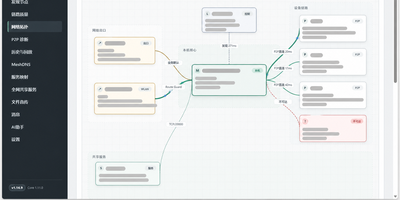
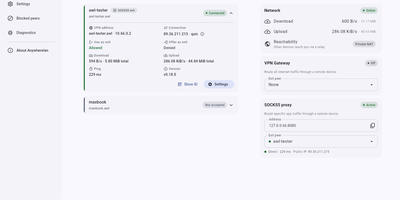
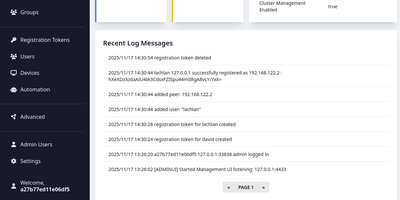
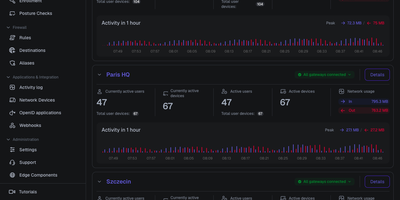
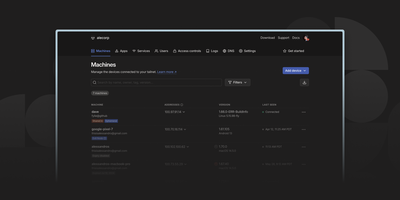
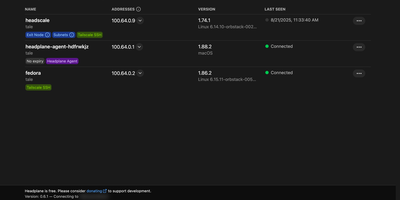
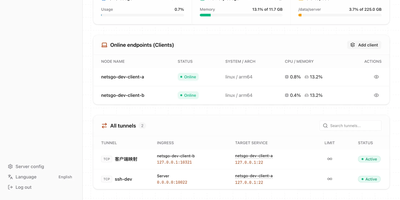
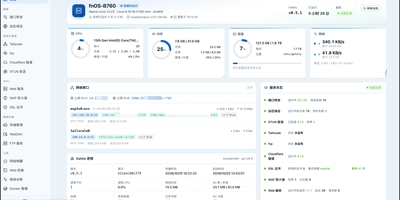
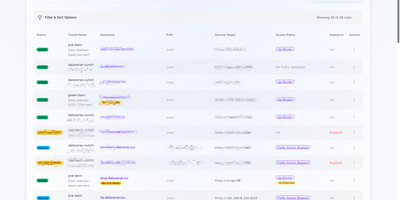
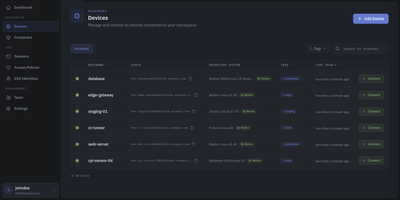
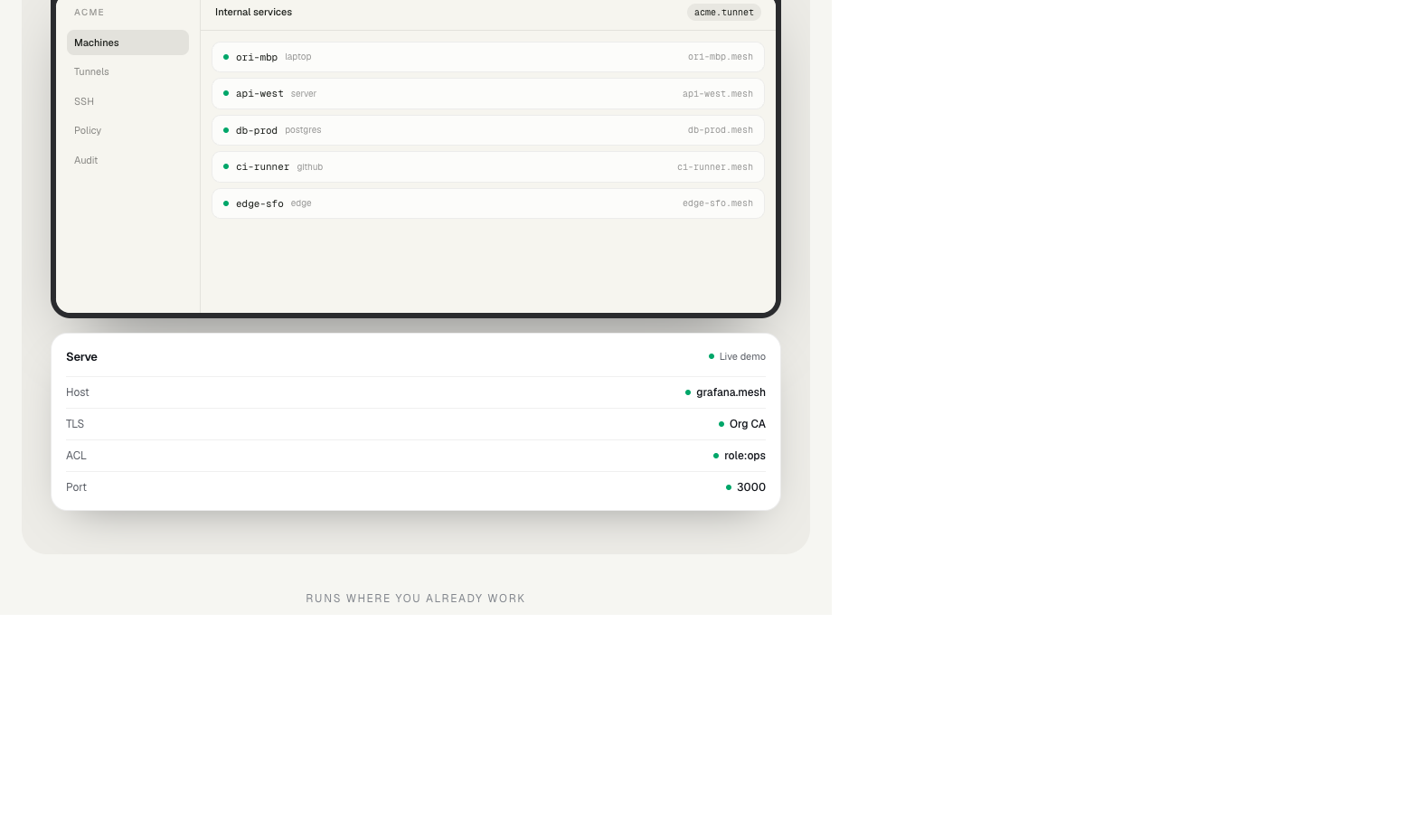
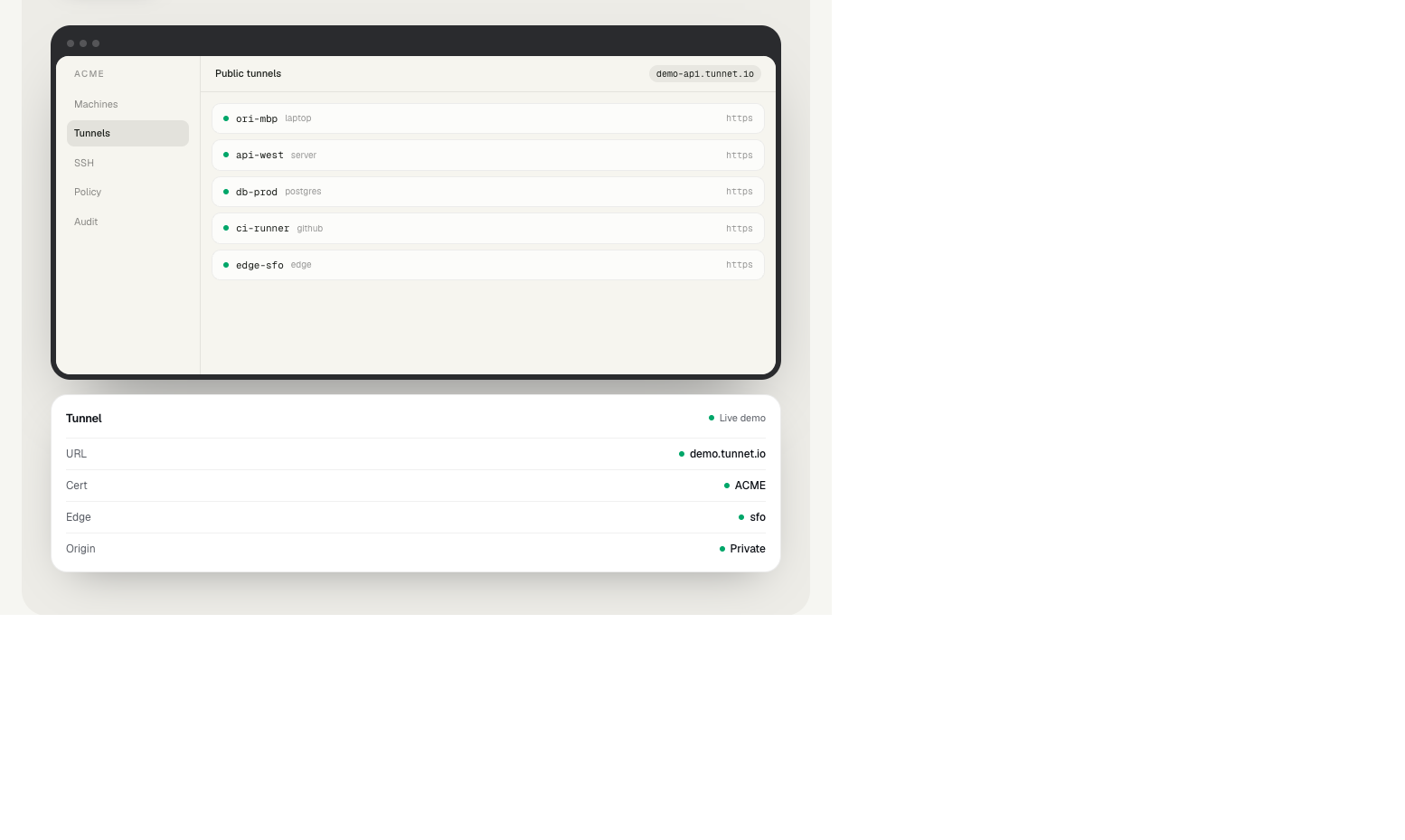
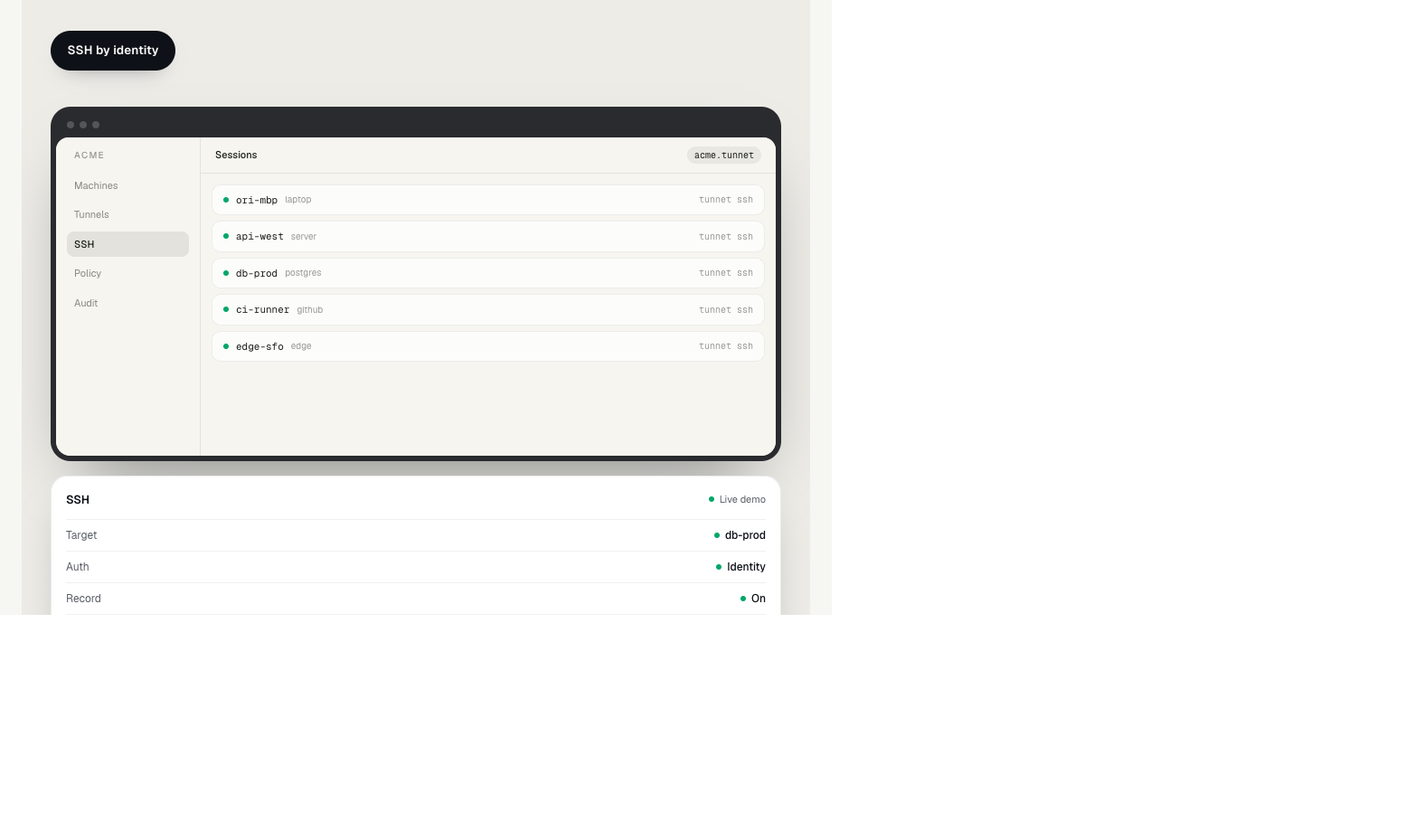
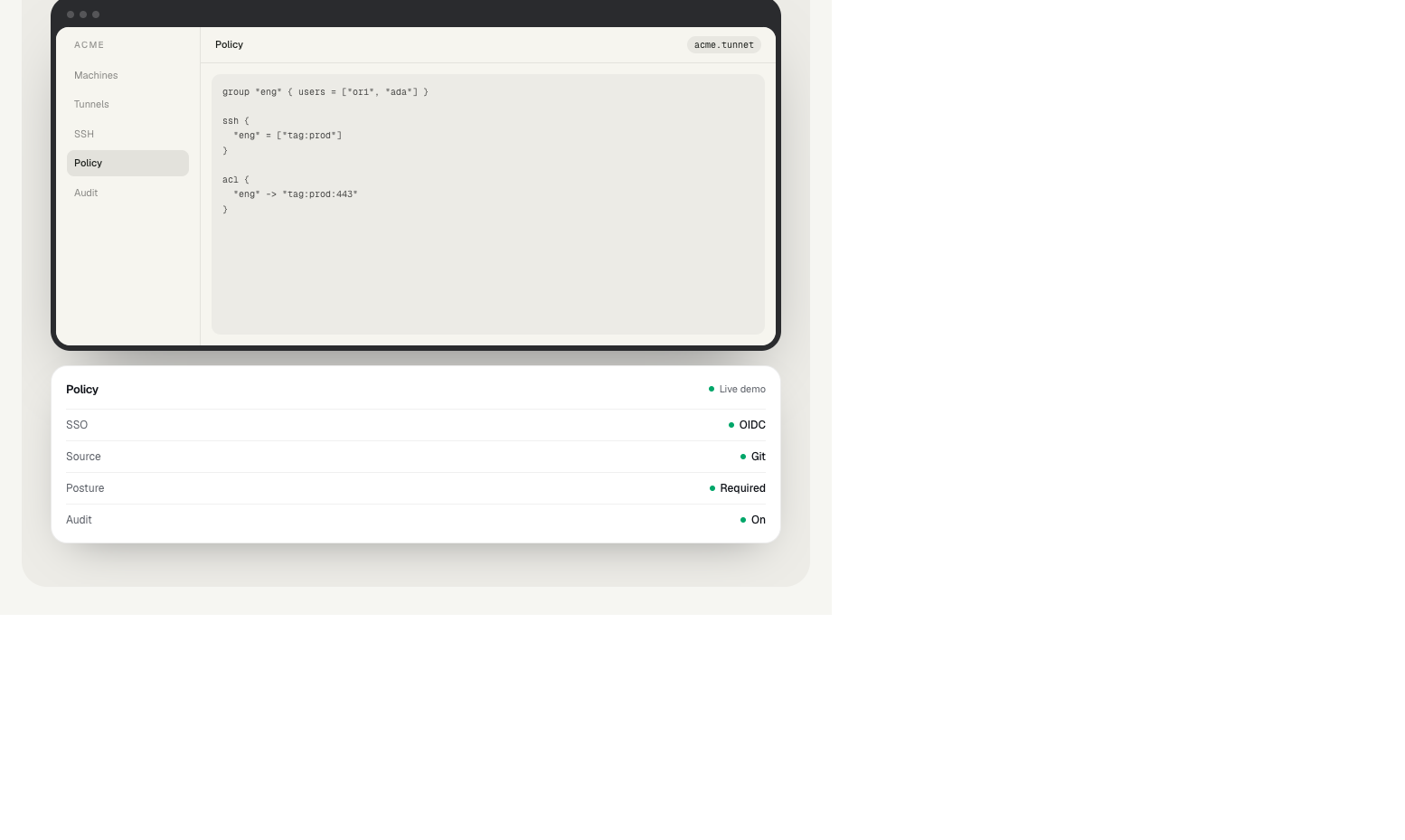
One encrypted network for every machine you run: Tunnet links laptops, home servers, cloud instances, and CI runners into a private mesh that behaves like a single LAN. Each enrolled machine gets an overlay IP and a hostname, so ordinary tools like ping, curl, SSH, and the browser just work across home servers, cloud instances, and laptops. Publish an internal app to your peers with Serve, or expose a local service to the public internet with an HTTPS tunnel when you need a shareable link. Send files directly between machines without detouring through cloud drives, email attachments, or fragile copy commands. SSH access follows identity instead of scattered key files, with session recording and no bastion host to maintain. Device posture checks gate which machines may join, and subnet routes, exit nodes, and high-availability gateways extend the fabric to whole networks. Write your ACLs, groups, tags, and SSH rules as Policy as Code in Git, simulate changes offline, review semantic diffs on pull requests, and roll back revisions when a change misbehaves. The Kubernetes operator advertises cluster networks, publishes services to peers, and exposes public HTTPS endpoints through custom resources. Run the full stack yourself, control plane, dashboard, management API, relays, and audit logs included, or skip the server entirely with Direct mode for a zero-server peer-to-peer mesh. Running on a dedicated VPS on RepoCloud with guaranteed CPU, RAM, and SSD, full root SSH access, and a browser serial console. AGPL-3.0 and MPL-2.0 licensed.
Benefits
- One Network Every Machine
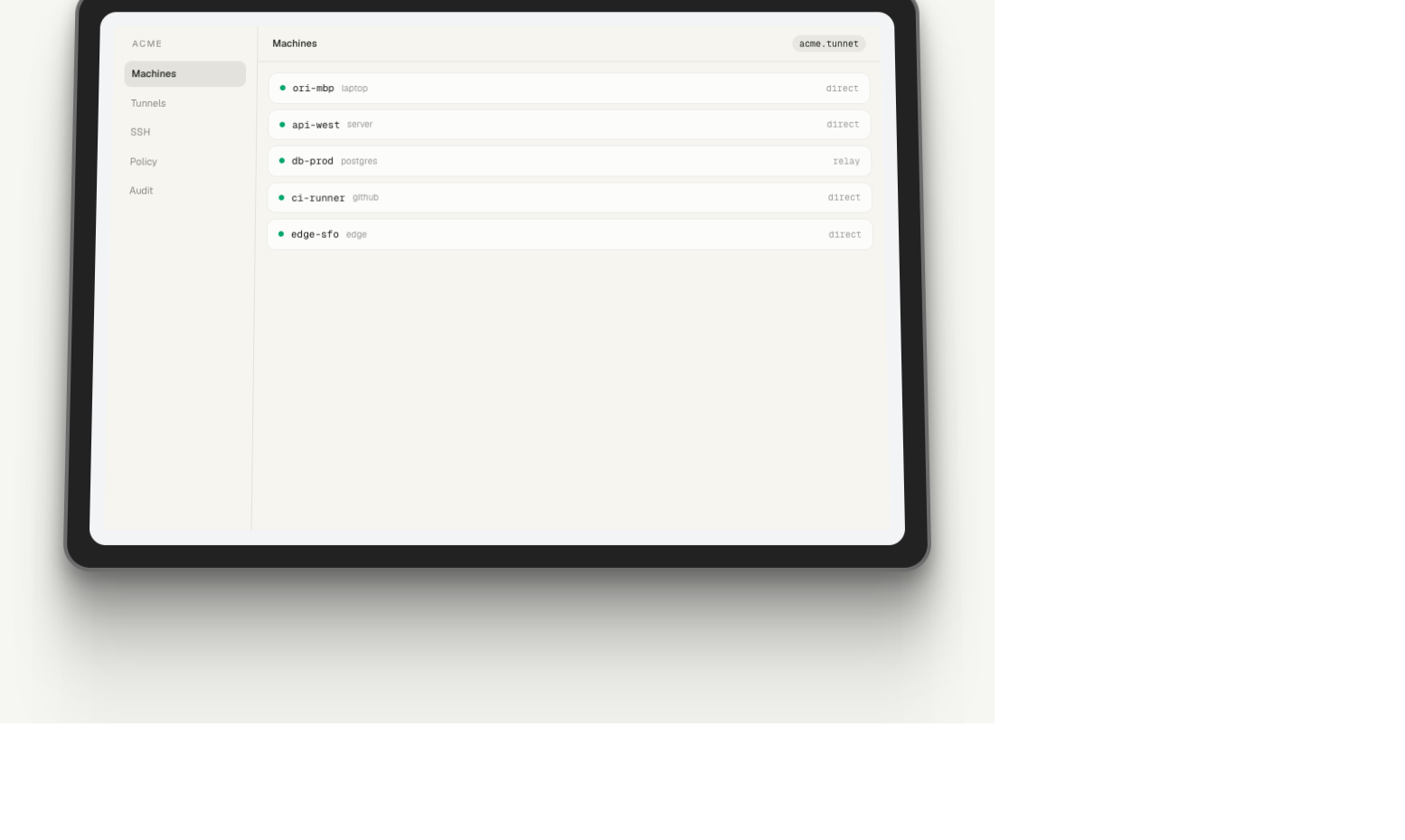
- Home servers, cloud instances, and laptops join one encrypted mesh with stable overlay IPs and hostnames, so services reach each other by name from anywhere.
- Self-Host The Whole Stack
- The control plane, dashboard, management API, relays, and audit logs all run on your own infrastructure, so coordination never depends on a vendor cloud staying up or staying honest.
- Policies Reviewed Like Code
- ACLs, groups, tags, and posture rules live in Git with offline simulation, semantic pull request diffs, drift detection, and one-command rollback when a policy change goes wrong.
- SSH Without Key Sprawl
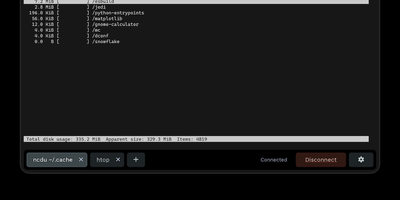
- Identity-based SSH removes bastion hosts and scattered authorized_keys files, and session recording keeps an inspectable trail of who connected to which machine and when.
Features
- Public HTTPS Tunnels
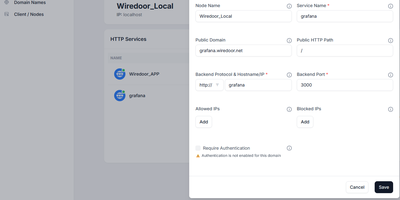
- Expose a local service through a public HTTPS endpoint for demos, webhooks, and sharing, without router changes or a separate tunnel account.
- Peer File Transfer
- Move files machine to machine inside the mesh with Send, replacing cloud drive uploads and fragile copy commands between servers.
- Exit Nodes And Gateways
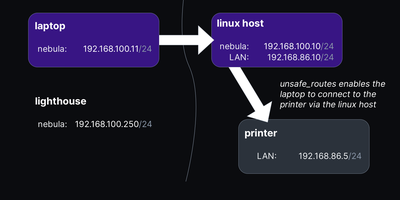
- Subnet routes, exit nodes, and high-availability gateways extend the overlay to entire networks, so legacy devices join through a nearby mesh member.
- Kubernetes Operator Built In
- Custom resources advertise cluster networks, publish services to mesh peers, expose public HTTPS, and inject sidecars, all under the same identity system.
- Device Posture Gates
- Posture checks verify a machine's state before it joins or keeps access, turning endpoint health into a network admission rule.
- Embeddable Node SDKs
- Node.js, Bun, and Rust SDKs put a mesh node inside your own process for app-to-app traffic, and the Go SDK automates management.