Stars
Forks
Watchers
Developer links
Wiredoor
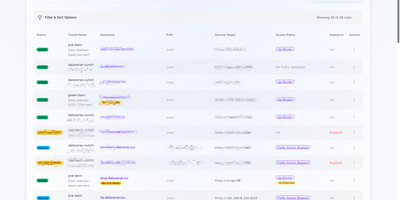
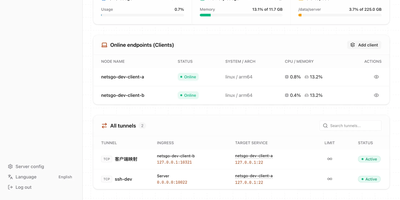
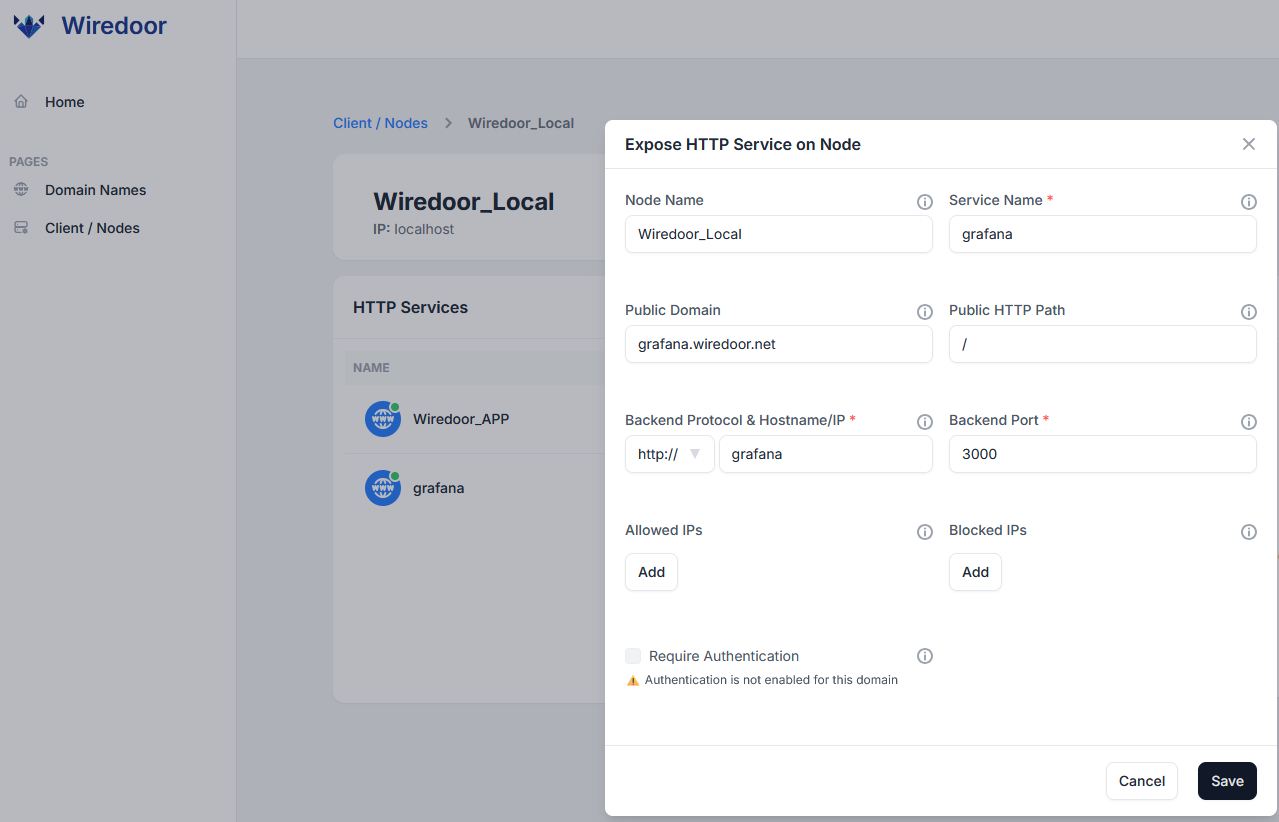
A self-hosted front door for apps that live on home labs, office LANs, and private clusters, Wiredoor publishes them to the internet without opening a single inbound port on the private side. The Wiredoor CLI on each remote machine dials out to the server over an encrypted WireGuard tunnel. Web apps and APIs are routed by domain and path, WebSocket traffic included, while TCP and UDP services such as SSH or Redis get a public port of their own. Public domains receive Let's Encrypt certificates, internal names fall back to self-signed ones, and Cloudflare or GoDaddy credentials let the server create DNS records itself. Any web route can demand OAuth2 sign-in with an email allow list and a few open paths, and every protocol accepts IP allow lists. Gateway nodes stretch one tunnel across a Docker network, Kubernetes cluster, or private subnet, so a single link serves many backends. Services can be switched off or given an expiry such as 30 minutes, 2 hours, or 1 day. The dashboard shows which nodes are connected and whether their services are enabled, while the CLI creates, enables, and disables services from a terminal. Optional Prometheus and Grafana views chart traffic and tunnel peers, and CrowdSec can block abusive addresses. Running on a dedicated VPS on RepoCloud with guaranteed CPU, RAM, and SSD, full root SSH access, and a browser serial console. Apache-2.0 licensed.
Benefits
- Private services stay private
- Nodes connect outward to the server over encrypted WireGuard tunnels, so apps behind NAT or a firewall can be published without opening any inbound ports on their own network.
- Own your public entry point
- Routing, certificates, access policies, and operational data stay on a server you control, so no hosted tunneling service sits between users and your apps.
- Certificates and DNS without busywork
- Public domains get Let's Encrypt certificates, internal names get self-signed ones, and Cloudflare or GoDaddy credentials let Wiredoor create the A records itself.
- Temporary access that expires itself
- Give any service a TTL such as 30 minutes, 2 hours, or 1 day and Wiredoor disables its route automatically, which suits demos, support sessions, and one-off access.
Features
- HTTP, TCP, and UDP Exposure
- HTTP services route by domain and path through NGINX, while TCP and UDP services get a public port from a configured range, with optional TLS termination for TCP.
- Client and Gateway Nodes
- Client Nodes expose one machine on Linux, Windows, or macOS, while Gateway Nodes on Linux, Docker, or Kubernetes route to approved private subnets; a Local Node covers the server.
- OAuth2 and IP Restrictions
- OAuth2 Proxy guards HTTP routes with provider sign-in, email allow lists, and path bypasses; IP allow lists cover all protocols and block lists cover TCP and UDP.
- Dashboard and CLI Control
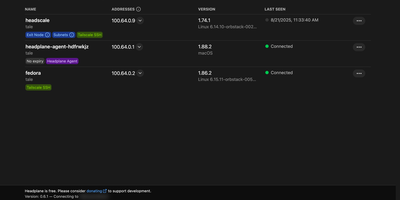
- The web dashboard and the wiredoor CLI create services, enable or disable them, and report tunnel status, with Linux, macOS, and Windows installers for the CLI.
- Docker Compose Deployment
- The official docker-setup runs Wiredoor with persistent volumes, publishes ports 80, 443 with HTTP/3, and WireGuard on UDP 51820, and stores data in SQLite or MySQL.
- Monitoring and CrowdSec
- Optional Prometheus and Grafana chart NGINX traffic and WireGuard peers, and the official Docker setup can feed NGINX logs to CrowdSec with a firewall bouncer to block abusive IPs.