Categories
Self-Hosted Developer Tools AI Agents Agent Orchestration Claude Code Kanban Task Automation AI CodingStars
Forks
Watchers
Developer links
Timon
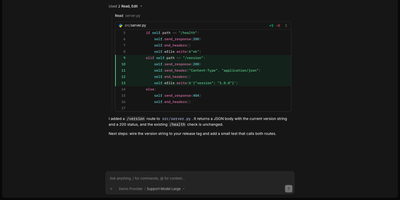
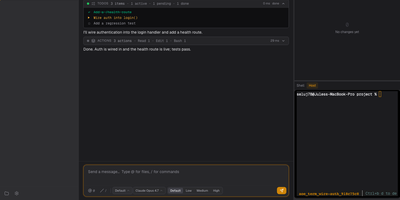
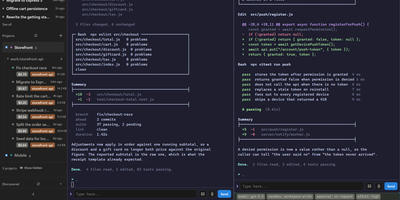
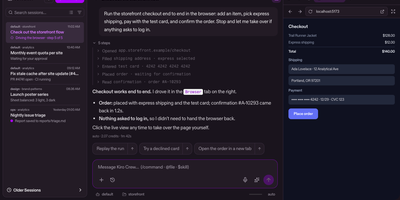
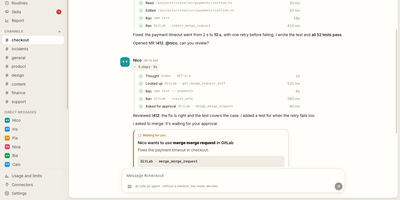
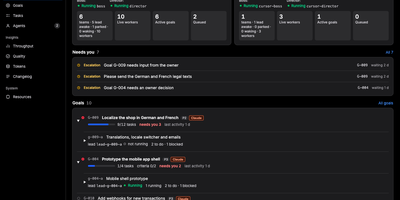
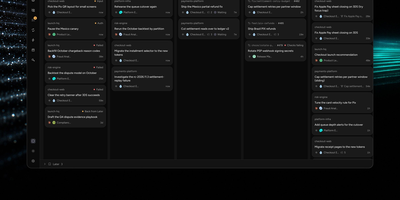
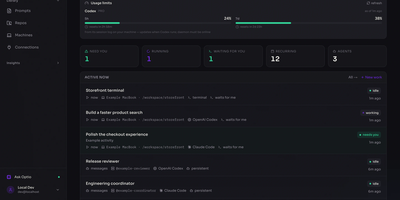
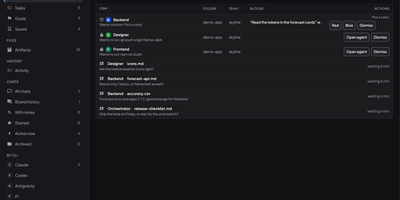
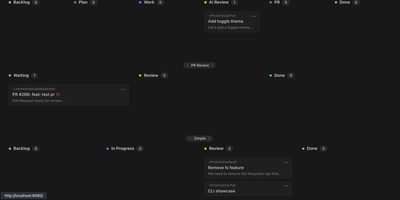
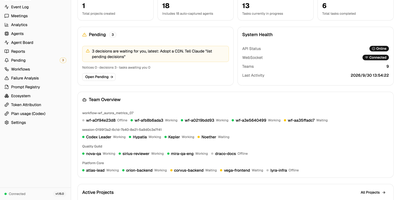
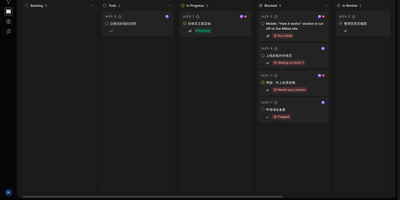
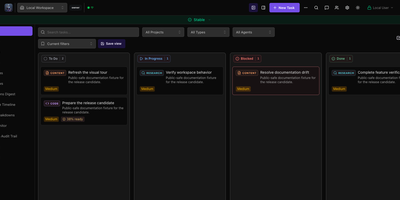
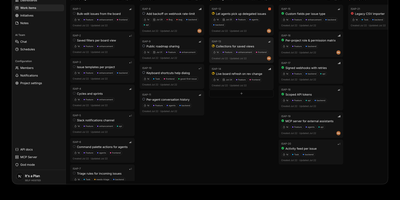
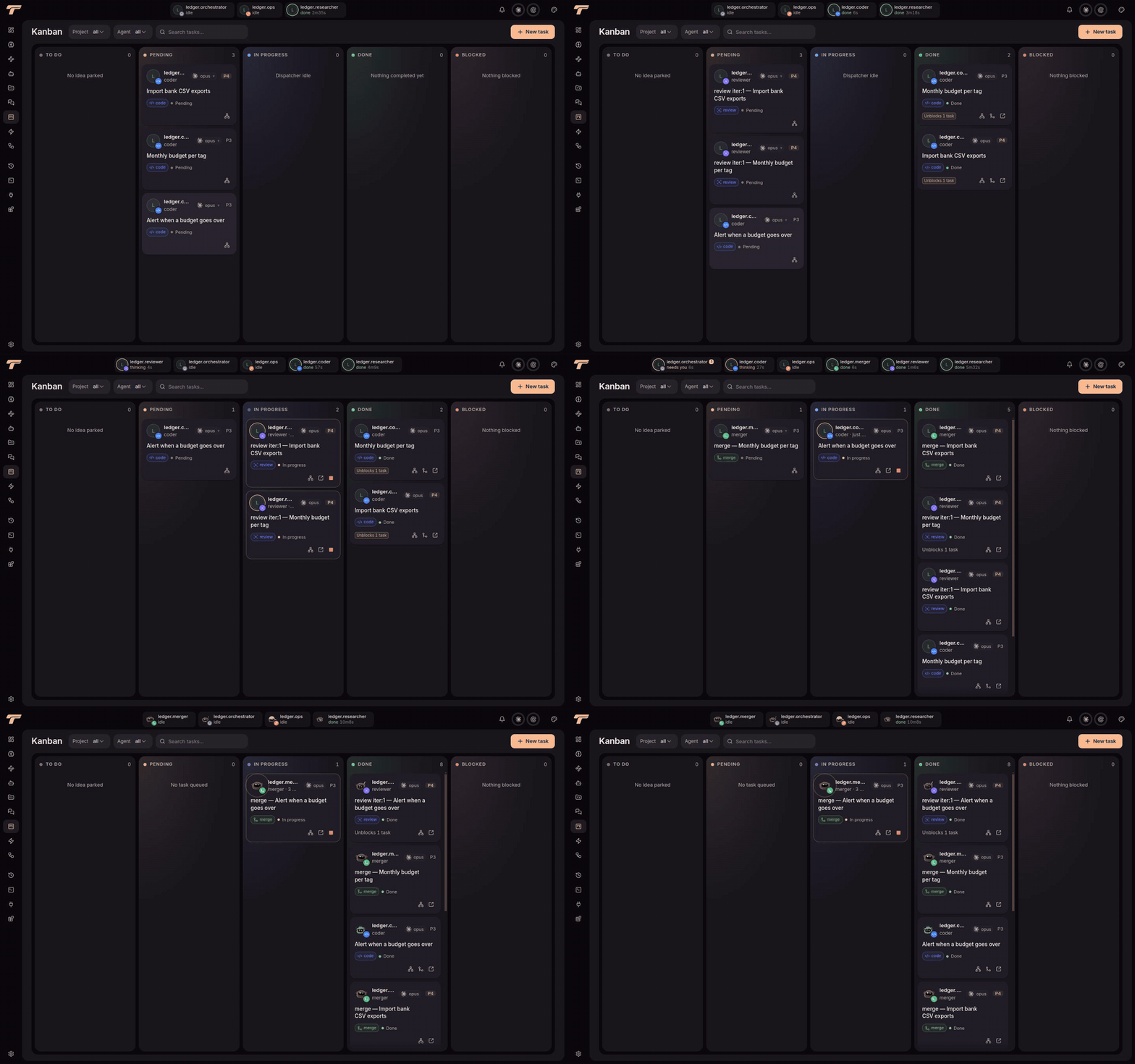
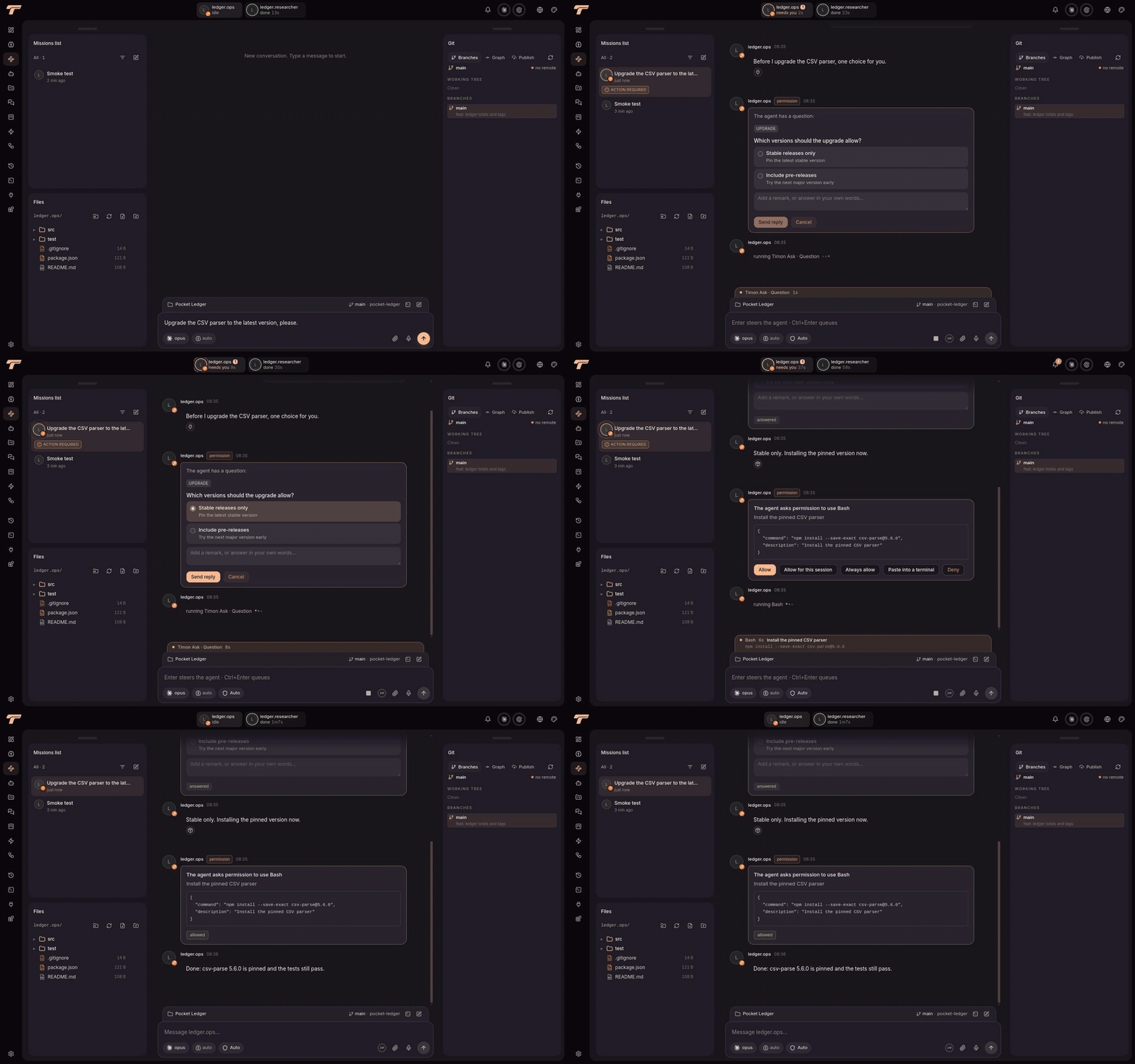
Describe a software job in plain words, and Timon's orchestrator splits it into tasks for a coder, a reviewer, and a merger working in parallel. Each coding task gets its own git worktree, a second model reviews the diff and sends it back when it falls short, and the merger runs the full test suite before landing the branch. A Kanban board tracks briefs, priorities, dependencies, and scheduled start times through pending, in progress, done, and blocked statuses. Agents ask before they push, publish, or delete anything, through clickable questions and permission cards, and secrets stay out of their sight. Work runs on the Claude Code, Codex, Copilot, Grok, opencode, Pi, and Hermes command line tools you already sign in to, and a mission moves to the next backend when one subscription runs dry. Memory carries a rule learned once into the next mission, and a crashed mission resumes from its recorded turns and tool calls. Routines, cron schedules, and webhook triggers run overnight series paced to your quotas. Each mission gets an isolated browser with annotations and recordings, voice dictation turns speech into requests, and the agents answer from a browser, a phone, Telegram, or the command line. Widgets, pages, themes, and layouts install as signed plugins without a restart, and agent roles are plain fields you can rename or extend. Running on a dedicated VPS on RepoCloud with guaranteed CPU, RAM, and SSD, full root SSH access, and a browser serial console. AGPL-3.0 licensed.
Benefits
- Parallel agents reviewed before merging
- Each coding task runs in an isolated git worktree, a second model reviews the diff and can send it back, and the merger runs the full test suite once before landing the branch.
- You approve every risky action
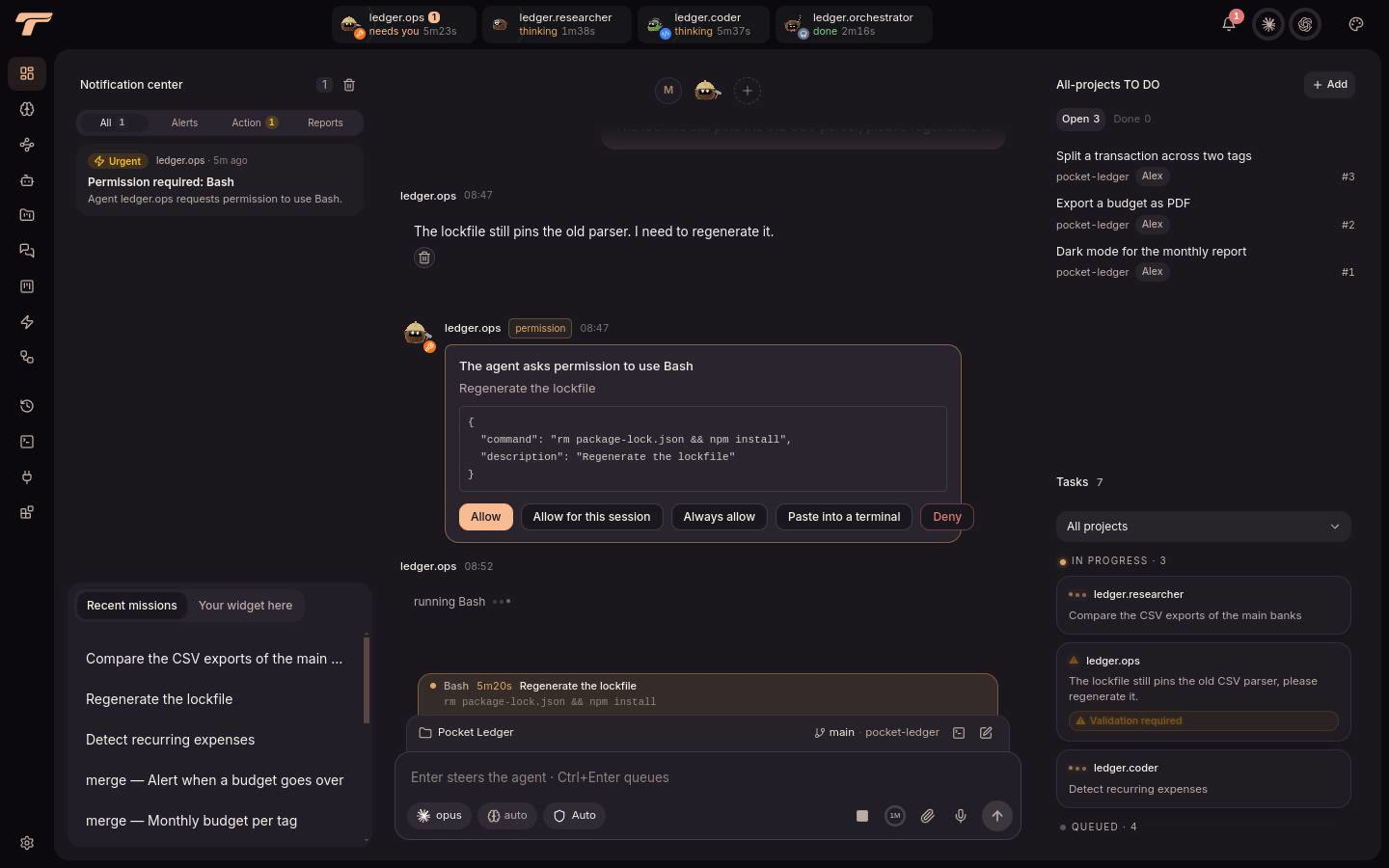
- Agents stop for clickable questions and permission cards before they push, publish, or delete anything, and secrets are kept out of the agent's sight, so unattended work stays supervised.
- Uses subscriptions you already pay for
- Standard agent workflows use the signed-in Claude Code, Codex, Copilot, Grok, opencode, Pi, or Hermes CLIs instead of token-billed APIs, and work moves to another backend when a quota runs out.
- Agents keep working while you sleep
- Routines, cron schedules, and webhook triggers start work on their own, overnight series are paced to your quotas, and the daemon keeps running as a background service after you close every client.
Features
- Orchestrator and Kanban board
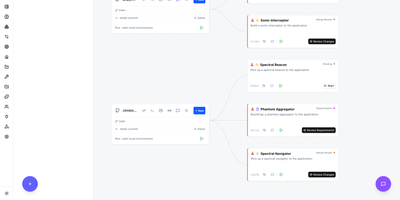
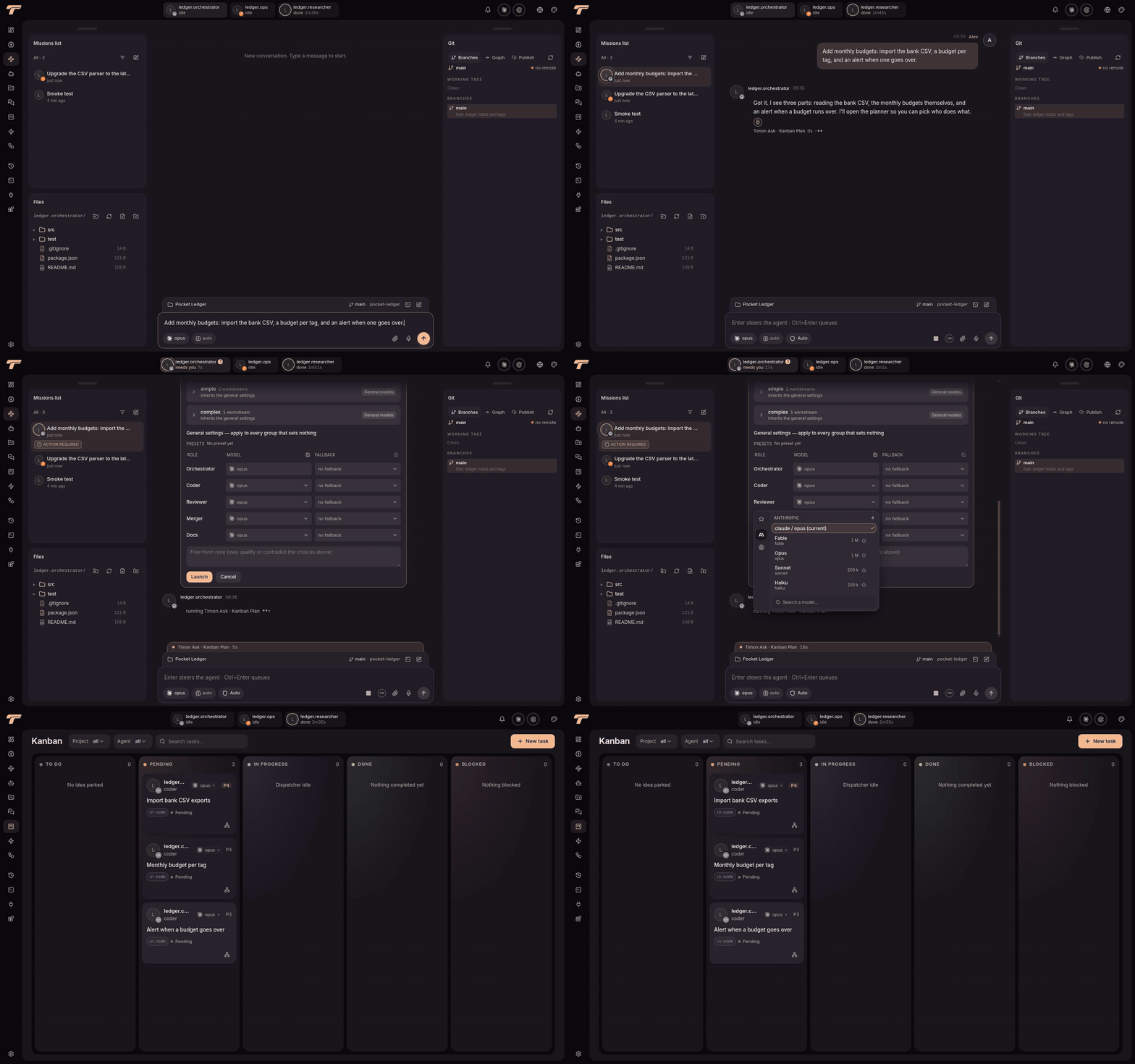
- The orchestrator turns a request into tasks, lets you pick a model per part, and dispatches them to coder, reviewer, merger, researcher, and ops agents on a Kanban board.
- Worktree code review pipeline
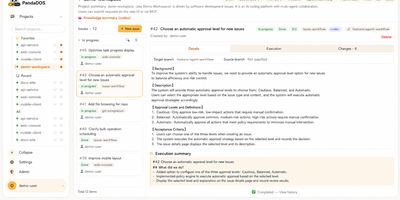
- Every code task gets an isolated git worktree and moves through code, review, and merge stages, with a different model reading the diff before the merger runs the tests.
- Memory and resumable missions
- Learned rules are injected into the next mission, and every turn and tool call is kept by the daemon so a dead mission can be resumed instead of restarted.
- Many agent CLI backends
- Claude Code, Codex, GitHub Copilot, Grok, opencode, Pi, Kimi, Hermes, and any ACP agent plug in as backends, with quota fallbacks that move work to the next one.
- Remote access over Tailscale
- The web interface listens on loopback by default; reach it through Tailscale, an SSH tunnel, a reverse proxy, or Cloudflare Tunnel, and sign in with the timon init account.
- Plugin SDK and widgets
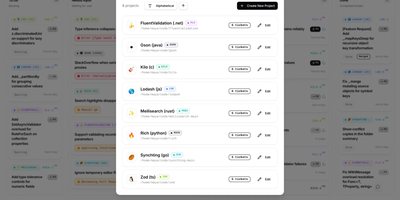
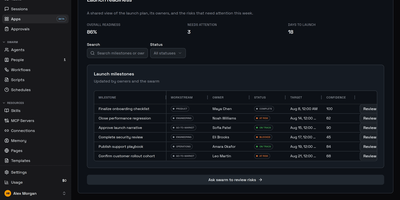
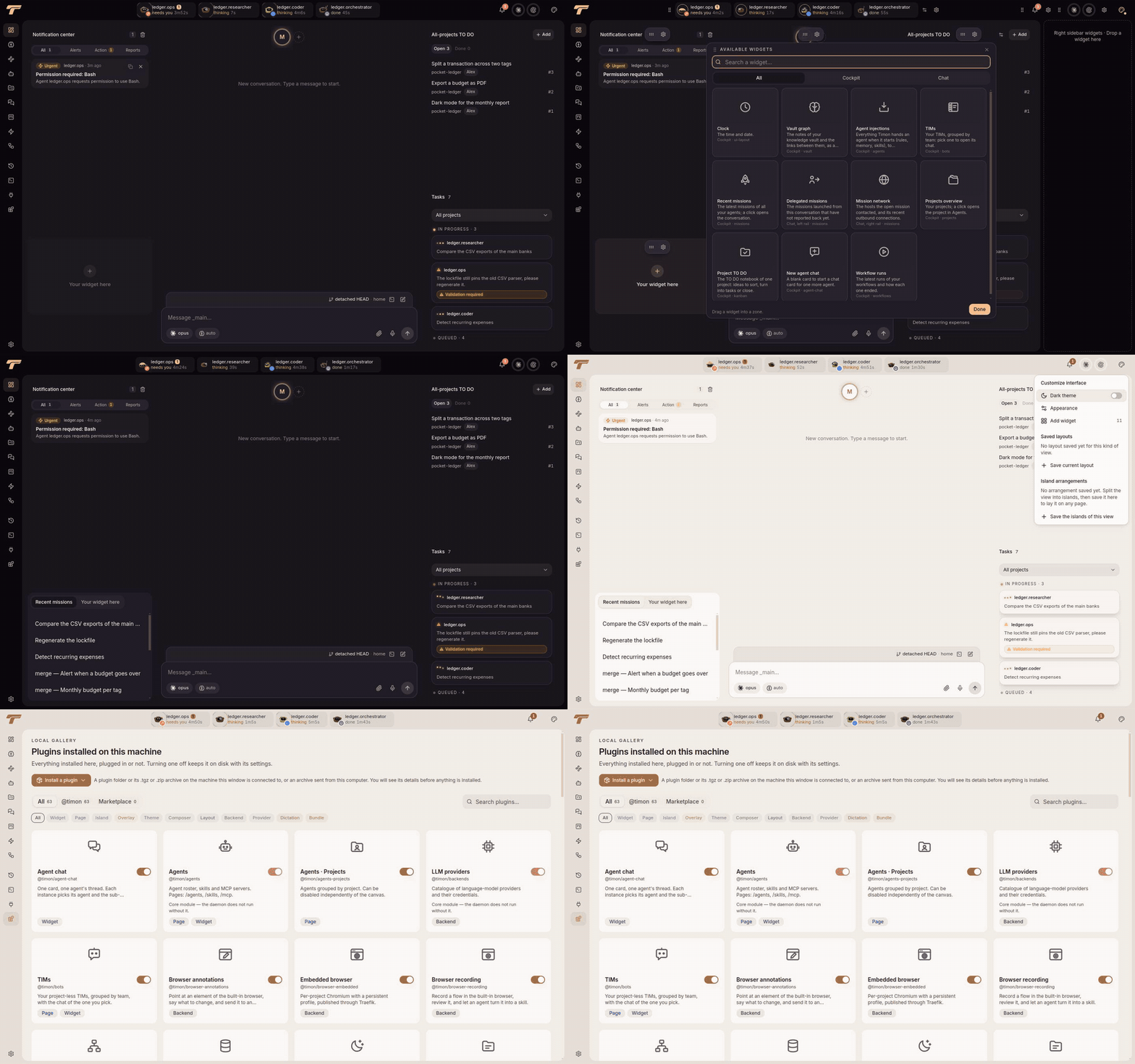
- Widgets, pages, themes, layouts, and providers are written against the @timon-ai/sdk npm package and install as signed plugins without a restart; dozens ship bundled.