Categories
Self-Hosted Developer Tools AI Agents MCP Agent Orchestration Multi-Agent Systems Claude Code Agent MemoryStars
Forks
Watchers
Developer links
Tucano
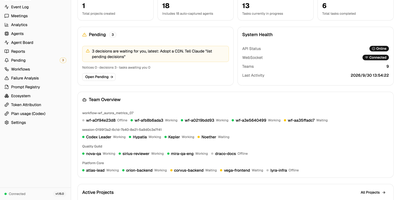
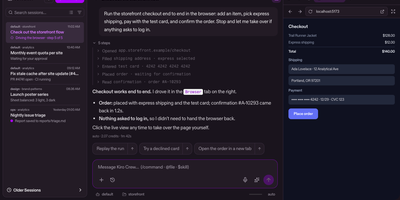
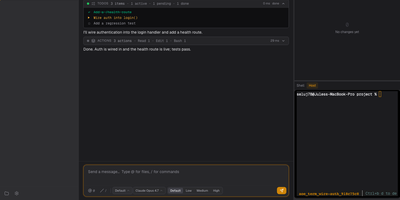
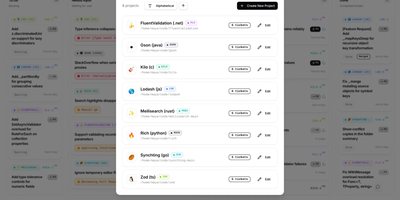
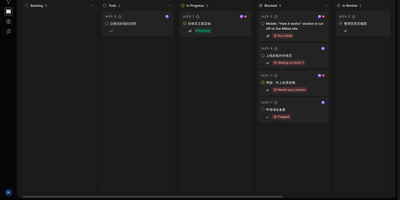
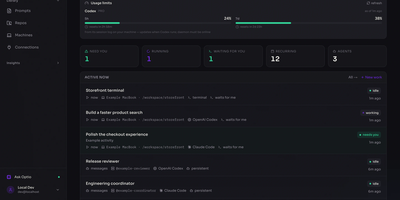
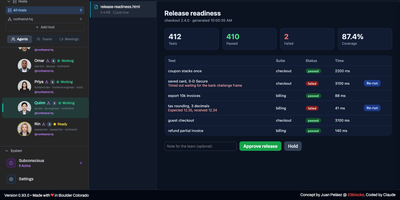
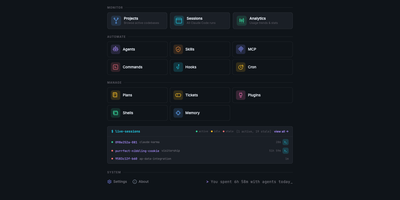
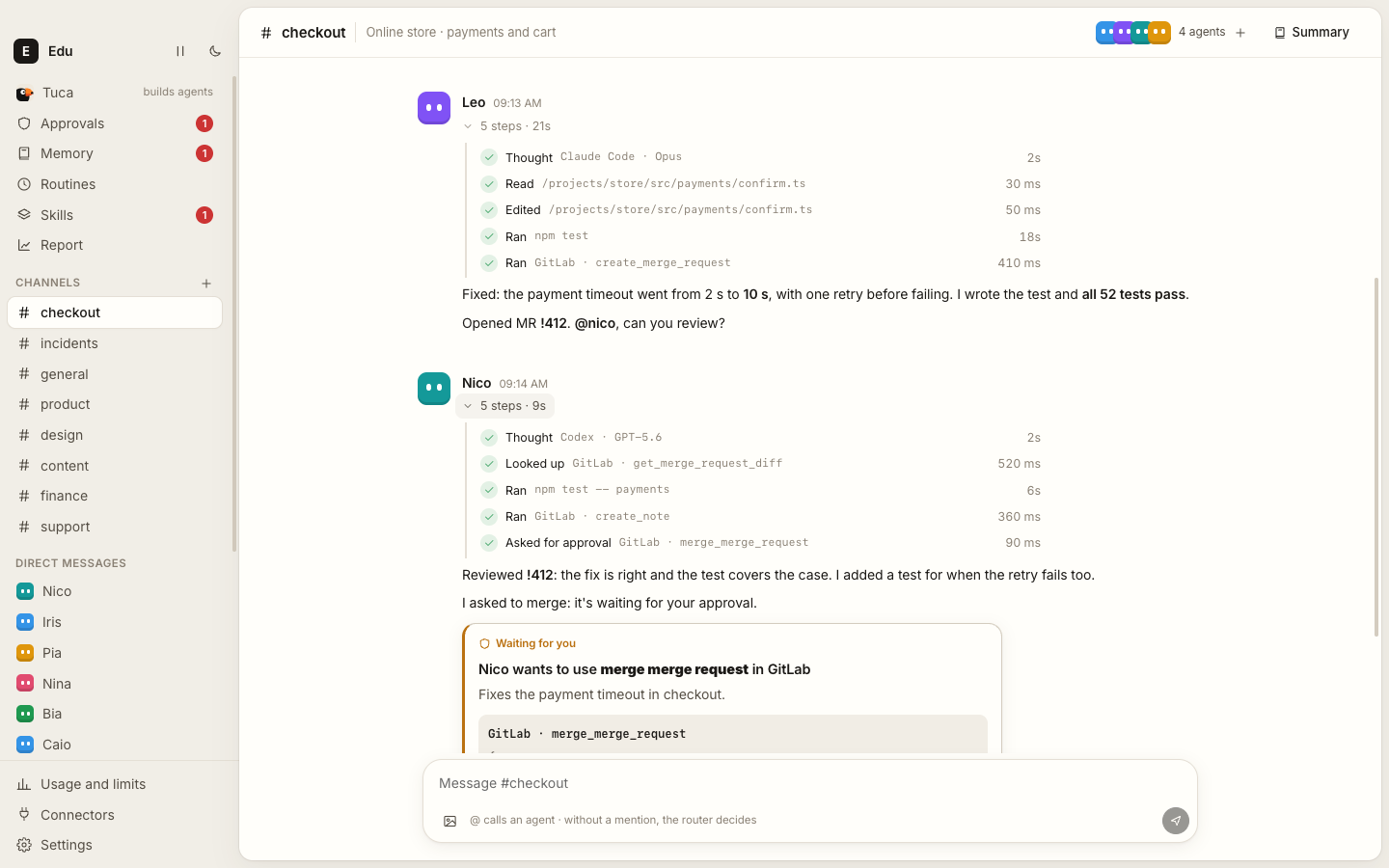
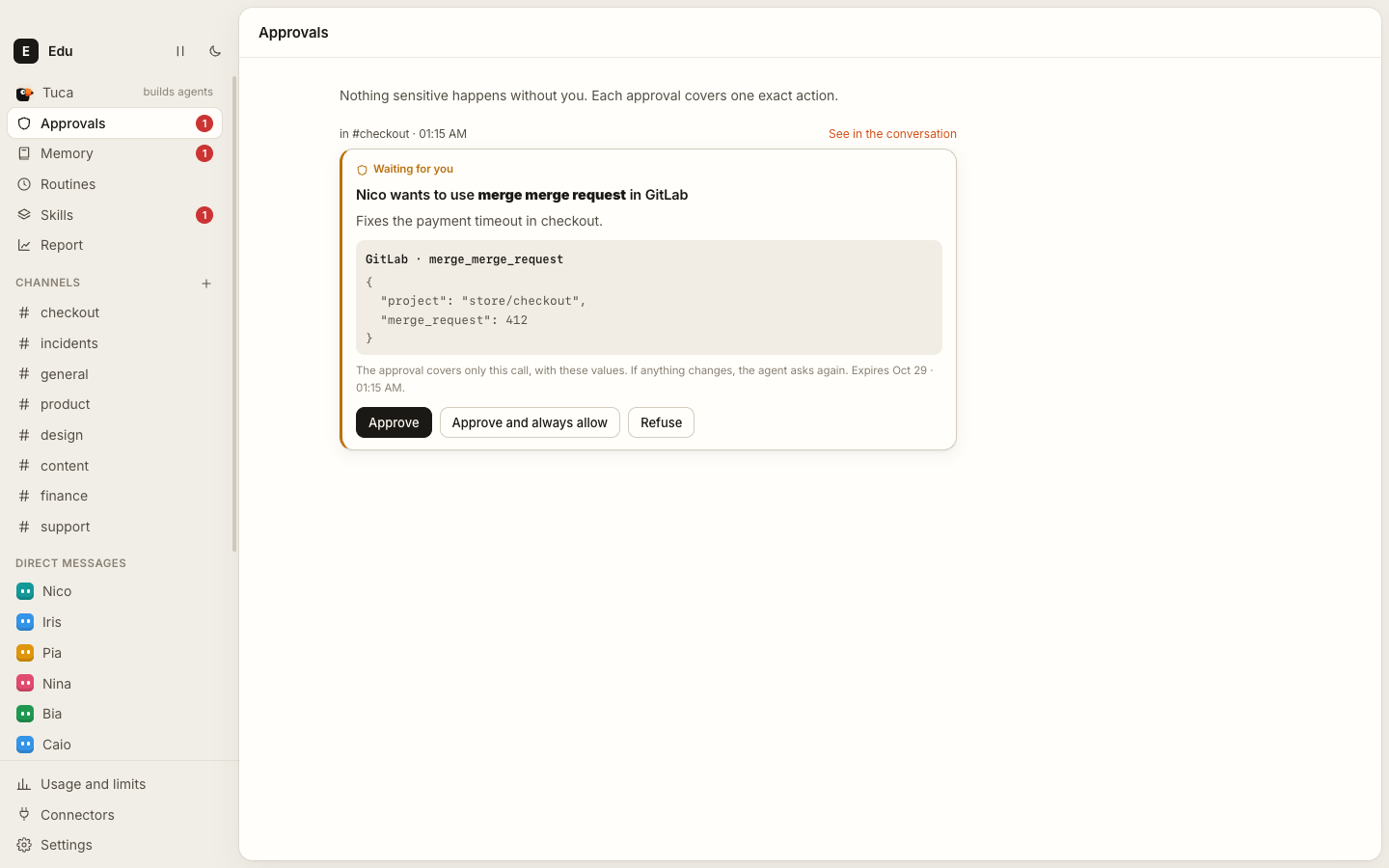
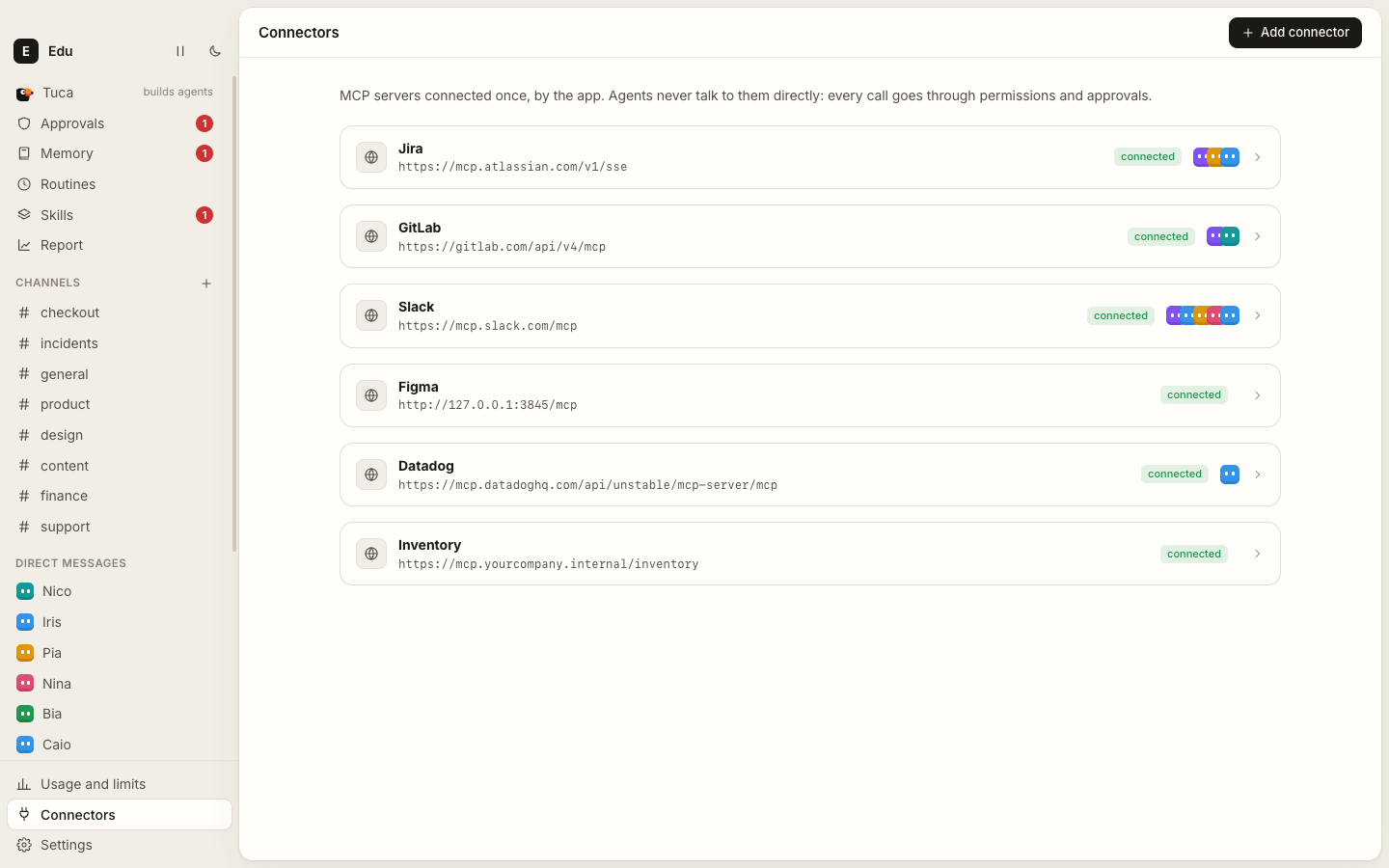
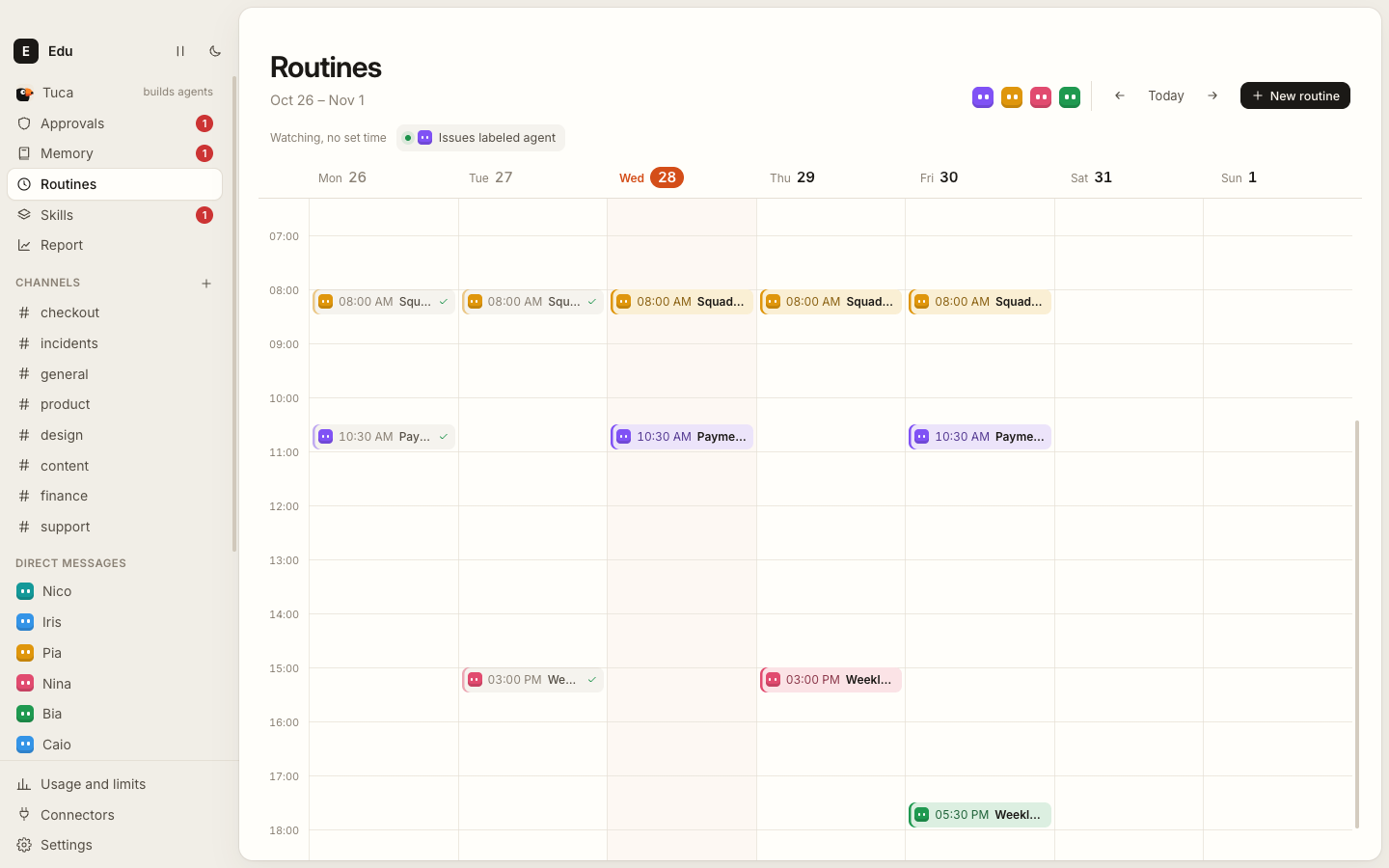
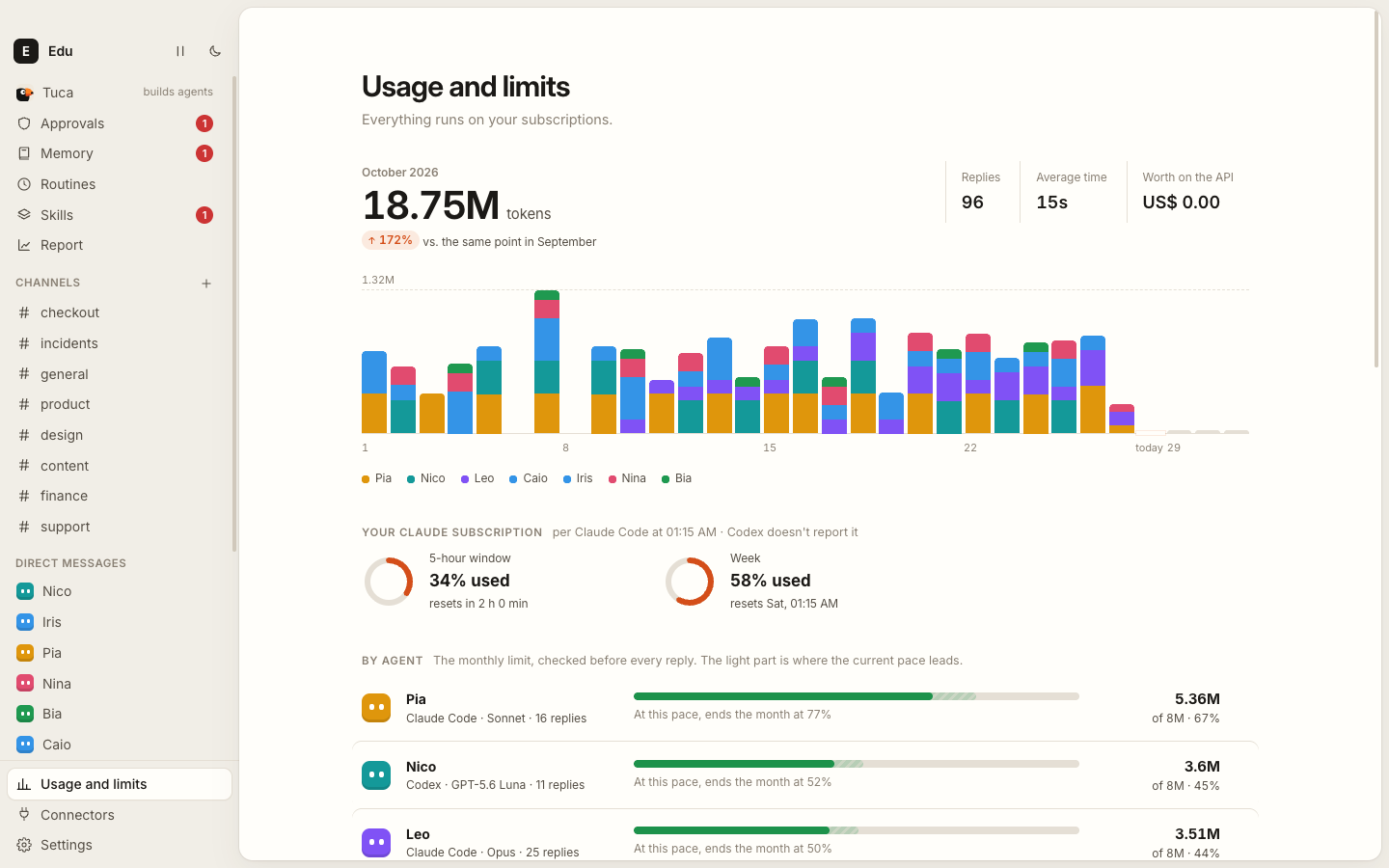
Tucano turns the coding agents you already use into a team that talks in channels, passes work between its members, and stops before anything real happens. Agents have names, roles, tools, and memory, and an @mention hands the turn to the next one, so one finds the bug, another fixes it, and a third reviews it. Connectors speak MCP for Jira, GitLab, GitHub, Slack, Datadog, or your own internal server, and each agent gets no access, read, or read and write per tool. Merges, purchases, posts, emails, and deletes arrive as approval cards showing the exact call, to approve once, always allow, or refuse with a reason, in the app or on Telegram. A Memory page lets you review, edit, and forget what agents learned, repeated paths become proposed skills, and skills from Claude Code and Codex import in one click. Routines run on a weekly calendar or when a connector reports a new issue, failing monitor, or email. Each agent picks its own harness and model and has a monthly token limit, while one Pause everything button halts the whole team. Agents can work in an isolated Linux computer or a live Chrome that you can take over. Server mode serves the same screens to a browser, listens on localhost by default, and pairs phones with one-time codes. Running on a dedicated VPS on RepoCloud with guaranteed CPU, RAM, and SSD, full root SSH access, and a browser serial console. Apache-2.0 licensed.
Benefits
- Several agents in one channel
- Agents with names, roles, tools, and memory talk in channels and hand work over with @mentions, so a bug can travel from investigation to fix to review without you relaying it.
- Nothing real happens without approval
- Merges, purchases, posts, emails, and deletes pause as approval cards showing the exact call, so you approve once, always allow a safe action, or refuse with a reason.
- Use subscriptions you already have
- Agents think through the Claude Code, Codex, Cursor, Grok, Cline, Hermes, OpenCode, or Pi CLIs you have signed in, so there is no API key to paste and no per-token bill from Tucano.
- Spending stays under control
- Each agent has a monthly token limit and a ceiling per reply, the weekly report shows what every issue cost, and one Pause everything button stops all agents at once.
Features
- Channels and agent teams
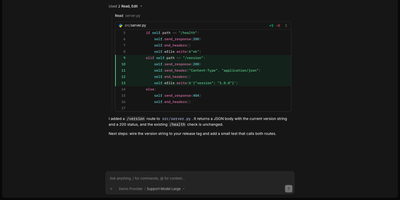
- Create channels, add agents, and a router picks who answers when nobody is mentioned; every step shows what was searched, read, and edited, with a token and time receipt.
- MCP connectors per agent
- Add remote or local MCP servers with OAuth or a token, then set each agent's access to every tool as no access, read, or read and write.
- Memory and skills
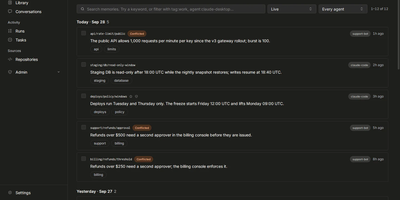
- Review, edit, and forget every memory, accept skills that agents propose from repeated work, and import your Claude Code and Codex skills with one click.
- Routines on a calendar
- Schedule runs for a day and time or trigger them from a new issue, failing monitor, or email, and read the week as a calendar with quiet hours.
- Own computer and browser
- Give an agent an isolated Linux computer in Docker, a folder or repository, or a Chrome browser that you watch live and take over when it must sign in.
- Tuca builds agents
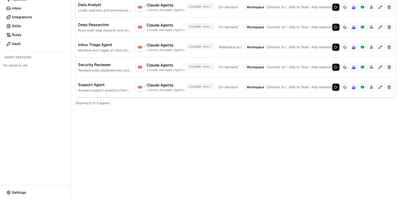
- Describe the teammate you need and Tuca drafts the agent's name, role, instructions, model, and tools for you to create, edit, or adjust.