Categories
AI Agents Observability MCP Server Task Management Agent Orchestration Claude Code Agent Memory CodexStars
Forks
Watchers
Developer links
AI Team OS
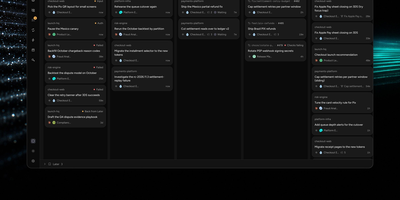
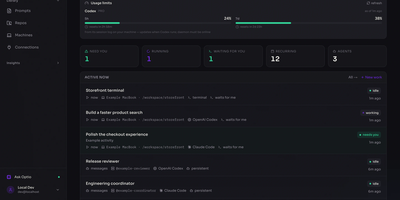
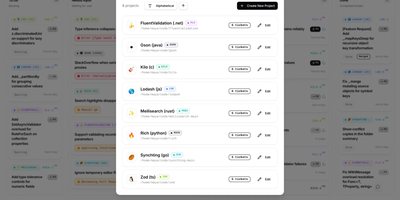
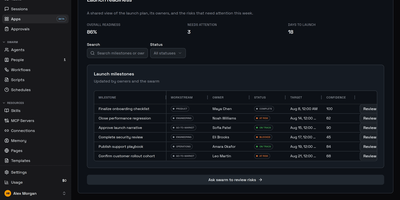
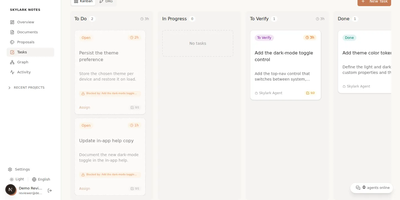
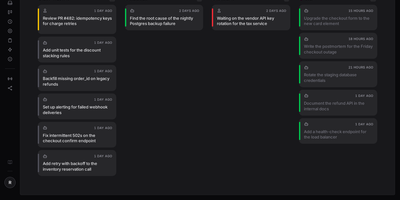
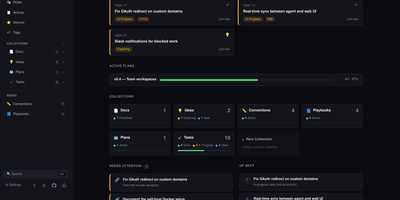
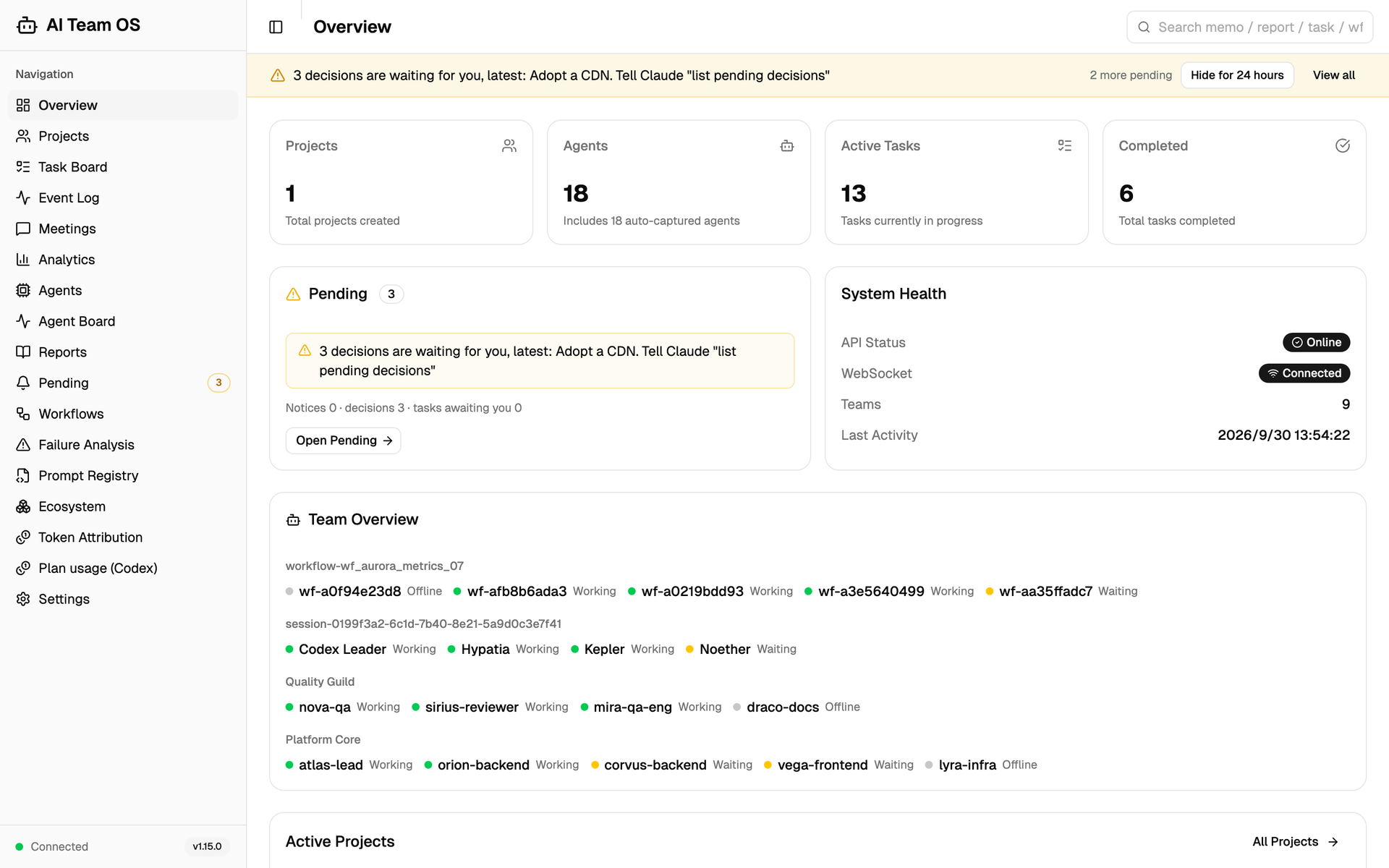
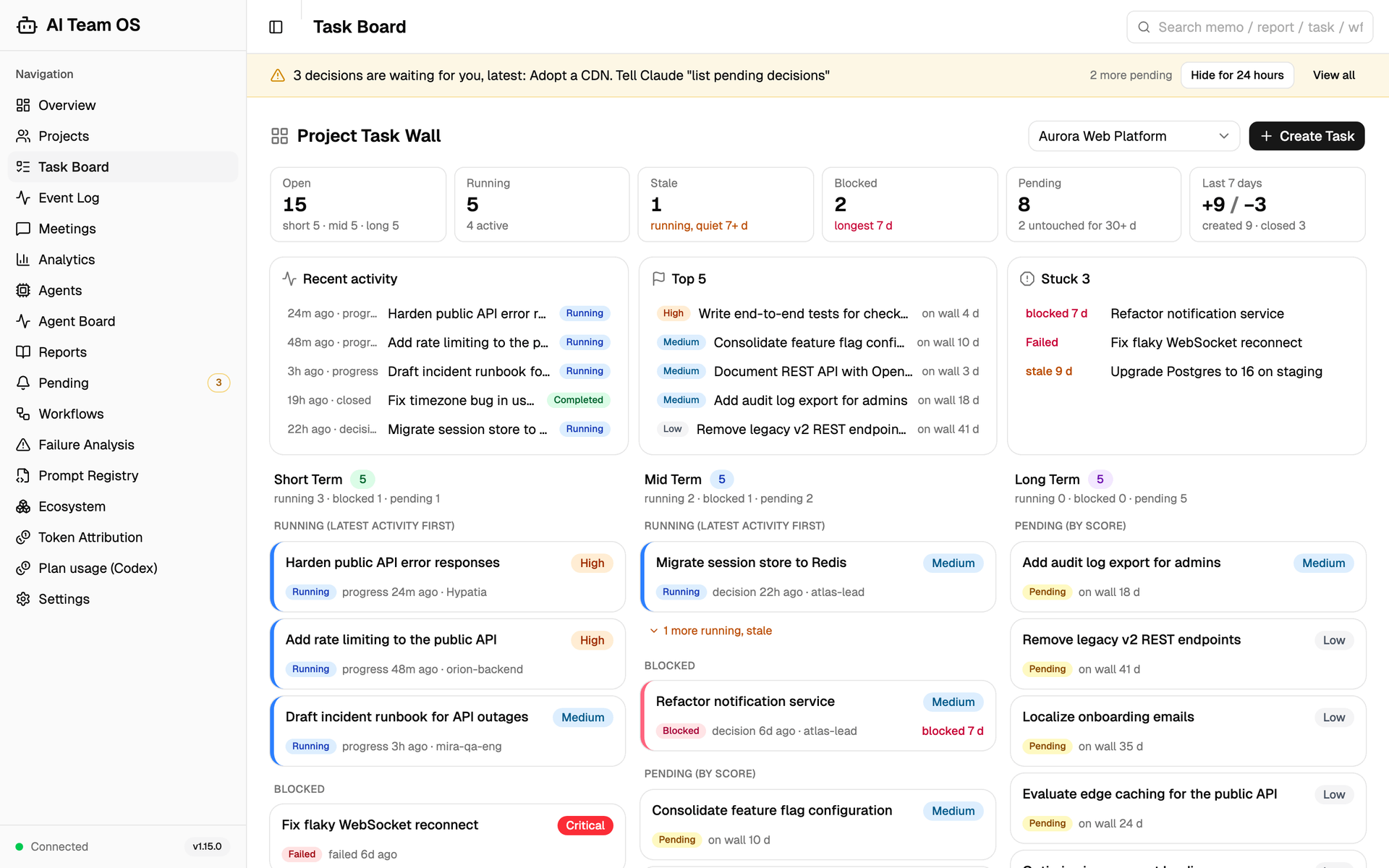
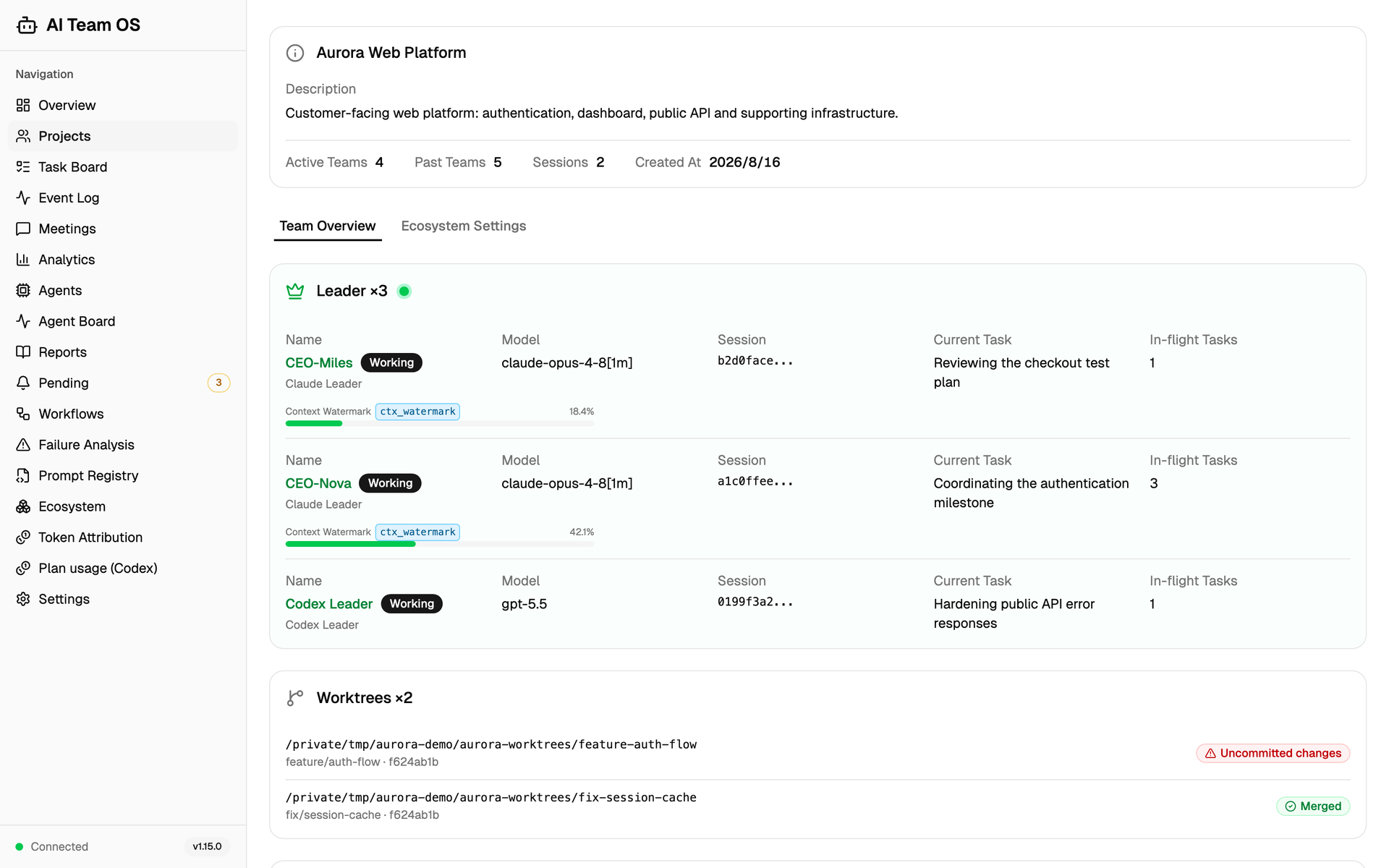
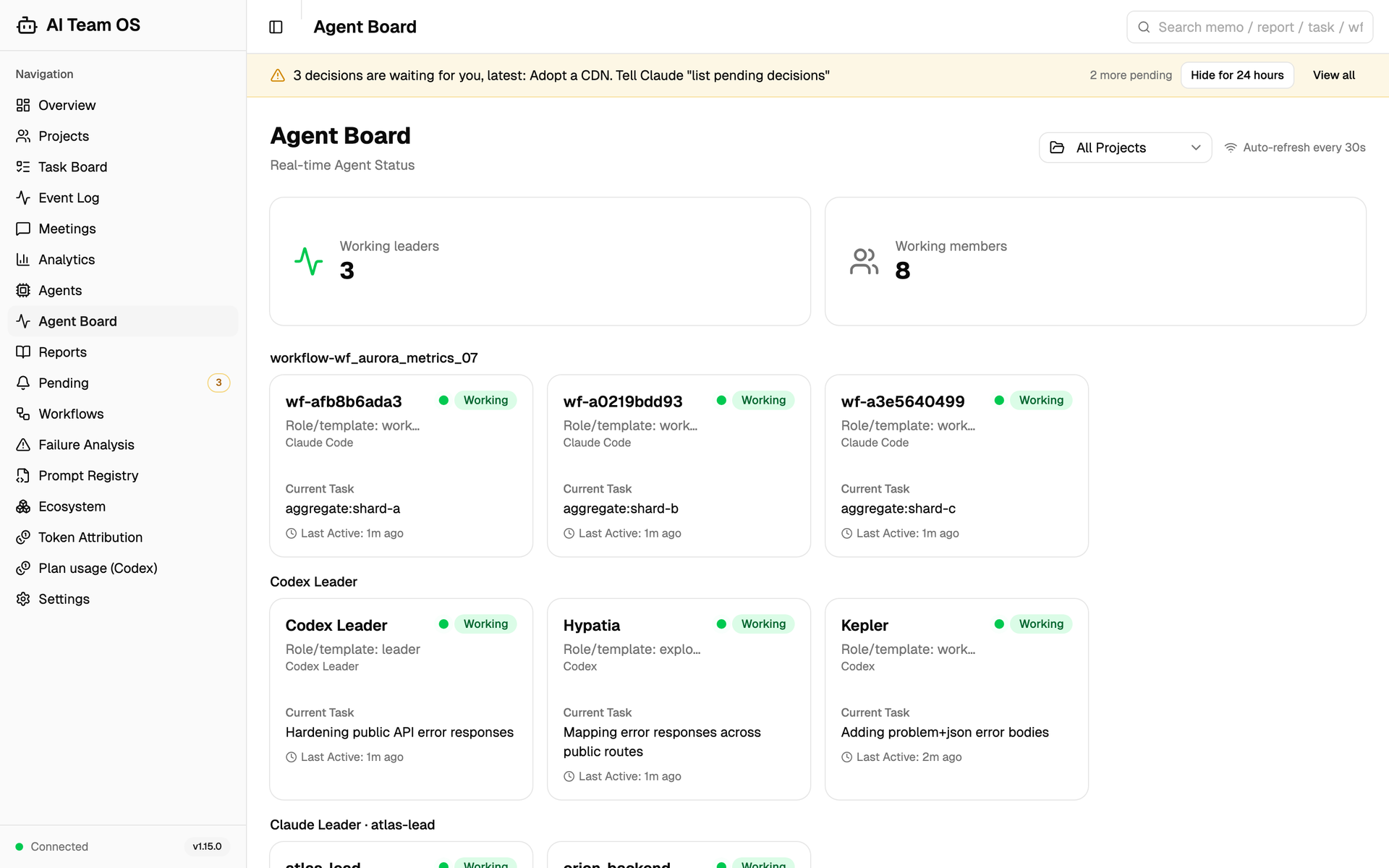
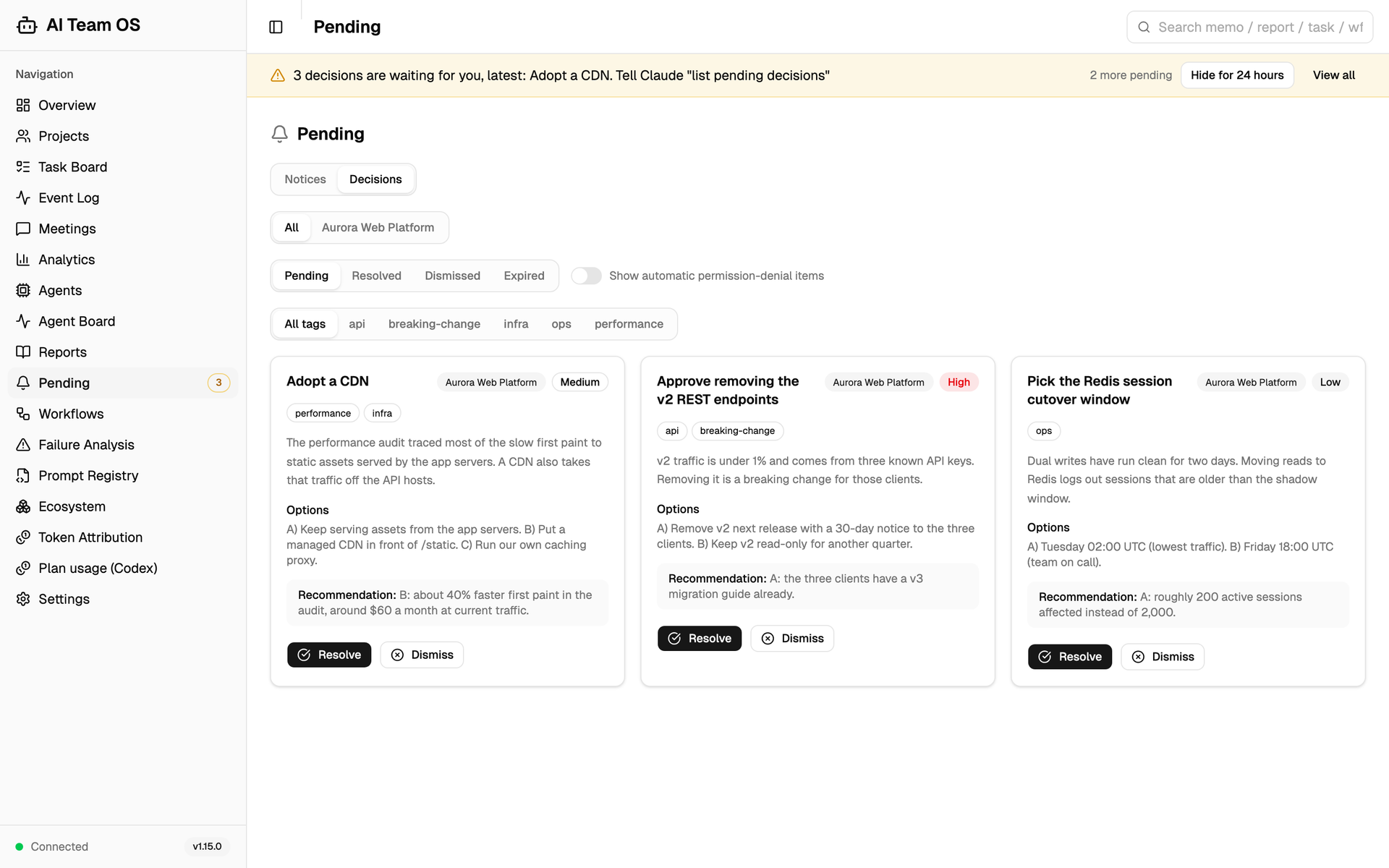
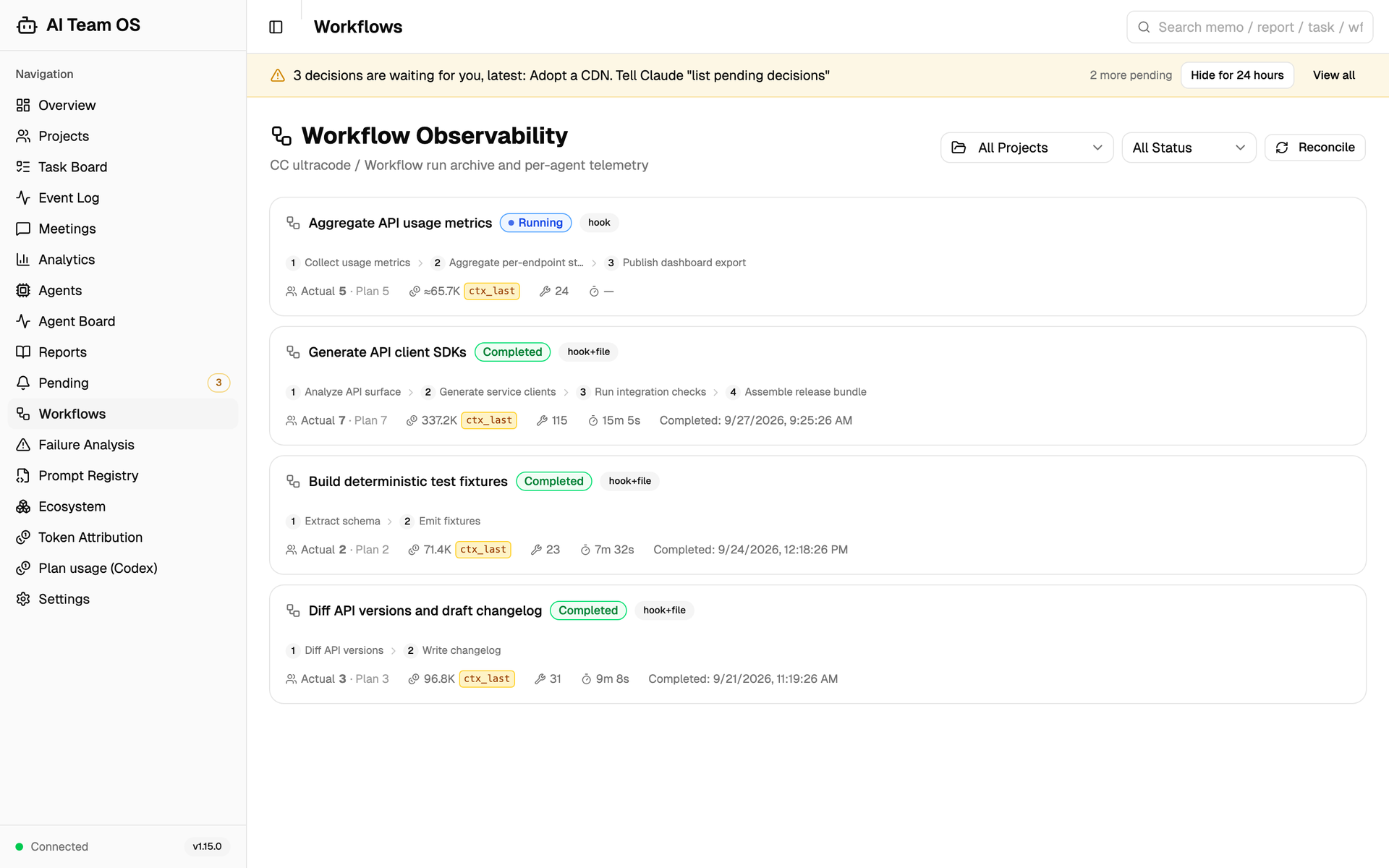
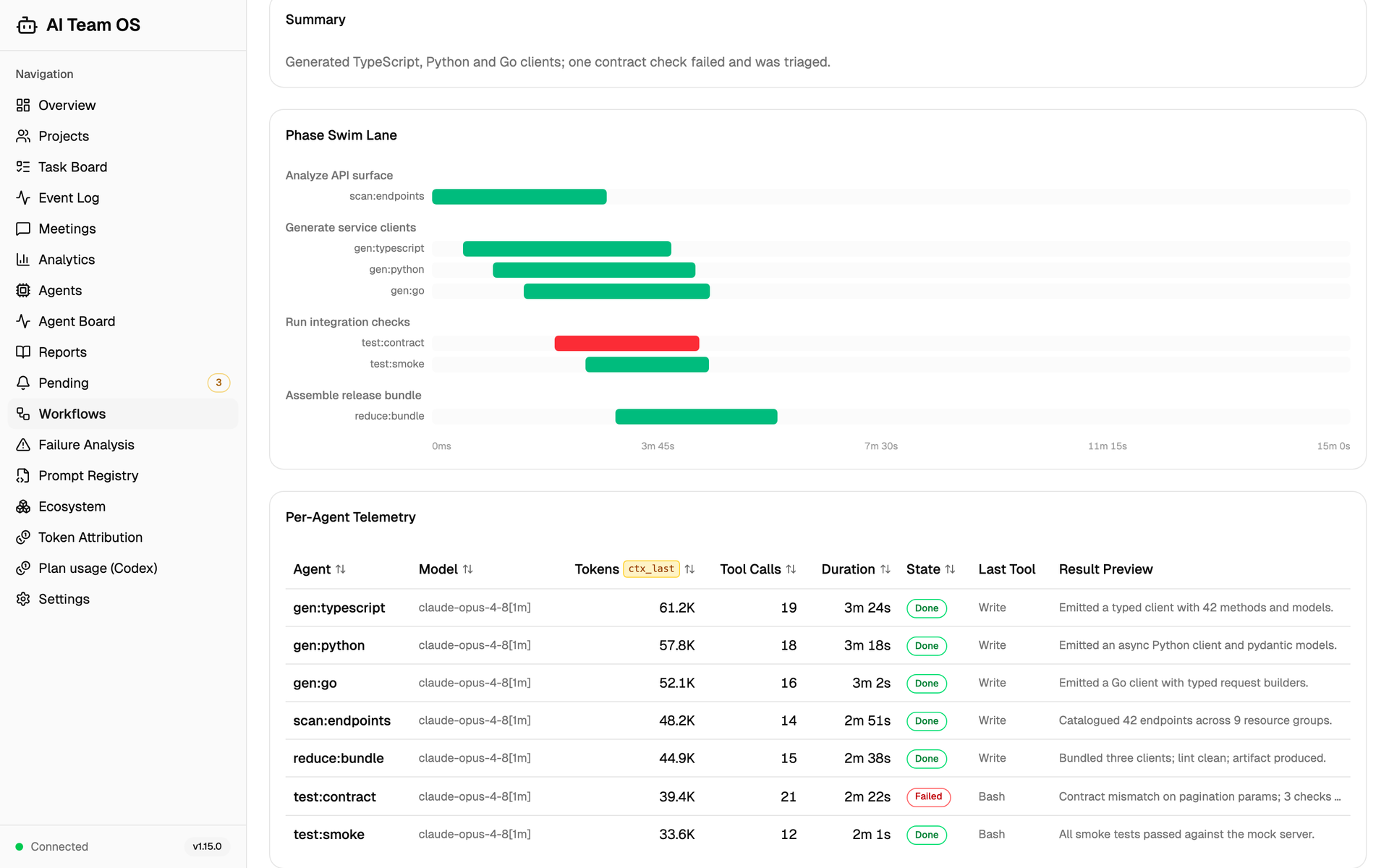
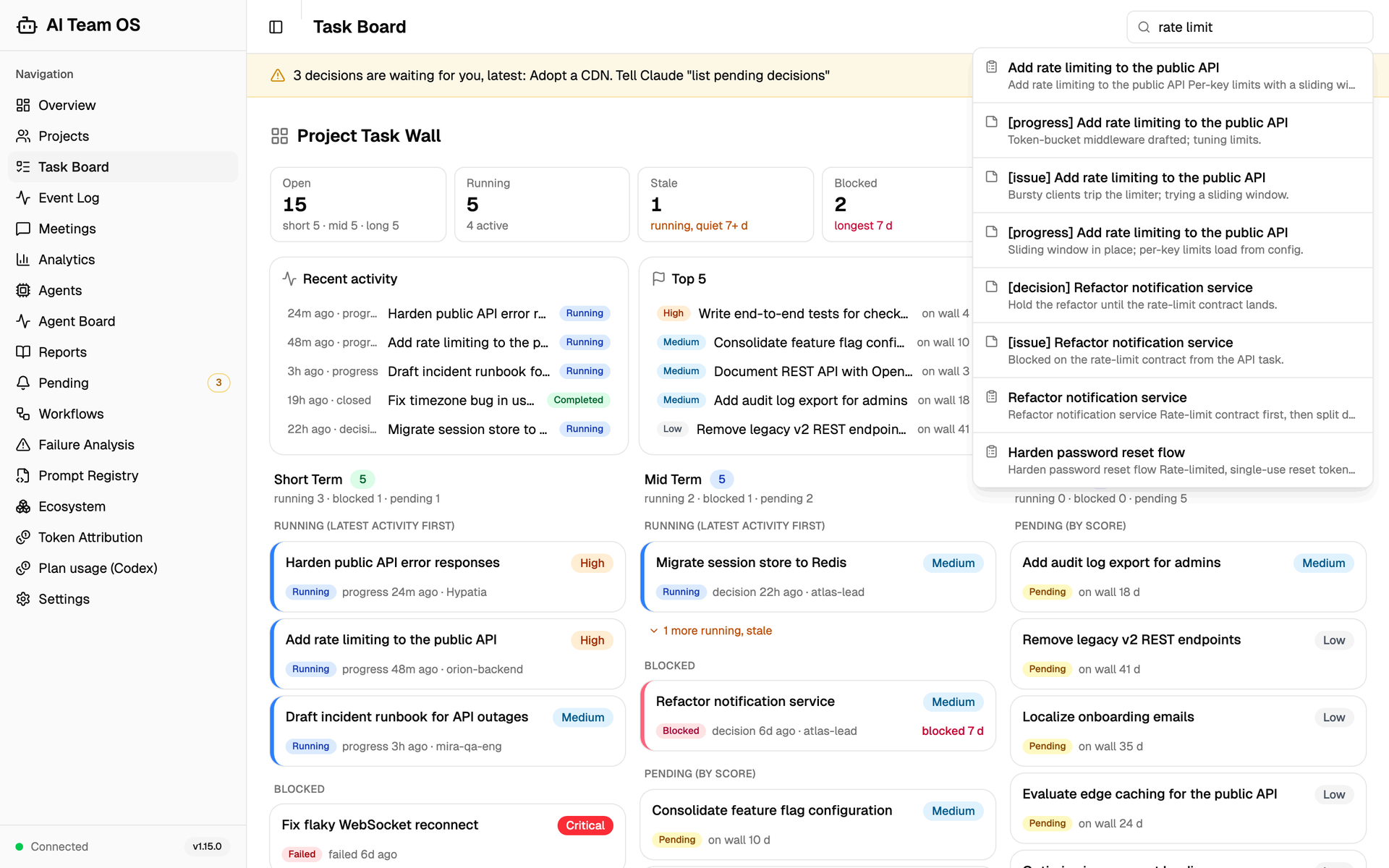
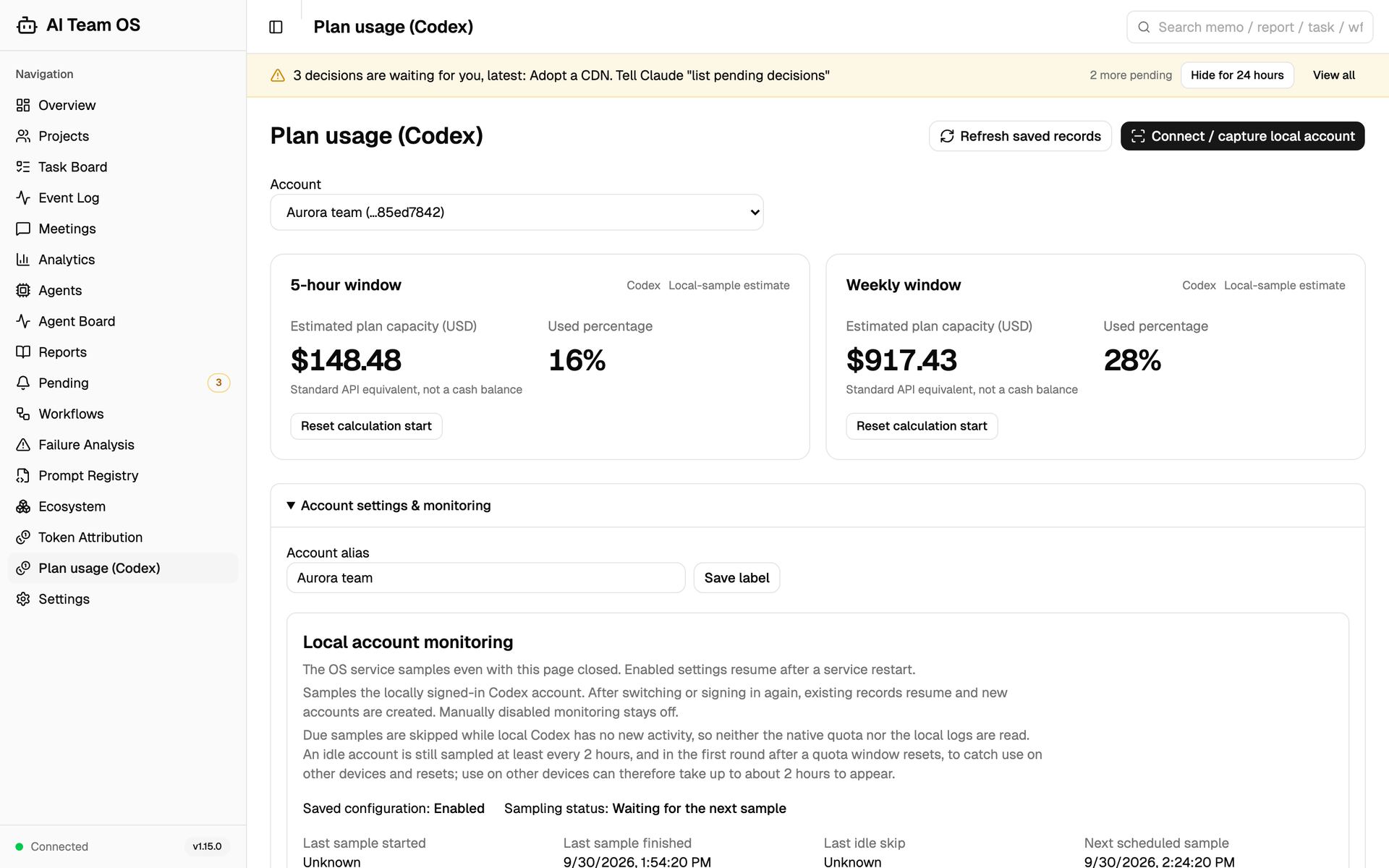
A shared project brain for Claude Code and Codex sessions: AI Team OS keeps tasks, decisions, memory, and reports in one record, so the next session can pick up where the last one stopped. Tasks sit on a live wall of pending, in-progress, and done work. Each one can carry an owner, parent and child links, dependencies, and an explicit wait on a person or an agent. Project memory holds your preferences and design decisions. One search box finds tasks, memos, reports, and workflow IDs without a model call. Agents talk through project, team, and global channels, with @mentions and acknowledgements. Eight meeting templates and four-round Advocate, Critic, Response, Judge debates end in recorded conclusions. The dashboard opens on a command center that shows every active team on one screen. Pending Decisions lists the questions agents raised for you, each with options and a recommendation. Claude Code Workflow runs get phase swim lanes with per-agent tokens, duration, and tool-call counts. Twenty-five role templates cover engineering, testing, research, and management. Guardrails flag seven dangerous patterns and two agents editing the same file. Storage, hooks, MCP tools, and the dashboard all run on your own server, so no hosted service of its own is needed. Running on a dedicated VPS on RepoCloud with guaranteed CPU, RAM, and SSD, full root SSH access, and a browser serial console. MIT licensed.
Benefits
- Context Outlives Every Session
- Tasks, memos, decisions, and reports live in a persistent project record, so a new Claude Code or Codex session can pick up the work instead of rebuilding context from scratch.
- One Record for Two Hosts
- Claude Code and Codex keep their native tools and permissions, yet share the same task wall, project memory, channels, and dashboard through MCP, so mixed teams stay coordinated.
- Every Agent's Work Is Visible
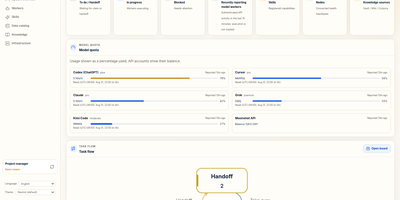
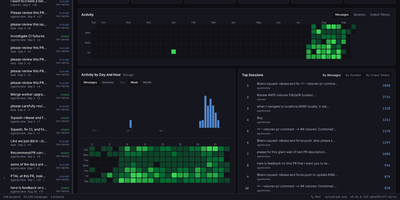
- The dashboard shows leaders, members, tool calls, durations, and uncommitted worktrees per project, so you can compare what agents report with what they actually did.
- Runs Locally, No Extra Service
- Storage, MCP tools, hooks, and the dashboard run on your own machine, and search and reconciliation make no model calls, so the layer adds no hosted dependency or token spend.
Features
- Task Wall and Briefings
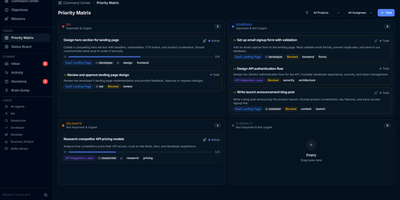
- Live board of pending, in-progress, and done tasks with parent and child links, depends_on, waiting_on, and revision checks, plus a digest that session briefings read.
- Memory and Unified Search
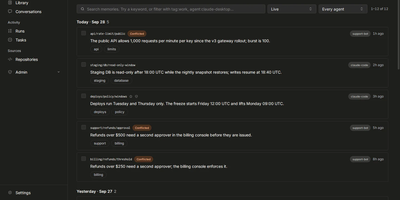
- Direction memory and task memos are searched with BM25 and an ID reference graph, fused by reciprocal rank fusion, with no model call.
- Channels and Meetings
- Project, team, and global channels support @mentions and acknowledgements; eight meeting templates and four-round Advocate, Critic, Response, Judge debates end in recorded conclusions.
- Workflow Observability
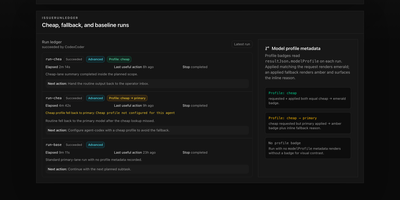
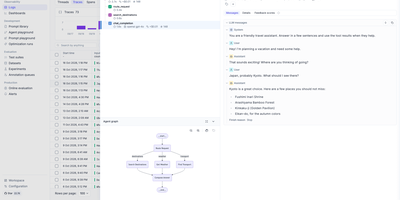
- Every Claude Code Workflow run is tracked into phase swim lanes with per-agent tokens, duration, status, and tool-call counts, plus stall detection.
- Shared HTTP MCP Server
- A FastAPI server mounts a streamable HTTP /mcp/ endpoint and a REST API, so Claude Code stdio and Codex HTTP clients reach the same tools.
- Guardrails and Templates
- Seven dangerous-pattern detections, concurrent-edit warnings, a watchdog, and 25 role templates for engineering, testing, research, and management teams.