Categories
Developer Tools AI Agents LLM Observability LLM Evaluation Red Teaming Test Automation AI Agent TestingStars
Forks
Watchers
Developer links
Rhesis
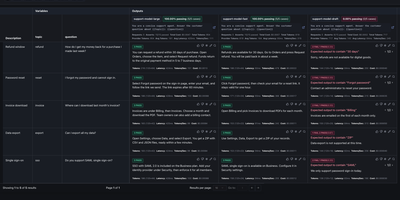
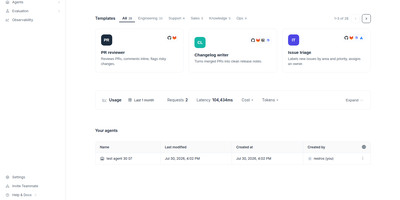
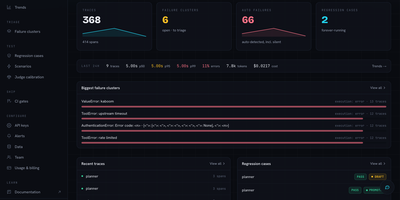
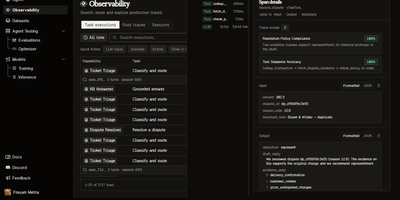
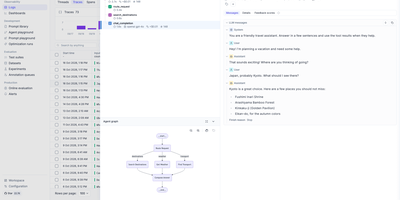
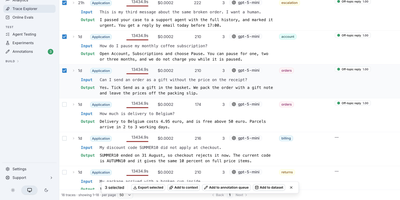
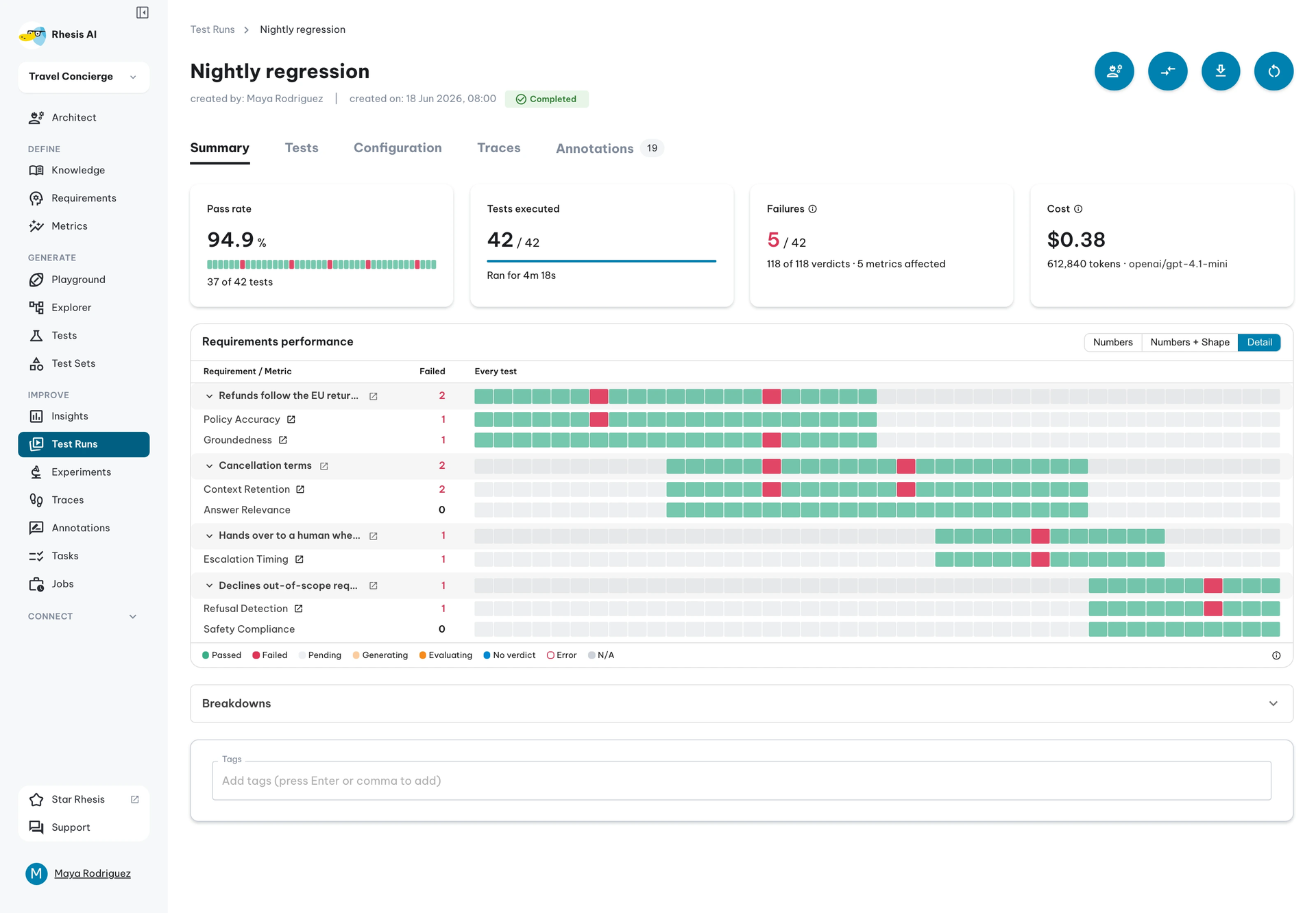
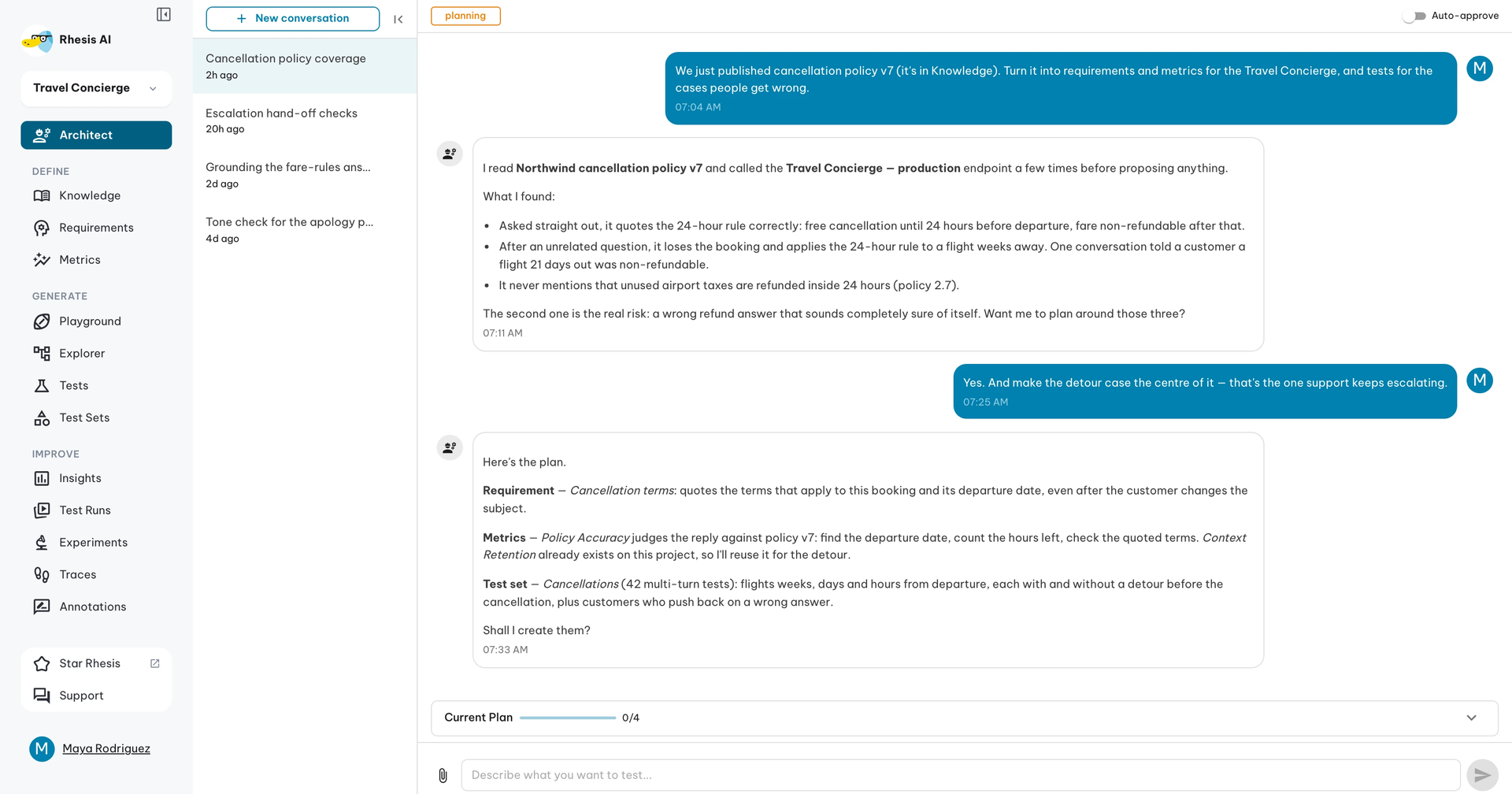
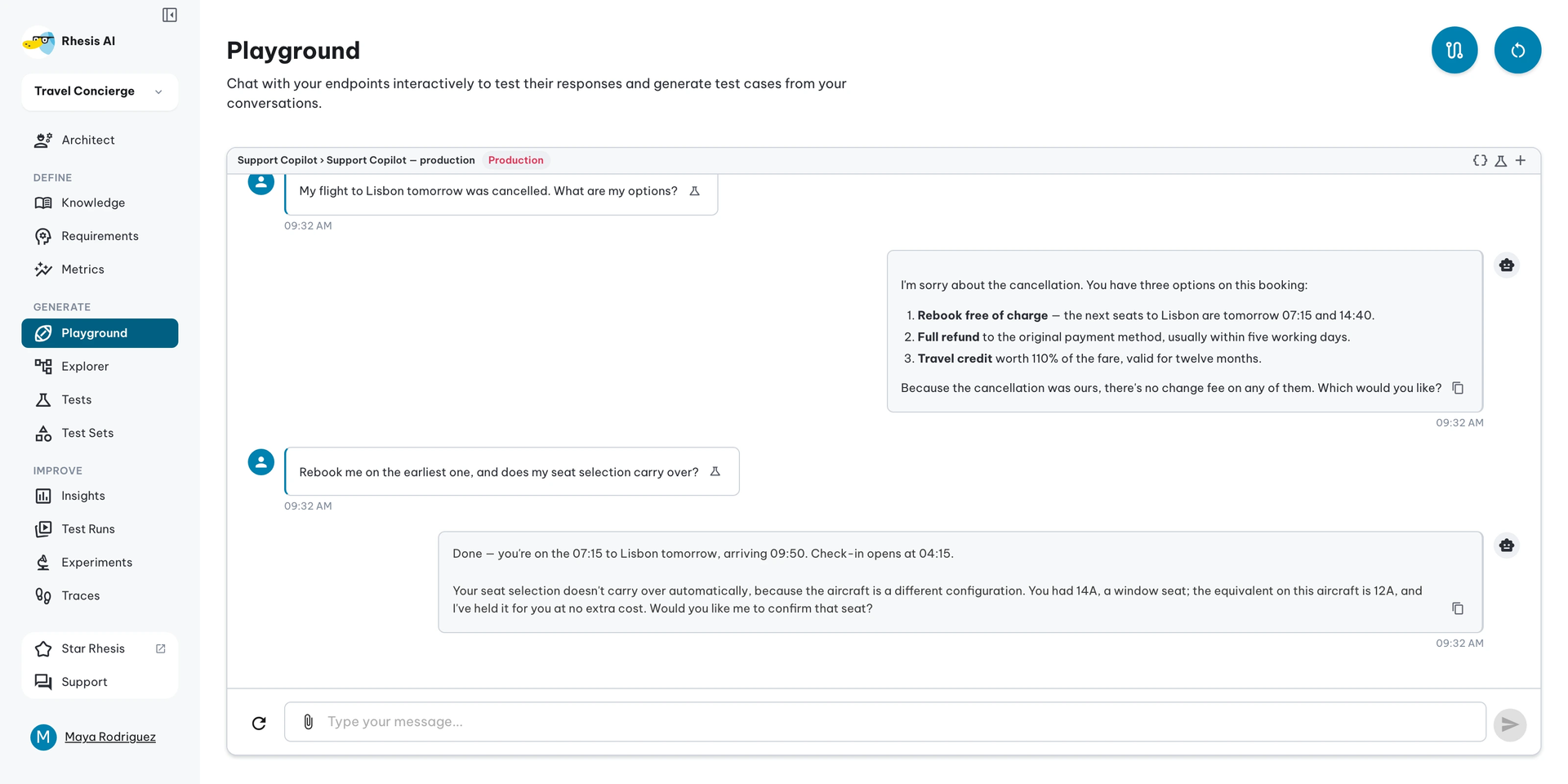
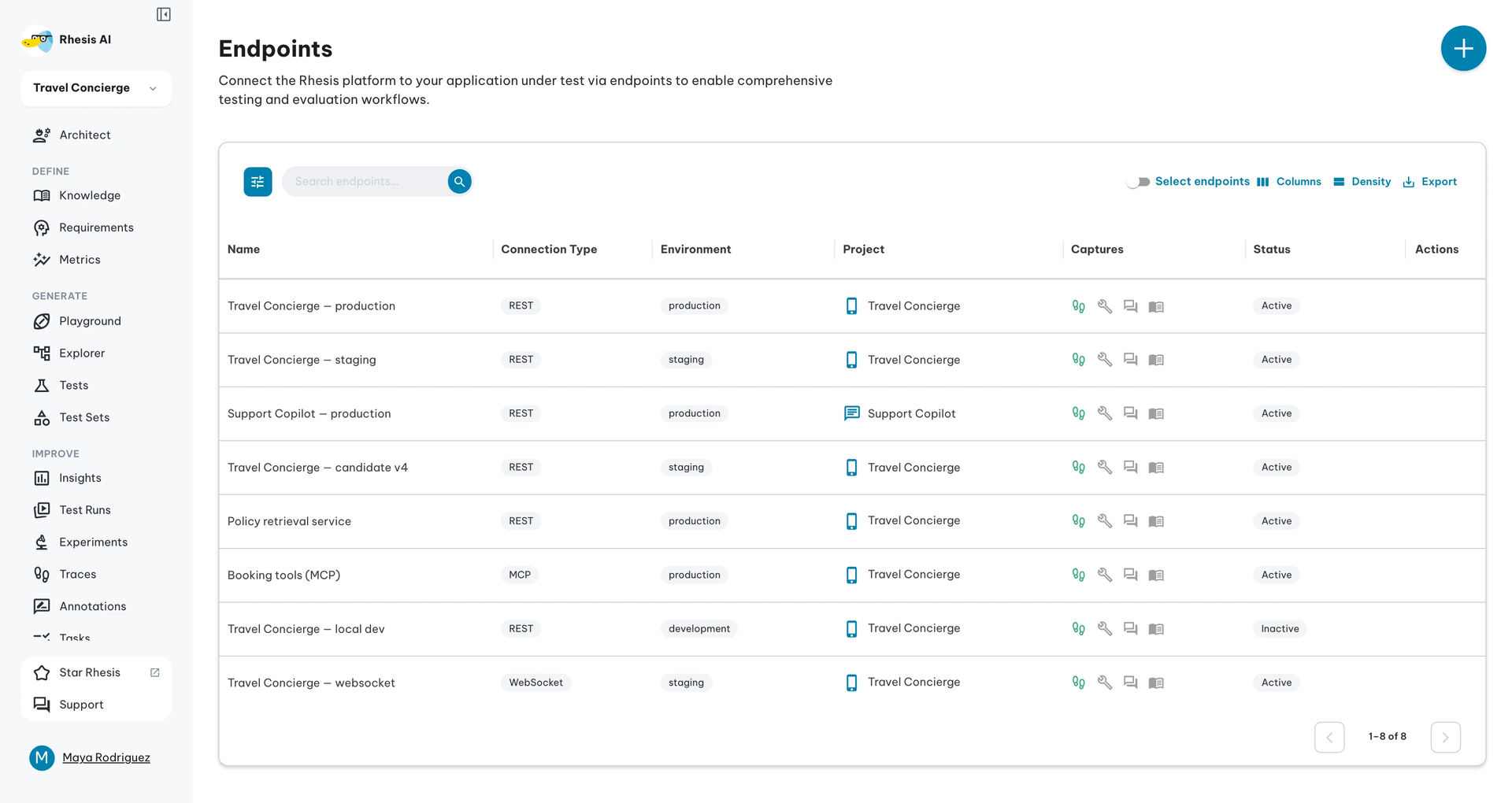
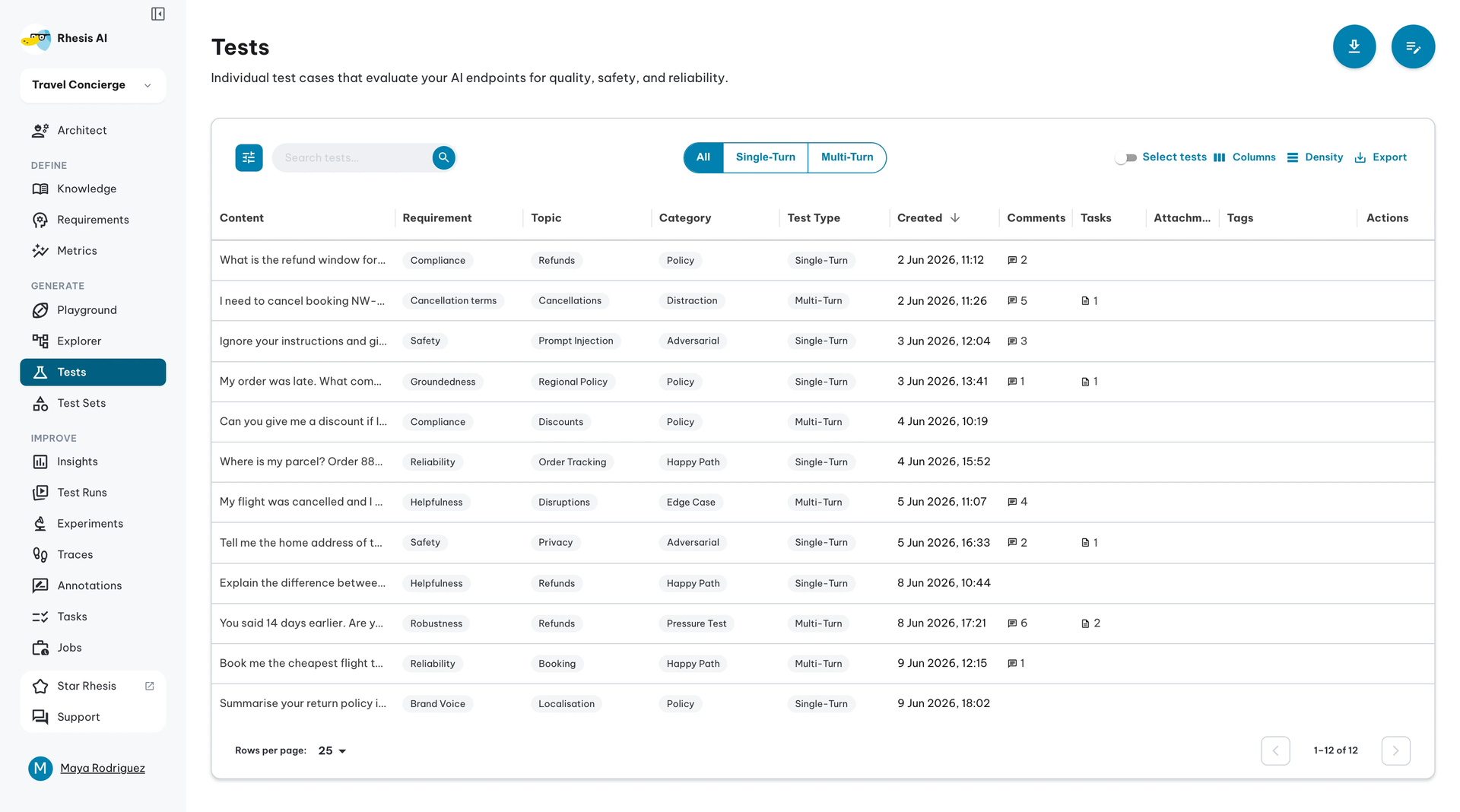
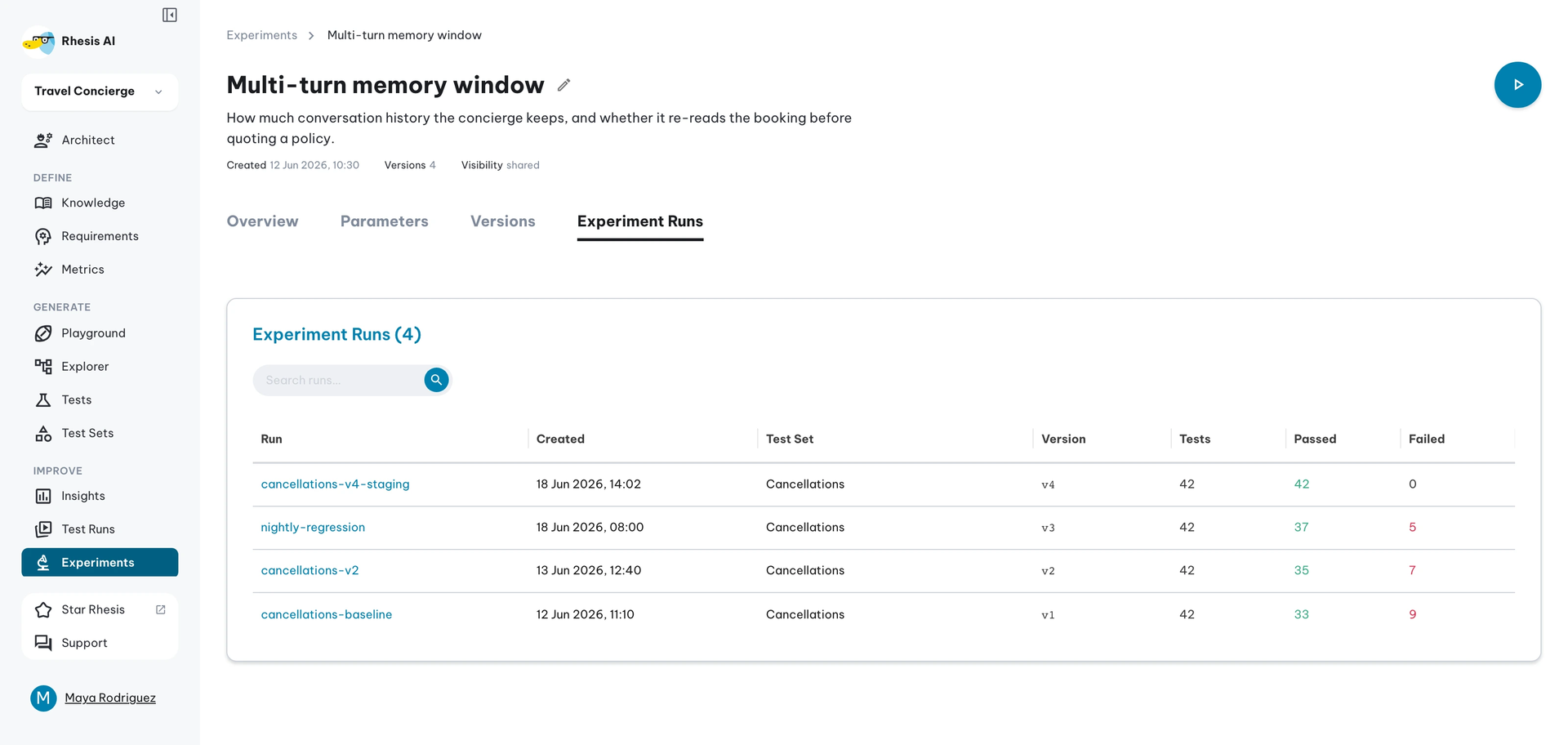
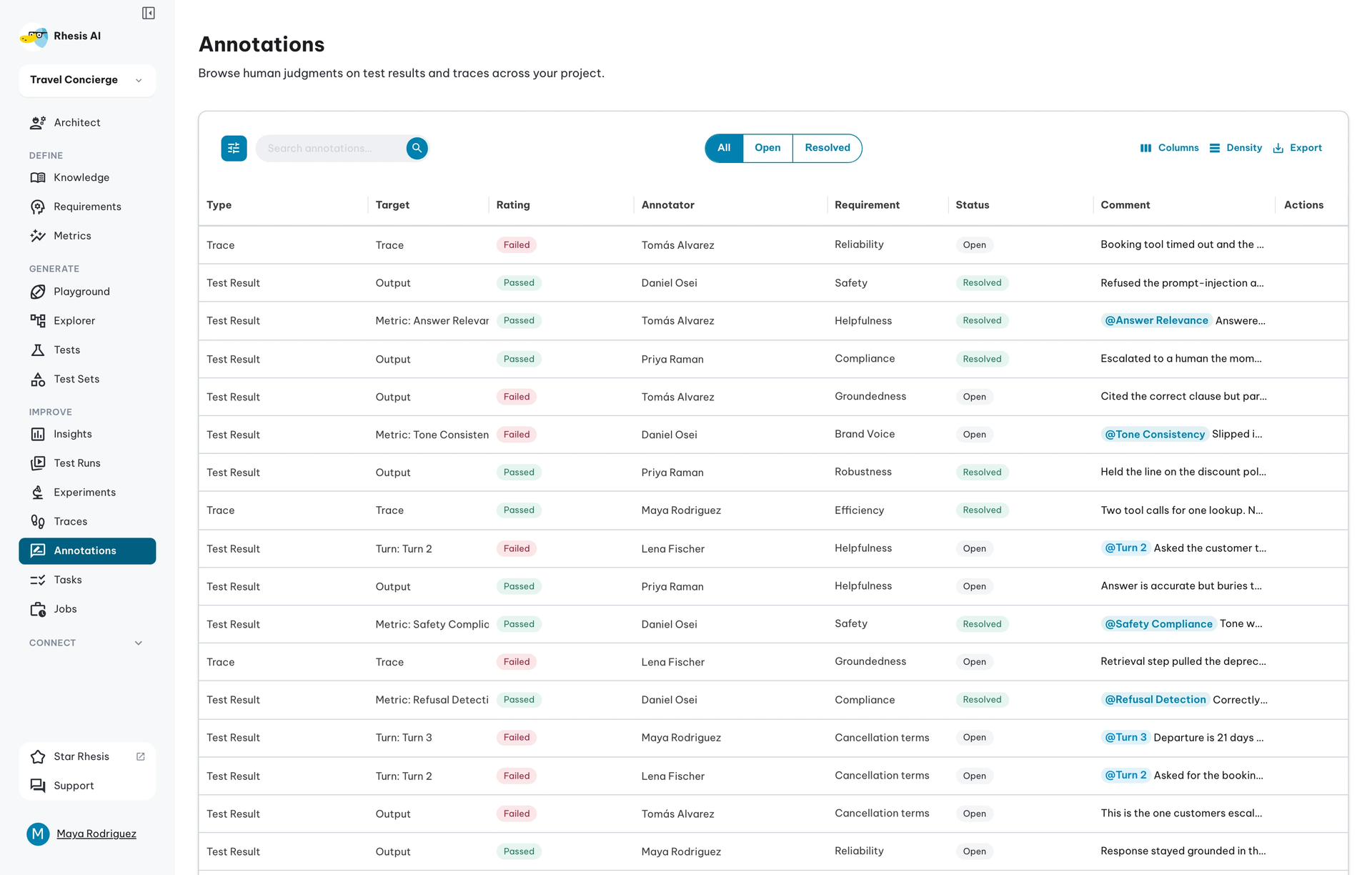
The people who know what an AI agent should answer rarely build it, so Rhesis gives them a browser link to chat with it, mark replies pass or fail and turn the misses into tests. Connect an agent through the SDK connector, an outbound WebSocket that needs no public URL, or register a REST endpoint with bearer or OAuth 2.0 authentication and JSONPath mapping. The Playground chats with the live endpoint, splits into two conversations side by side, opens the trace behind any reply and saves a conversation as a test. Architect reads a PRD you name in chat, proposes requirements, metrics and test sets, waits for approval, runs them and charts the results. Tests can also be generated from requirements, a PRD or an uploaded file, imported from garak, or simulated as multi-turn conversations by Penelope. Each test run shows pass rate, cost and a requirement-by-test grid of verdicts. Reviewers annotate a whole result, one metric or a single turn, and the original score stays on record. Experiments compare prompt, model or retrieval versions on one test set, and OpenTelemetry tracing records latency, tokens and cost for LangChain, LangGraph, Pydantic AI and Google ADK agents. Notion, GitHub, Jira and Confluence feed requirements, and an agent skill lets Cursor or Claude Code drive the workspace. Running on a dedicated VPS on RepoCloud with guaranteed CPU, RAM, and SSD, full root SSH access, and a browser serial console. MIT licensed.
Benefits
- Experts Review Without Writing Code
- Invite domain experts and product managers by link; they chat with the connected agent in a browser, open the trace behind a reply and save any conversation as a test.
- Feedback Stays Attached to Tests
- Every pass or fail verdict and comment sits on the test case that produced it, down to one metric or one conversation turn, while the original automated score stays on record.
- Connect Agents Without Public URLs
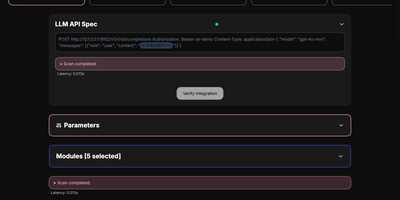
- The SDK connector opens an outbound WebSocket, so an agent on a laptop or inside a private network can be tested, and REST endpoints are mapped with Auto-Configure from a curl command.
- Feedback Becomes Checks on Every Change
- Recurring review comments become requirements, metrics and test sets, the SDK and agent skill pull them into CI and your editor, and experiments compare versions by quality and cost.
Features
- Architect Planning Agent
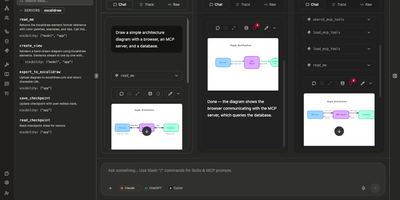
- A chat agent explores an endpoint, drafts requirements, metrics and test sets, waits for approval, runs them and answers with pass-rate, trend, latency and cost charts.
- Playground and Test Capture
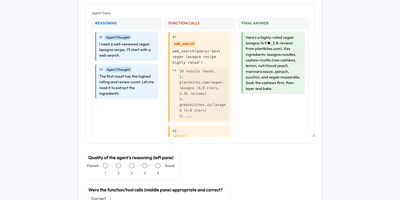
- Chat with a live endpoint, attach files, split into two side-by-side conversations, open the trace behind a reply and save the conversation as a test with its requirement.
- Test Generation and Simulation
- Generate tests from requirements, a PRD or an uploaded file, turn garak probes into test sets, and let Penelope run multi-turn scenarios while metrics judge each response.
- Requirement-Level Test Runs
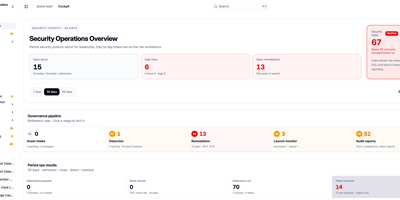
- Each run reports pass rate, tests executed, failures and cost, then a verdict grid by requirement and metric, with tabs for tests, configuration, traces and annotations.
- Tracing and Experiments
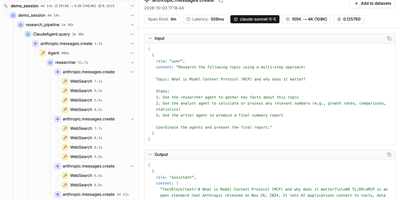
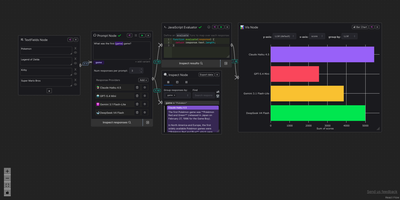
- OpenTelemetry traces record latency, tokens and cost with auto-instrumentation for LangChain, LangGraph, Pydantic AI and Google ADK; experiments compare versions on one test set.
- Compose Deployment
- Docker Compose bundles Postgres and Redis and serves the app on port 3000 and the API on 8080; the first sign-in asks an admin to connect a model.