Categories
Self-Hosted Developer Tools Security Networking Utilities Home Lab PKI Certificate AuthorityStars
Forks
Watchers
Developer links
LocalCA
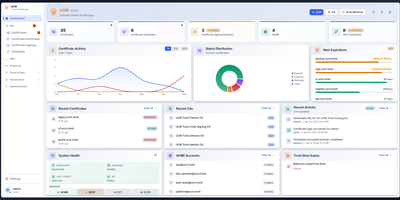
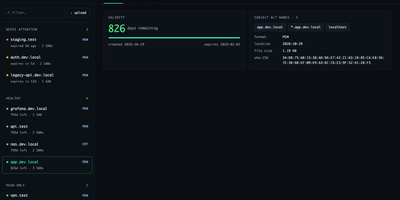
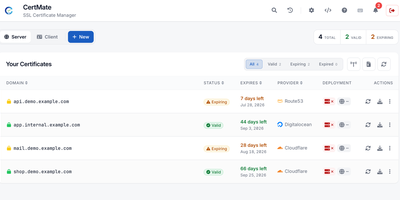
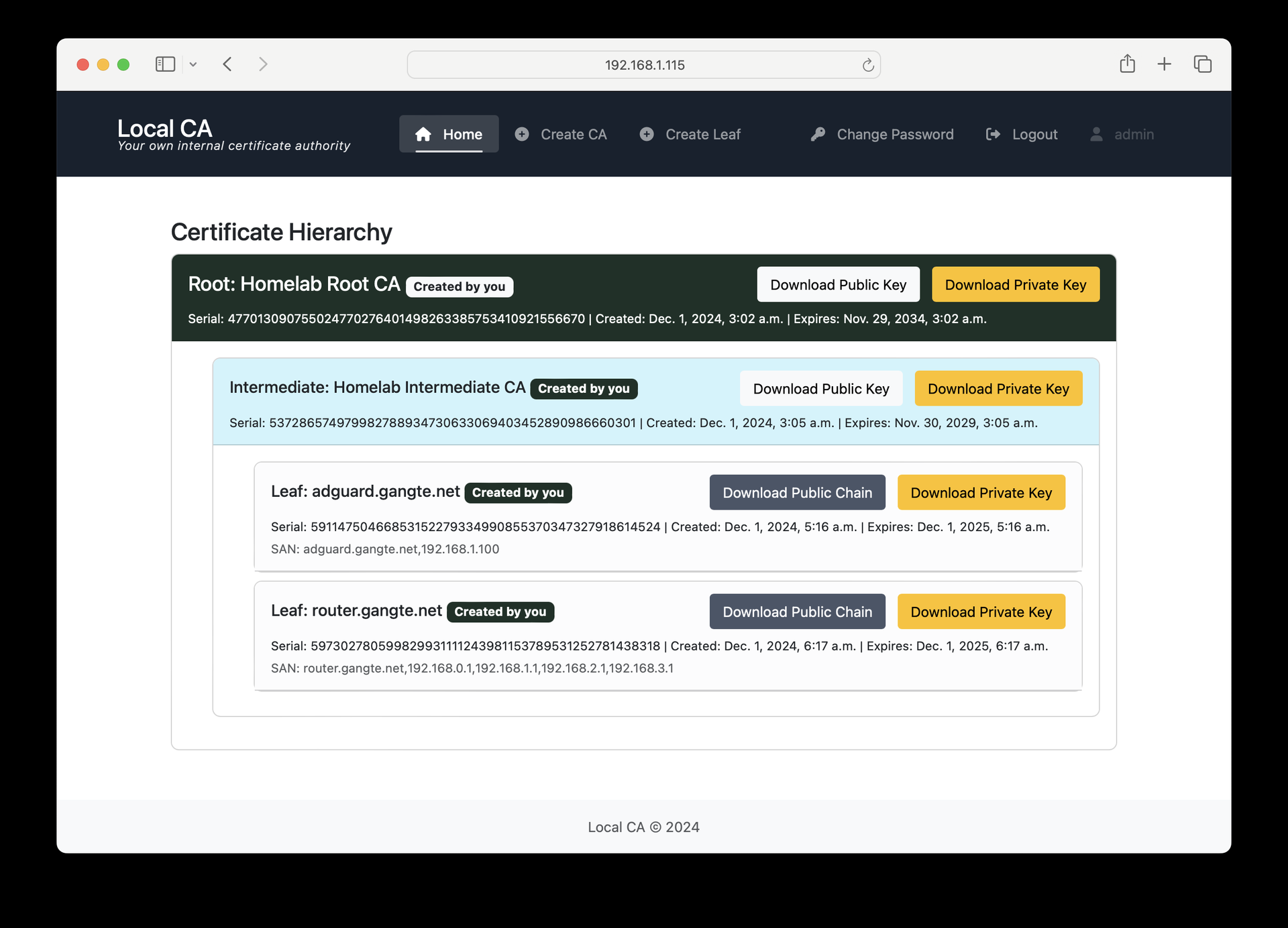
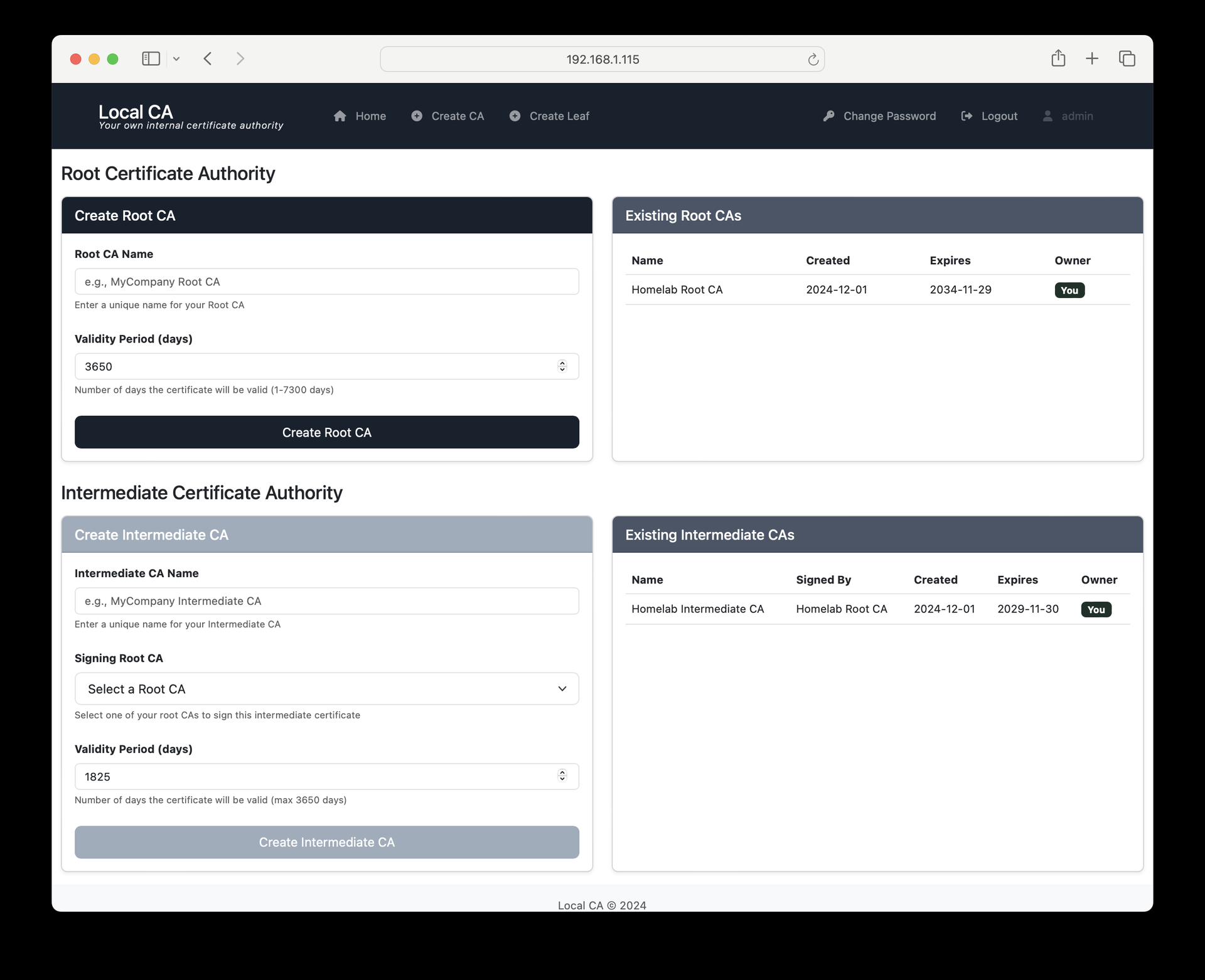
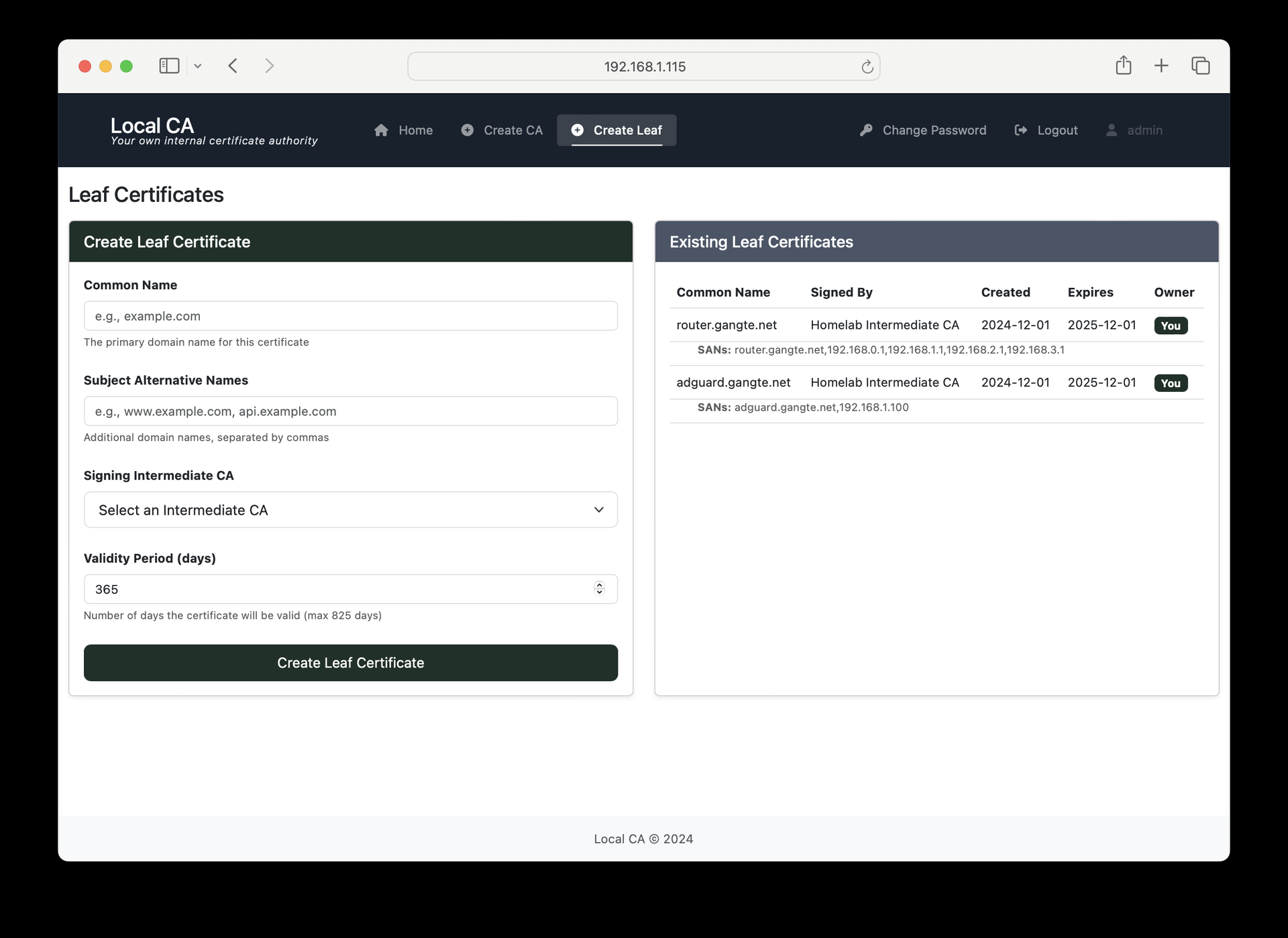
Your internal services deserve padlocks that browsers actually trust, and LocalCA is a small certificate authority you run yourself to issue them. From the web interface you create a self-signed root, install it once on your browsers and client devices, and then mint intermediate and leaf certificates underneath it for each service you host. Proxmox, Pi-hole, Jellyfin, Grafana, and the rest of a homelab stop showing insecure warnings and start presenting certificates your devices accept. The root can carry your own name, so the trust store shows your branding rather than a generic authority. Issued certificates also serve mutual TLS setups, where clients present certificates of their own before a service lets them in. Deployment stays deliberately small: a Docker Compose file brings the application up, ARM images cover Raspberry Pi class hardware, and a configurable time zone keeps expiry timestamps readable for your region. A reverse proxy path prefix is supported for placing the interface behind Traefik or Nginx at an address like /localca. Treat the instance as internal infrastructure, because issued private keys live in its database: keep it on a private network, change the default administrator password immediately, and restrict access to the host. Running on a dedicated VPS on RepoCloud with guaranteed CPU, RAM, and SSD, full root SSH access, and a browser serial console. AGPL-3.0 licensed.
Benefits
- Trusted Internal HTTPS Everywhere
- One installed root certificate lets every internal service present HTTPS that browsers accept, ending insecure warnings across dashboards, admin panels, and homelab applications without public domain requirements.
- Full Certificate Hierarchy Control
- Root, intermediate, and leaf certificates are created and downloaded from one web interface, so you structure trust deliberately instead of scattering unrelated self-signed certificates across machines.
- Mutual TLS Made Practical
- The same authority issues client certificates for mutual TLS, letting internal APIs and services verify connecting devices and users before any application data is exchanged.
- Lightweight Docker Deployment
- A prebuilt image and Compose file start the authority in minutes on x86 or ARM hardware, with reverse proxy and time zone options for tidy internal placement.
Features
- Root CA Creation
- Generate a self-signed root authority with a name you choose, then install it once per browser or device as the trust anchor.
- Intermediate And Leaf Issuing
- Build intermediate authorities and end-user certificates beneath the root, and download each certificate directly from the web interface.
- Web Management Interface
- A Django and Bootstrap interface handles creation and download flows without command line certificate tooling or manual OpenSSL configuration files.
- Reverse Proxy Support
- The URL_PREFIX setting and CSRF origin configuration allow deployment behind Traefik or Nginx under a custom path at /localca.
- ARM Image Builds
- Dedicated ARM Docker files cover Raspberry Pi and Apple Silicon hosts, matching the x86 deployment for small always-on hardware.