Categories
Self-Hosted Developer Tools Open Source AI Machine Learning Data Science Annotation Data LabelingStars
Forks
Watchers
Developer links
Label Studio
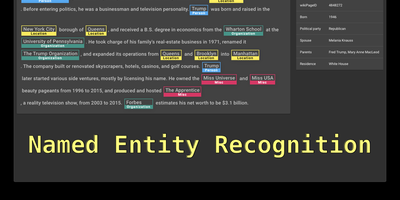
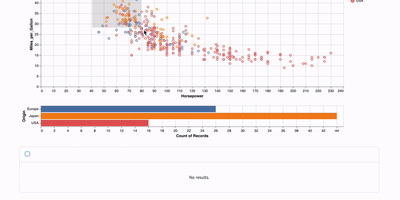
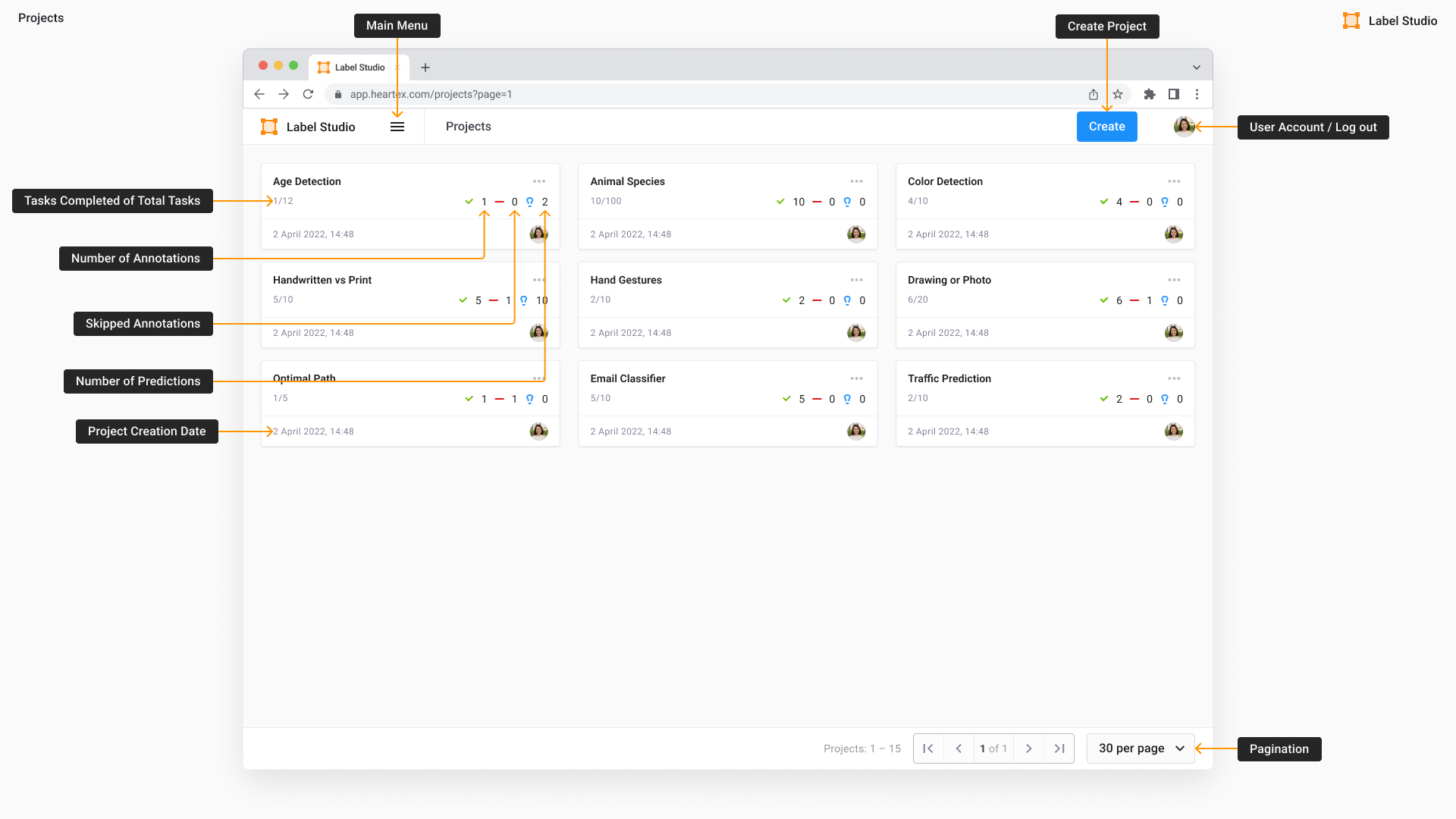
Images, text, audio, video, HTML, PDFs, and time series, labeled in one tool with a standardized output format: Label Studio is the open-source data labeling platform for building training datasets. Computer vision tasks cover classification, object detection (boxes, polygons, ellipses, keypoints), and semantic segmentation; audio work spans transcription, speaker diarization, and emotion recognition; NLP handles named entity recognition and document classification with taxonomies up to 10,000 classes; and GenAI workflows support LLM fine-tuning data and RLHF response ranking. Labeling interfaces are fully configurable with an XML-like templating language, so the UI matches the task instead of the reverse. The ML backend SDK turns any model into a connected web server for pre-annotation (model predicts, humans verify), interactive labeling (real-time predictions as annotators draw regions or highlight text), and model evaluation - cutting annotation time dramatically on large datasets. Data imports from S3, GCS, or file uploads; the Data Manager filters and explores tasks; exports convert to the format your ML library expects via label-studio-converter. Multi-user accounts tie every annotation to its author, and webhooks, a Python SDK, and REST API embed labeling into any pipeline. Self-hosting keeps proprietary training data - often a company's most sensitive asset - entirely on your infrastructure.

Benefits
- Training Data Never Leaves
- Proprietary datasets - often the crown jewels of an ML effort - stay on your infrastructure instead of a labeling vendor's cloud.
- Models Label, Humans Verify
- ML backend pre-annotation turns labeling from creation into review, multiplying annotator throughput on large datasets.
- One Tool, Every Modality
- Images, text, audio, video, and time series share one platform, one output format, and one workflow instead of five separate tools.
- Interfaces Shaped to the Task
- Configurable templates build exactly the labeling UI each project needs, from bounding boxes to RLHF response ranking.
Features
- Multi-Type Annotation
- Images, text, audio, video, HTML, PDF, and time series with a standardized JSON output.
- ML Backend Integration
- SDK wraps any model for pre-annotation, interactive labeling, and evaluation loops.
- Configurable Templates
- XML-like configs define custom labeling interfaces per task, up to 10,000-class taxonomies.
- Cloud Storage Sync
- Label data directly from S3 and GCS, or import JSON, CSV, and archives.
- Data Manager
- Advanced filtering and exploration to prepare, slice, and assign datasets.
- Pipeline APIs
- REST API, Python SDK, webhooks, and format converters embed labeling in any ML workflow.