Stars
Forks
Watchers
Developer links
Tryton
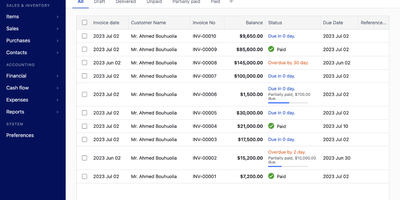
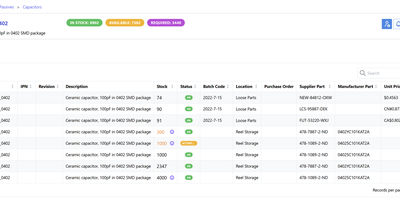
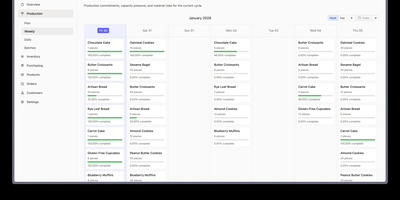
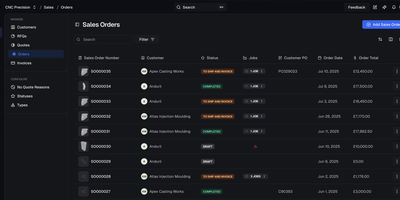
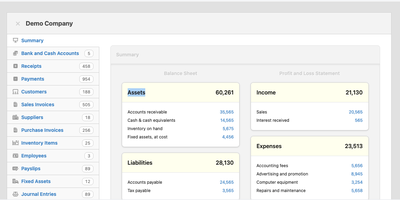
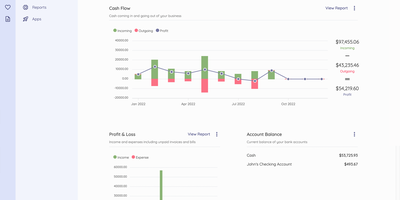
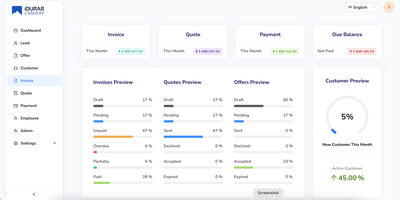
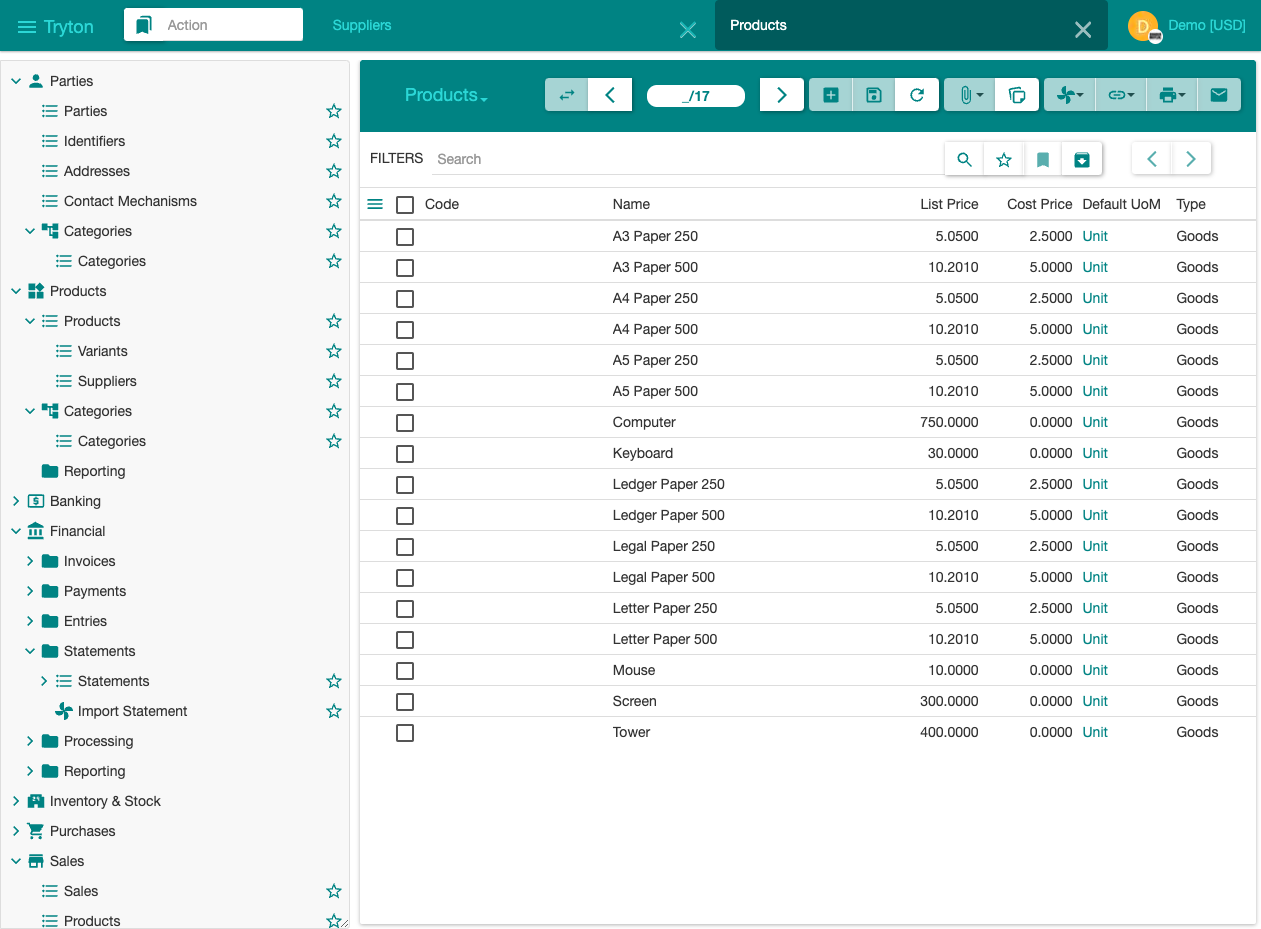
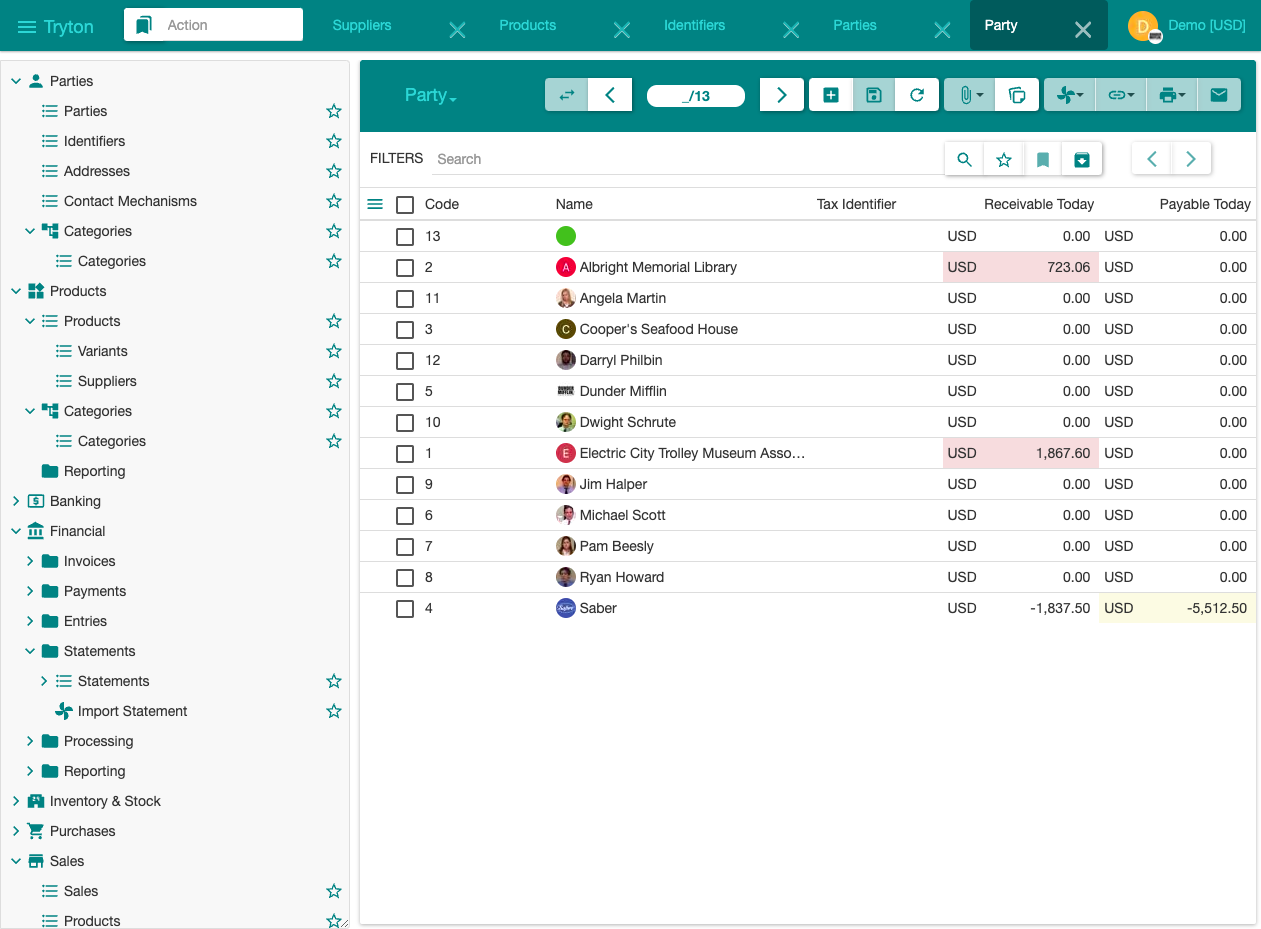
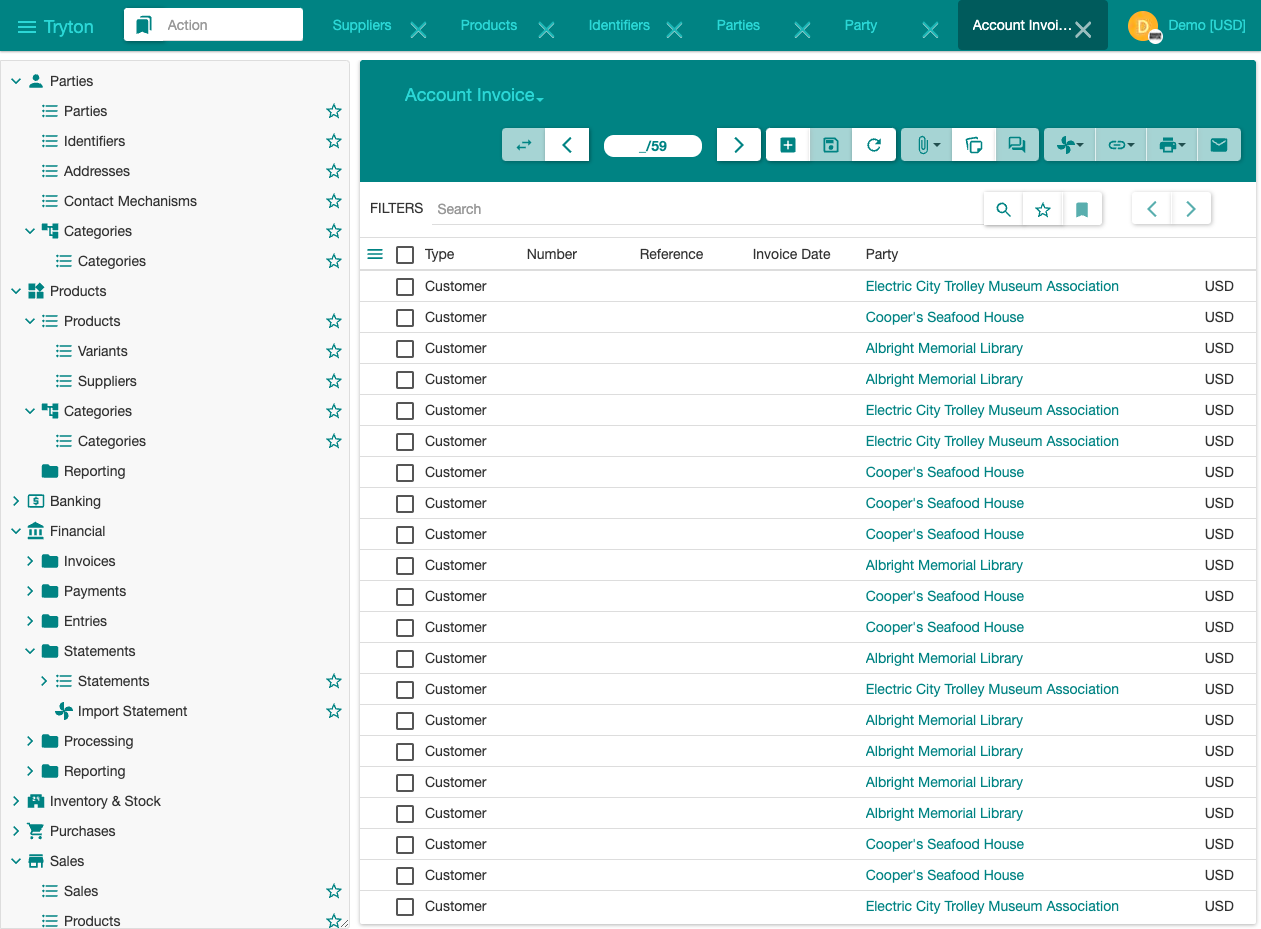
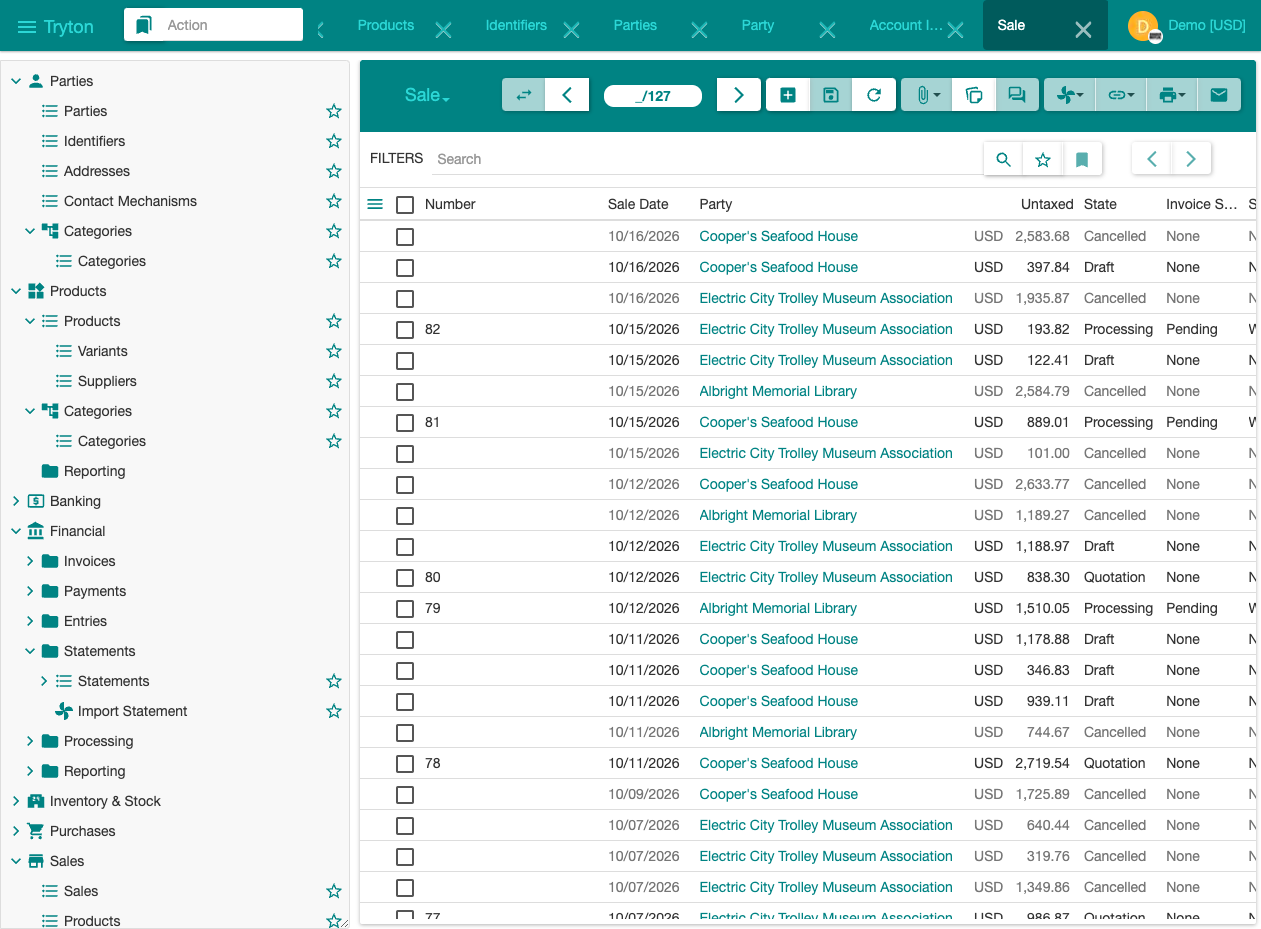
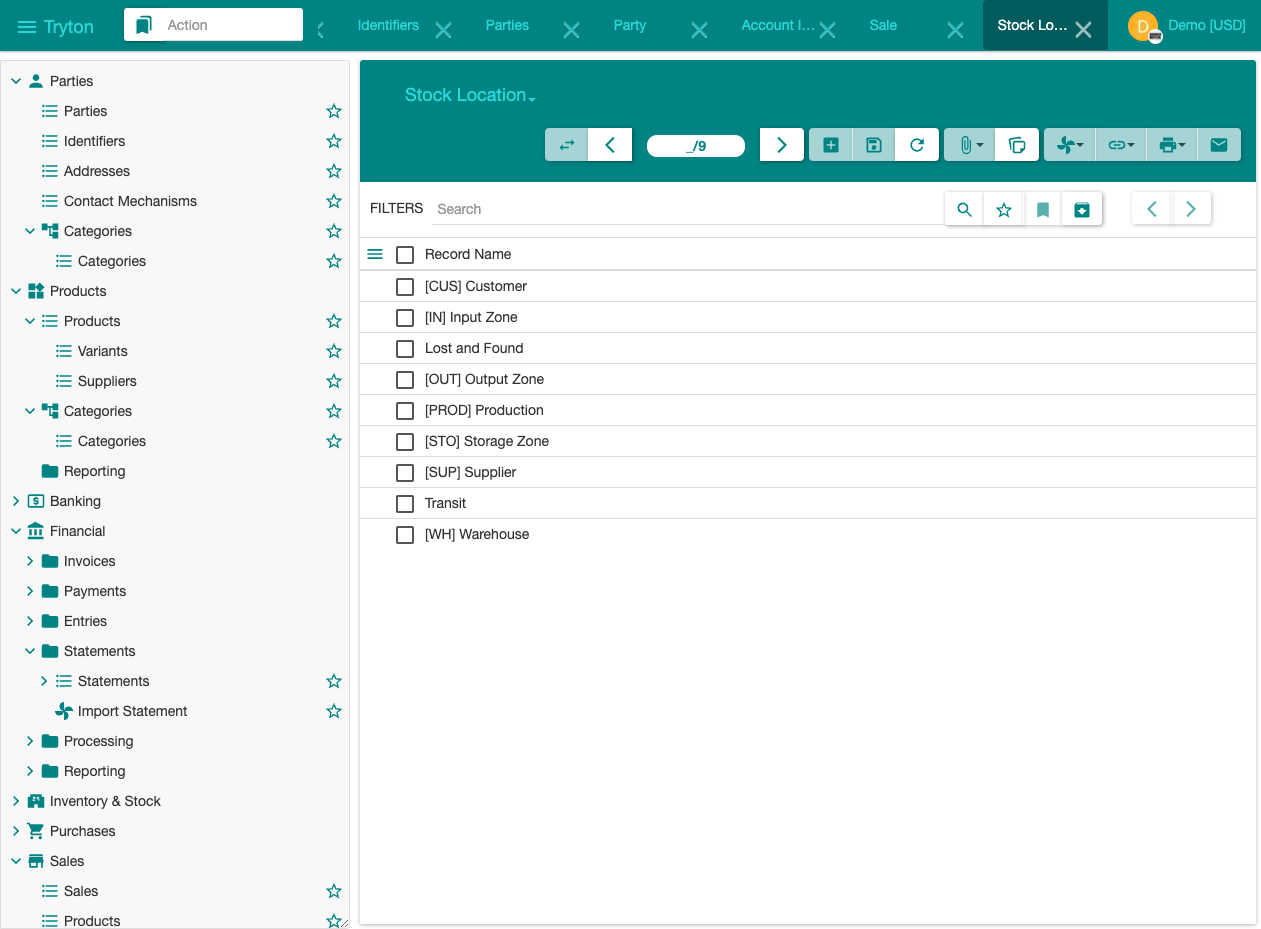
In Tryton, an invoice knows its shipment and a production order knows its stock, since accounting, inventory, purchasing, and sales are modules of one ERP rather than separate programs exchanging exports. Financial accounting posts customer and supplier invoices, reconciles bank statements imported from SEPA or configured CSV formats, manages dunning and direct debits, and produces Factur-X electronic invoices, while analytic accounting splits results across cost centers. Stock tracks goods through warehouses and locations with lots, shipments, inventories that warn when counts drift beyond tolerance, and automatic period closing, and production consumes bill-of-material inputs into finished goods with quantity checks. Sales quotations become orders, shipments, and invoices without retyping; purchases calculate real supplier lead times; point of sale records lot numbers at the till; subscriptions bill recurring services on schedule. Multi-company installations share the same database with per-company wizards, tax rules can be defined per organization for European trade, and parties, products, carriers, currencies, and customs duties are managed as shared reference data. Access happens through the browser web client, a desktop client, or scripting and REST libraries, so integrations read and write the same business objects your staff see. Running on a dedicated VPS on RepoCloud with guaranteed CPU, RAM, and SSD, full root SSH access, and a browser serial console. GPL-3.0-or-later licensed.
Benefits
- Modules That Share One Truth
- Accounting, stock, production, sales, and purchasing are official modules over one data model, so an invoice knows its shipment and a production order knows its stock, eliminating reconciliation between separate tools.
- Accounting Depth Included
- General and analytic accounting, SEPA payments and direct debits, dunning, bank statement import with configurable CSV mapping, and Factur-X e-invoicing cover the daily finance workload of a trading business.
- Warehouse And Production Control
- Locations, lots, shipments, and inventories with tolerance warnings track physical goods, while bills of material and production orders transform raw materials into finished products with deviation checks.
- Clients For Every Workflow
- Staff work in the browser web client or desktop client, point of sale handles counter sales with lots, and scripting plus REST clients let external systems operate the same business objects.
Features
- Three-Tier PostgreSQL Architecture
- The trytond application server holds business logic and connects to PostgreSQL, while presentation happens in web, desktop, console, or REST clients that can be deployed independently.
- Multi-Company By Design
- Several companies share one installation with company-scoped wizards for invoicing and dunning, per-organization tax rules, and shared parties, products, and currencies as reference data.
- Recurring And Retail Sales
- Sale subscriptions generate invoices and consumptions on schedule, rentals manage hired assets, and the point of sale module records stock lots directly on sale lines.
- Project And Time Tracking
- Project management checks profitability against timesheets and attendance, while commission modules calculate sales agent earnings from the same sales documents accountants reconcile.
- Extensible Module Ecosystem
- Official modules install from PyPI alongside the server, and a curated directory of third-party modules extends Tryton, with series upgrades supported for a year per release.