Stars
Forks
Watchers
Developer links
ERPNext
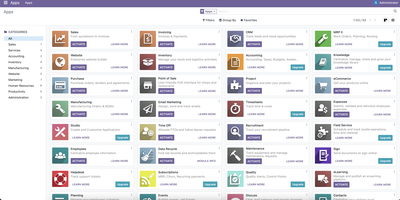
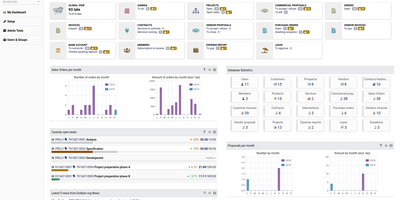
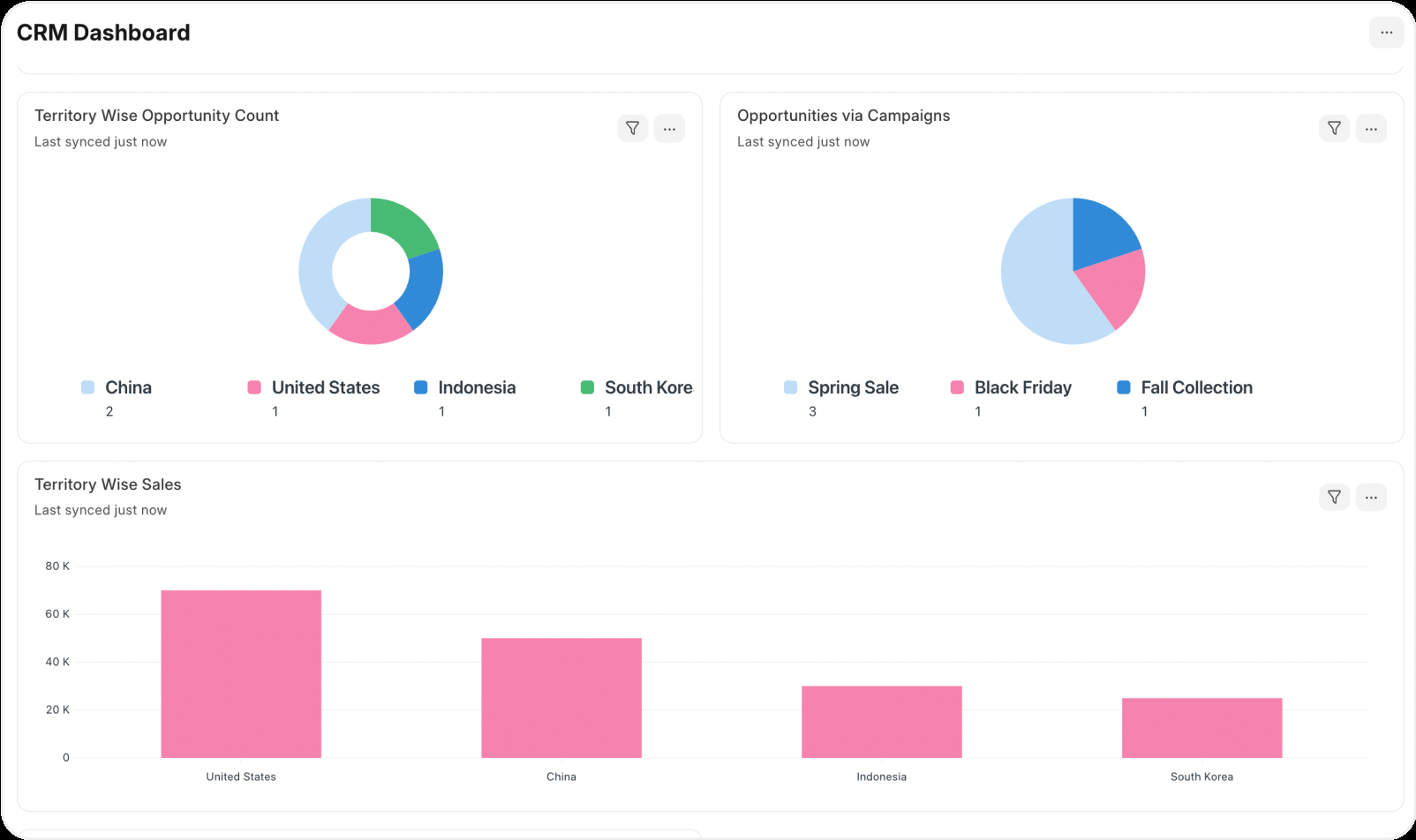
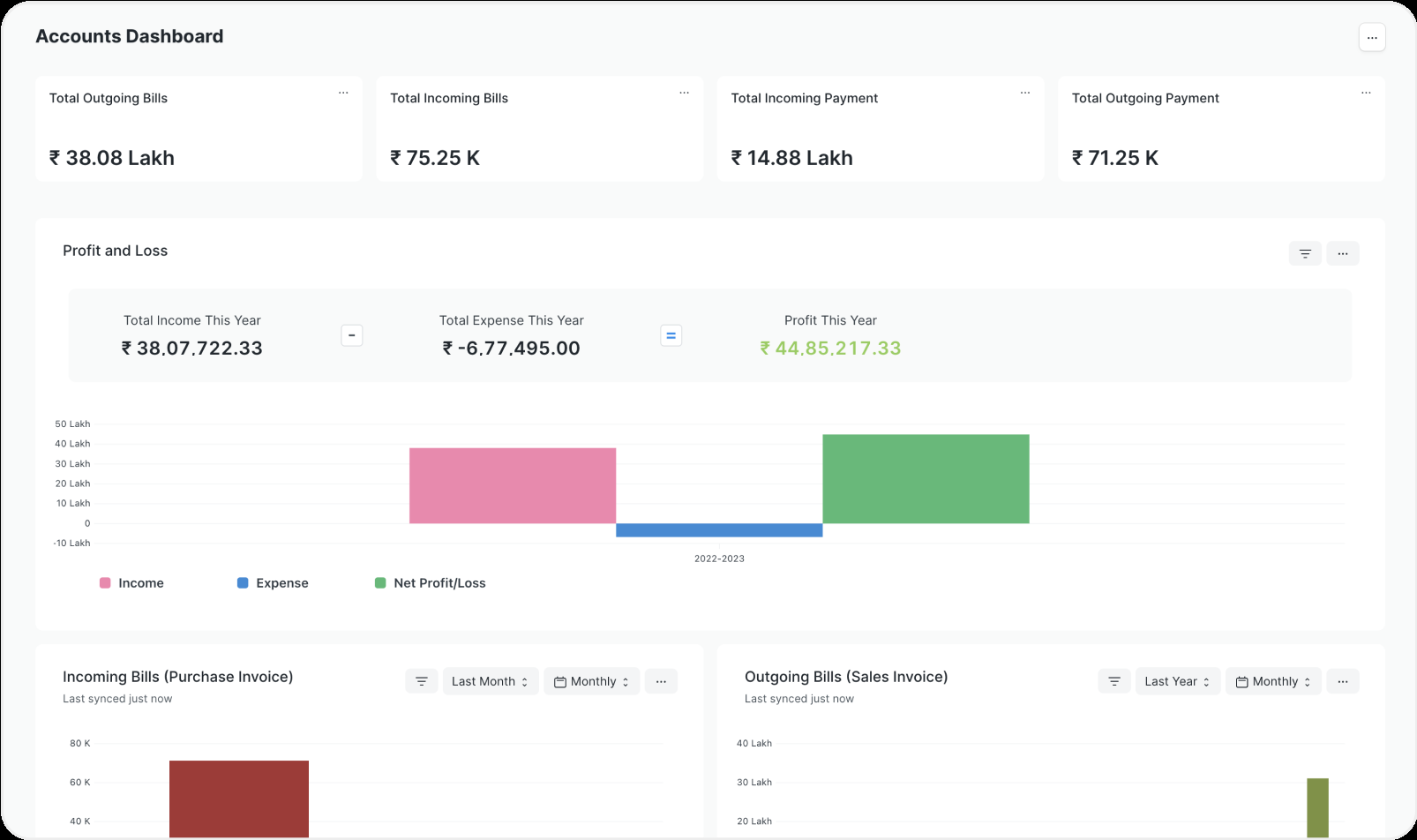
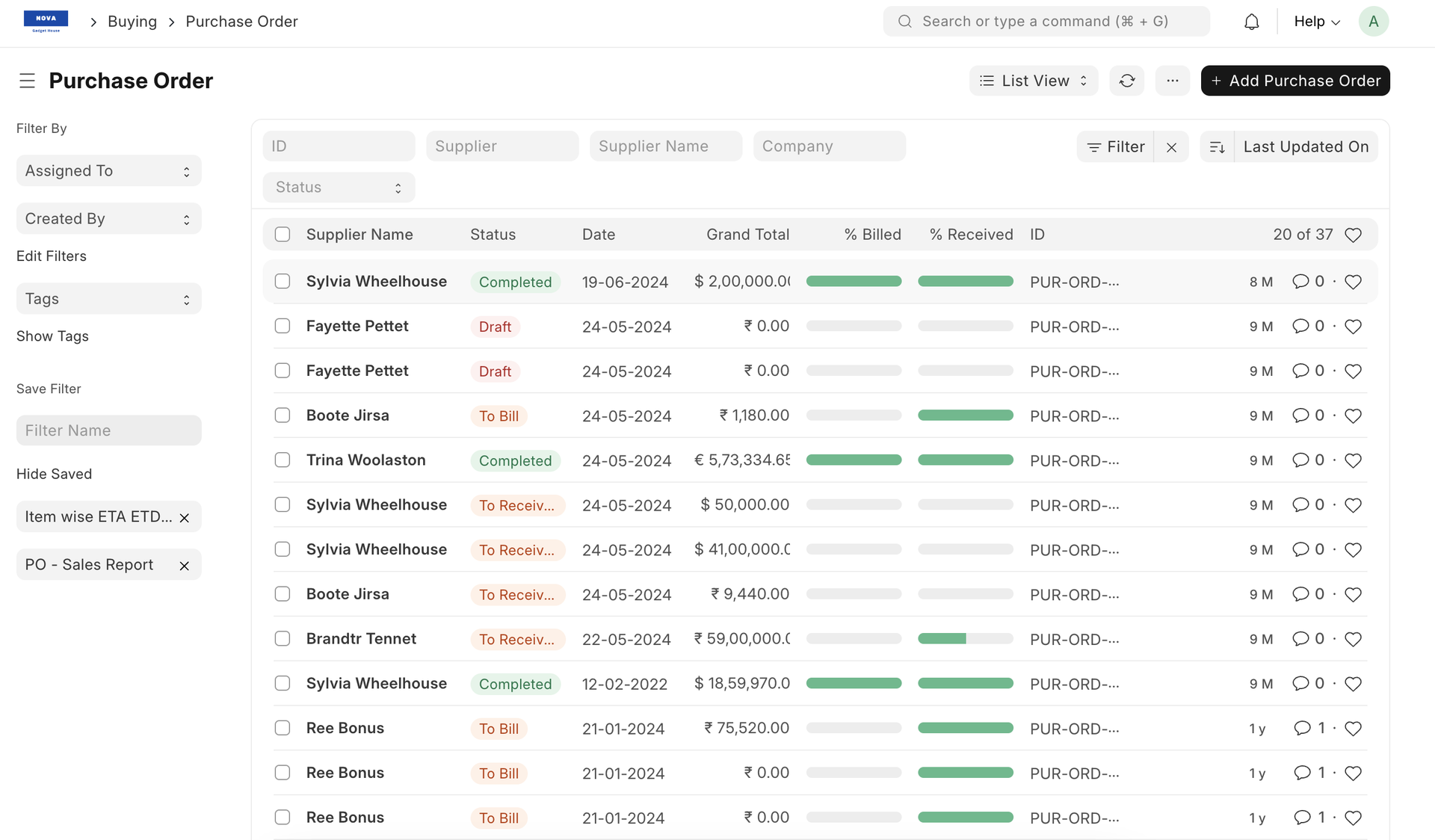
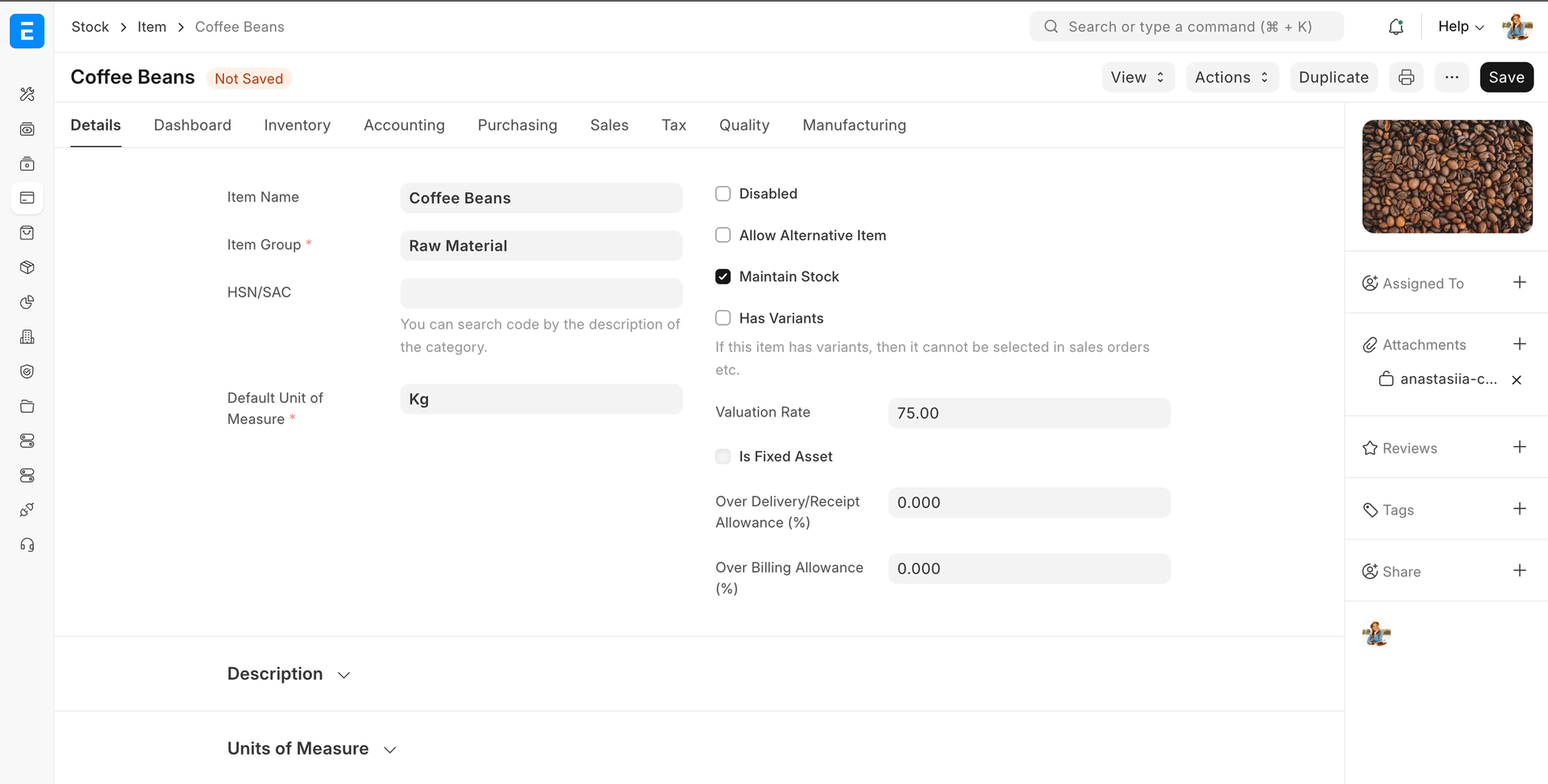
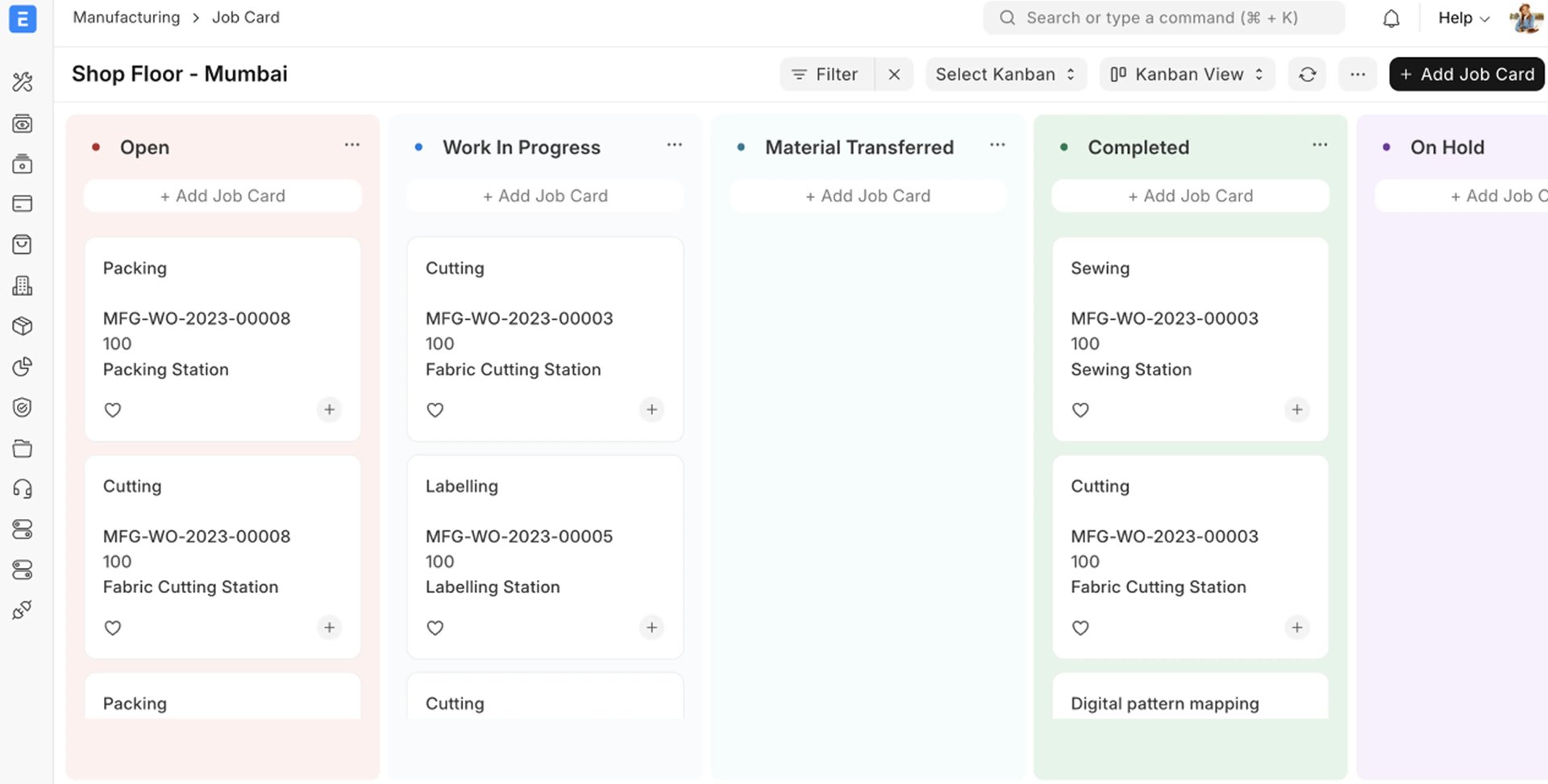
With over 37,800 GitHub stars and active development since its first release in 2008, ERPNext is the most-starred open-source ERP system — delivering accounting, inventory management, manufacturing, CRM, project tracking, asset management, HR, and point-of-sale capabilities through a unified web interface built on the Frappe Framework's metadata-driven architecture. The accounting module handles multi-company consolidation, multi-currency transactions, tax templates for GST and VAT, bank reconciliation, and automated journal entries with real-time profit and loss, balance sheet, and cash flow reporting. Manufacturing covers production planning with multi-level bill of materials, work order scheduling, capacity planning, subcontracting, and quality inspection at each production stage. Inventory tracks stock across multiple warehouses with batch and serial number tracing, automatic reorder levels, landed cost calculations, and perpetual inventory valuation using FIFO or moving average methods. The CRM module manages leads, opportunities, and customer communication with email integration, while project management tracks tasks, timesheets, and Gantt-based scheduling with budget controls. Custom applications extend functionality through the Frappe ecosystem without forking the core codebase, and the REST API enables integration with payment gateways, shipping providers, and third-party services. Deployable via Docker Compose or the bench CLI tool with MariaDB and Redis. Running on a dedicated VPS on RepoCloud with guaranteed CPU, RAM, and SSD, full root SSH access, and a browser serial console. GPL-3.0 licensed.
Benefits
- Integrated Multi-Module ERP Suite
- Accounting, inventory, manufacturing, CRM, projects, assets, and HR operate from a single database with shared master data — eliminating data silos and manual synchronization between disconnected systems.
- Metadata-Driven Customization Engine
- The Frappe Framework's DocType system lets administrators create custom fields, workflows, print formats, and reports without writing code, while developers build full custom applications on the same stack.
- Multi-Company Financial Consolidation
- Manage multiple legal entities with inter-company transactions, consolidated financial statements, multi-currency accounting, and country-specific tax templates for GST, VAT, and regional compliance.
- Production Planning with BOM
- Multi-level bill of materials, work order scheduling, capacity planning, subcontracting workflows, and quality inspection at each production stage manage the entire manufacturing lifecycle.
Features
- Double-Entry Accounting
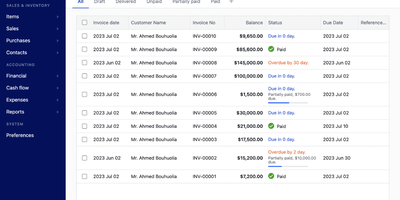
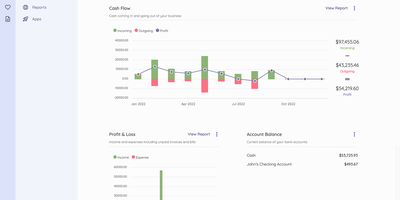
- Chart of accounts, journal entries, bank reconciliation, multi-currency support, automated tax calculations, and real-time financial statements including P&L, balance sheet, and cash flow.
- Inventory and Warehouse Management
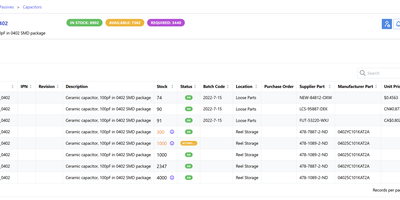
- Multi-warehouse stock tracking with batch and serial number tracing, automatic reorder levels, landed cost allocation, and perpetual valuation using FIFO or moving average methods.
- REST API and Webhooks
- Every DocType exposes CRUD endpoints automatically through the REST API, with webhooks for event-driven integrations with payment gateways, shipping providers, and external services.
- Workflow Automation
- Visual workflow builder defines approval chains, state transitions, email alerts, and assignment rules that automate business processes across purchase orders, leave requests, and expenses.
- Point of Sale Module
- Touch-optimized POS interface with offline capability, barcode scanning, multiple payment methods, customer loyalty programs, and real-time inventory synchronization with the central warehouse.