Stars
Forks
Watchers
Developer links
Swiftwave
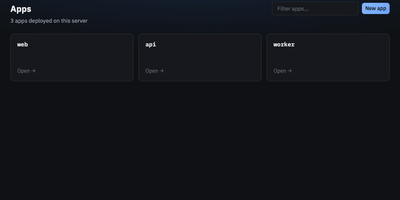
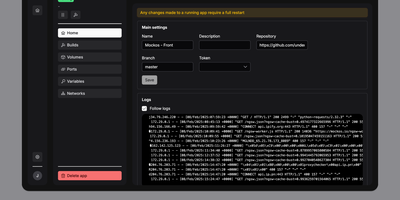
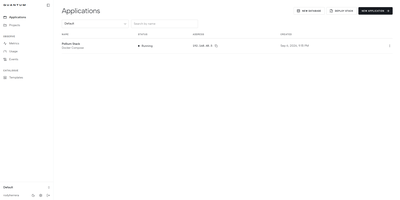
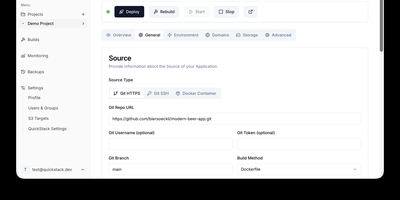
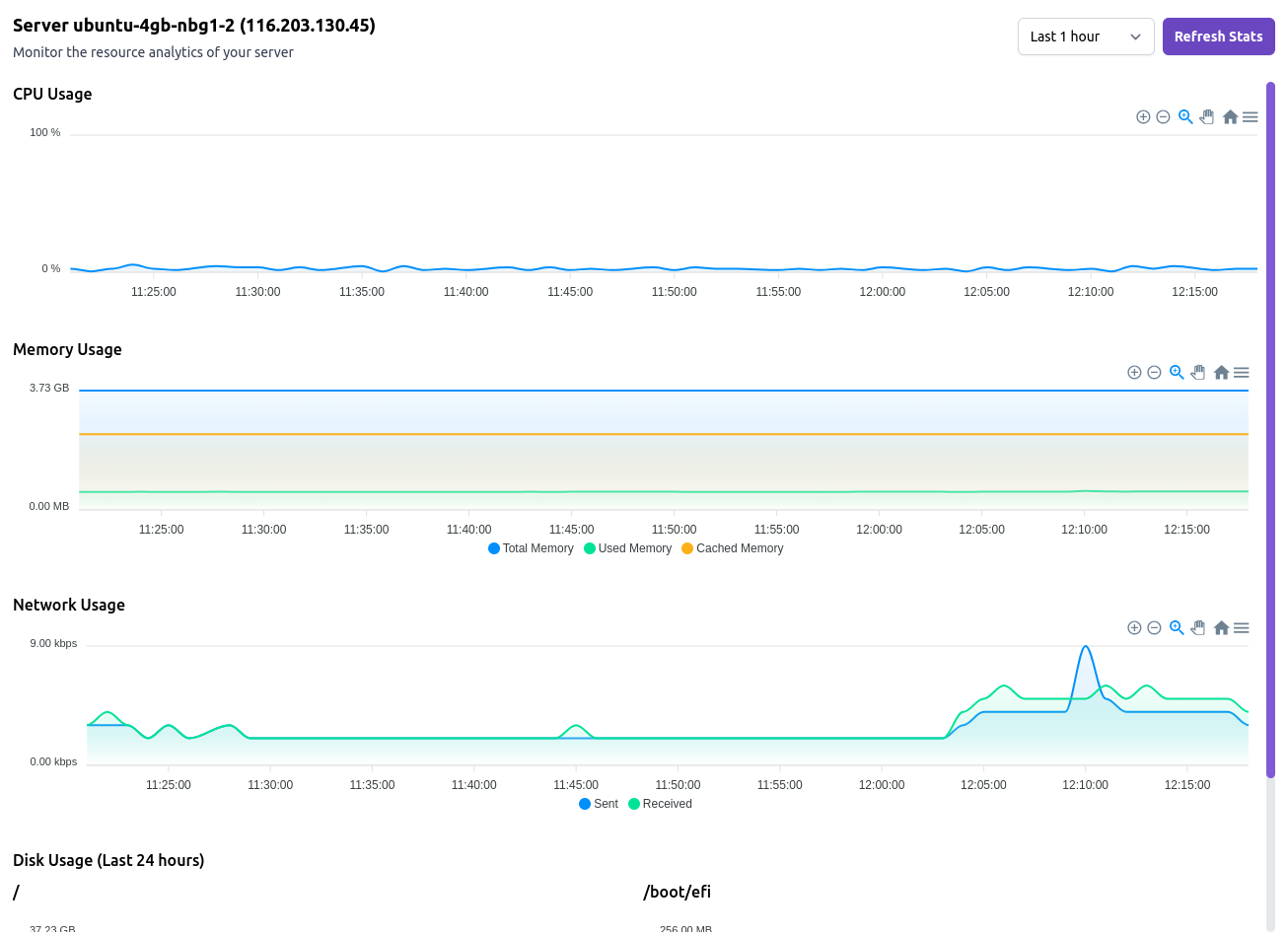
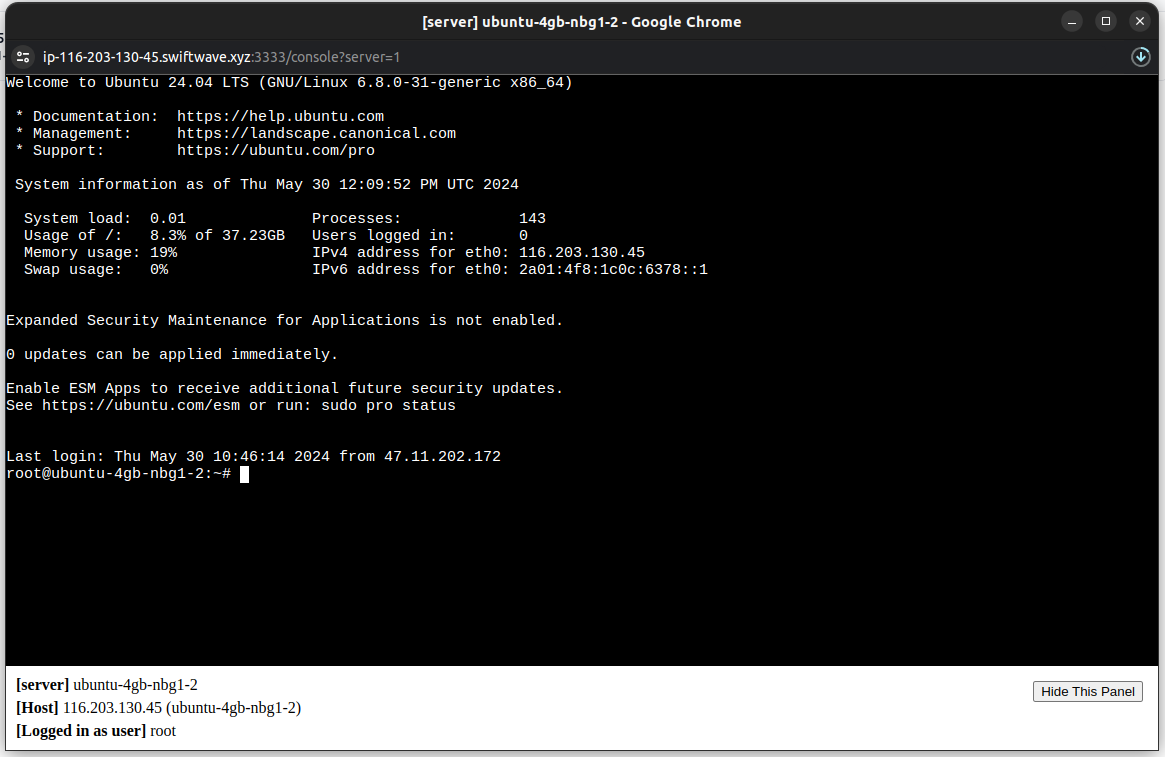
Pick a source, click deploy, and the app is online: Swiftwave turns a Git repository, a Docker image, or an uploaded folder into a hosted application with domains, certificates, and ingress handled for you, skipping the afternoon of YAML and reverse-proxy chores. It detects the language and framework automatically and generates the Docker configuration for projects that lack one. Domains attach with free Let's Encrypt certificates that renew themselves, while managed ingress routes HTTP, HTTPS, TCP, and even UDP traffic to the right containers. An integrated app store turns popular open-source software into fill-in-the-form installations that are ready in minutes. Persistent volumes mount local disks or network shares, and snapshots back them up locally or to S3 for later restoration. When something misbehaves at 2 a.m., the browser-based console opens a shell into any server or application without hunting for SSH keys, and resource monitoring charts CPU, memory, network, and disk across every hosted app. Webhooks redeploy automatically when code changes or a new image lands, and the whole control plane sips resources: the core stack fits in roughly 180 MB of RAM, leaving a 1 GB server room to run three or four real applications. One server runs standalone, or several join a cluster when traffic outgrows a single box. Running on a dedicated VPS on RepoCloud with guaranteed CPU, RAM, and SSD, full root SSH access, and a browser serial console. Apache-2.0 licensed.
Benefits
- Deploy without the ritual
- Git repositories, Docker images, and uploaded folders go online through the dashboard, with Docker configurations generated automatically for projects that do not ship one.
- Featherweight control plane
- The core stack of Swiftwave, HAProxy, and Postgres uses roughly 180 MB of RAM, so even a 1 GB server still hosts three or four real applications.
- Domains and SSL handled
- Custom domains receive free Let's Encrypt certificates with automatic renewal, while managed ingress routes HTTP, HTTPS, TCP, and UDP traffic to the right containers.
- Backups built into volumes
- Persistent volumes mount local or network storage, and snapshots back them up locally or to S3, ready to restore when an upgrade goes sideways.
Features
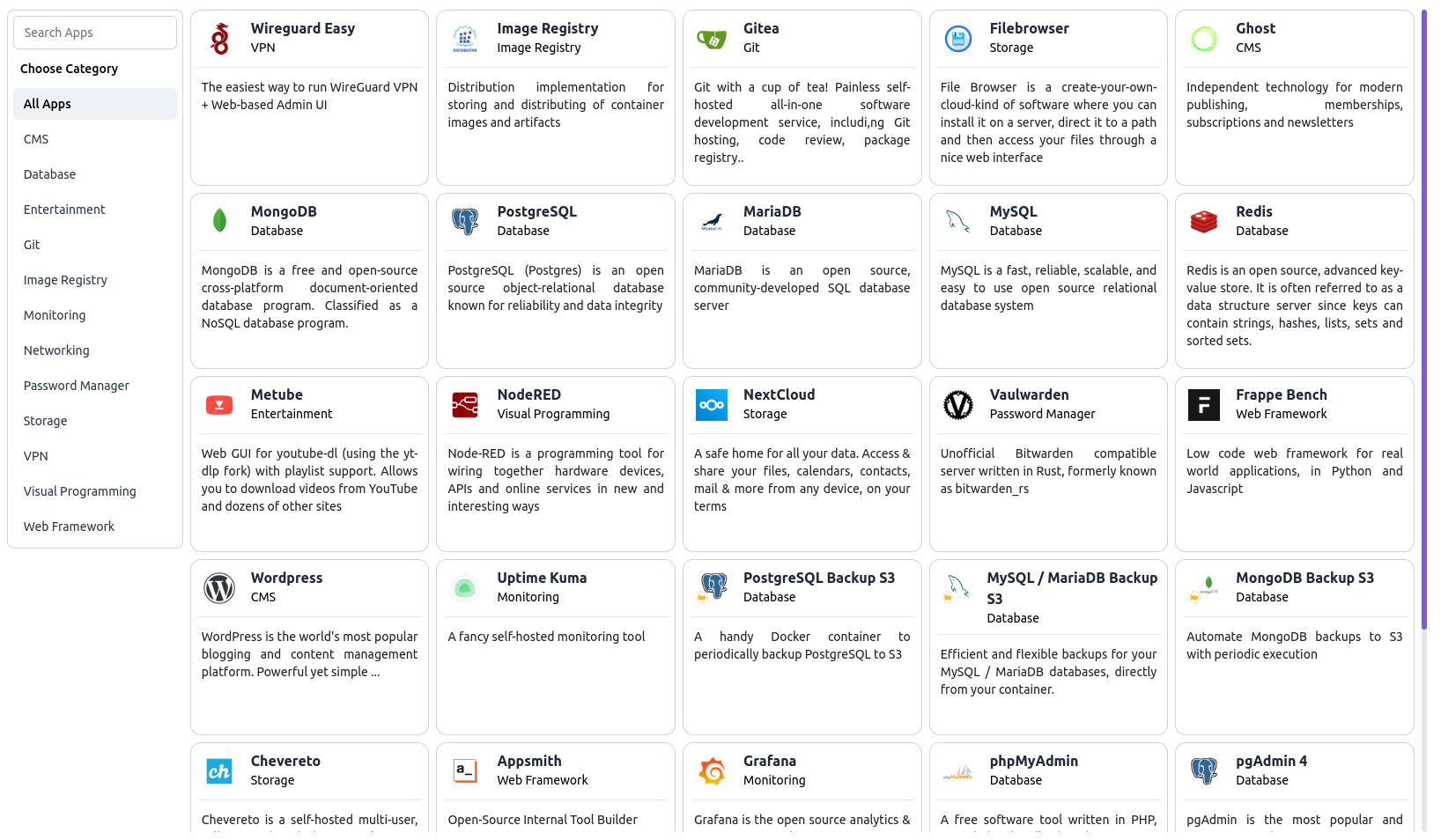
- One-click app store
- An integrated store of popular open-source applications installs through simple forms, turning databases, dashboards, and tools into minutes-long deployments instead of weekend projects.
- Automatic Docker generation
- Language and framework detection writes the Dockerfile for projects without one, and the generated configuration stays editable when the defaults do not fit.
- Browser web console
- A shell into any registered server or running application opens directly from the dashboard, so troubleshooting never starts with hunting down SSH keys and addresses.
- Resource monitoring
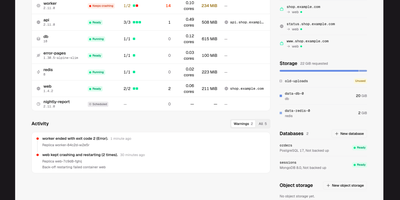
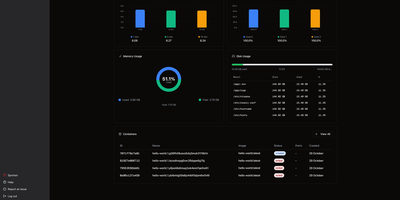
- The Stats-Ninja companion tracks CPU, memory, network I/O, and disk for the server and every hosted application, charted inside the dashboard for quick triage.
- Webhook redeployments
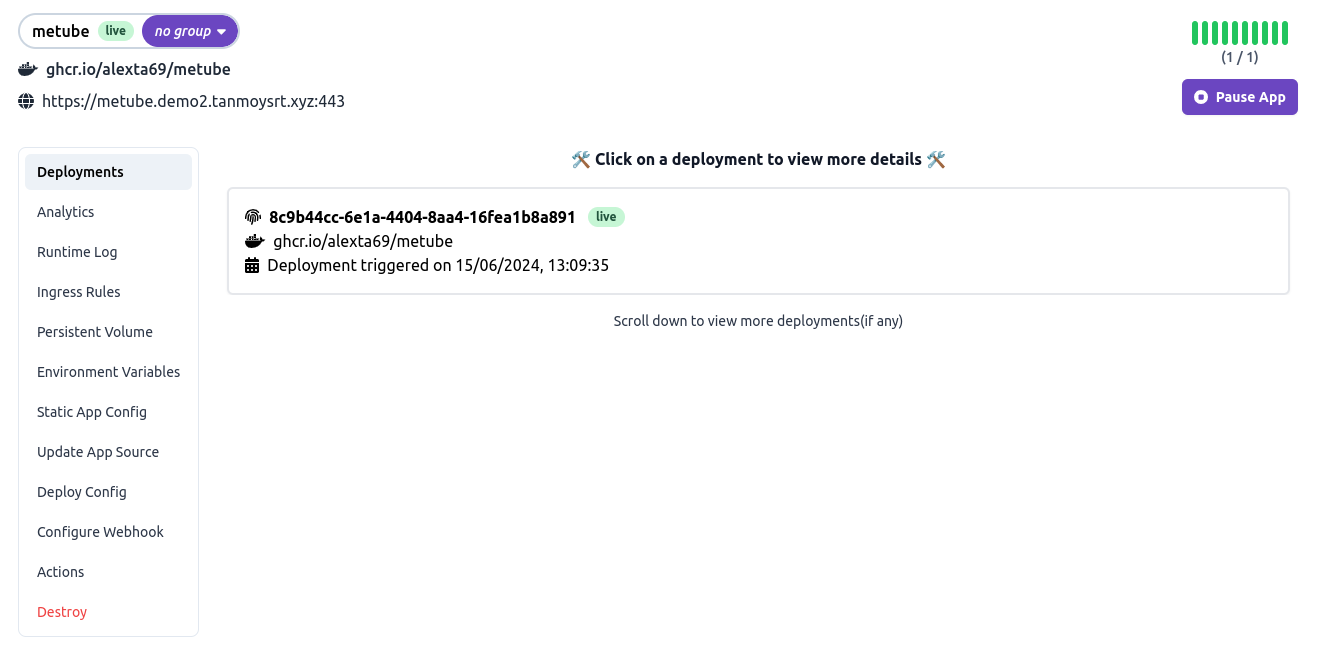
- Webhook endpoints redeploy applications when Git changes land, a new Docker image is published, or custom GitHub Actions signal that a release is ready.
- Standalone or cluster
- A single server runs the full platform for personal projects, and multiple servers join into a cluster when traffic outgrows one machine's capacity.