Stars
Forks
Watchers
Developer links
Pad
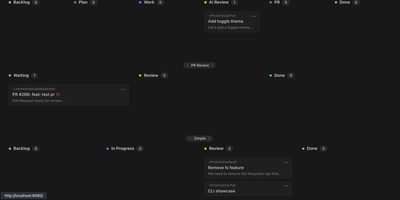
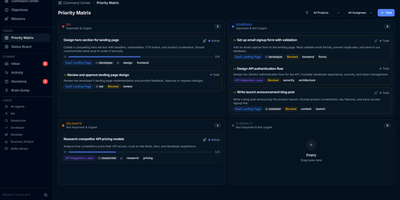
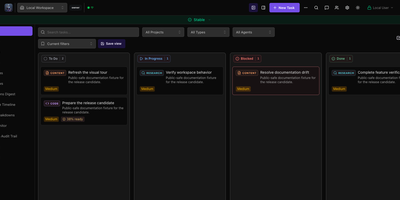
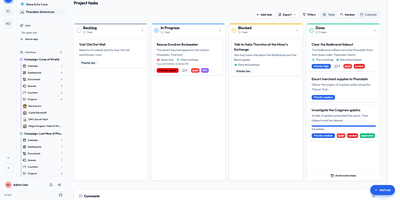
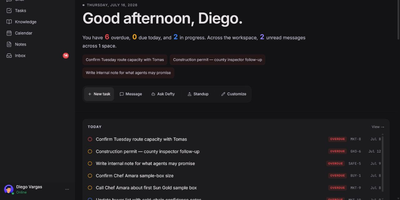
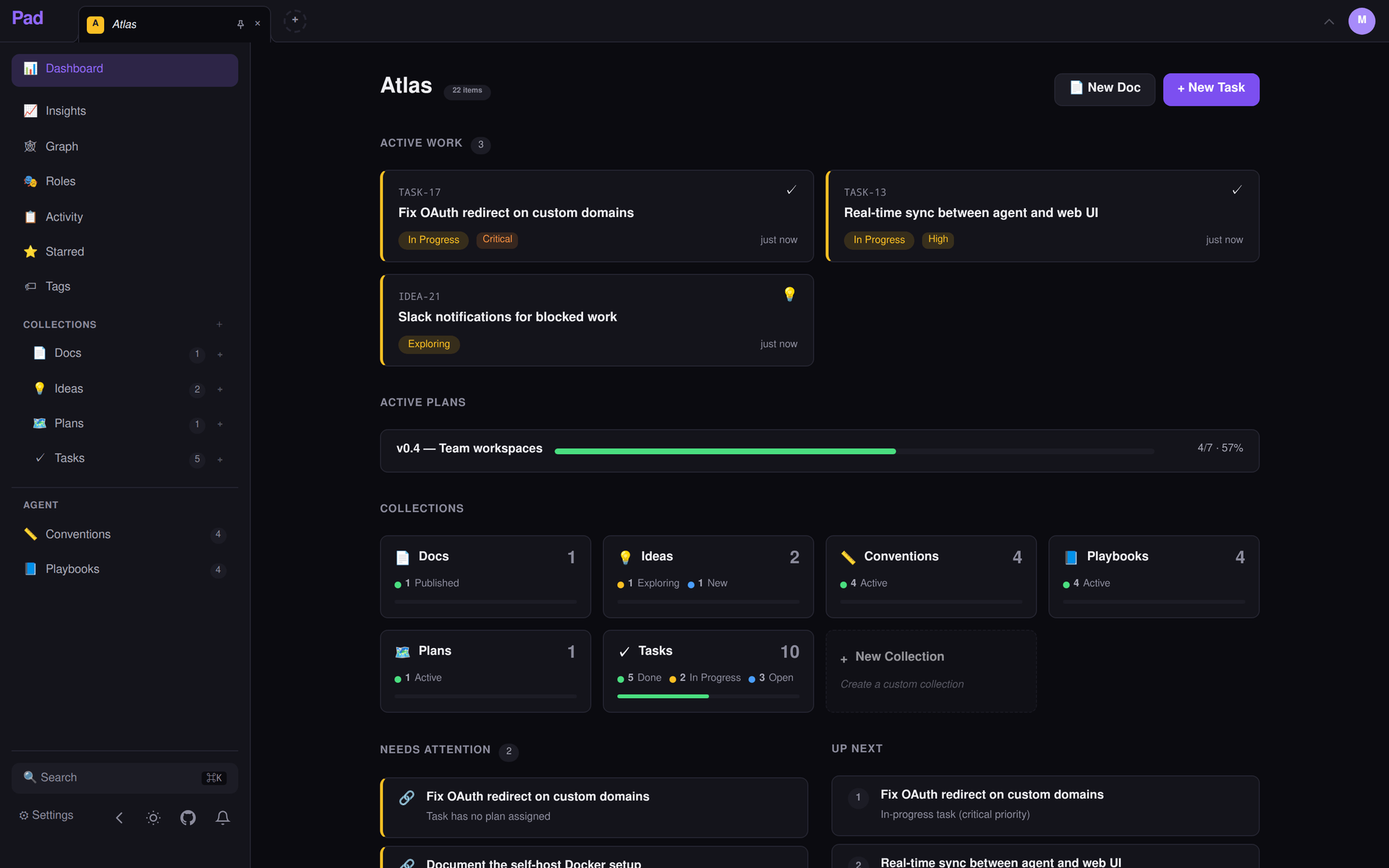
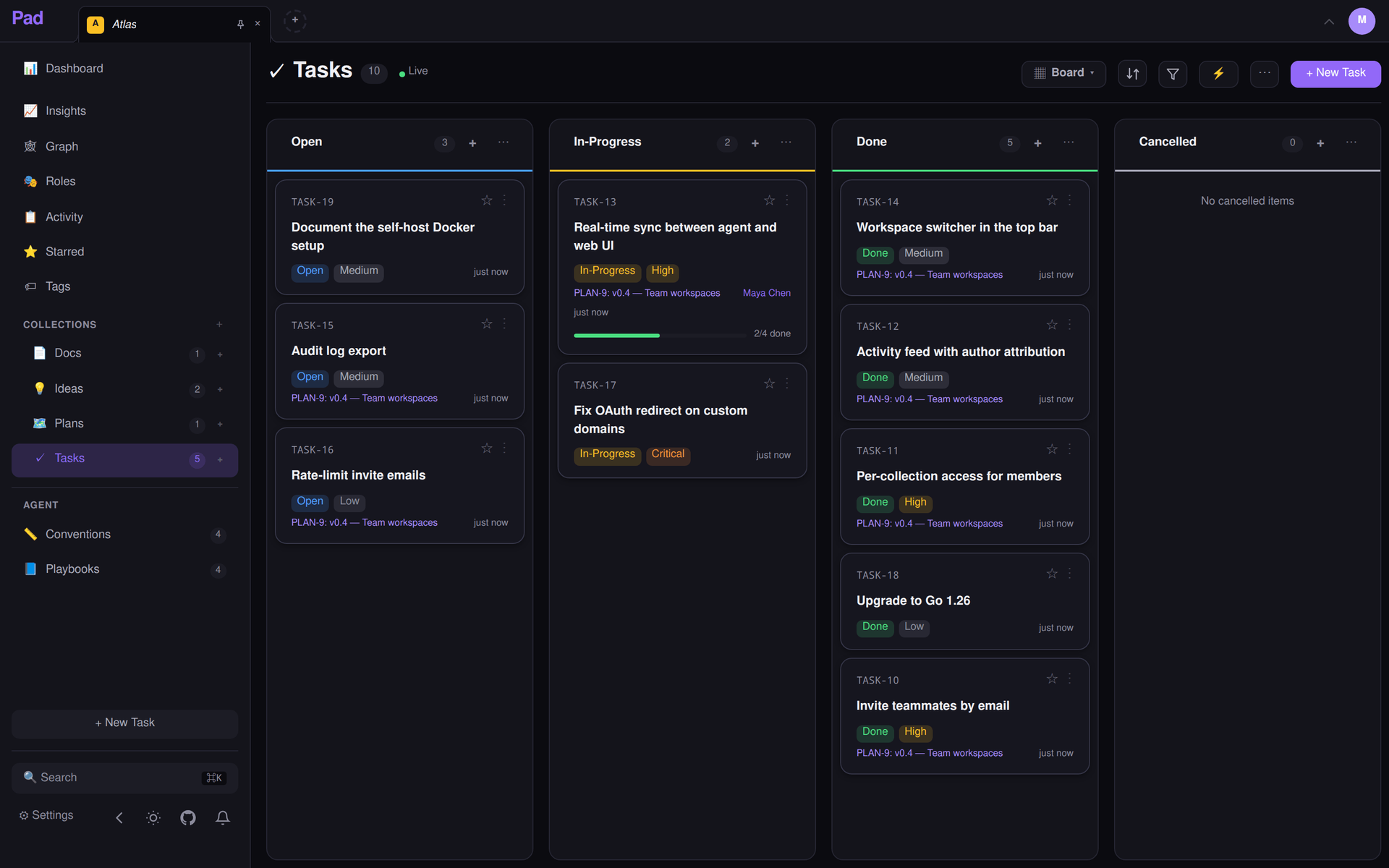
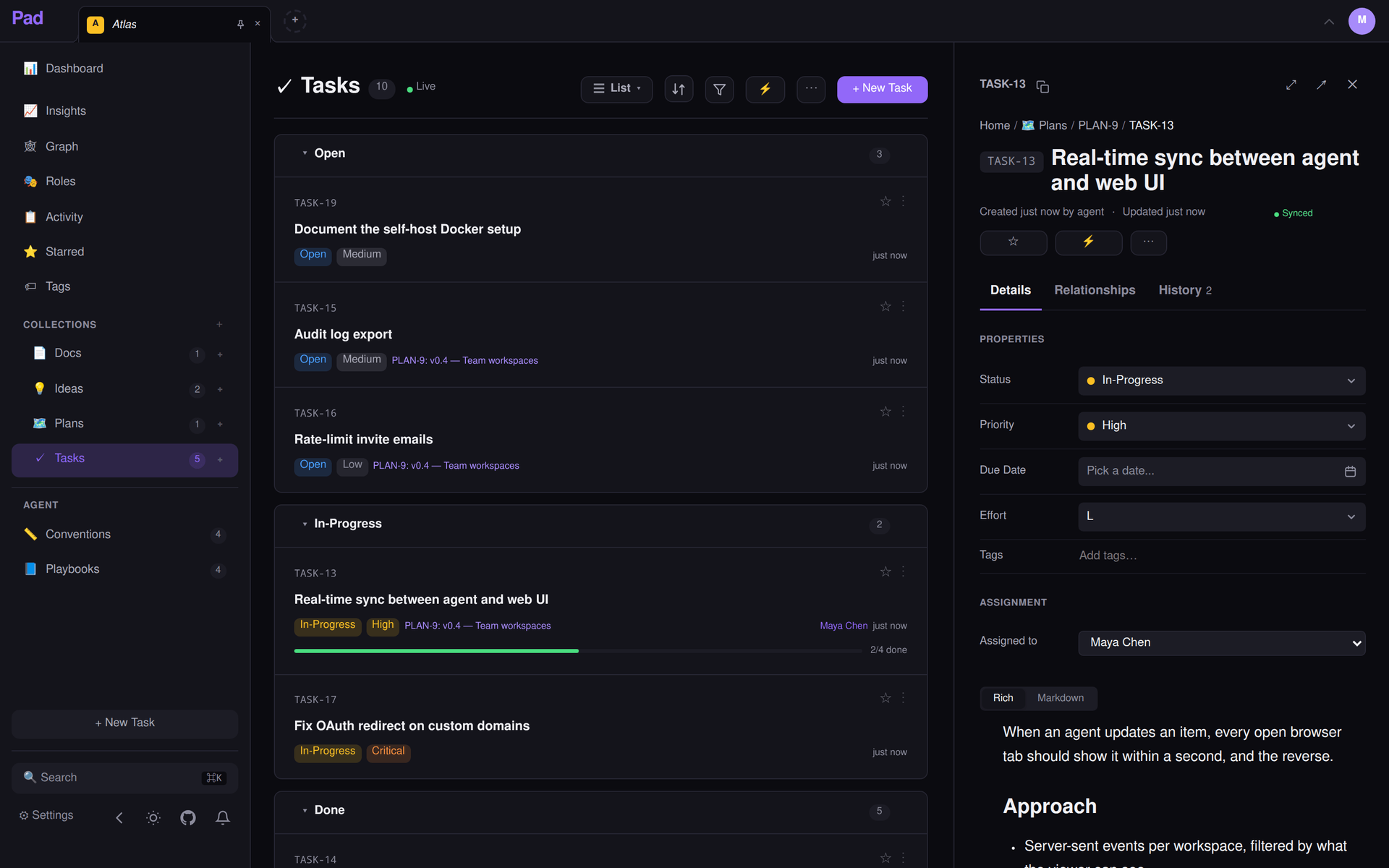
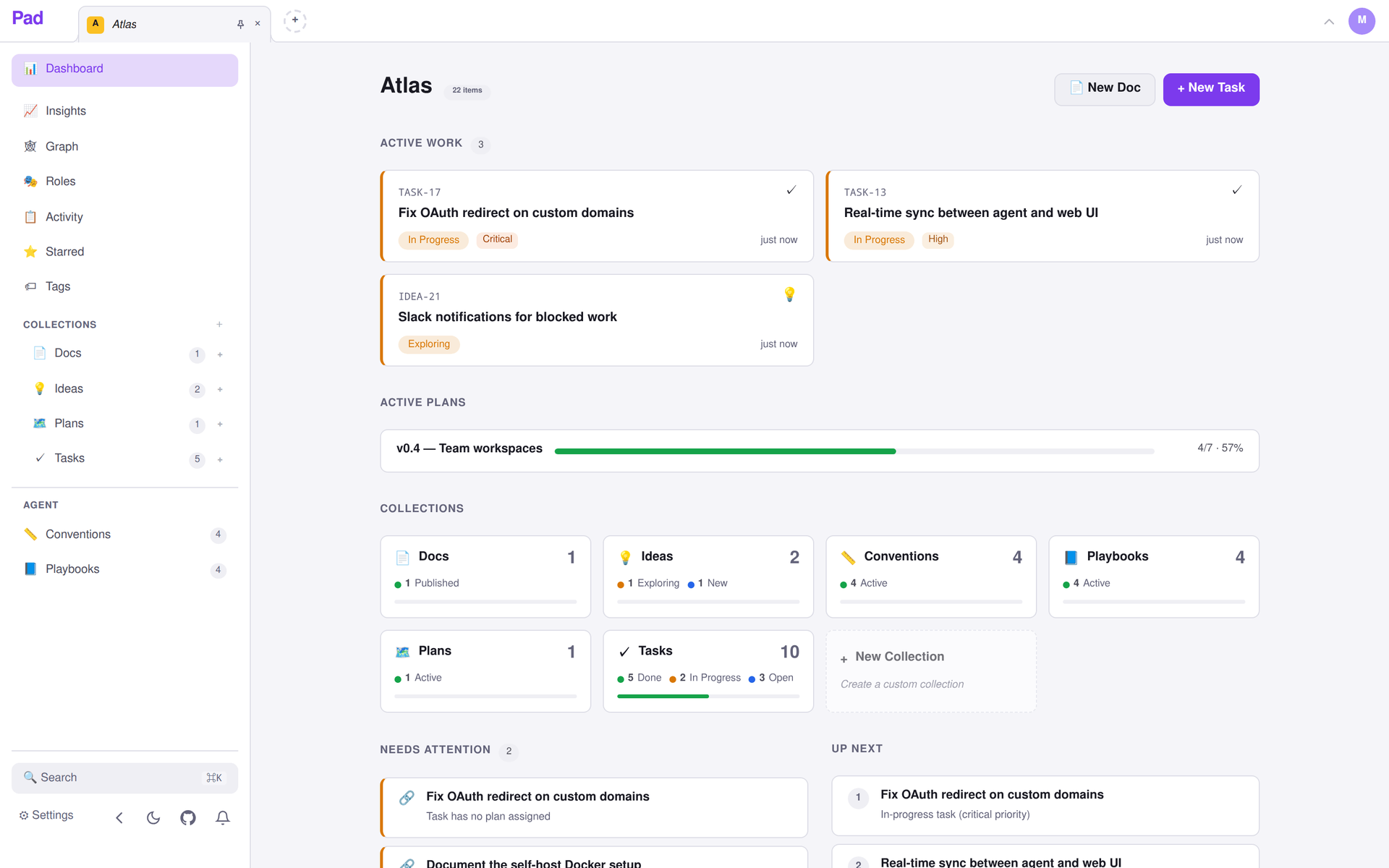
Your coding agents finish a session, close the laptop, and forget everything; Pad is where the project remembers. It holds the tasks, plans, bugs, ideas, and decisions in one workspace that you drive from a browser while your agents drive it from the terminal, so the next session, human or machine, picks up exactly where the last one stopped. You plan on boards, lists, and tables with drag-and-drop status columns, rich item pages, comment threads, and a dashboard that answers what needs attention and what to do next. Your agents read the queue, claim items, leave checkpoints, link their pull requests, and mark work fixed with the fixing PR attached. Conventions teach them the house rules once, like running tests before calling a task done, and playbooks hand them repeatable multi-step workflows they can invoke by name. Every change is versioned with its author, a person or a named agent, and new items appear in the browser the moment an agent creates them in the terminal. The same workspace is reachable three ways: the web interface, the pad CLI, and a bundled MCP server with a natural-language skill that plugs into Claude Code, Cursor, Codex, Windsurf, OpenCode, Copilot, Amazon Q, and Junie. Running on a dedicated VPS on RepoCloud with guaranteed CPU, RAM, and SSD, full root SSH access, and a browser serial console. Apache-2.0 licensed.
Benefits
- Agents Work The Same Board
- Claude Code, Cursor, Codex, and other MCP clients claim tasks, post checkpoints, and link pull requests in the same workspace you watch in the browser, with every edit attributed to its named agent.
- Rules Taught Once, Followed Always
- Conventions encode trigger-based house rules and playbooks encode multi-step workflows, stored inside the project. Every new session inherits them instead of re-learning your preferences from scratch each morning.
- One Binary, Zero Accounts
- A single Go binary embeds the web UI, CLI, and MCP server over one SQLite database. No sign-up, no telemetry, no external service: your project data stays on the machine you control.
- History With Names Attached
- Every change is versioned with who made it, whether a person or a specific agent. When something moved overnight, you can see which session moved it and read its reasoning in the thread.
Features
- Boards, Lists, Tables
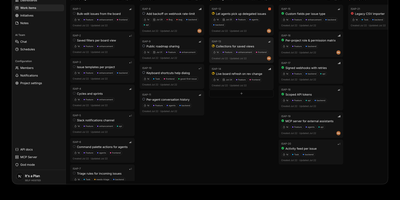
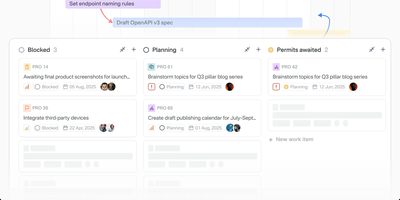
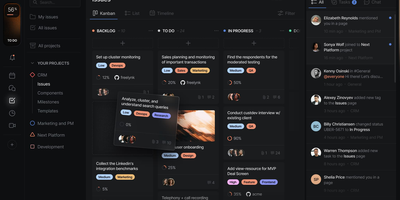
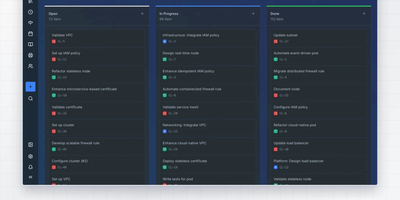
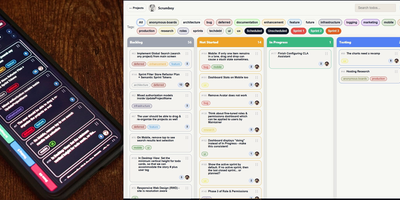
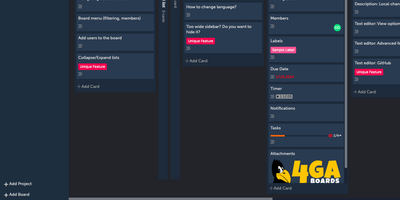
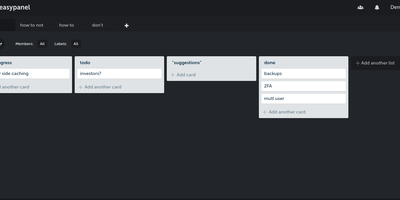
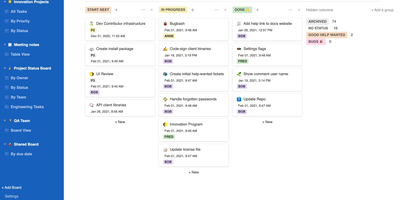
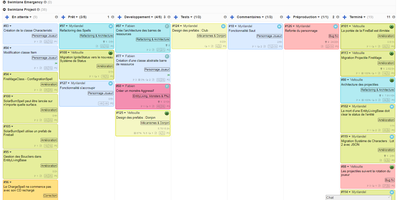
- Switch between drag-and-drop board columns, dense lists, and tables, with j/k keyboard navigation, Cmd+K search, and dark and light themes at localhost:7777.
- MCP Tool Surface
- Eleven resource-by-action MCP tools (pad_item, pad_project, pad_search, pad_playbook, and more) let any MCP client manage items, dependencies, comments, and dashboards natively.
- The /pad Skill
- One install command drops a natural-language skill into Claude Code, Cursor, Codex, Windsurf, OpenCode, Copilot, Amazon Q, or Junie, so agents work the project in plain language.
- Rich Item Pages
- A Tiptap editor with markdown, auto-save, real-time co-editing, and [[wiki-links]] between items turns tasks, specs, and decision records into a connected project memory.
- Playbooks By Name
- Multi-step procedures declare an invocation slug, so shipping a plan or cutting a release becomes one command the agent executes the same way every time.