Categories
Self-Hosted Project Management Task Management Team Collaboration Kanban Time Tracking Sprint PlanningStars
Forks
Watchers
Developer links
TaskView
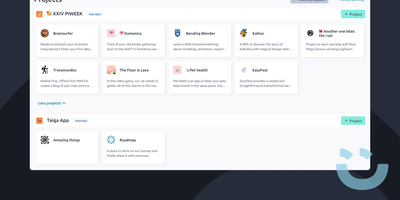
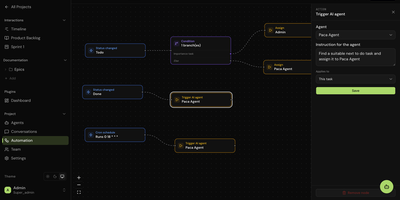
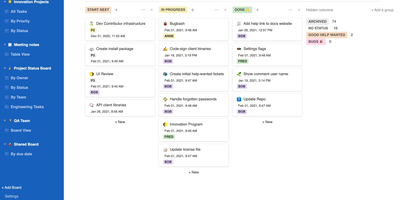
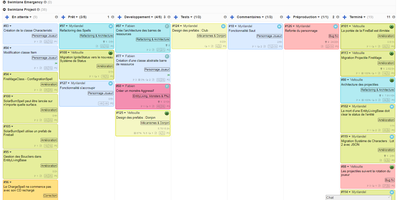
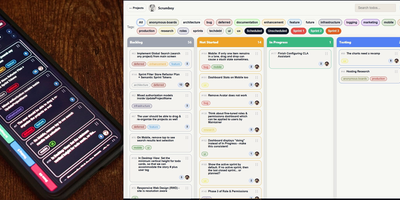
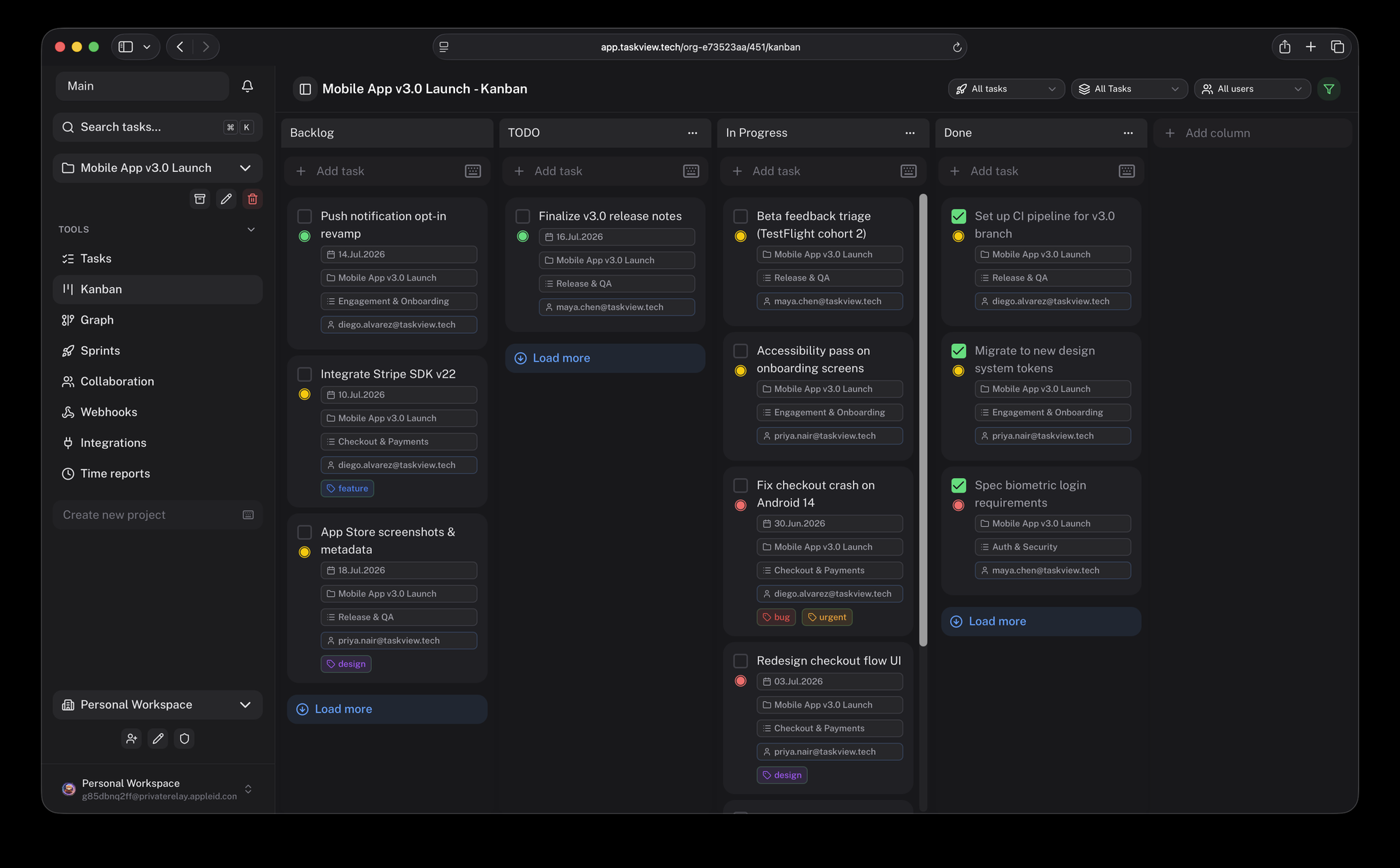
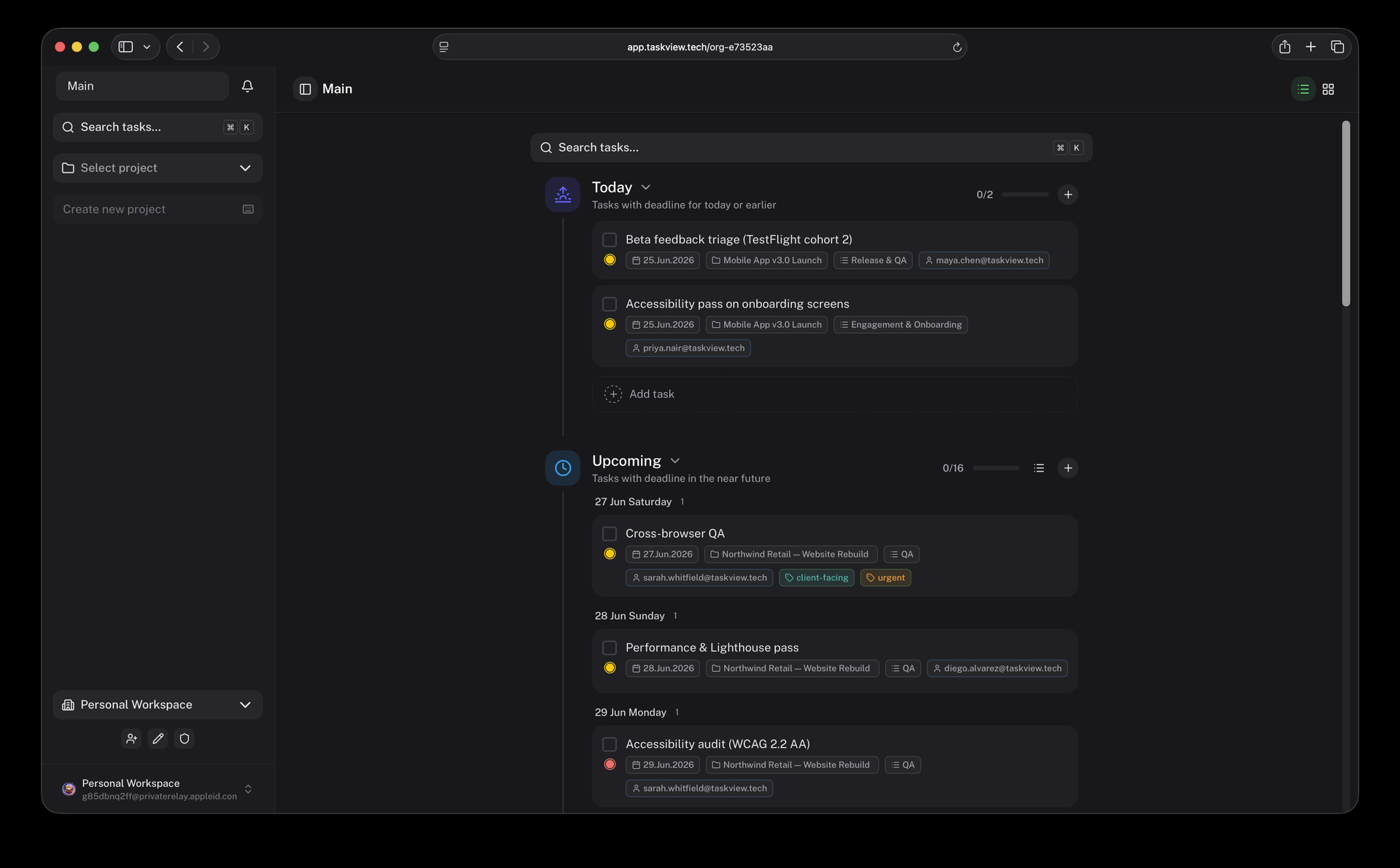
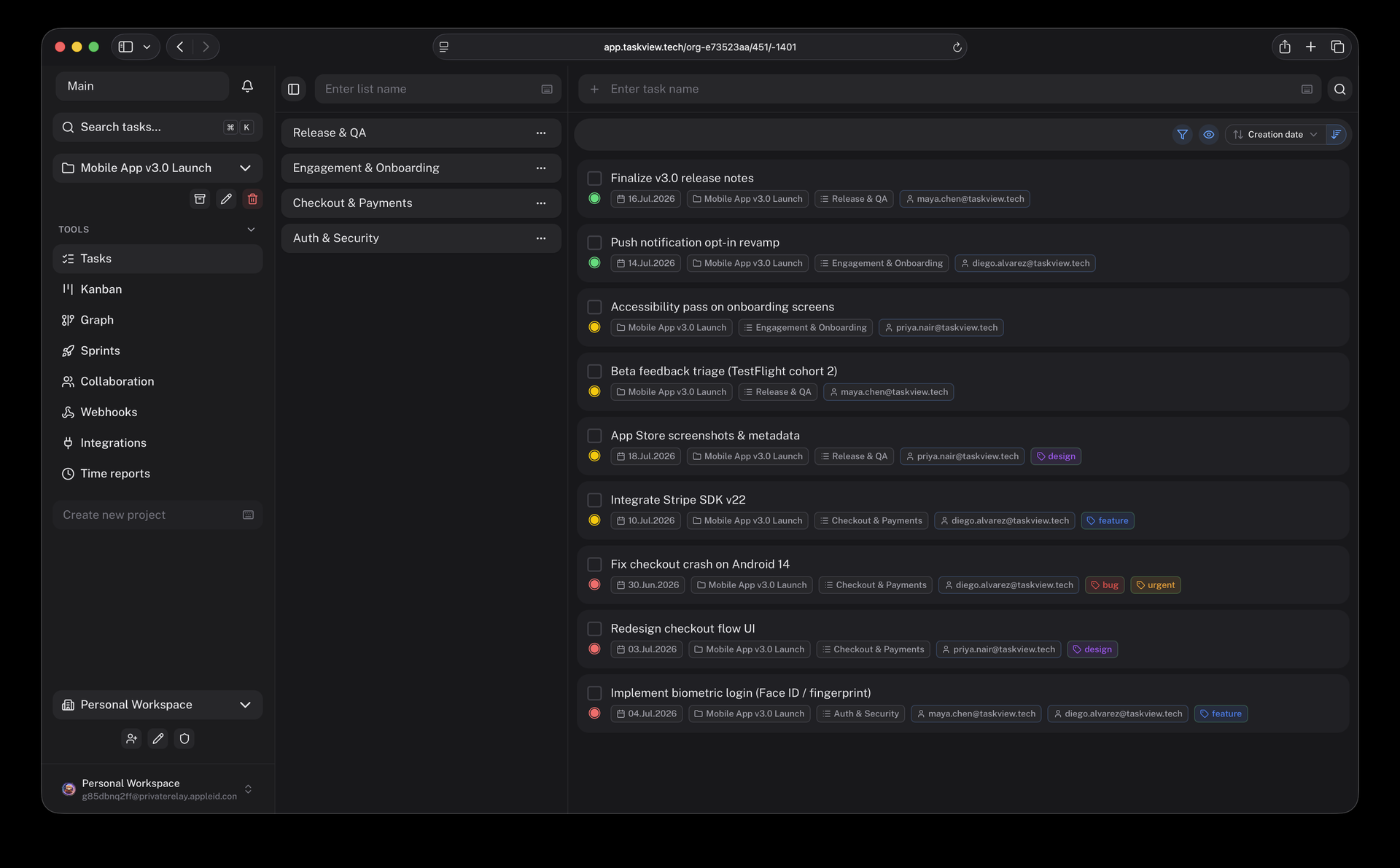
Your team's work lives in boards, sprints, and deadlines, and TaskView keeps all of it on infrastructure you control instead of a vendor's cloud. Projects break down into lists, tasks, and nested subtasks with priorities, tags, deadlines, and assignees, arranged on custom Kanban boards whose statuses you define yourself. A dependency graph shows which tasks block which, sprints organize iterations, and recurring tasks regenerate on schedule so weekly rituals never need manual recreation. Built-in time tracking separates billable from non-billable hours, and analytics turn that data into workload reports, productivity views, and income and expense summaries. Multiple organizations share one instance with invites, granular role permissions, and real-time updates, while SAML 2.0, OpenID Connect, and SCIM provisioning plug into your existing identity provider. GitHub and GitLab integrations connect development work to the board, signed webhooks push events into your other systems, and scoped API tokens plus a TypeScript client make automation safe to hand out. An MCP server lets AI assistants search projects, create and update tasks, and manage statuses within the exact permissions you grant. Running on a dedicated VPS on RepoCloud with guaranteed CPU, RAM, and SSD, full root SSH access, and a browser serial console. TaskView Source-Available License licensed.
Benefits
- Workflows Shaped to Your Team
- Custom statuses, boards, priorities, tags, and reusable project workflows adapt to how your team already ships, instead of forcing your process into a vendor's fixed pipeline stages and field names.
- Enterprise Sign-In Built In
- SAML 2.0, OpenID Connect, and SCIM provisioning connect TaskView to your existing identity provider, so onboarding, offboarding, and project-level access follow the same directory rules as your other internal tools.
- AI Assistants with Guardrails
- The MCP server lets Claude, Cursor, and other assistants search projects and update tasks, but every action is limited by scoped API tokens restricted to the permissions and projects you select.
- Time, Workload, Money Visible
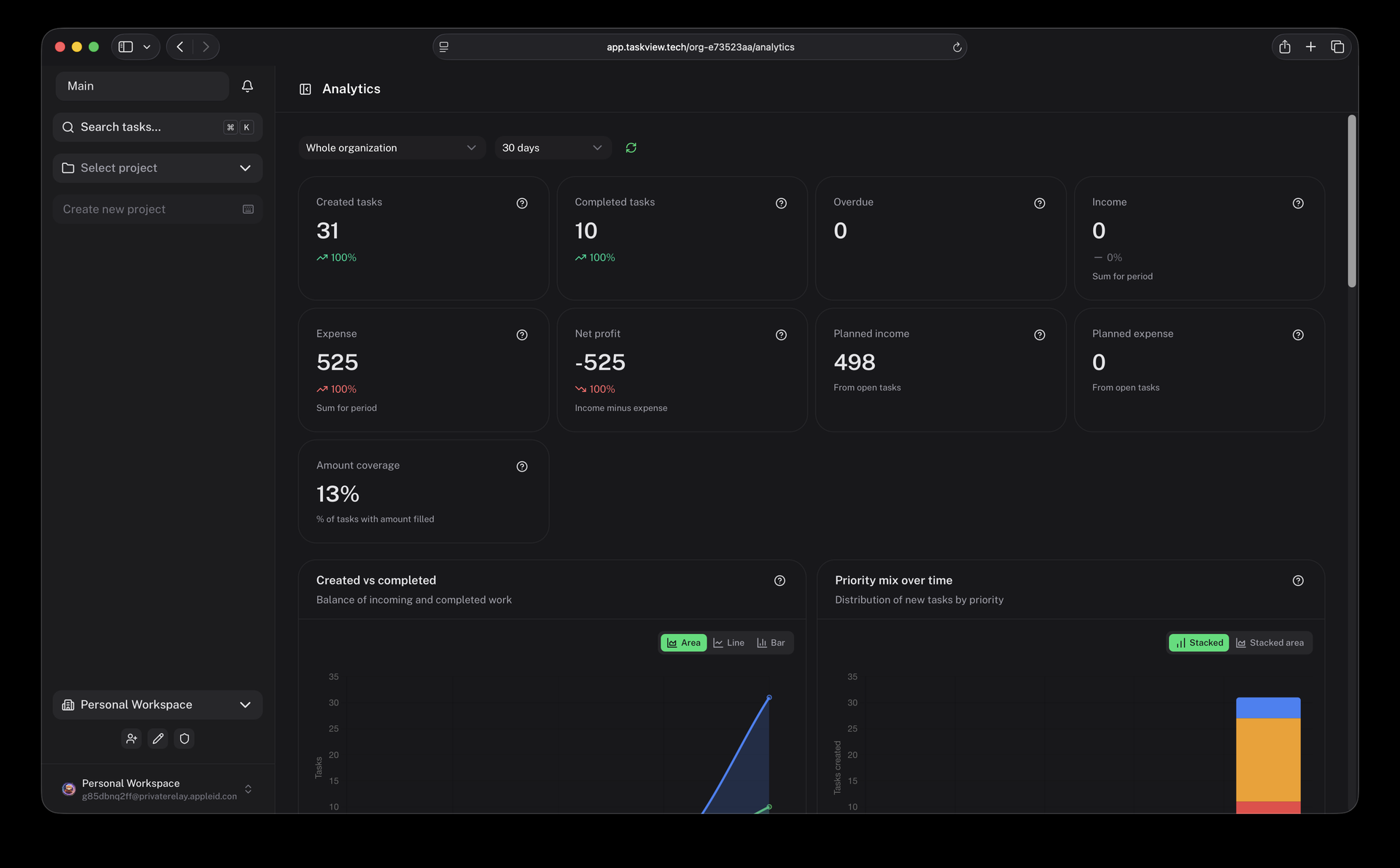
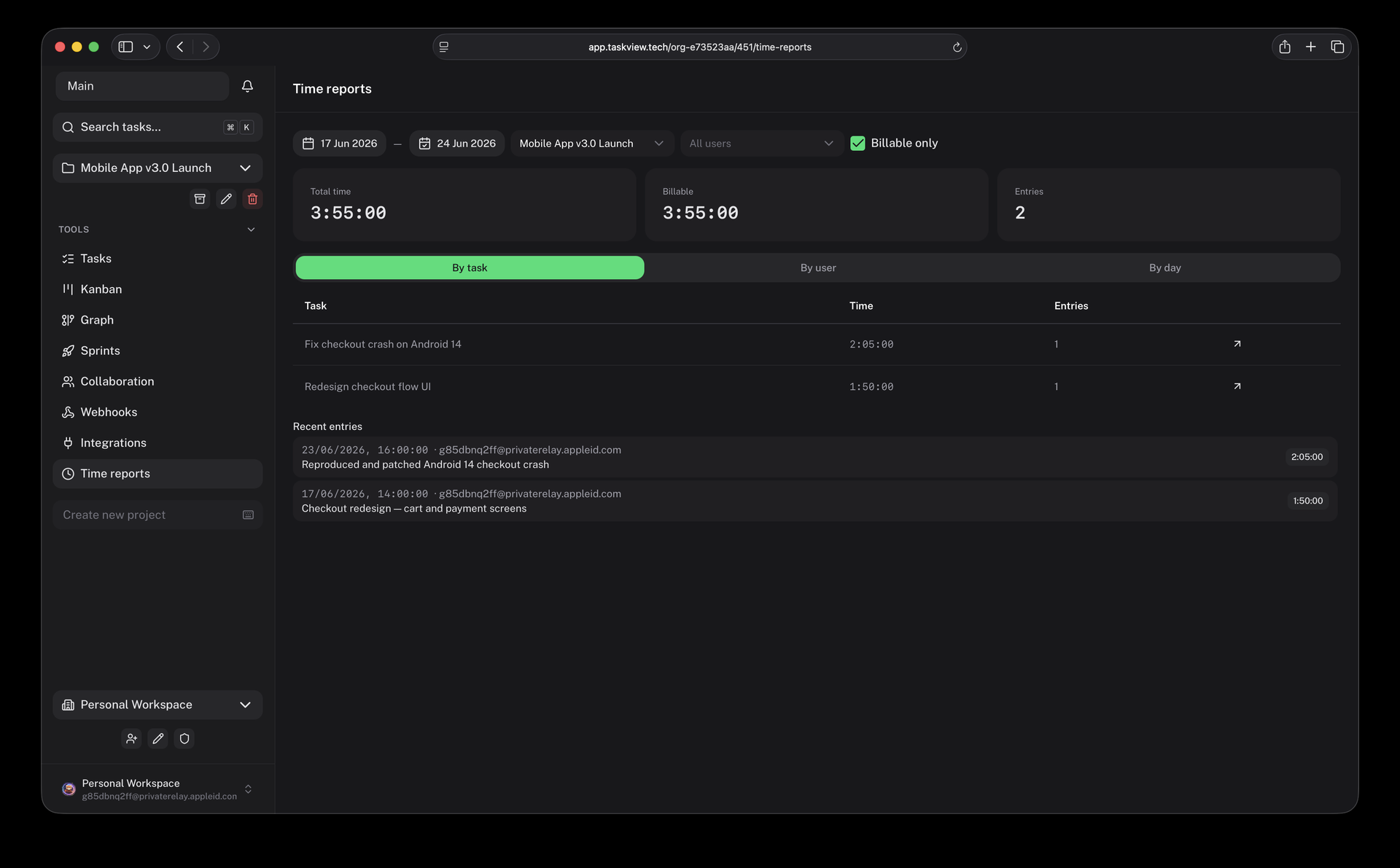
- Built-in time tracking splits billable and non-billable hours, then feeds workload reports, productivity analytics, and income and expense tracking so project profitability is visible without exporting to spreadsheets.
Features
- Custom Kanban Workflows
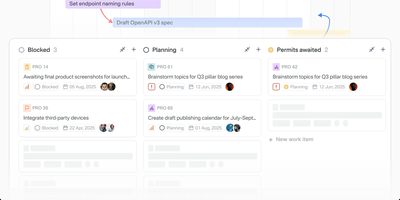
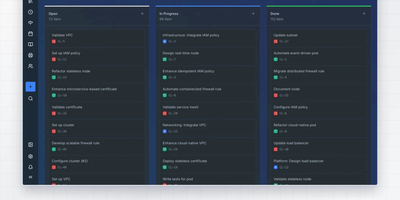
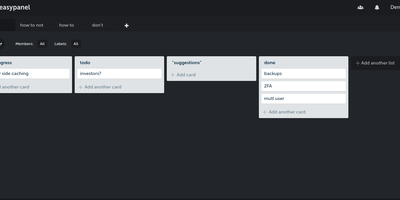
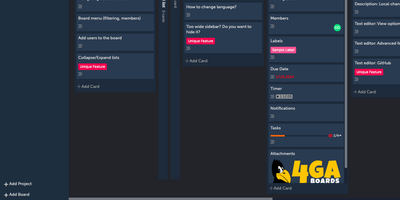
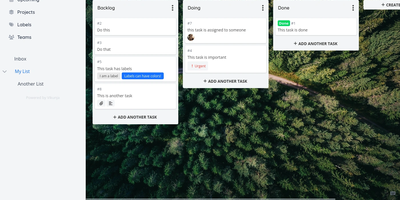
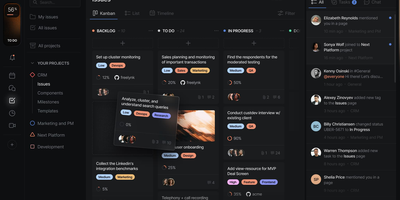
- Boards use statuses you define per project, with priorities, tags, deadlines, assignees, Markdown content, search and filtering, and reusable workflow templates across projects.
- Dependency Graph and Sprints
- A task dependency graph visualizes blockers between tasks, while sprint planning and recurring tasks structure iterations and repeat work without manual duplication each cycle.
- GitHub and GitLab Integrations
- Signed webhooks, a public HTTP API, a TypeScript API client (taskview-api on npm), and GitHub and GitLab integrations connect boards to your development pipeline.
- Granular Permissions and Tokens
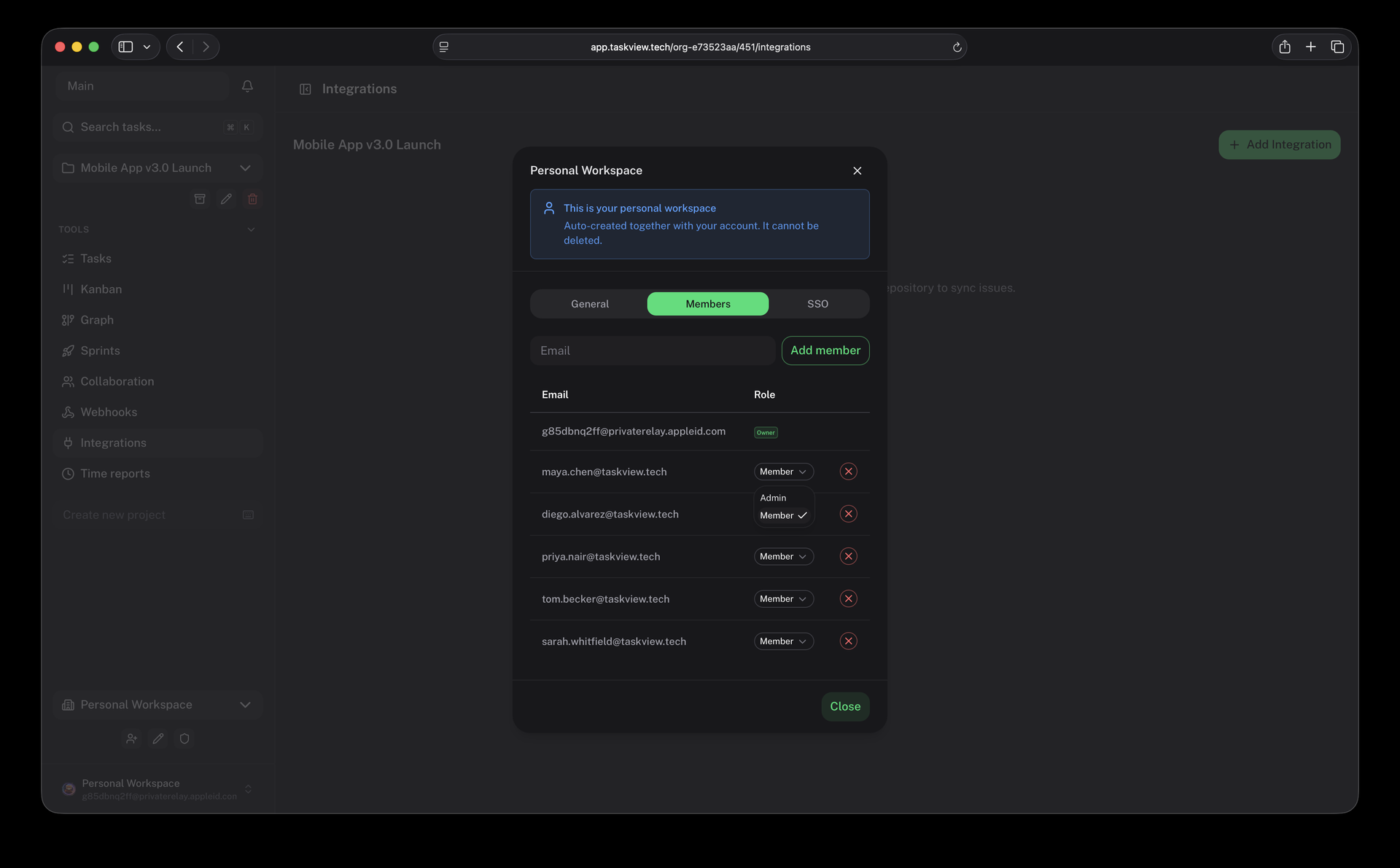
- Multiple organizations, user invites, project-level access restrictions, and fine-grained scoped API tokens (tvk_ prefix) control exactly who and what can touch each project.
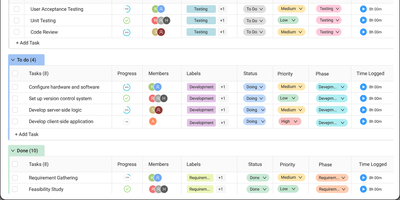
- Time Tracking and Analytics
- Billable and non-billable time tracking feeds project and team workload reports, productivity analytics, and financial reports covering income and expenses per project.