Categories
GEO AI visibility tracking Brand monitoring Self-hosted analytics AEO SEO analytics MCP serverStars
Forks
Watchers
Developer links
Limelit Open
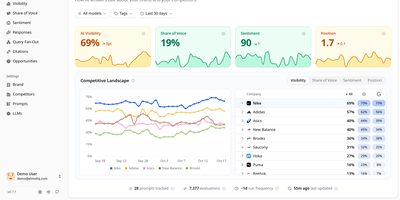
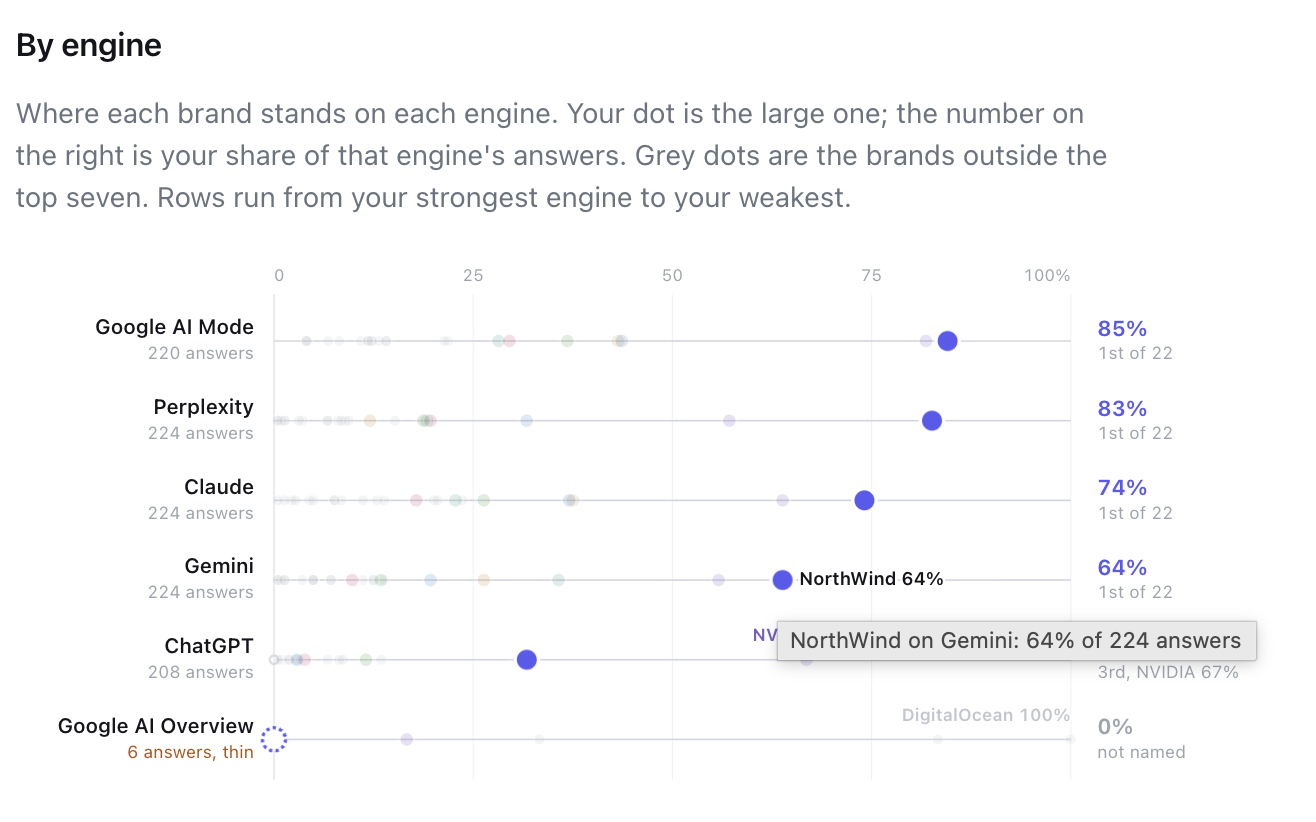
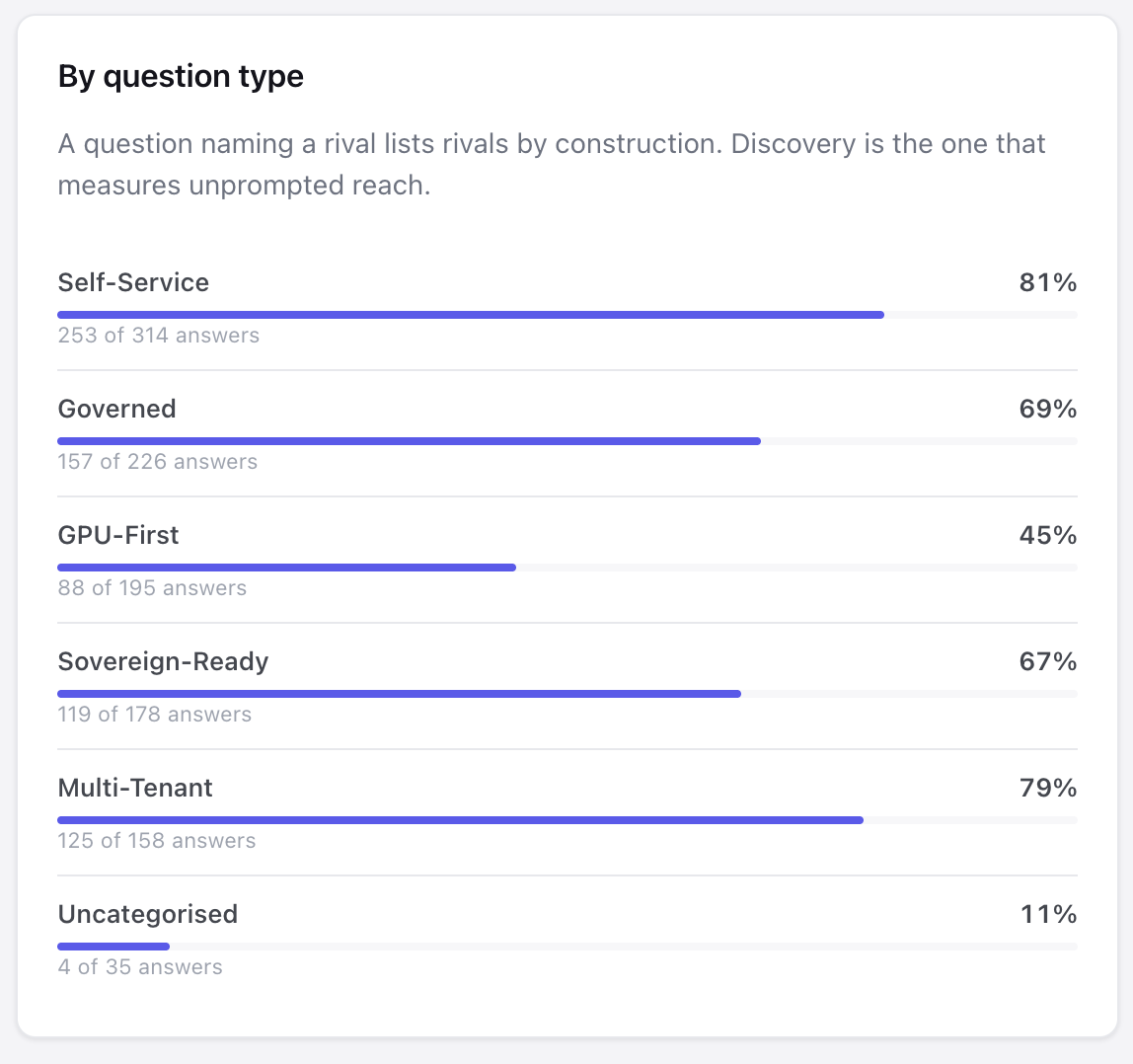
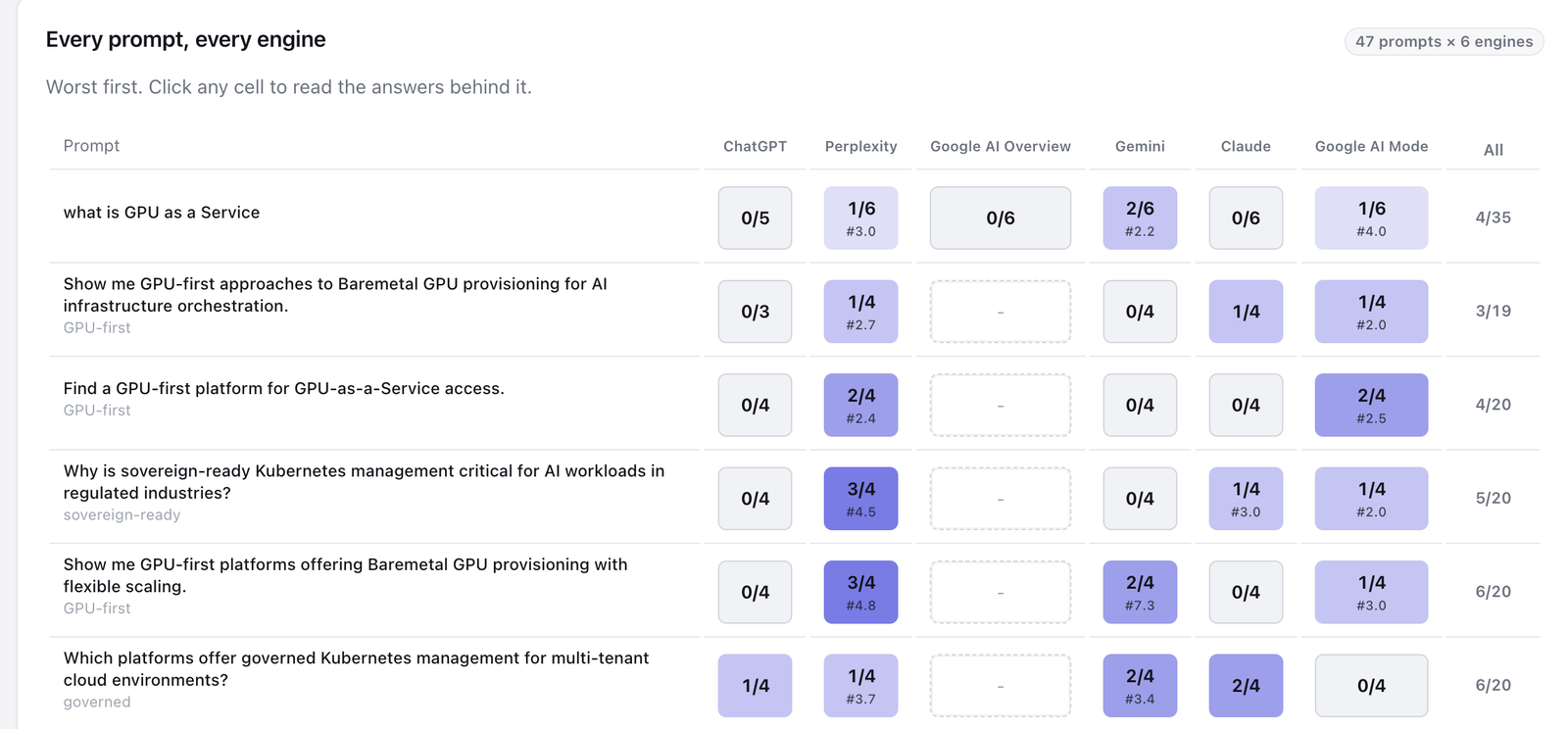
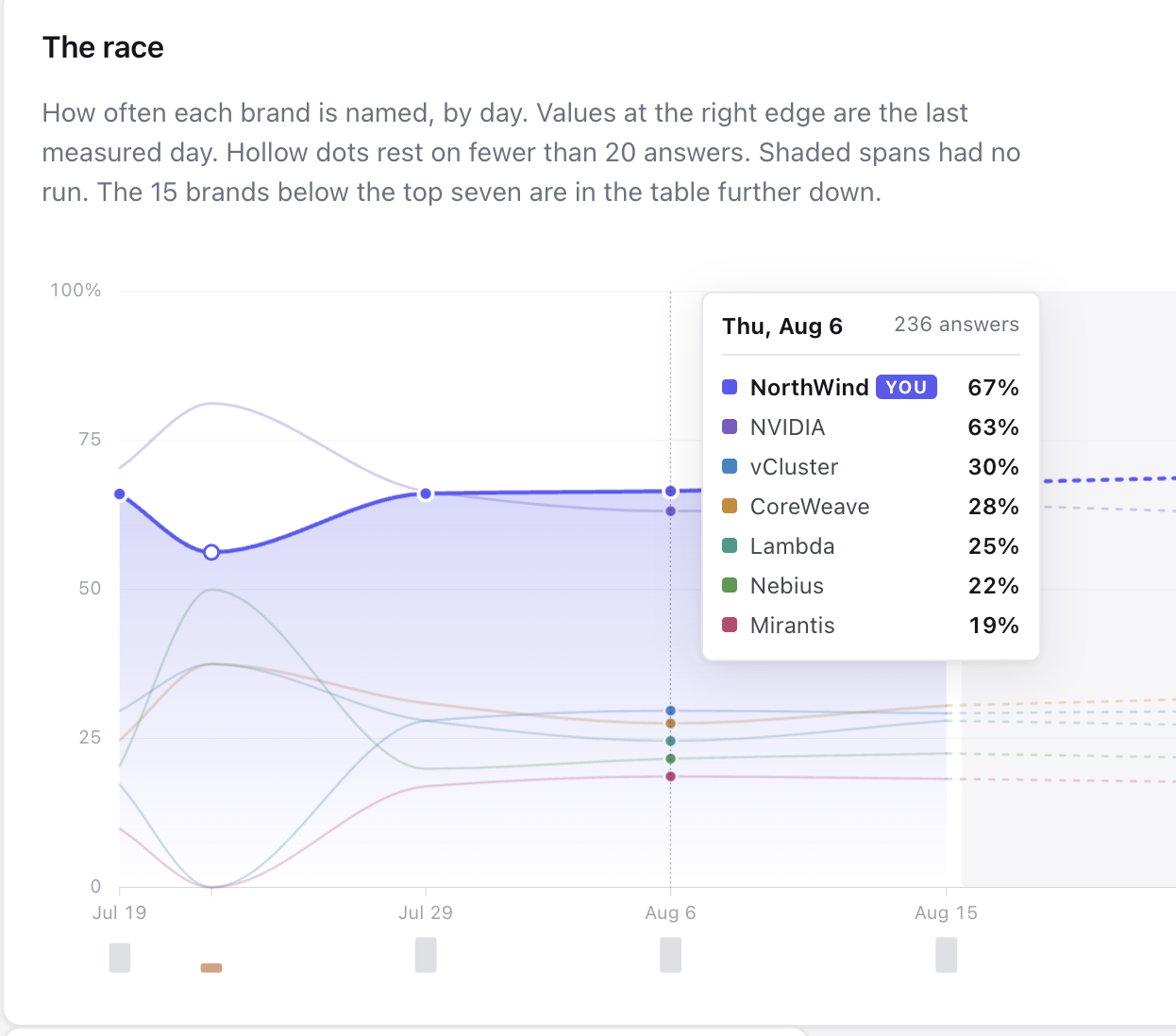
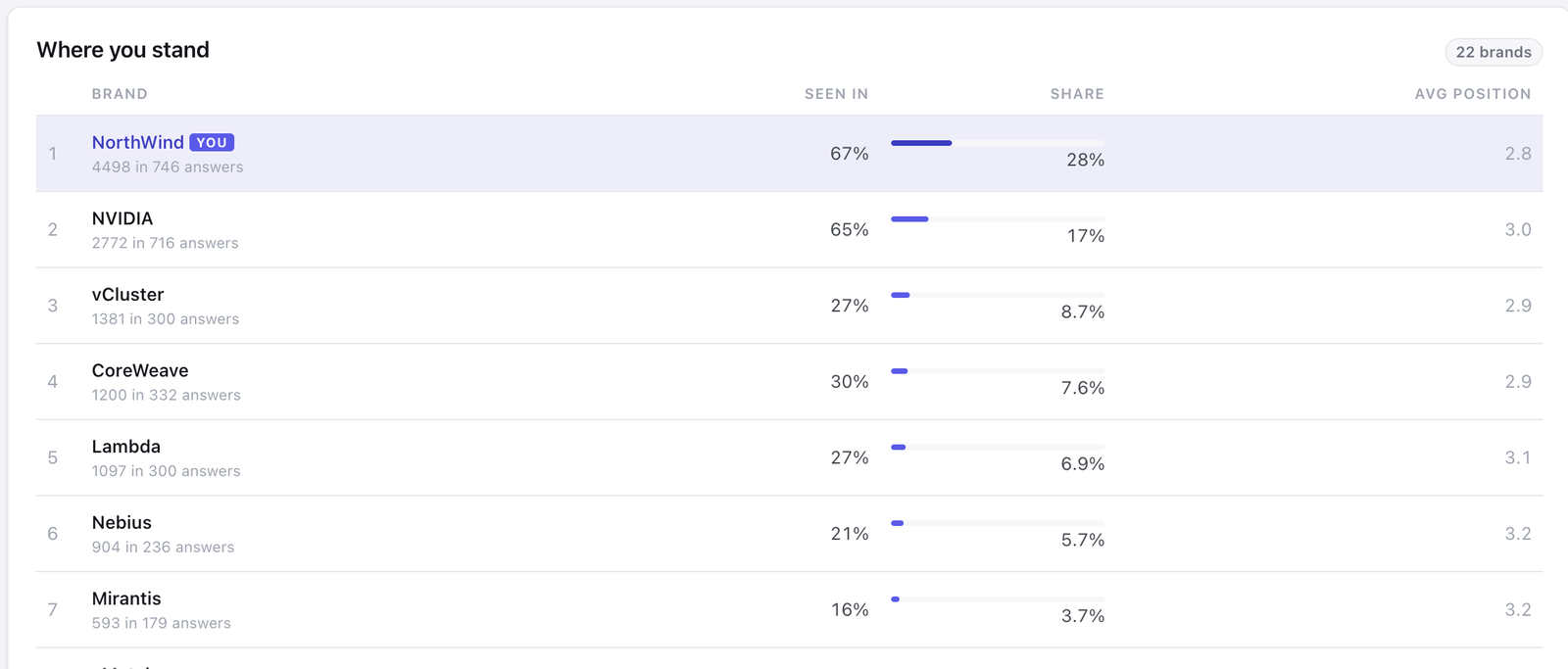
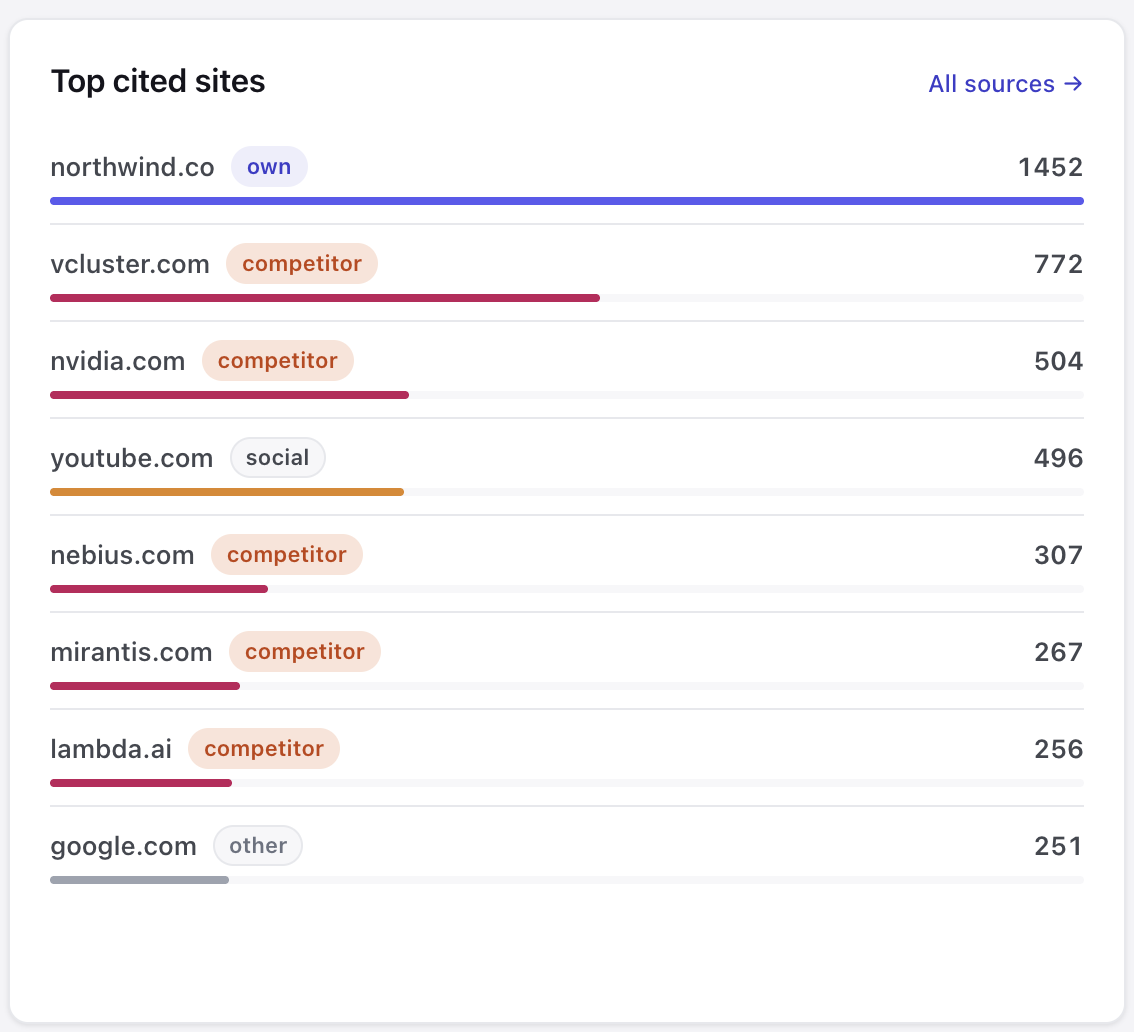
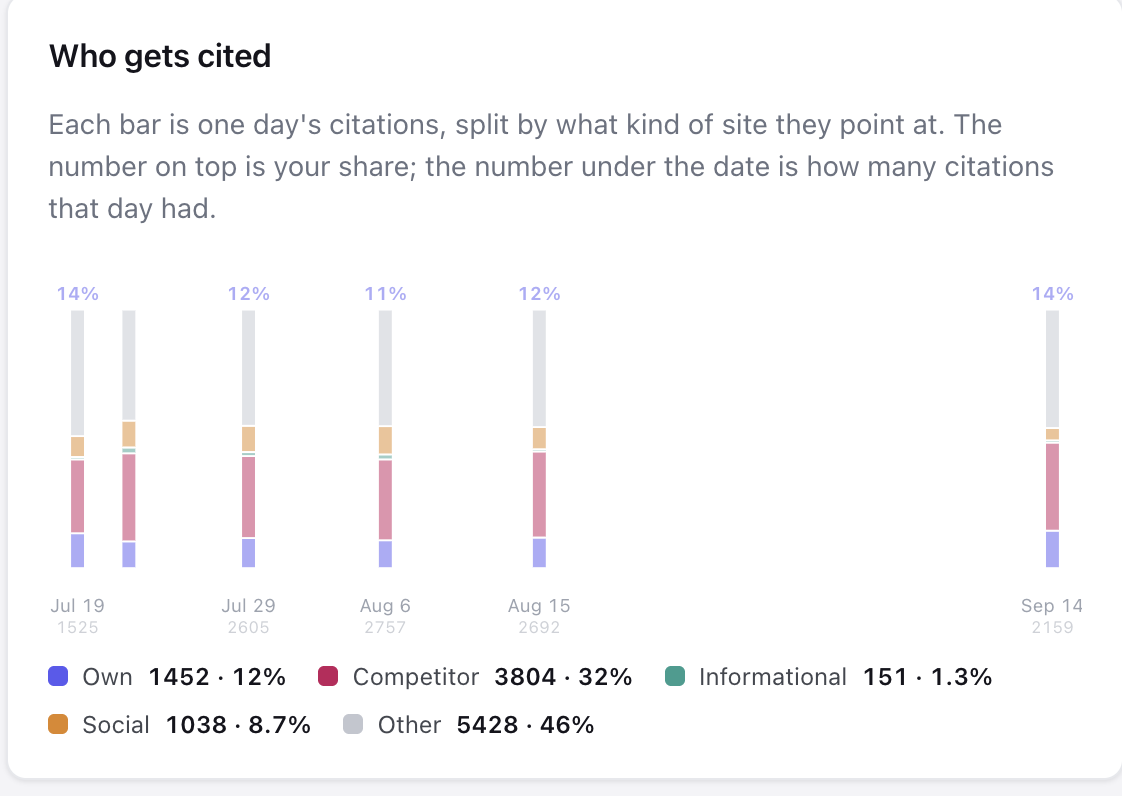
When a buyer asks ChatGPT, Claude, or Perplexity which product to choose, Limelit Open shows whether your brand appears in the answer, where it ranks, and which sources the engines trusted. You define the prompts your market actually asks, register your competitors, and the tracker runs every prompt against seven engines on a schedule you control: ChatGPT, Claude, Perplexity, and Gemini through vendor APIs with web search on, plus Google AI Overviews, Google AI Mode, and Bing Copilot through scraper providers, each result labeled by how it was collected. Every stored answer is searched for your brand and each competitor with the rank of the list item they appear in, so visibility, share of voice, average position, and citation share rest on readable evidence rather than a black-box score. Click any number and you land on the full answer text with matches highlighted, the searches the engine ran, the brands it named, and every cited URL classified as yours, a competitor's, social, informational, or other. A prompt by engine grid makes weak spots obvious, and the built-in MCP server lets Claude or another assistant query the same data in plain language. Runs are capped by a daily ceiling you set, prompts and answers live in one SQLite file, and a single export command dumps the whole instance as JSON or CSVs for your own reporting. Running on a dedicated VPS on RepoCloud with guaranteed CPU, RAM, and SSD, full root SSH access, and a browser serial console. Apache-2.0 licensed.
Benefits
- Evidence behind every metric
- Visibility scores open into the full stored answer with your brand highlighted at the match offsets, the searches the engine ran, and every cited source classified, so any number can be checked by reading.
- Seven engines, one tracker
- ChatGPT, Claude, Perplexity, and Gemini are queried through vendor APIs with web search, while Google AI Overviews, AI Mode, and Bing Copilot come through scraper providers, all labeled by collection method.
- One binary, one database
- A single Go binary serves the embedded dashboard, scheduler, and MCP server, creating and migrating its own SQLite database on first start, with no Docker, Node, or external database to run.
- Spend capped by design
- A hard runs-per-day ceiling is checked before any provider call, prompts run daily or hourly on your schedule, and you bring your own provider keys so answer costs stay visible and yours.
Features
- Visibility and share of voice
- Mention rate, competitor share of voice, average list position, and citation share per prompt and over time, each shown with the sample of stored answers it rests on.
- Prompt by engine grid
- One cell per prompt and engine target shows where your brand wins or disappears; clicking through opens the actual answers behind the cell for direct inspection.
- Citation source classification
- Every URL an answer cites is classified as your own site, a competitor, social, informational, or other, revealing which pages the engines trust in your category.
- Built-in MCP server
- Fourteen read tools over stdio or streamable HTTP with a bearer token let Claude and other MCP clients answer visibility questions from the same stored data.
- Full-instance export
- The export command writes the entire instance as one JSON document or a directory of CSVs, with a since filter that includes the rows hanging off each answer.