Categories
Self-Hosted Smart Home Video Surveillance Home Security Security Cameras Network Video Recorder Object DetectionStars
Forks
Watchers
Developer links
LightNVR
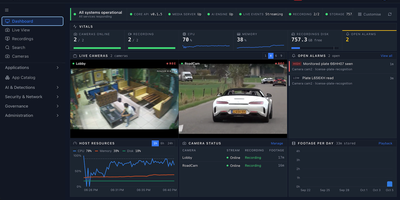
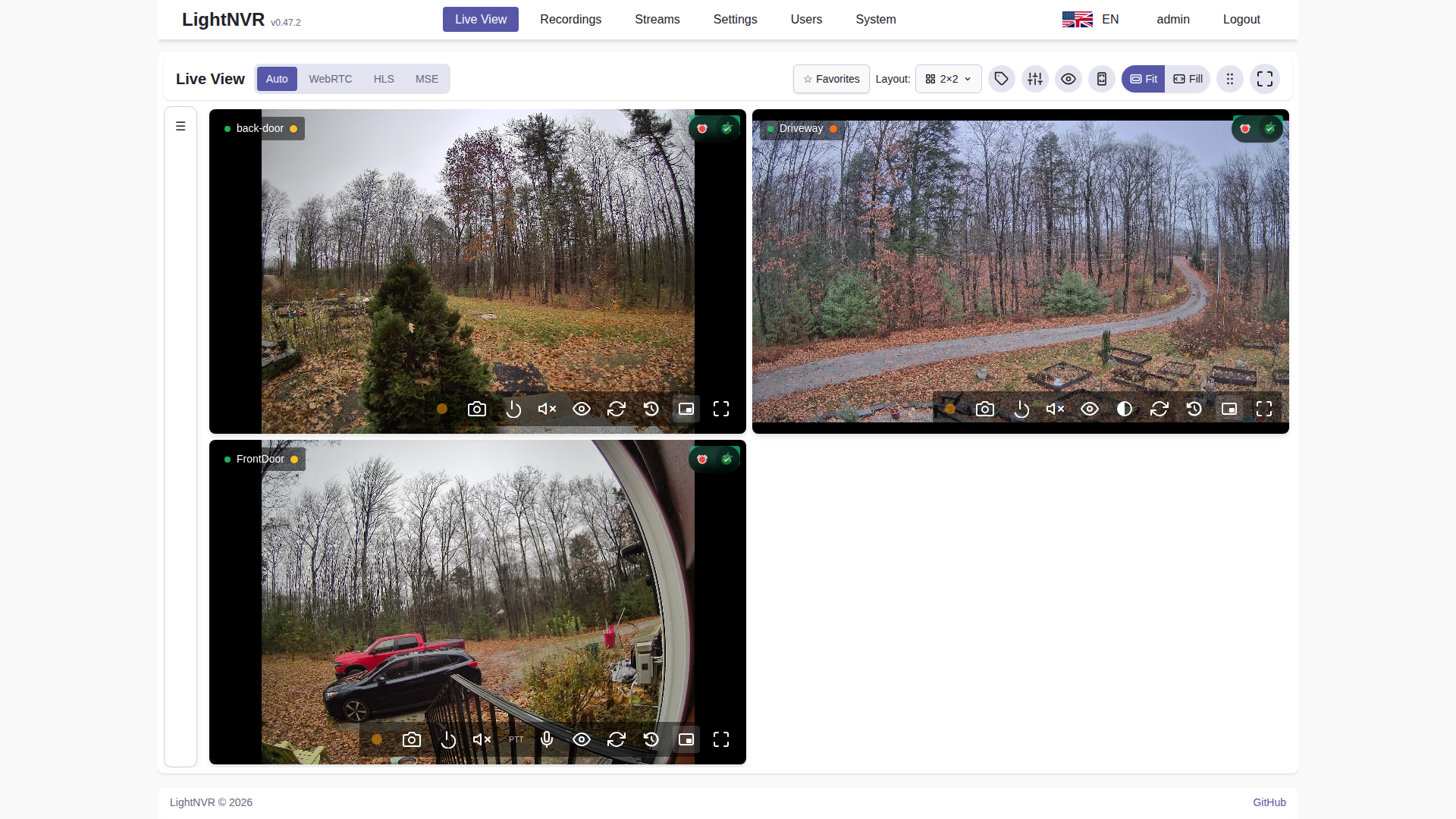
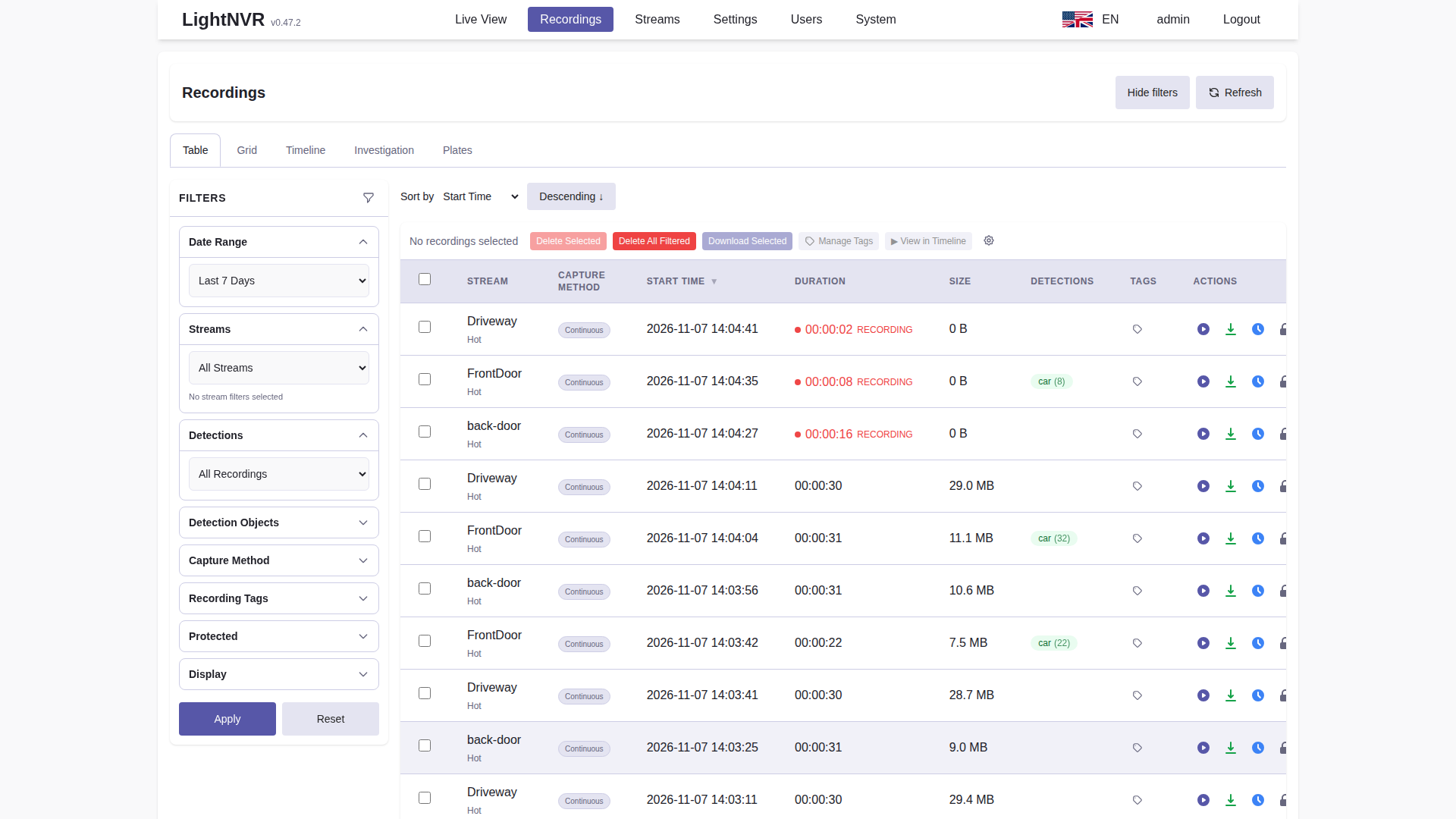
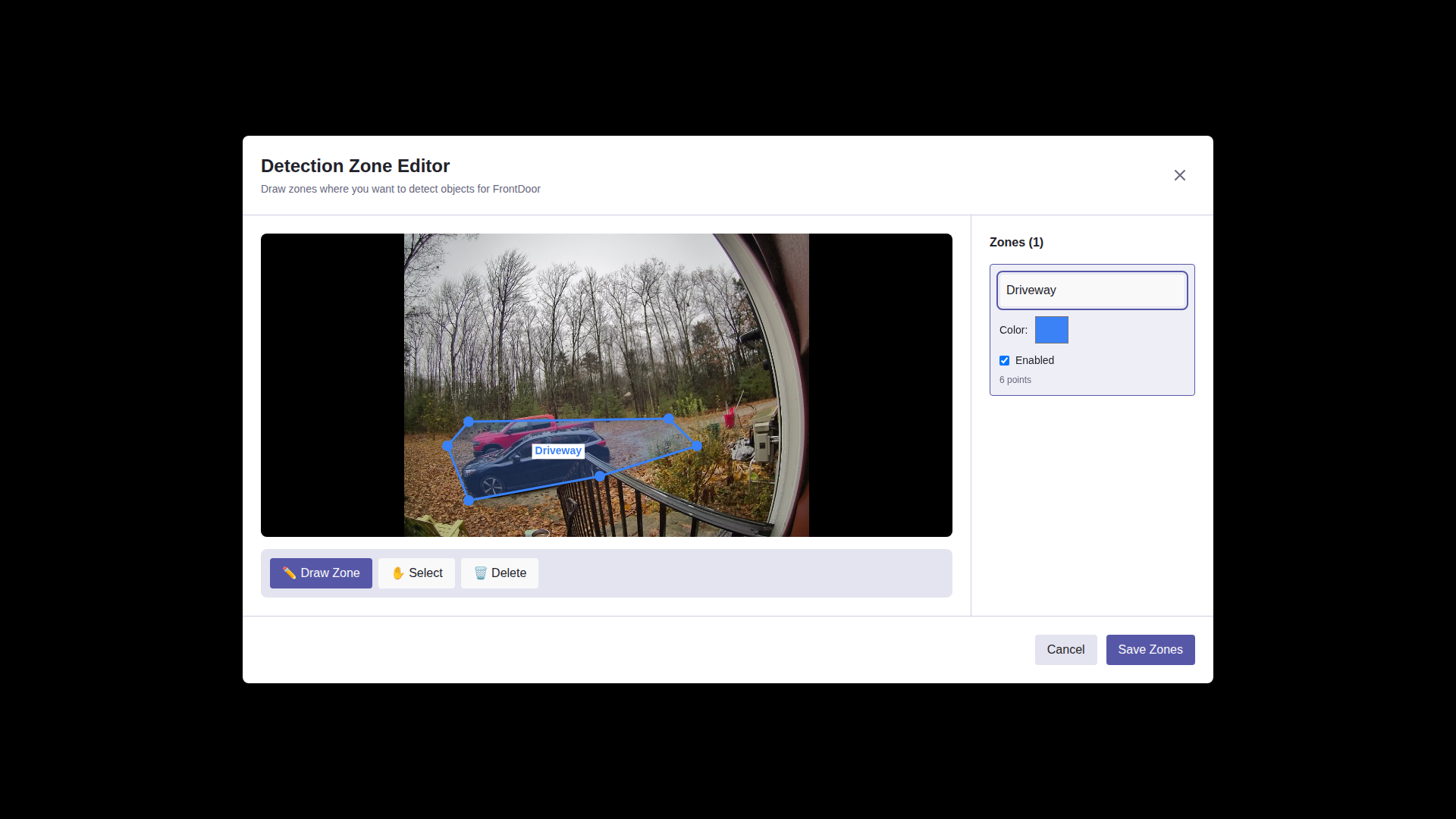
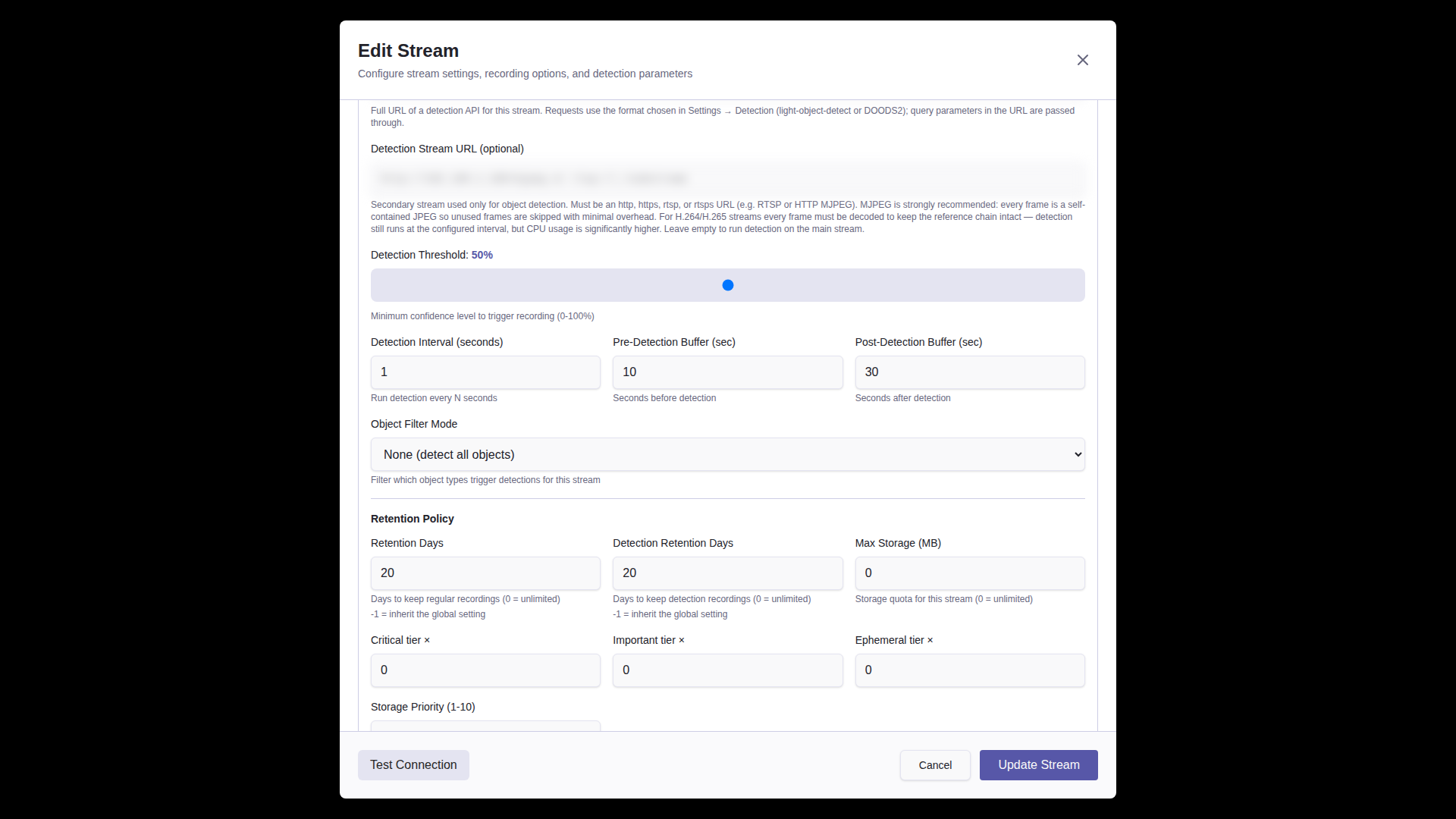
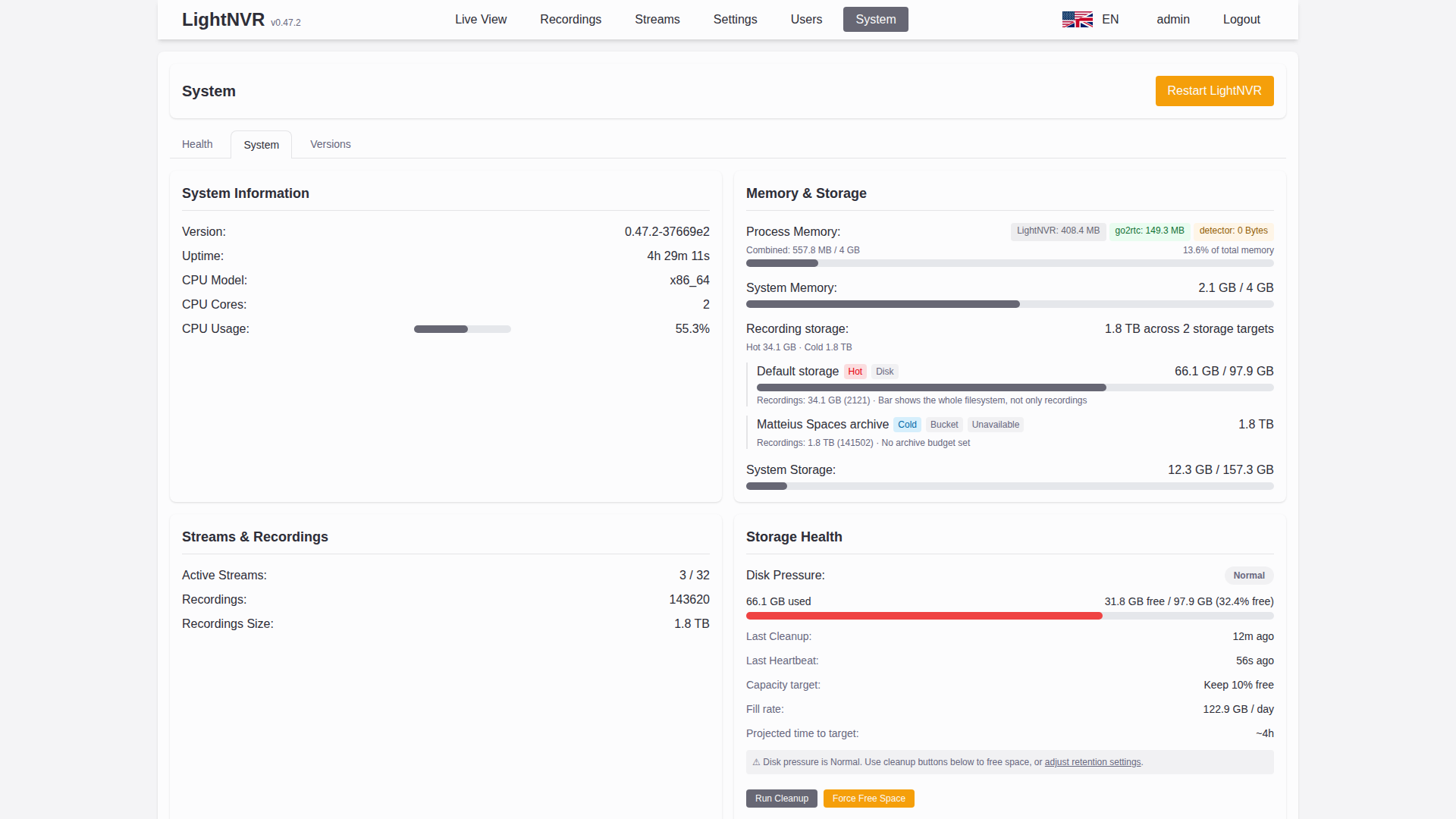
At 3 a.m., your driveway camera is the only witness that matters, and LightNVR makes sure the footage lives on a drive in your house, not a subscription cloud. ONVIF discovery finds cameras on the network; an RTSP address adds the rest. Recording runs continuously, on a schedule, or only when something happens: draw a polygon over the gate, pick the object classes worth alerting on, set a confidence threshold, and clips keep a pre-event buffer so the lead-up survives too. Plate recognition turns passing traffic into a searchable log. Playback splits two ways. The live grid streams over WebRTC at sub-second latency, overlays detection boxes on the picture, and the Investigation workspace lines sixteen cameras onto one shared clock after an incident. Storage obeys retention policies, protected recordings stay put, and full disks archive out to S3, NFS or SAN volumes. Access comes with database users, roles, TOTP two-factor codes and API keys. Prometheus metrics report the recorder's own health, MQTT events feed Home Assistant, and a REST API carries detections into the rest of the house. The binary idles within 256 MB on supported boards and speaks nineteen languages. Running on a dedicated VPS on RepoCloud with guaranteed CPU, RAM, and SSD, full root SSH access, and a browser serial console. GPL-3.0 licensed.
Benefits
- Footage stays on your hardware
- Recording, detection, plate search, and playback all run locally with no cloud account, so camera video never leaves the building and keeps working when the internet does not.
- Sixteen cameras, one shared clock
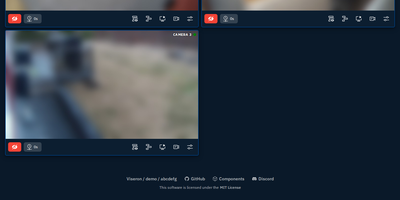
- The Investigation workspace synchronizes up to sixteen camera timelines for incident review, showing gaps honestly instead of stitching over them, with multi-camera export for the record.
- Detection that ignores the trees
- Polygon zones with per-zone object classes and confidence thresholds, ONVIF camera events, and plate recognition cut hours of empty footage down to the moments that matter.
- Runs on almost anything
- The native build fits in 256 MB of RAM on ARM, x86, or MIPS hardware, so a retired mini PC or single-board computer becomes a capable recorder.
Features
- Recording and retention engine
- Continuous, scheduled, and event-triggered MP4 recording with pre-event buffers, retention policies, protected recordings, tags, disk-space management, and archival to S3, NFS, and SAN storage.
- WebRTC and HLS live grid
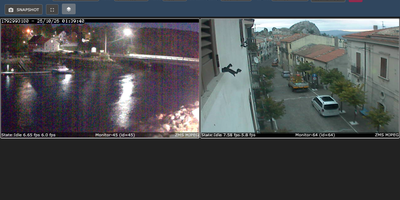
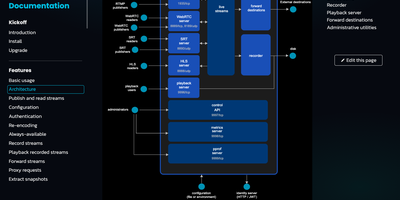
- Browser live view proxied and authenticated through LightNVR on go2rtc, with sub-second WebRTC or HLS delivery and detection overlays rendered on the video.
- Detection zones and plates
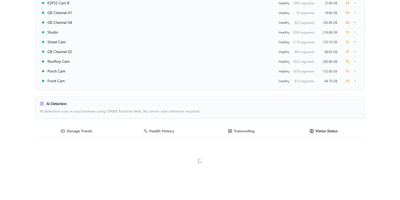
- Polygon zones with object classes and confidence thresholds, embedded SOD or external ONNX and TFLite detection through light-object-detect and DOODS2, ONVIF events, and plate search.
- Security and health monitoring
- Database-backed users with roles, TOTP multi-factor authentication, API keys, a forced first-login password change, plus Prometheus metrics and OS, filesystem, and hardware sampling.
- MQTT and REST integrations
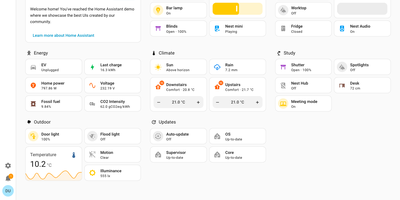
- MQTT event publishing with Home Assistant discovery and a documented REST API with an in-app reference connect cameras to automation and third-party systems.