Categories
Developer Tools AI Agents API Gateway Reverse Proxy Model Context Protocol MCP Gateway OAuthStars
Forks
Watchers
Developer links
Junctio
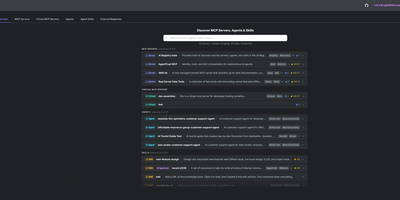
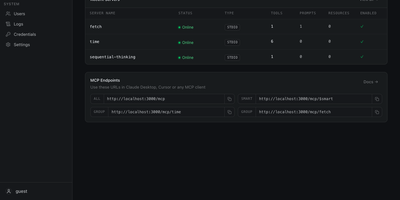
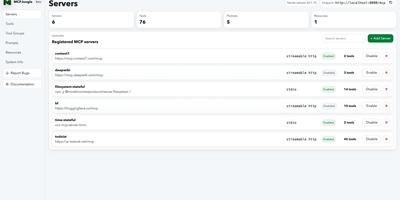
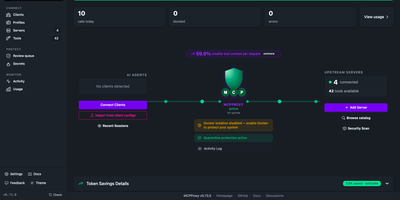
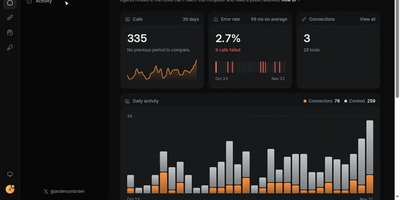
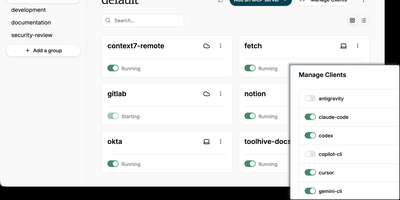
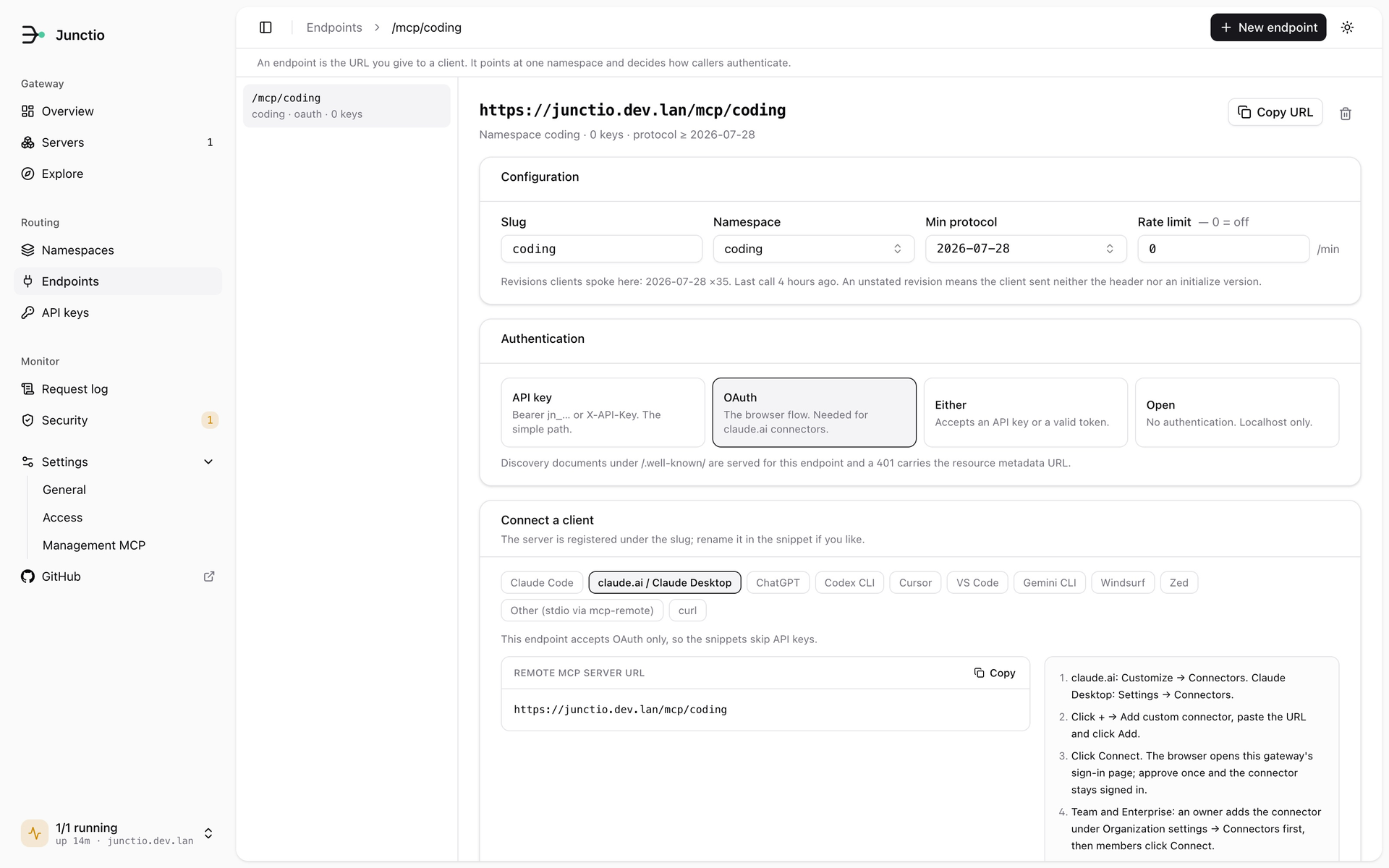
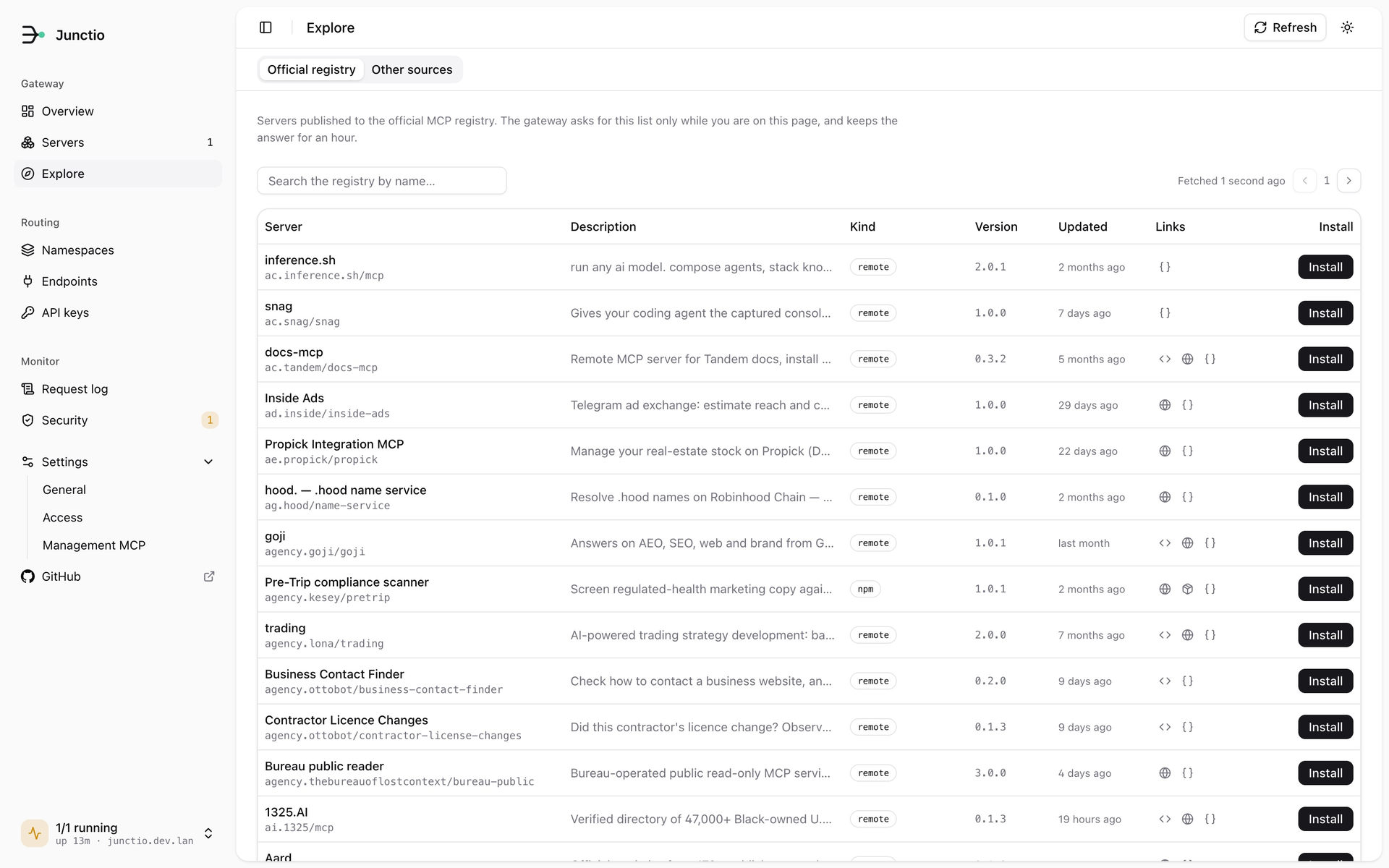
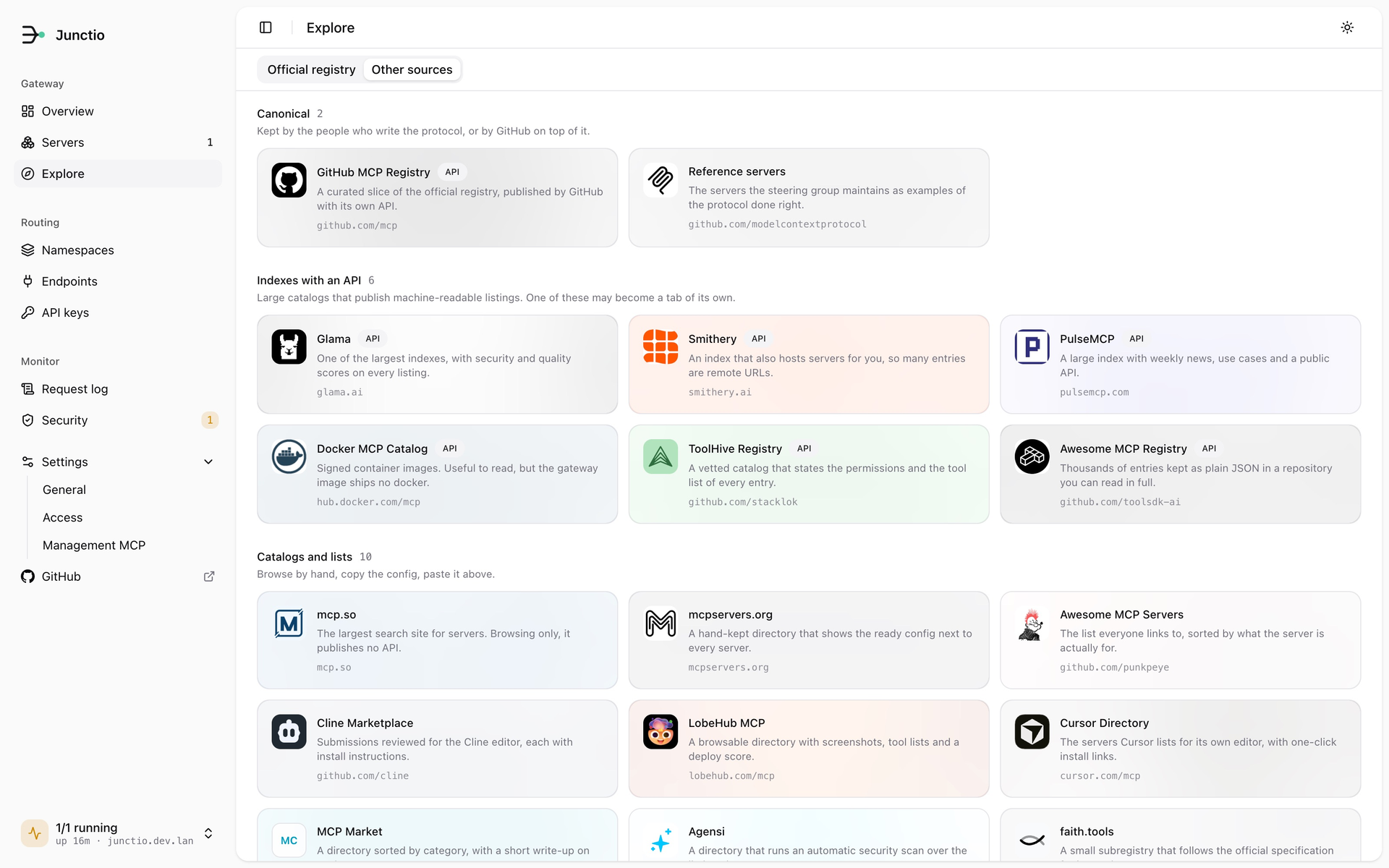
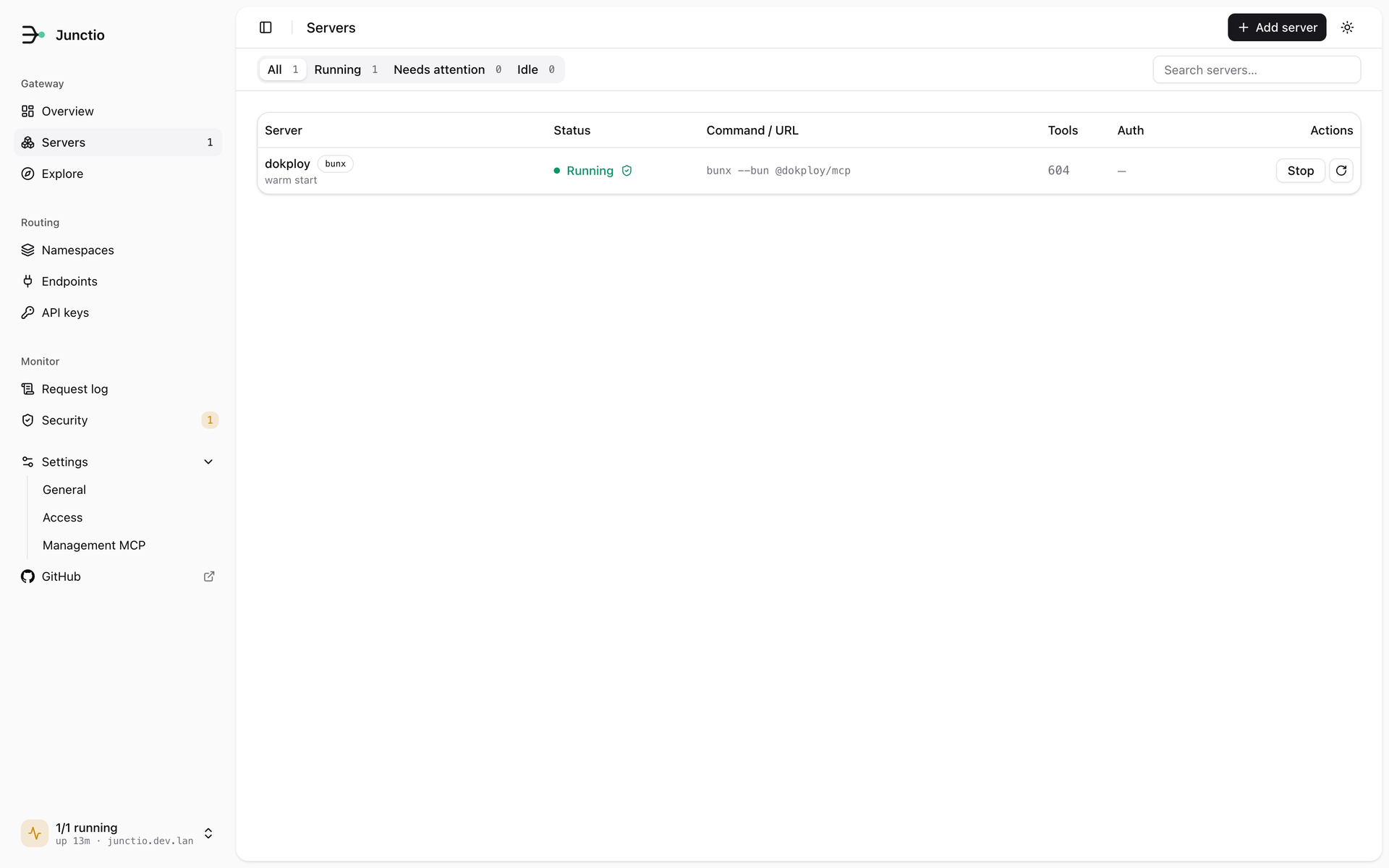
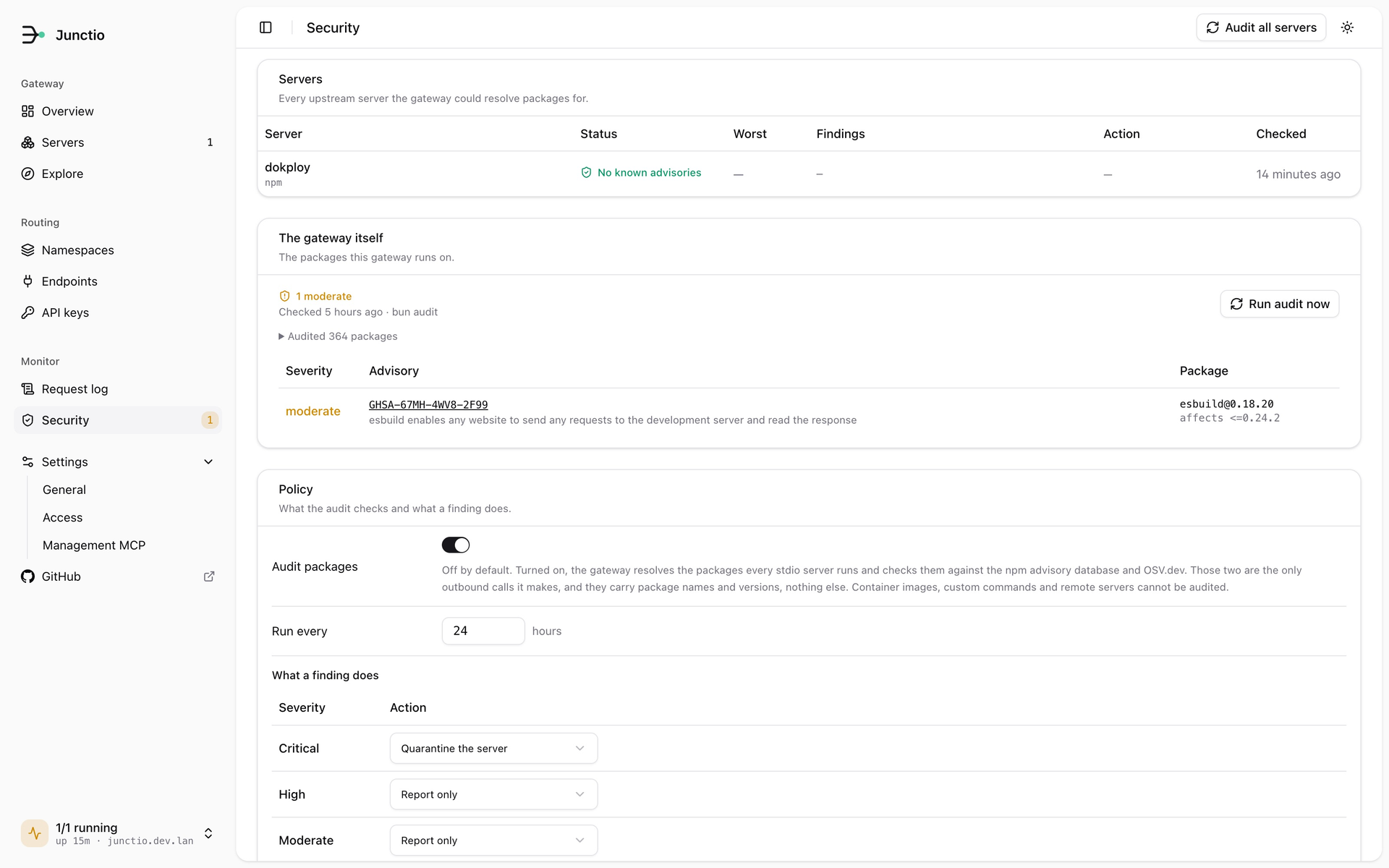
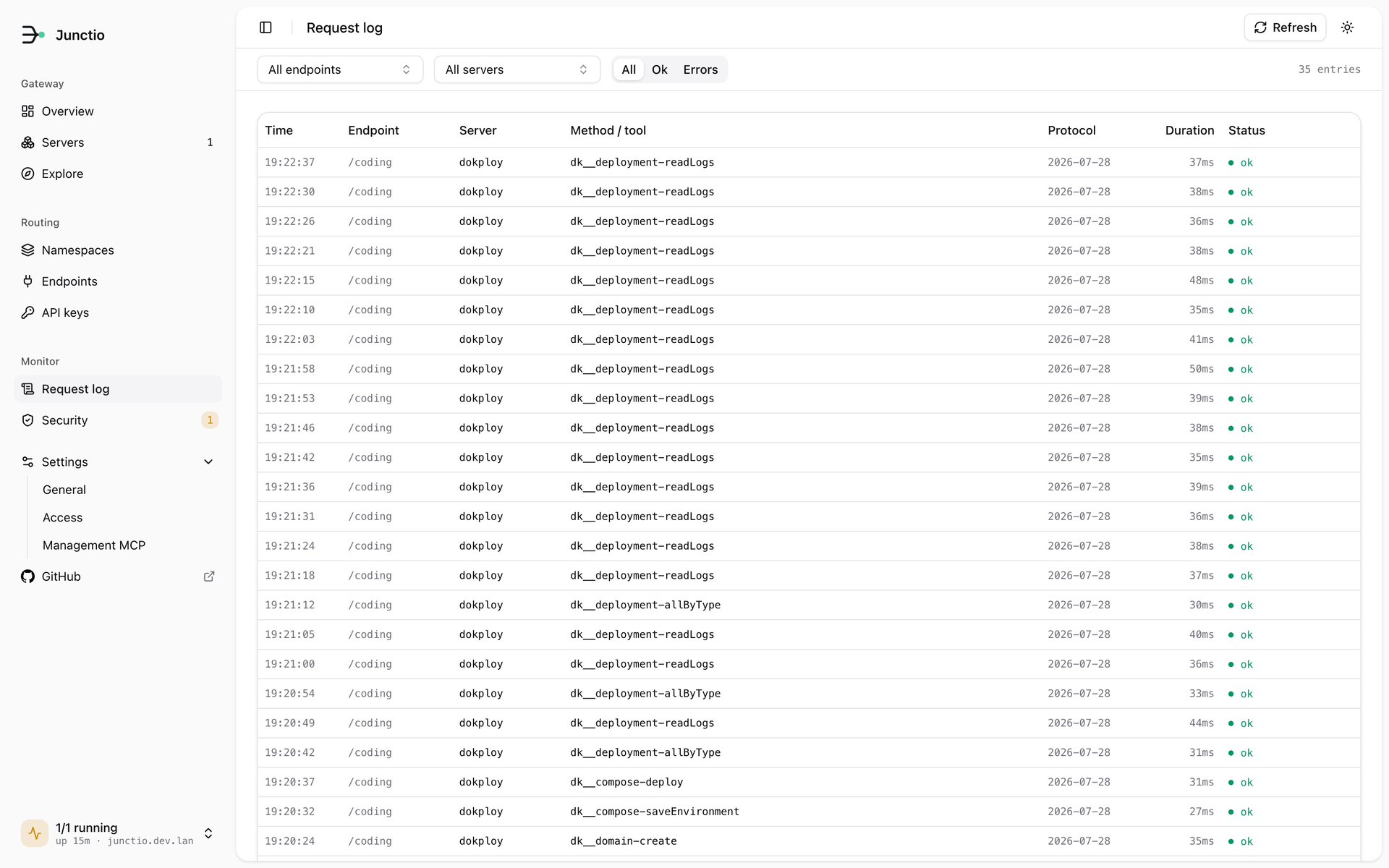
Every MCP client keeps its own list of servers and every server keeps its own login that expires at the worst moment, so Junctio puts them all behind one URL per client and refreshes the logins before they lapse. Add stdio servers by npm package, uv, container image or custom command, and remote servers over Streamable HTTP or legacy SSE, then group them into namespaces whose tools you can hide, rename or re-describe. Each endpoint accepts no auth, API keys bound to it, or OAuth, with a built-in authorization server for claude.ai and Claude Desktop connectors or token checks against Keycloak, Authentik or Auth0. Upstream tokens refresh on a schedule, parallel calls share one refresh, and a server that cannot refresh is flagged for re-login instead of failing silently. A dead upstream never blocks the rest, because tool lists load in parallel with a five second limit per server. The Explore page searches the official MCP registry and prefills the Add server form, and a pasted client config turns into rows you can add. A request log and per-endpoint rate limits watch the traffic, and an optional audit quarantines stdio servers with critical vulnerabilities. An optional management server with forty-six tools lets an agent configure the gateway, and there is no telemetry. Running on a dedicated VPS on RepoCloud with guaranteed CPU, RAM, and SSD, full root SSH access, and a browser serial console. MIT licensed.
Benefits
- One Endpoint for Every Client
- Point Claude Code, Codex or Cursor at a single URL per client and manage every server behind it from a web interface instead of editing config files on each machine.
- Upstream Logins That Never Go Stale
- A scheduler checks every minute and refreshes upstream OAuth tokens before they expire, concurrent calls share one refresh, and a server that needs a manual login again is flagged.
- Add Servers From the Registry
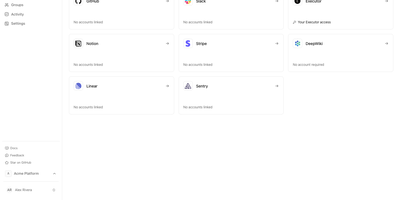
- Search the official MCP registry from the Explore page and install an npm, PyPI, container or remote entry with the form prefilled, or paste a client config to import it.
- Private by Default, No Telemetry
- Nothing leaves the machine except the registry lookup you trigger on Explore and the optional audit; there is no phone-home, analytics or update ping.
Features
- Namespaces and Tool Overrides
- Group servers into namespaces with prefixed tool names like prefix__tool; collisions are rejected on save, and tools can be hidden, renamed or re-described per namespace.
- Flexible Server Runtimes
- Run stdio servers with npx, uv, docker or a custom command, or connect remote Streamable HTTP and SSE servers with no auth, a static header or OAuth.
- Built-in OAuth Server
- Endpoints publish RFC 8414 metadata, accept RFC 7591 dynamic registration and run authorization code with PKCE, behind an admin-password consent screen; an external issuer works too.
- Stateless Streamable HTTP
- Endpoints speak the 2026-07-28 MCP revision and the classic 2025-11-25 and 2025-06-18 handshakes on one URL, and each endpoint sets the oldest revision it accepts.
- Management MCP and Audit
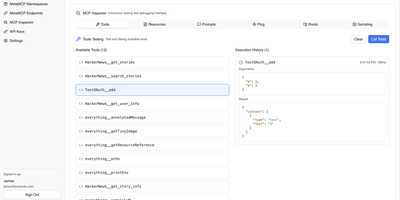
- An optional /mcp/_admin server exposes forty-six tools for agents, and an optional scheduled audit can report, quarantine or disable servers with known vulnerabilities.
- Single Container Deployment
- One image on GHCR for amd64 and arm64 serves the UI and gateway on port 3000, stores state in one volume, and needs JUNCTIO_SECRET; TLS is required for OAuth.