Categories
Developer Tools DevOps Search Engine Database Client Data Browser Elasticsearch Cluster Management Vue.jsStars
Forks
Watchers
Developer links
Elasticvue
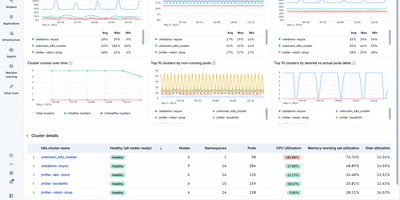
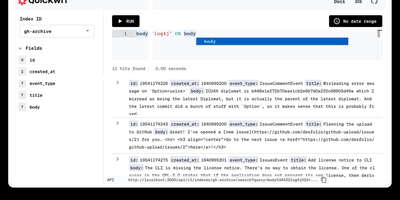
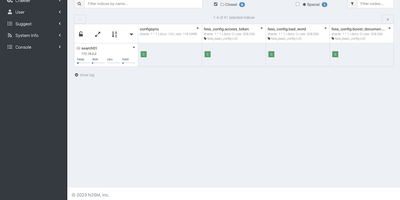
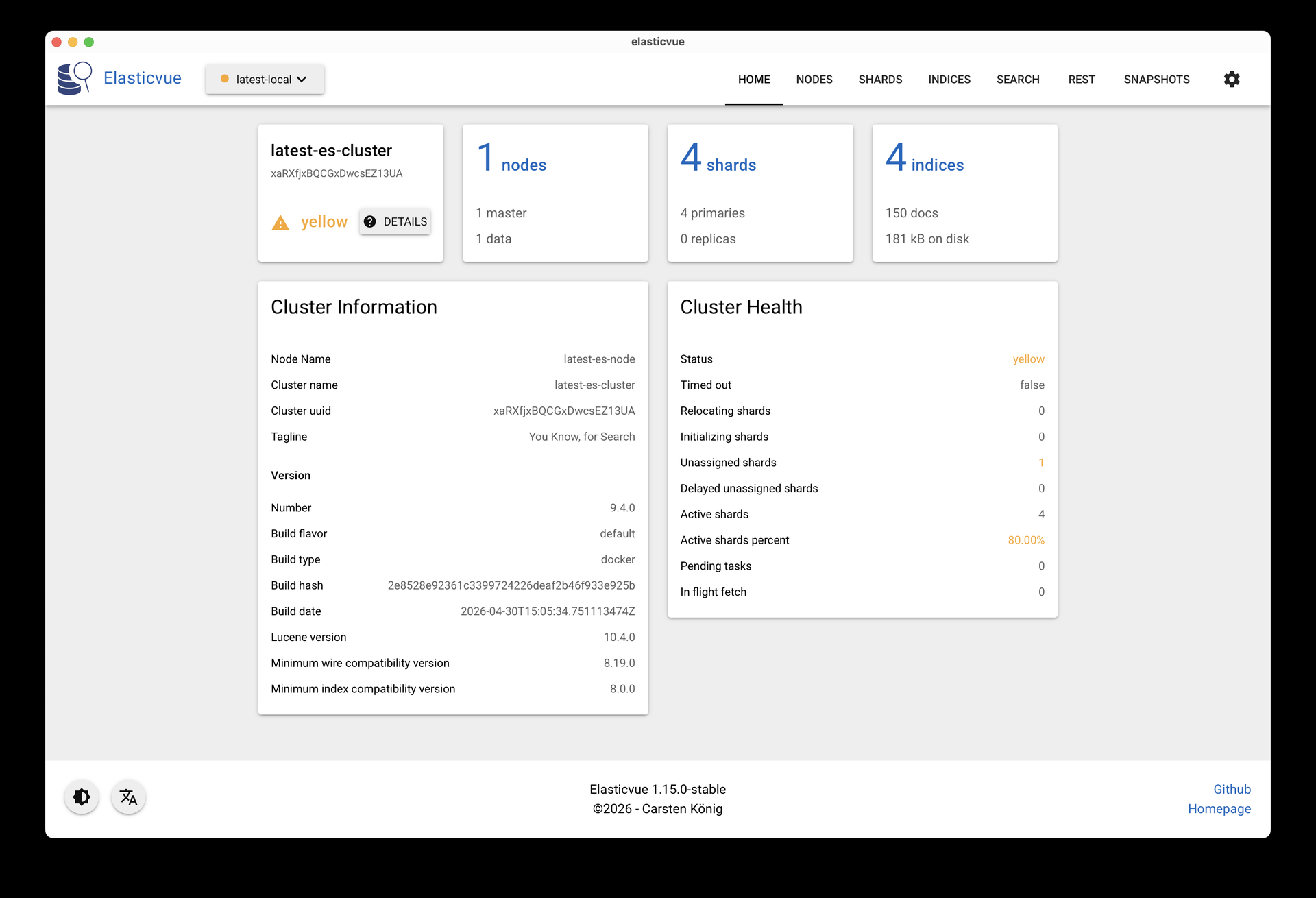
Elasticvue is a graphical interface for Elasticsearch where you can inspect cluster health, browse indices, search and edit documents, and send REST queries. Start on the Home tab, which summarizes status, nodes, shards, indices, document counts, and disk usage. Nodes shows load, CPU, RAM, heap, and disk for each member, and Shards lays out every primary and replica in a grid with a switch for shard allocation. Indices handles creation, aliases, templates, and bulk actions. Search runs query string searches across an index pattern, opens any hit in a JSON editor for updates or deletion, and downloads results as JSON. Rest sends any request from tabbed editors with history, saved queries, and examples, while Snapshots manages repositories and backups. Version 1.16 adds user and role management for Elasticsearch clusters. Secured clusters connect with basic authentication, API keys, or AWS IAM credentials, and the Docker image preloads cluster definitions from an environment variable or a mounted JSON file. Elasticvue supports every Elasticsearch version, even end-of-life releases, and speaks English, Chinese, French, Russian, Japanese, and Italian. Running on a dedicated VPS on RepoCloud with guaranteed CPU, RAM, and SSD, full root SSH access, and a browser serial console. MIT licensed.
Benefits
- Inspect Cluster Health At A Glance
- The home page shows status, node, shard, and index counts, document totals, disk usage, and version details, so problems like unassigned shards surface before you dig into logs.
- Fix Data Without Leaving The Browser
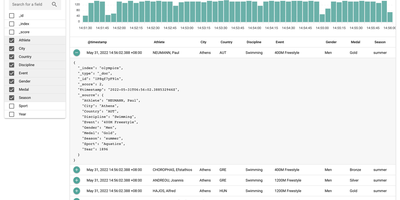
- Search an index pattern with query string syntax, open any hit in a JSON editor, update or delete the document, and download matching results as a JSON file.
- Reach Clusters Behind Authentication
- Basic authentication, API keys, and AWS IAM credentials are supported, and the desktop app or browser extension connects without any CORS changes on the Elasticsearch side.
- Preload Clusters For Your Team
- The Docker image imports a JSON list of clusters from the ELASTICVUE_CLUSTERS variable or a mounted file at every start, so teammates open the app with connections ready.
Features
- Cluster, Node, And Shard Views
- Overview, nodes, and shards pages show health status, per-node load, CPU, RAM, heap, and disk figures, plus a shard grid with a control to enable or disable shard allocation.
- Index And Alias Management
- Create indices, filter and sort the index table, manage aliases and index templates, and run bulk actions across selected indices from a single page.
- Document Search And Editing
- Query string search across index patterns, a custom search mode, in-place JSON editing of single documents, and JSON export of result tables.
- REST Client With History
- Send any HTTP method to the cluster API from tabbed editors, with request history, saved queries, built-in query examples, and a link to the API documentation.
- Snapshots And Repositories
- Manage snapshot repositories and snapshots from one page, including S3 repository settings, to handle backups without leaving the interface.
- Extension, Desktop, Or Docker
- Use it as a Chrome, Firefox, or Edge extension, a desktop app for Windows, macOS, and Linux, a hosted web app, or a Docker image served on port 8080.