Developer links
Bernstein
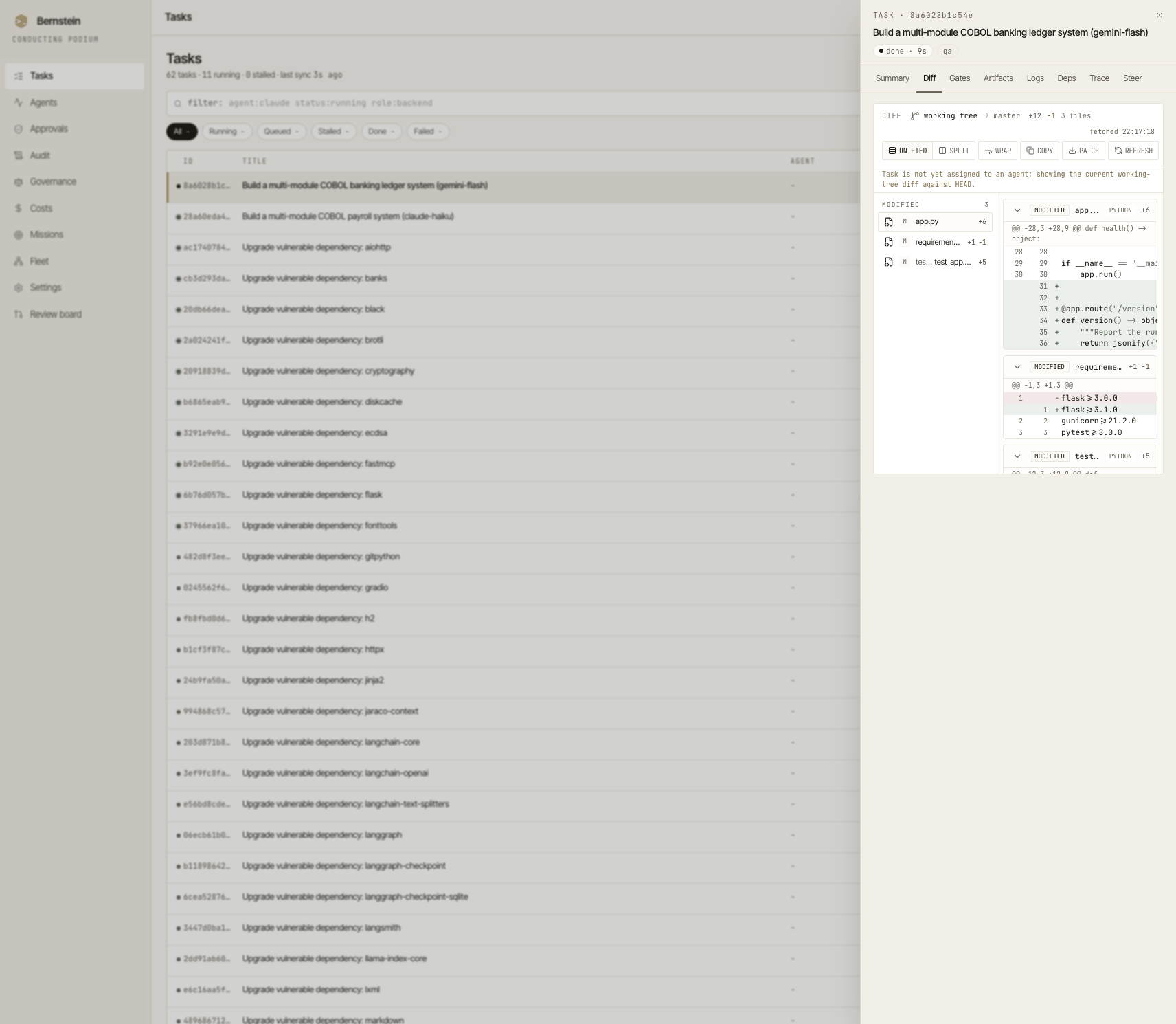
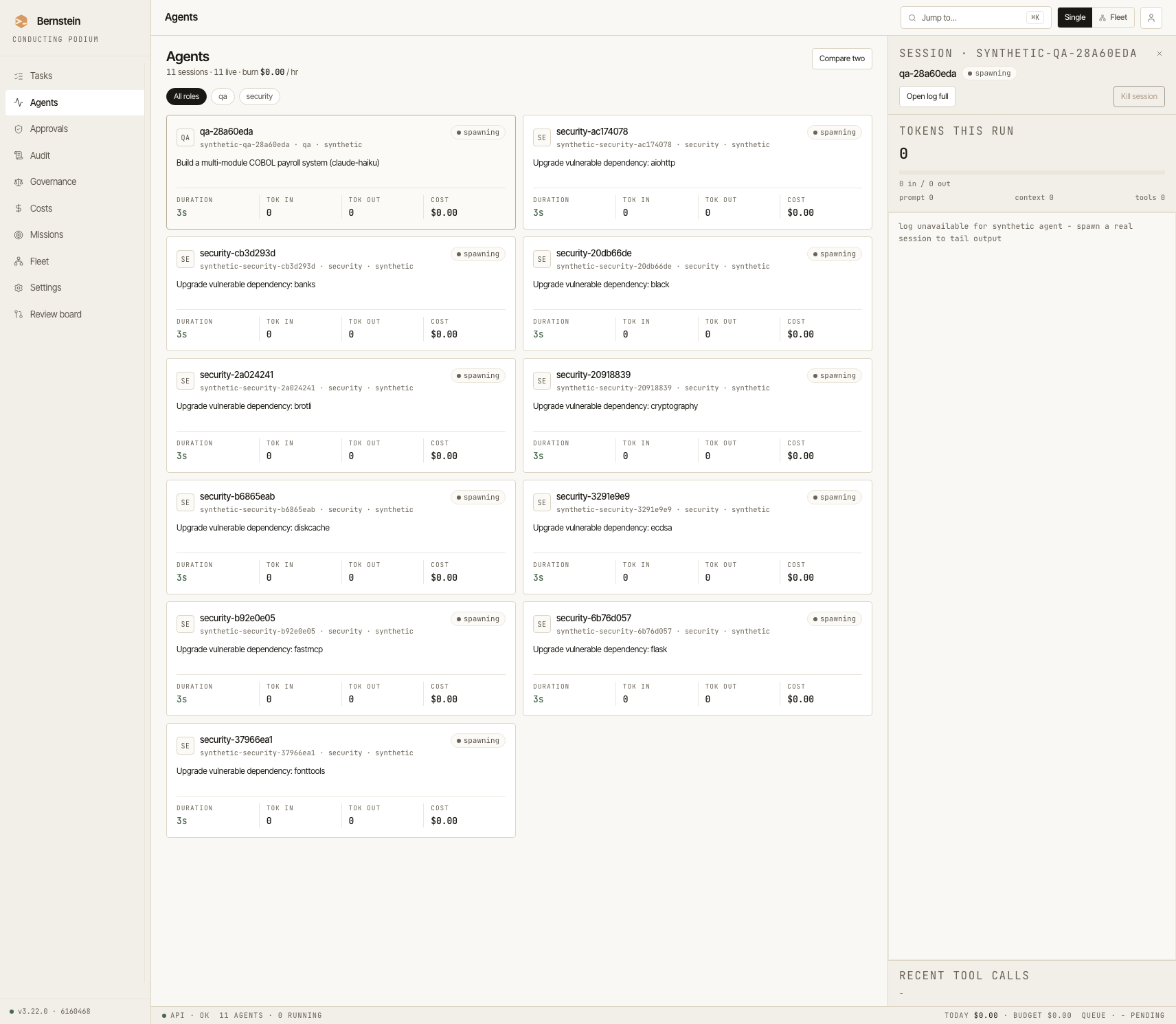
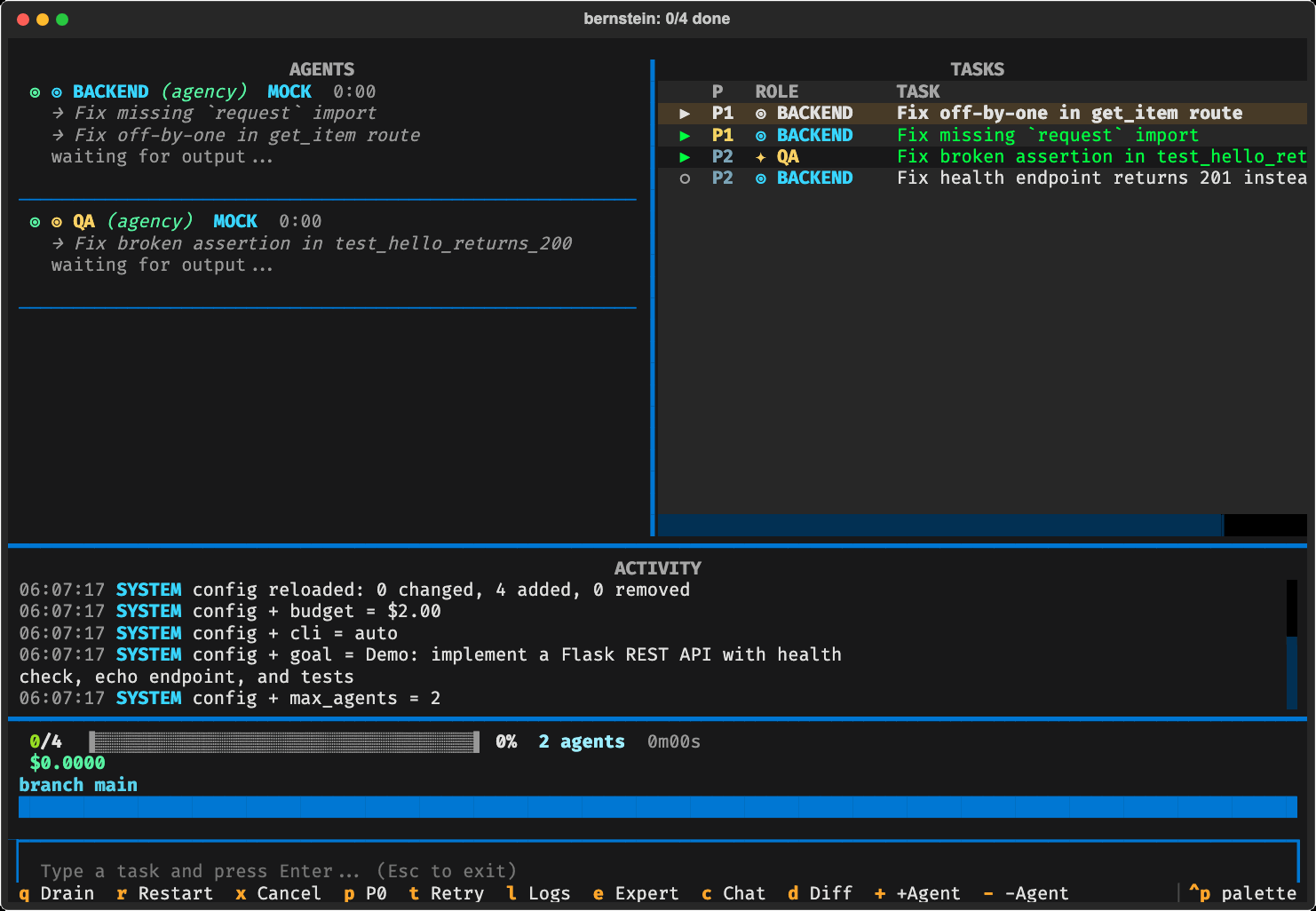
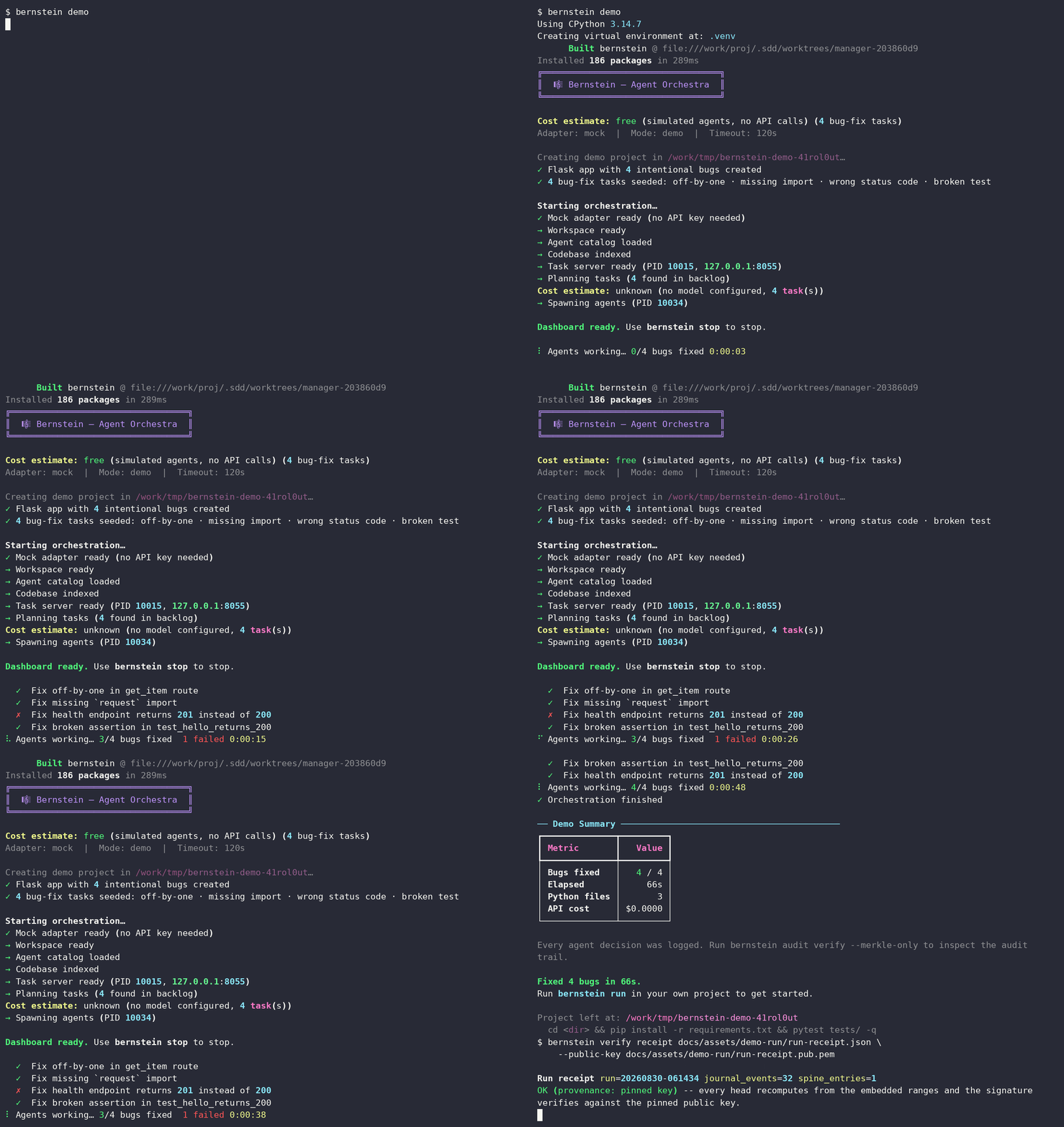
When an agent breaks production at 3 a.m., "the model did it" is no incident report: Bernstein decides in advance what your AI agents may touch, then keeps receipts proving what they did. You write policy as code: which roles may do what, what needs human approval, and what must be recorded before a task counts as done. A deterministic scheduler with no model in the coordination loop turns each goal into parallel tasks, so replaying yesterday's plan reproduces yesterday's task graph exactly. Every coding task runs in its own git worktree behind merge gates; nothing lands on your main branch until tests, lint, and type checks pass. It drives the CLI agents you already use (Claude Code, Codex, Gemini CLI, Aider, Goose, dozens more), mixing cheap local models with heavy cloud ones in one run. Approvals can demand a hardware key touch, and role fences hold whatever an agent tries inside its task. The journal, lineage record, and optional tamper-evident audit chain capture every step, sealed into an Ed25519-signed receipt verifiable offline from the file alone. Non-code work gets the same treatment: an artifact contract names the deliverable (report, dataset, audit evidence pack), and the task completes on a signed receipt instead of a commit. You supervise from the browser dashboard or terminal UI, watching tasks, agents, approvals, and costs live. Running on a dedicated VPS on RepoCloud with guaranteed CPU, RAM, and SSD, full root SSH access, and a browser serial console. Apache-2.0 licensed.
Benefits
- Policy decided before agents act
- Roles, approvals, and recording requirements are written as declarative policy before a run starts. Agents cannot negotiate their own permissions mid-task, and role fences hold whatever the model attempts.
- Runs you can replay exactly
- The scheduler is plain deterministic code with no model deciding what happens next. Replay a recorded run and the same task graph reappears, with any divergence named at the exact step.
- Evidence an auditor can verify
- Each run produces a journal, a lineage record, and an optional tamper-evident audit chain, sealed into an Ed25519-signed receipt. A reviewer verifies the whole run offline from that file alone.
- Your agents, your machine
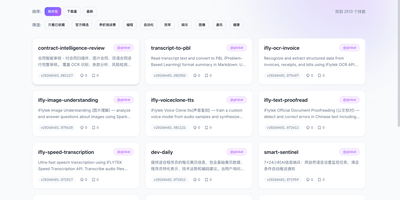
- More than fifty CLI agent adapters run under one policy layer, from Claude Code and Codex to local Ollama models. State lives in files on your host, with no SaaS hop in the loop.
Features
- Deterministic Python scheduler
- Goals decompose into role-scoped tasks executed as plain Python, so a run is reproducible end to end. Failed tasks retry or reroute to a different model under the same rules.
- Worktree isolation, merge gates
- Each coding task gets its own git worktree, and the janitor checks tests, file existence, lint, and types before anything merges. Your main branch stays clean until work is verified.
- Hardware-backed approval gates
- Sensitive actions wait for approval, optionally a FIDO2 or PIV hardware key touch, under the same receipt protocol as every other step. Token custody never raises trust levels silently.
- Browser and terminal dashboards
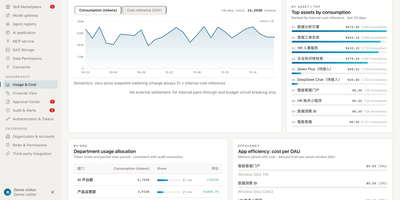
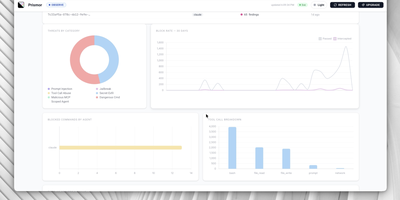
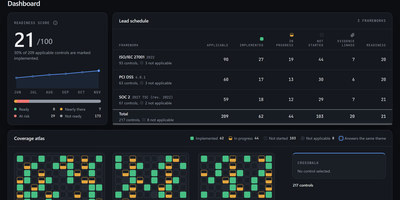
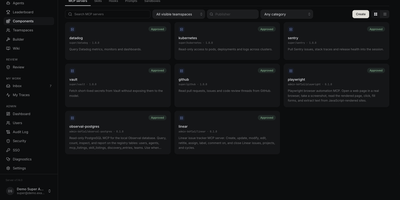
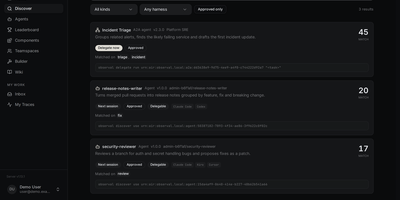
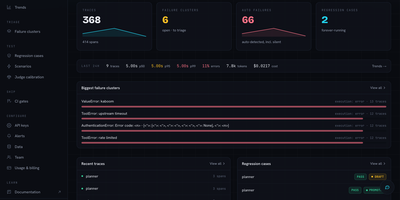
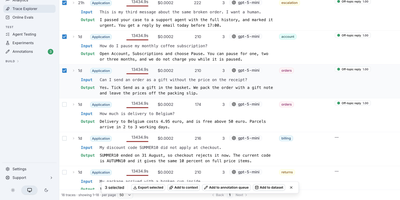
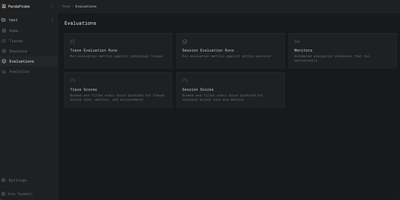
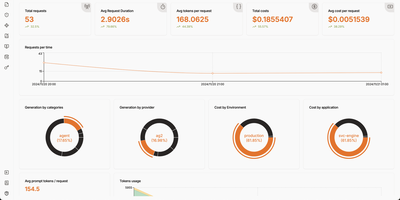
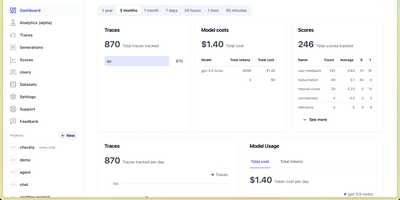
- Watch tasks, agents, approvals, audit chains, and costs from the web GUI on port 8052 or the terminal UI. Both read one task API, so neither view lags the run.