Stars
Forks
Watchers
Developer links
AiPBX
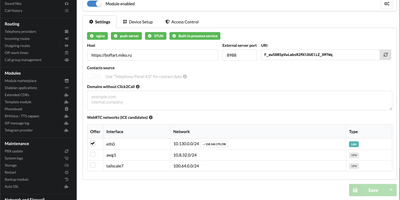
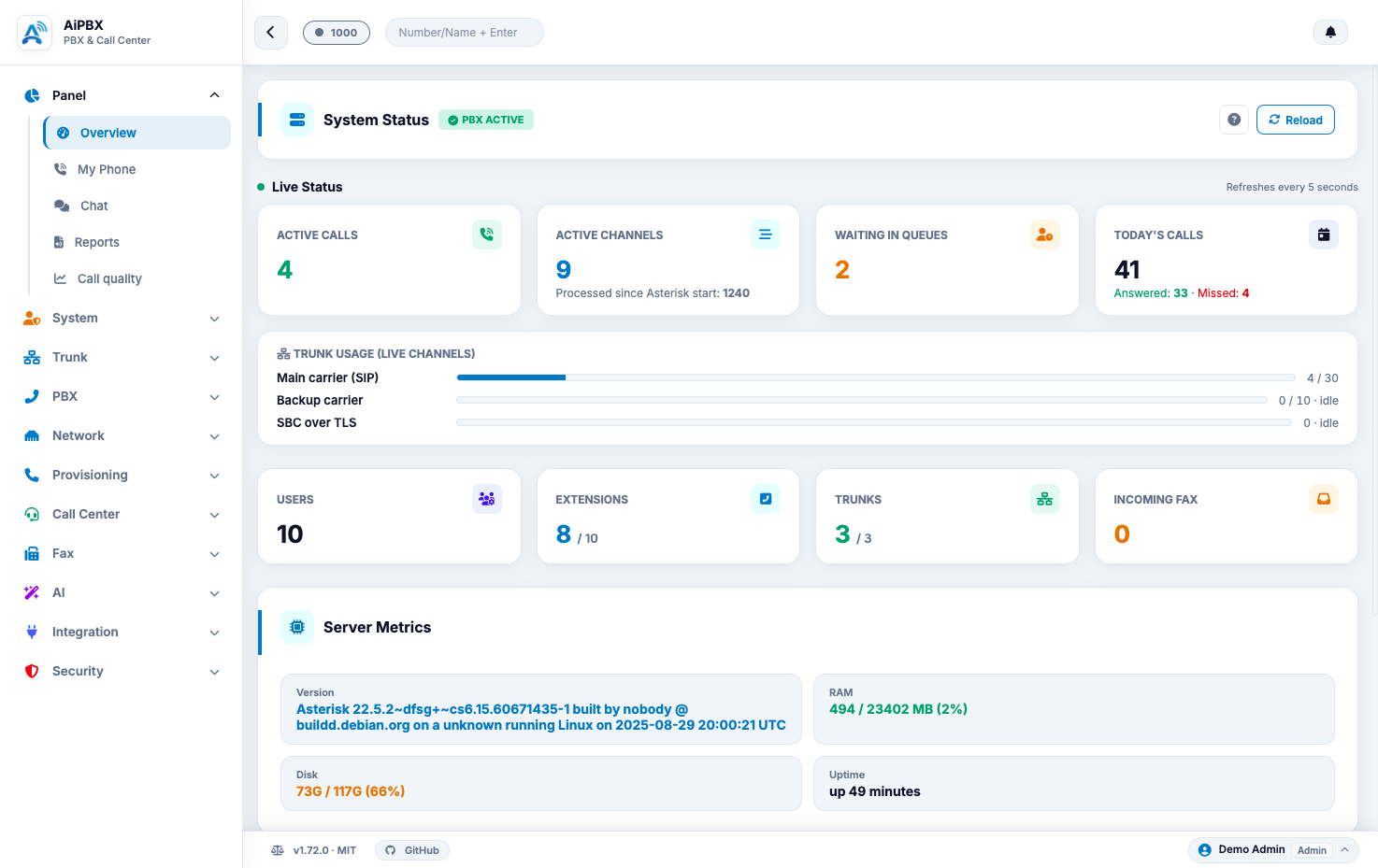
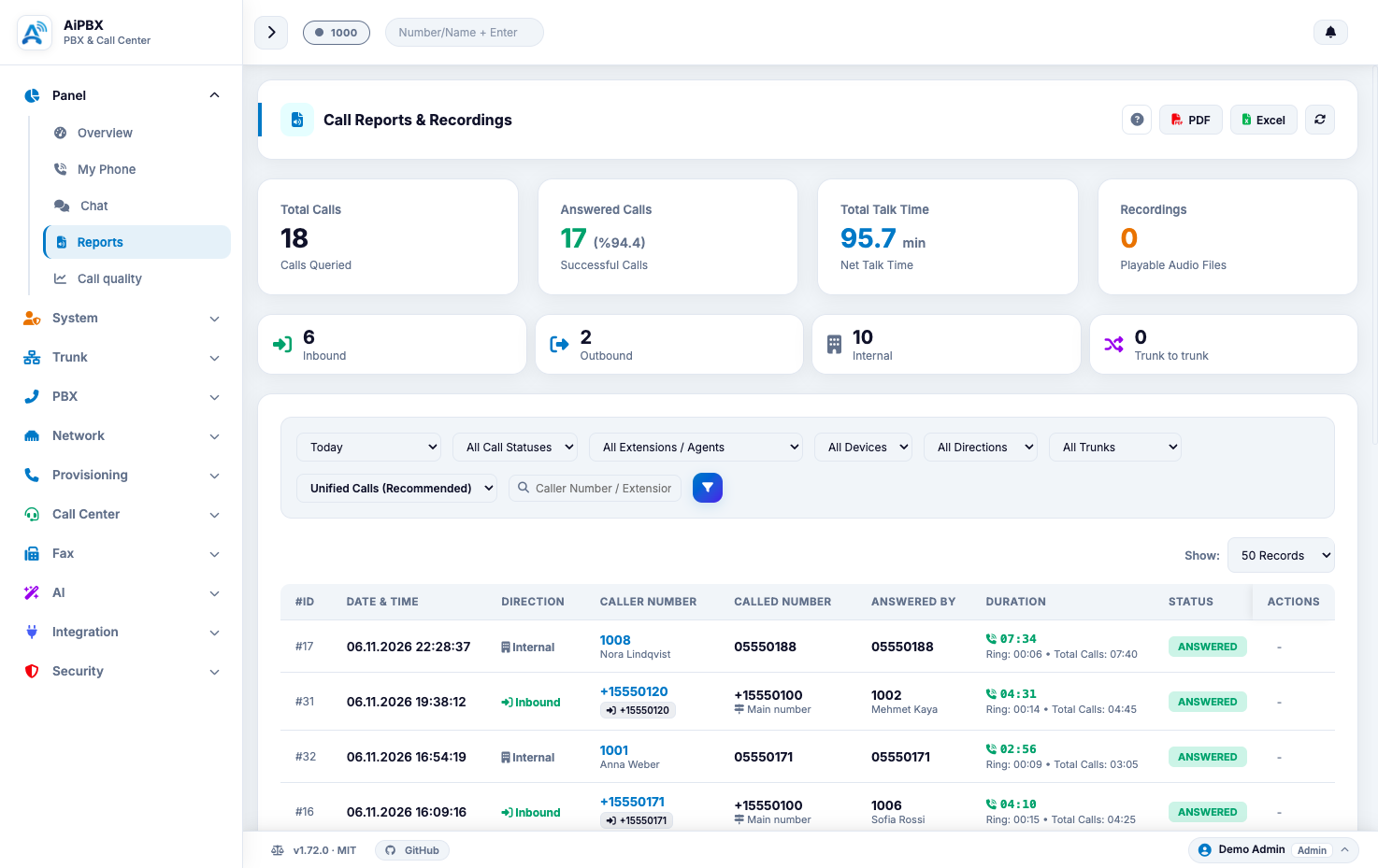
One server replaces the phone system, the meeting link, and the fax line: AiPBX turns a Linux machine into a business phone system with extensions, video meetings, chat, and call queues. Every employee gets one extension that rings a desk phone, the browser softphone, and the mobile app, while ring groups, multi-level IVRs, and time conditions route callers without anyone editing dialplan files. Queues staff your support line with dynamic agent sign-in, hold music, and position announcements, and a live wallboard lets supervisors watch waiting callers and agent states, then listen, whisper, or barge into a call. Meetings run in the browser: schedule conferences with PINs, send guests a magic link into a WebRTC room with screen sharing, and let streams forward without transcoding. Chat lives in the same portal: photos, files, presence, read receipts, and fax is composed in a rich-text editor or uploaded as PDF and delivered over T.38. Desk phones provision themselves: a discovery daemon spots new Yealink, Fanvil, Grandstream, Snom, and Cisco handsets and writes their configuration files. An AI assistant plans dialplan changes in plain language with dry-run preview and one-click undo, cloud voices from Google, Polly, Azure, ElevenLabs, or OpenAI read announcements aloud, and GDPR, KVKK, HIPAA, and PCI-DSS presets govern recording consent and retention purges. A 100-plus-endpoint REST API with scoped keys and HMAC-signed webhooks makes everything scriptable. Running on a dedicated VPS on RepoCloud with guaranteed CPU, RAM, and SSD, full root SSH access, and a browser serial console. MIT licensed.
Benefits
- One extension, every device
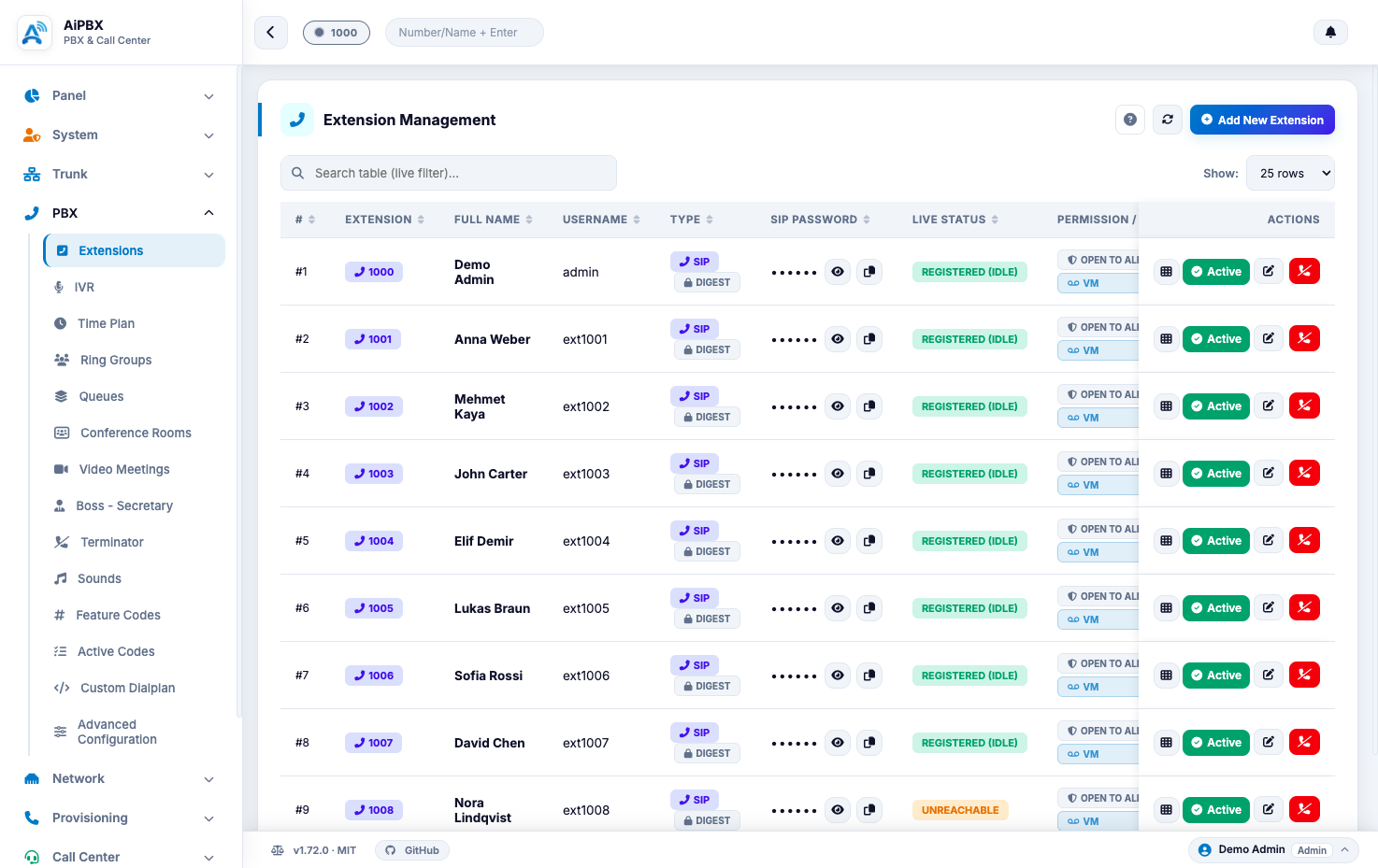
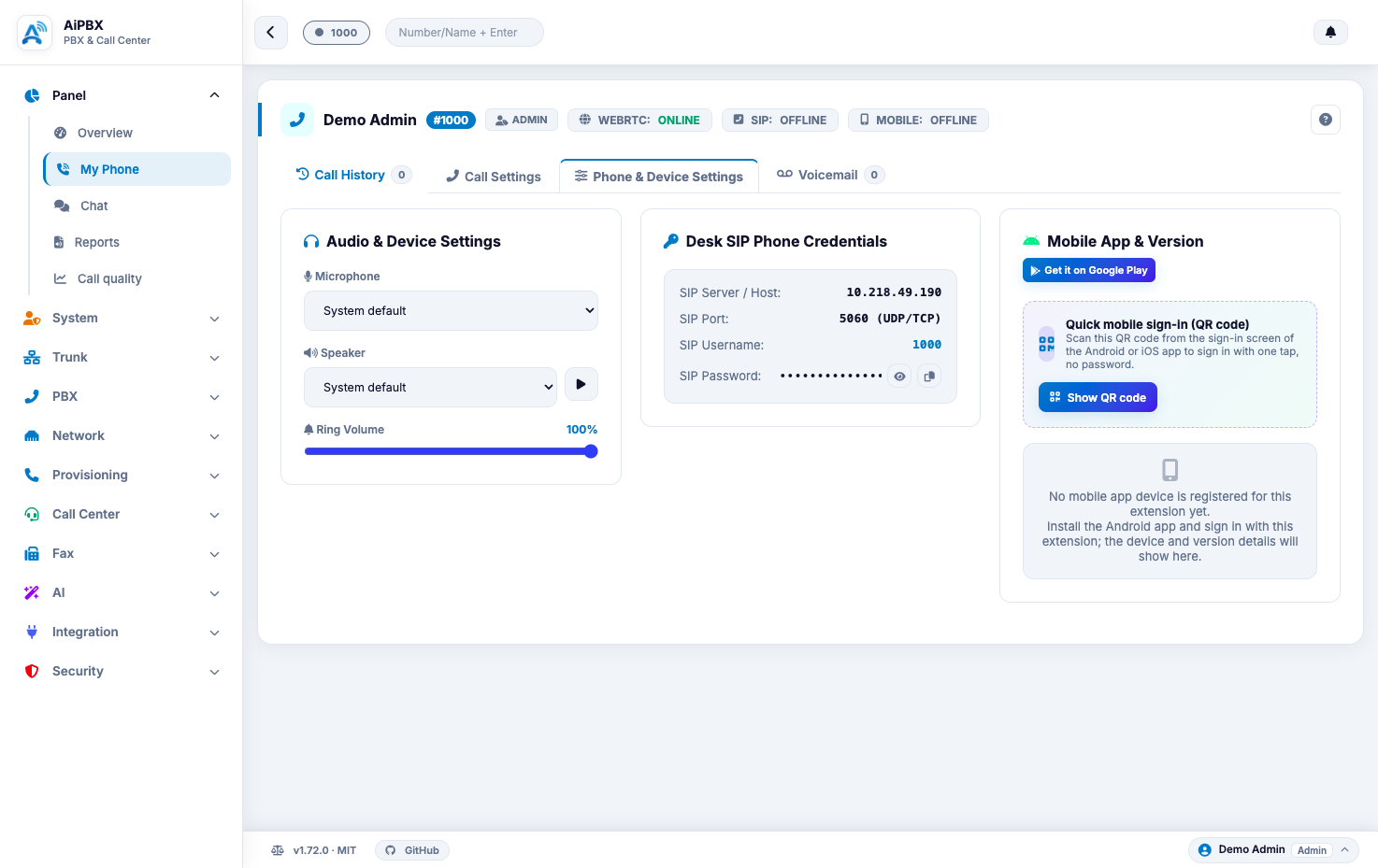
- A single PJSIP extension rings the desk phone, the browser softphone, and the Android or iOS app at once, with voicemail, call forwarding, and do-not-disturb following the user everywhere.
- Call center visibility, live
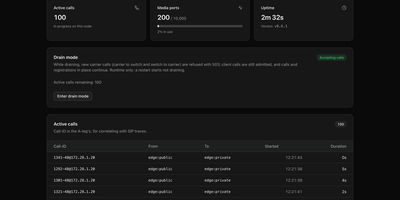
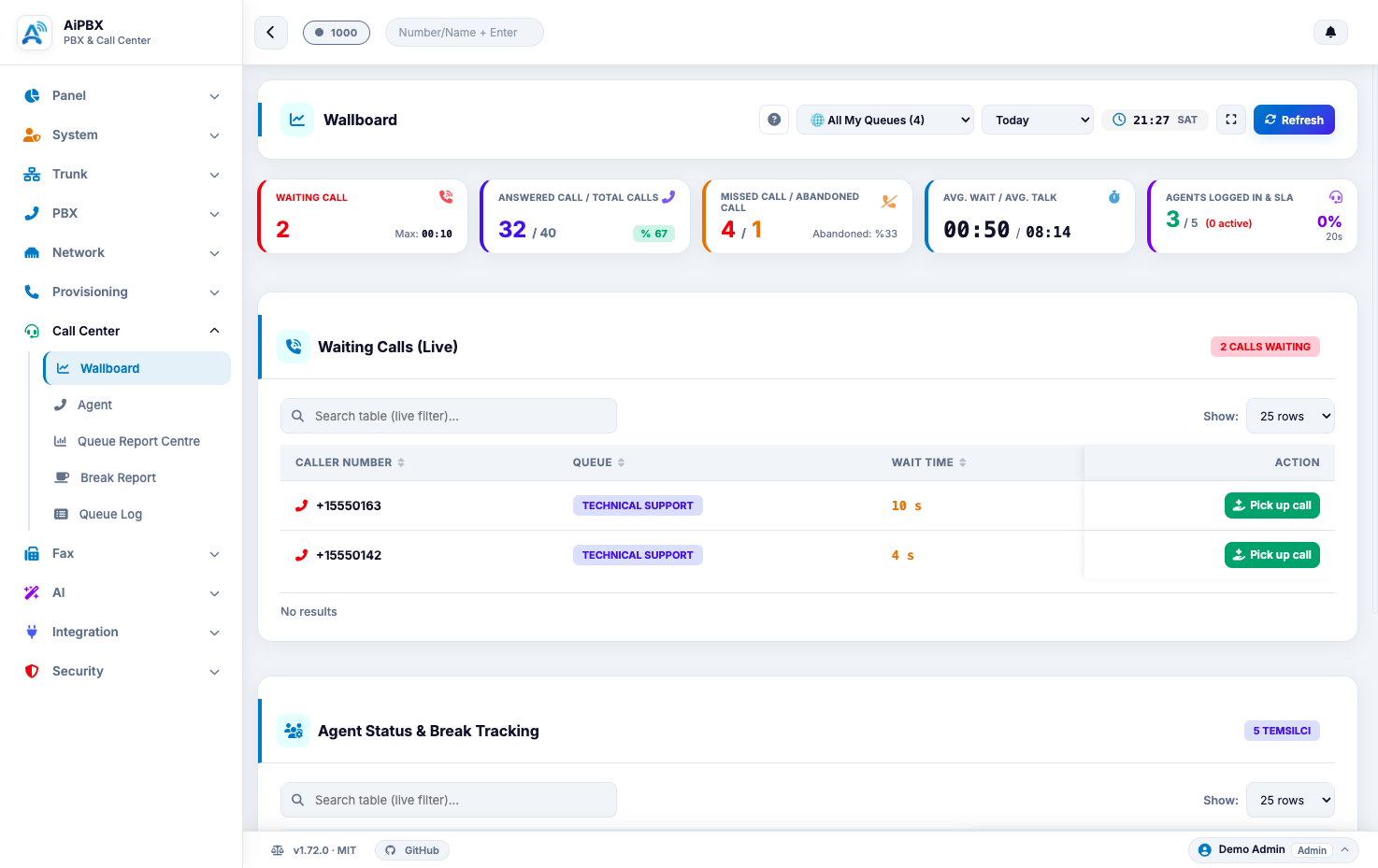
- The wallboard shows queues, waiting callers, agent states, and service levels in real time, while supervisors listen, whisper, or barge into calls and read per-queue, per-agent reports.
- Phones provision themselves automatically
- A discovery daemon finds new handsets on the LAN and zero-touch provisioning allocates extensions and generates configuration files for Yealink, Fanvil, Grandstream, Snom, Gigaset, and Cisco models.
- Compliance presets built in
- One-click templates for GDPR, KVKK, HIPAA, PCI-DSS, and CCPA control pre-call recording consent, live card-number redaction, nightly retention purges, and subject access exports with audit certificates.
Features
- WebRTC browser softphone
- A phone built into the portal header places encrypted Opus calls over DTLS-SRTP, with coturn TURN relaying through port 443 so strict firewalls and NAT never block audio.
- Video meetings, guest links
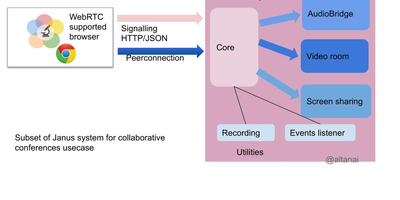
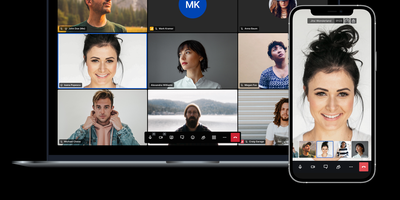
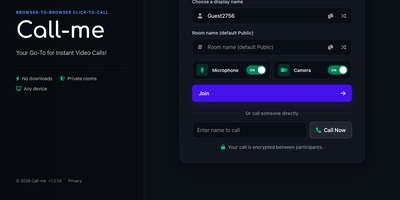
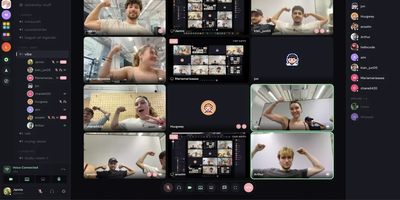
- Asterisk ConfBridge in SFU mode forwards video without transcoding; scheduled meetings carry PINs, and magic links let guests join from a browser with a pre-join lobby.
- AI dialplan assistant
- Plain-language change requests become dialplan edits with a dry-run preview, safety validation, a full audit trail, and one-click undo; cloud TTS voices typed announcements.
- REST API and webhooks
- More than 100 OpenAPI 3.1 endpoints cover extensions, trunks, queues, CDRs, and recordings; scoped apbx_ keys, CIDR allowlists, and HMAC-SHA256 signed event webhooks secure integrations.
- Plugin system, sandboxed
- Zip-uploaded plugins add Teams routing, auto-dialer campaigns, or SMS inboxes inside their own plg_ database tables, and Safe Mode disables any plugin after five consecutive errors.
- Fax that still works
- Inbound and outbound fax runs over T.38 and G.711 with SpanDSP; compose in the browser rich-text editor or upload a PDF, and receive faxes by email per DID.