Categories
Self-Hosted Media Server Streaming WebRTC Video Conferencing Voice AI Real-Time CommunicationStars
Forks
Watchers
Developer links
LiveKit
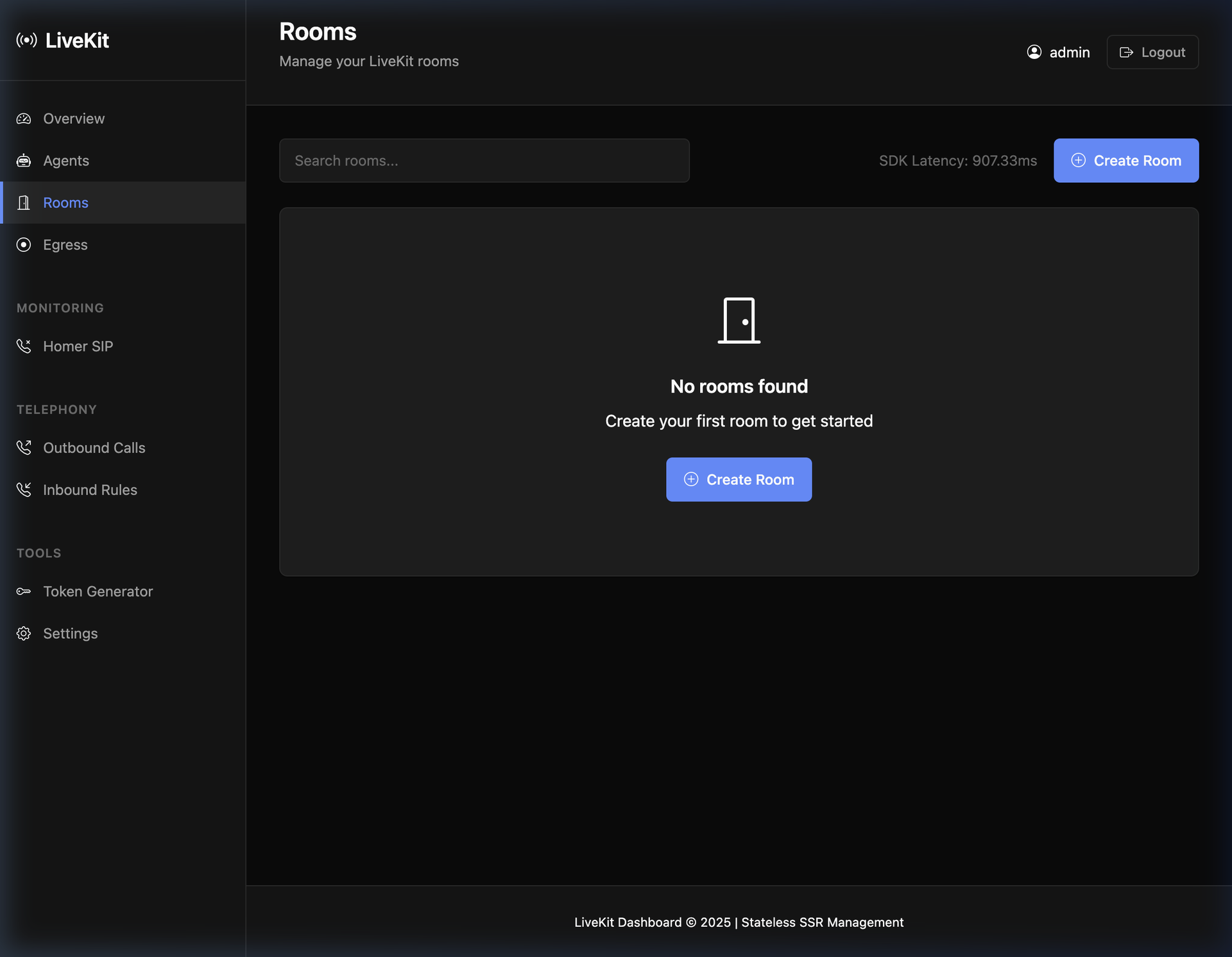
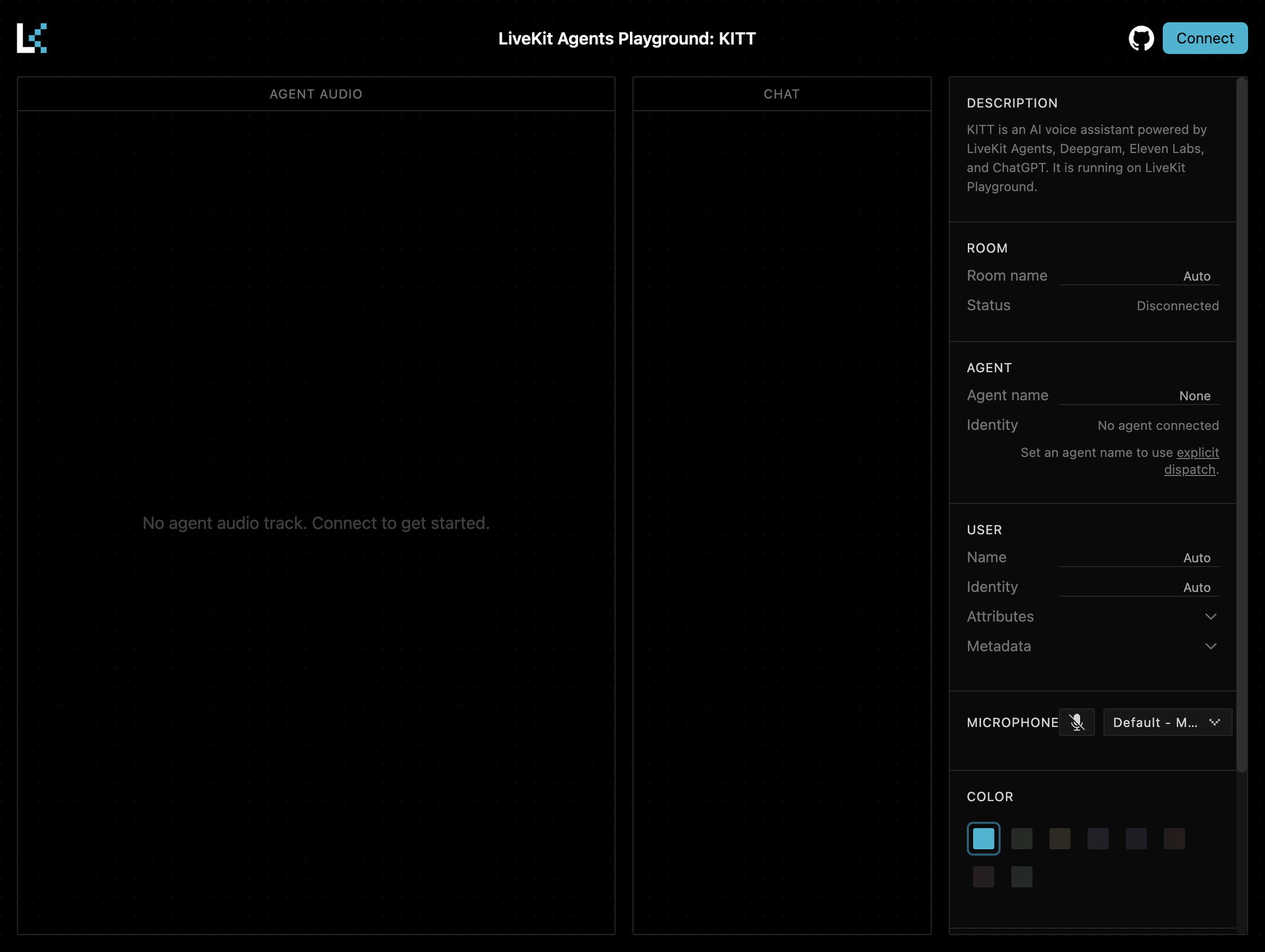
With over 20,000 GitHub stars and adoption by companies building everything from telehealth platforms to AI voice agents, LiveKit is the most widely deployed open-source real-time communication server available. The Go-based Selective Forwarding Unit handles hundreds of concurrent participants per node with adaptive bitrate streaming, simulcast layers, SVC codec support for VP9 and AV1, and end-to-end encryption. Client SDKs span JavaScript, Swift, Kotlin, Flutter, React Native, Rust, Python, Unity, and ESP32 embedded devices, while server-side APIs cover Node.js, Go, Ruby, Java, Python, Rust, PHP, and .NET. The Agents framework enables building AI-powered voice and video applications — real-time speech-to-text, LLM-driven conversations, and computer vision pipelines — running as server-side participants in any room. Egress records sessions to S3-compatible storage or streams to RTMP endpoints, while Ingress pulls external feeds from OBS via RTMP, WHIP, or SRT into LiveKit rooms. The SIP bridge connects traditional telephony to WebRTC rooms for hybrid conferencing. JWT-based authentication, webhook notifications, room-level moderation APIs, and selective subscription give operators granular control. Deploy as a single binary for development, Docker Compose for production single-node, or Kubernetes with the official Helm chart for distributed multi-region clusters using Redis for state coordination. Running on a dedicated VPS on RepoCloud with guaranteed CPU, RAM, and SSD, full root SSH access, and a browser serial console. Apache 2.0 licensed.
Benefits
- Production-Grade WebRTC Infrastructure
- Handles hundreds of concurrent participants per node with adaptive bitrate, simulcast, SVC codecs, TURN traversal, and distributed multi-region scaling via Redis coordination.
- Complete AI Agent Framework
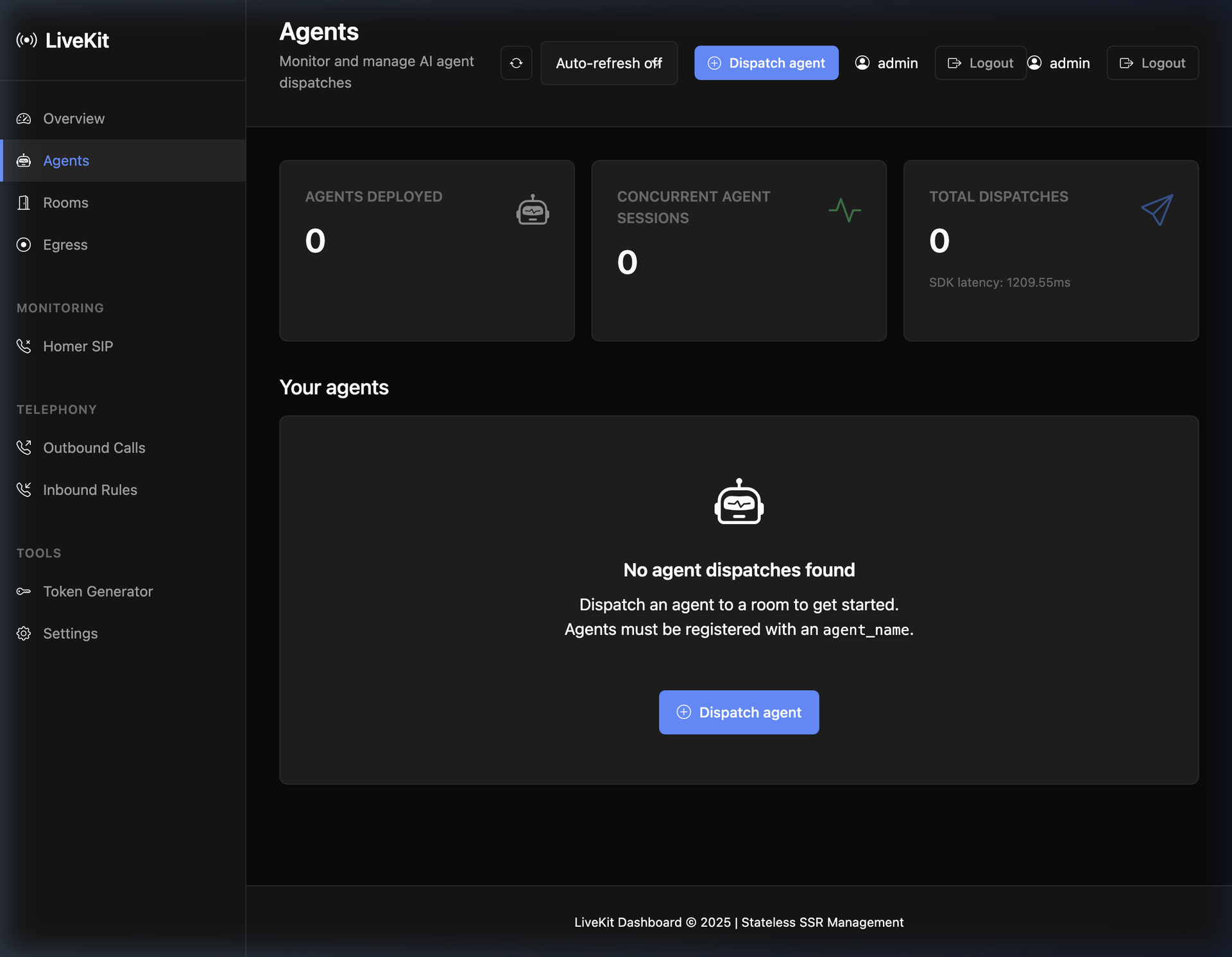
- Built-in Agents SDK enables server-side AI participants with real-time STT, LLM conversations, TTS output, and computer vision running inside any LiveKit room.
- Universal Platform Coverage
- Client SDKs for Browser, iOS, Android, Flutter, React Native, Rust, Python, Unity, and ESP32 with matching server APIs in Node.js, Go, Ruby, Java, Python, and Rust.
- Modular Media Services
- Egress records to S3 or streams RTMP, Ingress pulls RTMP/WHIP/SRT feeds, and SIP bridge connects traditional telephony to WebRTC rooms for hybrid conferencing.
Features
- WebRTC SFU Server
- Go-based Selective Forwarding Unit using Pion WebRTC with simulcast, SVC codecs (VP9/AV1), end-to-end encryption, and adaptive bitrate control.
- AI Agents Framework
- Python and Node.js SDKs for building real-time AI voice agents, speech-to-text pipelines, and LLM-driven conversational participants.
- Recording and Streaming
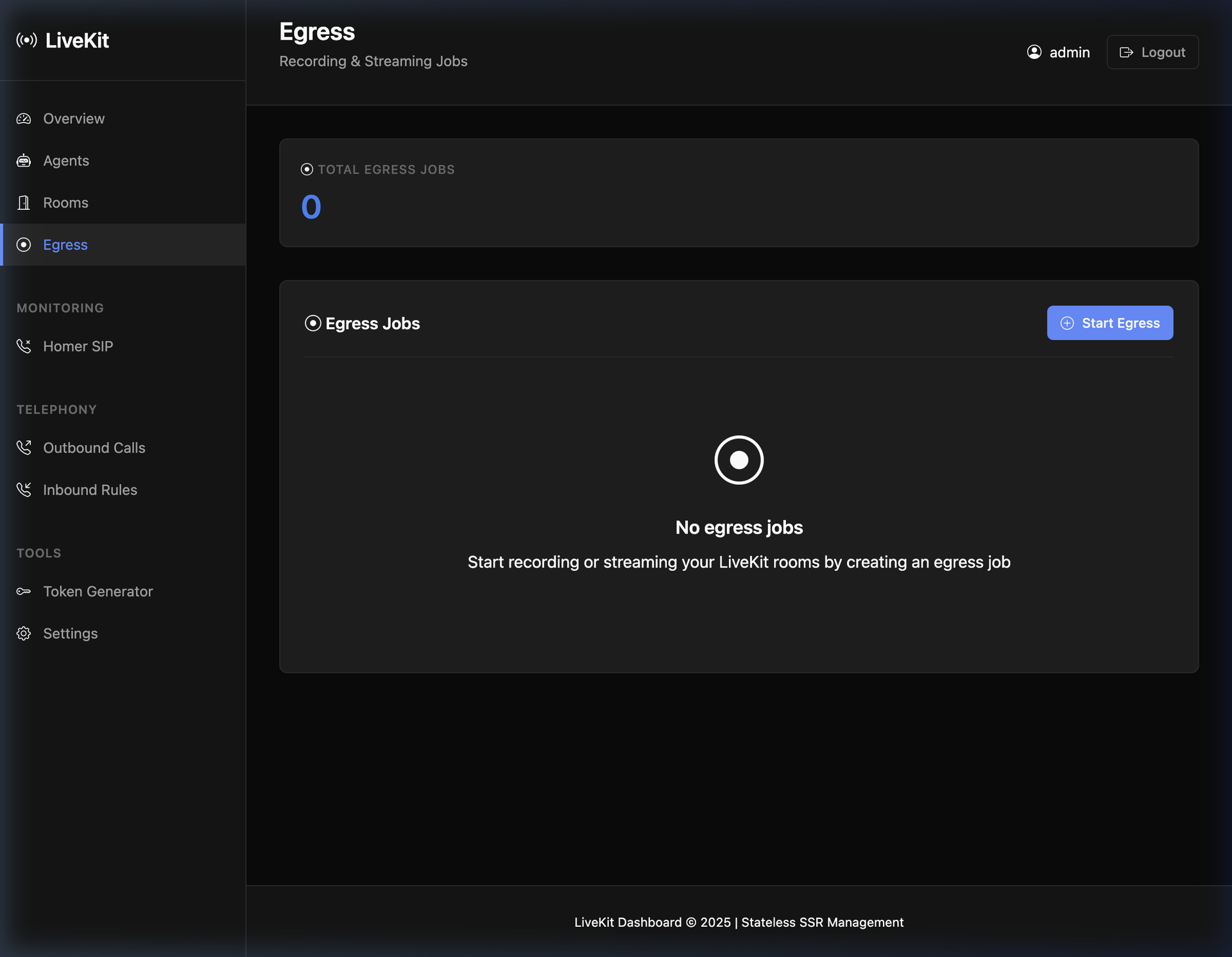
- Egress service records room sessions or individual tracks to S3-compatible storage, or forwards as RTMP/HLS streams.
- Stream Ingestion
- Ingress service pulls external video feeds via RTMP, WHIP, or SRT protocols into LiveKit rooms for rebroadcasting.
- SIP Telephony Bridge
- Connects traditional phone systems to WebRTC rooms, enabling PSTN dial-in and dial-out for hybrid voice conferencing.