Categories
Self-Hosted AI Agents Access Control Model Context Protocol Enterprise AI Data Integration Ontology Knowledge LayerDeveloper links
ibl.ai Ontology
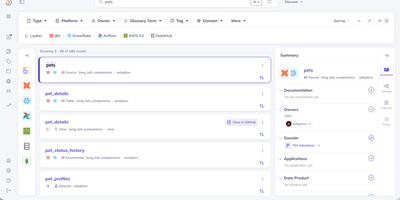
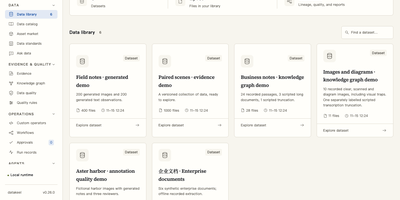
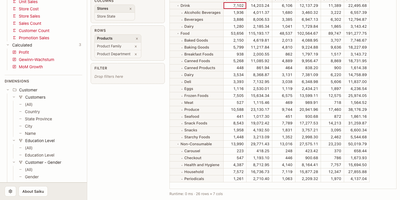
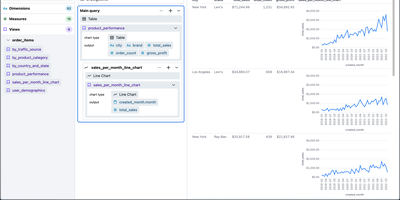
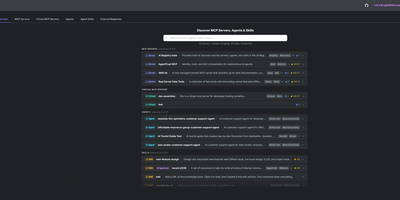
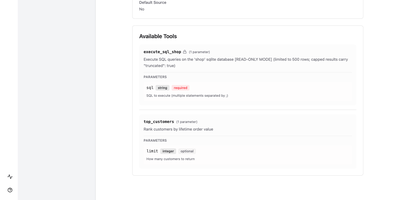
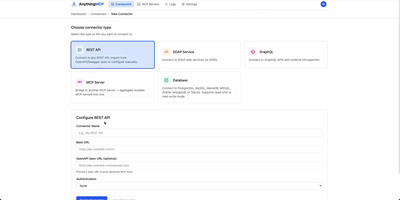
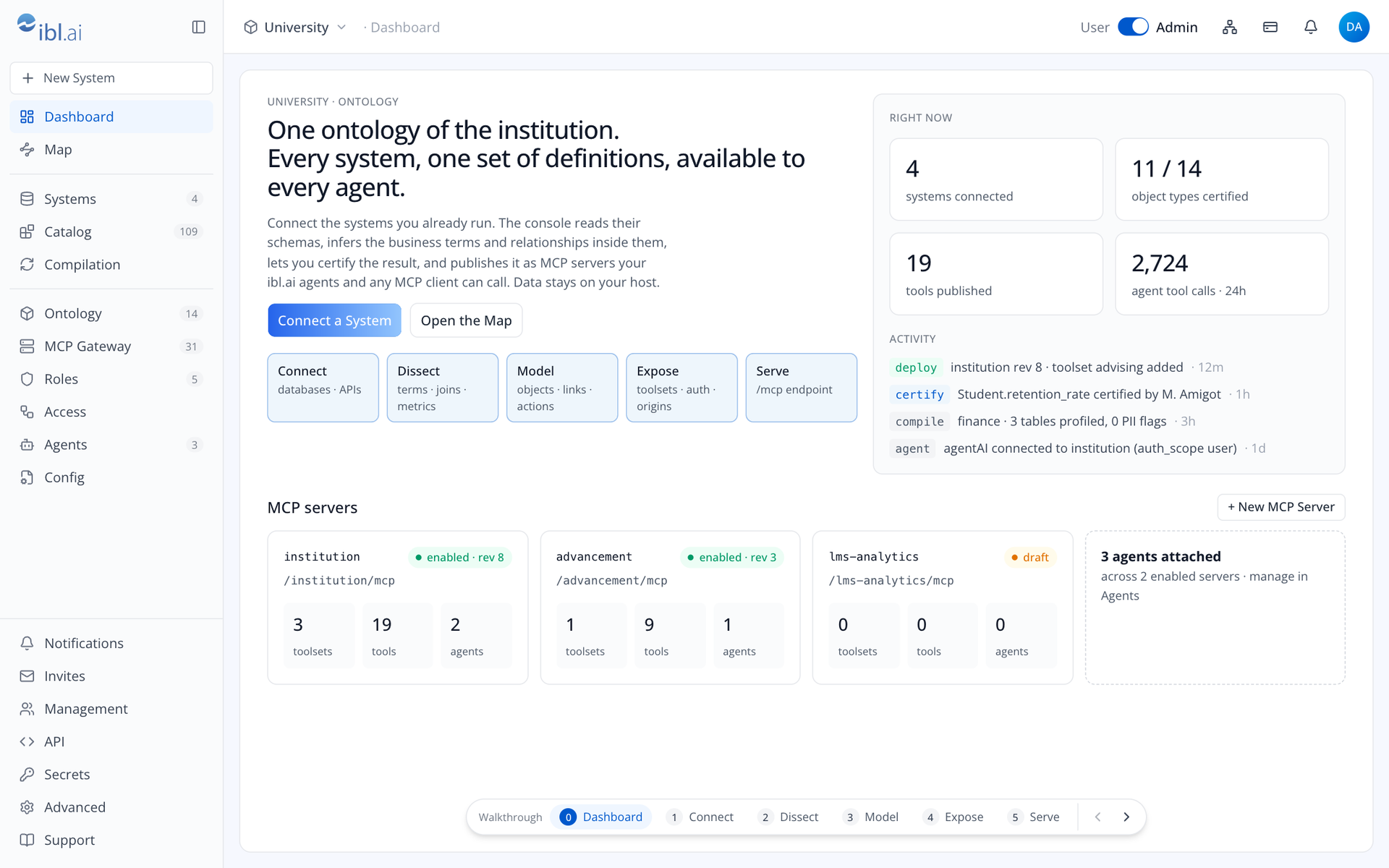
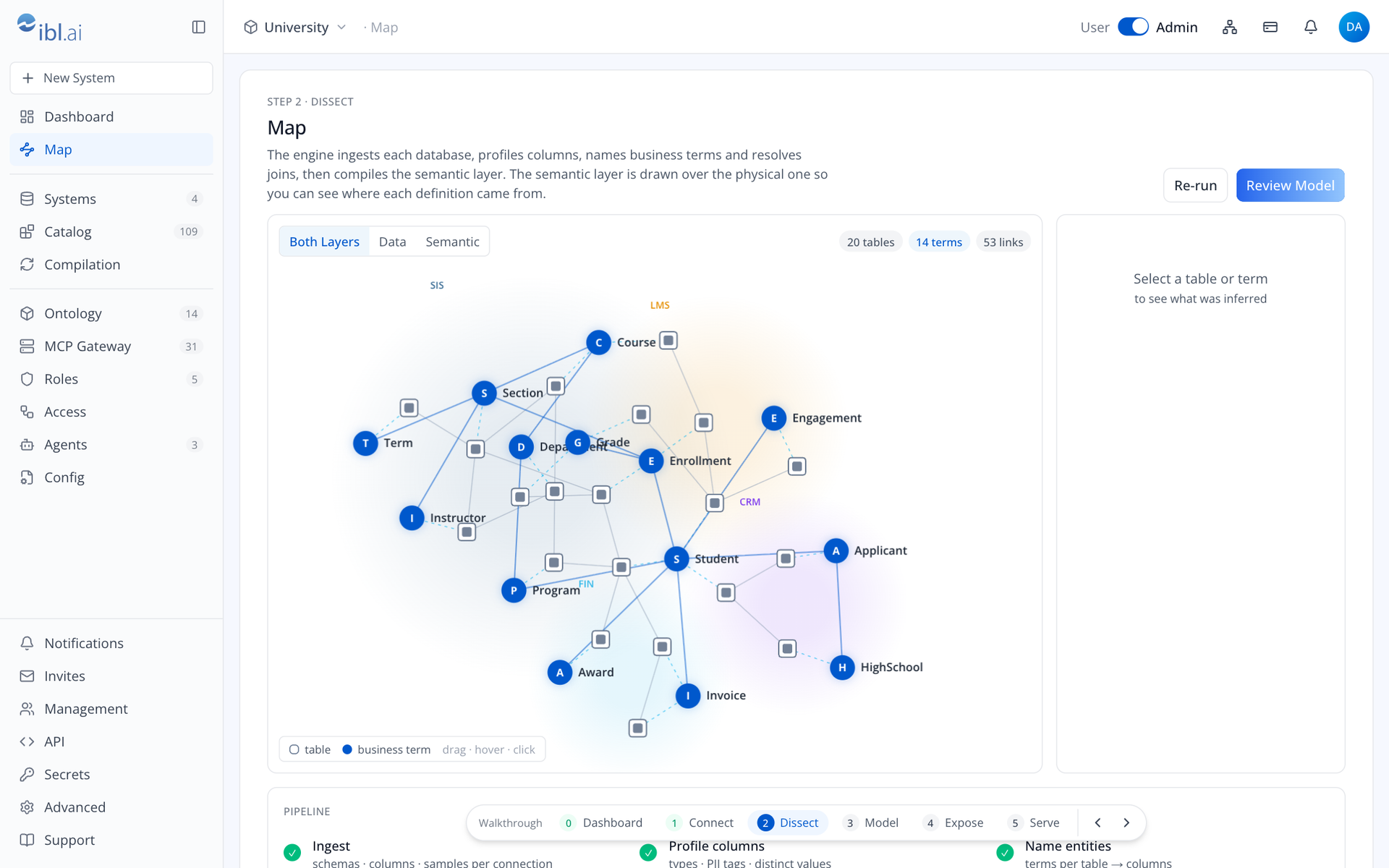
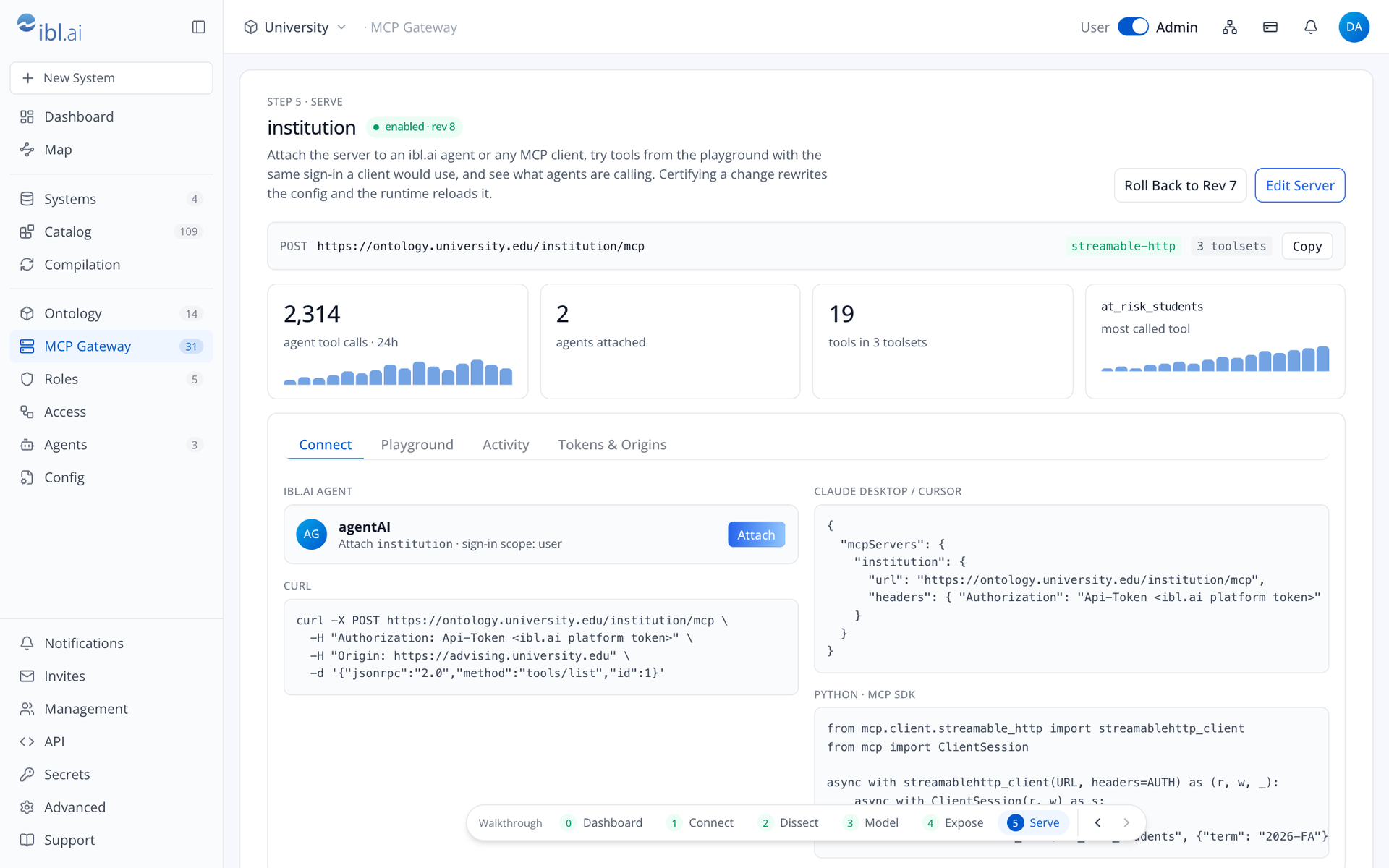
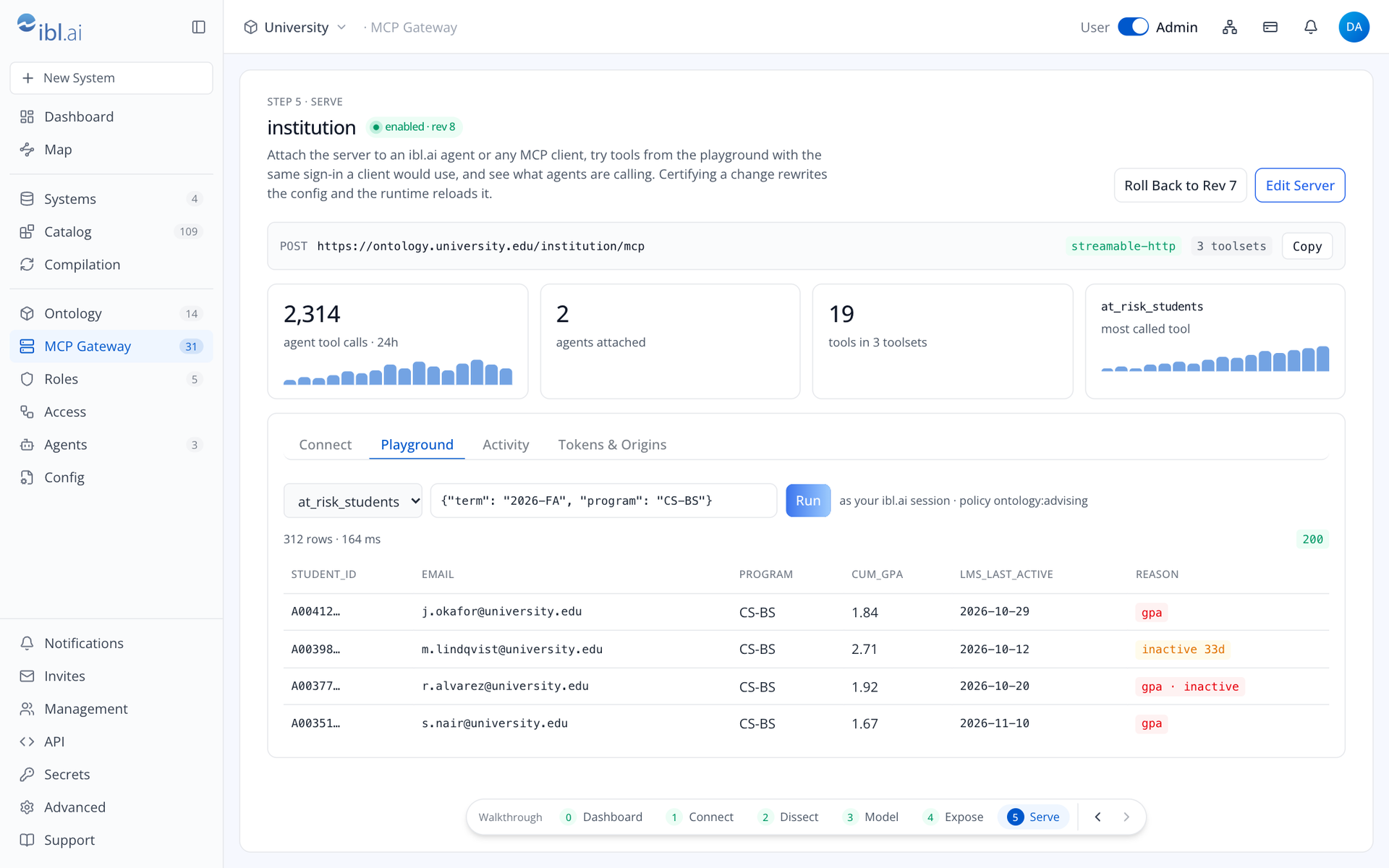
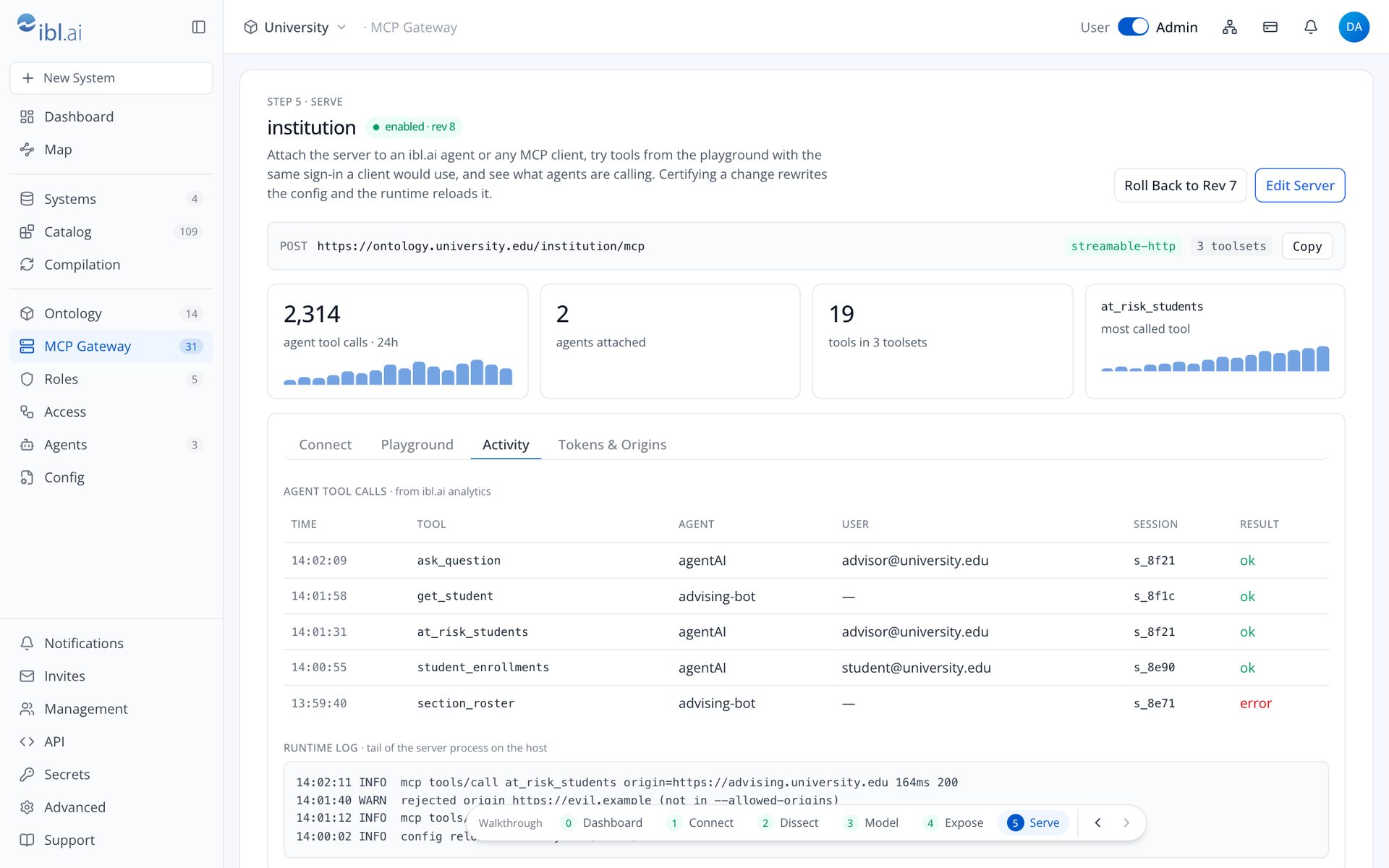
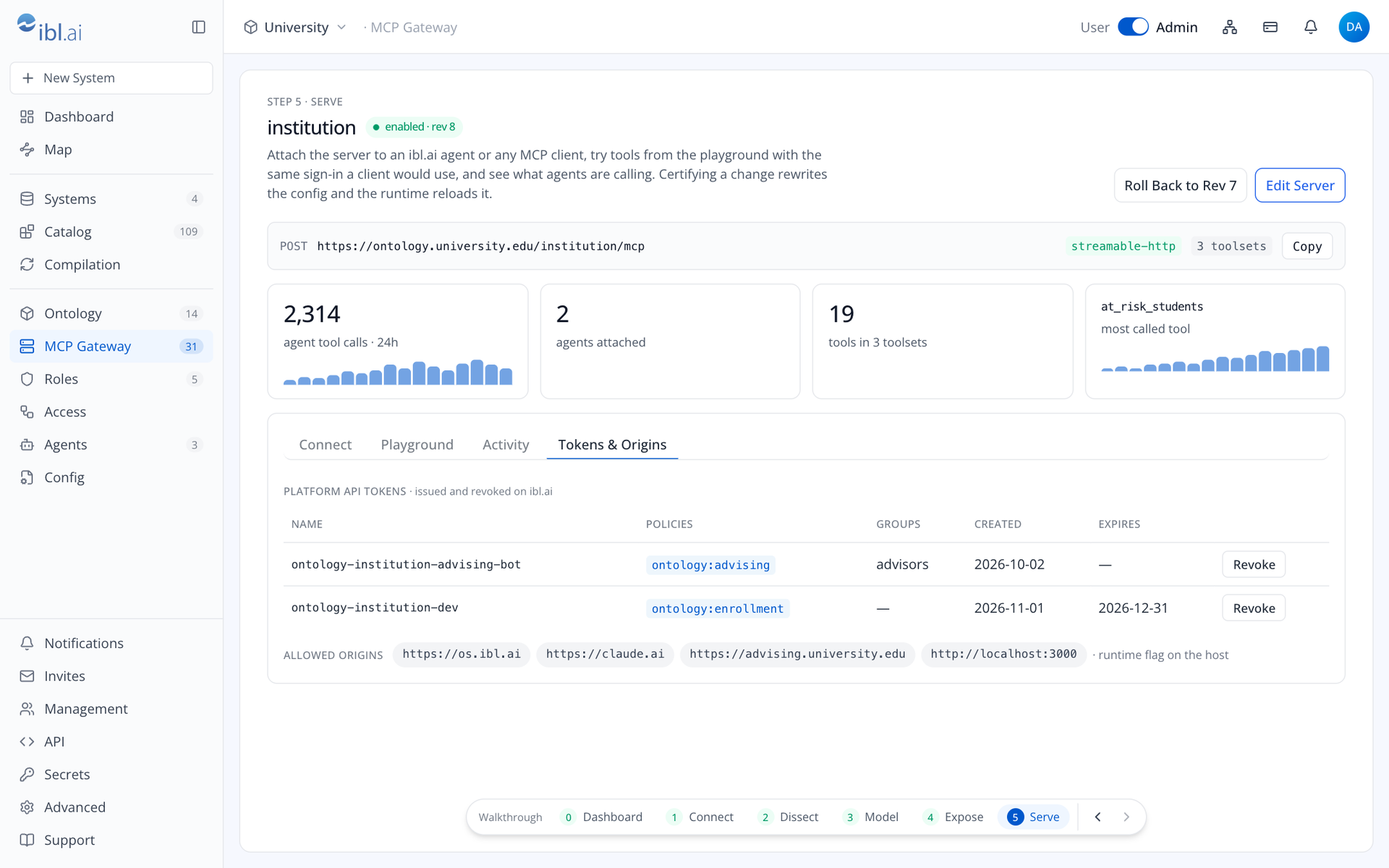
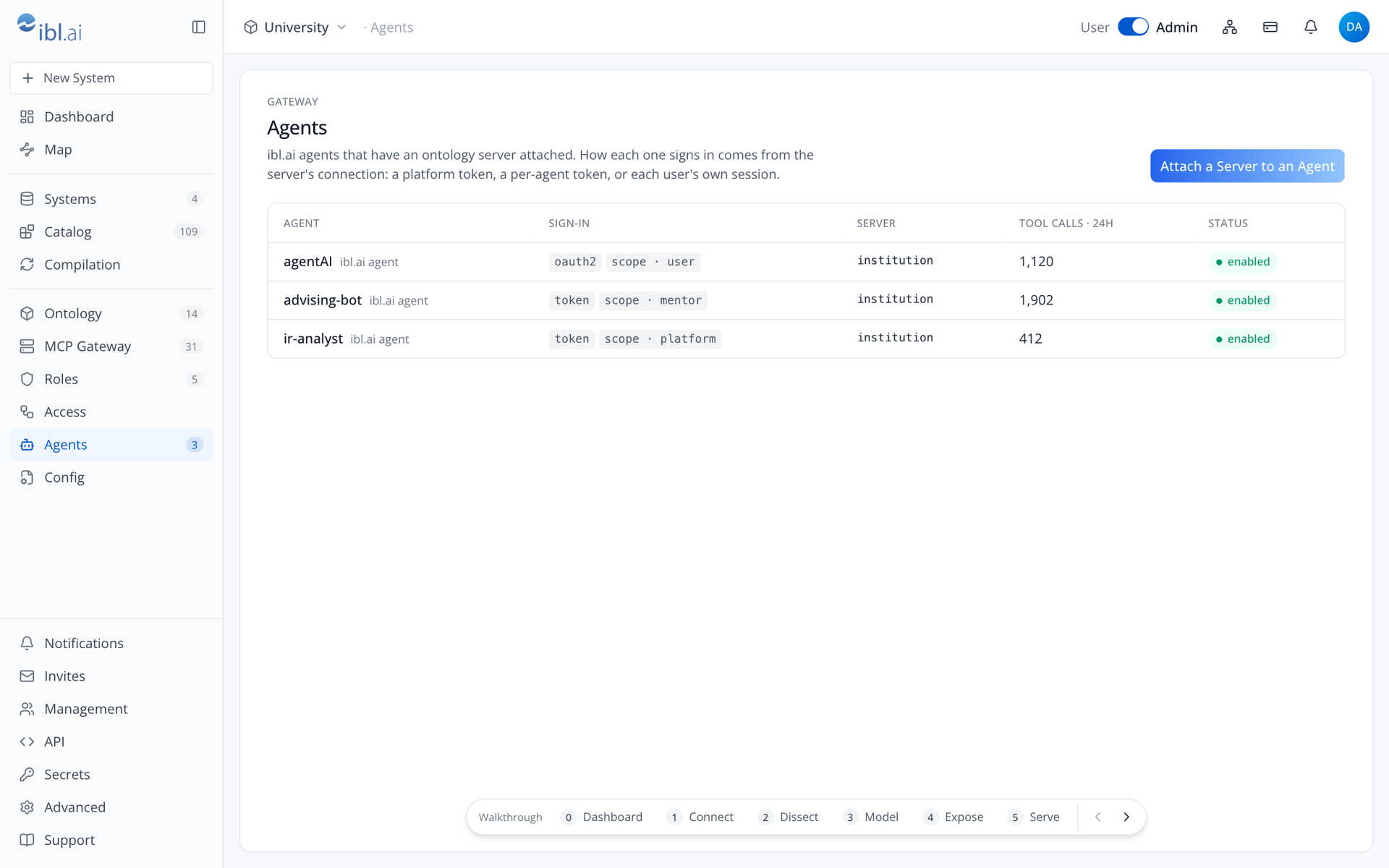
Turning a company's databases and web APIs into shared business terms, ibl.ai Ontology publishes certified tools that Claude, Codex, and other agents can call. Five pages carry the work: connect a SQL or API source, map tables under business terms, certify what the engine inferred, choose toolsets and origins, then deploy and watch calls arrive. SQL sources like MySQL, Snowflake, and ClickHouse are mapped and served as tools, while any system with an HTTP API joins through its OpenAPI document or hand-named endpoints. SQL logins are read-only, personal columns are tagged and masked before samples reach a model, and row limits come from toolset grants, fixed SQL, or sign-in claims. Callers sign in with ibl.ai credentials, Microsoft Entra ID, Google, or a custom OIDC issuer, API keys are limited to toolsets, and each caller gets 30 tool calls a minute. Each certified term becomes a tool with fixed SQL that an agent cannot widen, and the Playground runs any tool as you, showing what your grants return. Servers keep revisions with a Roll Back button, every tool call and refusal appears in an activity log, and a model key adds plain-language questions answered with the SQL that ran. Agents from ibl.ai attach in one dialog, while Claude Desktop, Codex, Cursor, Windsurf, and custom Model Context Protocol clients connect with a pasted snippet. Running on a dedicated VPS on RepoCloud with guaranteed CPU, RAM, and SSD, full root SSH access, and a browser serial console. MIT licensed.
Benefits
- Agents call certified business terms
- A person certifies each term, join, and metric the engine suggests; each becomes a tool with fixed SQL, and agents get arbitrary SQL only if you add the raw toolset.
- One ontology covers every system
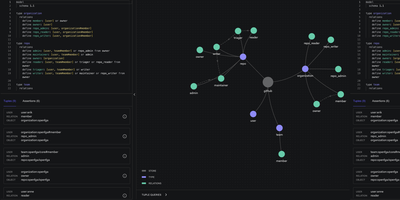
- Databases map into one set of business terms and relationships, so a Student is the same Student in the student information system, the LMS, and the CRM; HTTP APIs join as tools.
- Credentials and data stay on your server
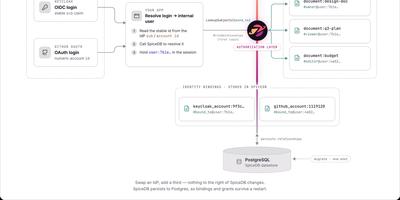
- The ontology, database passwords, and tool servers stay on your server, SQL logins are read-only, and the ibl.ai platform only checks sign-ins and keys.
- Rollbacks and call logs built in
- Every MCP server keeps its revisions with a one-click Roll Back, and each tool call and refusal shows under Activity next to the runtime log, with logs shippable to a SIEM.
Features
- Next.js 16 Console
- A Next.js 16 and React 19 app in the ibl.ai shell serves the Systems, Map, Ontology, MCP Gateway, Agents, Roles, and Access pages plus the host API.
- NVIDIA Auto-Ontology Engine
- NVIDIA auto-ontology 1.2.0 runs from NVIDIA's published images with a Postgres of its own, inferring terms, joins, and metrics, and adding semantic joins when a model key is set.
- Google MCP Toolbox Runtime
- Google MCP Toolbox 1.16.0 serves each published server as its own loopback process, behind a Next.js gateway that checks origin, credential, and toolset before any tool runs.
- Caddy and Compose Deployment
- A compose file runs the engine, its database, and Caddy for automatic HTTPS, while systemd runs the app built from source on Ubuntu 22.04, 24.04, or 26.04.
- ibl.ai Platform Sign-In
- The ibl.ai platform supplies sign-in, roles, API keys, and agents, with Entra ID, Google, and custom OIDC for callers; install needs an ibl.ai platform key and one of its administrators.
- SQL and HTTP Connections
- Read-only SQL connections cover PostgreSQL, MySQL, Snowflake, and ClickHouse, HTTP API connections wrap OpenAPI endpoints as named tools, and PII columns are tagged with masked samples.