Stars
Forks
Watchers
Developer links
FalkorDB
FalkorDB is the first queryable property graph database to leverage sparse adjacency matrices and linear algebra for graph traversal, replacing traditional pointer-chasing with GraphBLAS-accelerated computation. Originally the RedisGraph engine, it was relaunched as FalkorDB in 2023 and rewritten from C to Rust in 2026 for improved memory safety and performance. The database supports the OpenCypher query language with proprietary extensions, translating queries into linear algebra expressions that exploit AVX hardware acceleration. Indexing options include full-text search, vector similarity for embedding-based retrieval, and range indexing, while connectivity supports both the RESP protocol for Redis clients and the Bolt protocol for Neo4j-compatible tooling. The GraphRAG SDK enables ingestion of documents in text, PDF, and Markdown formats into knowledge graphs, with schema-guided entity extraction, hybrid retrieval combining vector and graph traversal, relationship expansion, and cited answers for LLM applications. Official client libraries cover Python, Node.js, Java, Rust, Go, PHP, and C#. Multi-tenant support handles over 10,000 concurrent graphs with zero overhead and full isolation. Docker deployment runs the falkordb/falkordb image on ports 6379 for the database server and 3000 for the built-in browser UI, with persistent volume storage and optional authentication. A production falkordb-server image excludes the browser for lighter deployments. On RepoCloud, deploy FalkorDB on a dedicated VPS with root SSH access, persistent storage for your graph data, and complete control over authentication, thread count, and memory configuration, all under the SSPLv1 license.
Benefits
- GraphBLAS Sparse Matrix Performance
- Sparse adjacency matrices and linear algebra replace traditional pointer-chasing traversal, with AVX hardware acceleration delivering sub-millisecond query latency across million-node graphs.
- Built-In GraphRAG for GenAI
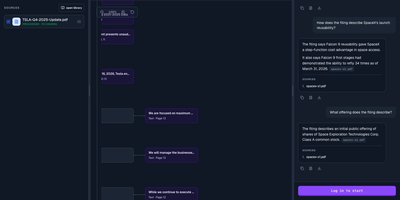
- GraphRAG SDK ingests text, PDF, and Markdown into knowledge graphs with schema-guided entity extraction, hybrid vector-graph retrieval, and cited answers for LLM applications.
- Multi-Tenant Graph Isolation
- Native multi-graph support handles over 10,000 concurrent tenants with zero overhead and full data isolation, eliminating the need to manage separate database instances.
- Dual Protocol Connectivity
- Supports both RESP protocol for Redis-compatible clients and Bolt protocol for Neo4j-compatible tooling, with official client libraries for Python, Node.js, Java, Rust, Go, PHP, and C#.
Features
- OpenCypher Query Language
- Full OpenCypher support with proprietary extensions, translating graph queries into linear algebra expressions for GraphBLAS-accelerated execution.
- Triple Index System
- Full-text search, vector similarity for embedding-based retrieval, and range indexing provide flexible query patterns across graph properties and node attributes.
- Built-In Browser UI
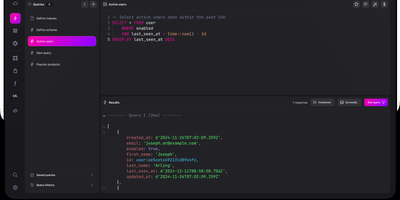
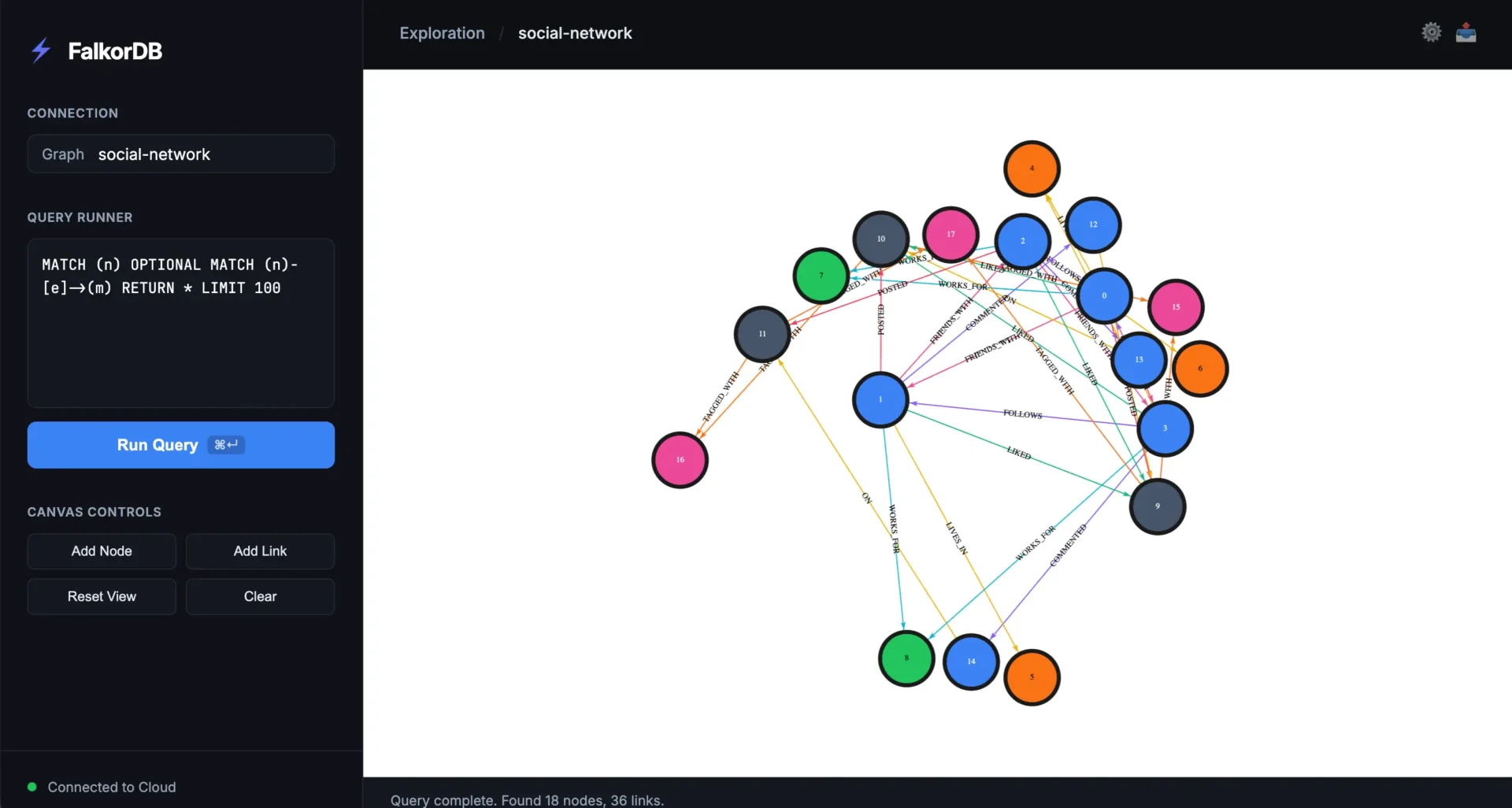
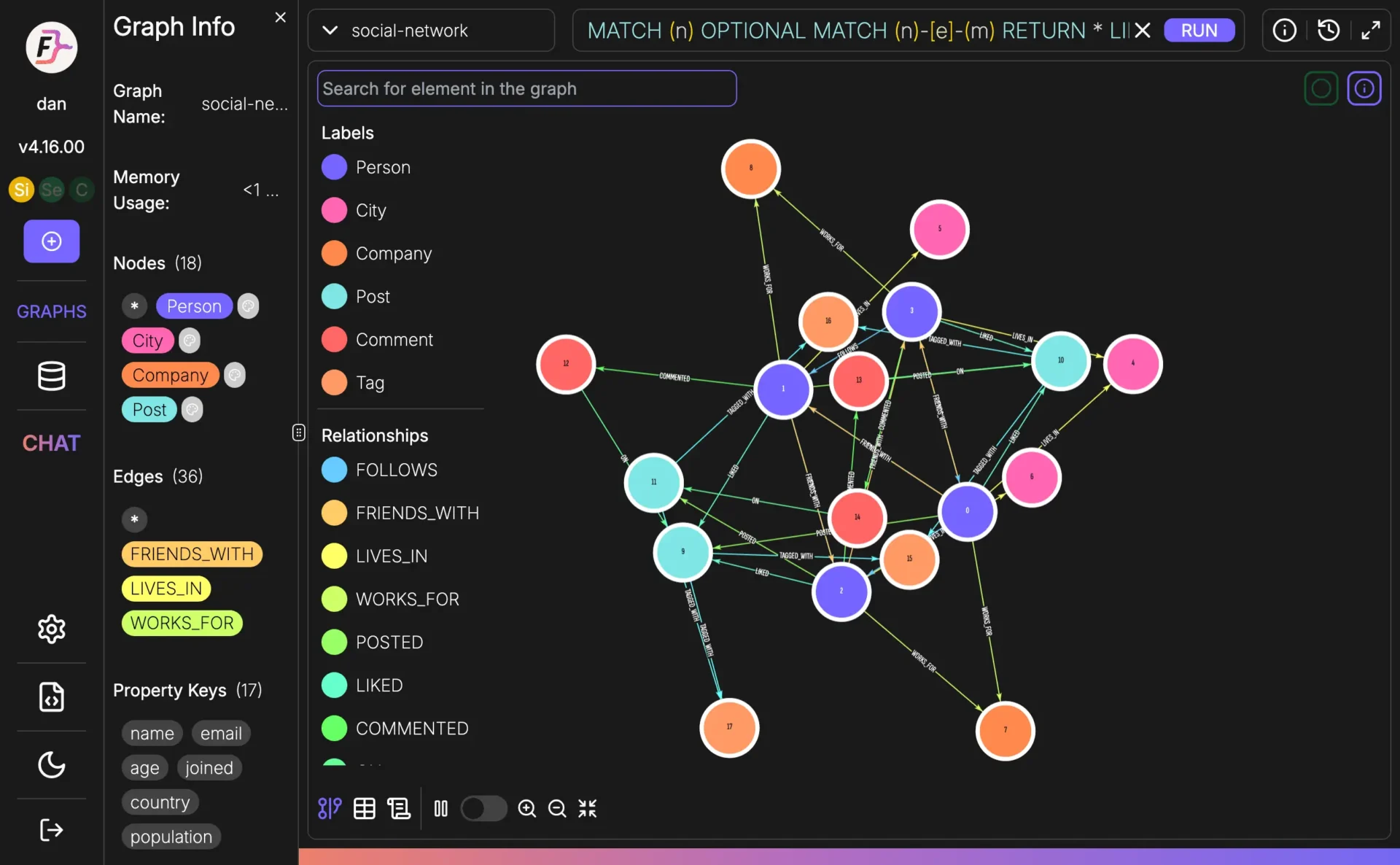
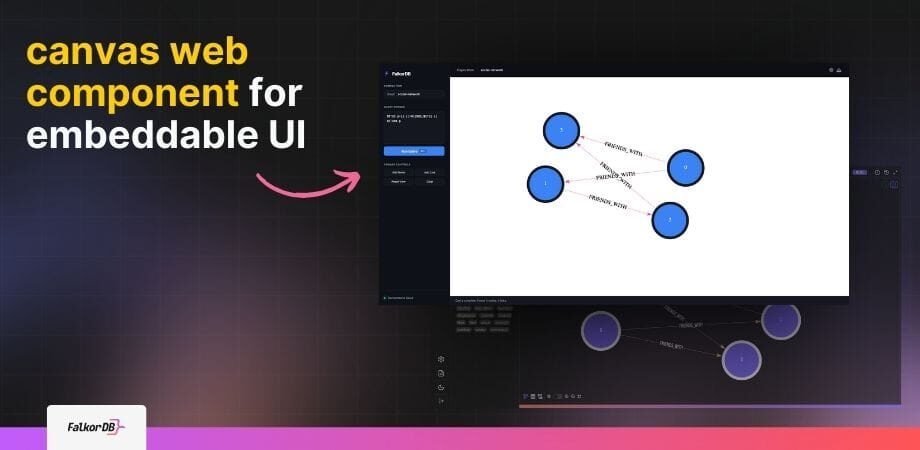
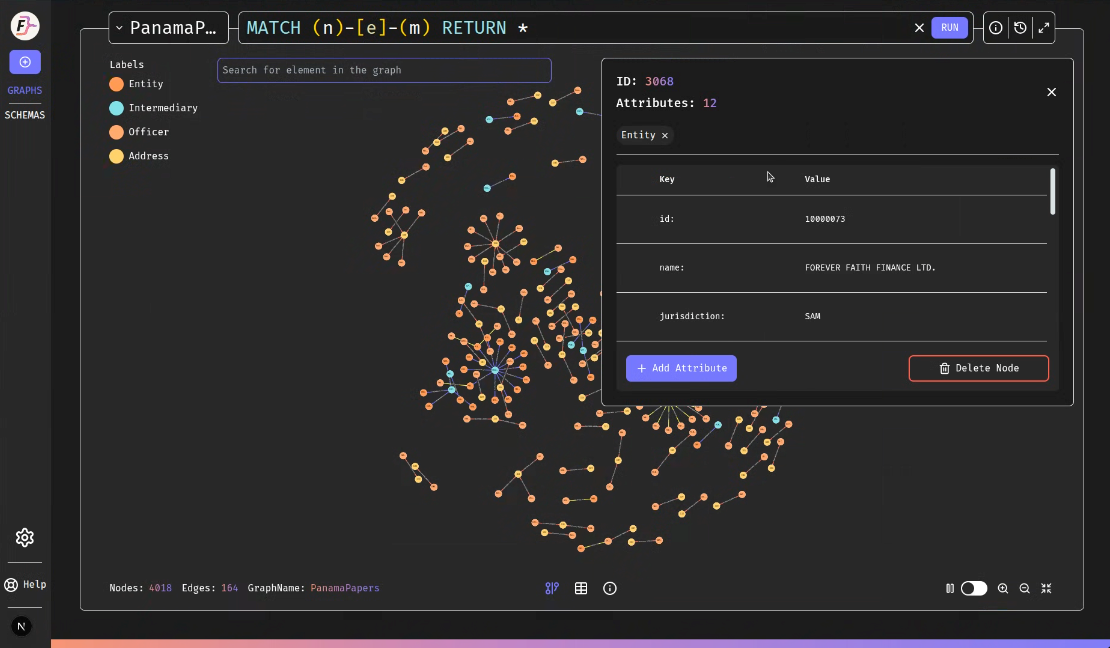
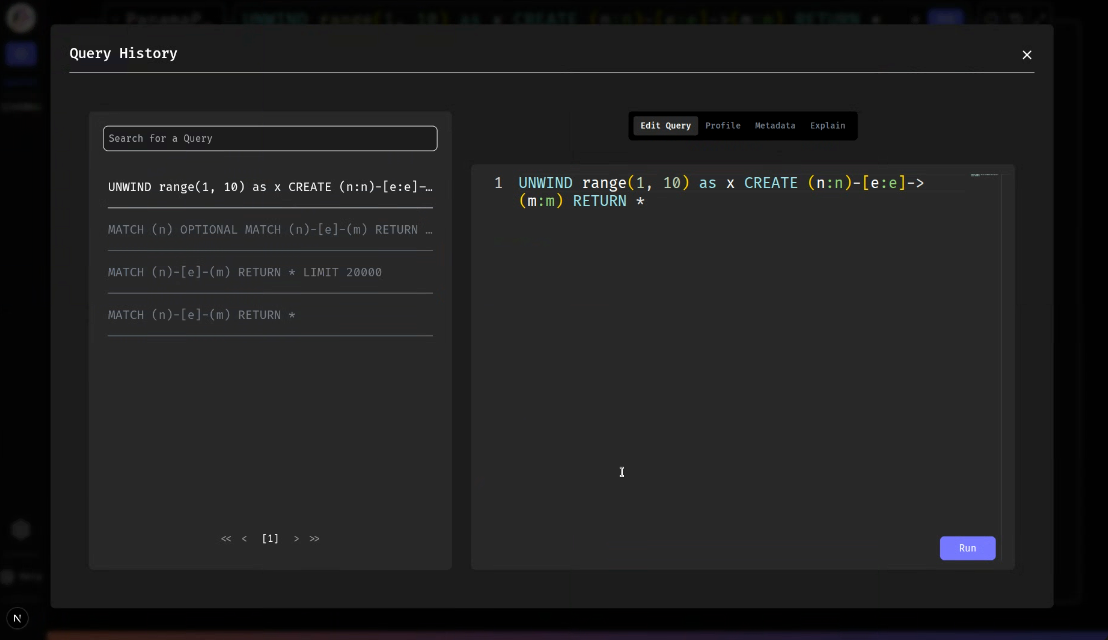
- Web-based graph visualization interface on port 3000 for creating, exploring, and querying graphs interactively with visual node and relationship rendering.
- Docker Deployment
- Single container with server and browser UI, or separate falkordb-server and falkordb-browser containers for production with persistent volume storage and authentication.
- GraphRAG SDK
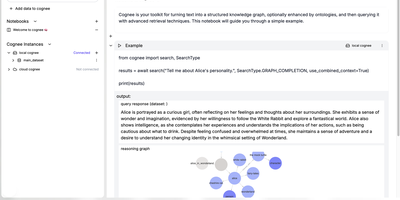
- Python SDK for document ingestion, knowledge graph construction, schema-guided extraction, and hybrid retrieval with LiteLLM integration for any LLM provider.