Stars
Forks
Watchers
Developer links
Squidex
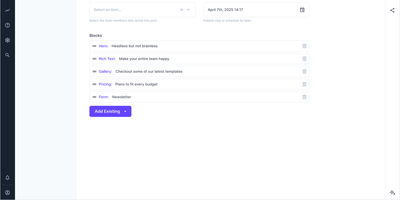
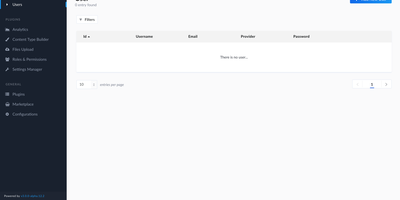
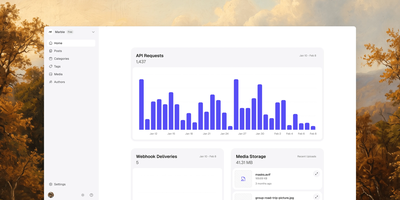
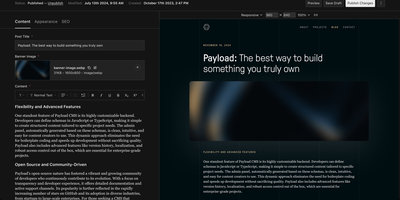
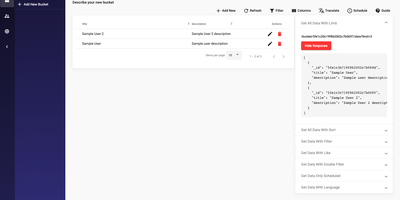
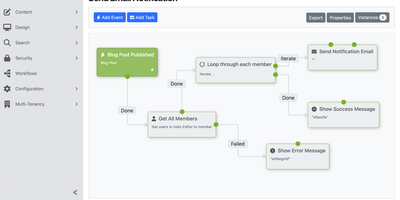
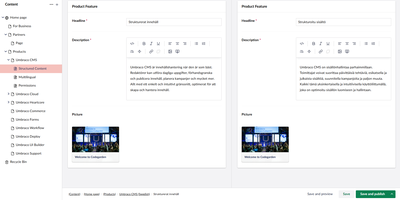
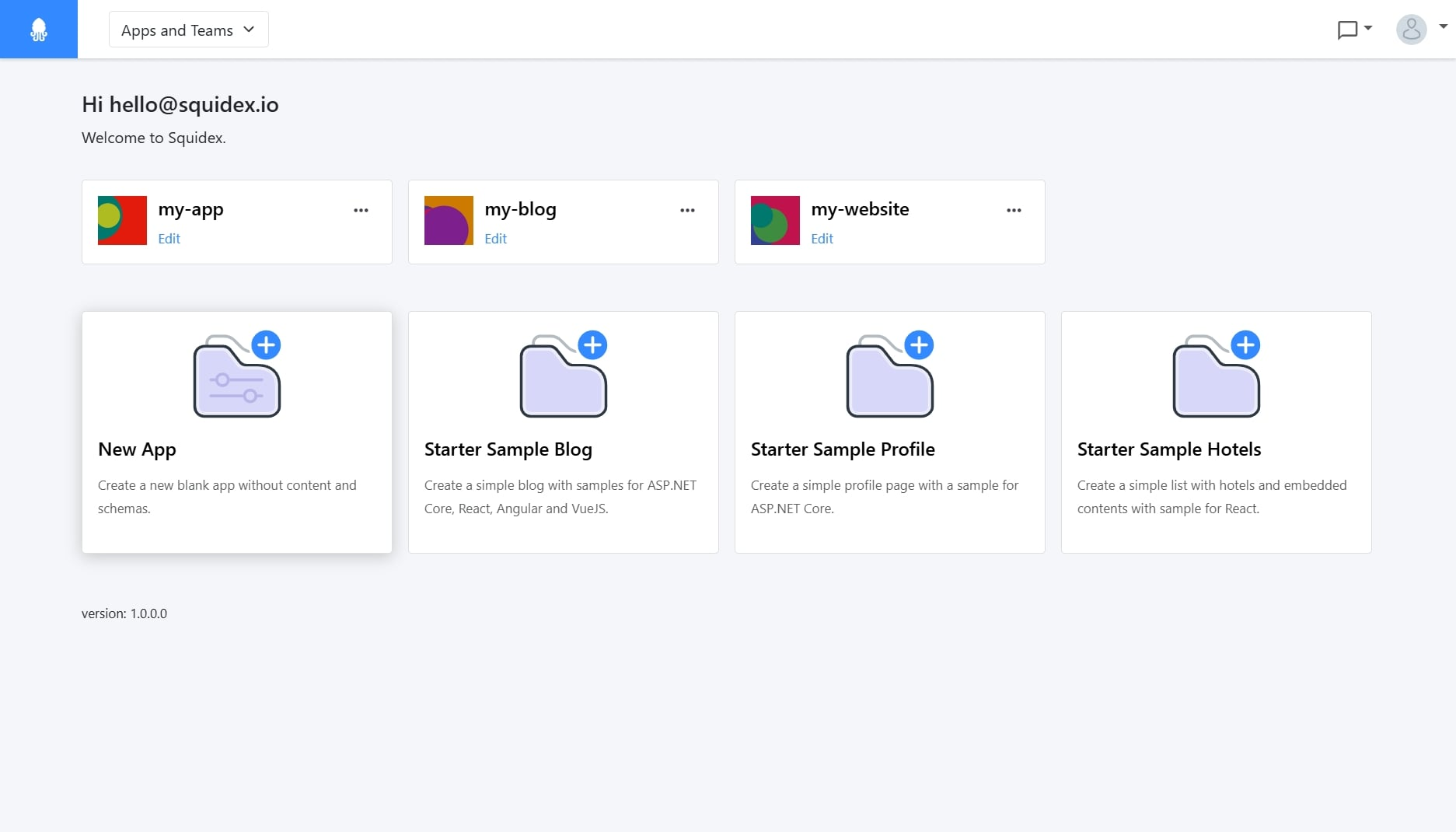
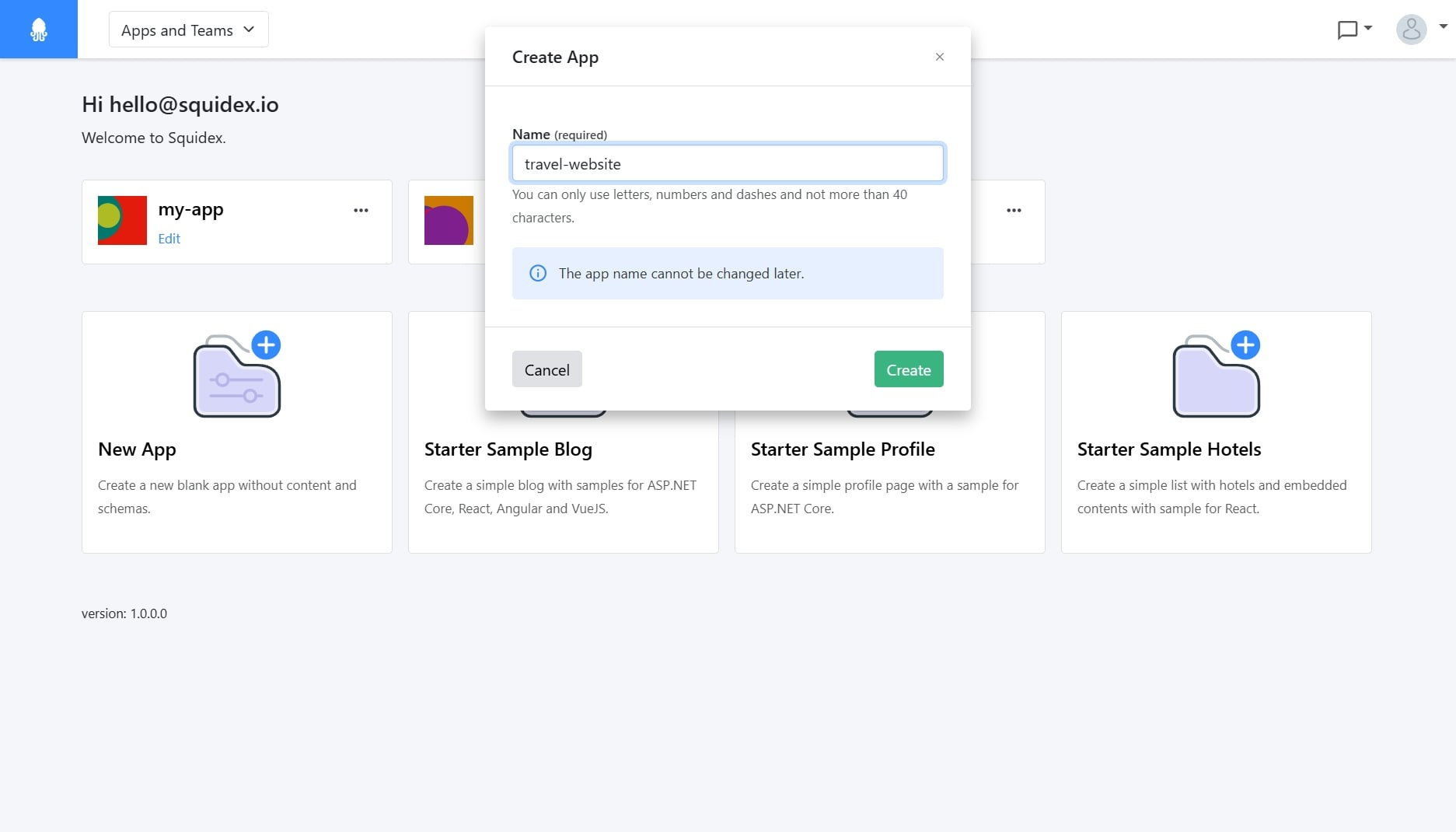
The front end should never dictate how your content is shaped. Squidex is an open-source headless CMS that stores content once and delivers it to any website, app, or service through REST, OData, and GraphQL APIs, so teams design schemas around their domain instead of around a theme. Editors work in a clean management UI: define schemas with validation and localisation, write content with references and components, manage images and files with resizing built in, and move drafts through custom workflows that say who creates, reviews, and publishes. Nothing waits on a developer for routine changes, and nothing ships unreviewed in organisations that need approval chains. Rules react to every content event, pushing fresh posts to syndication partners, notifying search indexes, invalidating caches, or calling your own webhooks; backups, versioning with diff-style history, and role-based permissions keep an auditable operation. Multiple projects live in one installation, clients authenticate API consumers, and content plugs into static-site generators, storefronts, and mobile apps from one hub. Because you run it yourself, the database options span MongoDB and several SQL servers, and the API your applications depend on answers from infrastructure you control with no per-seat tax on editors. Running on a dedicated VPS on RepoCloud with guaranteed CPU, RAM, and SSD, full root SSH access, and a browser serial console. MIT licensed.
Benefits
- Content Shaped By Domain
- Schemas, components, references, and validation describe your products, docs, or listings directly, instead of squeezing them into page-builder boxes designed for a theme.
- Editors Never Wait On Developers
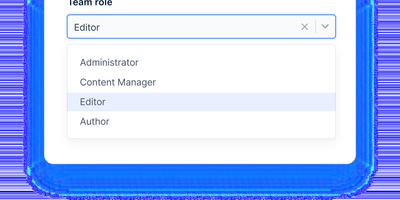
- A clean management UI, draft workflows, and role permissions let nontechnical teams create, review, and publish safely, with history and backups when things go wrong.
- Every Channel Fed From One Hub
- REST, OData, and GraphQL APIs deliver the same content to websites, mobile apps, storefronts, and static-site builds, with event rules pushing updates outward.
- No Per-Seat Editor Tax
- Self-hosting removes the pricing lever that charges more whenever another editor, locale, or API consumer joins the team and starts publishing content.
Features
- Schema And Component Modelling
- Define typed fields, validations, defaults, localisation, and reusable components; content stays structured and queryable rather than trapped in markup blobs.
- GraphQL Plus REST APIs
- Per-app GraphQL endpoints with documentation explorer, REST and OData filters and Swagger, plus authenticated clients for each consuming application.
- Workflows And Versioning
- Custom create-review-publish workflows, draft separation, scheduled status changes and full content history with comparisons between versions.
- Rules Engine And Assets
- Event-triggered rules call webhooks, syndication and search services; the asset library stores files with tags, metadata and on-the-fly image resizing.