Categories
Documentation Requirements engineering Software design UML modeling Test case generation AI workspaceStars
Forks
Watchers
Developer links
SoftJL
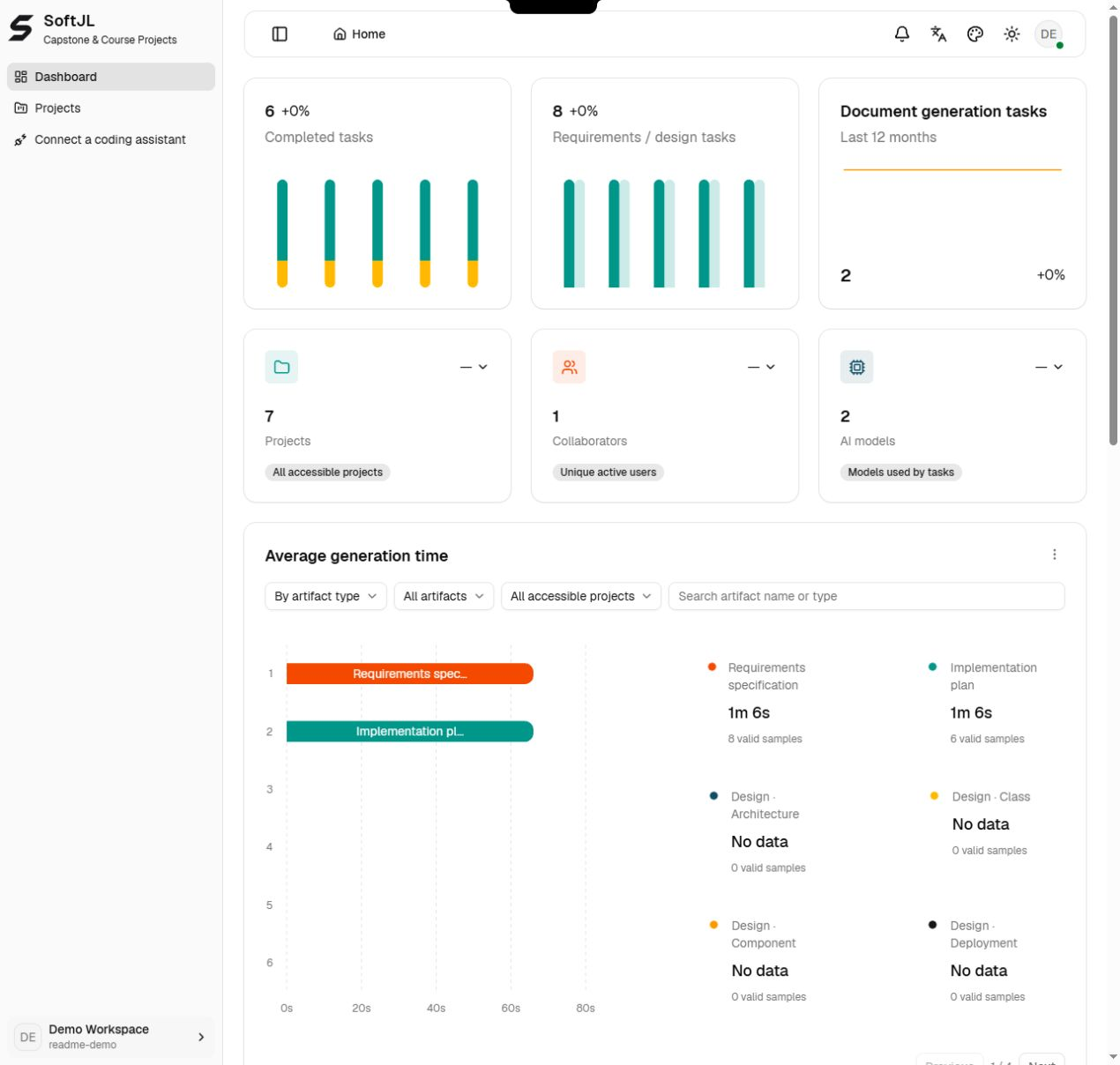
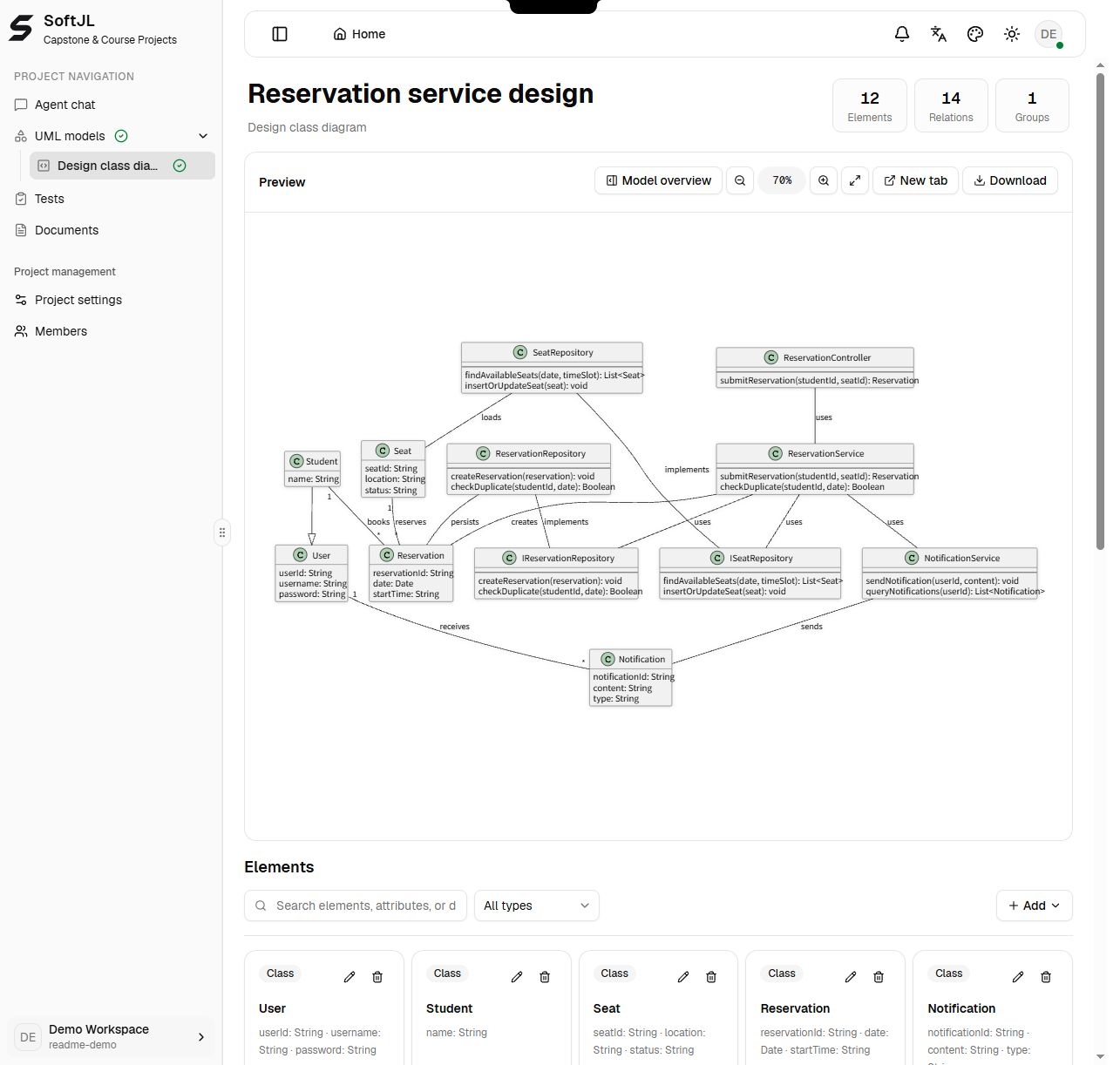
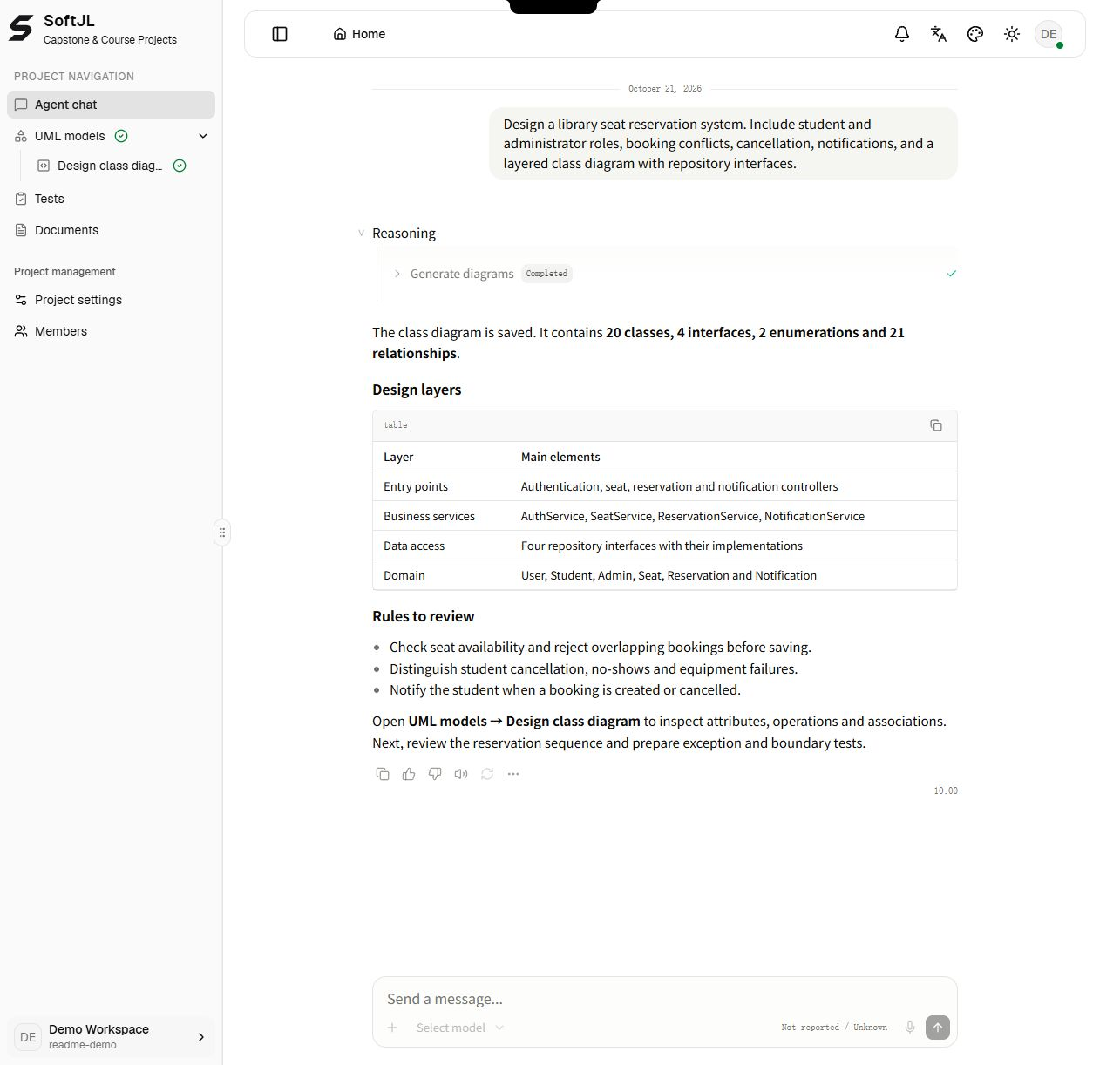
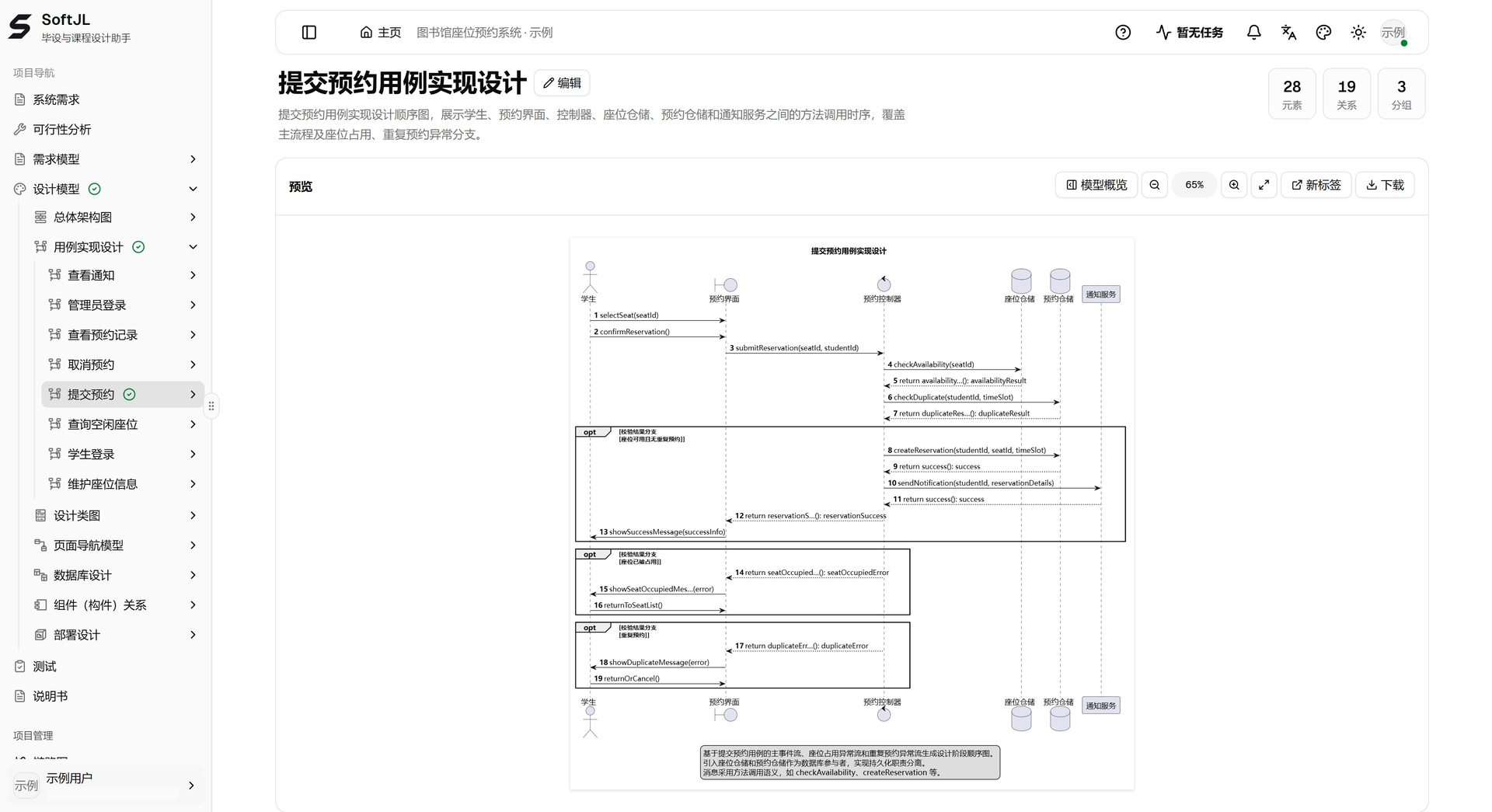
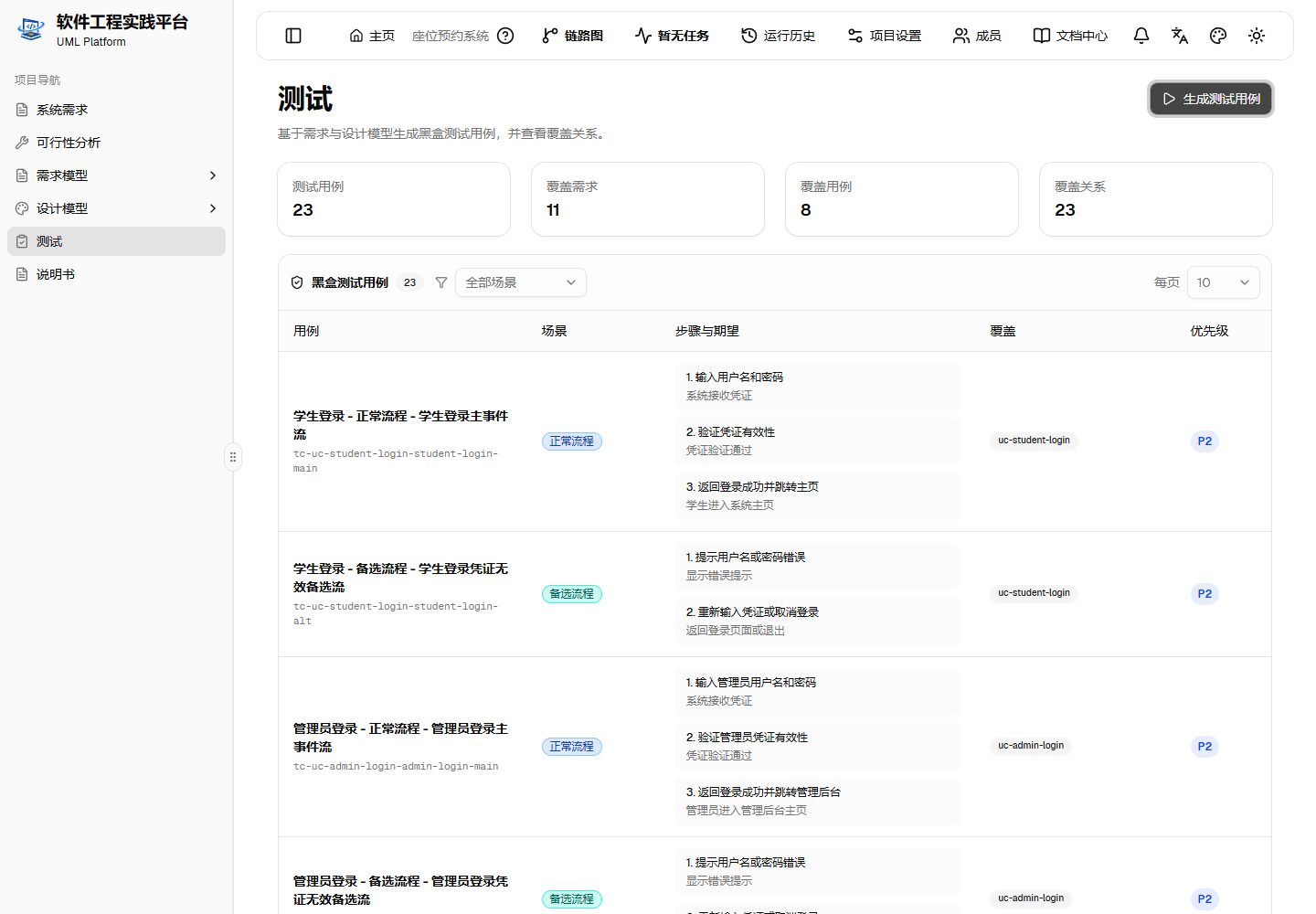
SoftJL turns a system description into the UML diagrams, test cases, and Word specifications a software project is supposed to produce, and keeps every artifact traceable back to the requirement it came from. Describe your system in chat and confirm the extracted requirement rules, then work through feasibility analysis with system context, business and system flows, and implementation options weighed by cost, benefit, and risk. From the confirmed rules it builds requirement and design models: functional structure, use cases, domain concepts, architecture, design classes, database and deployment diagrams, all editable as PlantUML with SVG export. Tests follow the same thread, with normal, exceptional, and boundary cases mapped to requirement rules in coverage and traceability matrices that show exactly which requirements lack design or test support before you submit. When a requirement changes, dependencies and update status point at the models, tests, and documents that need review, instead of leaving you to rediscover them by hand. Specifications generate from the saved models as versioned, editable DOCX files, a feasibility report, a requirements specification, and a design description, ready to compare against the diagrams and revise. An optional read-only MCP endpoint lets a coding agent read your designs and acceptance criteria, and the whole workspace runs on your own OpenAI-compatible model service. Running on a dedicated VPS on RepoCloud with guaranteed CPU, RAM, and SSD, full root SSH access, and a browser serial console. Apache-2.0 licensed.
Benefits
- Everything traces to requirements
- Requirement rules link forward to models, test cases, and specification sections, so coverage and traceability matrices reveal which requirements lack design or test support before submission.
- Change impact, located for you
- When a requirement rule is revised and confirmed, dependencies and update status mark the linked diagrams, tests, and documents that need review, replacing manual rediscovery across the project.
- Diagrams and documents agree
- Specifications generate from your saved models and designs as editable, versioned DOCX files, so the feasibility report, requirements specification, and design description describe the same behavior as the diagrams.
- Your model, your workspace
- The workspace runs self-hosted against any OpenAI-compatible model service you configure, keeping requirements, designs, and generated documents on infrastructure you control.
Features
- Requirement rule confirmation
- Extract rules from natural-language requirements with source evidence, quality checks, revision, manual confirmation, and organized acceptance criteria before any modeling begins.
- Full UML model suite
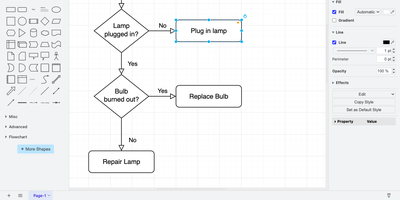
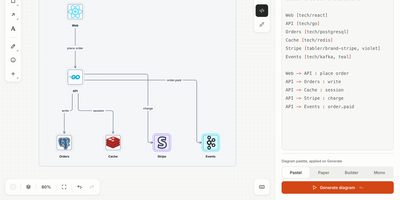
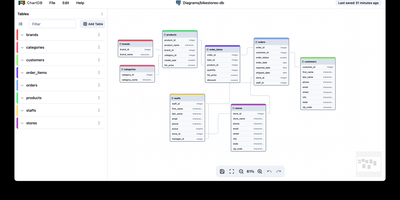
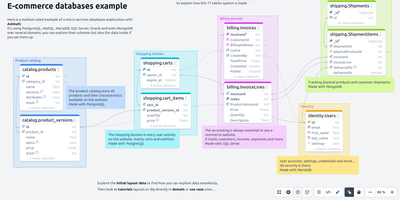
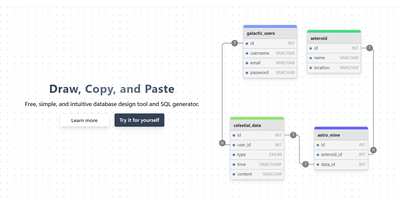
- Functional structure, use case, domain concept, architecture, design class, database, component, and deployment models, editable as PlantUML with SVG export.
- Tests and coverage matrices
- Normal, exceptional, and boundary test cases mapped to requirement rules, with coverage gaps visible in traceability matrices before you execute cases against the real system.
- Versioned DOCX specifications
- Feasibility reports, requirements specifications, and software design descriptions generated from saved models, with versions, built-in preview, and DOCX downloads.
- Read-only MCP access
- An optional MCP endpoint lets an external coding agent read complete designs, acceptance criteria, and test cases without write access to the workspace.