Categories
Self-Hosted AI Agents SEO GEO Web Crawler Keyword Research Technical SEO Internal LinkingStars
Forks
Watchers
Developer links
SEO OS
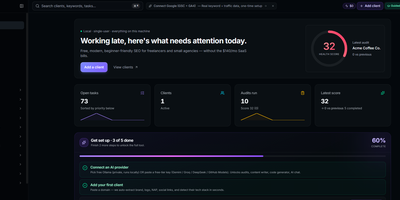
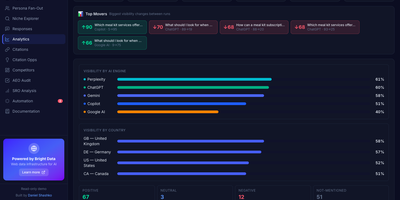
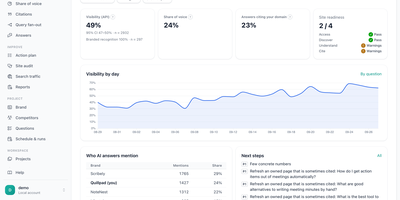
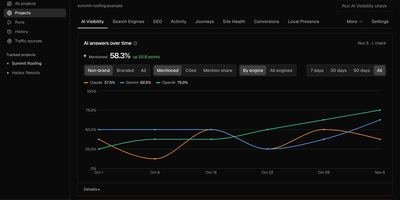
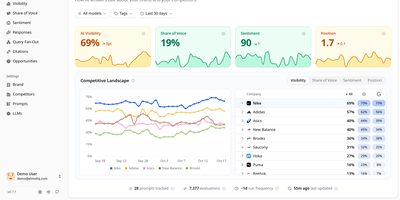
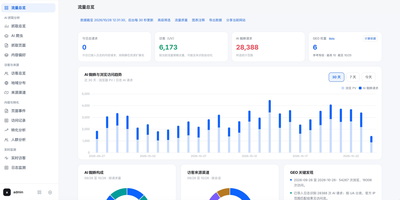
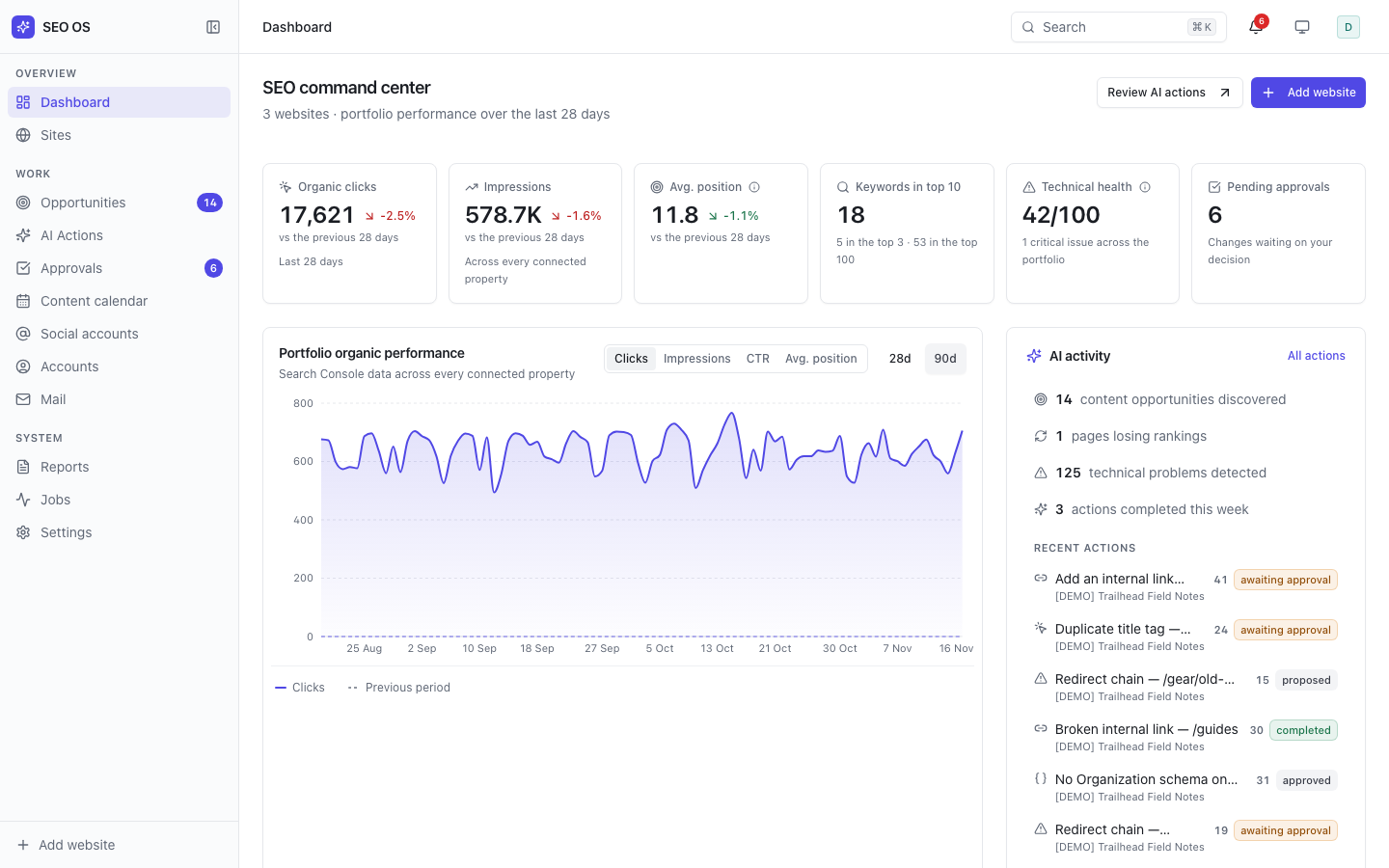
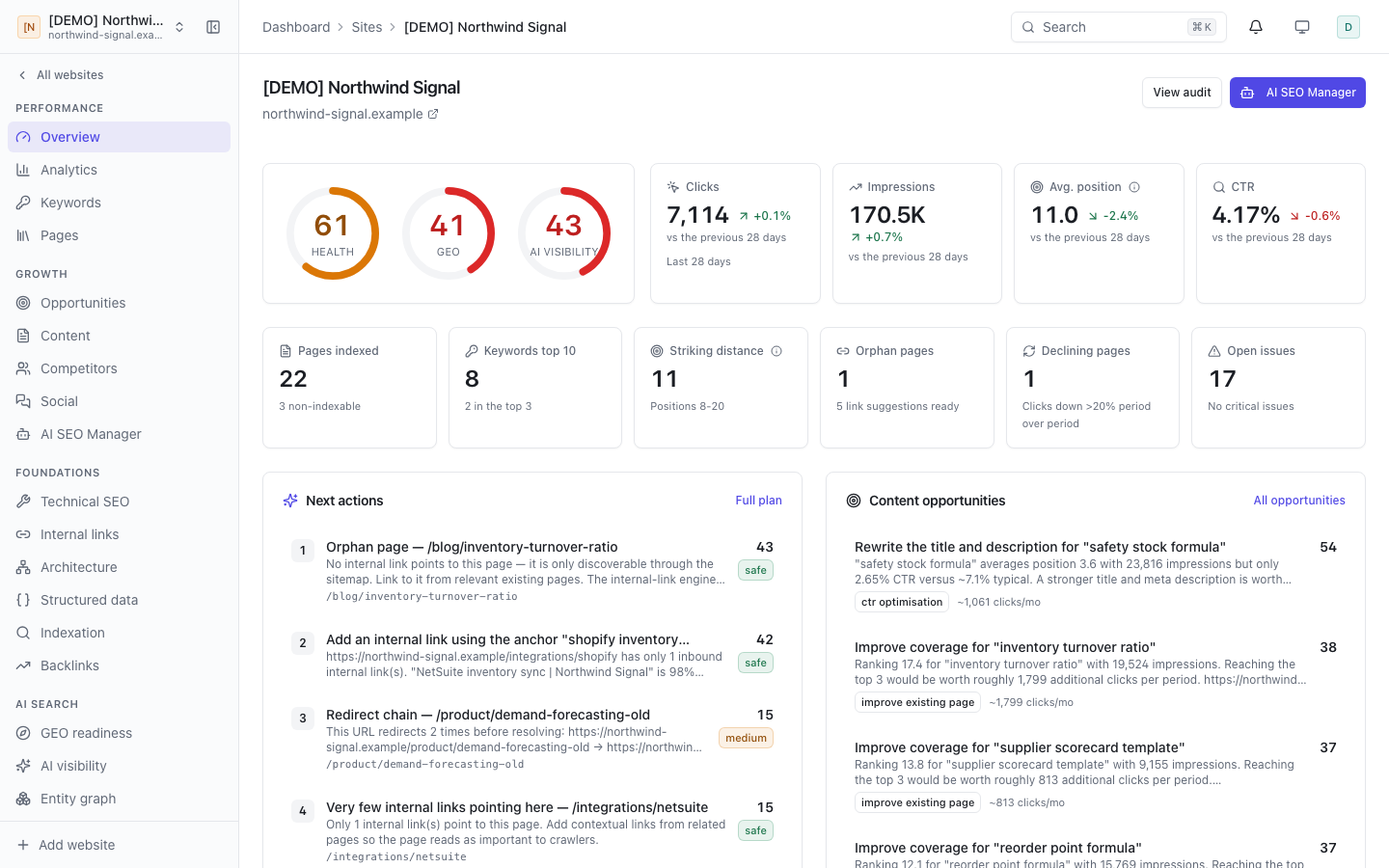
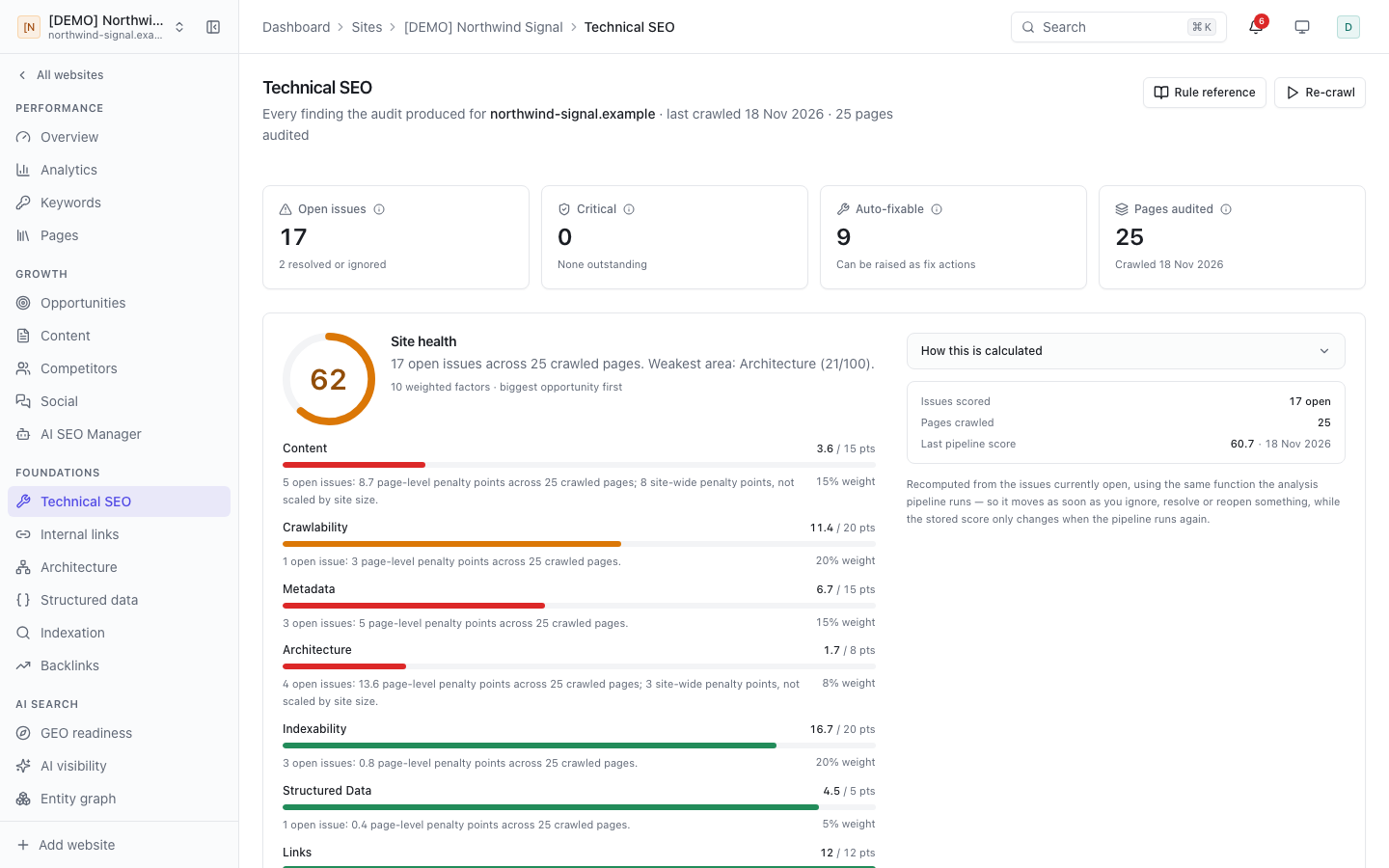
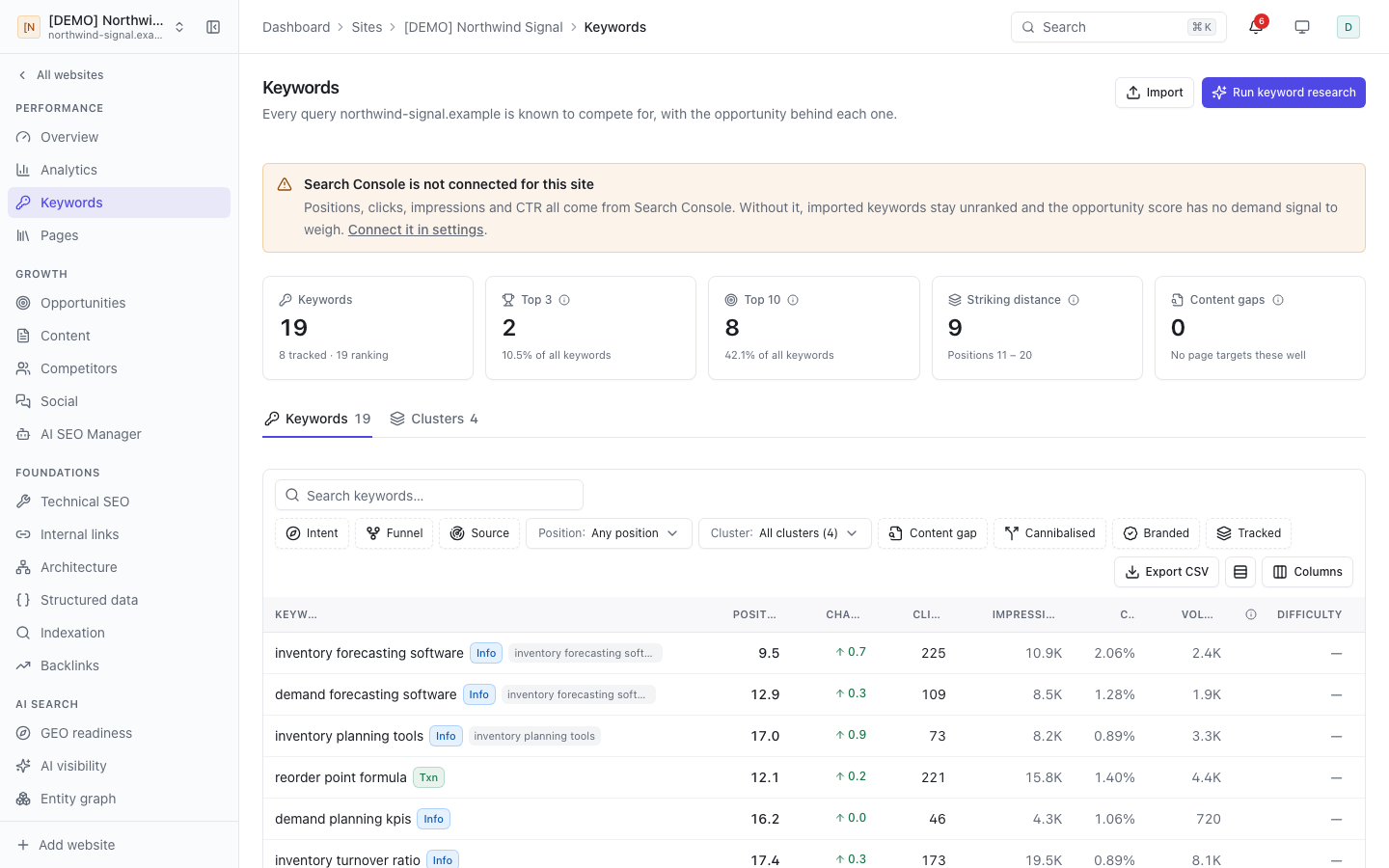
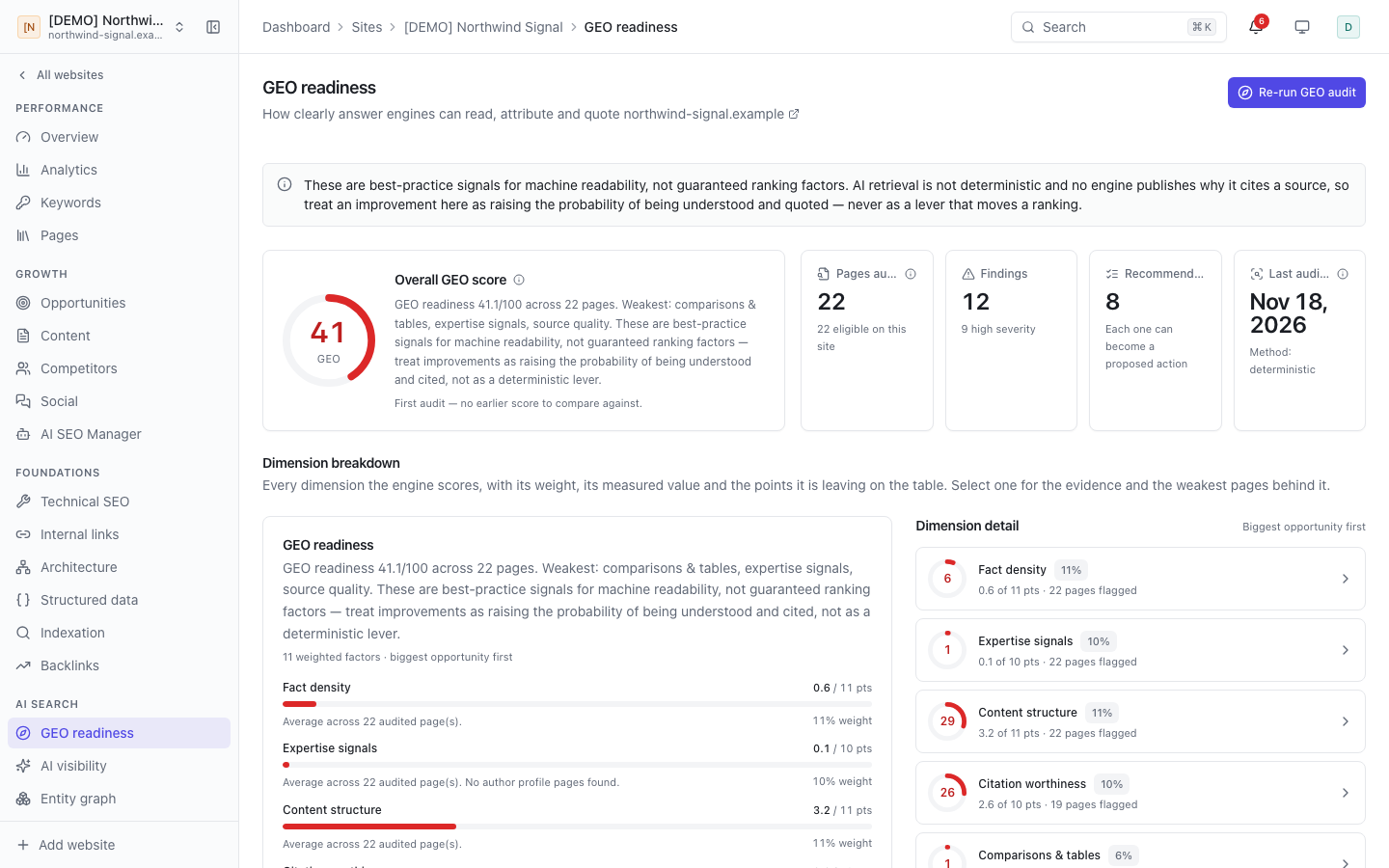
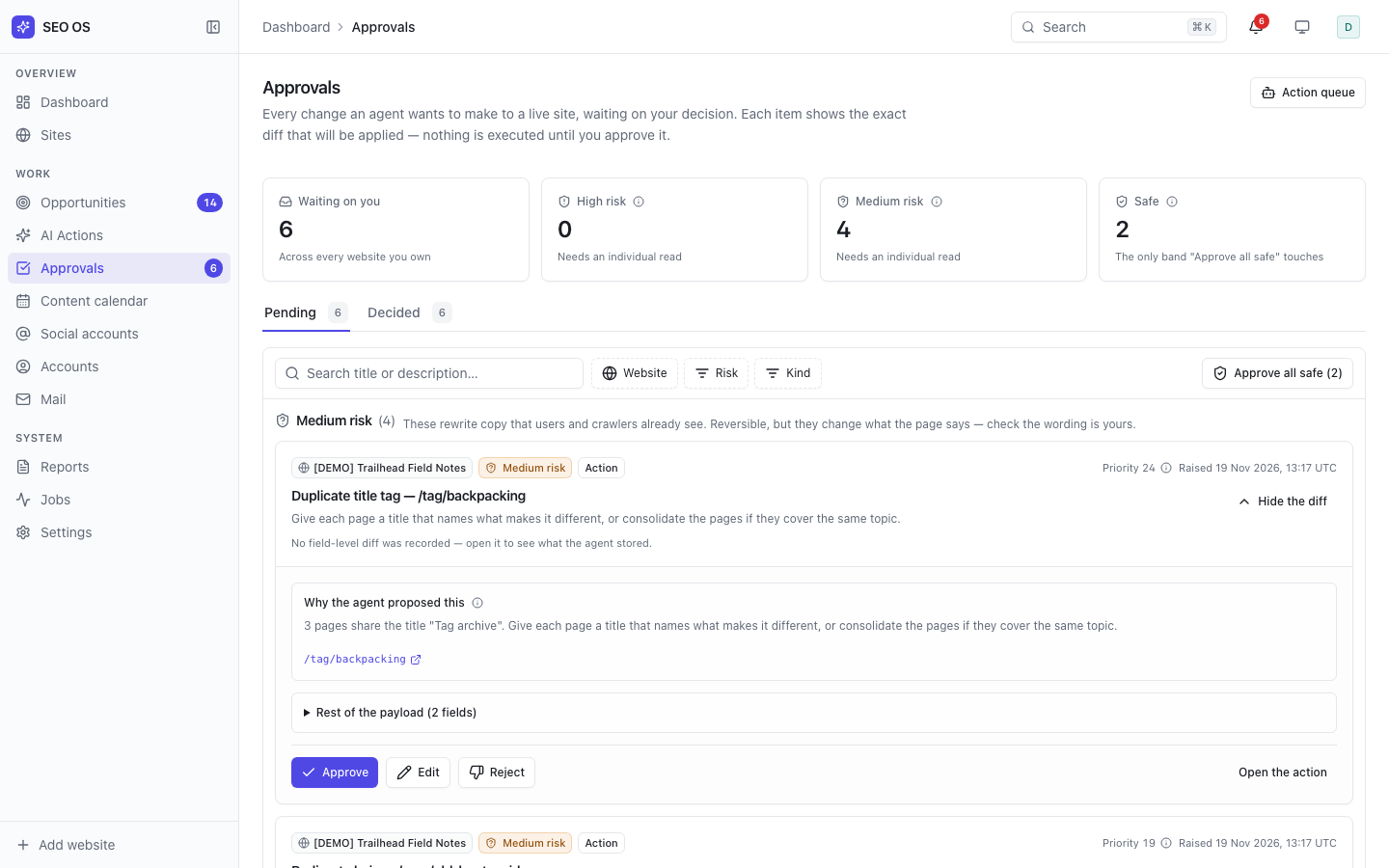
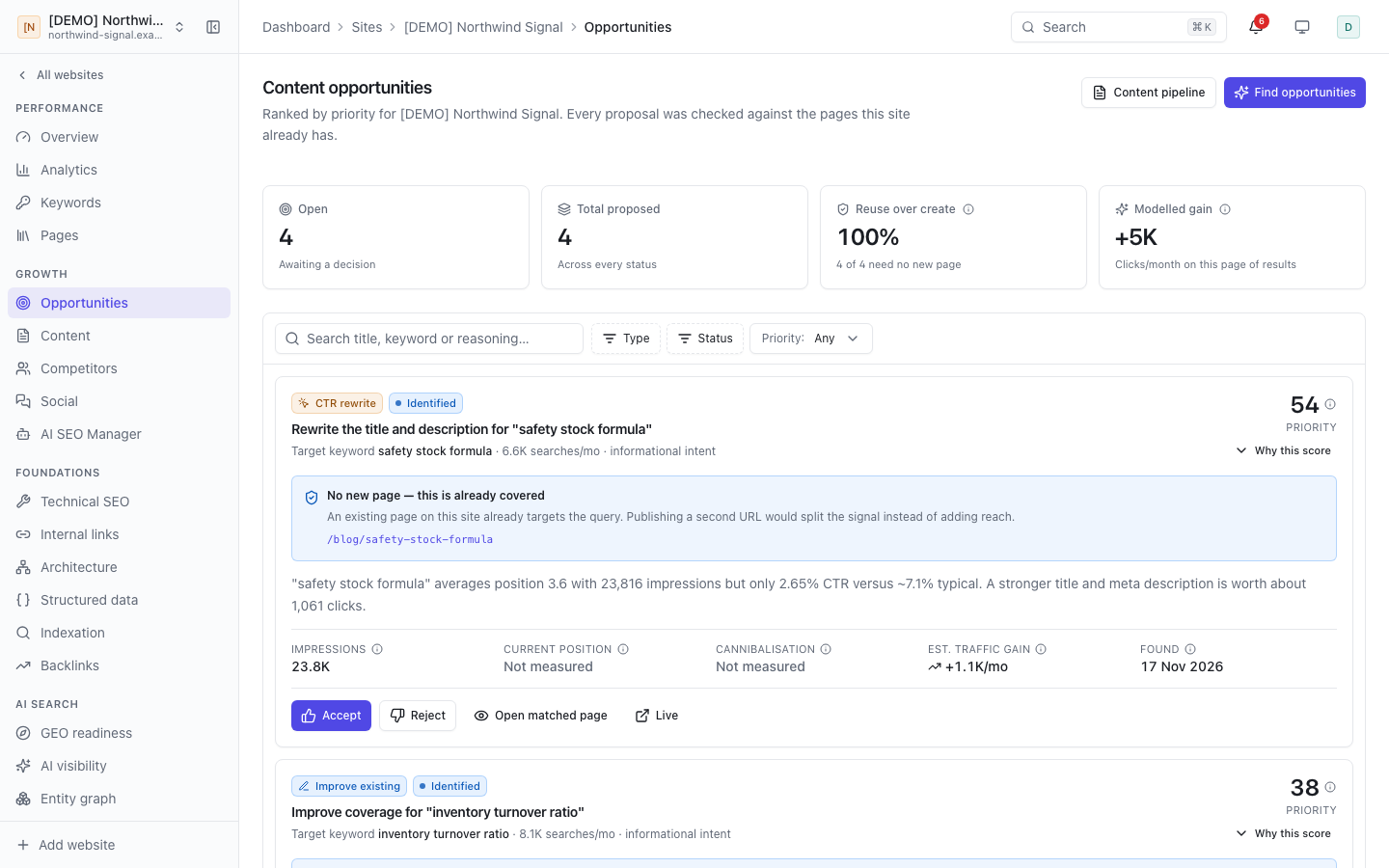
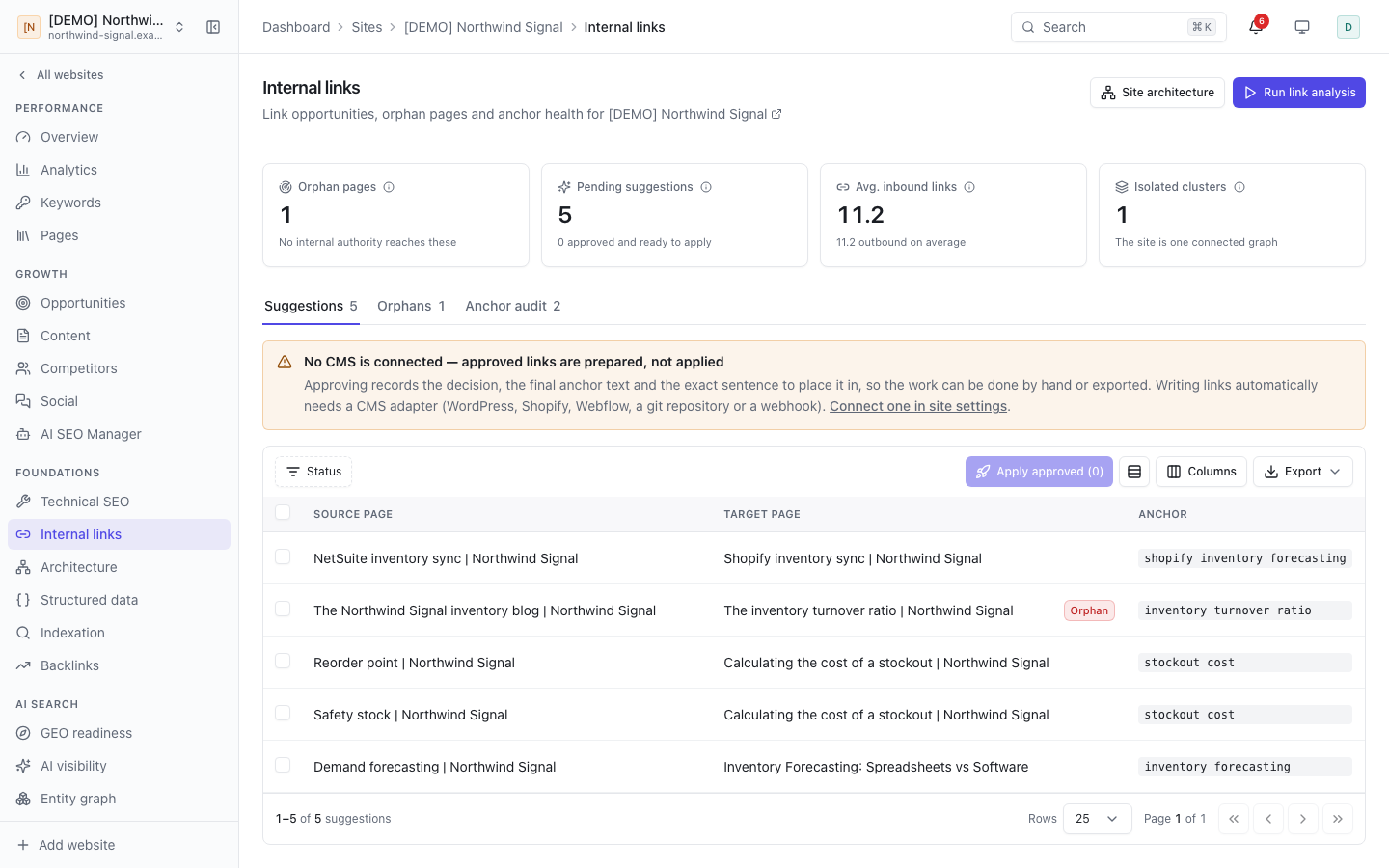
Instead of juggling a crawler, a rank tracker and a folder of spreadsheets, SEO OS audits your websites, proposes fixes, applies the ones you approve and measures whether they worked. Its crawler honors robots.txt, follows redirects and canonicals, avoids crawl traps and can render JavaScript. Sixty-one technical rules grade crawlability, indexability, metadata, content, links, structured data and security, each finding with evidence and a recommendation. Scores come with their factors, weights and a sentence explaining each one. Keyword reports flag striking-distance queries, CTR gaps, content decay and cannibalization, ranked by an explainable opportunity score. A content engine declines to create pages an existing one could cover, and a 14-stage pipeline takes approved ideas from research to publication. Internal-link suggestions come from PageRank over the site's link graph, with orphan detection and anchor-text auditing. GEO readiness scores pages across eleven machine-readability dimensions, while AI-visibility tracking checks whether assistants mention or cite the brand. Social listening watches Reddit, Hacker News and Bluesky for people describing the problem a site solves and drafts disclosed replies for approval. An approval queue groups changes by risk and shows each exact diff with the agent's reasoning, and adapters for WordPress, Git, Shopify, Webflow and webhooks apply only what you approve. Applied changes open experiments that report likely positive, inconclusive or likely negative, steering the next recommendations. Running on a dedicated VPS on RepoCloud with guaranteed CPU, RAM, and SSD, full root SSH access, and a browser serial console. MIT licensed.
Benefits
- Nothing ships without approval
- Five autonomy levels, a hard guardrail on risky actions and an approval queue with diffs keep every change under your control; social replies always wait for a human decision.
- Every score explains itself
- Health, GEO and opportunity scores list their factors, weights and a plain sentence for each contribution, so you can see why a page or keyword is prioritized.
- Experiments prove what worked
- Every applied change opens an experiment using Welch's t-test with a settling window and an effect-size floor, reporting likely positive, inconclusive or likely negative rather than a causal claim.
- Your sites, servers and keys
- SEO OS runs on infrastructure you control with your own API keys, encrypts stored integration credentials with AES-256-GCM and guards user-supplied URL fetches against SSRF.
Features
- Crawler and technical audit
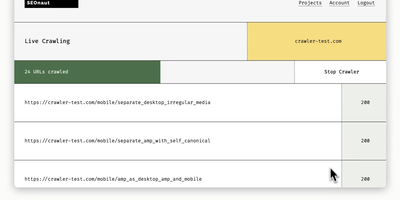
- Crawls respect robots.txt, sitemaps, redirects and canonicals, detect crawl traps and optionally render JavaScript; 61 rules score crawlability, indexability, metadata, content, links, structured data, security and internationalization.
- Keyword and content intelligence
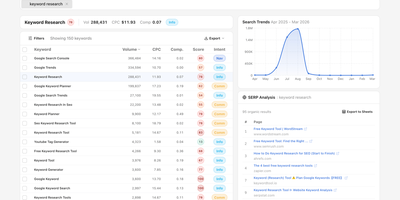
- Striking-distance, CTR-gap, decay and cannibalization detection with clustering, a 0 to 100 opportunity score and a decision engine that prefers improving pages over creating new ones.
- GEO and AI visibility
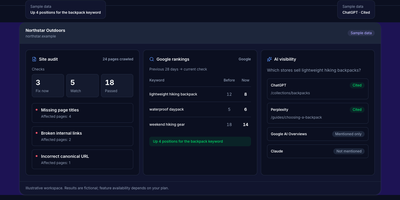
- Eleven machine-readability dimensions scored per page and site, entity graph extraction, structured-data generation and tracking of whether AI assistants mention or cite your brand through official APIs.
- Internal links and architecture
- PageRank over the link graph finds orphan pages, suggests natural anchors and audits anchor over-optimization, with a site architecture view of the crawled link structure.
- Approvals and CMS adapters
- Approval queue with diffs and risk bands, and WordPress, Git or GitHub, webhook, Shopify and Webflow adapters with a change log and rollback data for every applied change.
- Social, mail and accounts
- Listening on Reddit, Hacker News and Bluesky with disclosed reply drafts for approval, daily post planning, and in-app email over IMAP and SMTP with linked GitHub and Reddit accounts.