Developer links
Qeli
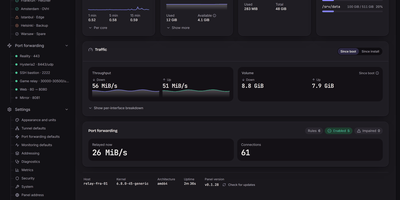
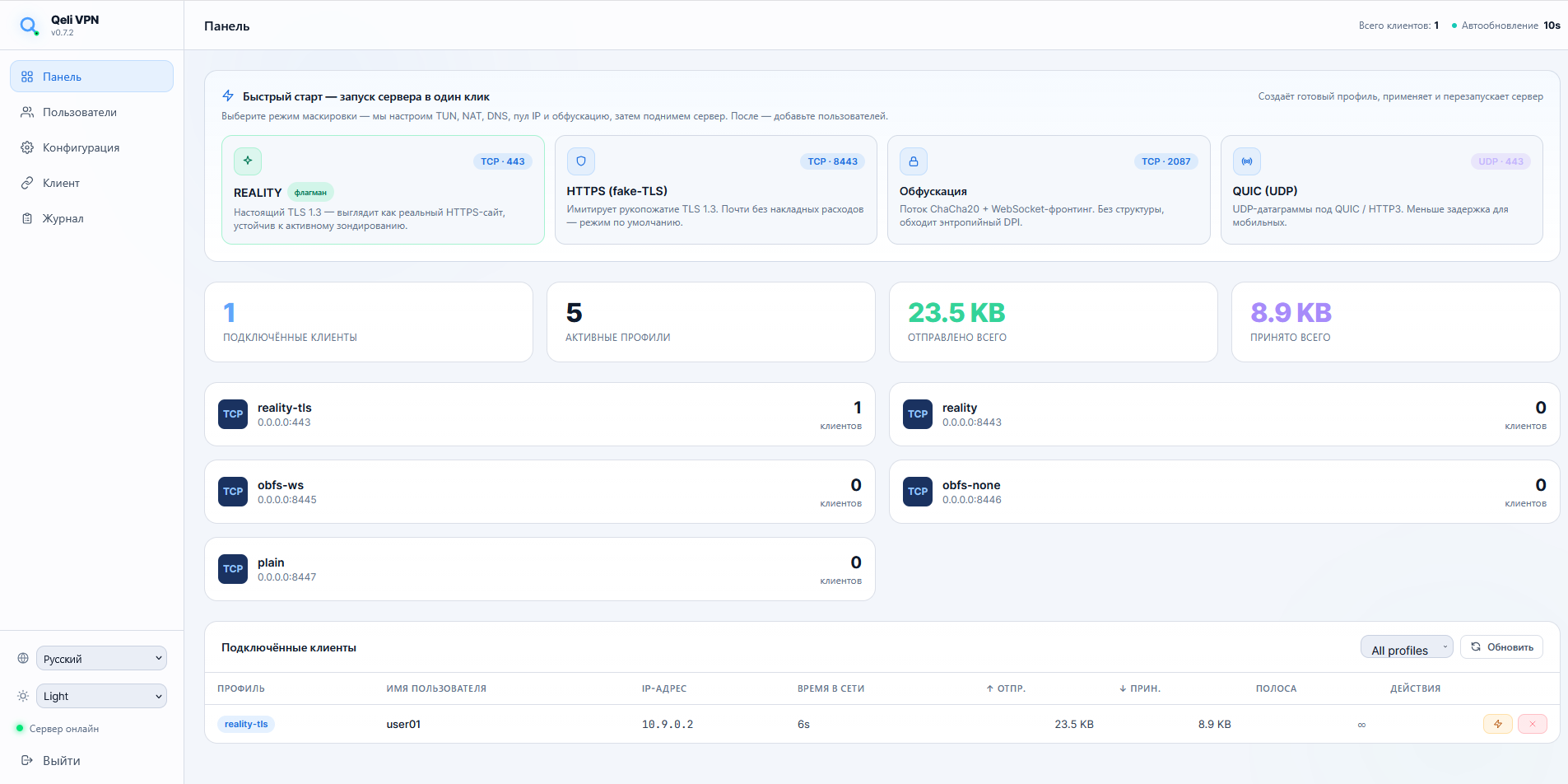
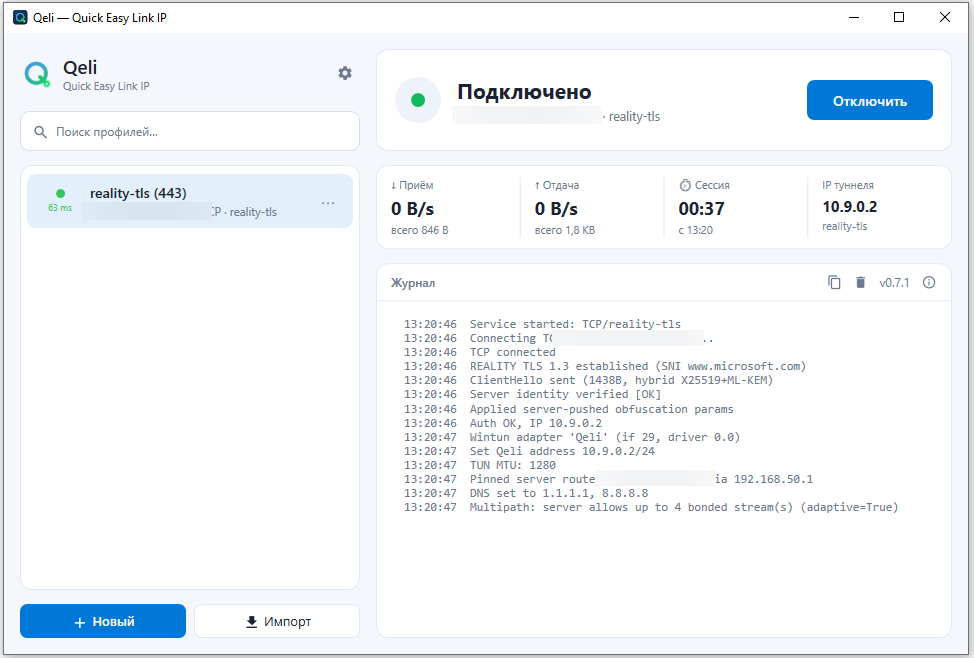
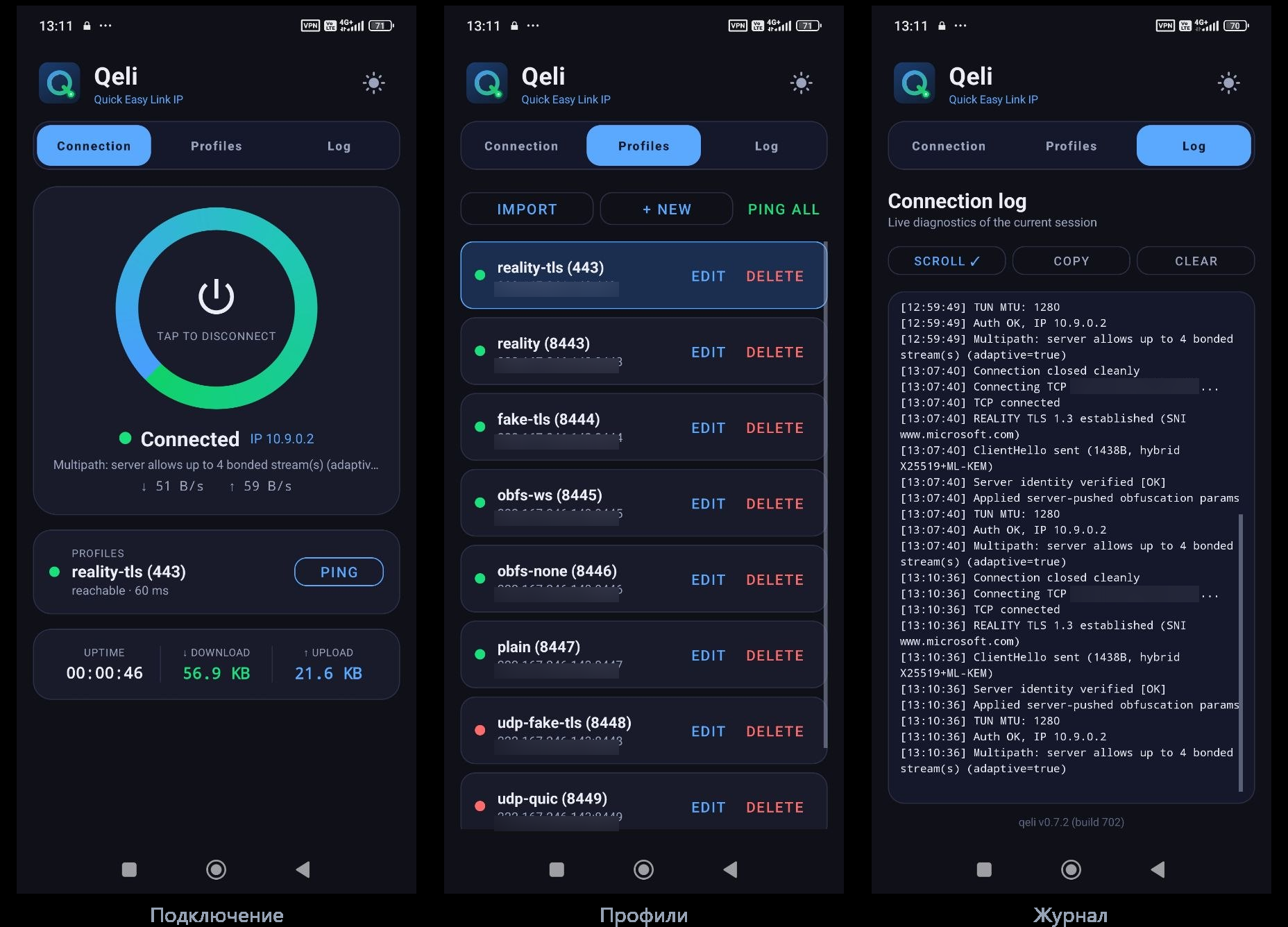
Qeli is a self-hosted VPN built for networks where ordinary VPN protocols get recognized and blocked, disguising its traffic as ordinary web traffic while keeping the classic full-tunnel experience. Where WireGuard, OpenVPN, and IKEv2 carry fingerprints that deep packet inspection has learned to spot, Qeli answers with five wire modes: plain, TLS mimicry, ChaCha20 obfuscation behind WebSocket fronting, REALITY, and a flagship mode that carries the private stream inside a genuine HTTP/2 request within a real TLS 1.3 exchange. A probe without a valid token never learns the difference, because the server bridges it to the configured public target site. The handshake is hybrid post-quantum, X25519 plus ML-KEM-768, with a ChaCha20-Poly1305 data plane, and the tunnel itself behaves like the VPNs people already know: full-tunnel or split routing, OS-level DNS, and per-app include or exclude rules on Windows, macOS, and Android. A one-command installer on a clean Debian or Ubuntu server asks for a profile and a port, writes the NAT configuration, creates the first users, and prints ready-to-paste connection links. The web panel then issues qeli:// links and QR codes per person behind an Argon2id login, so onboarding a phone is a camera scan instead of a config file. Clients cover Linux, Windows, macOS, Android, and Keenetic and OpenWrt routers, and published lab benchmarks average around 1220 Mbit/s across all twelve profiles. Running on a dedicated VPS on RepoCloud with guaranteed CPU, RAM, and SSD, full root SSH access, and a browser serial console. AGPL-3.0 licensed.
Benefits
- Invisible On Hostile Networks
- Five obfuscation wire modes, led by REALITY TLS with a genuine HTTP/2 carrier, make the tunnel look like ordinary web traffic where signature-based DPI blocks WireGuard and OpenVPN outright.
- Post-Quantum From First Packet
- The handshake mixes X25519 with ML-KEM-768 so today's recorded traffic resists tomorrow's quantum decryption, while the data plane runs ChaCha20-Poly1305 at multi-gigabit lab throughput.
- Links And QR Codes Instead
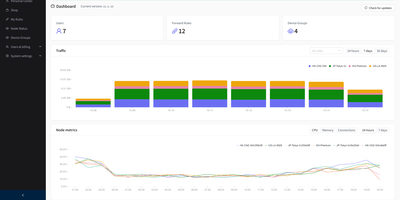
- The web panel issues a qeli:// link or QR code for each user behind an Argon2id login and native HTTPS, so onboarding a device is a camera scan, not a config file.
- One Command On Clean Linux
- The installer verifies its package checksum, asks for a profile and listen port, writes full-tunnel NAT, creates the first users, and prints connection links ready to paste into clients.
Features
- Five Wire Modes
- Plain, fake-tls, obfs, reality, and reality-tls over TCP, plus QUIC-shaped masking for UDP, let you match the disguise to how hostile the local network actually is.
- REALITY TLS Carrier
- The private stream rides inside a genuine HTTP/2 request in a real TLS 1.3 exchange, and unauthenticated probes are bridged to the configured target site.
- Per-App Split Routing
- Full-tunnel and split-tunnel are both first-class, with per-application include and exclude rules on Windows, macOS, and Android instead of proxy workarounds.
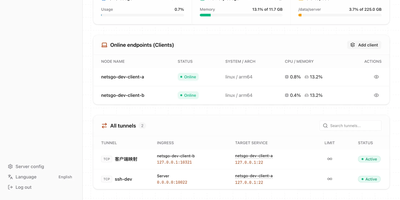
- Web Admin Panel
- Issue users, links, and QR codes from the browser with Argon2id login and native HTTPS served by the daemon itself, no separate web server required.
- Clients For Everything
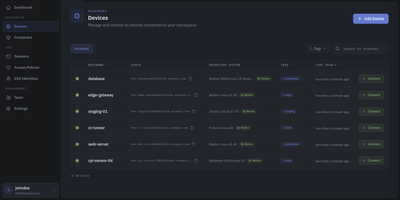
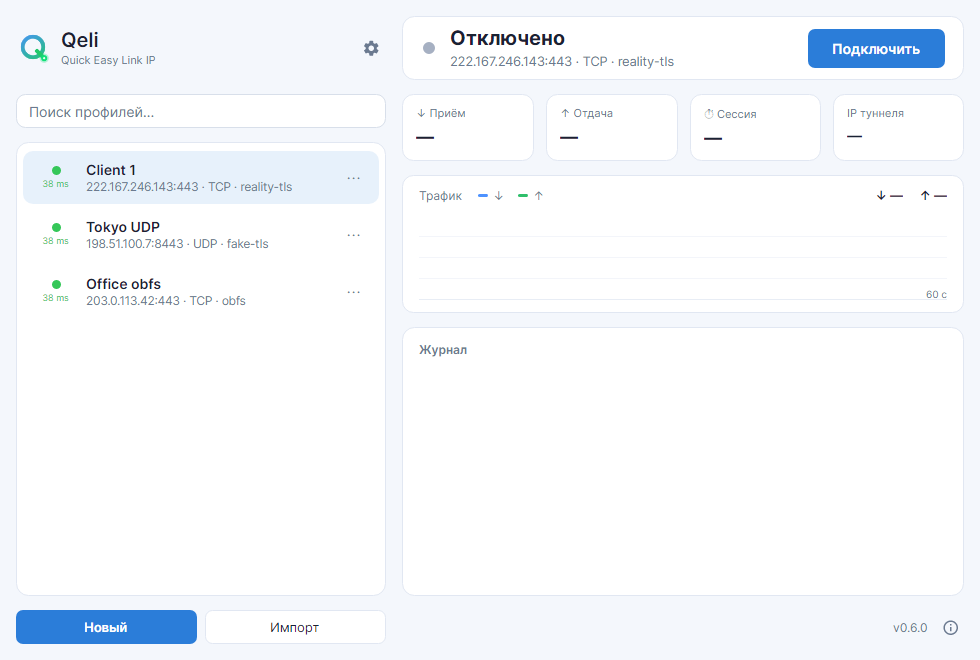
- Native clients cover Linux, Windows, macOS, and Android, plus Keenetic and OpenWrt routers, all speaking the same protocol to the same server.