Stars
Forks
Watchers
Developer links
OpenHands
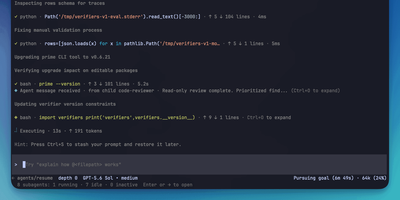
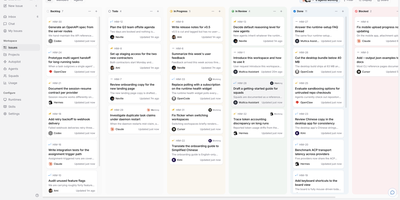
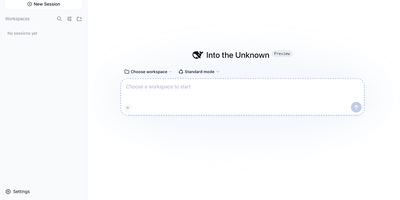
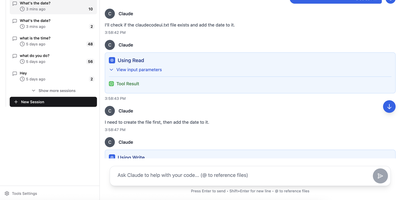
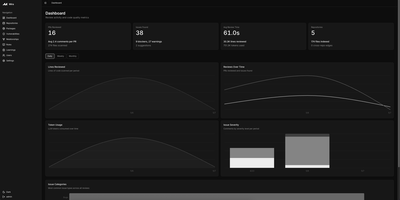
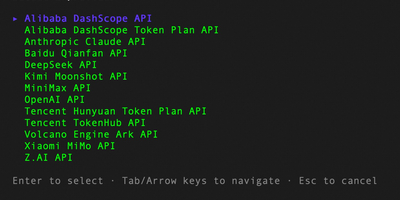
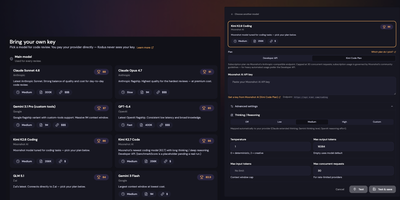
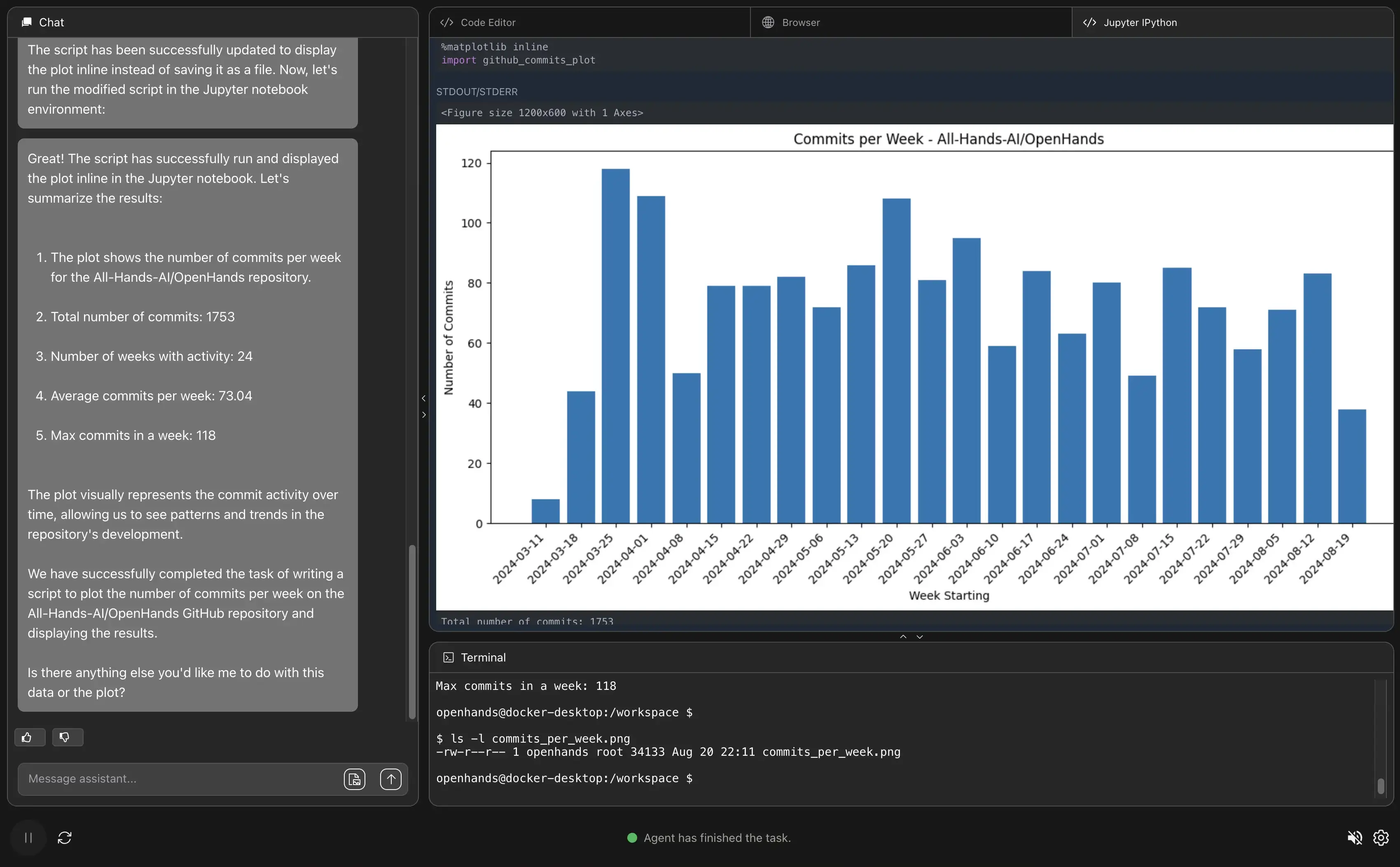
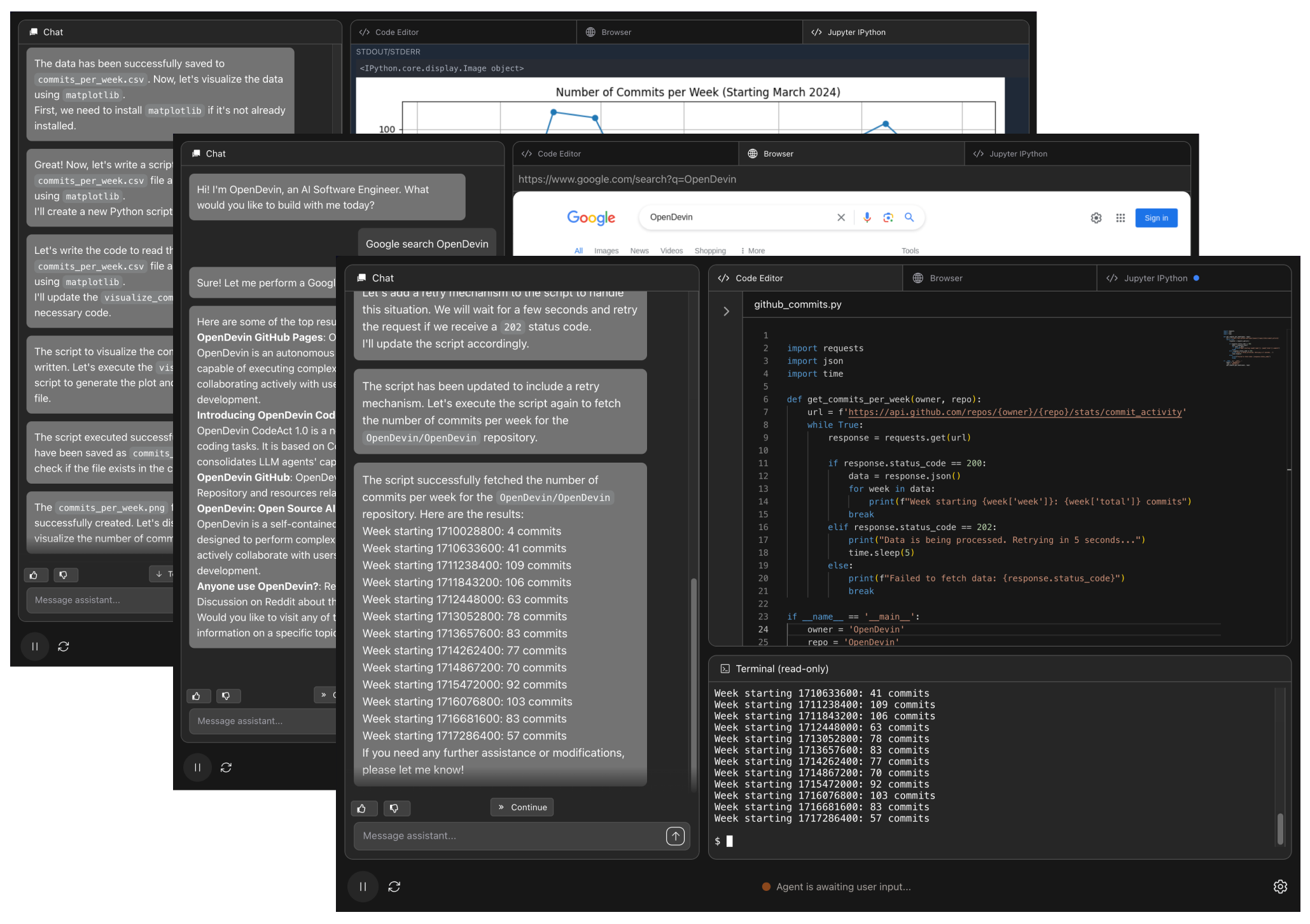
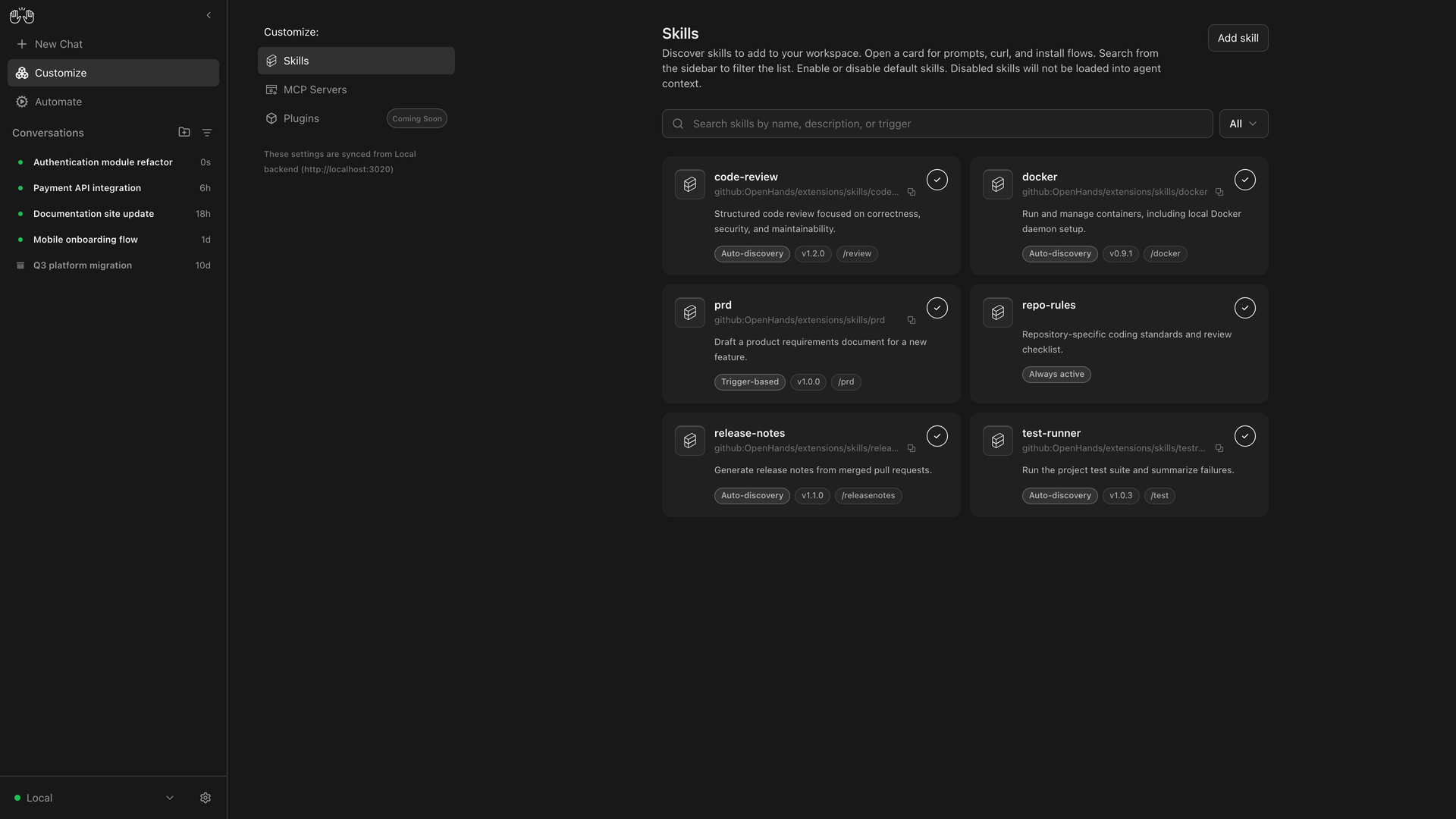
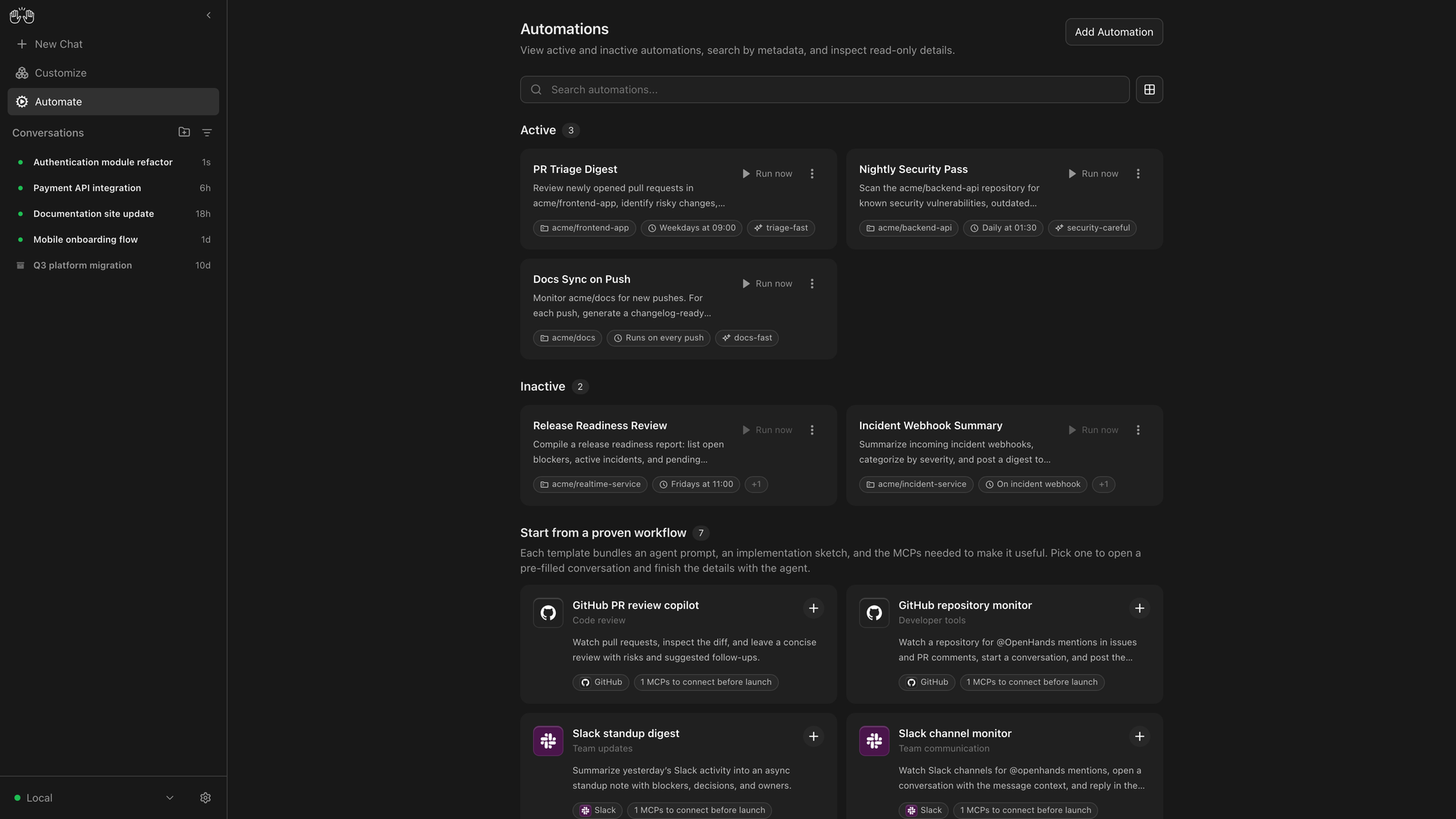
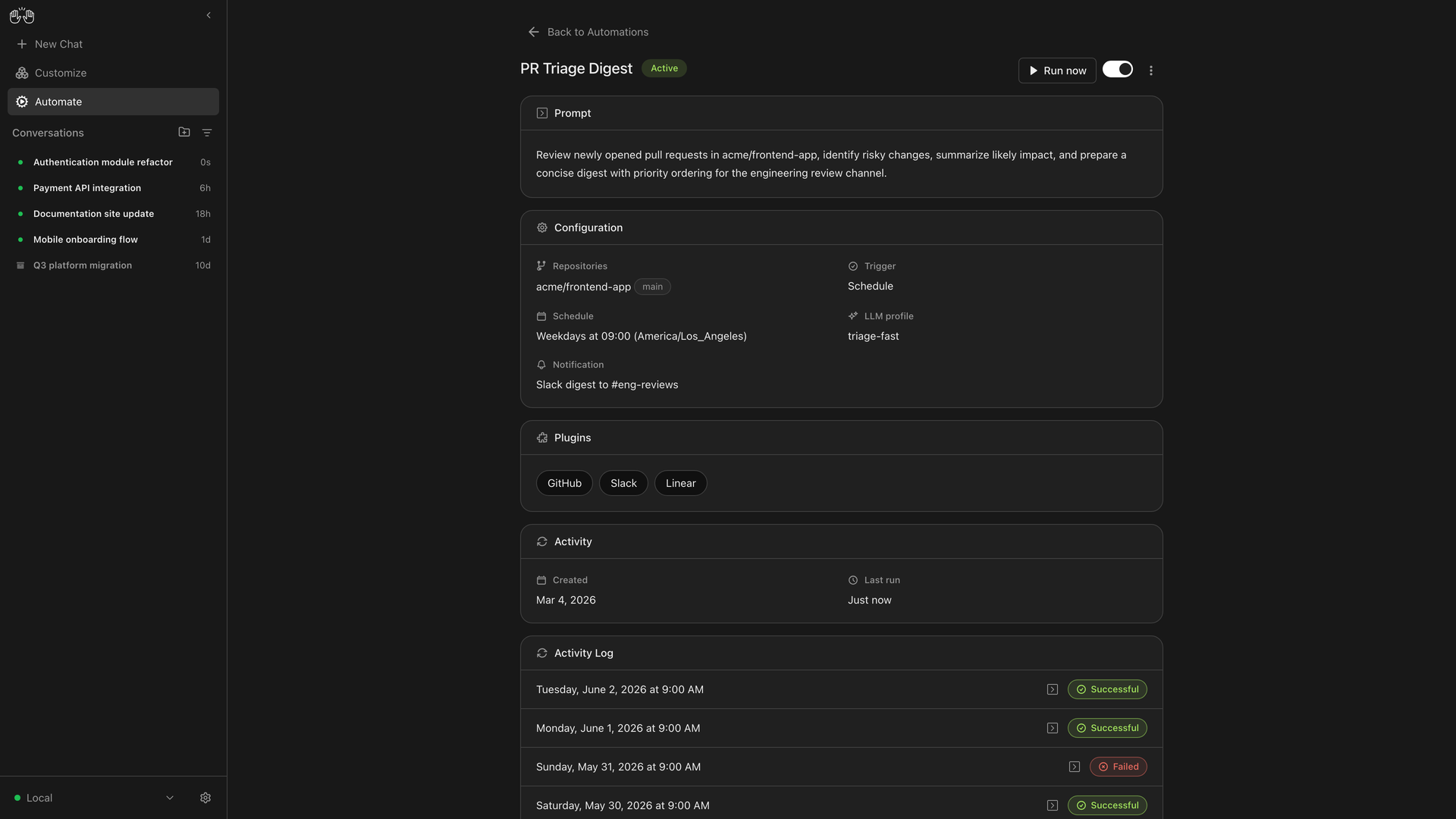
With 83,000+ GitHub stars and $18.8M in Series A funding, OpenHands delivers the leading open-source platform for AI coding agents that scored 68.4% on SWE-bench Verified with Claude Opus 4.6, outperforming Devin 2.0's publicly reported 45.8%. The Agent Canvas web UI organizes work into persistent conversations where agents edit files, run shell commands, browse the web, and execute multi-step development tasks inside isolated Docker sandbox containers. The observe-plan-act loop drives agent behavior: the Python controller manages LLM abstraction via LiteLLM routing to 100+ providers including OpenAI, Anthropic, Google, DeepSeek, Qwen, Llama, and local Ollama models. Built-in skills for code review, Docker management, PRD generation, repo-rules enforcement, release notes, and test running attach to conversations automatically via auto-discovery or trigger-based activation. The Automations system schedules recurring agent tasks with configurable templates for CI workflows, dependency updates, and documentation generation. MCP server integration enables agents to access external tools and data sources. The REST API powers an OpenAI-compatible endpoint for connecting agents to chat UIs, IDEs, and voice platforms. GitHub, GitLab, Slack, and Jira integrations enable pull request reviews, issue resolution, and team notifications. The SDK provides Python and REST APIs for embedding agents in custom tools with local or cloud execution, custom agent behaviors, and Kubernetes deployment. On RepoCloud, deploy OpenHands on a dedicated VPS with Docker socket access, persistent project storage, root SSH access, and complete control over your AI development infrastructure, all under the MIT license.
Benefits
- Model-Agnostic Agent Execution
- Route agent tasks to any of 100+ LLM providers via LiteLLM including OpenAI, Anthropic, Google, DeepSeek, Qwen, Llama, and local Ollama models without vendor lock-in.
- Secure Docker-Sandboxed Execution
- Every agent action runs inside an isolated Docker container with LLM-based security analysis, preventing unauthorized system access while supporting custom sandbox images built from any Debian base.
- SWE-bench Top Performance
- Achieves 68.4% on SWE-bench Verified with Claude Opus 4.6, surpassing Devin 2.0's 45.8% score, with competitive results across open-weight models like Devstral and Qwen3.
- Extensible Skills and Automations
- Attach reusable skills for code review, release notes, test running, and PRD generation to agent conversations, and schedule recurring automations with configurable templates for CI workflows.
Features
- Agent Canvas GUI
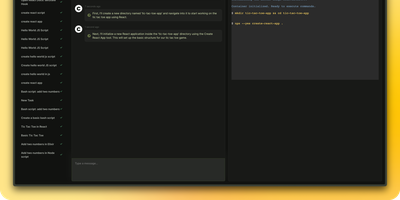
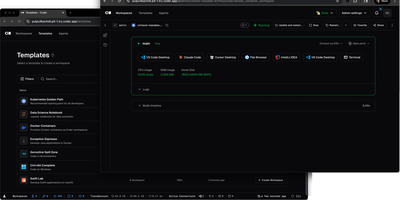
- Web-based interface organizing work into persistent conversations with agent thinking display, action approval controls, user feedback modes, and multi-server backend switching.
- MCP Server Integration
- Connect agents to external tools and data sources via Model Context Protocol servers with auto-discovery, enabling database queries, API access, and custom tool execution.
- OpenAI-Compatible API
- REST API endpoint exposing agents as OpenAI-compatible chat completions for integration with IDE extensions, chat UIs, voice platforms, and third-party tools.
- Software Agent SDK
- Python and REST APIs for building custom agents with local or cloud execution, Bash commands, file editing, web browsing, and Kubernetes deployment support.
- Git Platform Integration
- Native connectors for GitHub and GitLab enabling automated pull request reviews, issue resolution, commit summarization, and CI pipeline interaction with Slack and Jira notifications.