Stars
Forks
Watchers
Developer links
DeepSeek Harness
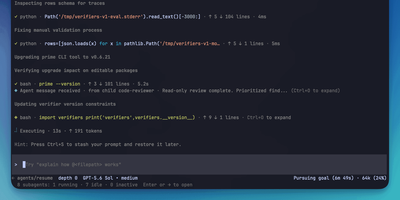
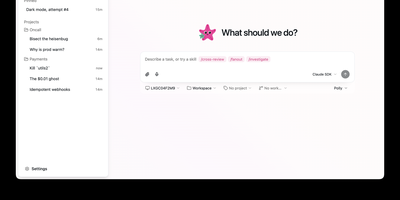
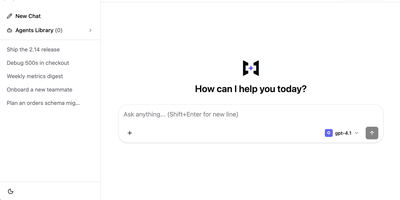
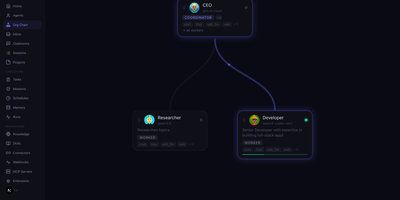
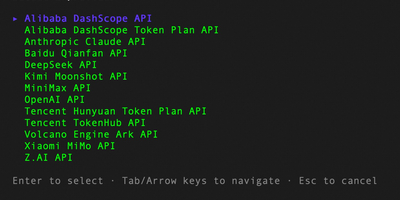
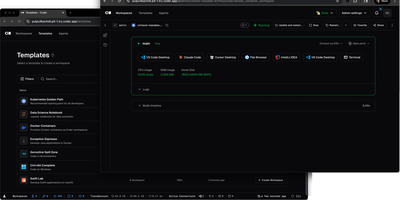
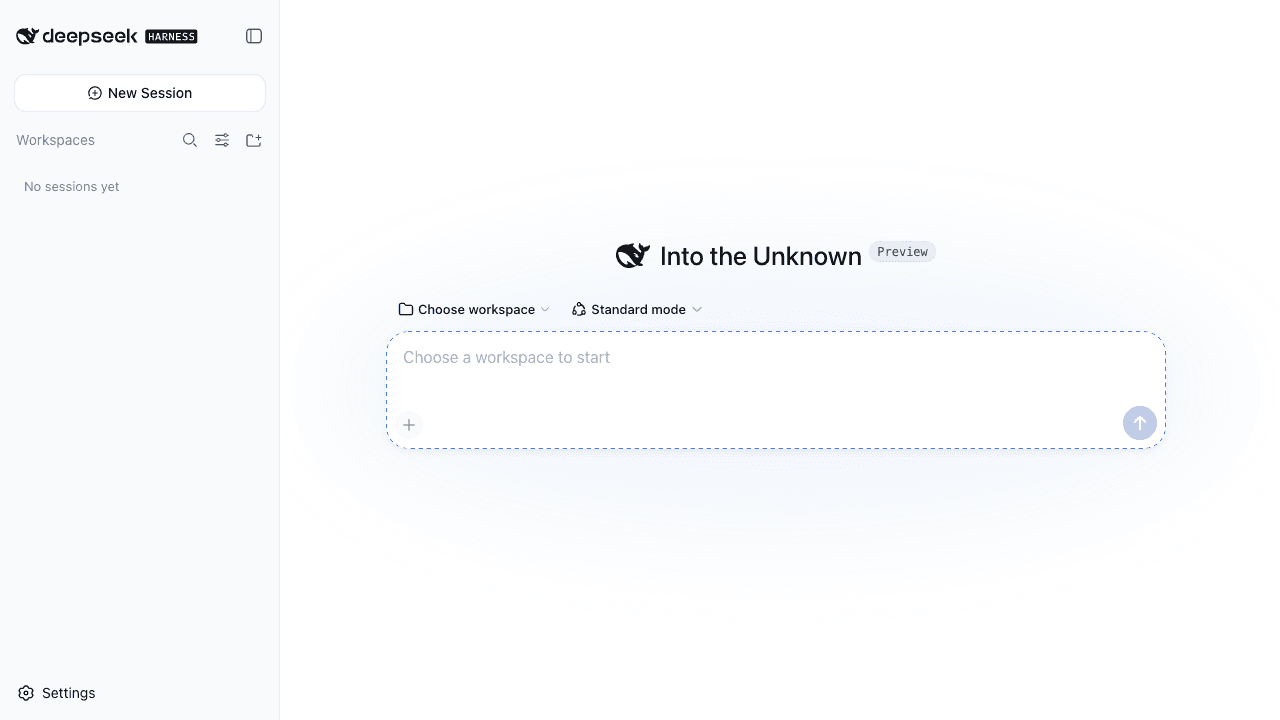
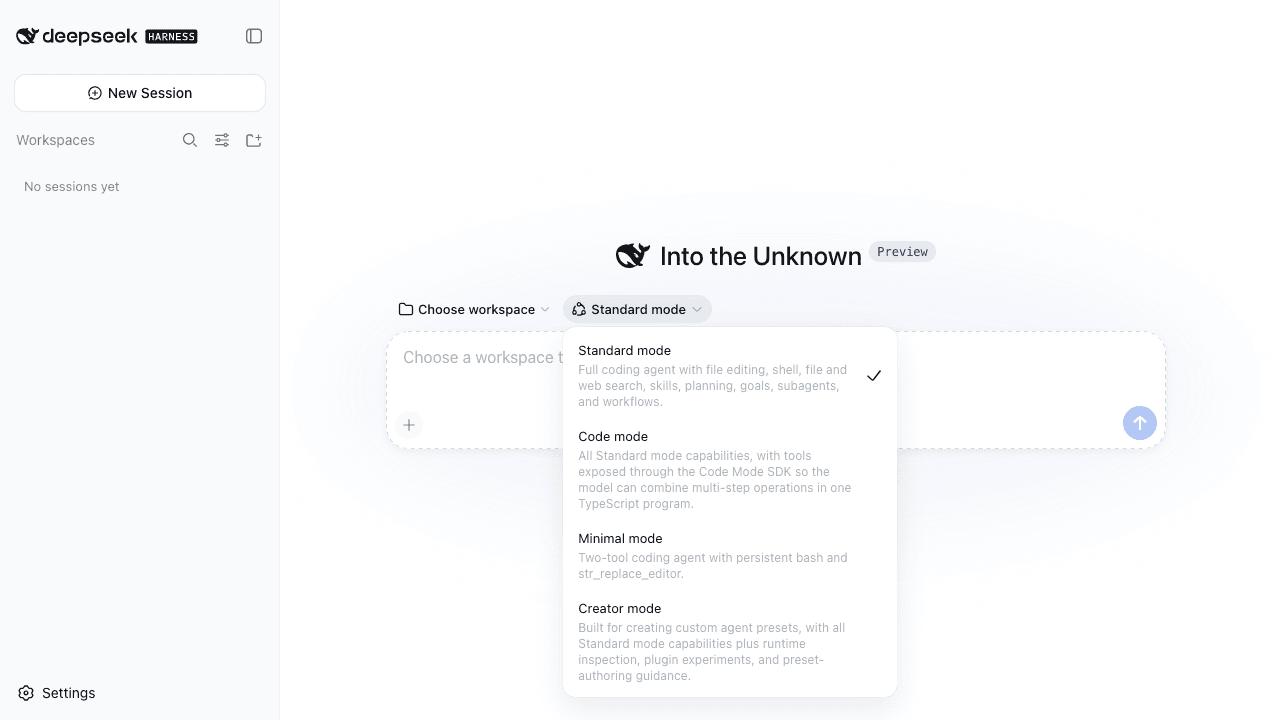
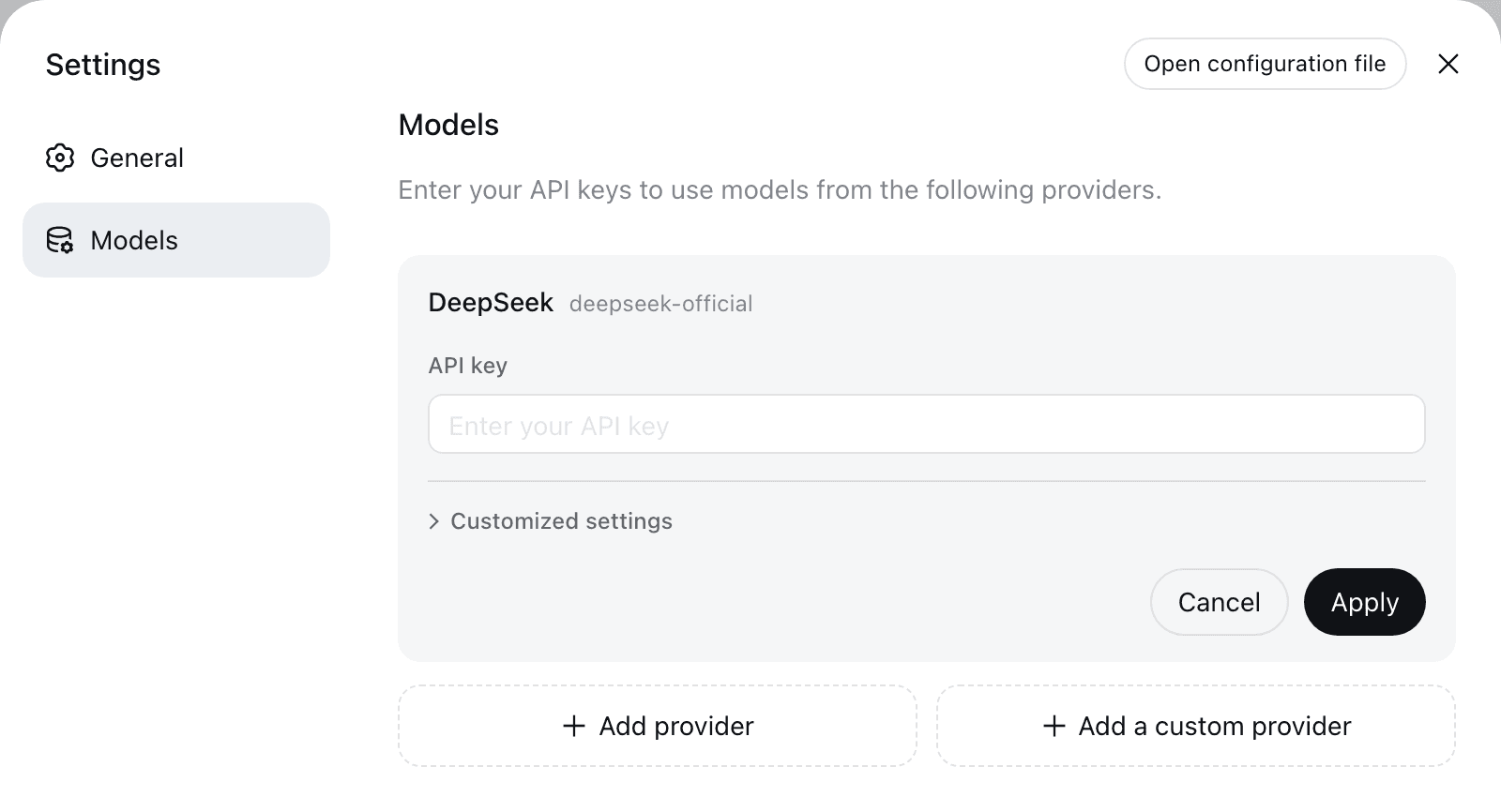
DeepSeek Harness gained over 60,000 GitHub stars within hours of its August 2026 launch, establishing itself as the first fully modular open-source agent runtime where literally every component is a swappable plugin. Built on the Cordis framework—a programming paradigm for spatiotemporal composability—dsh decomposes the entire agent stack into independently replaceable pieces: model adapters for DeepSeek, Anthropic, OpenAI, AWS Bedrock, Azure, and Google Gemini; tool registries covering bash execution, file system operations, web search, subagent delegation, and todo management; plus session stores, sandboxes, approval policies, orchestration loops, and the user interface itself. Four operating modes serve different workflows: Standard provides the full toolset, Code mode uses model-generated code to compose multi-round tool calls, Minimal strips down to a shell and editor for benchmarking, and Creator mode lets developers inspect the running runtime and test Cordis plugins in memory. The kernel handles plugin mounting, unmounting, and dependency resolution while typed events and services coordinate between components. Profiles and bundles allow the same codebase to produce entirely different products—a terminal coding agent, a browser-based workspace, a headless automation service, or an ACP/JSON-RPC endpoint—by swapping YAML configuration layers. Session history is stored as an append-only event stream for full trajectory replay, and project-level hooks on agent lifecycle events enable fine-grained behavioral customization. MCP client integration connects to external tool servers, while Agent Client Protocol enables programmatic orchestration. Running on a dedicated VPS on RepoCloud with guaranteed CPU, RAM, and SSD, full root SSH access, and a browser serial console. MIT licensed.
Benefits
- Fully Modular Plugin Architecture
- Every component—models, tools, sandboxes, sessions, loops, and UI—is a swappable Cordis plugin, enabling developers to replace or extend any capability without modifying core source code.
- Multi-Provider LLM Support
- Connect to DeepSeek, Anthropic, OpenAI, AWS Bedrock, Azure, Google Gemini, or custom API endpoints through a unified adapter layer with credential isolation and model catalog discovery.
- Configurable Operating Modes
- Switch between Standard, Code, Minimal, and Creator modes to match different development and evaluation workflows, from full-featured coding to minimal benchmarking environments.
- Append-Only Session Observability
- Every agent turn, step, tool invocation, and model request is logged to an append-only event stream, providing full trajectory replay and audit capability for debugging agent behavior.
Features
- Cordis Plugin System
- Powered by the Cordis framework for spatiotemporal composability, enabling typed services, events, and reversible side effects across a shared plugin context.
- MCP Client Integration
- Connects to external Model Context Protocol servers, automatically discovering and registering tools from MCP endpoints into the agent's tool registry.
- Web UI and Headless
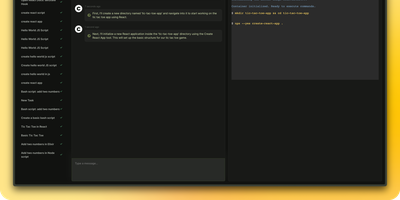
- Ships with a browser-based workspace served on port 3080 and a headless mode for one-off tasks, CI pipelines, and programmatic automation via ACP or JSON-RPC.
- Hook-Based Lifecycle Control
- Project-level and user-level hooks on session start, pre-step, request, tool execution, and turn stopping events enable fine-grained behavioral customization.
- Profile-Based Deployment
- Profiles and bundles compose different runtime configurations from the same codebase, producing terminal agents, web workspaces, or API services through YAML configuration layering.