Stars
Forks
Watchers
Developer links
OpenAgentCore
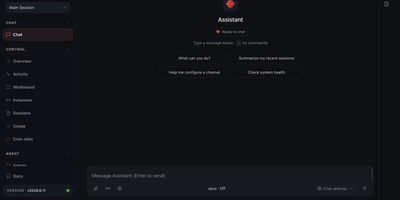
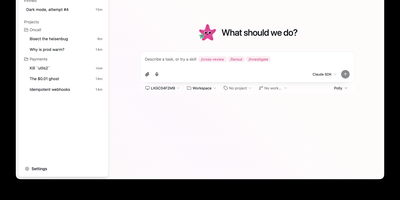
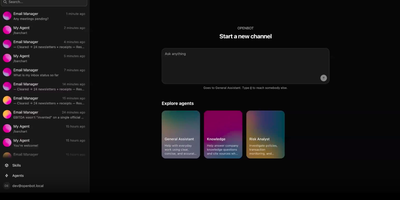
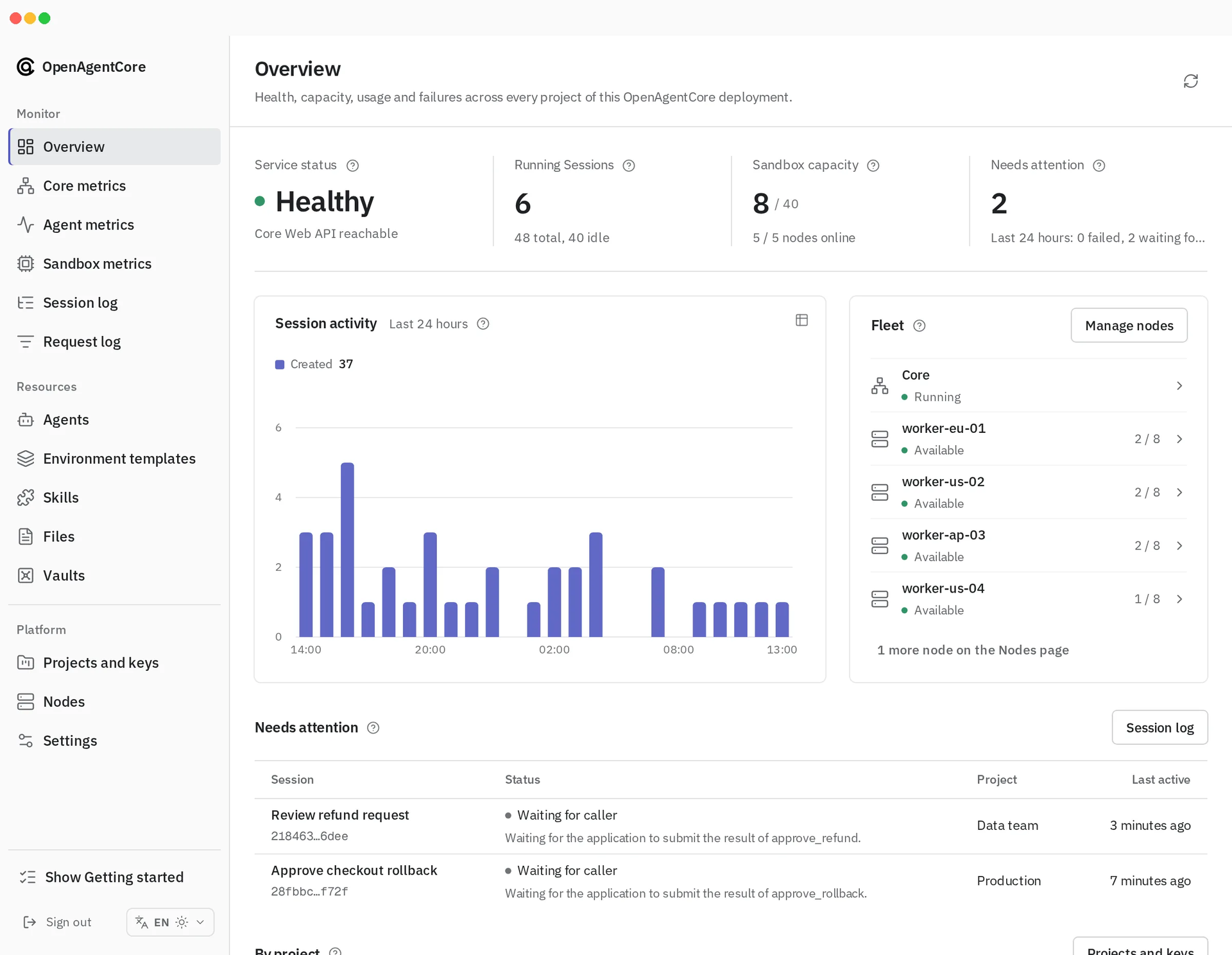
OpenAgentCore puts Codex, Claude Code, and MiniMax Code behind one self-hosted Agents API, so your applications start agent sessions through the official OpenAI SDK while the work runs on machines you control. Set OPENAI_BASE_URL to your installation and issue a Project API key, and the same client code that talks to OpenAI now talks to your Core. Each session runs a native harness, exactly as it runs on a developer's machine, with the model provider, model ID, and protocol you configure per harness or per session. Choose where sessions execute: microsandbox nodes you operate, Docker, E2B, or a self-hosted workstation, VM, or container connected by the oac-daemon with a credential scoped to one environment. Idle microsandbox sessions release their compute and resume on a compatible node with workspace files intact, so long investigations do not rent a machine while they sleep. The Web console walks operators through setup, tracks sessions and turns, manages models and credentials, and issues keys, while the separate Core API serves operators and the Agents API serves applications. Durable execution state in PostgreSQL keeps events, results, and schedules recoverable across restarts. Sandbox providers, workspace filesystems, harnesses, and model providers all plug in through defined protocols, so every layer can be replaced on its own. Running on a dedicated VPS on RepoCloud with guaranteed CPU, RAM, and SSD, full root SSH access, and a browser serial console. MIT licensed.
Benefits
- Same API as OpenAI
- Applications set OPENAI_BASE_URL and a Project API key and keep using the official OpenAI SDK unchanged, gaining a self-hosted Agents API without learning a new client or protocol.
- Your agent, your model
- Each session runs Codex, Claude Code, or MiniMax Code natively with the model provider you configure, per harness by default or per session, instead of a hosted agent chosen for you.
- Compute that sleeps
- On microsandbox with independent workspace storage, idle sessions release compute and resume on a compatible node with files intact, while E2B, Docker, and your own machines remain available.
- Every part replaceable
- Sandbox providers, workspace filesystems, harnesses, and model providers plug in through defined protocols, and durable state in PostgreSQL keeps execution recoverable when any single layer changes.
Features
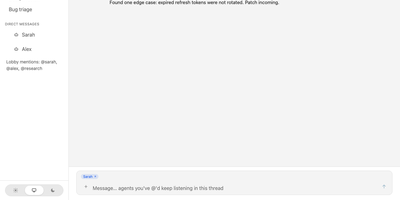
- Agents API at /v1
- The /v1 Agents API mirrors OpenAI's protocol for sessions and turns, while the /core/v1 Core API serves operators through the Web console with separate keys and permissions.
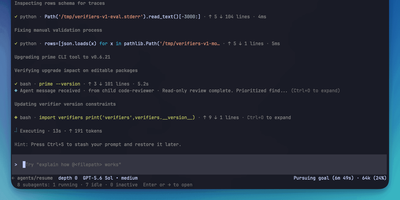
- Three native harnesses
- Codex, Claude Code, and MiniMax Code run natively inside each session environment, selected per session through the harness field with your configured model provider and credentials.
- Flexible execution environments
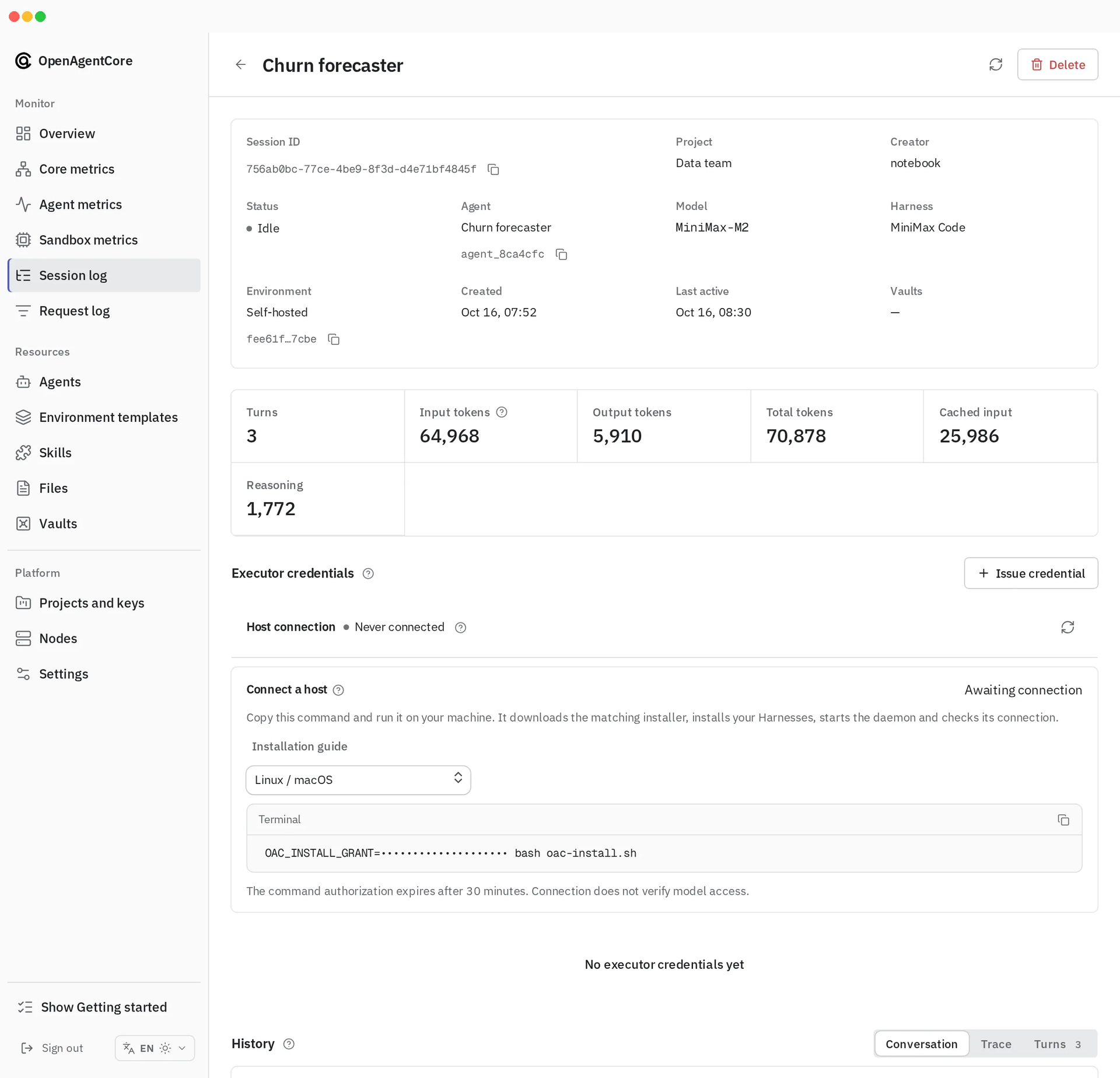
- Sessions run in microsandbox, Docker, or E2B sandboxes, or on self-hosted Linux, macOS, and Windows machines connected by oac-daemon with a credential scoped to one environment.
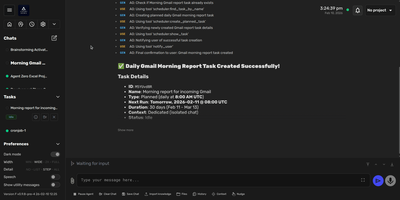
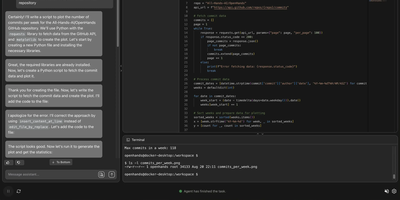
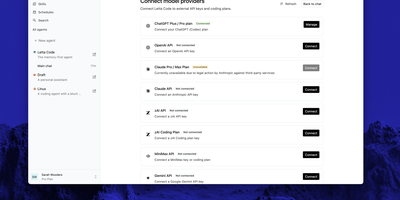
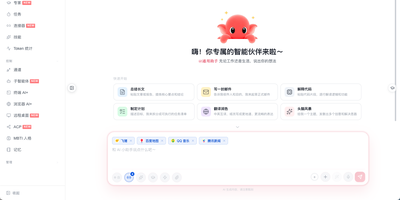
- Web operator console
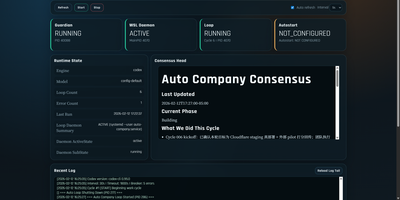
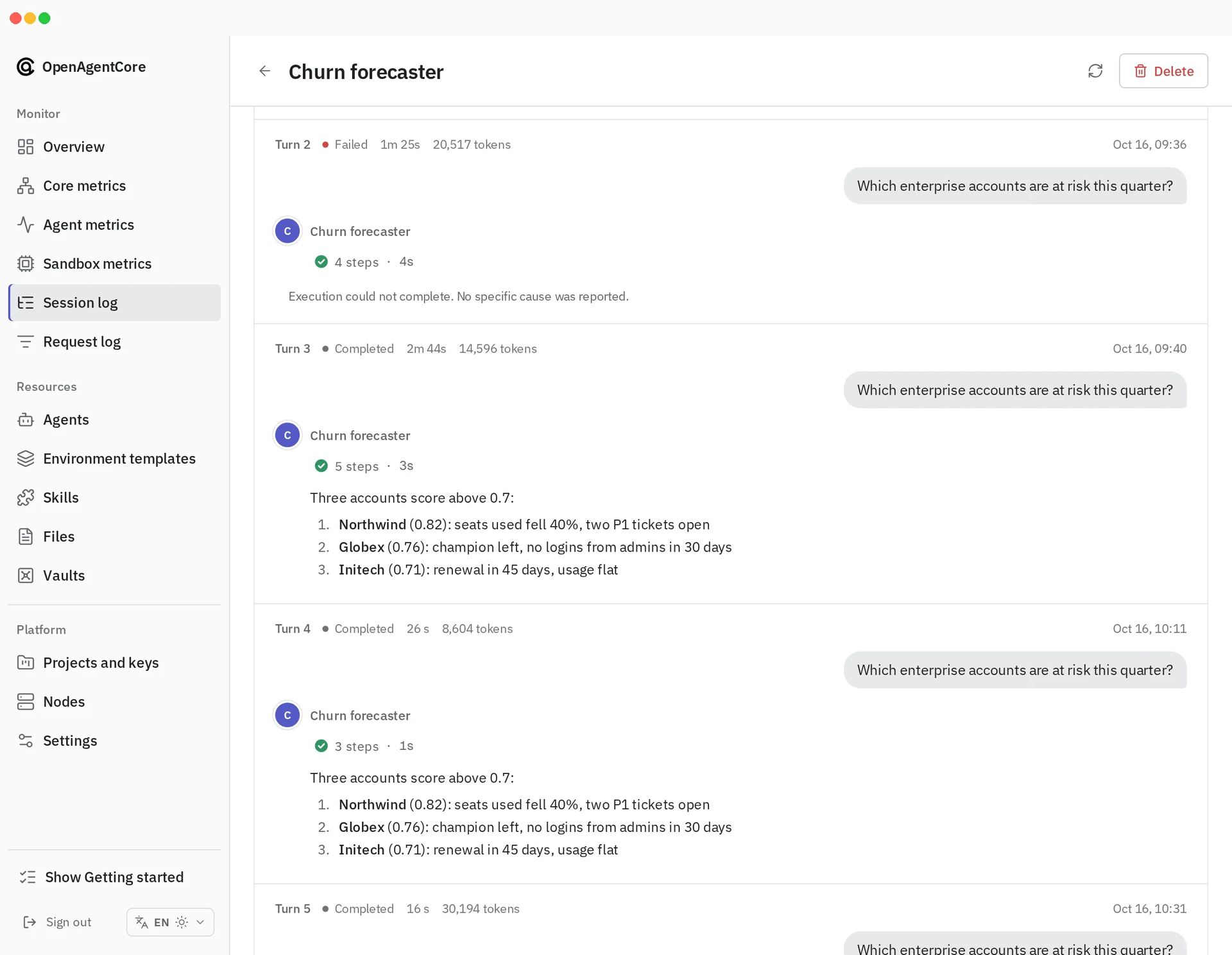
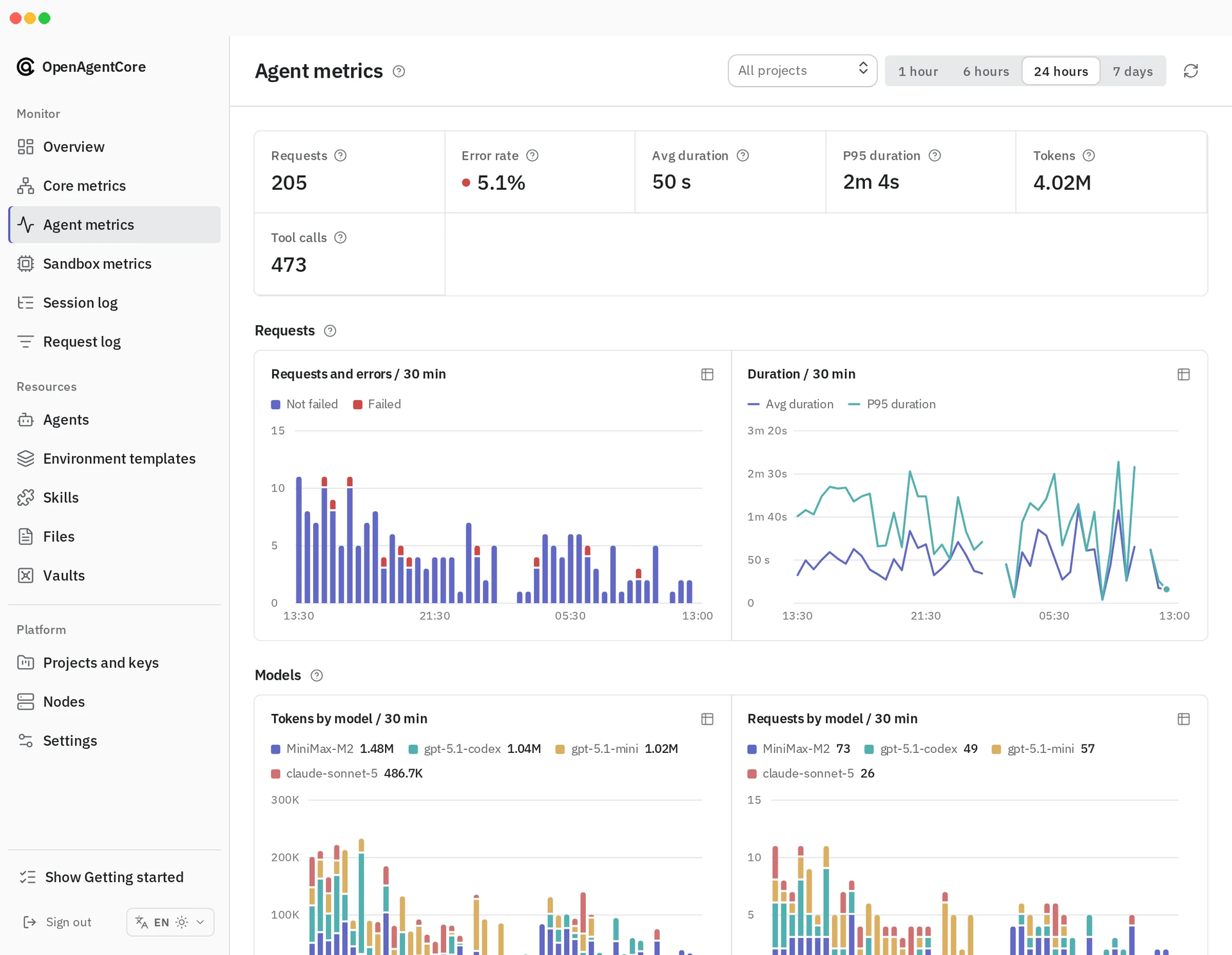
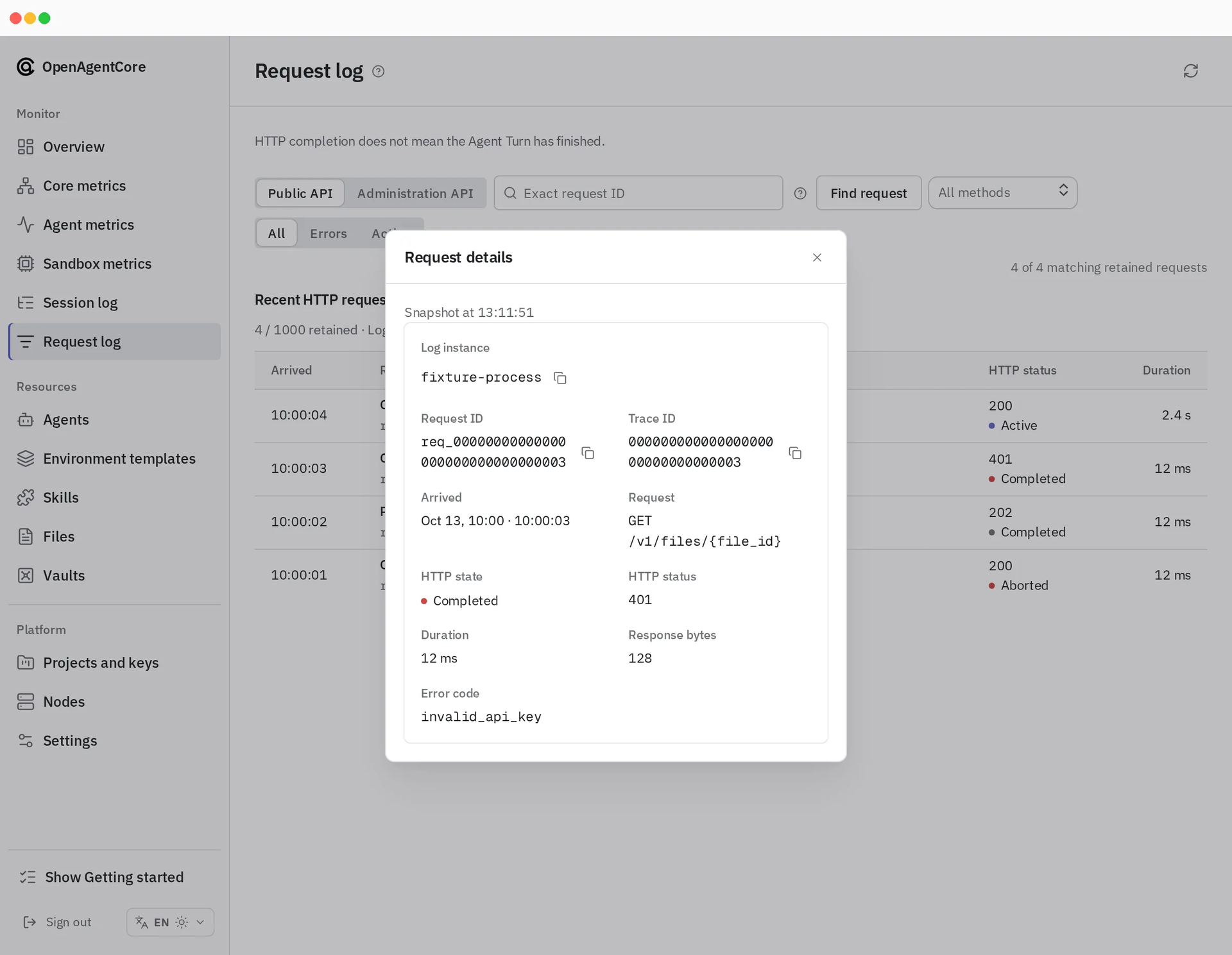
- The console provides a getting-started checklist, session and turn tracking, model and credential settings, default model configuration, and Project API key issuing for operators.
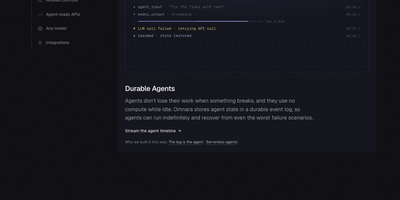
- Durable execution state
- Core keeps sessions, turns, events, results, and schedules in PostgreSQL, so work survives restarts and can be scheduled, cancelled, and interacted with over time.