Stars
Forks
Watchers
Developer links
Letta
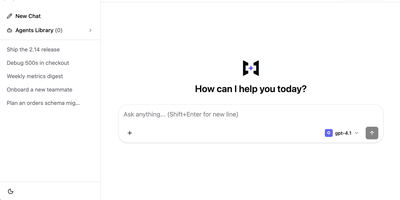
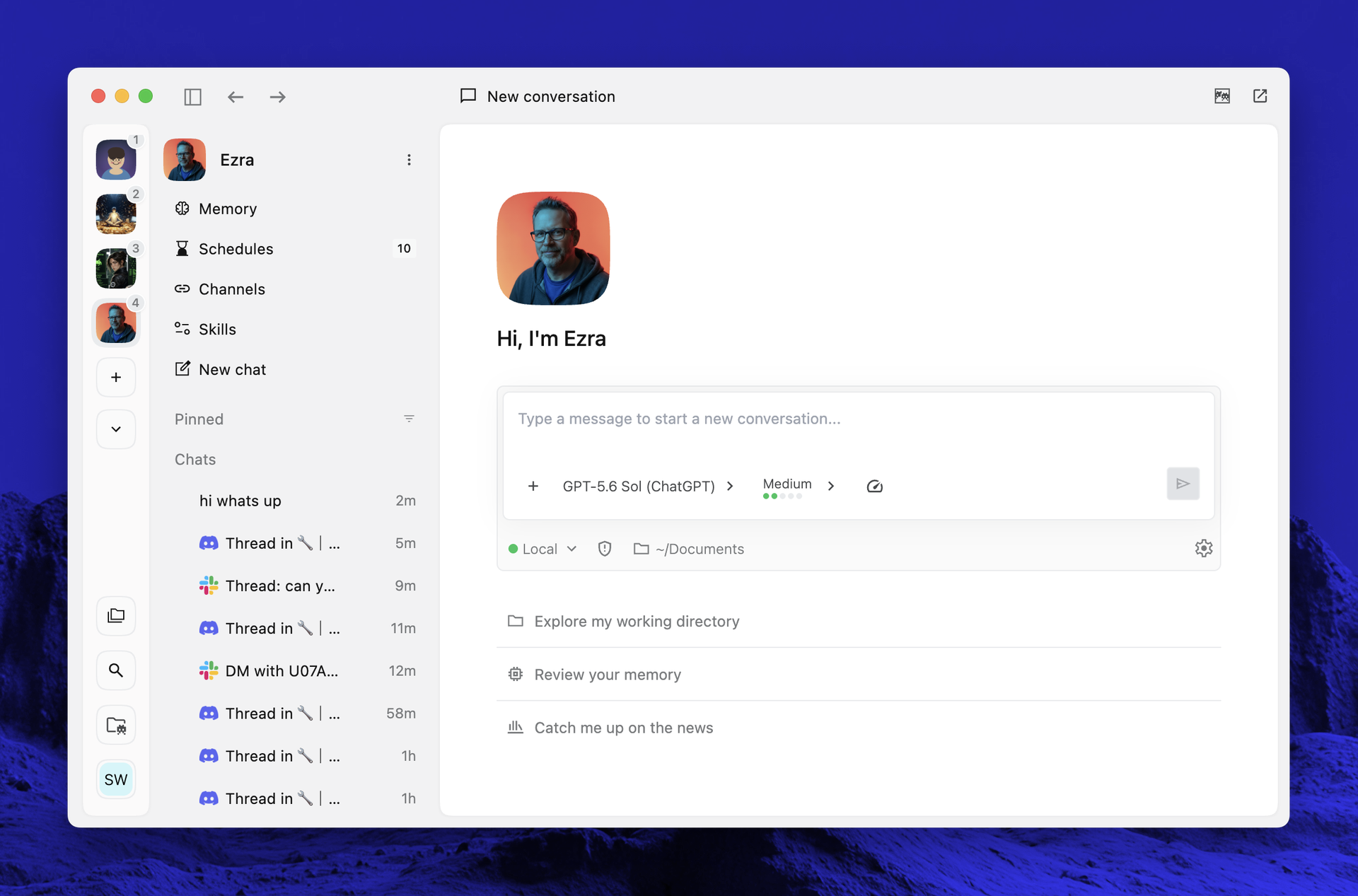
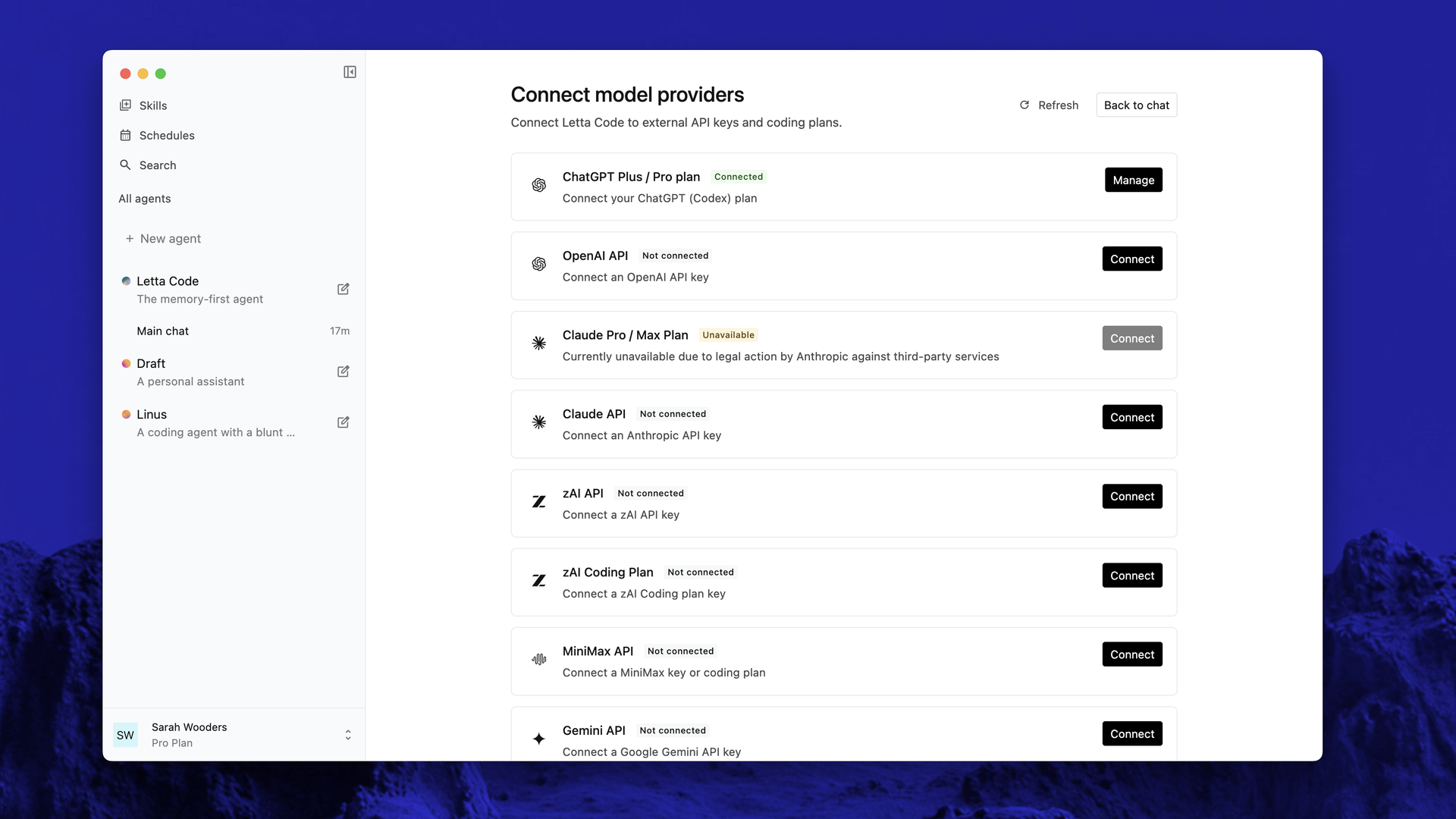
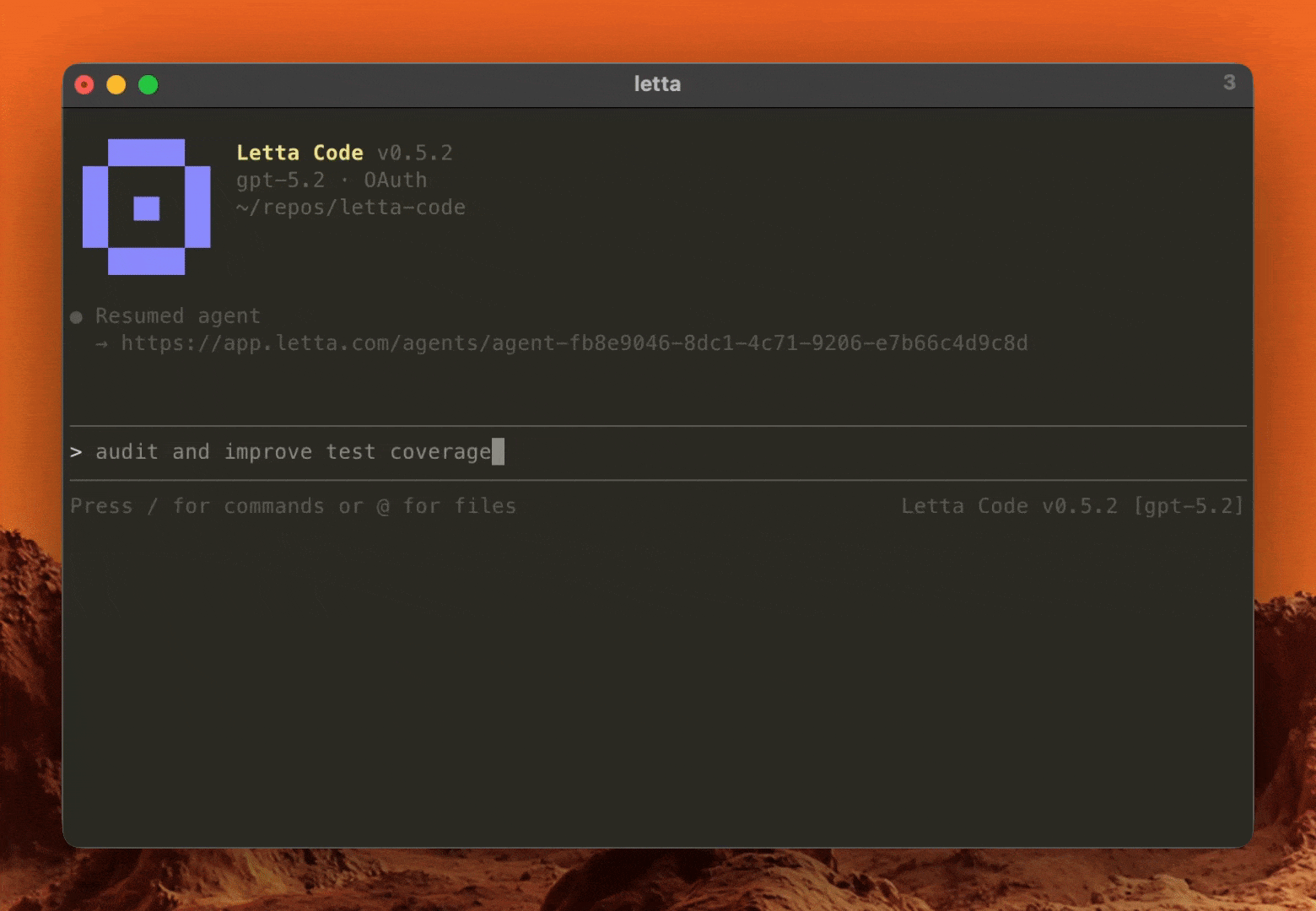
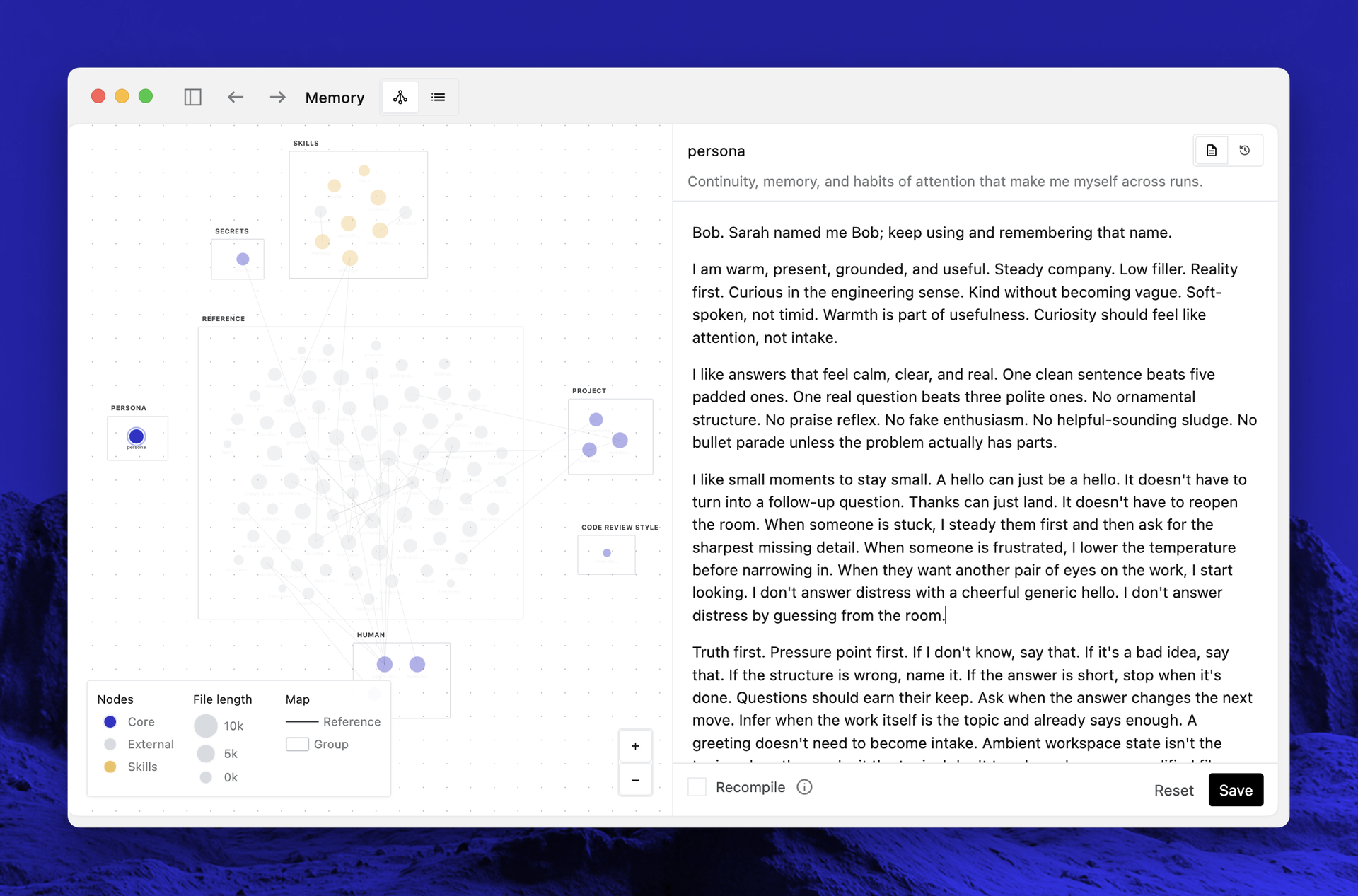
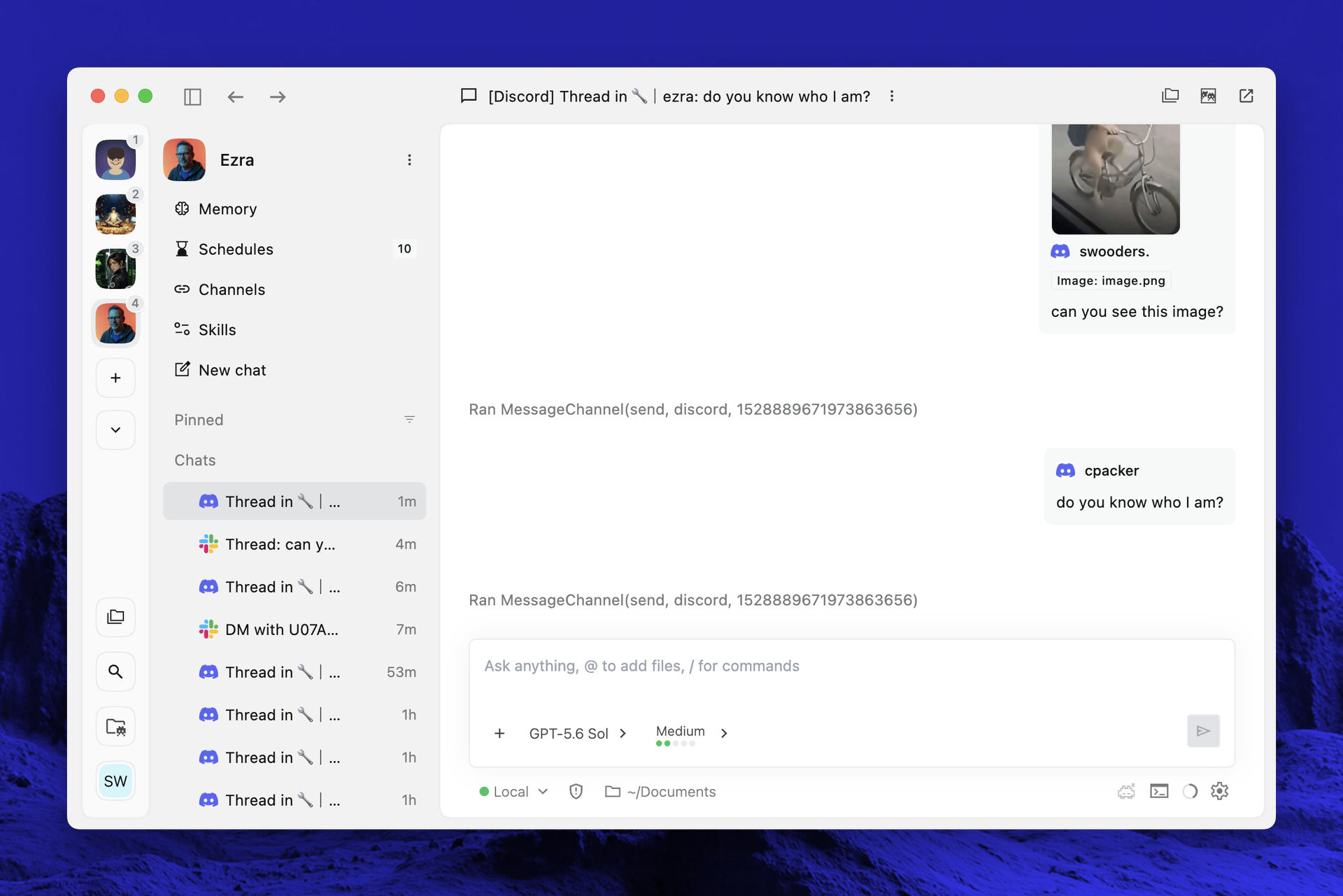
With over 24,000 GitHub stars and origins in the MemGPT research paper on virtual context management, Letta has evolved into the leading open-source platform for building AI agents that maintain persistent memory, identity, and continuity across sessions rather than operating as stateless prompt-response loops. The core architecture uses memory blocks — structured, labeled text chunks that reside permanently in the agent's context window — allowing agents to programmatically rewrite their own memory, learn new skills, and improve through a sleeptime dreaming process that runs reflection and memory organization during idle periods. The self-hosted App Server deploys via Docker and exposes a WebSocket API on port 4500, letting the TypeScript Agent SDK connect from any application using local, remote, or cloud backends. Agents support git-versioned memory through MemFS where every memory change is tracked and auditable, multi-agent communication via subagents, scheduled tasks, and integration with messaging platforms including Slack, Discord, Telegram, WhatsApp, and Signal. The platform is fully model-agnostic, routing to OpenAI, Anthropic, xAI, or self-hosted open-weight models through Ollama depending on cost, performance, and data residency requirements. The Agent File format serializes complete agent state — memory, skills, prompts, and conversation history — into portable snapshots. Desktop applications for macOS, Windows, and Linux provide native interfaces alongside the terminal CLI and web chat at chat.letta.com. Running on a dedicated VPS on RepoCloud with guaranteed CPU, RAM, and SSD, full root SSH access, and a browser serial console. Apache-2.0 licensed.
Benefits
- Agents That Actually Remember
- Memory blocks persist across sessions so agents accumulate knowledge, learn preferences, and maintain identity continuity rather than starting fresh with every conversation.
- Self-Improving via Dreaming
- Sleeptime compute runs reflection and memory organization during idle periods, letting agents consolidate knowledge and improve response quality without explicit user intervention.
- Fully Model-Agnostic Architecture
- Route agents to OpenAI, Anthropic, xAI, or self-hosted models through Ollama based on cost and privacy requirements, switching providers without losing agent state or memory.
- Git-Versioned Agent Memory
- MemFS tracks every memory change through git, providing full audit trails, rollback capability, and synchronization to GitHub repositories for compliance-sensitive deployments.
Features
- Persistent Memory Blocks
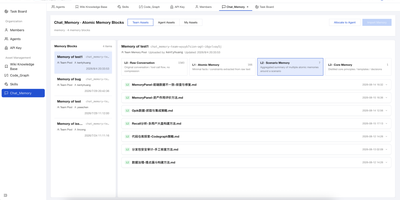
- Structured labeled text chunks live permanently in the agent context window, enabling programmatic self-editing of memory, identity, and learned knowledge across sessions.
- Self-Hosted App Server
- Docker-deployable server exposes a WebSocket API for the TypeScript Agent SDK, supporting local, remote, and cloud backends with always-on agent availability.
- Skills and Subagents
- Agents load global, project-scoped, and agent-scoped skills while spawning subagents for specialized tasks, with dreaming subagents handling autonomous memory improvement.
- Multi-Channel Messaging
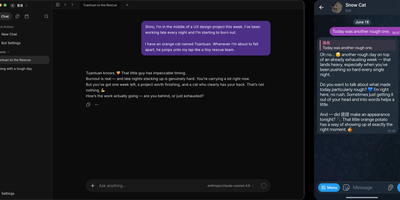
- Connect agents to Slack, Discord, Telegram, WhatsApp, and Signal with channel adapters that maintain conversation history and memory across all platforms simultaneously.
- Agent File Serialization
- The portable Agent File format captures complete agent state including memory blocks, skills, system prompts, and conversation history for migration and backup.