Stars
Forks
Watchers
Developer links
Omnigent
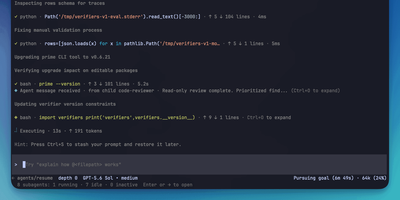
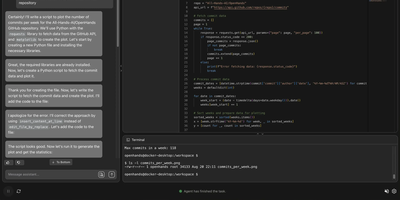
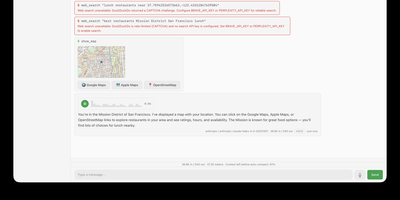
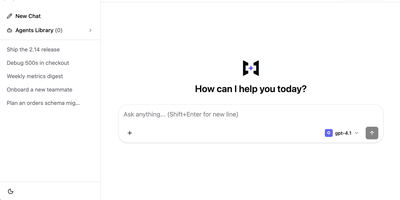
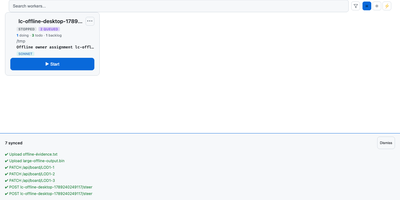
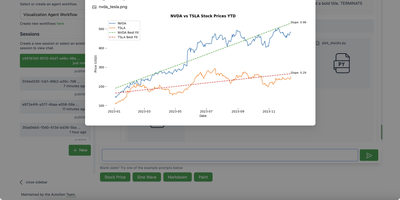
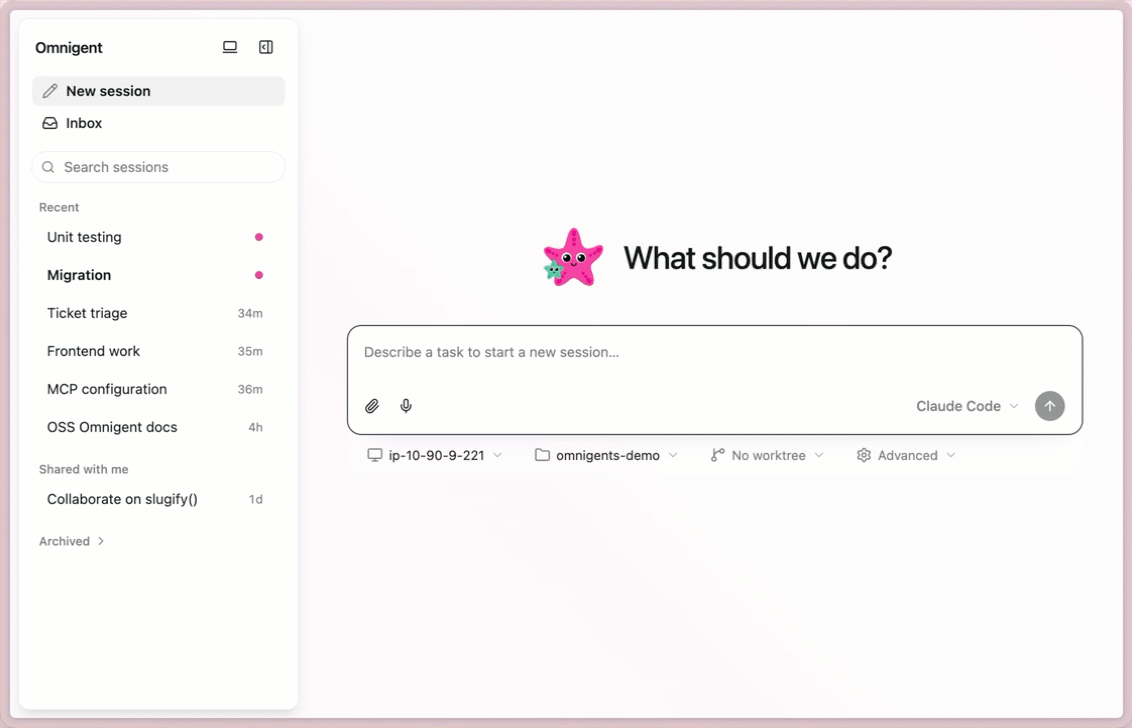
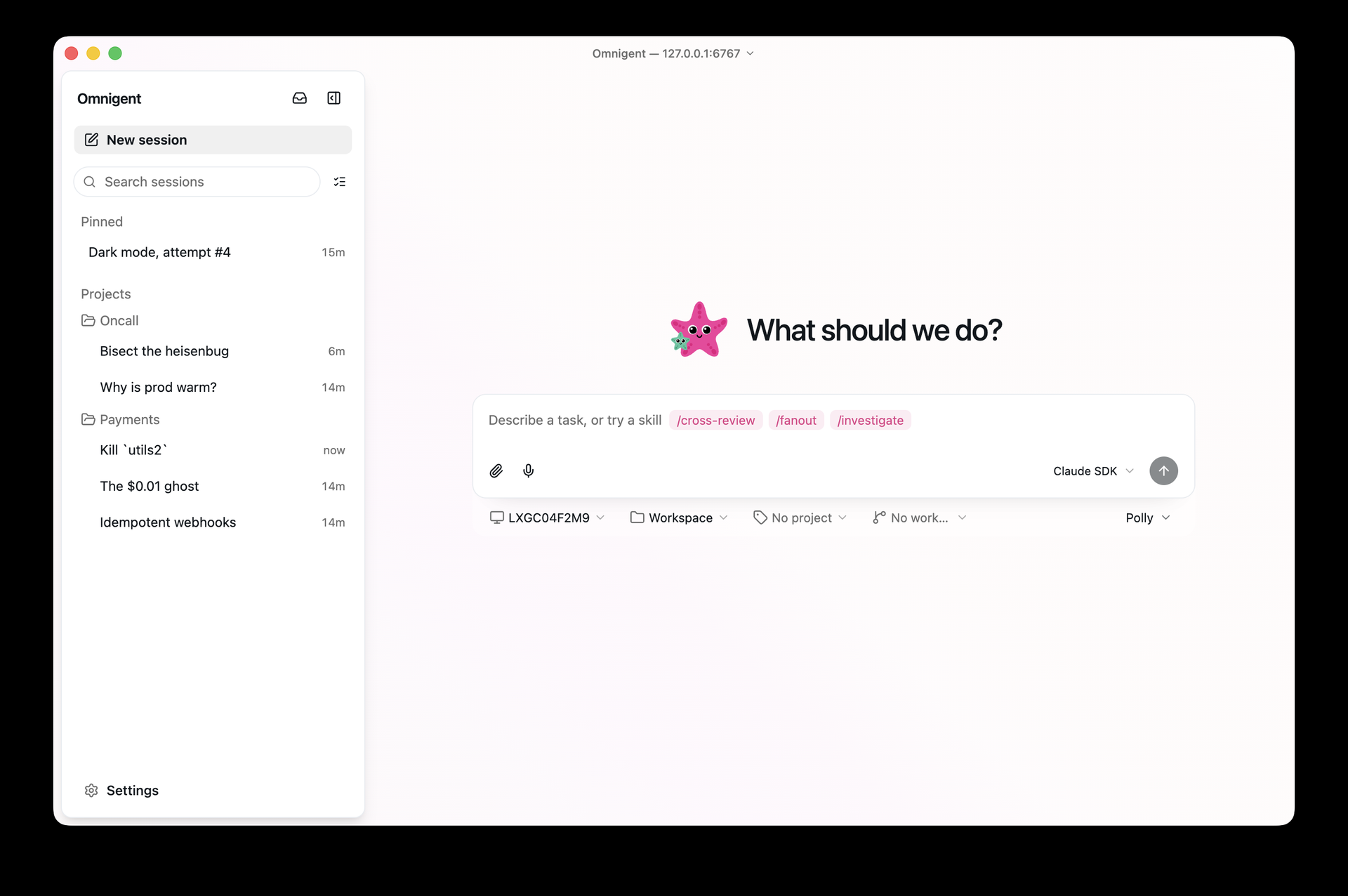
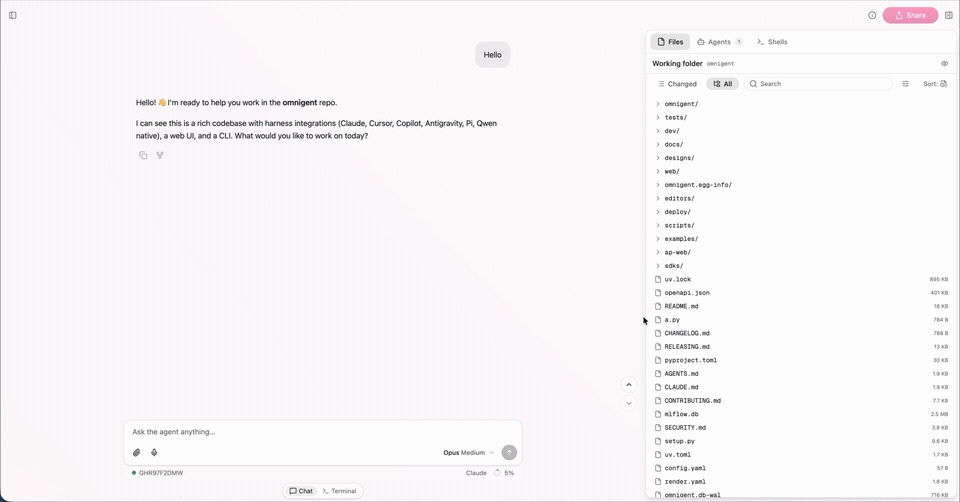
Open-sourced by the Databricks AI team under Apache 2.0 and reaching over 8,500 GitHub stars within two months of launch, Omnigent introduces the meta-harness concept: a common orchestration layer that sits above existing AI coding agents and makes them interoperable parts of a governed, collaborative system. The platform wraps Claude Code, Codex, Cursor, OpenCode, Hermes, Pi, and any custom agent defined in a simple YAML configuration file into sandboxed sessions with a uniform API, then exposes each session through the terminal, a web UI, a native desktop application, mobile interfaces, and a REST API. Built-in multi-agent workflows include Polly, a coding orchestrator that delegates tasks to parallel sub-agents in separate git worktrees and routes each diff to a reviewer from a different vendor, and Deep Research, which plans sub-queries, searches the live web through MCP servers, reads full pages, and cross-checks claims across independent sources. Contextual security policies go beyond static allow/deny rules by maintaining per-session state to enforce spend caps, model routing, approval gates for destructive actions, PII blocking, and repository-scoped write restrictions across server-wide, per-agent, and per-session levels. The OS sandbox restricts filesystem and network access while intercepting egress requests to inject credentials only on approved calls. Cloud sandbox providers including Modal, Daytona, E2B, CoreWeave, Kubernetes, and Databricks launch disposable execution environments per session. Running on a dedicated VPS on RepoCloud with guaranteed CPU, RAM, and SSD, full root SSH access, and a browser serial console. Apache 2.0 licensed.
Benefits
- Unified Multi-Agent Orchestration Layer
- Combine Claude Code, Codex, Cursor, Pi, and custom agents in the same session, swap harnesses with one-line YAML changes, and route tasks to the best agent for each job.
- Stateful Contextual Security Policies
- Enforce spend caps, approval gates, PII blocking, and repository write restrictions with policies that track dynamic session state across server-wide, per-agent, and per-session levels.
- Cloud Sandbox Execution
- Launch disposable execution environments on Modal, Daytona, E2B, CoreWeave, Kubernetes, or Databricks per session, isolating agent workloads from local infrastructure.
- Real-Time Collaborative Sessions
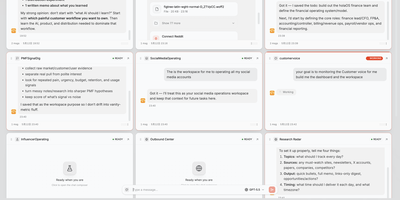
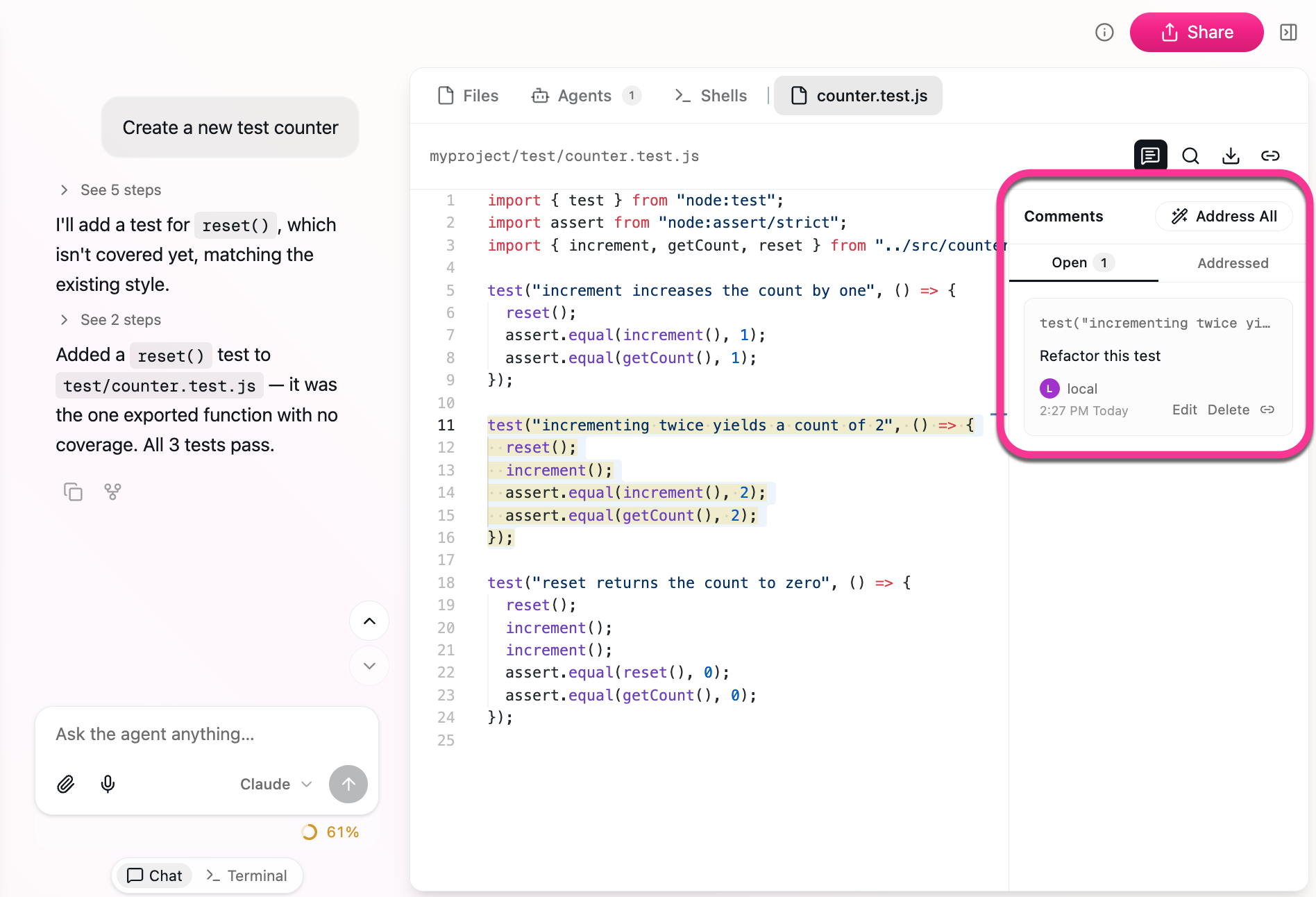
- Share live agent sessions via URL so teammates can watch, chat, co-drive, or fork conversations, with synchronized state across terminal, web, desktop, and mobile clients.
Features
- YAML-Defined Custom Agents
- Define agents with prompt, model, tools, MCP servers, sub-agents, and policy configurations in declarative YAML files without imperative code or framework subclassing.
- Polly Multi-Agent Orchestrator
- Built-in coding orchestrator that delegates tasks to parallel sub-agents in separate git worktrees and routes diffs to cross-vendor reviewers automatically.
- Deep Research Agent
- Plans sub-queries, searches the live web through MCP search servers, reads full pages, and cross-checks claims across independent sources into cited reports.
- OS-Level Sandboxing
- Restrict filesystem paths, network access, and credential exposure with an OS sandbox that intercepts egress requests and injects secrets only on approved calls.
- Multi-Platform Access
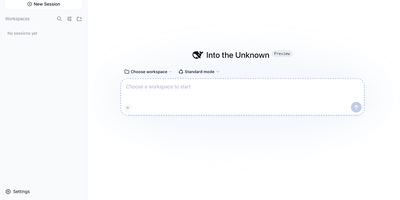
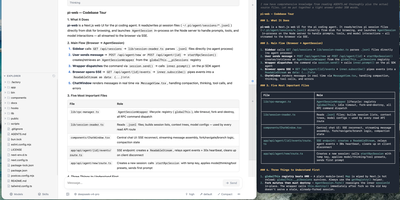
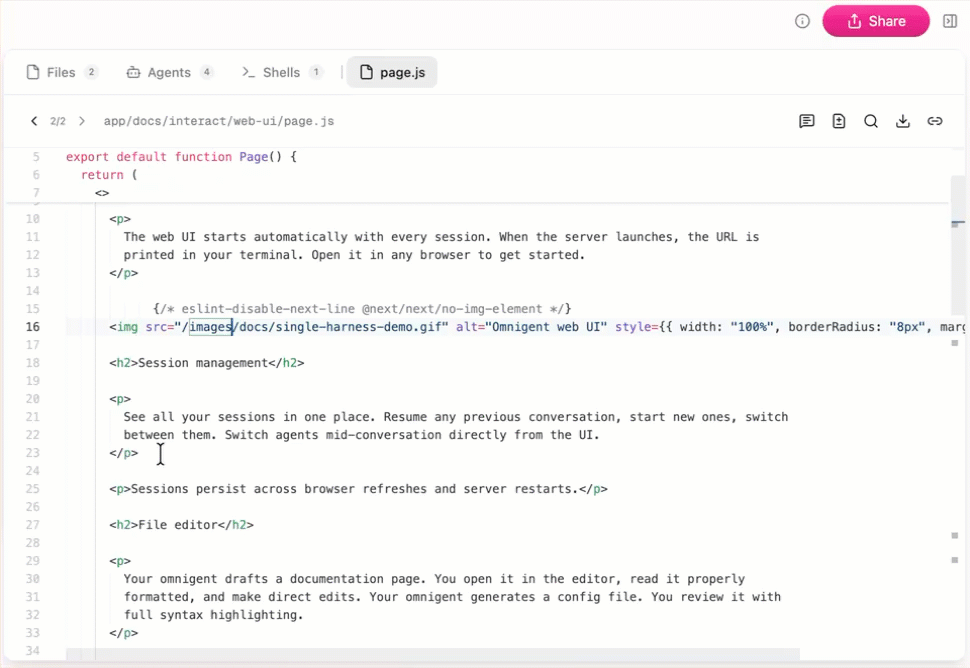
- Access sessions from terminal CLI, browser web UI, native desktop app, mobile interface, or REST API with synchronized state across all clients.