Categories
Knowledge Management RAG Self-Hosted AI Agent Memory Vector Database AI Memory Hermes Agent Context EngineeringStars
Forks
Watchers
Developer links
Memory OS
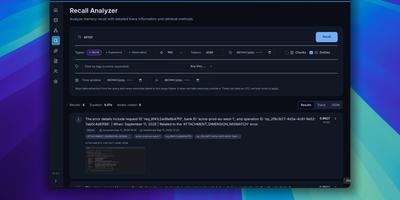
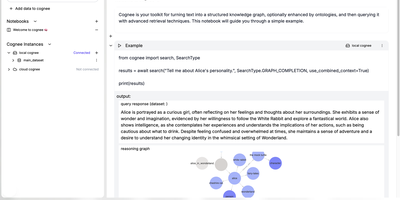
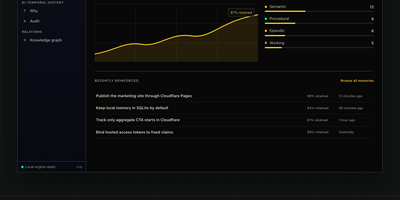
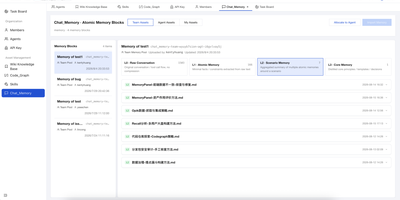
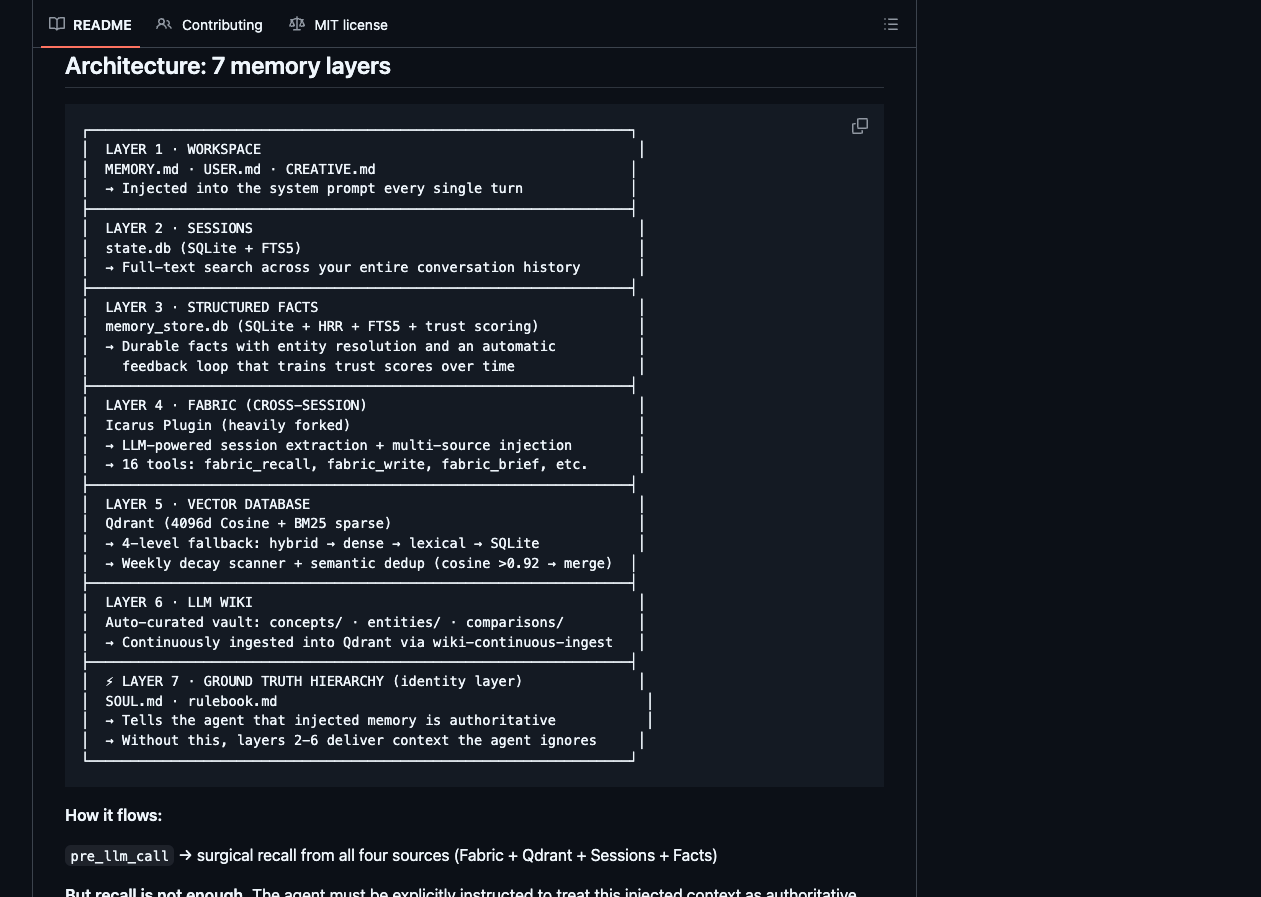
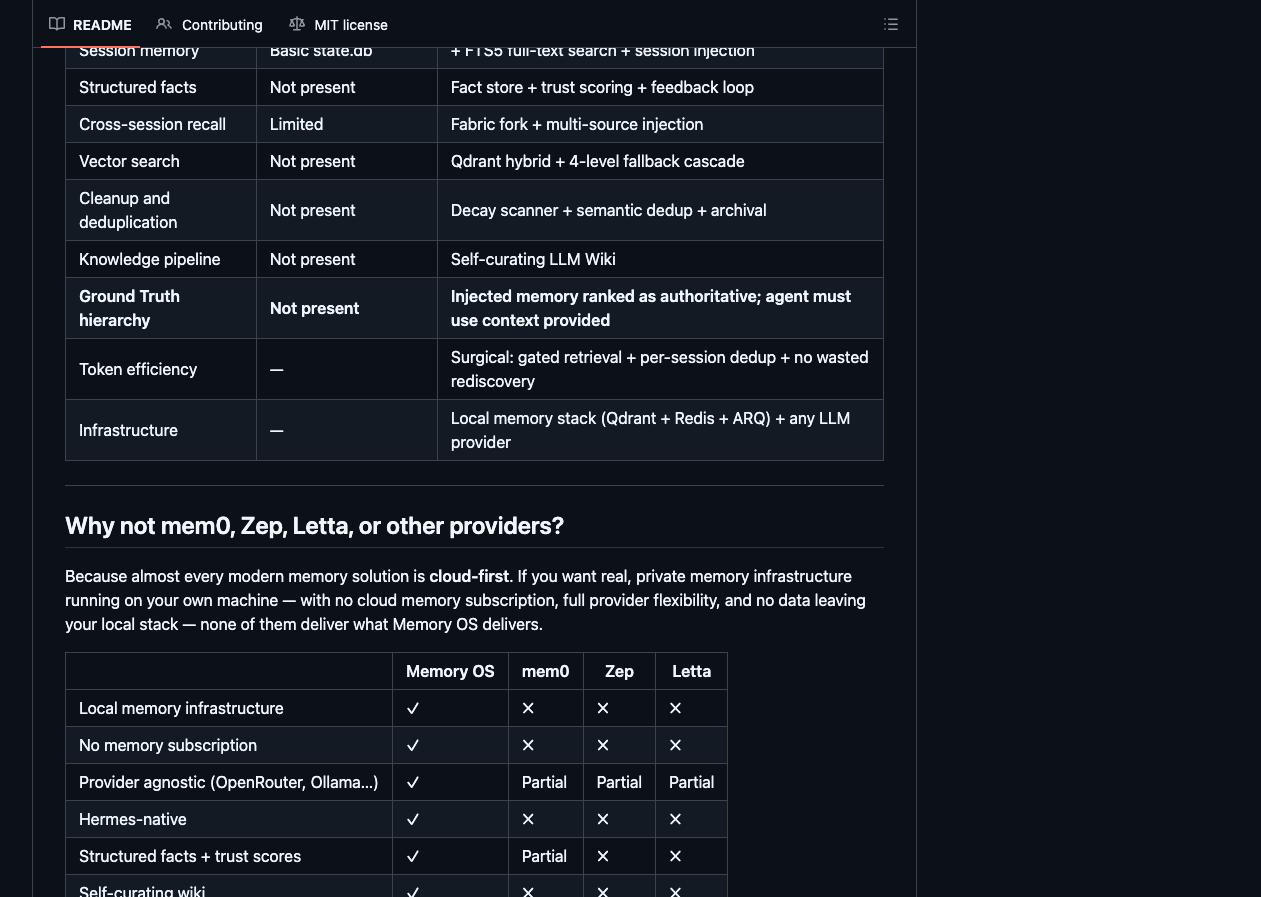
Memory OS gives Hermes Agent a permanent memory, so a new session opens with your projects, decisions, and working style already in context instead of introductions. Seven layers divide the job: workspace files carry your standing instructions into every turn, and a full-text index makes every past conversation searchable in place. Durable facts about your stack, your projects, and your patterns live in a structured store that resolves entities and scores how much each fact can be trusted, promoting what proves itself and demoting what does not. Cross-session recall pulls relevant moments from older threads, while a vector store with hybrid dense and keyword search finds the right memory even when the wording has changed. A self-curating wiki turns raw material into concept, entity, and comparison pages that are re-ingested automatically, and a Ground Truth hierarchy tells the agent to treat injected memories as authoritative instead of re-checking them. Scheduled jobs keep the system honest: hourly ingestion, weekly curation and decay scans, dead-letter reporting, and health heartbeats. It all runs beside the agent on your own machine with whichever provider you already use, from OpenRouter and Anthropic to a local Ollama. Running on a dedicated VPS on RepoCloud with guaranteed CPU, RAM, and SSD, full root SSH access, and a browser serial console. MIT licensed.
Benefits
- Memory That Survives Sessions
- Projects, decisions and preferences persist across every conversation, so the agent picks up where you left off instead of asking you to re-explain the world each morning.
- Facts With Trust Scores
- Structured facts carry entity resolution and trust scoring with an automatic feedback loop, so reliable knowledge is promoted over time and stale or wrong facts quietly lose influence.
- Recall Without The Firehose
- Relevance thresholds, per-session deduplication and a social-closer filter inject only the context a turn actually needs, keeping prompts lean instead of padding them with everything ever said.
- Private Local Infrastructure
- Qdrant, Redis and the worker run in Docker on your machine, embeddings can come from a local Ollama, and no memory subscription or cloud vector service ever holds your history.
Features
- Seven Memory Layers
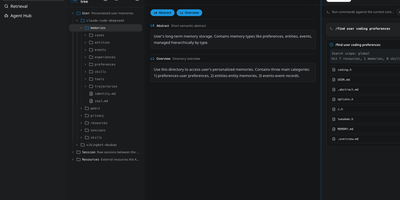
- Workspace files, session search, structured facts, cross-session fabric, a Qdrant vector store, an auto-curated wiki, and a Ground Truth hierarchy each handle one memory job.
- Hybrid Vector Search
- Qdrant stores 4096-dimension cosine vectors beside BM25 sparse vectors, with a four-level fallback from hybrid to dense to lexical to SQLite when results run thin.
- Surgical Context Injection
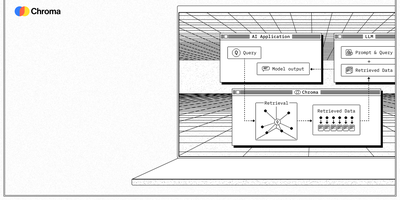
- Before each call, recall gathers gated, deduplicated context from fabric, Qdrant, sessions and facts; after it, extraction captures new learnings automatically for later sessions.
- Self-Curating Wiki
- An hourly ingest embeds new wiki files, a twice-weekly monitor extracts concepts, entities and comparisons from raw material, and a weekly curator enriches links and the index.
- Memory Maintenance Jobs
- Scheduled decay scans archive aged low-importance vectors, semantic deduplication merges near-identical memories above 0.92 cosine similarity, and dead-letter reports surface pipeline failures every six hours.
- Sixteen Fabric Tools
- The bundled Icarus fork exposes sixteen tools including fabric_recall, fabric_write and fabric_brief, giving the agent explicit ways to store, retrieve and summarize cross-session memory.