Stars
Forks
Watchers
Developer links
Medplum
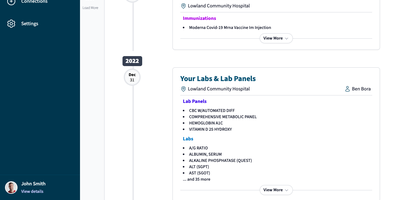
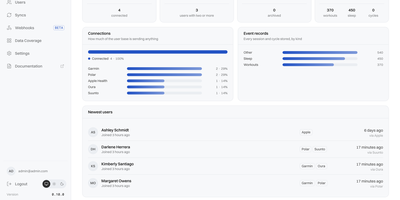
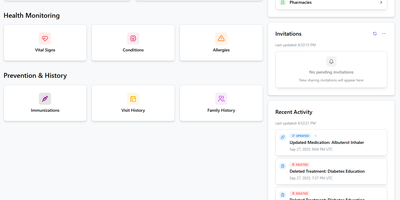
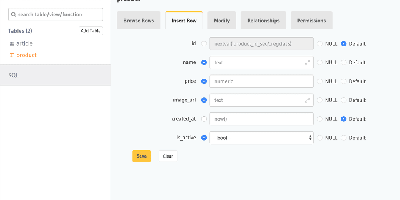
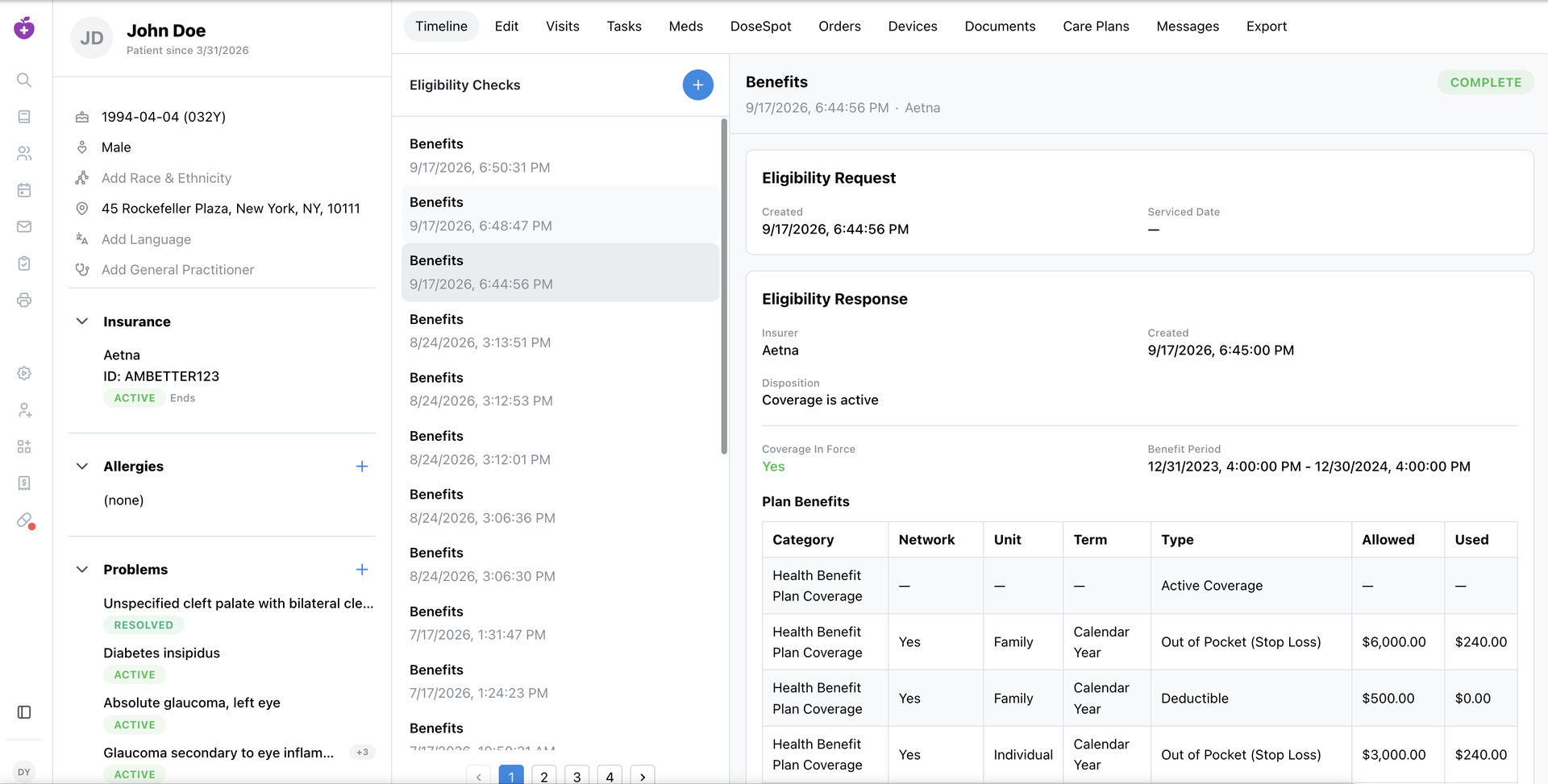
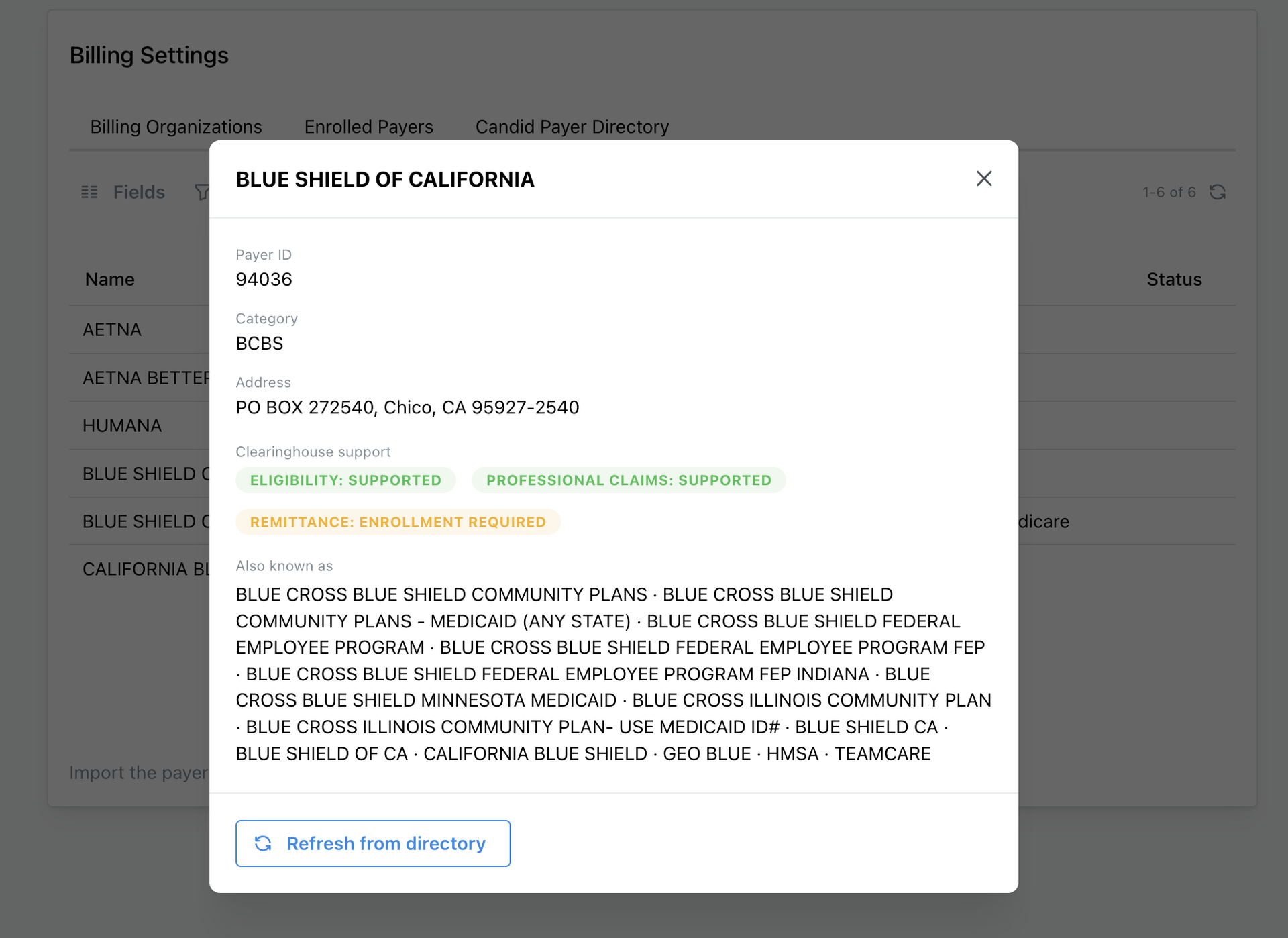
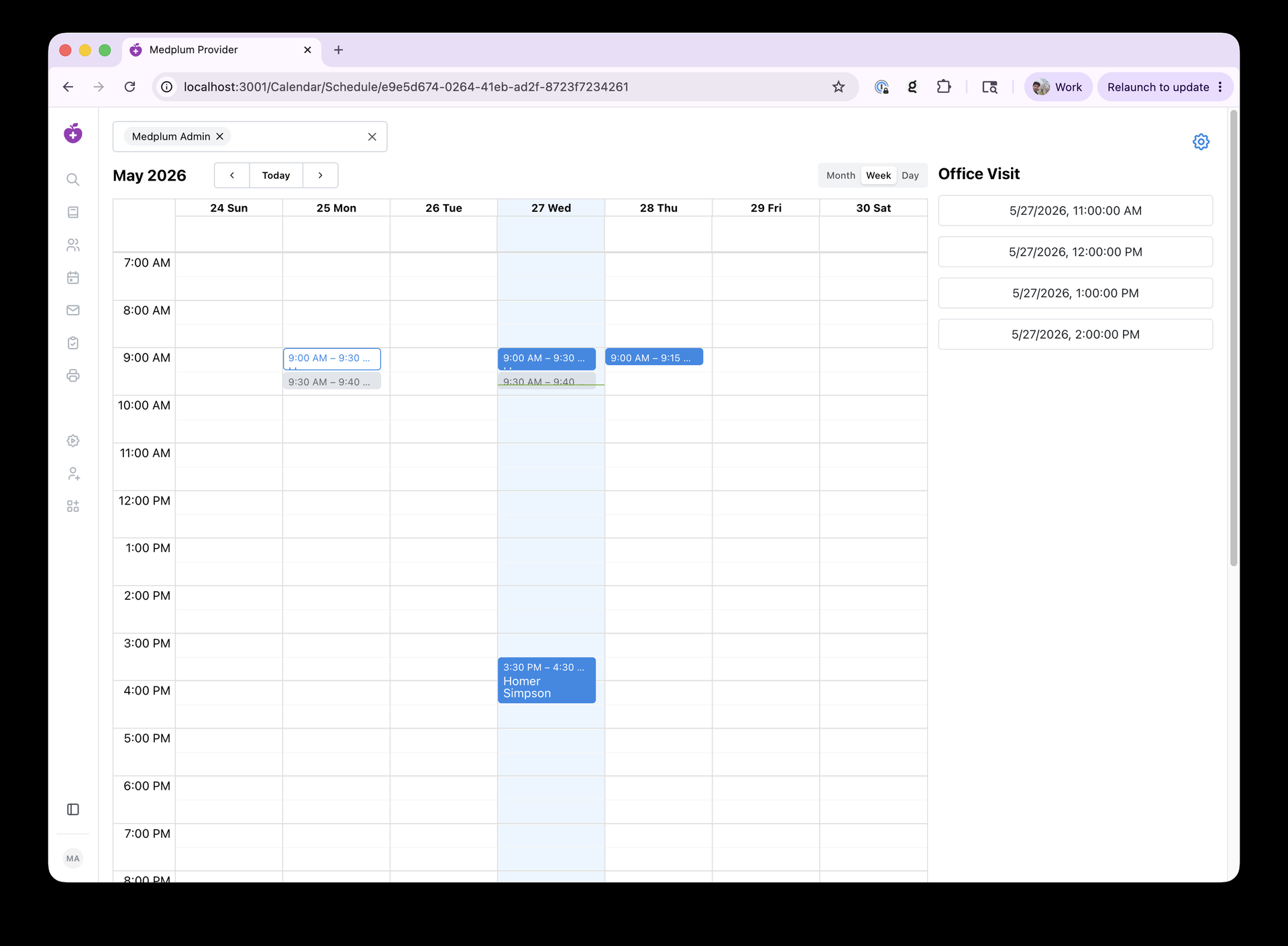
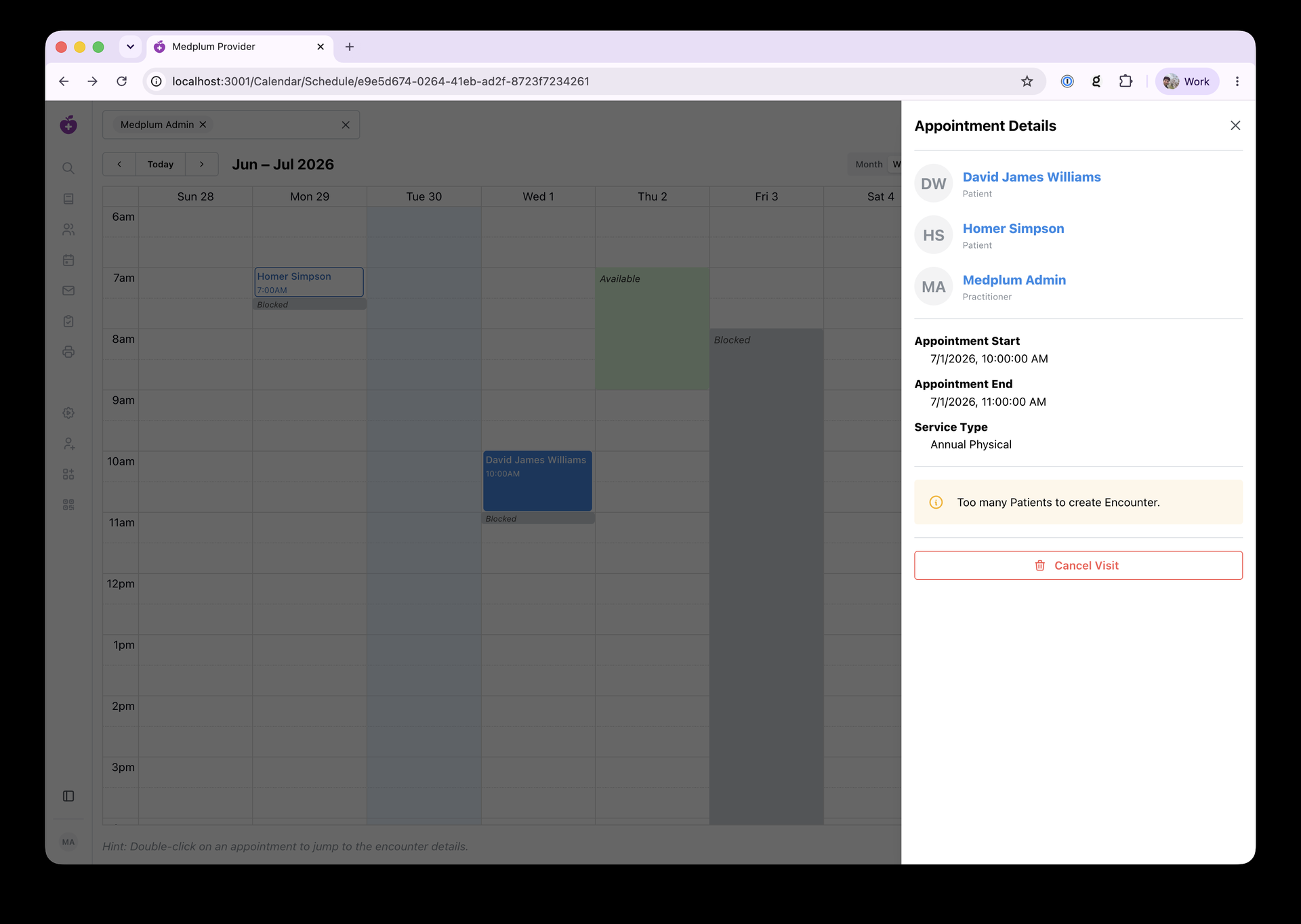
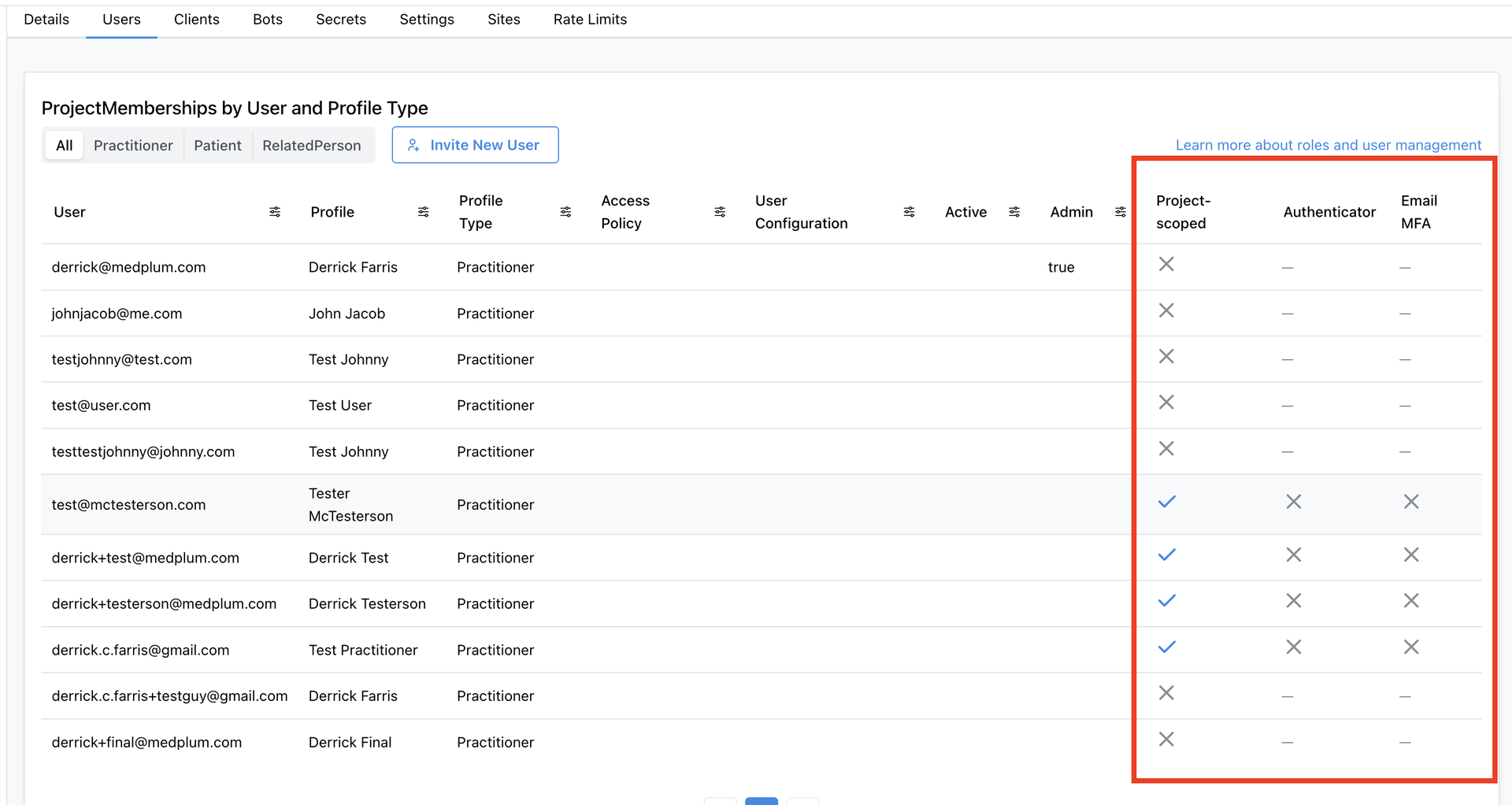
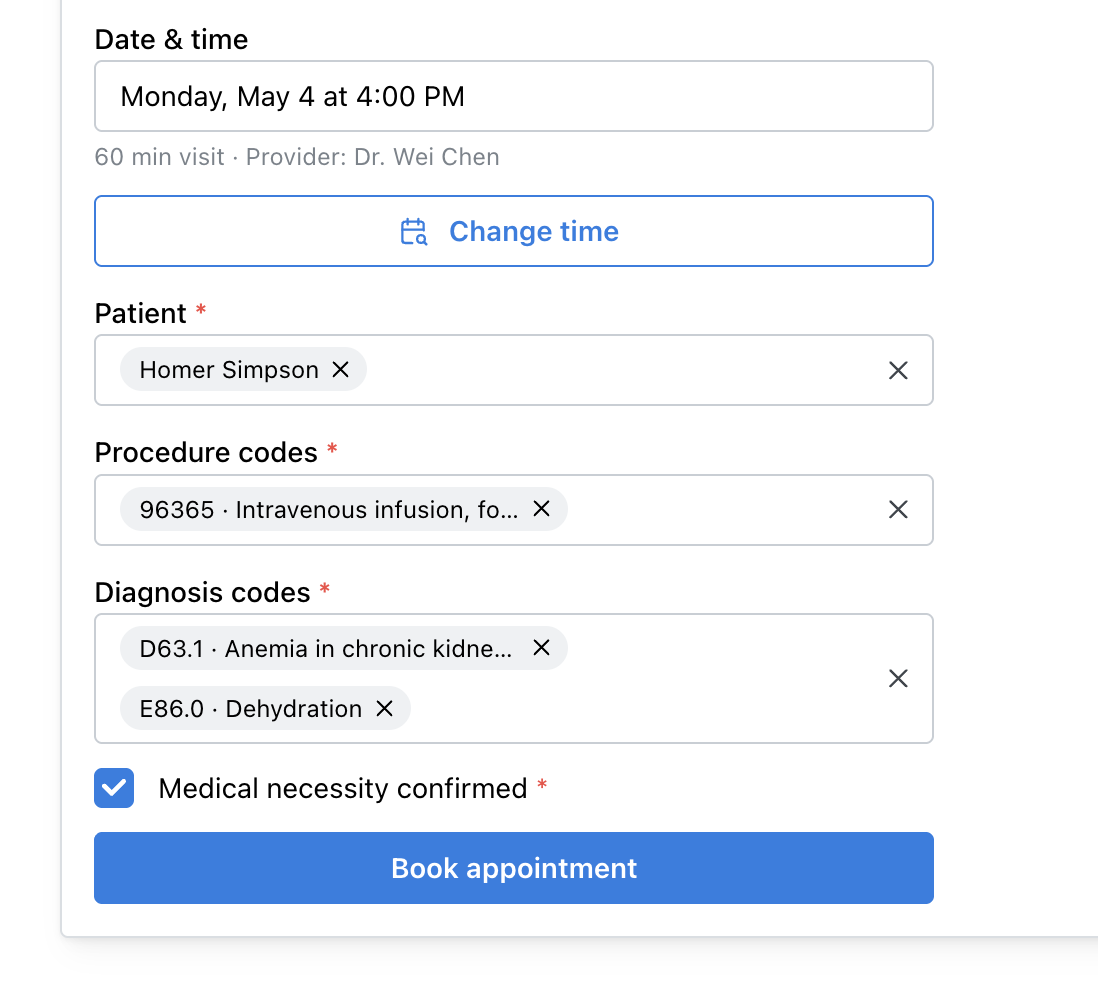
Building healthcare software usually means assembling a FHIR data store, an identity provider, audit logging, and clinical interfaces before any product code gets written, and Medplum ships all of it as one open-source platform. Every clinical record, from patients and encounters to observations, medications, and appointments, lives in a standards-based repository you can query through REST and GraphQL APIs with full search parameters. Sign-in and permissions come built in through OAuth, OpenID Connect, and SMART-on-FHIR, with access policies that control read and write rights down to the resource, compartment, and field level. The included web app lets your team browse and edit any resource, manage project users, clients, bots, and secrets, and review a complete audit trail where every read, write, and login is recorded. Bots run your TypeScript logic inside the platform when resources change, on schedules, or over HTTP, handling jobs like HL7 transforms, eligibility checks, and notifications without another server to operate. Subscriptions push real-time events to your services through webhooks or WebSockets with retries and signing, and projects partition data so each clinic or customer stays isolated on one deployment. Clinicians get ready-made interfaces for charting, scheduling, eligibility, and billing that you can fork and rebrand, while patients reach their records through portals and SMART health links. Running on a dedicated VPS on RepoCloud with guaranteed CPU, RAM, and SSD, full root SSH access, and a browser serial console. Apache-2.0 licensed.
Benefits
- FHIR Backend Without Plumbing
- Get a complete FHIR R4 data store with REST and GraphQL APIs, search, terminology, and batch bundles on day one, instead of spending months modeling clinical resources yourself.
- Compliance Controls Built In
- Access policies reach down to resource, compartment, and field level, and every read, write, and login lands in a queryable audit trail aligned with HIPAA and SOC 2 expectations.
- Automation Inside The Platform
- Bots execute your TypeScript on resource changes, schedules, or HTTP calls, and subscriptions deliver signed webhooks or WebSocket events, so integrations run without extra servers to babysit.
- Apps For Every Audience
- Fork the open-source provider EHR for charting, orders, messaging, and scheduling, use the admin app for data and users, and give patients portals built on the same data model.
Features
- FHIR Data Store
- Every FHIR R4 resource, search parameter, and reference is modeled out of the box, with REST, GraphQL, terminology, and time-aware search.
- OAuth And SMART Auth
- A complete identity provider with OAuth2, OpenID Connect, SMART-on-FHIR, and MFA, or federation with your existing identity system.
- Granular Access Policies
- AccessPolicy resources govern who reads and writes what, down to resource, compartment, and individual field level per project.
- Bots And Subscriptions
- Server-side TypeScript bots trigger on resource changes, schedules, or HTTP, while subscriptions stream signed webhook and WebSocket events with retries.
- React Component Library
- Themeable clinical UI components, including resource forms, search controls, timelines, and scheduling, wired directly to the FHIR data model.
- Multi-Tenant Projects
- Projects partition every resource into isolated tenants on a single deployment, one per customer, clinic, or environment, with no shared state.