Categories
Self-Hosted AI Agents Workflow Automation API Gateway Identity Management Single Sign-On Zero Trust Agent GovernanceStars
Forks
Watchers
Developer links
Ianua
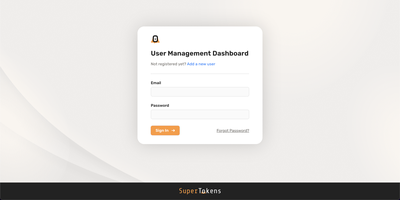
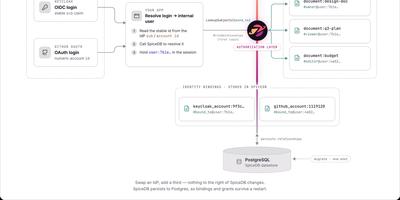
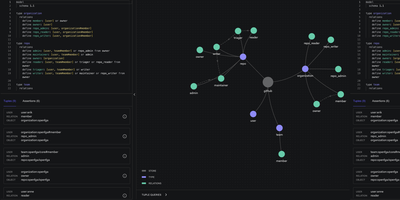
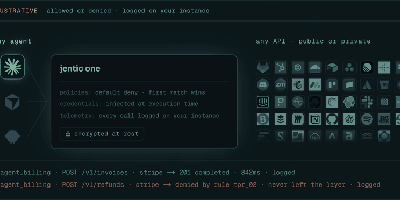
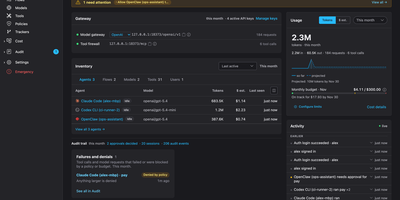
Giving every AI agent its own identity and only the access a person lends it, Ianua joins an identity provider, a zero-trust gateway, and visual workflows under one policy. Sign-in covers passwords, passkeys, authenticator apps, codes by mail or text, and magic links, with single sign-on over OIDC or SAML and OAuth 2, SCIM, and LDAP for your apps. The gateway fronts your apps, hands each a signed statement of who is calling, and refuses any request it cannot check. A missing answer counts as a no. Pipelines stack rate limits, a firewall that scores prompt injection, token budgets for model calls, and MCP tool allow lists. Agents hold their own key pairs and borrowed access that only narrows, and Test without sending previews whether a request would be allowed. They pursue goals on OpenAI, Anthropic, Ollama, or vLLM models under step limits and human approvals. Suspend pauses one agent, Stop all agents halts a tenant, and Contain is the kill switch for a compromised one. Workflows chain 27 services, including GitHub, Slack, and Jira, add sandboxed code steps, and rehearse drafts with Try it. A step that changes who can do what cannot go live without an approval right before it. A small connector dials out from private networks, and tenants keep separate roles, groups, and audit logs. Running on a dedicated VPS on RepoCloud with guaranteed CPU, RAM, and SSD, full root SSH access, and a browser serial console. AGPL-3.0 licensed.
Benefits
- Agents Get Their Own Identity
- Each agent holds its own key pair and only the access a person lends it, which can only get narrower, so the agent is refused on its next request once that person leaves.
- Every Request Checked and Recorded
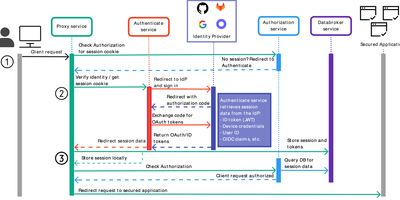
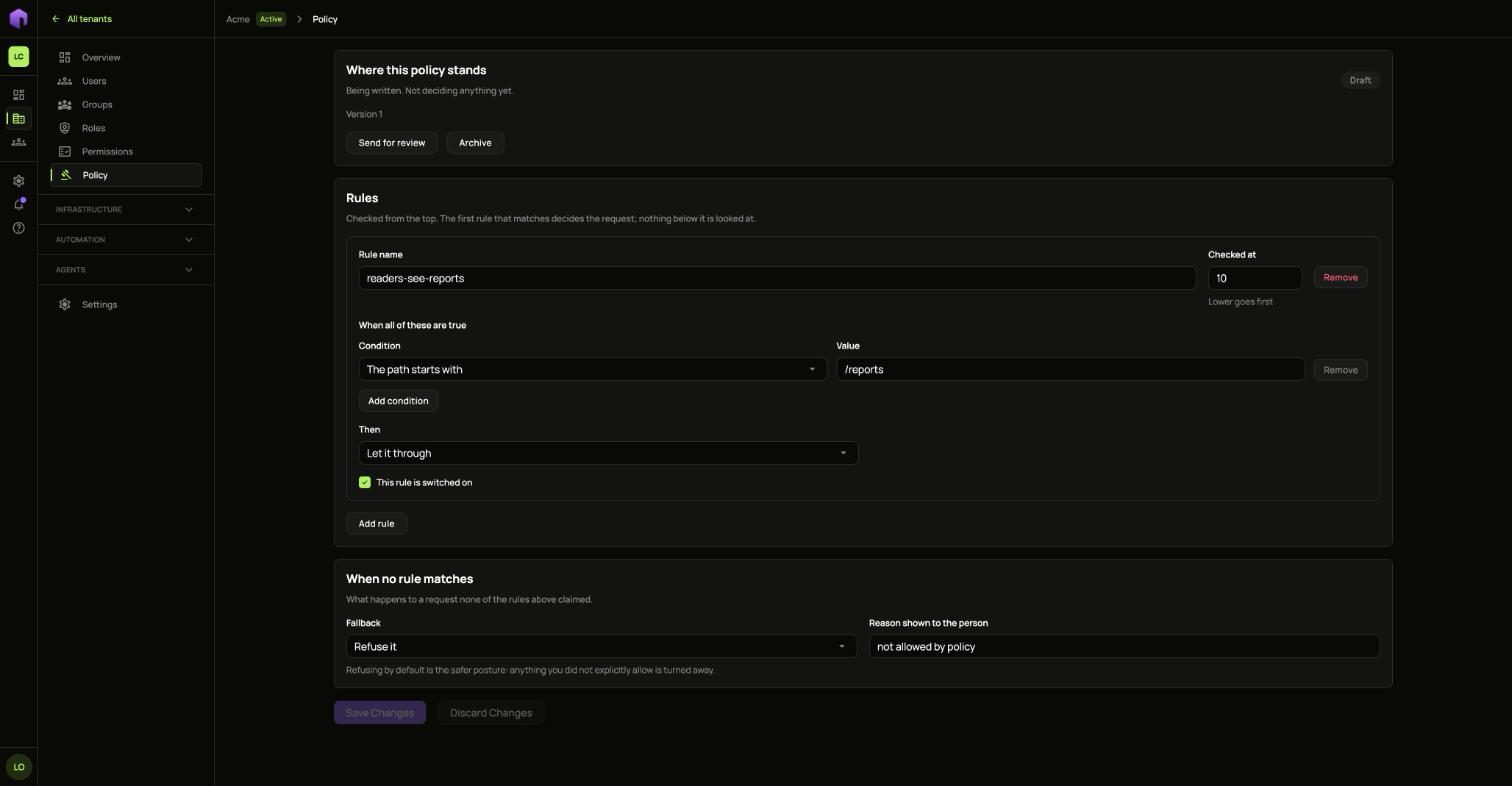
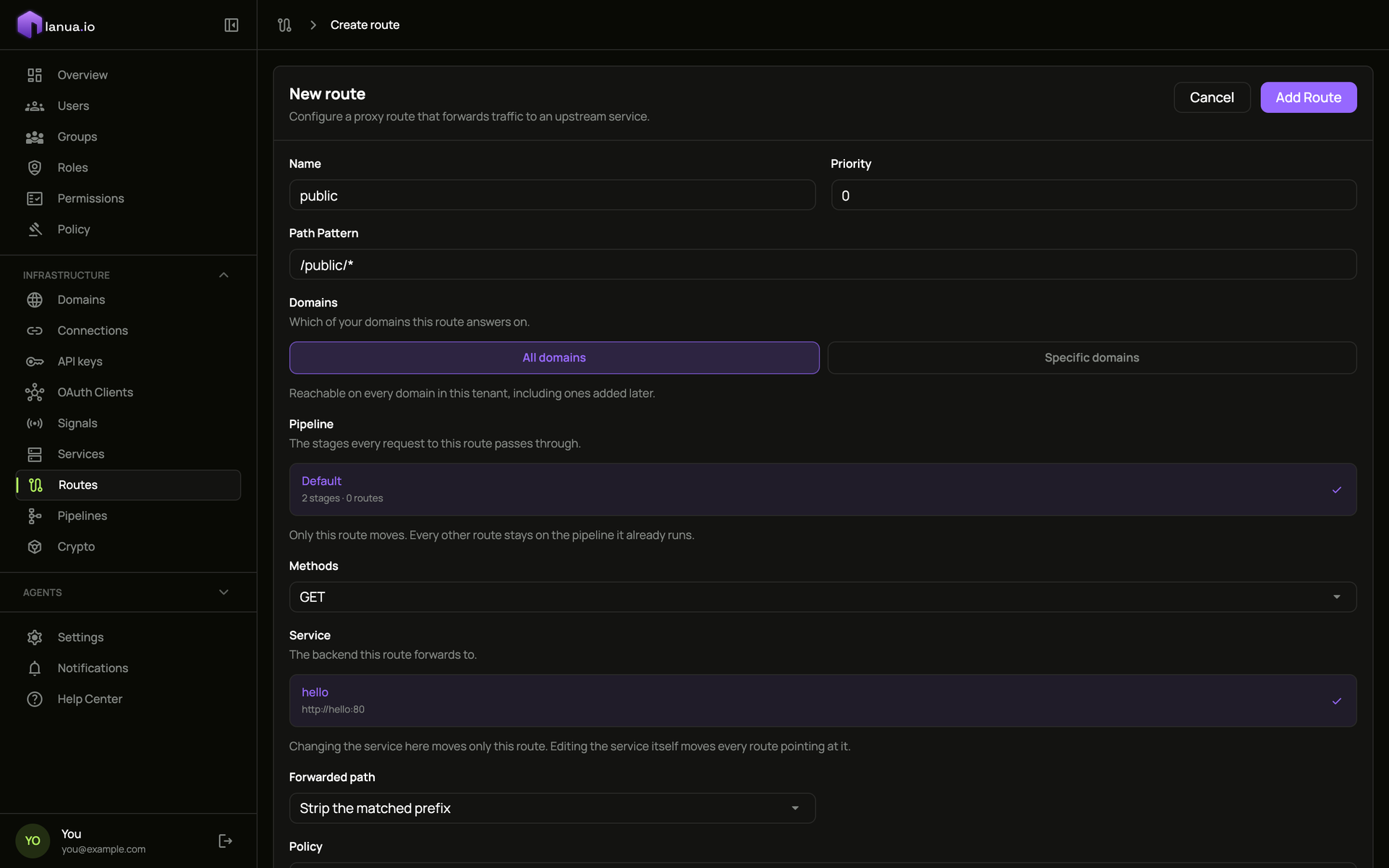
- The gateway works out who is calling, asks the policy, then forwards or refuses and records the decision. An error, a missing answer, or a slow answer counts as a refusal.
- People Approve What Matters Most
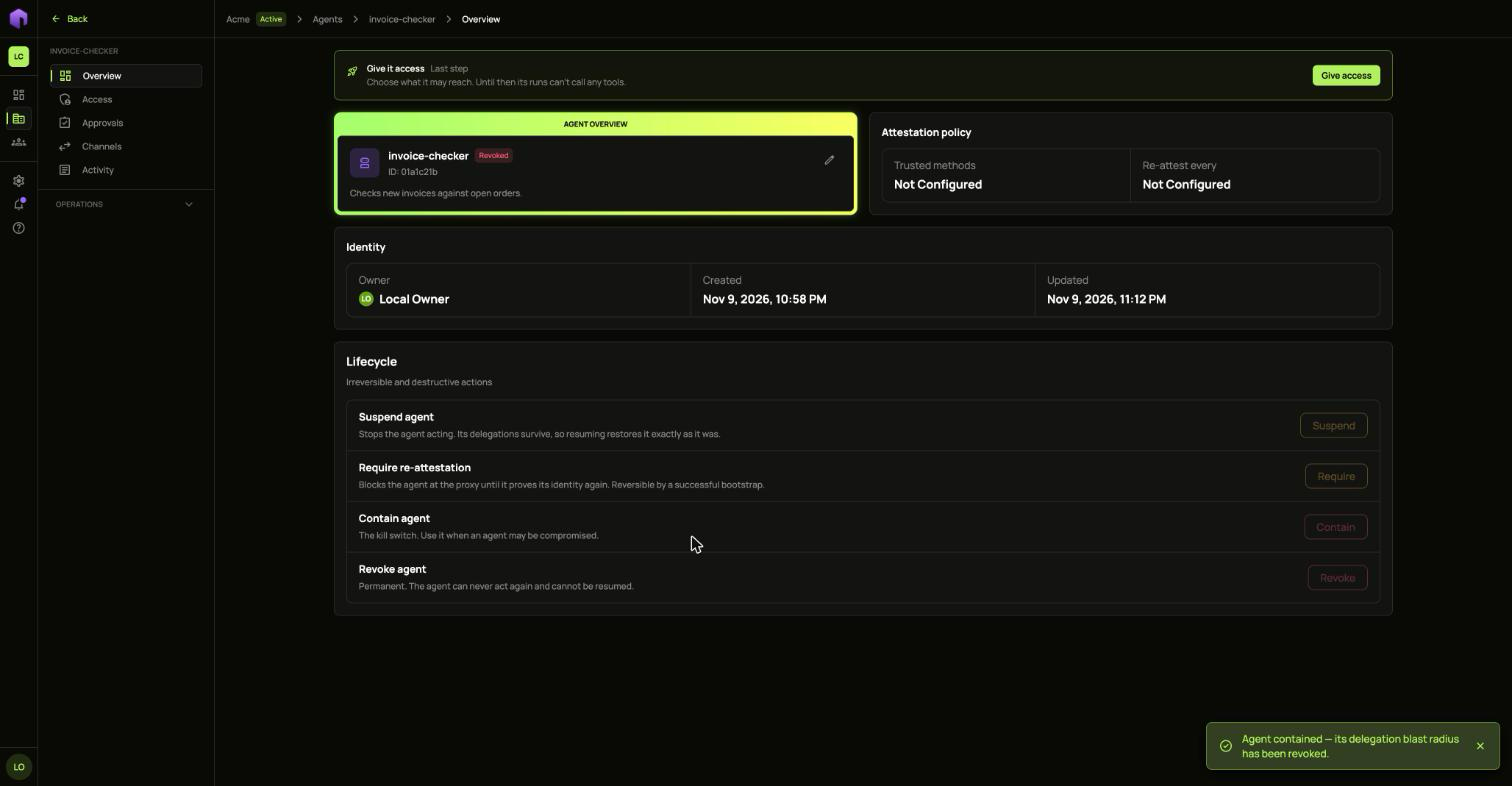
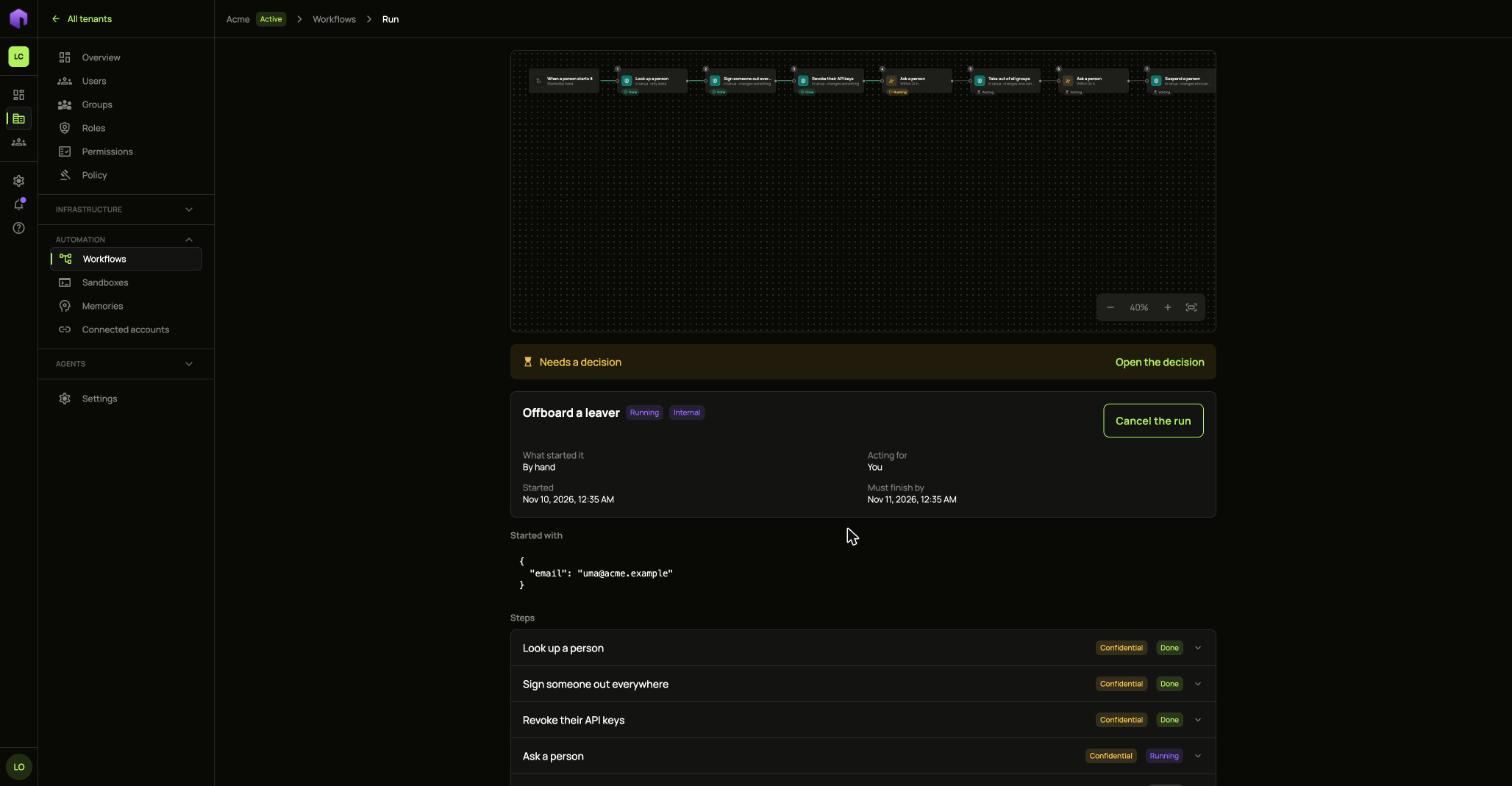
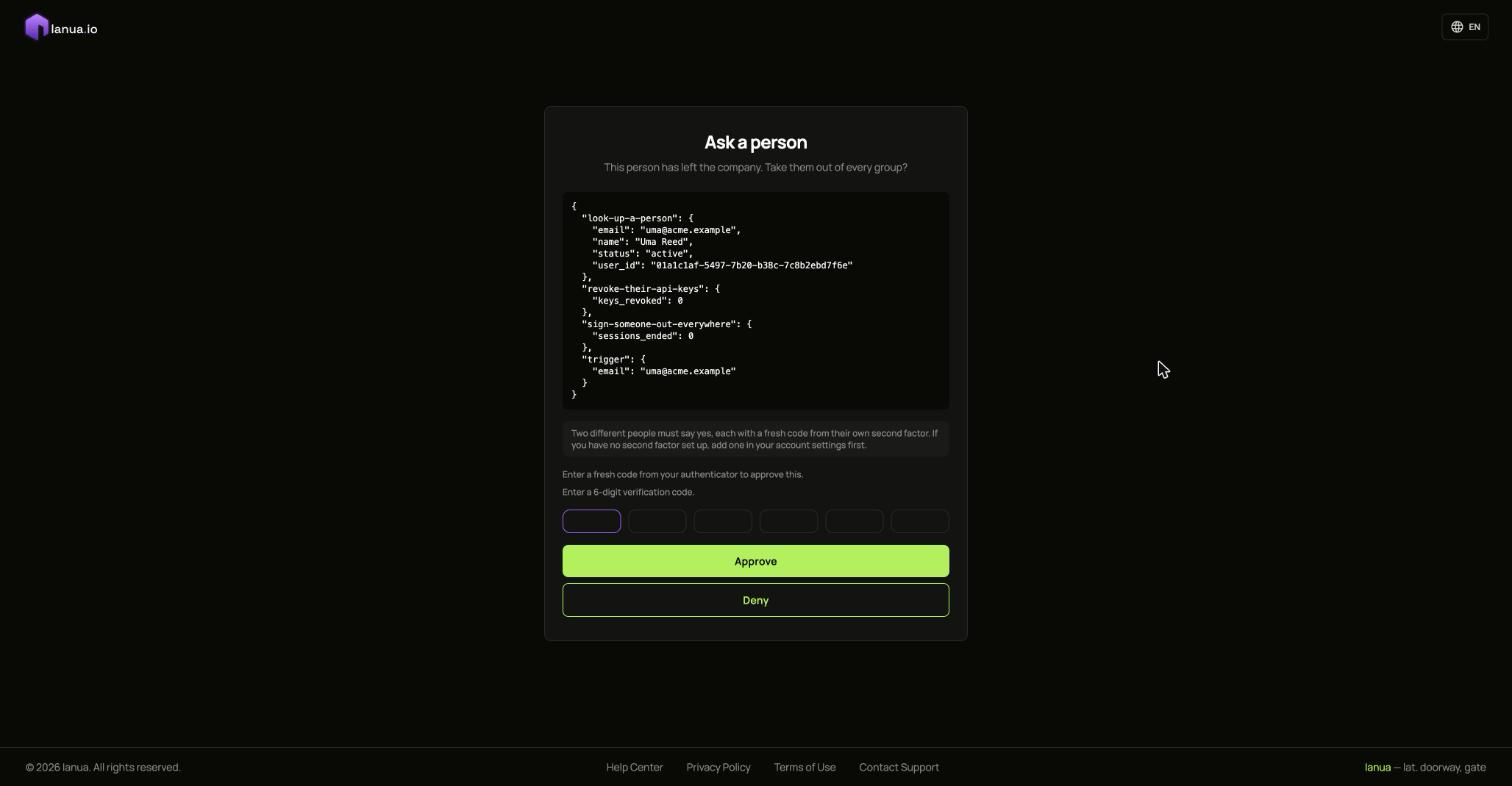
- Agents and workflows pause for a person's approval before risky actions, a workflow approval can require two different people with fresh second-factor codes, and Contain revokes a compromised agent in one step.
- Private Networks Without Open Ports
- A small connector inside your network dials out to the gateway, so apps on private networks sit behind the same sign-in and policy without opening an inbound port.
Features
- Sign-In and Identity Provider
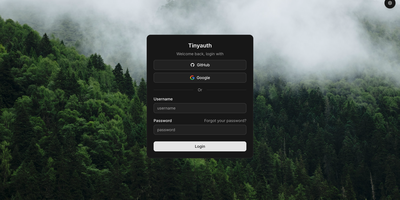
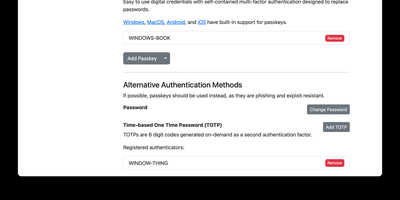
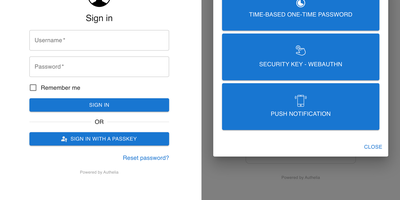
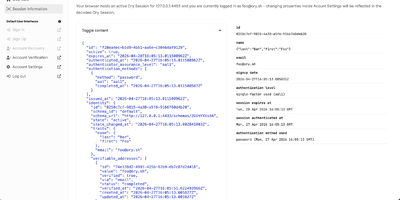
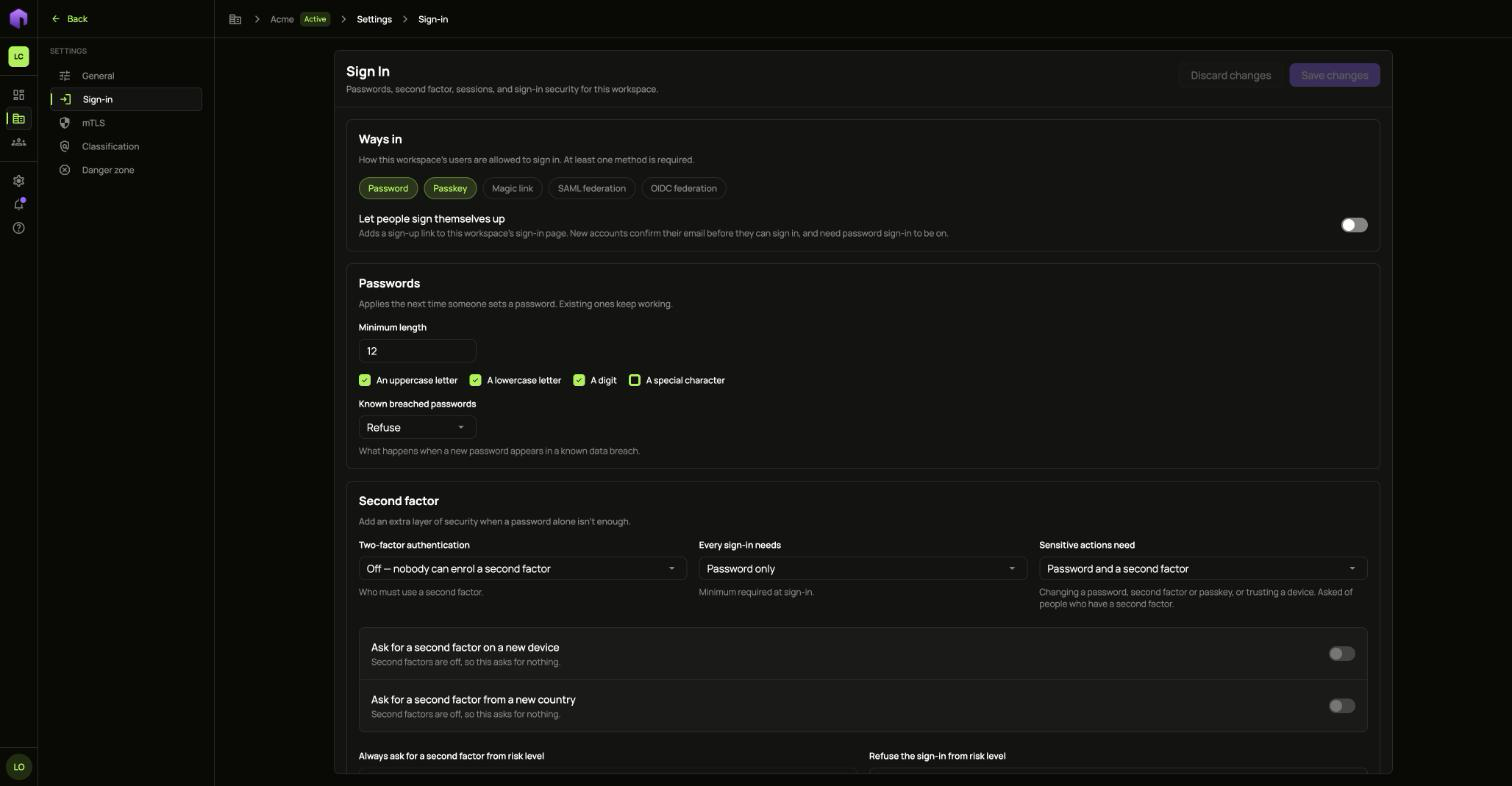
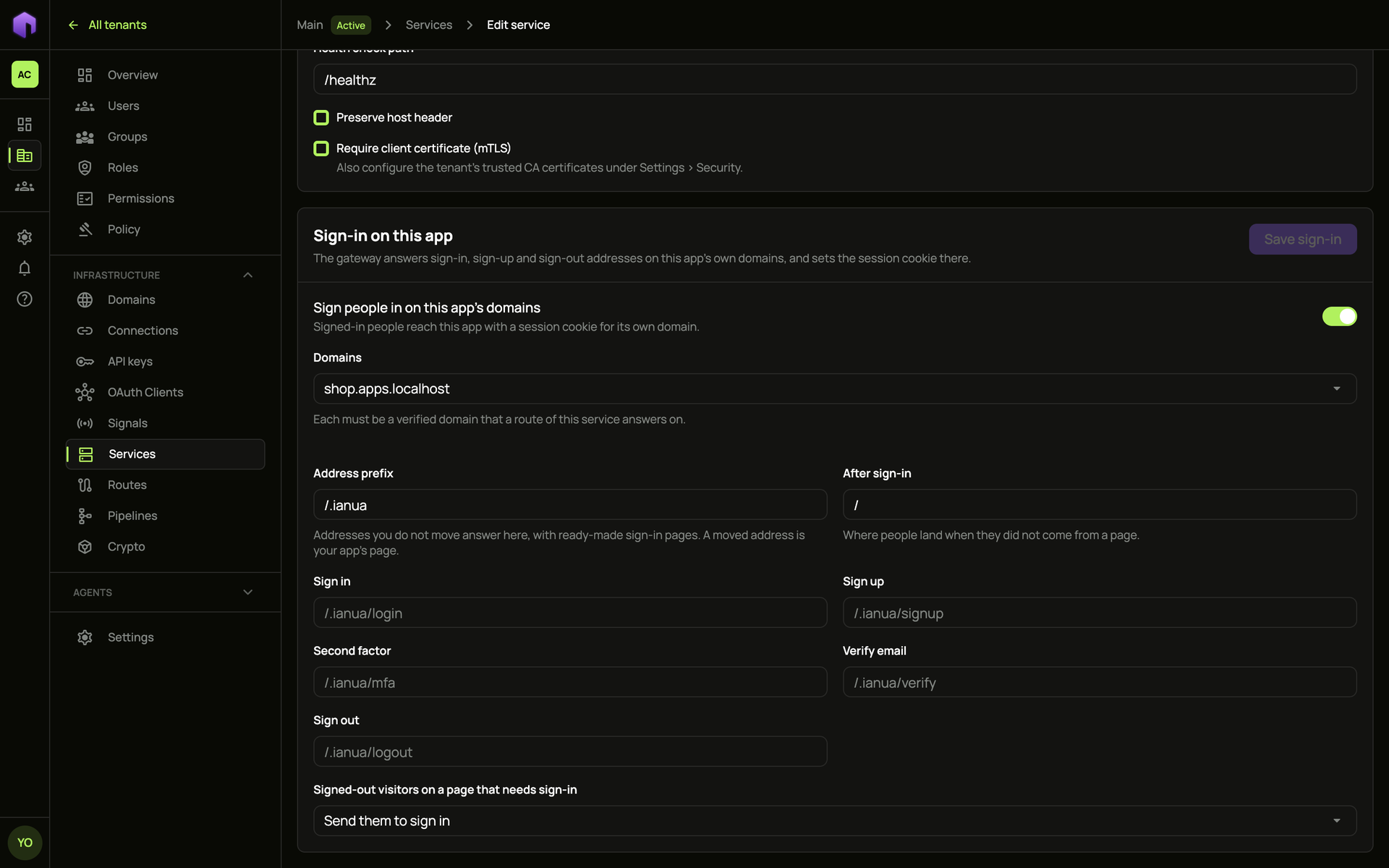
- Passwords, passkeys, authenticator apps, codes by mail or text, and magic links, plus SSO over OIDC or SAML, an OAuth 2 and OpenID Connect provider, SCIM, and an LDAP server.
- Gateway Pipelines
- Stages in front of each route add rate limits, a web application firewall with prompt-injection scoring, token budgets, MCP tool allow lists, masking, request signing, and custom WebAssembly checks.
- AI Agent Governance
- Per-agent key pairs, Tight, Standard, or Broad access, step limits, multi-agent flows, channels between agents, and OpenAI, Anthropic, Ollama, or vLLM providers with data clearance.
- Visual Workflow Builder
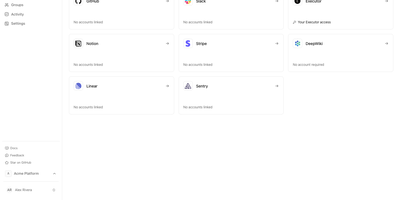
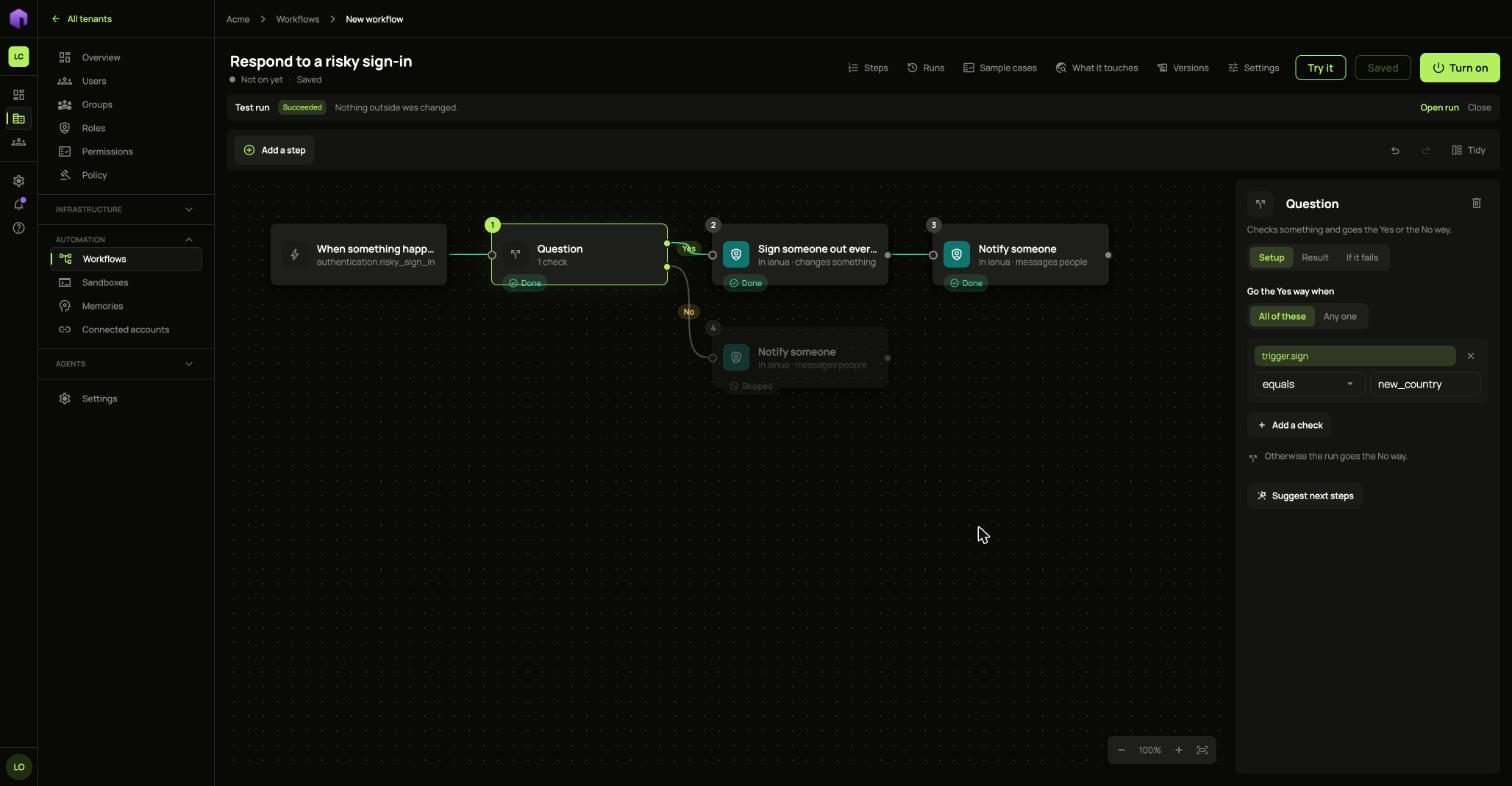
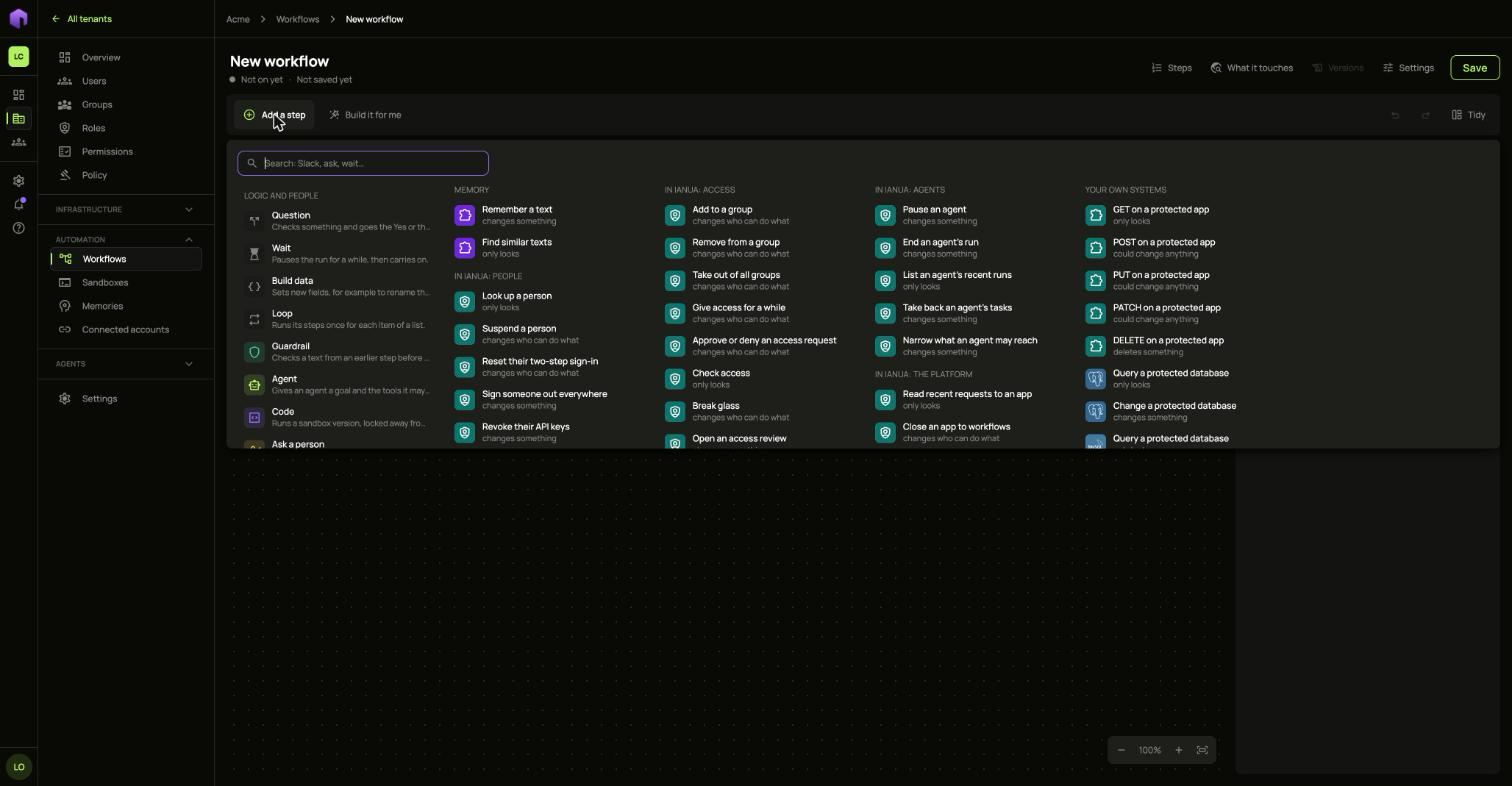
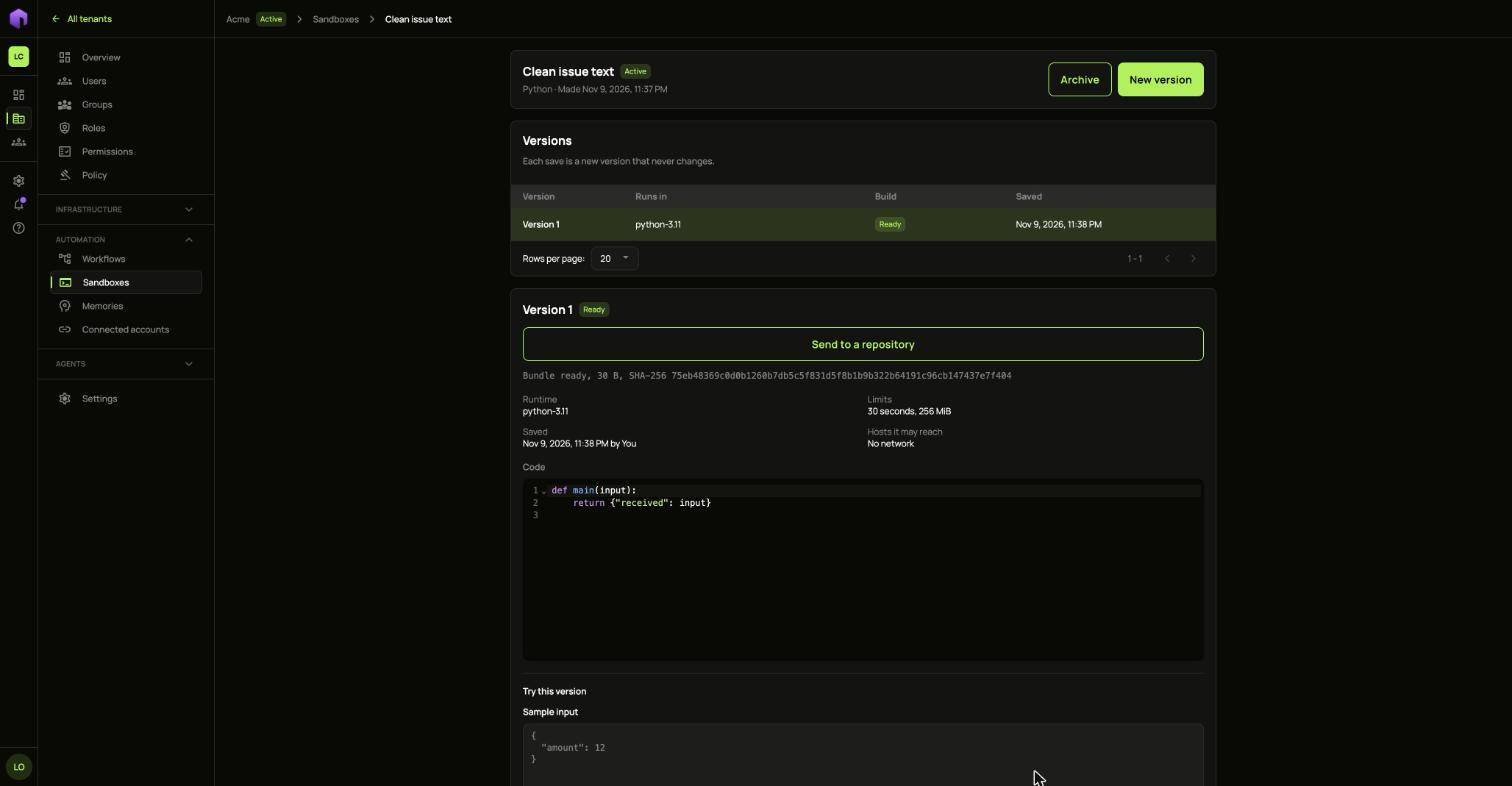
- Chain 27 integrations including GitHub, Slack, Jira, and Stripe, branch on questions, add approval steps and sandboxed code, and rehearse drafts with Try it before turning them on.
- Rust, Next.js, and PostgreSQL
- A Rust backend and gateway, a Next.js dashboard, PostgreSQL 17 with pgvector, NATS, Redis, and Traefik, shipped as prebuilt images with Docker Compose files and Helm charts.
- Tenants and Audit Log
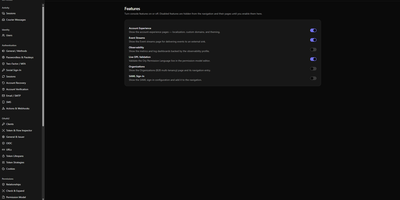
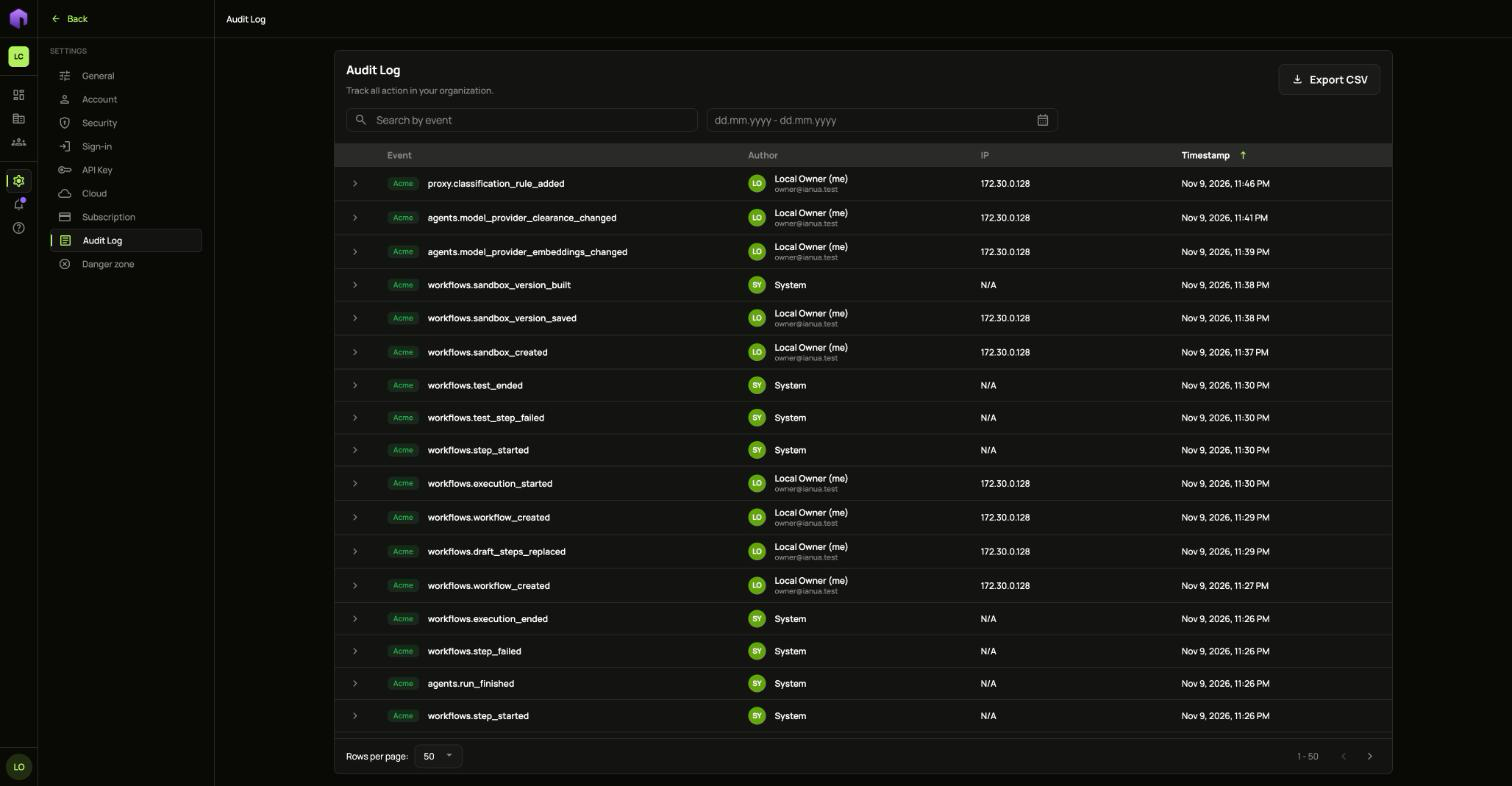
- Organizations and tenants keep users, roles, groups, and audit logs apart, with SCIM user sync, DNS-verified domains, and connectors that dial out from private networks.