Categories
Self-Hosted E-Commerce REST API Digital Asset Management Product Catalog Multi-Language Product Information Management Master Data ManagementStars
Forks
Watchers
Developer links
AtroPIM
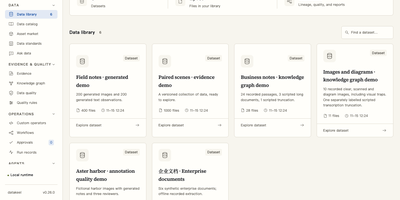
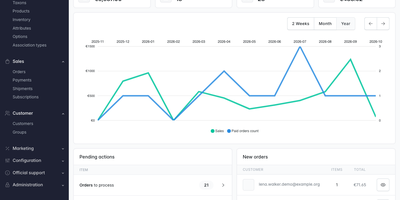
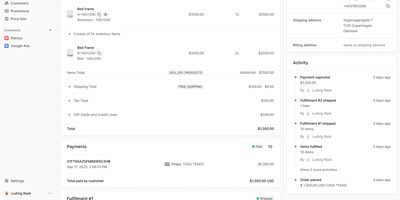
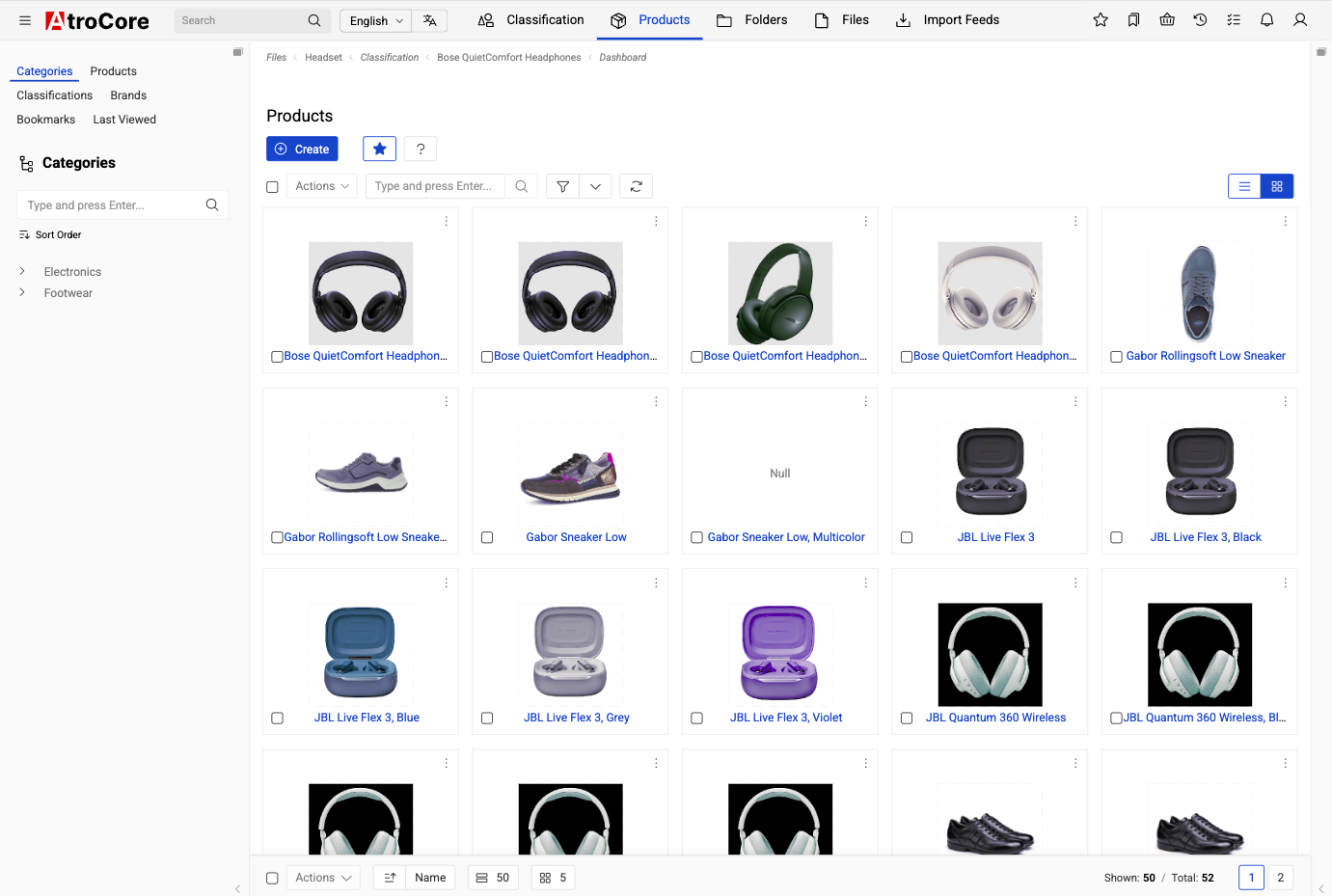
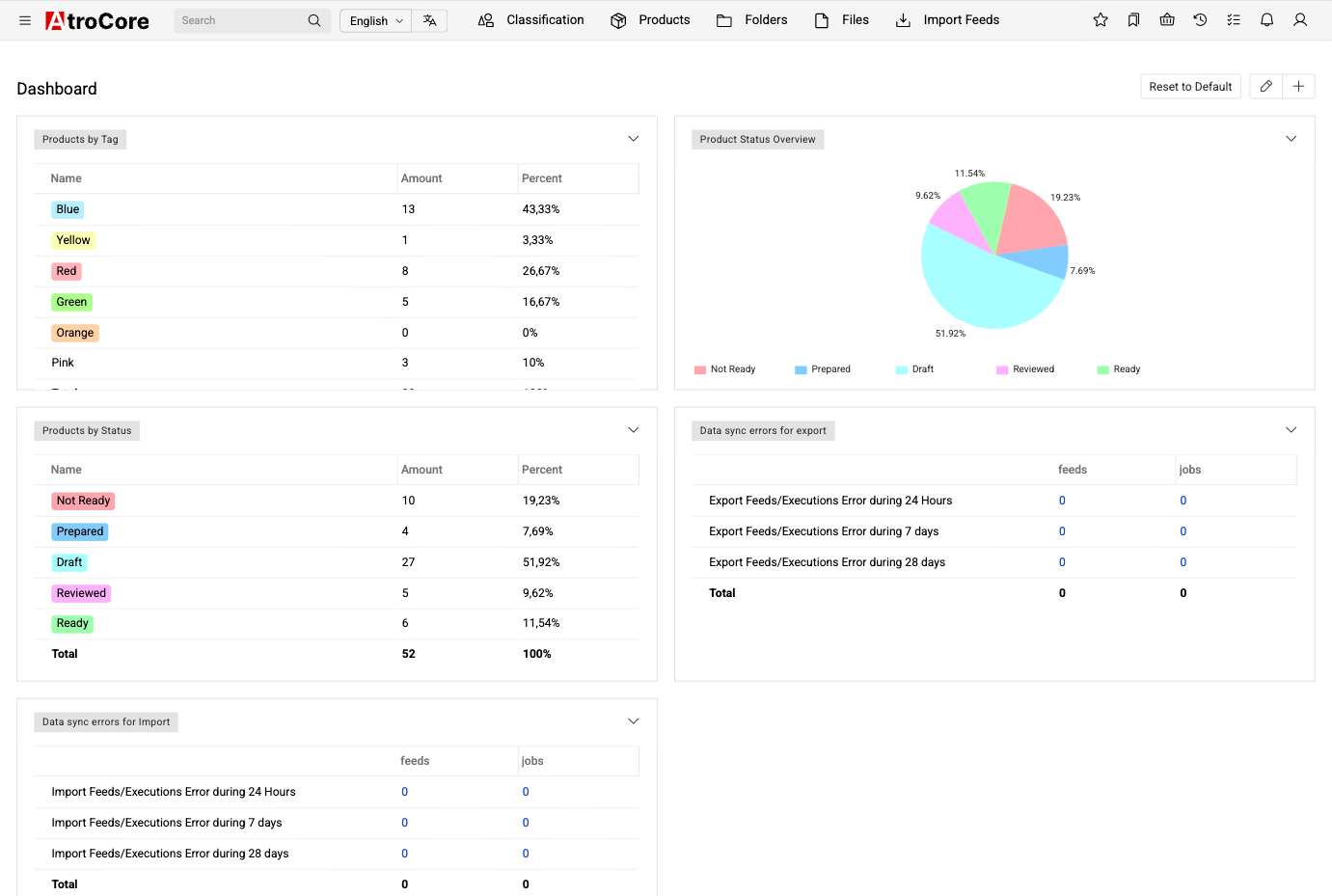
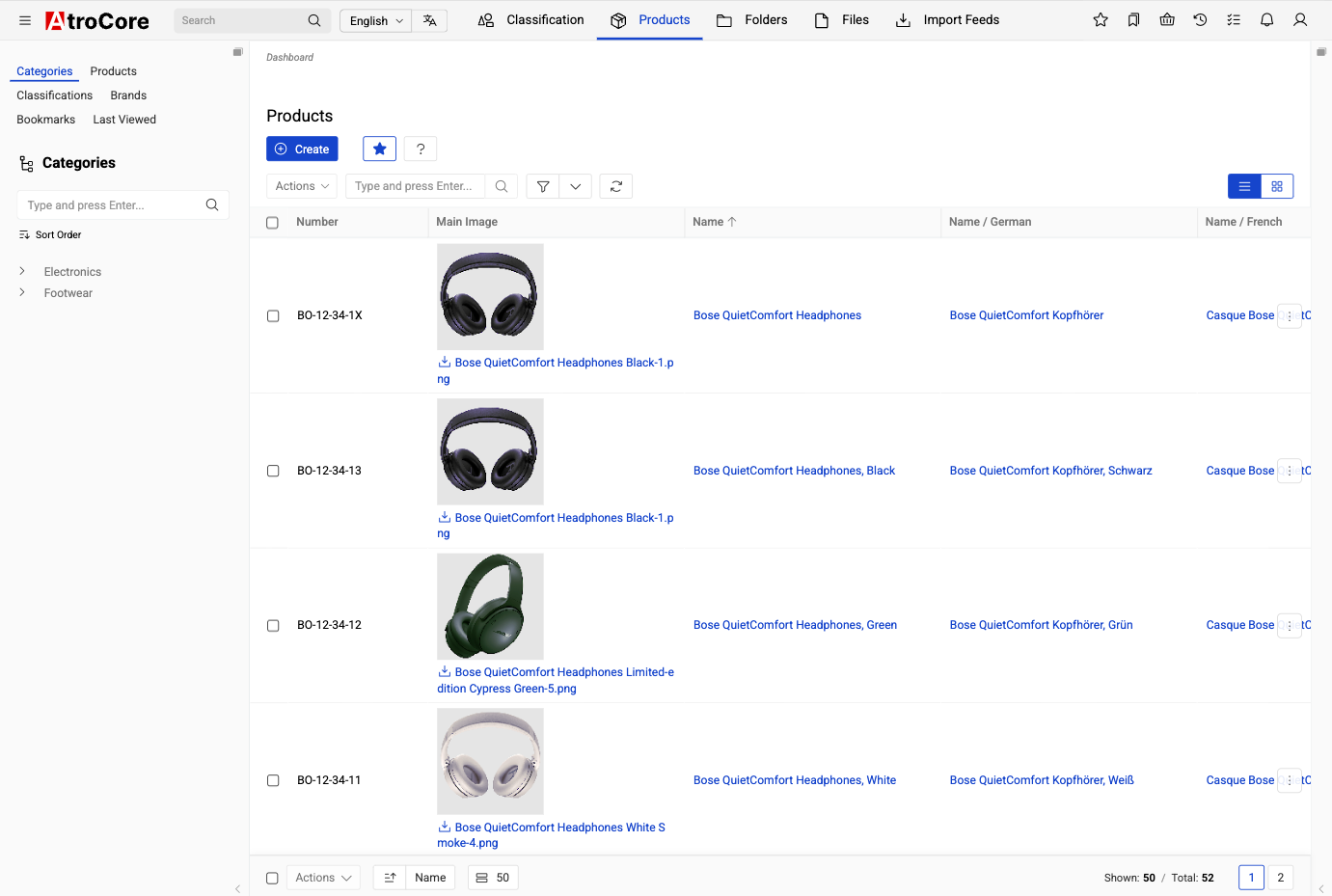
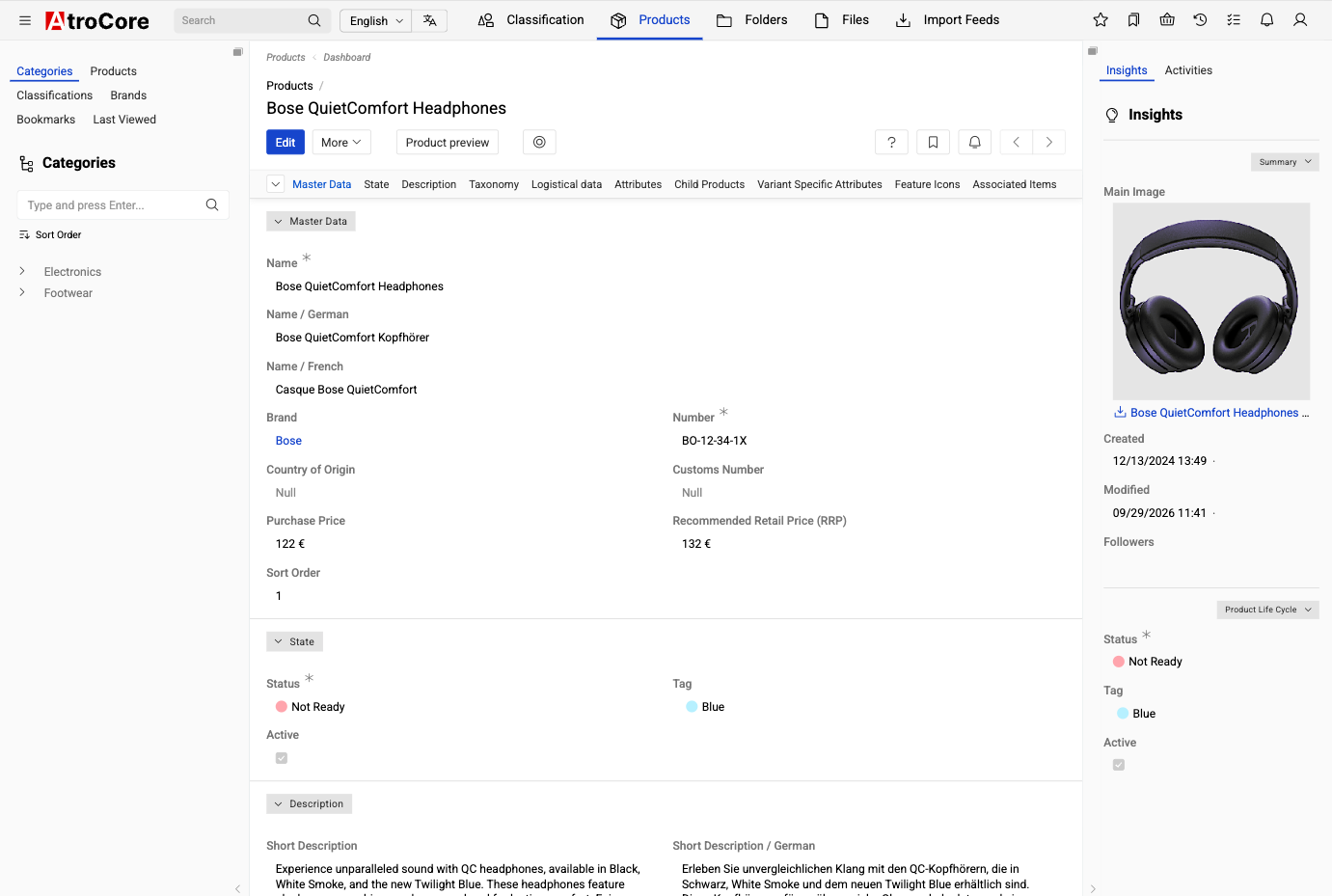
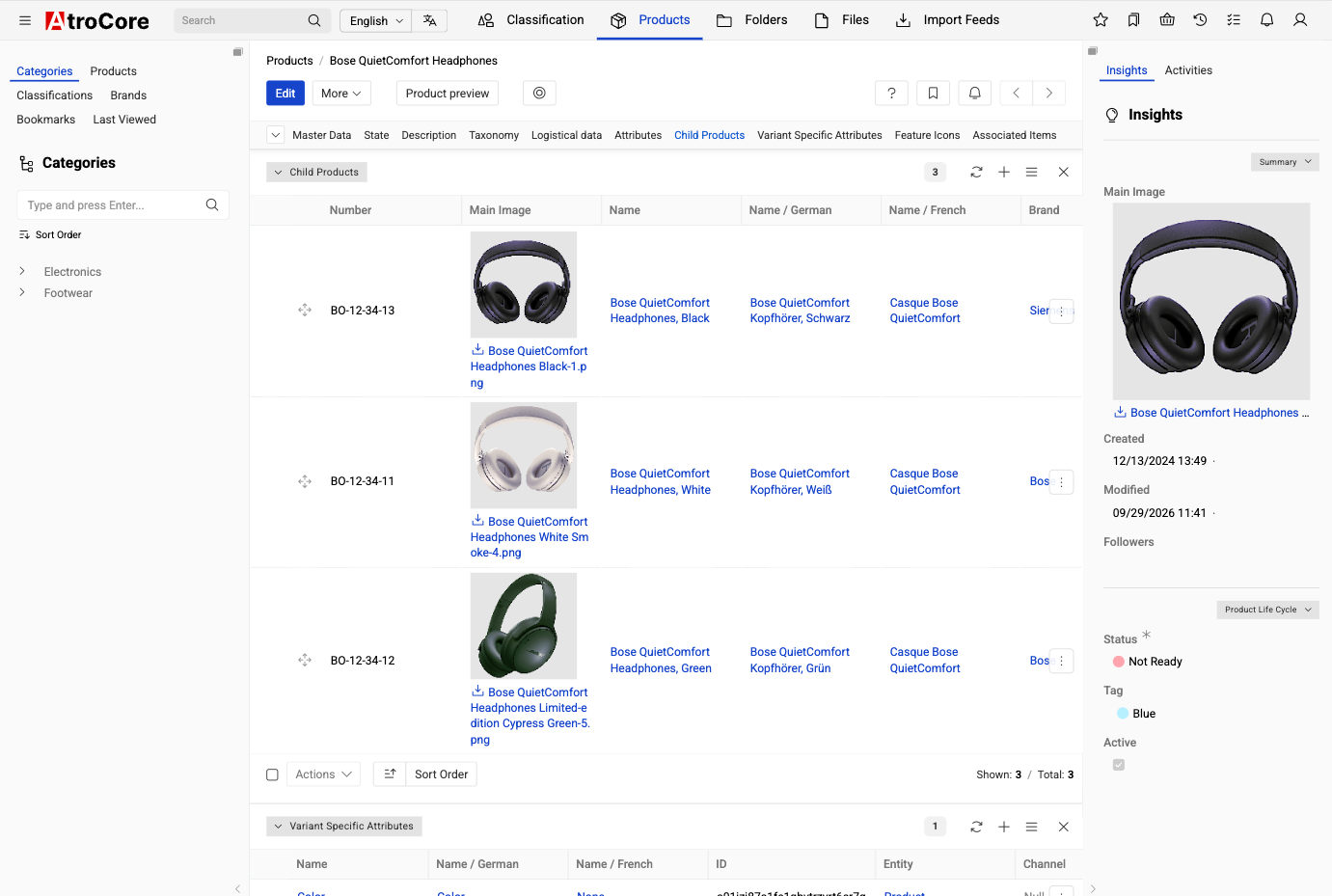
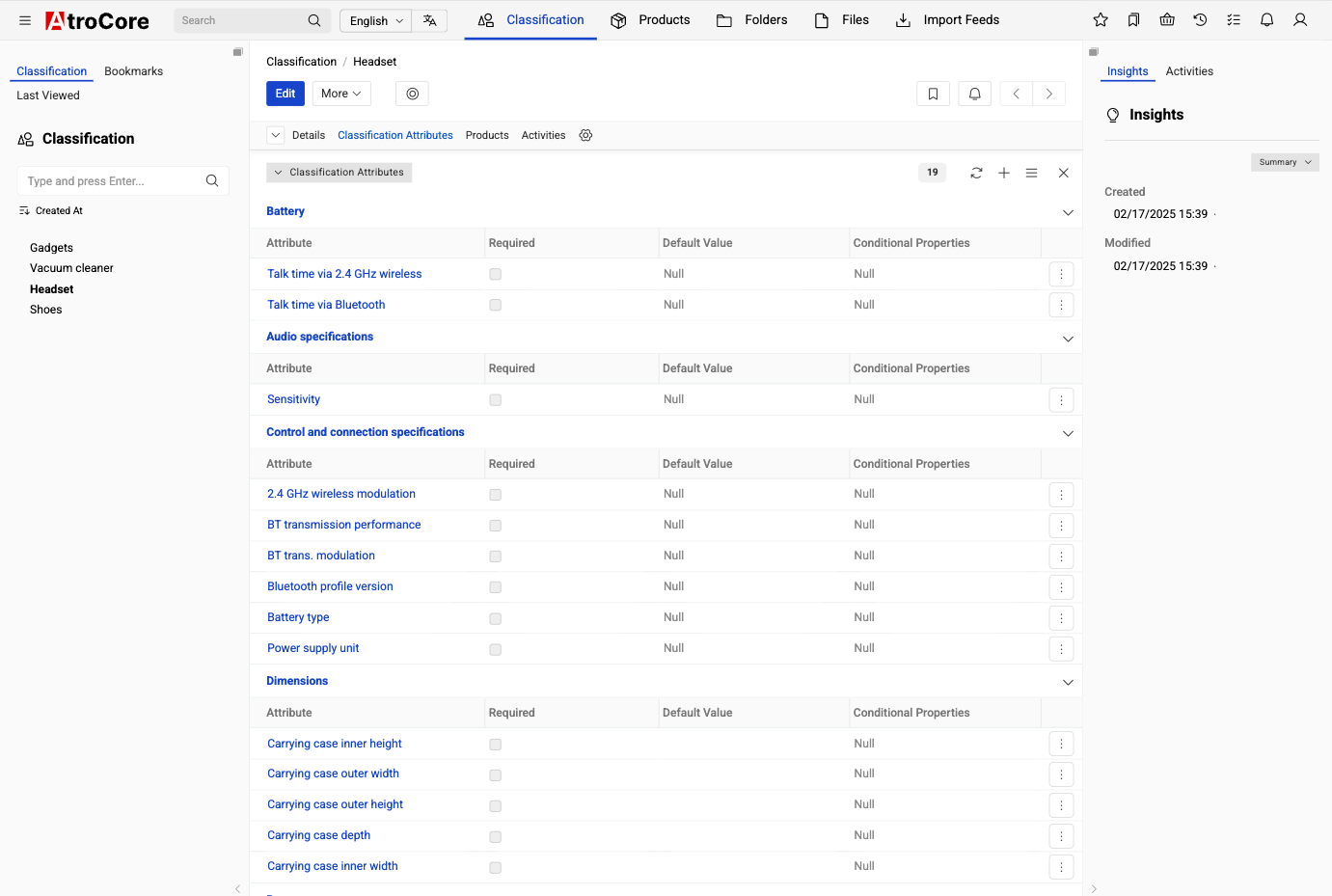
Manufacturers and distributors can model messy product data exactly as it is in AtroPIM, an open-source product information management system configured through its interface instead of code. Configurable attributes come in twenty-plus data types and are grouped by classifications that give each product class a consistent field set, with automatic unit conversion and per-language values. Variants nest across several levels and inherit values from their parents until overridden; multiple category trees and bidirectional associations such as upsell, cross-sell, and accessories organize the catalog per market. Channel-specific values let one record feed several shops, marketplaces, and catalogs, and product listings gather curated collections for a given purpose. A digital asset library with folders and thumbnail types keeps images and documents attached to the products they describe. Import and export feeds exchange data through files or HTTP requests on a schedule, background workers run the jobs, and dashboard widgets surface failed runs. Roles and teams control who edits what, action history records every change, product statuses such as Draft, Reviewed, and Ready track readiness, and configurable actions run from buttons or on a schedule. Every entity, including custom ones, gets its own REST API for shops, ERP systems, and partner portals. Running on a dedicated VPS on RepoCloud with guaranteed CPU, RAM, and SSD, full root SSH access, and a browser serial console. GPL-3.0 licensed.
Benefits
- Model Your Catalog Without Coding
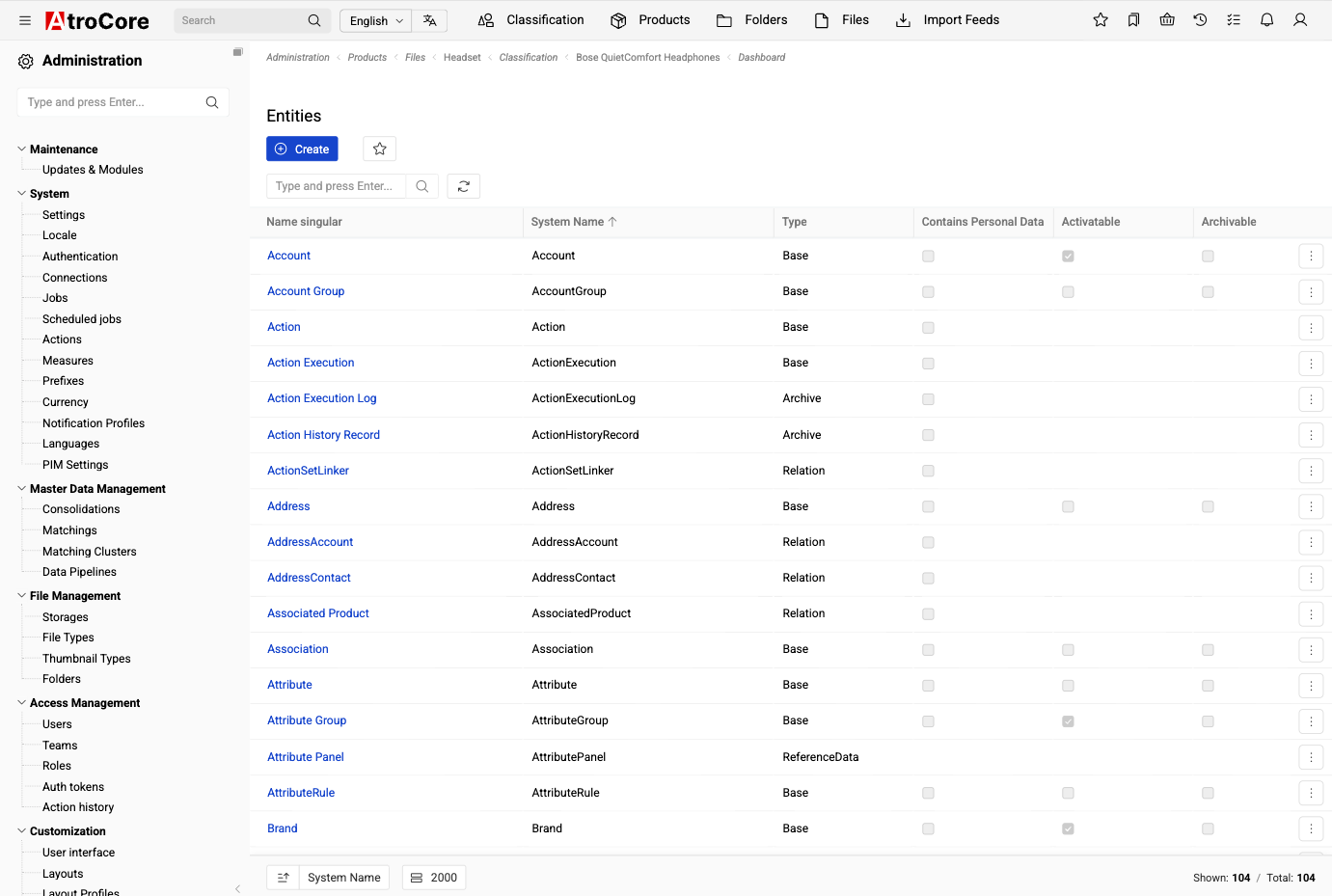
- Create custom entities, attributes, relations, classifications, and layouts in the interface, so structural changes to product data need no development project and leave the core system untouched.
- Publish One Record Everywhere
- Channel-specific attribute values let a single product feed several shops, marketplaces, and catalogs, so teams maintain one record instead of a separate spreadsheet copy for every sales channel.
- Own Your Product Data Fully
- A GPL-3.0 license with no user limits and no feature paywall on the core keeps the catalog, assets, and change history on your own server under your control.
- Connect Shops, ERP, and Portals
- Complete REST API coverage, including custom entities and fields, plus import and export feeds over files or HTTP requests, connects storefronts, ERP systems, and partner portals without extra middleware.
Features
- Hierarchical Variants and Inheritance
- Model variant structures over several levels, with values inherited from the parent product and overridden only where a variant differs, such as color or size.
- Classifications and Attribute Sets
- Group products into classifications that carry their own attribute sets, organized in attribute groups, with more than twenty data types, nested attributes, and automatic unit conversion.
- Channels and Category Trees
- Maintain different attribute values per sales channel and organize products in multiple category trees, so one record serves different shops, markets, and catalogs.
- Digital Asset Management
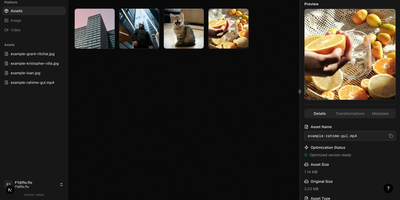
- Store images and documents in folders with configurable storage locations, file types, and thumbnail types, and link each file to the products it illustrates.
- Import and Export Feeds
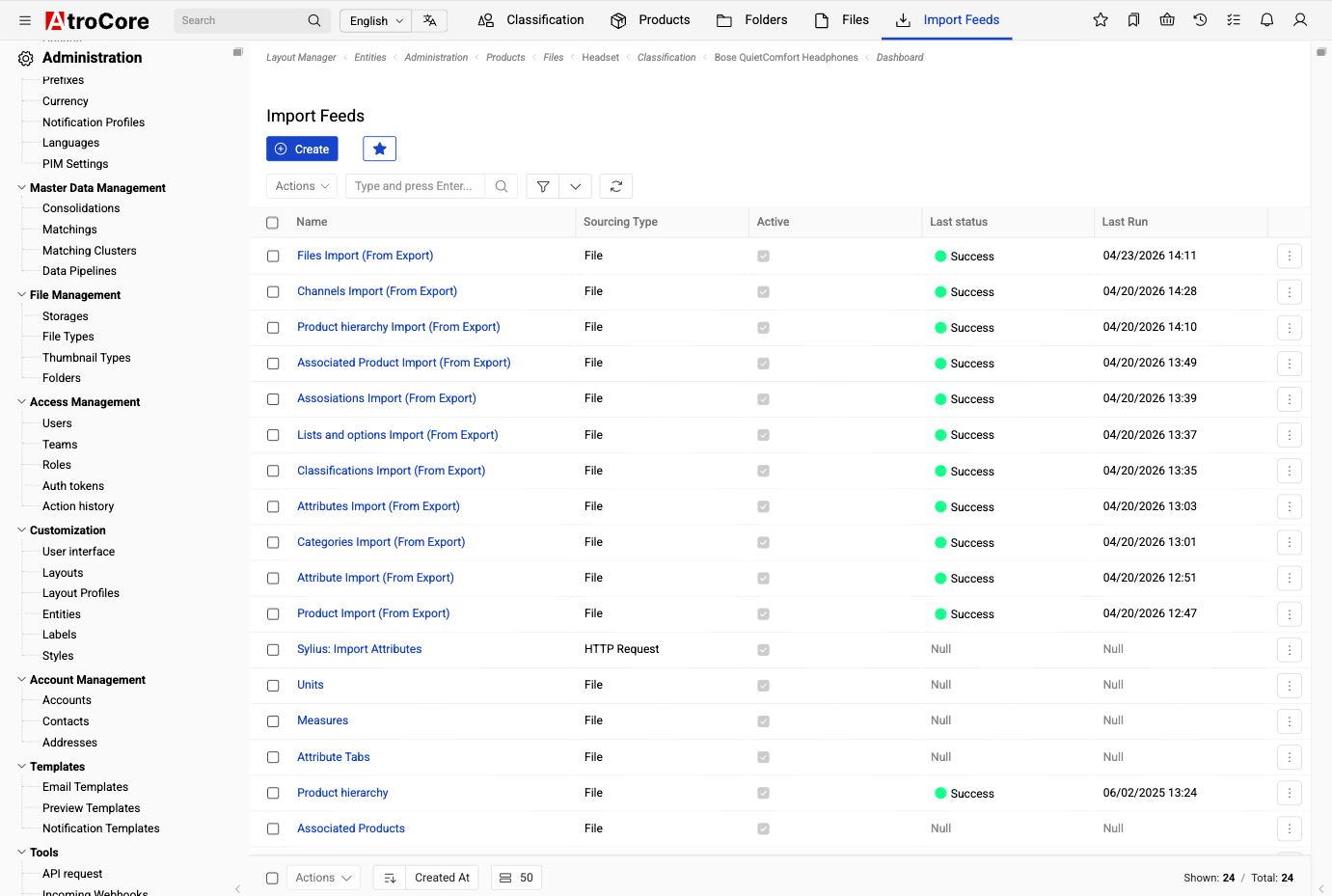
- Configure feeds that read or write files or HTTP requests, run them through scheduled jobs and background workers, and watch failures on dashboard widgets.
- Roles, Teams, and History
- Fine-grained access control through users, teams, and roles, plus action history, notifications, saved filters, and personalized dashboards and layouts for each role.